Applying Ringer Lawn Restore effectively can transform your lawn into a lush, green oasis, but many homeowners struggle with wasteful application methods. Did you know that improper fertilization not only harms your grass but can also lead to water pollution? This guide will equip you with professional tips to apply Ringer Lawn Restore with precision, minimizing waste and maximizing your lawn’s health. By understanding the optimal timing, techniques, and application rates, you can achieve the vibrant lawn you desire while being environmentally responsible. Whether you’re looking to improve your lawn’s overall appearance or restore its vitality after a long summer, these insights will empower you to take the right steps. Keep reading to learn how to fertilize your lawn effectively and efficiently!
How to Choose the Right Ringer Lawn Restore Product
When it comes to perfecting your lawn care routine, selecting the right Ringer Lawn Restore product can make all the difference in achieving a lush, vibrant lawn. Ringer Lawn Restore is well-regarded for its nutrient-rich formula, but not all products suit every type of lawn or specific needs. Thus, understanding what each variant offers is crucial for homeowners looking to make an informed choice.
To begin, consider the NPK ratio, which refers to the percentage of nitrogen (N), phosphorus (P), and potassium (K). A popular choice among lawn care enthusiasts is the Ringer formula featuring a ratio of 10-0-6, ideal for promoting healthy growth without excessive phosphorus, which can be detrimental in some soil types. If your lawn is newly seeded or struggling with coloration, this could be the perfect product to boost its recovery. Additionally, check for inclusions such as biochar or mycorrhizae, which enhance soil health and nutrient uptake.
Understanding the specific needs of your lawn is just as important. For instance, if your lawn is experiencing issues like drought stress or pests, opting for formulas that incorporate organic ingredients or slow-release nutrients can help build resilience. Moreover, seasonal factors should guide your choice; products that cater to spring or fall applications can yield better results based on the growth cycle.
Lastly, it’s beneficial to read customer reviews or consult community forums where lawn care enthusiasts share their experiences. These insights can guide you in selecting a product that not only meets your lawn’s needs but also aligns with your gardening philosophy-whether organic or conventional. Choosing wisely will ensure that your application of Ringer Lawn Restore is effective and waste-free, ultimately leading to a healthier lawn.
Essential Tools for Applying Lawn Restore Efficiently
To achieve optimal results when applying Ringer Lawn Restore, having the right tools at your disposal is paramount. The right equipment not only streamlines the application process but also minimizes waste, ensuring that your lawn receives the nutrients it needs effectively. Here are the essential tools you should consider for an efficient application.
First and foremost, a broadcast spreader is highly recommended. This tool allows for an even distribution of fertilizer over a wide area, reducing the risk of over-fertilization in certain patches and helping you avoid waste. Manual spreaders offer good control, while push-type spreaders cover larger areas quickly, making them ideal for big lawns. Additionally, be sure to check the calibration of your spreader before use to ensure the correct amount of product is being applied.
Another crucial tool is a spray nozzle or garden sprayer, especially if you’re considering moisture activation of the Ringer Lawn Restore formula. Applying a fine mist of water immediately after spreading can help the granules absorb moisture effectively, enhancing nutrient uptake by the grass roots. If your lawn is particularly dry, utilizing a hose-end sprayer can also ensure that nutrients are washed into the soil faster, reducing potential runoff.
Measuring Tools
To achieve precise applications, measuring tools like a scale are invaluable. Weighing your Ringer Lawn Restore before application lets you ensure that you’re using the appropriate amount, typically around 1 pound of nitrogen per 1,000 square feet of lawn. Additionally, having a measuring cup or scoop can help in portioning out the fertilizer accurately from the bag.
Protective Gear
Don’t forget about protective gear. Wearing gloves, a mask, and eye protection ensures that you remain safe during the application process. Fertilizer can cause irritation, and using gear helps you handle the product without any accidental exposure.
By utilizing these essential tools, you not only streamline the application process but also enhance the effectiveness of Ringer Lawn Restore. Proper application ensures that your lawn thrives while minimizing waste-allowing you to enjoy a lush, vibrant lawn without unnecessary excess.
Step-by-Step Guide: Applying Ringer Lawn Restore
Applying Ringer Lawn Restore can transform your lawn into a lush, vibrant landscape, provided you follow the right steps to ensure maximum efficiency and minimal waste. To begin, the first task is to assess your lawn’s current condition. Check for any bare patches or areas in need of extra nutrition. This proactive observation will help you determine how much fertilizer to apply based on the size of your lawn and localized needs.
Once you have your Ringer Lawn Restore product ready, start by calibrating your spreader according to the manufacturer’s instructions. This step is essential as it allows for uniform distribution of the fertilizer across your lawn. Measure the appropriate amount of Ringer Lawn Restore needed-typically around 1 pound of nitrogen per 1,000 square feet-for even coverage. Pour the fertilizer into the spreader, and begin at one edge of your lawn, working in straight lines, slightly overlapping each pass to ensure no areas are missed.
It’s also beneficial to apply the fertilizer when the grass is dry, minimizing clumping and runoff. After application, immediately follow up with a light watering to help activate the nutrients and promote absorption into the soil. Avoid heavy watering initially, as this can wash away the nutrients before they penetrate the soil properly.
Finally, keep an eye on the weather forecast. It’s best to apply Ringer Lawn Restore when no heavy rain is expected for a few days, as this will help ensure that the nutrients stay in the soil where they can best benefit your lawn. Patience is key; allow some time for your grass to absorb the nutrients and for the visible transformation to unfold. With these steps, you can effectively apply Ringer Lawn Restore and enhance the health and appearance of your lawn while minimizing waste.
Common Mistakes to Avoid When Applying Lawn Restore
Properly applying Ringer Lawn Restore can significantly improve the health and appearance of your lawn, but several common mistakes can hinder your efforts and waste valuable resources. One frequent blunder is not calibrating your spreader correctly. Failing to set the right application rate can lead to uneven distribution. It’s essential to read the manufacturer’s guidelines for spreading and to test the spreader beforehand over a small area to ensure you’re applying the fertilizer evenly.
Another pitfall is applying the product during adverse weather conditions. A common mistake is fertilizing before heavy rain, as it can wash the nutrients away before they have a chance to penetrate the soil. Aim for dry conditions both before and after application, and consider the forecast to avoid rainy spells. Additionally, overwatering immediately after application can lead to nutrient runoff. Instead, a light watering is ideal to help activate the nutrients without excess leaching.
Timing is also crucial; applying Ringer Lawn Restore during the wrong season-like late fall or extreme heat-can diminish its effectiveness. Understanding your local climate and the specific growth cycles of your grass type will allow for more strategic application. Finally, avoid the mistake of neglecting your lawn’s condition before applying fertilizer. Conduct a soil test to determine nutrient deficiencies, ensuring you target the specific needs of your grass for optimal results.
In summary, to maximize your Ringer Lawn Restore application, calibrate your spreader, monitor weather conditions, use proper watering techniques, apply at the correct time, and assess your lawn’s nutrient needs beforehand. Avoiding these mistakes will not only improve the efficacy of your fertilizer application but also contribute to a healthier, greener lawn.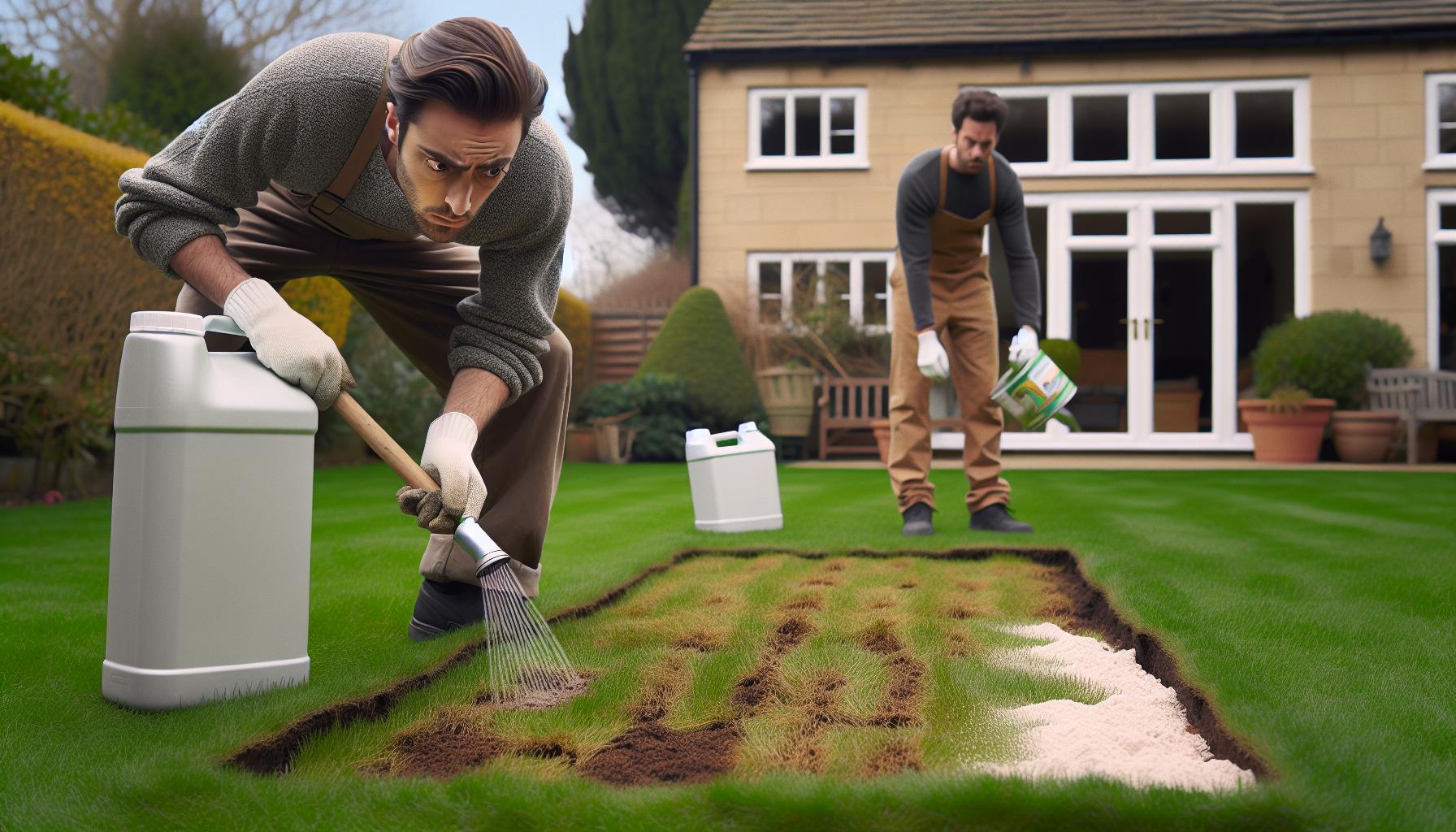
Maximizing Benefits: Timing Your Lawn Restore Application
Timing your application of Ringer Lawn Restore can significantly enhance the effectiveness of the treatment, ultimately leading to a healthier, more vibrant lawn. Understanding the right moments to fertilize is as critical as the fertilizer itself; applying it at the optimal times maximizes nutrient uptake and minimizes waste. Generally, the best times to apply Ringer Lawn Restore are in the early spring, mid-summer, and fall, as these coincide with the active growth periods for most grass varieties.
Choosing the right time also involves paying attention to local weather conditions. Ideally, you want to apply Ringer Lawn Restore when the soil is moist but not saturated, and when rain is not forecasted for at least 24 hours post-application. This allows the nutrients to settle into the soil without being washed away, ensuring that your lawn reaps all the benefits. Additionally, avoid applying the fertilizer during extreme heat, as this can stress your grass and hinder its ability to absorb nutrients effectively.
Another aspect to consider is the health of your lawn prior to application. Conducting a soil test can provide insights into specific nutrient deficiencies, helping you tailor your application to meet your lawn’s unique needs. For instance, if your soil is lacking in nitrogen, timing your application right before a growth spurt, such as early spring, can dramatically improve the lawn’s green-up process.
By synchronizing your irrigation and fertilization schedules, you can further enhance the efficacy of Ringer Lawn Restore. Rather than watering immediately after application, letting the fertilizer sit for a day allows roots to begin absorbing nutrients directly from the soil. Following this, a gentle watering can activate the nutrients without causing runoff, ensuring that the lawn gets the full benefit of your efforts.
In summary, effective timing of your Ringer Lawn Restore application requires monitoring not only seasonal growth cycles and weather forecasts but also conducting soil testing to adapt the application to your lawn’s specific needs. This proactive approach will aid in developing a lush, green lawn while reducing waste of both product and resources.
Watering Techniques for Optimal Ringer Lawn Restore Results
Watering is a crucial part of successfully applying Ringer Lawn Restore, as it significantly influences nutrient absorption and overall lawn health. Adequate watering not only helps activate the fertilizer but also encourages deeper rooting, vital for a lush and vibrant lawn. Following application, it’s essential to implement a strategic watering regimen that complements the fertilizer’s active ingredients while mitigating waste.
Begin by allowing the Ringer Lawn Restore to settle into the soil without immediate interruption. Waiting approximately 24 hours post-application before watering lets the fertilizer begin its breakdown and absorption process, allowing the grass roots to start utilizing the nutrients directly. After this initial period, initiate a watering cycle that provides about one inch of water per week. This can be efficiently achieved with a consistent schedule, which might include watering for 20-30 minutes two to three times a week – timing can be adjusted based on rainfall and soil conditions.
Best Practices for Watering After Application
- Monitor Soil Moisture: Check the top inch of the soil to ensure it’s dry before watering, which prevents overwatering and nutrient runoff.
- Water Early or Late: Irrigating early in the morning or late in the afternoon minimizes evaporation and ensures more water penetrates the soil.
- Use a Gentle Flow: Opt for a spray or soaker hose instead of a high-pressure nozzle to avoid displacing the fertilizer and to ensure even moisture distribution.
Over time, your lawn will exhibit signs of health and vitality; however, keep an eye on it for any areas that may need adjustment. If you notice parts of your lawn appear dry or patchy, consider adjusting your watering technique or frequency. Employing a rain gauge can also be beneficial to assess how much natural precipitation your lawn receives, calibrating your watering schedule accordingly.
Incorporating these watering techniques will not only optimize the performance of Ringer Lawn Restore but also help in developing a thriving lawn while minimizing waste and maximizing the benefits of your lawn care investments. With the right approach, your lawn can flourish beautifully all season long.
Seasonal Considerations for Lawn Restoration
Lawn restoration is influenced not only by the care you provide but also by the seasonal conditions in your area. Understanding how different seasons affect the growth and health of your lawn can play a crucial role in optimizing the effectiveness of Ringer Lawn Restore. Spring and fall are typically the best seasons for lawn rejuvenation, as conditions are conducive to grass growth-temperatures are moderate, and rainfall is usually sufficient.
During spring, as temperatures begin to rise and frost recedes, it creates a perfect scenario for new grass to emerge. This is an ideal time to apply Ringer Lawn Restore, as the nutrients align well with the natural growth cycle of the grass. The fertilization will complement the grass’s recovery from winter dormancy, supporting robust root development and overall vitality.
In contrast, summer, while it may seem like an outdoor maintenance heaven, can introduce stress on your lawn. High temperatures and reduced rainfall may lead to drought conditions, which can hinder the effectiveness of fertilization products. If planning to restore your lawn during this time, prioritize proper watering techniques and look for cooler days to make the application. It’s also beneficial to use Ringer Lawn Restore as part of a broader strategy that includes regular monitoring of moisture levels to prevent over-fertilization and associated runoff.
Fall is another prime period for restoration efforts. With cooler temperatures and increased rainfall, applying Ringer Lawn Restore during this season can enhance nutrient uptake while allowing grasses to establish strong roots before winter. The cooler air limits evaporation, thus making it easier for water and nutrients to penetrate the soil.
- Spring: Ideal for application due to rising temperatures and active growth.
- Summer: Use caution; monitor for stress and adjust watering techniques accordingly.
- Fall: Excellent for nutrient absorption as temperatures cool, preparing the lawn for winter.
By being aware of these seasonal considerations and adjusting your restoration strategy accordingly, you can achieve a healthier lawn and maximize the benefits of Ringer Lawn Restore.
Maintaining Your Lawn Post-Application
Successful lawn restoration doesn’t end with the application of products like Ringer Lawn Restore; in fact, the weeks following application are crucial for maximizing the benefits you’ve initiated. After applying your fertilizer, one of the most significant steps you can take is to monitor the moisture levels in your lawn. Too little water can inhibit nutrient absorption, while too much can lead to runoff or leaching, wasting the very substances intended to support your grass’s health.
Regularly checking soil moisture gives you valuable insights into whether your lawn is properly hydrated. Using a moisture meter can be a game-changer. This tool allows you to ascertain the moisture levels at various depths. Aim for a consistent moisture level that doesn’t lead to soggy soil, as that can cause root rot and other issues. Water deeply but infrequently to encourage deep root growth, which enhances drought resistance in the long run.
In addition to watering, it’s important to avoid mowing your lawn too short during the recovery phase after applying Ringer Lawn Restore. Keeping your grass at a taller height allows it to photosynthesize more effectively, thereby utilizing the nutrients from the fertilizer better. Aim to mow at a height of about 3 to 4 inches, which not only promotes healthy grass but also helps with moisture retention and suppresses weed growth.
Another tip is to minimize foot traffic on your lawn during the initial weeks following application. This enables your grass to establish itself without the added stress of compaction. If necessary, create designated pathways or use mulch to provide a clear route for pedestrians and pets alike.
Lastly, maintain an eye out for pests or diseases as your lawn recovers. Regular inspections can alert you to any emerging issues, allowing for prompt action before they escalate. Over time, you can track your lawn’s progress, adjusting your care regimen based on what you observe. This proactive approach will go a long way in ensuring that your lawn not only survives but thrives post-application.
Eco-Friendly Practices for Waste-Free Lawn Care
Making lawn care decisions with ecological awareness can elevate the beauty of your yard while reducing environmental impact. Implementing waste-free practices during the application of Ringer Lawn Restore not only benefits your grass but also supports sustainable land stewardship. By being mindful of how you handle fertilizer, you can ensure that your efforts yield lush results while minimizing waste.
One effective strategy is to utilize a precise application method, such as a broadcast spreader, which helps distribute the fertilizer evenly across your lawn. This reduces the likelihood of over-application, which can lead to runoff and wasted nutrients. Measuring the area before applying can also prevent excess usage. Keep track of the recommended application rate-generally 10 pounds per 1000 square feet for Ringer Lawn Restore-to avoid any mishaps. Additionally, applying during calm weather conditions minimizes the chance of wind dispersing the product outside your intended area.
Moreover, consider implementing organic lawn care techniques that further enhance the sustainability of your approach. For instance, mulching grass clippings and leaves rather than bagging them can return nutrients to the soil, reducing the need for additional fertilizer. Incorporating natural compost or well-rotted manure can also bolster soil health, promoting a robust lawn without exceeding environmental limits. Not only does this practice diminish waste, but it also enriches your soil organically, leading to healthier grass.
Finally, after application, practice responsible watering techniques to maximize nutrient uptake while preventing runoff. Water your lawn early in the morning or late in the afternoon to reduce evaporation, aligning your watering times with the natural respiration of grass. Aim for consistency: watering deeply but infrequently to encourage roots to grow deeper and more resilient. This optimized approach not only conserves water but also fosters a healthier lawn ecosystem and reduces the need for additional inputs, creating a self-sustaining cycle in your yard.
Understanding Ringer Lawn Restore Ingredients and Their Benefits
Understanding the ingredients in Ringer Lawn Restore can significantly enhance your lawn care strategy. This fertilizer is designed not only to boost grass growth but also to improve soil health. What’s particularly appealing is its blend of natural and synthetic components that promote vibrant green lawns without the risk of burning, which often plagues traditional fertilizers.
Ringer Lawn Restore typically contains essential nutrients such as nitrogen, phosphorus, and potassium-often referred to as N-P-K. Nitrogen is crucial for leaf growth and color, helping your lawn achieve a lush, green appearance. Phosphorus supports root development, leading to stronger and more resilient grass over time. Potassium enhances the overall health of the lawn, improving its ability to withstand stress from drought or pests.
Moreover, many formulations of Ringer Lawn Restore include organic matter that improves soil structure and moisture retention. This bioactive component can stimulate beneficial microbial activity within the soil, enhancing nutrient uptake and overall grass health.
Here’s a quick overview of some key ingredients and their benefits:
| Ingredient | Benefit |
|---|---|
| Nitrogen | Promotes healthy leaf and stem growth, resulting in a vibrant green lawn. |
| Phosphorus | Supports root establishment and flowering, essential for robust grass growth. |
| Potassium | Improves drought resistance and strengthens plant health against disease. |
| Organic Matter | Enhances soil structure and stimulates beneficial microbial activity for nutrient absorption. |
By understanding these ingredients, you can appreciate how Ringer Lawn Restore not only nourishes your lawn but also fosters a sustainable ecosystem, reducing the need for excessive applications and making your lawn care efforts both effective and eco-friendly. Ultimately, the right choice in fertilizer contributes to a thriving landscape while minimizing waste, making it an invaluable addition to your lawn care toolkit.
User Experiences: Successful Lawn Restore Stories
Users often share inspiring stories of transforming their lawns through careful application of Ringer Lawn Restore, illustrating how proper techniques can yield profound results. One homeowner, after struggling with patchy grass for years, decided to apply Ringer Lawn Restore following the recommended guidelines. They used a rotary spreader to ensure even distribution and were careful to water thoroughly afterwards, maintaining moisture in the turf for several days as suggested. Within weeks, the grass not only revived but flourished, creating a lush, green carpet that amazed neighbors and significantly improved the home’s curb appeal.
Another gardener recounted their experience of using Ringer Lawn Restore on newly seeded areas. By applying the fertilizer at the right moment-just as the grass was beginning to establish roots-along with a consistent watering schedule, they reported rapid growth and strong, healthy grass. This proactive approach not only mitigated the risk of waste but also maximized the nutrient uptake, demonstrating the importance of timing in lawn care strategies.
Moreover, a user from a popular gardening forum shared their success story of revitalizing a struggling lawn in a drought-prone area. By combining Ringer Lawn Restore with organic mulch, they enhanced soil moisture retention, ensuring that the nutrients reached the root systems effectively. Their commitment to using eco-friendly practices not only yielded a vibrant lawn but also contributed to water conservation efforts, setting an excellent example for sustainable lawn care.
Through these shared experiences, it’s clear that successful application of Ringer Lawn Restore relies on informed techniques, attentive timing, and a touch of creativity, making lawn restoration both achievable and rewarding for anyone eager to enhance their outdoor space.
Further Enhancing Lawn Health After Restoration
After applying Ringer Lawn Restore, the journey of cultivating a vibrant, healthy lawn continues with a focus on maintenance and follow-up strategies. This phase is crucial, as it can significantly impact the overall success of your lawn restoration efforts. Engaging in good post-application practices can lead to a thriving lawn that not only looks appealing but also stands resilient against diseases and pests.
To optimize the benefits derived from Ringer Lawn Restore, it’s essential to implement a consistent watering regimen. Post-application, it’s recommended to water your lawn lightly every few days for at least two weeks. This not only helps the nutrients to penetrate the soil effectively but also encourages deeper root growth. When establishing a watering schedule, aim for early morning or late afternoon to minimize evaporation. Additionally, consider using a rain gauge to measure rainfall and adjust your watering as necessary to prevent overwatering, which can be detrimental.
Another key component in enhancing your lawn’s health after restoration is incorporating regular mowing practices. Keeping your grass at a healthy height (typically between 2.5-3 inches) helps foster a robust root system while allowing for sufficient sunlight penetration. Moreover, leaving clippings on the lawn can return valuable nutrients to the soil, serving as a natural fertilizer. Additionally, practice aeration yearly to reduce soil compaction and improve air, water, and nutrient movement within the soil.
Finally, engaging in soil testing periodically will help you refine your lawn care approach. Testing your soil pH and nutrient levels can guide you in making informed decisions about additional amendments or treatments that may be required. By monitoring these parameters and adjusting accordingly, you ensure that your lawn continues to thrive in the long term, making your initial effort with Ringer Lawn Restore all the more rewarding.
Remember, the efforts you put into maintaining your lawn post-application will ultimately dictate its health and longevity, paving the way for lush greenery and an inviting outdoor space.
Frequently asked questions
Q: What are the key tips for applying Ringer Lawn Restore effectively?
A: To apply Ringer Lawn Restore effectively, ensure you choose the correct product type for your lawn’s needs, prepare the area by mowing and raking, and follow measured application instructions closely to avoid oversaturation. For a detailed guide, refer to the “Step-by-Step Guide: Applying Ringer Lawn Restore” section in the article.
Q: When is the best time to apply Ringer Lawn Restore?
A: The best time to apply Ringer Lawn Restore is during the growing season, ideally in spring or early fall when temperatures are moderate. This timing allows for optimal absorption and growth. Check the section on “Maximizing Benefits: Timing Your Lawn Restore Application” for comprehensive insights.
Q: How can I reduce waste when using Ringer Lawn Restore?
A: To reduce waste when using Ringer Lawn Restore, measure your lawn area accurately and apply only what is necessary. Utilize proper watering techniques immediately after application to enhance absorption and prevent runoff, as discussed in the “Watering Techniques for Optimal Ringer Lawn Restore Results” section.
Q: What should I do if I notice uneven results after using Ringer Lawn Restore?
A: If you notice uneven results, ensure you’re checking soil moisture and adapting watering techniques to support even absorption. Additionally, revisit the “Common Mistakes to Avoid When Applying Lawn Restore” section for troubleshooting tips on ensuring even coverage.
Q: Can I apply Ringer Lawn Restore during dry weather?
A: Applying Ringer Lawn Restore during dry weather is not advisable, as the product needs adequate moisture for effective absorption. Consider watering the lawn lightly before application or choose a day with predicted rainfall. For watering strategies, check the “Watering Techniques for Optimal Ringer Lawn Restore Results” section.
Q: How often can I apply Ringer Lawn Restore to my lawn?
A: Ringer Lawn Restore can typically be applied every season, but it is best to consult the specific product instructions for usage frequency to avoid over-fertilizing. Exploring the “Understanding Ringer Lawn Restore Ingredients and Their Benefits” section can also provide more detailed guidance.
Q: What environmental factors should I consider before applying Ringer Lawn Restore?
A: Before applying Ringer Lawn Restore, consider weather conditions, recent rainfall, and soil temperature. Applying during favorable conditions ensures better results and less waste. Refer to “Seasonal Considerations for Lawn Restoration” for more details on ideal environmental conditions.
Q: How can I enhance the health of my lawn after applying Ringer Lawn Restore?
A: To enhance lawn health post-application, maintain regular watering, mow at the appropriate height, and minimize foot traffic for a few weeks. For additional tips, read the “Further Enhancing Lawn Health After Restoration” section to ensure your lawn thrives after treatment.
Wrapping Up
Congratulations on mastering the art of applying Ringer Lawn Restore without waste! By following these pro tips, you’re on your way to achieving a lush and vibrant lawn. Don’t let your efforts go unnoticed-implement these strategies now to ensure you maximize results and avoid common pitfalls. If you’re looking for additional resources, check out our guides on effective lawn care techniques and choosing the right fertilizers to complement your lawn restoration efforts.
We’d love to hear about your experience and any tips you’ve discovered along the way! Engage with us in the comments below and share your successes. If you found this guide helpful, consider subscribing to our newsletter for more expert gardening advice and exclusive offers. Remember, a beautiful lawn is just a few steps away-take action today and watch your lawn thrive!