Leaf stains on natural stone can be a persistent nuisance, marring the beauty of your outdoor spaces and driveways. These stains, often caused by the tannins in leaves, can create unsightly marks that many homeowners struggle to remove. However, knowing how to tackle these stains safely is crucial, not only for maintaining the aesthetics of your stone surfaces but also for preserving their integrity. Using harsh chemicals can lead to further damage, making it essential to adopt gentle yet effective cleaning methods. In this guide, we’ll explore safe and environmentally friendly techniques that will help you restore your natural stone to its original glory, ensuring it remains a stunning feature in your home for years to come. Whether you’re preparing for a gathering or simply want to enhance your outdoor environment, the right stain removal approach can make all the difference.
Choosing the Right Natural Stone for Your Space
is crucial for both aesthetics and maintenance, especially when considering how leaf stains can impact the beauty of your surfaces. Each type of natural stone has unique properties that affect how they withstand staining and cleaning. For instance, granite is known for its durability and resistance to scratches and stains, making it an ideal choice for outdoor patios or countertops frequently exposed to leaves and debris. In contrast, marble exudes elegance but can be more porous and susceptible to staining, necessitating proactive care.
When selecting stone, it’s essential to consider the environment in which it will be placed. If your chosen area has a lot of foliage, stones like slate or travertine are good options as they tend to have textured surfaces that can enhance drainage and minimize moisture accumulation, thereby reducing the risk of leaf stains setting in. Additionally, the color and finish of the stone can play a significant role; lighter stones may show stains more readily than darker counterparts, so opting for a darker hue can be a strategic choice in leaf-heavy areas.
Moreover, before your installation process, ensure that you ask about sealing options. A high-quality sealant can provide an extra layer of protection against stains, making it easier to maintain your natural stone surfaces. Regular maintenance and choosing the right cleaning methods, which will be discussed later, can significantly extend the life and appearance of your stone, ensuring that it remains a beautiful feature in your home. Ultimately, thoughtful selection and care will make a substantial difference in how your natural stone performs against common challenges, such as unsightly leaf stains.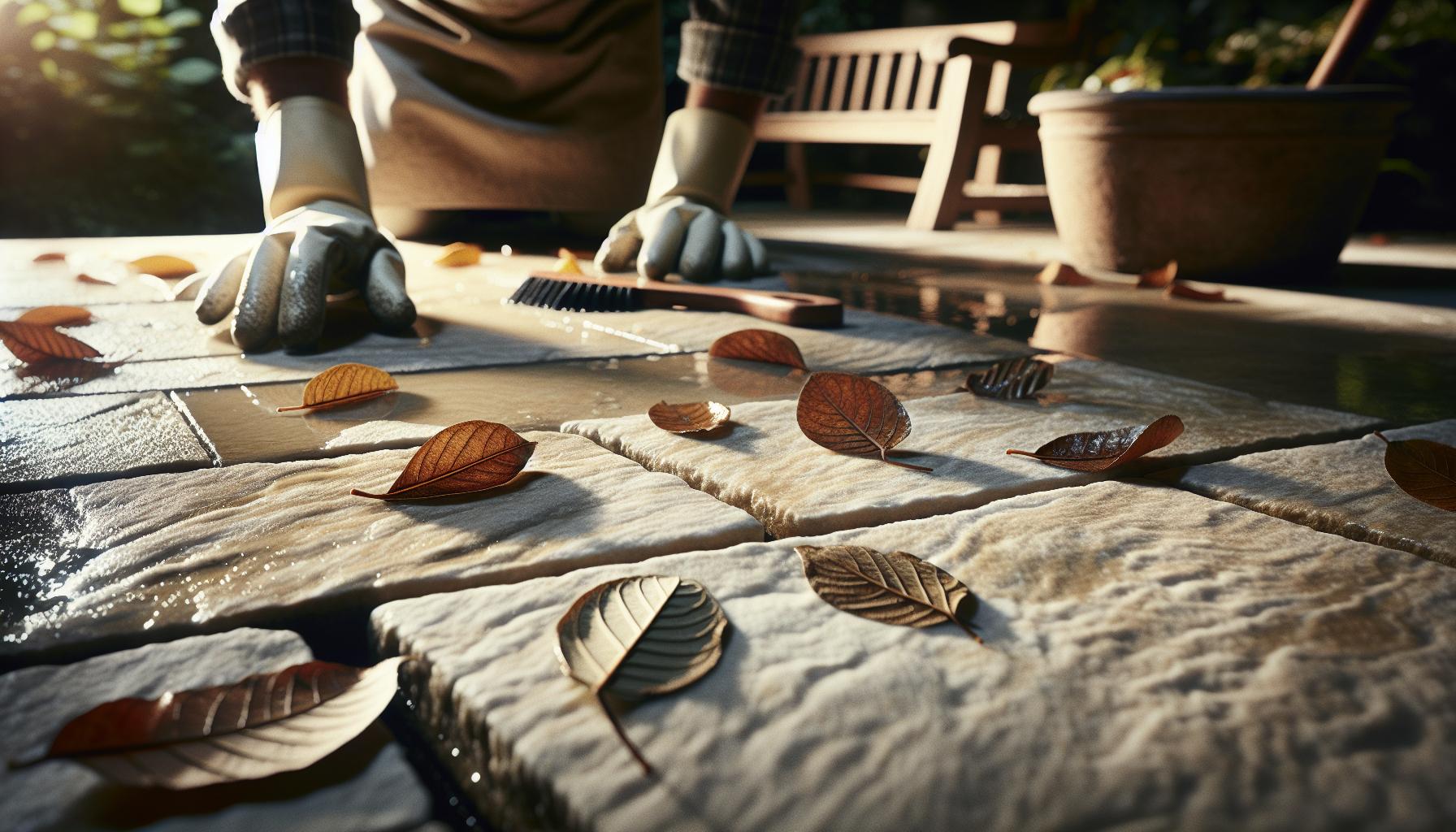
Common Causes of Leaf Stains on Natural Stone
Natural stone surfaces can elevate the aesthetic appeal of any space, but they come with challenges, especially concerning leaf stains. These stains aren’t merely an eyesore; they can damage the stone if left unattended, impacting both its appearance and longevity. Understanding the common causes of these stains will help you take proactive steps to manage and prevent them.
Leaves, particularly from trees such as oaks, maples, and sycamores, can produce tannins-organic compounds that can leave dark marks when they decompose. When leaves remain on the stone for extended periods, especially during damp conditions, these tannins seep into the pores of the stone, creating stubborn stains. The risk is particularly prevalent on softer, more porous stones like limestone and marble, which can absorb these substances more easily than harder stones like granite.
Additionally, the environment in which your natural stone is placed can increase the likelihood of stains. For example, if the stone surface is shaded by overhanging branches, moisture will linger longer, providing an ideal setting for mold or bacteria growth. These organisms can also contribute to unsightly discoloration, making immediate removal and proper maintenance crucial. Regularly clearing away fallen leaves and debris not only improves appearance but also minimizes the risk of staining.
Moreover, sealing your stone can significantly reduce susceptibility to stains. A quality sealant creates a protective barrier that helps prevent moisture and debris from penetrating the stone. However, even with a sealant, regular maintenance is still essential as sealants can wear over time. Understanding these causes and taking preventive measures not only keeps your stone pristine but also prolongs its life, ensuring it remains a beautiful addition to your home.
Understanding the Risks of Improper Cleaning Methods
Cleaning natural stone surfaces is an essential task for maintaining their beauty and longevity, but choosing the wrong cleaning method can lead to irreversible damage. Many homeowners unknowingly put their investment at risk by using harsh chemicals or abrasive tools that may seem effective but can harm the stone’s surface. For instance, acids found in common household cleaners can etch into softer stones like limestone and marble, dulling their glossy finish and making them more susceptible to stains over time.
It’s crucial to recognize the inherent nature of various types of natural stone. Each type-whether granite, slate, or travertine-has unique characteristics regarding porosity and hardness. Using a method suitable for one may not be safe for another. For example, scrubbing with steel wool may effectively remove dirt from a granite surface, but it can scratch softer stones, leading to further staining. Therefore, understanding your stone’s material properties is key to selecting the right cleaning approach.
Additionally, the temperature of the cleaning solutions matters significantly. Using hot water with certain chemicals can accelerate reactions that might harm the stone. Proper dilution and temperature guidelines should always be followed, ensuring that the integrity of the stone is maintained. Failing to do so can lead to discoloration or a compromised surface that attracts even more dirt and stains, perpetuating a vicious cycle of cleaning and damage.
To mitigate these risks, consider these best practices for cleaning your natural stone effectively and safely:
- Test First: Always perform a spot test in an inconspicuous area before applying any cleaner to the entire surface.
- Use Gentle Cleaners: Opt for pH-neutral or stone-specific cleaners designed to lift stains without causing damage.
- Avoid Abrasives: Use soft cloths or non-abrasive pads for scrubbing; never use rough or gritty materials.
- Follow Up with Rinsing: After cleaning, rinse the surface with clean water to remove any residual cleaner.
By following these guidelines and respecting the unique qualities of your stone surfaces, you can avoid the pitfalls of improper cleaning methods and protect your investment for years to come.
Essential Tools and Materials for Safe Cleaning
To effectively tackle leaf stains on natural stone surfaces, having the right tools and materials at your disposal is crucial. Not only do the correct items ensure a safer cleaning process, but they also help maintain the integrity and beauty of your stone. Investing in specialized tools can make all the difference in preserving your natural stone’s lifespan while achieving desired cleanliness.
Start with high-quality microfiber cloths or soft, non-abrasive pads. These tools help lift dirt and stains without scratching the stone’s surface. Unlike traditional sponges or scouring pads, which can be too harsh, microfiber is designed to be gentle yet effective. Additionally, having a soft-bristled brush can be beneficial for reaching crevices where leaves and debris may accumulate.
When it comes to cleaning solutions, opt for pH-neutral or stone-specific cleaners that will not etch or damage the stone. Avoid all-purpose cleaners with acidic components, as these can harm softer stones like limestone and marble. For those looking for eco-friendly options, a simple mixture of warm water and baking soda can act as a gentle scrub, effectively removing stains while being safe for the environment.
A good bucket, measuring cups for dilution, and a squeegee for drying can also enhance your cleaning process. The bucket allows for easy mixing of cleaning solutions, while the squeegee helps remove excess water, reducing the chance of new stains forming due to lingering moisture. Lastly, having protective gloves is a smart choice, especially if you’re utilizing commercial cleaning products, to ensure your skin is shielded from any harsh chemicals.
By gathering these essential tools and materials, you set yourself up for a successful cleaning experience that not only removes pesky leaf stains but also contributes to the long-term health of your natural stone surfaces.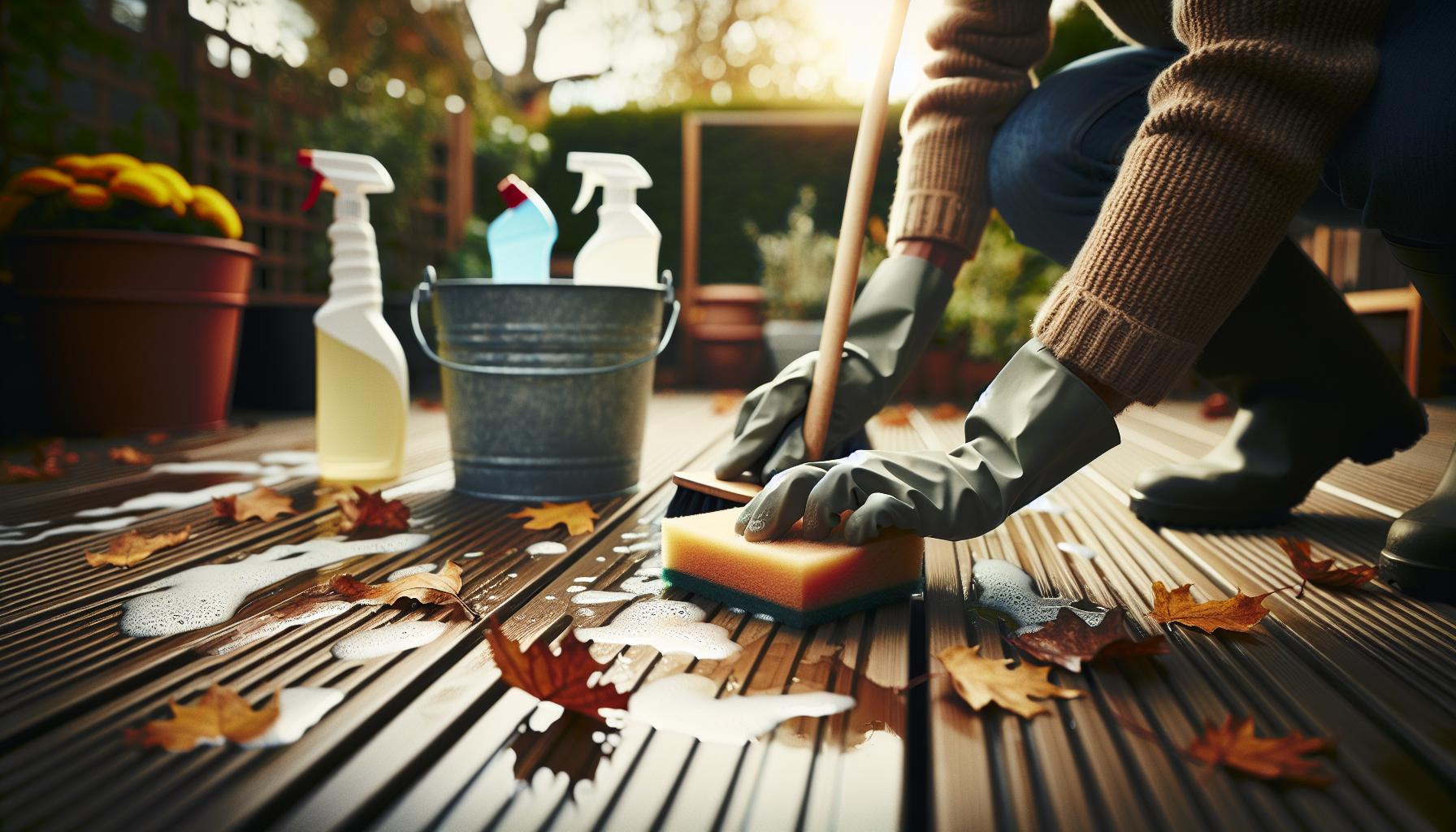
Step-by-Step Guide to Removing Leaf Stains
To restore the beauty of natural stone surfaces affected by leaf stains, a systematic approach can make all the difference. Leaf stains, often a result of organic material decomposing and reacting with surface finishes, require careful handling to prevent damage. By following a step-by-step method, you can effectively remove these stains while preserving the integrity of the stone.
Begin by preparing your working area. Clear off any furniture, decor, or items from the stone surface to have ample space for cleaning. Make sure to wear protective gloves and eyewear to shield yourself from any cleaning agents you may use. Start with a gentle dry cleaning technique: use a soft-bristled brush or a microfiber cloth to sweep away loose debris and dirt. This initial step ensures that you won’t be scrubbing dirt further into the stone when applying your cleaning solution.
Next, create your cleaning solution using either a pH-neutral commercial stone cleaner or a homemade mixture. For an eco-friendly alternative, mix warm water with a few tablespoons of baking soda to form a paste. Apply this paste to the stained area using a soft microfiber cloth or a non-abrasive pad. Allow the solution to sit for about 5 to 10 minutes. This dwell time is essential as it lets the cleaner penetrate the stain without harsh scrubbing.
After the allotted time, gently scrub the area with a soft cloth or brush in circular motions, which helps to lift the stain from the stone’s surface. Rinse the area thoroughly with clean water to remove any residue from the cleaning solution. It’s crucial to ensure that all cleaning materials are washed away as lingering solutions can lead to new stains or discoloration over time. Finally, dry the surface with a clean, dry microfiber cloth to prevent any moisture from settling back into the stone.
By taking these careful steps, you can effectively remove leaf stains and ensure that your natural stone surfaces remain pristine and inviting. This systematic approach not only tackles stains effectively but also minimizes the risk of damage, allowing the natural beauty of your stone to shine through.
Chemical-Free Alternatives for Leaf Stain Removal
Using chemical-free alternatives for cleaning leaf stains from natural stone surfaces can not only protect the stone’s integrity but also minimize environmental impact. A blend of simple household ingredients can effectively address these pesky marks without the use of harsh chemicals that could potentially harm the stone or surrounding plants.
One highly effective option involves creating a paste from baking soda and water. This natural abrasive gently lifts stains without scratching the stone’s surface. To prepare, mix a few tablespoons of baking soda with just enough water to form a thick paste. Apply this directly onto the stained area and let it sit for about 10-15 minutes. The alkaline properties of baking soda work to neutralize organic acids, effectively breaking down the leaf stains while remaining safe for your stone.
Another great solution is to harness the power of white vinegar. Although acidic, when diluted with equal parts water, it becomes a safe option for many natural stones. Spray this mixture onto the stained surface and allow it to rest for approximately 5 minutes. Afterward, wipe it away with a soft cloth or sponge, followed by a thorough rinse with clean water to ensure no vinegar residue lingers. This method is particularly effective on granite and marble; however, always perform a small spot test first to avoid any unintended reactions with stones more sensitive to acids.
For a more aromatic approach, essential oils like tea tree or lemon oil not only add a pleasant fragrance but also provide antimicrobial benefits. Mix a few drops of your chosen essential oil with warm water in a spray bottle, and apply it to the affected area. The natural cleaning properties of these oils can help combat stains and even deter mildew growth.
While these chemical-free methods are excellent for cleaning leaf stains, consistency is key in maintaining the beauty of your natural stone. Regular preventative measures, such as promptly cleaning up fallen leaves and ensuring proper sealing of stones, can further protect your surfaces and make stain removal less frequent and difficult. By utilizing these eco-friendly solutions, you can keep your stone surfaces looking pristine while embracing practices that are gentle on the environment.
Preventative Measures to Protect Your Stone Surfaces
Maintaining the pristine condition of natural stone surfaces requires proactive measures, especially when it comes to preventing unsightly leaf stains. These stains not only detract from the beauty of your stone but can also lead to longer-term damage if left unattended. By implementing a few straightforward strategies, you can protect your surfaces and reduce the frequency of deep cleaning sessions.
Firstly, regular maintenance is crucial. A simple practice of daily or weekly sweeping can help mitigate the buildup of leaves and debris that can cause staining. Especially during fall, when leaf drop is at its peak, making it a routine to clean outdoor areas can make a significant difference. In addition, consider using a blower for larger areas to quickly remove leaves without physically touching the stone, thereby minimizing any potential scratching or damage.
Sealing your stone surfaces is another essential preventative measure. A high-quality stone sealant can provide a protective barrier against moisture and stains. Depending on the type of stone and its porosity, resealing every six months to a year can help maintain that layer of protection. It’s advisable to consult with a professional or the sealant manufacturer to determine the correct sealing products and methods specific to your stone type.
To further guard against leaf stains, it’s beneficial to create zones around your stone surfaces. You can establish designated “leaf drop” areas, such as setting up planters away from the stone or using outdoor rugs to catch debris. Adding such landscaping elements can reduce the amount of organic matter that ends up on the stone.
Finally, consider the environmental conditions surrounding your stone surfaces. Regularly trimming back trees and shrubs can reduce the amount of leaves and other foliage that may fall on your stone. If feasible, installing a cover or awning can provide additional protection from falling leaves and moisture-a proactive approach that can save you time and effort in cleaning and maintenance. By prioritizing these preventative measures, you can significantly enhance the longevity and visual appeal of your natural stone surfaces.
When to Call a Professional for Stone Cleaning
It’s easy to underestimate the importance of regular stone maintenance until unsightly stains become a persistent problem. While DIY cleaning can be effective for minor stains, there are certain scenarios where calling a professional becomes essential to preserving the beauty and integrity of your natural stone surfaces. If you find yourself facing deep, stubborn leaf stains that don’t respond to standard cleaning methods, it’s time to consider professional help.
Professionals not only possess specialized tools but also have access to commercial-grade cleaning solutions that can effectively penetrate and lift deeply embedded stains. For example, if you notice that your usual gentle scrubbing or natural cleaning agents are not yielding results, an expert can apply appropriate treatments without damaging the underlying stone. Moreover, if your stone surfaces are deteriorating due to long-term neglect, professional services can restore the finish and enhance the stone’s natural color and texture.
Another critical factor is understanding the type of stone you are dealing with. Natural stones, like marble or limestone, require specific care that differs from other materials. If you’re unsure how best to clean or maintain your stone, a professional can provide valuable insights tailored to your specific needs. They can evaluate the existing condition of your stone, offer expert advice on whether it needs sealing, and even conduct this sealing effectively to prolong protection against future staining.
In cases of severe staining from organic materials, it’s crucial to act swiftly; procrastination can lead to more extensive damage. If you notice any discoloration that seems to spread or deepen, don’t hesitate. Engaging a professional not only addresses the immediate issue but also helps prevent further damage, potentially saving you time and money in the long run. Ultimately, your natural stone surfaces are an investment, and entrusting them to professionals can ensure they remain both functional and visually appealing for years to come.
How to Maintain Your Natural Stone After Cleaning
After diligently removing leaf stains from your natural stone surfaces, it’s crucial to adopt ongoing maintenance practices to preserve their beauty and functionality. Just as you would after a deep cleaning, implementing a routine care strategy can prevent future stains and ensure longevity. Regular maintenance helps to protect the stone against unfavorable conditions that could lead to further staining, such as moisture accumulation or exposure to harsh environmental elements.
To maintain your natural stone after cleaning, start with consistent routine cleaning. Gently wipe down the stone with a soft cloth or mop and a pH-neutral cleaner specifically designed for natural stone. Avoid using acidic or abrasive cleaners, as they can diminish the stone’s finish and may even cause etching or discoloration. This simple practice can mitigate the risk of dirt and grime building up, making future cleanings easier.
Sealing Your Stone
Another vital step in maintaining your stone is regular sealing. Depending on the type of stone you have and the level of exposure it faces, sealing may be necessary every 6 to 12 months. A high-quality sealant forms a protective barrier that can prevent liquids and other stain-causing substances from penetrating the stone. Before applying a new sealant, ensure your stone is completely clean and dry. Conduct a water test-drop a small amount of water on the surface; if it soaks in rather than beading up, it’s time to reseal.
Utilizing mats or rugs in high-traffic areas can significantly reduce wear and tear on your natural stone. These physical barriers can help soak up spills and prevent scratches from shoes. Additionally, promptly clean up any spills, especially organic substances like wine or oil, as leaving them unattended can lead to troublesome stains.
Lastly, regularly inspect your stone surfaces for early signs of damage or staining. If you notice any blemishes or dull spots, address them immediately with appropriate cleaning techniques or consult a professional if the staining persists. By staying proactive and mindful of your natural stone’s care, you’ll enhance its visual appeal and durability for years to come.
Expert Tips for Long-Term Care of Natural Stone
Long-term care of natural stone surfaces requires consistent attention and a few strategic practices to maintain their beauty and durability. One of the most pivotal tips is to ensure that your stone is protected from moisture, which can lead to staining and degradation over time. For instance, if you have outdoor stone surfaces, it’s advisable to invest in high-quality sealants specifically designed for your stone type. These sealants can form a barrier against water infiltration and help resist staining agents. Regularly checking the effectiveness of your sealant by performing a simple water test will inform you when resealing is necessary.
Implementing daily and weekly cleaning routines can also make a significant difference in maintaining the integrity of your stone. Routine cleaning with gentle, pH-neutral cleaners prevents the buildup of dirt and organic materials, which can cause discoloration. Wiping down surfaces after use, particularly in high-traffic or spill-prone areas, will minimize the chances of stains developing into more significant issues. Using a microfiber cloth or a soft-bristle brush during cleaning can ensure that you are not inadvertently scratching the stone surface while still effectively removing debris.
Additionally, consider the environmental factors that may be impacting your natural stone. For example, harsh sunlight can fade colors, while ice and snow can damage stone integrity in colder climates. Utilizing protective mats in entryways and high-traffic spaces can prevent scratches and collect excess moisture. You should also monitor the areas surrounding your stone, managing vegetation that may drop leaves or debris, as these can contribute to organic stains.
Lastly, make sure to educate yourself on your specific stone type, as different natural stones have unique needs and vulnerabilities. Keeping a log of your care routine, including cleaning dates, resealing schedules, and environmental conditions, will help you stay proactive in your maintenance efforts. By adopting these practices, you can ensure that your natural stone surfaces stay pristine and retain their charm for many years to come.
Troubleshooting: What If the Stains Remain?
Despite your best cleaning efforts, stubborn leaf stains can occasionally linger on natural stone surfaces. These residual stains may be disheartening, yet there are effective strategies to address them without compromising the integrity of the stone. First, it’s vital to assess the nature and age of the stain. Newly formed stains are typically easier to treat than old, set stains, which may require more intensive approaches. Understanding the specific type of stone you’re dealing with-be it granite, marble, or limestone-can also inform the best course of action, as each material possesses unique characteristics and vulnerabilities.
For persistent stains, consider using a poultice, a specialized mixture that can draw out stains from the porous surface of natural stones. To create a simple poultice, mix a thick paste using a safe absorbent material such as baking soda or a commercial stain remover with water. Apply the poultice generously over the stained area, covering it with plastic wrap to retain moisture. Allow it to sit for 24-48 hours; this gives the poultice time to absorb the stain. Once ready, carefully remove the poultice and rinse the area with clean water, then dry it thoroughly. Always conduct a patch test in an inconspicuous area first to avoid any potential damage to the surface.
If homemade solutions prove ineffective, it may be time to turn to professional-grade stone cleaners. Look for products specifically designed for your stone type that are pH-balanced and free from harsh chemicals. Following the manufacturer’s instructions for application will ensure you achieve the best results without any risk of scratching or dulling the stone’s finish. If after multiple attempts the stain remains stubbornly persistent, reaching out to a professional stone restoration service could be your best option. These experts have specialized tools and techniques to tackle such issues, bringing your stone surfaces back to their original beauty.
It’s essential to keep in mind that while removing stains is important, preventing them in the first place is even more critical. Regular sealing of your natural stone, as well as immediate cleaning of any spills or organic debris, can help safeguard against future staining. Remember, with the right knowledge and products, even the most challenging stains can be managed effectively.
Eco-Friendly Solutions for Leaf Stain Prevention
To keep your natural stone surfaces looking pristine and free from leaf stains, incorporating eco-friendly preventive measures is both wise and beneficial for the environment. One of the primary strategies is to regularly seal your natural stone. A high-quality, eco-friendly sealant creates a protective barrier that repels water, oils, and organic matter, helping to prevent leaves and other debris from staining the porous surface. Look for sealants made from sustainable materials, which not only protect your stone but also minimize harm to the environment.
Another effective method for protecting your stone is promptly managing organic debris. Leaves, particularly when they become wet, can release tannins that stain stone surfaces. To prevent this, make it a habit to routinely clear away fallen leaves, especially during the autumn months when leaf accumulation is at its peak. You can also consider placing strategically placed garden barriers or such items as mulch to catch falling leaves before they hit your stone paths or patios.
Consider implementing natural cleaning solutions as part of your maintenance routine. For instance, creating a cleaning solution using vinegar and water can effectively clean your stone surfaces without causing damage, as long as it’s used sparingly and is promptly rinsed away. Additionally, using a mix of baking soda and water not only serves for occasional cleaning but can also help neutralize any leaves’ acid content that might cause staining if left unattended.
Lastly, planting greenery that minimizes leaf drop can be an aesthetic and practical choice. Opt for shrubs or trees known for their non-messy habits or those that naturally lose their leaves outside of typical rainy conditions. This proactive approach of thoughtful landscaping reduces the amount of organic material that lands on your stone, thereby decreasing the likelihood of stains and enhancing the overall beauty of your outdoor areas. By adopting these eco-friendly solutions, you can effectively keep your natural stone surfaces cleaner and more beautiful while also caring for the environment.
FAQ
Q: What are the best natural solutions for removing leaf stains from stone?
A: The best natural solutions include a mixture of baking soda and water to form a paste, or using white vinegar diluted with water. Apply these to the stained area and scrub gently, then rinse thoroughly. For more eco-friendly options, see the section on Chemical-Free Alternatives in the article.
Q: How can I prevent leaf stains on my natural stone surfaces?
A: To prevent leaf stains, regularly sweep or blow leaves off your stone surfaces, and consider applying a sealant that protects against stains. For detailed preventative measures, refer to the Preventative Measures section in the main article.
Q: What is the safest way to clean leaf stains from natural stone?
A: The safest way involves using pH-neutral cleaners specifically made for natural stone. Avoid harsh chemicals. For a step-by-step guide, look at the Step-by-Step Guide to Removing Leaf Stains in the article.
Q: Can leaf stains cause permanent damage to natural stone?
A: Yes, if left untreated, leaf stains can penetrate and damage the stone. Immediate attention can prevent lasting discoloration. To learn more about the risks, check the Understanding the Risks of Improper Cleaning Methods section.
Q: Is it safe to use bleach on natural stone to remove leaf stains?
A: No, bleach is not safe for natural stone as it can discolor and damage the surface. Stick to safer alternatives as mentioned in the Chemical-Free Alternatives section of the article.
Q: When should I consider calling a professional for leaf stain removal?
A: Consider calling a professional if the stains persist after trying recommended methods or if you’re unsure about using specific cleaning products. For details, consult the When to Call a Professional for Stone Cleaning section.
Q: What should I do if leaf stains remain after cleaning?
A: If stains remain, you may need to repeat the cleaning process or try a different method, such as using poultices. Check the Troubleshooting section for further advice on dealing with stubborn stains.
Q: How do I maintain my natural stone after removing leaf stains?
A: To maintain your stone, regularly clean it with a pH-neutral cleaner, avoid harsh chemicals, and apply a fresh sealant annually. For comprehensive maintenance tips, see the How to Maintain Your Natural Stone After Cleaning section.
Concluding Remarks
Removing leaf stains from natural stone doesn’t have to be a daunting task. By following the right techniques and using safe cleaning agents, you can maintain the beauty of your stone surfaces while avoiding damage. If you’re still unsure or have more specific concerns, consider checking out our detailed guides on stone care essentials and eco-friendly cleaning solutions for more tips.
Don’t let those stubborn stains linger-take action today to preserve the elegance of your home! For ongoing tips and expert advice, subscribe to our newsletter or explore our resource section for the best products designed for natural stone care. Remember, a few simple steps can make a huge difference. Got questions or tips to share? We’d love to hear from you in the comments! Your insights could help others in the community.