As the leaves change, they bring beauty to our surroundings but can also lead to unwanted stains on your plastic furniture. Leaf stains are not just unsightly; if left untreated, they can become more difficult to remove over time. Fortunately, knowing how to effectively remove these stains can help you maintain the aesthetics of your outdoor spaces and prolong the life of your furniture. This guide will provide you with practical steps and solutions, ensuring that your plastic furniture remains as vibrant and inviting as the season itself. Dive in to discover tips and tricks that can transform your cleaning routine and restore your furniture’s original shine!
Understanding Leaf Stains on Plastic Furniture
Plastic furniture is a popular choice for outdoor and indoor use alike, thanks to its durability and low maintenance. However, one common issue owners face is the unsightly leaf stains that can mar its appearance. These stains often come from fallen leaves, particularly from trees such as oak, maple, and dogwood, which release tannins that can deeply discolor plastic surfaces upon contact. Understanding how these stains form and the conditions that exacerbate them is essential for effective cleaning and prevention.
Leaf stains typically occur when moisture is trapped between the leaves and the plastic surface, creating an ideal environment for the pigments in the leaves to seep into the material. This process can be particularly pronounced during rainy seasons when leaves are wet and pressed against furniture surfaces for extended periods. Moreover, the intensity of certain colors-like those from vibrant autumn foliage-can contribute to the severity of the staining. The longer the stains are left untreated, the more difficult they become to remove, often leading to the need for more aggressive cleaning solutions.
To tackle these stains effectively, it’s vital to act quickly and regularly clean your plastic furniture, especially during the peak of leaf-falling seasons. Prevention also plays a crucial role; keeping furniture covered or storing it indoors during heavy leaf fall can reduce exposure to potential staining agents. Additionally, applying a protective coating designed for plastic surfaces may help repel moisture and other contaminants, ensuring your furniture maintains its aesthetic appeal for years to come.
When it comes to treating existing stains, the materials used for cleaning can vary significantly in effectiveness. Simple solutions such as soapy water or baking soda paste may work well for fresh stains, while older, set-in stains might require commercial plastic cleaners or specialized stain removal products. Understanding the nature of the stains and choosing the right approach is crucial for preserving your furniture’s look and longevity. By taking these proactive measures, you can keep your plastic furniture looking fresh and clean all year round.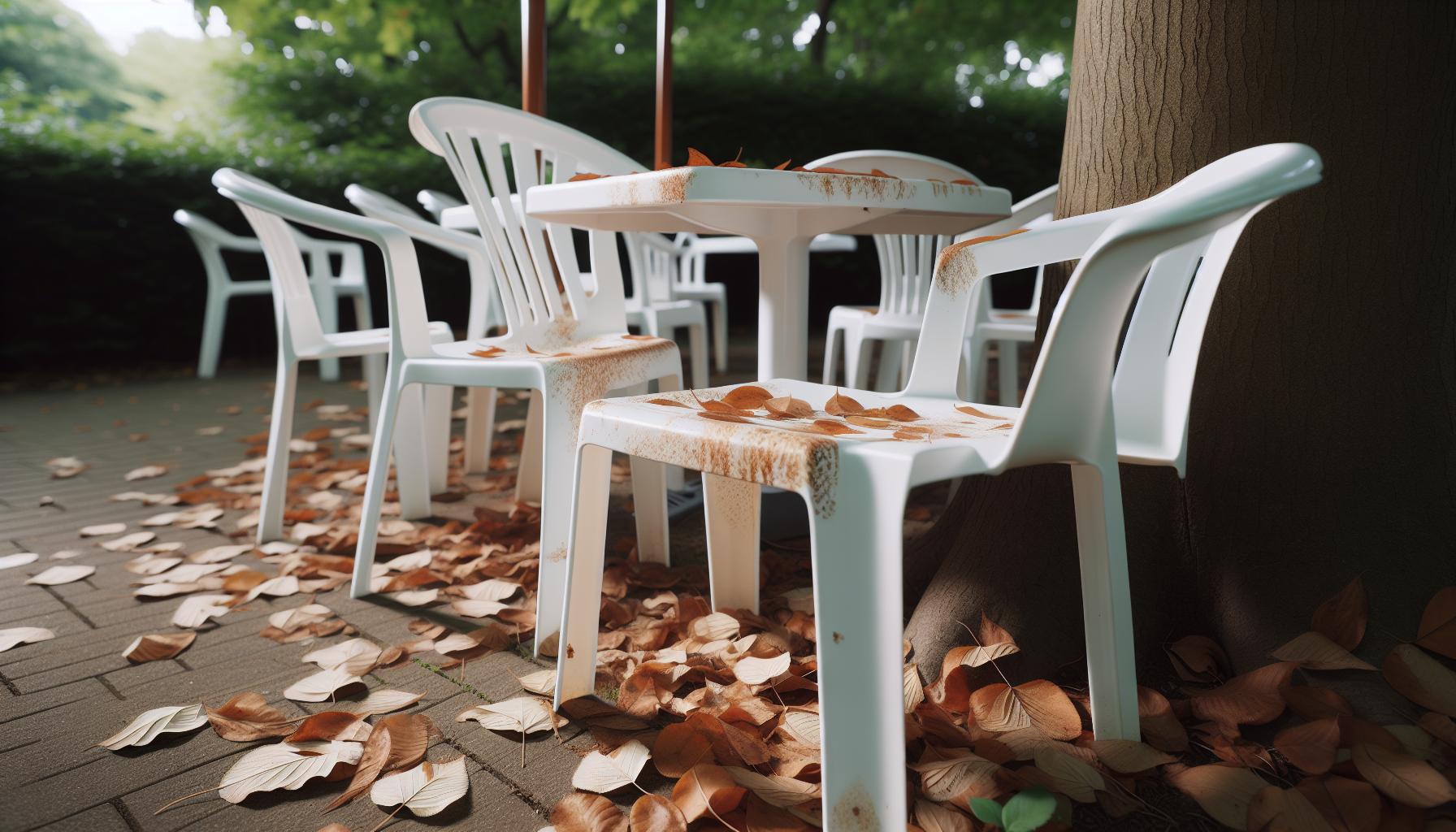
Effective DIY Methods for Leaf Stain Removal
When it comes to tackling leaf stains on plastic furniture, quick action is key. The longer these stains are allowed to set, the harder they become to remove, often leading to frustration and the need for harsh chemicals. Fortunately, there are several effective DIY methods that can restore the original look of your furniture without significant effort or expense.
Start with a straightforward approach using warm, soapy water. Mix a few drops of dish soap with warm water in a bucket and apply it with a soft cloth or sponge. Gently scrub the stained area in circular motions, focusing on the edges where the stain is most pronounced. For tougher stains, create a paste of baking soda and water. Apply this paste to the stain, let it sit for about 15 minutes, then scrub gently with a sponge or cloth before rinsing with clean water. Baking soda not only helps lift the stain but also acts as a mild abrasive that won’t damage the plastic.
Another effective solution involves using white vinegar, which is great for breaking down tannins found in leaf stains. Mix equal parts of vinegar and water in a spray bottle, spray it onto the stain, and allow it to sit for about 10 minutes. Wipe it away with a cloth, and don’t be surprised if you see immediate results. For more persistent stains, consider using hydrogen peroxide. Applying it directly to the stain can brighten the plastic without the need for toxic chemicals but remember to test it on a small area first to ensure there’s no discoloration.
For those looking to combine efforts, you can form a powerful cleaning duo by mixing baking soda with vinegar. This bubbly reaction can help lift deep-set stains effectively. Just sprinkle baking soda on the stained area, then spray with a vinegar solution. Once the fizzing settles, scrub the area gently and rinse away.
With these DIY methods, it’s possible not only to treat existing stains but also to maintain the overall appearance of your plastic furniture. Regular cleaning after rainfall or leaf drop will help prevent stains from setting in the first place, sparing you from future cleaning challenges.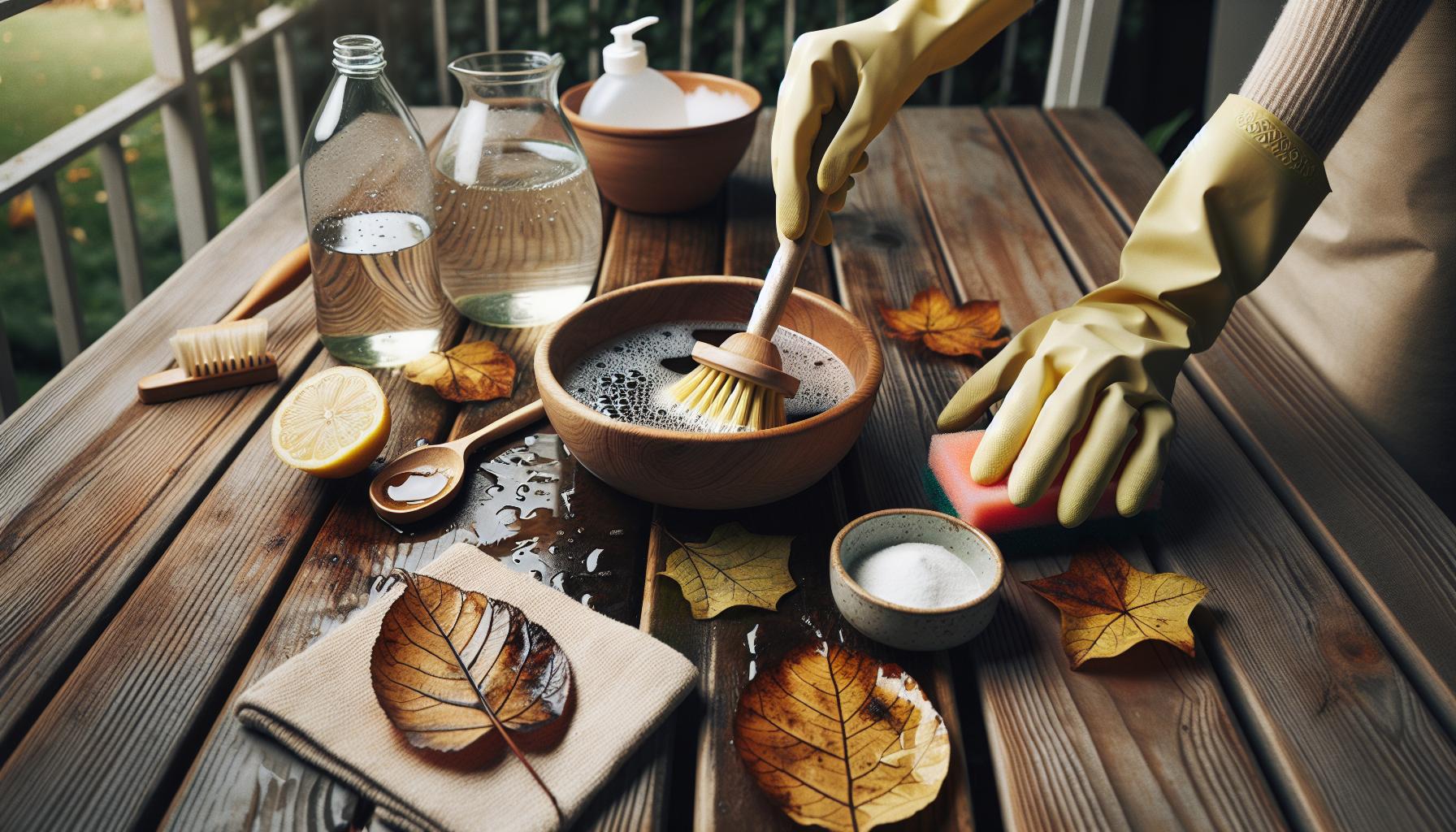
Chemical Solutions vs. Natural Remedies
When it comes to removing leaf stains from plastic furniture, the choice between chemical solutions and natural remedies can significantly impact both effectiveness and environmental health. Chemical cleaners, often marketed for their heavy-duty stain-fighting power, can deliver quick results, but they come with caveats. Many contain harsh substances that can harm your garden’s ecosystem if they leach into the soil, or cause adverse reactions on sensitive surfaces. Consider the high concentration of bleach or solvents in some commercial products; while they might abolish stains almost instantly, their long-term effects on the plastic’s integrity can lead to fading, cracking, or discoloration when used repeatedly.
In contrast, natural remedies offer a safer and often gentler approach to stain removal. Common household items like baking soda, vinegar, and lemon juice not only break down the components responsible for unsightly stains, but they are also eco-friendly alternatives that won’t harm your outdoor environment. For instance, a mixture of vinegar and baking soda creates a reaction that releases carbon dioxide gas, helping to lift stubborn stains while being less abrasive than most chemical options. Utilizing these methods can be financially beneficial as well, reducing the need for frequent purchases of specialty cleaning products.
Many homeowners have had success with a blend of these methods, finding that a combination can yield the best results while respecting the delicate balance of their outdoor spaces. For those dealing with particularly stubborn stains, using a mild chemical solution as a last resort-followed by a natural remedy-can cleanse while minimizing potential damage. This way, it’s possible to achieve a pristine look on your plastic furniture without compromising future enjoyment of your garden or patio.
Ultimately, evaluating the specific stain type, the material of the furniture, and your environmental priorities will guide your decision. Whatever route you choose, keeping your approach balanced between effectiveness and sustainability will lead to better cleaning outcomes and a cleaner conscience.
Preventing Leaf Stains on Plastic Surfaces
One of the simplest truths about outdoor plastic furniture is that prevention is far easier than cleaning. Leaf stains, which often occur when moisture and pigments from leaves settle on your furniture, can be a common nuisance during fall or rainy seasons. By implementing some proactive strategies, you can significantly reduce the likelihood of these stains forming in the first place, preserving the appearance and longevity of your outdoor pieces.
To start, consider the placement of your furniture. If possible, position plastic chairs, tables, and loungers away from overhanging trees or plants, especially during leaf-fall season. Using the furniture in a covered area, such as a porch or under an awning, can serve as an effective barrier against leaf debris. Additionally, employing outdoor furniture covers can provide an extra layer of protection; these covers not only shield your furniture from leaves but also prevent dust, moisture, and the sun’s UV rays, which can lead to fading over time.
Regular maintenance is another key component in preventing leaf stains. Establish a routine for cleaning your furniture, even if it’s a simple sweep or wash with a mild soap solution every couple of weeks. This proactive approach can help remove any unwanted debris before it has a chance to stain. For those who experience frequent leaf issues, keeping a broom or blower handy outdoors can be a quick solution to gather any fallen leaves before they settle and stain your furniture.
Additional Tips for Leaf Stain Prevention
- Use a Protective Sealant: Applying a specialized protective sealant designed for plastic surfaces can create a barrier that repels moisture and makes cleaning easier.
- Choose Light Colors: If you are in the market for new furniture, opting for lighter colors can sometimes make stains less noticeable compared to darker shades that may show discoloration more readily.
- Stay Ahead with Monitoring: Keep an eye on the weather patterns; if you know it’s going to rain, take a few moments to cover or move your furniture to avoid leaf stains mixed with moisture.
By taking these steps, you not only prolong the life of your plastic furniture but also maintain its aesthetic appeal, ensuring your outdoor space remains inviting and well-kept.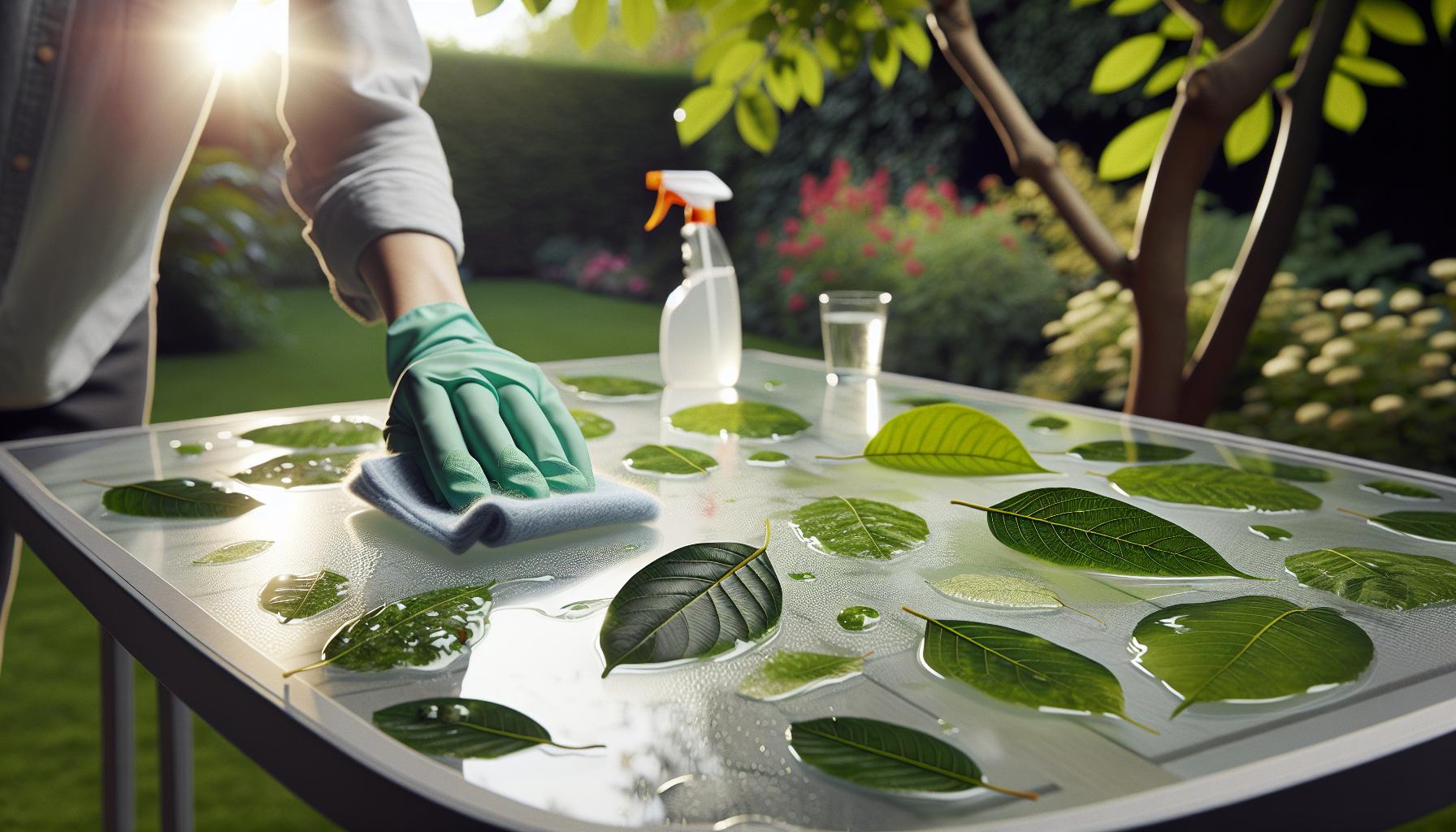
Best Practices for Cleaning Plastic Furniture
Cleaning plastic furniture effectively requires not just the right techniques but also a bit of knowledge about the materials involved. Many homeowners underestimate the effect that common household items can have on the appearance of their outdoor furniture. To maintain that inviting look while tackling unsightly leaf stains, start by employing a simple yet efficient routine that revolves around a few key tips.
A mixture of warm water and a mild dish soap is often all you need to create an effective cleaning solution. Using a soft sponge or cloth, gently scrub the stained areas, ensuring you don’t damage the plastic surface. For tougher stains, consider creating a paste with baking soda and water-this gentle abrasive action can lift stains without scratching. It’s essential to rinse thoroughly after cleaning to avoid any soap residue that may attract dirt.
When applying any commercial cleaners, read labels carefully to ensure they’re safe for plastic surfaces. Products containing bleach can be effective but should be used sparingly as they can degrade plastic over time. Instead, opt for specially formulated cleaners designed for outdoor furniture. Always test any new cleaner on a small, inconspicuous area before applying it to the entire piece to avoid unintended damage.
Additionally, regular cleaning can vastly improve the appearance and longevity of your furniture. Consider implementing a bi-weekly cleaning schedule; not only does this prevent the buildup of stains, but it also becomes an easy habit to maintain. After cleaning, it’s advisable to apply a thin coat of protective sealant. This step acts as a barrier, repelling moisture and dirt, and making future clean-ups a breeze. By integrating these best practices, you’ll keep your outdoor plastic furniture looking fresh and vibrant throughout its lifespan.
Maintaining Your Plastic Furniture’s Appearance
Maintaining the pristine look of your outdoor plastic furniture is not just about aesthetics; it’s also about prolonging its lifespan against the elements and everyday wear. Plastic furniture, while durable and lightweight, can harbor dirt, grime, and especially stubborn leaf stains that detract from its charm. A comprehensive maintenance routine is essential for keeping these pieces vibrant and inviting.
Regular cleaning is paramount. Schedule a bi-weekly wash to prevent the accumulation of leaf stains and other debris. Using a soft sponge or cloth and a gentle solution-like warm water mixed with mild dish soap-can work wonders. This simple concoction not only cleans but also protects the plastic from more aggressive chemicals that may cause damage. After scrubbing, always rinse thoroughly to remove any soap residue that may attract dirt in the future.
Another critical aspect of maintenance is the application of protective products. Investing in a UV-protective spray specifically designed for plastic can help shield furniture from discoloration caused by sun exposure. This layer of protection is particularly beneficial during the warmer months when outdoor furniture is most vulnerable. It acts as a barrier, guarding against both stains and the damaging effects of UV rays that can fade colors over time.
Finally, storage plays an essential role in preserving plastic furniture’s appearance. During the off-season or inclement weather, consider moving your furniture indoors or using protective covers. This not only prevents stains but also minimizes exposure to moisture and mold. By integrating these strategies into your routine, you can maintain your outdoor plastic furniture’s appeal and functionality, ensuring that it remains a delightful part of your space for years to come.
Tips for Caring for Outdoor Plastic Furniture
Caring for outdoor plastic furniture extends beyond maintaining its aesthetic appeal; it’s about ensuring longevity and functionality as well. Many homeowners encounter the frustration of leaf stains on their furniture, a common issue that can diminish the overall look of their outdoor space. To combat this, implementing a few proactive strategies can make a significant difference in keeping your plastic furniture pristine.
Regular Maintenance
Set a cleaning schedule that works for you, ideally once every two weeks. During these sessions, use a gentle solution of warm water and mild dish soap, applied with a soft sponge or cloth. This method is effective at removing dirt and leaf stains without damaging the surface. After washing, always rinse thoroughly to eliminate any soap residue that could attract more dirt. For tougher stains, consider using a mixture of baking soda and vinegar, applying it directly to the stain and scrubbing gently before rinsing.
Protective Measures
Utilizing protective products enhances the durability of your outdoor furniture. A UV-protective spray is invaluable; it helps prevent fading and discoloration caused by prolonged sun exposure. Beyond sprays, consider using clear protective covers during storms or intense weather to shield your furniture from water damage and staining. This is particularly critical during fall when leaves tend to accumulate.
Optimal Storage Practices
During the off-season or adverse weather conditions, prioritize proper storage to extend the lifespan of your furniture. If possible, store items indoors or under a shelter. Alternatively, invest in high-quality covers specifically designed for outdoor furniture. Not only do these measures minimize exposure to moisture and potential stains, but they also prevent mildew growth and enhance the furniture’s longevity.
Implementing these tips ensures that your outdoor plastic furniture withstands the test of time and maintains its vibrant appearance, allowing you to fully enjoy your outdoor living space.
When to Seek Professional Help for Stains
For many homeowners, leaf stains on plastic furniture can be a persistent and frustrating issue, often requiring more than just elbow grease to resolve. If you’ve tried various DIY cleaning methods and still see those stubborn stains lingering, it may be time to consider enlisting professional help. While it can be tempting to tackle every problem yourself, there are scenarios where the expertise of professionals can make a significant difference.
One of the primary instances to seek help is when the stains appear resistant to common cleaning techniques and products. If repeated attempts with baking soda, vinegar, or commercial cleaners fail to lift the discoloration, professional services often utilize industrial-grade solutions that can tackle deep-set stains without causing damage to the plastic. Additionally, professionals are equipped to handle different types of materials and finishes, ensuring that the integrity of your furniture remains intact while achieving cleaner results.
If you notice signs of damage or deterioration, such as cracking or brittleness around the stained areas, it’s vital to consult experts before exacerbating the issue. They can perform assessments to determine if the damage is repairable or if the item needs replacement. Furthermore, if your outdoor furniture has extensive staining due to prolonged exposure to harsh elements, a thorough cleaning by professionals not only addresses the visible issues but also extends the life of the furniture.
Ultimately, if time is a constraint and you want to avoid the hassle of deep cleaning, professional services can save you valuable hours. Their expertise can provide a fast and effective solution, allowing you to enjoy your outdoor space without worrying about lingering stains or the risk of additional damage due to improper cleaning methods. In weighing the options between DIY and hiring a professional, consider factors such as the severity of the stain, the type of plastic furniture, and your willingness to invest time and resources into the cleaning process. If the stains are persistently ruining your outdoor enjoyment, professional intervention might just be the best choice.
Post-Cleaning Care: Protecting Against Future Stains
After successfully removing leaf stains from your plastic furniture, it’s crucial to implement strategies that will help protect against future discoloration. Leaf stains can not only mar the aesthetic of your outdoor pieces but may also signal issues with maintenance and care. By taking proactive steps, you can extend the lifespan of your furniture and keep it looking fresh and vibrant.
To start, consider applying a protective coating specifically designed for plastic surfaces. These coatings act as barriers, making it more difficult for stains to set in. You can find various products on the market that provide UV protection and resistance to discoloration from various elements, including leaves and other organic debris. Regularly reapplying this coating can significantly reduce the frequency and intensity of stains.
Changing your cleaning routine is also essential. Instead of waiting until stains appear, make it a habit to regularly clean your plastic furniture, ideally every few weeks, especially during seasons when leaves fall most. Use a mild soap and water solution, and consider employing soft brushes to gently remove potential staining agents before they have a chance to setup.
Additionally, positioning your plastic furniture in a less exposed area, such as under a cover or canopy, can reduce exposure to the elements. If you cannot shade your furniture constantly, consider investing in covers that easily slip on and off when you’re not using your furniture. These can be especially useful during peak seasons for leaf drop.
Lastly, remain vigilant about other potential sources of stains. Regular sweeping or rinsing of the area surrounding your furniture can help eliminate organic debris that could contribute to staining. By maintaining a clean workspace, you not only protect your furniture but enhance your overall outdoor living space. Implementing these post-cleaning care measures will ensure your plastic furniture remains a source of enjoyment, free from the worries of leaf stains.
Real Life Experiences: Success Stories and Tips
While removing leaf stains from plastic furniture can be a challenging task, many homeowners have discovered effective strategies and remedies that not only work but also enhance the longevity and appearance of their outdoor pieces. One homeowner shared an inspiring tale: after a summer filled with vivid autumn leaves, their once-pristine white plastic chairs were marred with stubborn green stains. By using a mixture of baking soda and water, they crafted a paste that gently enhanced their chairs’ shine without scratching the surface. What started as a frustrating scenario transformed into a successful DIY project that brought their furniture back to life.
Another practical approach came from an avid gardener who tackled the issue with a more preventative mindset. After suffering from persistent leaf stains, they realized that simply adjusting their cleaning routine could yield significant benefits. By committing to a bi-weekly cleaning schedule with a mild detergent followed by a thorough rinse, they ensured that organic debris never had the chance to settle into the plastic. This simple habit not only minimized stains but also created a cleaner overall aesthetic for their outdoor space.
For those facing extreme cases of discoloration, some have turned to dedicated plastic cleaning products that are specifically formulated for outdoor furniture. A notable success story involved a family who replaced their go-to all-purpose cleaner with a specialized brand that promised stain removal. They were amazed to see the immediate impact not only on the stains but also with the added UV protection that the product provided, keeping their furniture looking new for longer.
Ultimately, learning from others’ experiences can be incredibly motivating and informative. Engaging with local gardening forums or online communities allows you to exchange tips and techniques, creating a wealth of knowledge at your disposal. From personal routines to preferred products, shared success stories can guide you through the often tedious task of maintaining your outdoor furniture against leaf stains, turning a once cumbersome chore into an effective and rewarding endeavor.
The Environmental Impact of Cleaning Products
Cleaning products can significantly impact the environment, especially when used frequently to maintain outdoor plastic furniture marred by leaf stains. Many common chemical cleaners contain harsh substances that can harm local ecosystems. For instance, phosphates, surfactants, and volatile organic compounds (VOCs) can leach into the soil and waterways, affecting plant life and aquatic ecosystems. As consumers, it’s crucial to understand these ramifications and seek eco-friendly alternatives that ensure a cleaner and more sustainable cleaning process.
Switching to natural cleaning solutions is not only beneficial for the environment but can also be effective. Simple ingredients like vinegar, baking soda, and lemon juice are both non-toxic and highly effective for managing leaf stains. For example, creating a paste from baking soda and water not only lifts stains but does so without the environmental footprint associated with commercial cleaners. By opting for these natural remedies, one can effectively reduce their impact on the environment while maintaining the aesthetics of their garden furniture.
Another crucial aspect to consider is product packaging. Many cleaning products come in single-use plastic containers, exacerbating the plastic pollution problem. By choosing to make homemade cleaners or purchasing from brands that utilize sustainable packaging, consumers contribute to reducing plastic waste. When shopping for cleaning materials, look for products labeled as biodegradable or those that come in refillable containers to further lessen environmental strain.
In conclusion, while maintaining outdoor plastic furniture is essential for preserving its appearance, it’s important to do so with a mindful approach. Choosing eco-friendly cleaning methods and products not only protects the beauty of your furniture but also safeguards the environment. As more individuals prioritize sustainability, sharing tips and success stories in online communities can inspire others to adopt greener practices, creating a ripple effect of positive change.
Comparative Review of Popular Plastic Cleaners
When tackling leaf stains on plastic furniture, the choice of cleaner can make a world of difference. The market is flooded with various products that claim to remove these stubborn marks, but not all cleaners are created equal. Understanding the pros and cons of popular plastic cleaners will empower you to make an informed decision based on your specific needs and environmental considerations.
Common Cleaners and Their Effectiveness
Among the most widely used commercial products are oxygen bleach cleaners, all-purpose sprays, and eco-friendly alternatives. Oxygen bleach, such as OxiClean, is particularly effective for removing organic stains, including those caused by leaves. It works by breaking down the pigments in the stains, making them easier to lift away. However, it’s essential to follow the manufacturer’s instructions carefully to avoid any potential damage to plastic surfaces.
All-purpose sprays, like Simple Green and Mrs. Meyer’s Clean Day, offer versatility and ease of use. These cleaners can tackle various stains but may not be as effective specifically for leaf stains, especially if they have set in over time. If you opt for an all-purpose cleaner, it’s advisable to do a spot test before applying it broadly to ensure compatibility with your plastic furniture.
On the eco-friendly front, options like Seventh Generation and Method cleaners are gaining popularity. These products typically avoid harsh chemicals, making them a safer choice for both the environment and your family. While they can be effective on light stains, particularly stubborn leaf markings may require multiple applications or a more concentrated cleaning effort.
DIY Solutions
For those inclined to DIY, solutions using household items can also be incredibly effective. A paste made from baking soda and water often does wonders, not only lifting stains but also minimizing your environmental footprint. Vinegar can be a powerful ally, especially when combined with baking soda for an extra burst of cleaning power. Affected areas should be scrubbed gently with a cloth or sponge after application to achieve the best results.
It’s crucial to consider the environmental impact of your choice of cleaner. For example, opt for products in refillable containers or those that are biodegradable to reduce plastic waste.
Here’s a quick overview of some popular cleaners and their effectiveness against leaf stains:
| Cleaner Type | Effectiveness | Environmental Impact |
|---|---|---|
| Oxygen Bleach | High | Moderate |
| All-Purpose Cleaners | Moderate | Variable (check for eco-options) |
| Eco-Friendly Cleaners | Moderate to High (depending on formulation) | Low |
| DIY (Baking Soda, Vinegar) | High | Very Low |
By evaluating your options and considering both effectiveness and environmental impact, you can find a cleaner that meets your needs while preserving the beauty of your outdoor plastic furniture.
Faq
Q: What is the best way to prevent leaf stains on plastic furniture?
A: To prevent leaf stains on plastic furniture, regularly clean your furniture and apply a protective wax or spray. Additionally, move furniture under cover during heavy leaf fall or use covers to shield them from falling debris. This proactive approach helps keep your furniture looking new and stain-free.
Q: Can vinegar effectively remove leaf stains from plastic?
A: Yes, vinegar can effectively remove leaf stains from plastic. Mix equal parts vinegar and water, apply it to the stained area, and scrub gently with a soft cloth. Rinse thoroughly with water afterward. This natural remedy is effective for light to moderate stains and is environmentally friendly.
Q: Are there specific cleaners recommended for plastic furniture?
A: Look for cleaners specifically formulated for plastic surfaces, often labeled as safe for outdoor use. Products with bleaches or harsh chemicals should be avoided as they can discolor or damage the plastic. For detailed recommendations, check the “Comparative Review of Popular Plastic Cleaners” section in our article.
Q: How often should I clean my outdoor plastic furniture to avoid stains?
A: It’s ideal to clean your outdoor plastic furniture every few weeks during active leaf fall seasons, or at least once a month otherwise. Regular cleaning prevents leaf stains from setting in and maintains the overall appearance of your furniture.
Q: Is pressure washing safe for cleaning plastic furniture?
A: Yes, pressure washing is generally safe for cleaning plastic furniture, provided you keep the pressure settings low. High pressure can damage softer plastics. Opt for a fan nozzle and maintain a distance of at least 12 inches from the surface to avoid any potential harm.
Q: How do I remove stubborn leaf stains from plastic furniture?
A: For stubborn leaf stains, consider using a paste of baking soda and water. Apply it directly to the stain, let it sit for 5-10 minutes, then scrub with a soft-bristled brush. Rinse thoroughly afterward for best results. For additional tips, refer to our “Effective DIY Methods for Leaf Stain Removal.”
Q: Can I use bleach to remove leaf stains from plastic furniture?
A: While bleach can be effective on tough stains, it should be used cautiously. Dilute it with water (1 part bleach to 10 parts water) and test on a small area first. Overuse can lead to discoloration. Explore safer options in the “Chemical Solutions vs. Natural Remedies” section of our article.
Q: Why do leaf stains happen on plastic furniture?
A: Leaf stains occur due to the natural pigments that leach from leaves, particularly during rainfall or when leaves are wet. These pigments can react with the plastic, making it difficult to remove if not treated soon. Understanding this can help you take preventive measures discussed in our article.
Wrapping Up
Now that you know effective methods for removing leaf stains from your plastic furniture, don’t let those stubborn marks hold you back from enjoying your outdoor space. Quick action is essential; tackling stains promptly ensures even better results. If you’re looking for additional tips on maintaining your outdoor decor, check out our guides on “The Best Outdoor Furniture Cleaning Tools” and “DIY Outdoor Furniture Care Tips” to keep your area looking fresh.
Want to stay updated with more cleaning hacks and DIY advice? Sign up for our newsletter or explore our product recommendations to find the best supplies for your cleaning projects. We’d love to hear from you-share your experiences or ask questions in the comments below! Your feedback helps us create content that matters to you and keeps you coming back for more. Remember, a clean and inviting outdoor space is just a few steps away!