Did you know that the kind of fuel you use for your lawn mower could significantly impact its performance and longevity? Many homeowners may wonder if the gasoline used in cars is suitable for their lawn equipment. Understanding the fuel requirements of your lawn mower isn’t just an afterthought; it affects everything from engine efficiency to maintenance costs. In this article, we’ll explore whether lawn mowers really use the same gas as cars, dissect fuel types, and highlight crucial tips for optimal mower performance. Whether you’re a gardening novice or a seasoned pro, this knowledge can help keep your lawn looking its best while avoiding costly mistakes.
Do Lawn Mowers Use the Same Gas as Cars?
While it might seem convenient to fill your lawn mower’s tank with the same gasoline you use for your car, it’s crucial to understand that not all fuels are created equal for these two types of machinery. Most lawn mowers designed for gasoline engines can run on the same unleaded gasoline typically used in cars; however, there are specific considerations to keep in mind. The octane rating, ethanol content, and engine specifications of your mower will dictate whether using car fuel is appropriate.
Using regular unleaded gasoline, which usually has an octane rating of around 87, is typically acceptable for most lawn mowers. This type of gasoline is formulated to work efficiently in small engines, like those found in lawn mowers. But, it’s important to check the manufacturer’s guidelines for your model, as some higher-performance mowers may recommend or require premium fuel with a higher octane rating. Always prioritize quality fuel; cheap or contaminated gas can lead to reduced performance and potential long-term damage to the mower’s engine.
Another critical factor is the ethanol content. Many gas stations offer fuels that contain a certain percentage of ethanol, often ranging from 10% to 15%. While some lawn mower engines can tolerate ethanol-blended fuels, too much ethanol can cause issues, such as engine stalling and difficulties starting. It’s generally advised to use fuel with 10% ethanol or less (often labeled as E10) to ensure compatibility and maintain optimal engine function.
In summary, while you can often use the same gasoline for your lawn mower that you use in your car, always refer to your mower’s manual for specific recommendations on fuel type and octane. Prioritize using high-quality, low-ethanol gasoline to protect your mower’s engine and ensure it runs smoothly for years to come.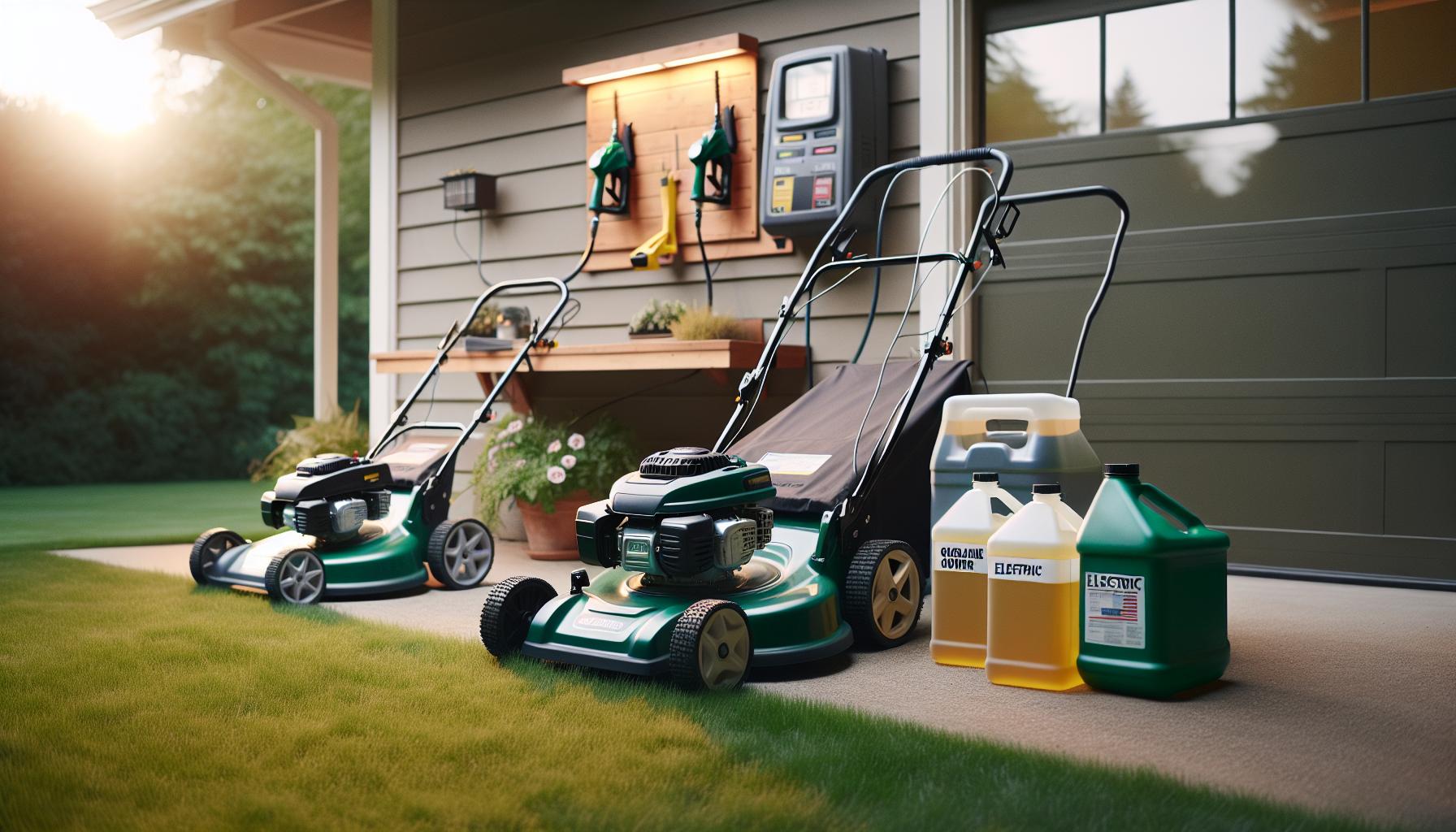
Understanding Fuel Types for Lawn Equipment
Using the right fuel for your lawn equipment is crucial for ensuring optimal performance and longevity. Many people may not realize that while lawn mowers and cars can often use similar types of fuel, the requirements for each can vary significantly. Understanding the nuances of fuel types is not only beneficial for your mower’s health but also for your wallet and the environment.
Most modern lawn mowers operate efficiently on regular unleaded gasoline, typically with an octane rating of 87. This is suitable for the majority of small engine applications found in residential mowers. However, the specific engine design and manufacturer’s recommendations can dictate the best fuel choice for your machine. For instance, high-performance mowers might require mid-grade or even premium gasoline to achieve optimal combustion and power output. Always check your mower’s user manual to determine the manufacturer’s fuel grade recommendations to avoid unnecessary repairs or performance issues.
Another key factor to consider is the ethanol content in gasoline. Many gas stations offer blends with varying levels of ethanol, with E10 (10% ethanol) being the most common. While some lawn mower engines handle ethanol-tolerant blends well, excessive ethanol can lead to fuel line clogs and engine trouble over time. A lower ethanol blend, ideally E10 or less, is generally recommended to prevent potential damage and ensure smooth engine operation. Users should also be aware that fuel should be used within 30 days of purchase; old or stale fuel can cause starting issues and diminish engine performance.
In summary, while it may be tempting to use the same fuel across devices, optimal use of lawn equipment focuses on quality, specifications, and potential long-term effects. By understanding the fuel types available and making informed choices, you can enhance your lawn mowing experience while minimizing operational costs and environmental impacts.
Key Differences Between Lawn Mower and Car Fuel
Many homeowners often wonder if they can use the same gasoline for their lawn mowers that they do for their cars. While it’s true that both types of equipment typically run on gasoline, the specifics of what fuel is best for each differ significantly, impacting engine performance and longevity. Understanding these differences is essential for maintaining your lawn mower’s efficiency and ensuring it operates smoothly.
One of the primary distinctions lies in the octane rating of the fuel. Most lawn mowers are designed to run on regular unleaded gasoline, often with an octane rating around 87. This fuel is suitable for the small engines commonly found in residential mowers. In contrast, many modern cars are engineered to operate on mid-grade or premium gasoline, particularly those with turbochargers or high-performance engines that require higher octane ratings to prevent knocking and maximize horsepower. Using a lower octane fuel in such vehicles can not only affect performance but may also void warranties due to potential engine damage.
Another critical difference is the ethanol content in the fuel. Gasoline sold at most stations today generally contains ethanol, a renewable fuel made from plant materials. Although this component can help reduce harmful emissions, higher concentrations can be detrimental to lawn mower engines. Most lawn mowers perform well with fuel that has up to 10% ethanol (E10). However, fuels with more than this can lead to issues like fuel line clogs, degraded engine components, and overall poor performance. Car engines, on the other hand, are often more resilient to higher ethanol blends due to their advanced fuel systems, but ethanol’s corrosive nature can still impact their long-term functionality.
In summary, while the basic fuel type may be similar, the requirements vary notably between lawn mowers and cars. Homeowners should always consult their mower’s user manual for specific fuel recommendations. Utilizing the appropriate gasoline can safeguard against mechanical issues, ensuring that both your mower and car remain in peak condition and perform optimally when needed.
Are All Lawn Mowers Gas-Powered?
Not all lawn mowers rely on gasoline to operate, which might surprise many homeowners accustomed to traditional mowing methods. The landscape of lawn maintenance has evolved, giving rise to various types of lawn mowers, each with distinct fuel sources and advantages. Understanding these options can help users make informed choices that cater to their specific needs and preferences.
There are primarily three types of lawn mowers based on their power source: gas-powered, electric, and battery-operated models. Gas-powered mowers are typically favored for larger lawns due to their robust performance and ability to tackle thick grass without losing power. These mowers utilize a gasoline engine, offering great mobility and convenience as they are not tethered to a power outlet.
In contrast, electric mowers have grown in popularity due to their quieter operation and reduced environmental impact. These mowers usually plug into a standard electrical outlet and are suitable for smaller to medium-sized yards. They provide a consistent performance without the hassle of mixing or storing fuel, making them a user-friendly alternative.
Finally, battery-operated mowers represent the latest advancement in lawn care technology. These models offer the convenience of gas-powered mowers with the eco-friendliness of electric options. Equipped with high-capacity lithium-ion batteries, they can run on a single charge for varying lengths of time depending on the model and lawn conditions. The elimination of gas means there are no emissions, further appealing to environmentally conscious consumers.
When considering the best choice for your lawn, it’s important to evaluate the size of your yard, the type of grass, and your personal preferences regarding maintenance and environmental concerns. Each mower type has its advantages, ensuring that individuals can select the one that best fits their mowing lifestyle.
The Impact of Fuel Quality on Engine Performance
The quality of fuel used in lawn mowers can significantly influence engine performance, efficiency, and longevity. Just as with automobiles, using high-quality gasoline ensures that the engine operates smoothly and efficiently, reducing the risk of mechanical issues and enhancing overall performance. Low-quality fuels or the wrong type of gas can lead to various problems, such as engine knocking, increased emissions, and reduced power output.
A vital consideration is the octane rating of the fuel. Most gas-powered lawn mowers operate effectively on regular unleaded gasoline with an octane rating of 87. However, using a higher octane fuel doesn’t typically provide additional benefits for these engines unless specified by the manufacturer. It’s crucial to check the owner’s manual or manufacturer guidelines for recommendations, as using the unnecessary premium fuel can be an extra cost without tangible benefits in most cases.
Another significant factor is the presence of ethanol in gasoline. Many gasoline blends contain up to 10% ethanol (E10), and while it’s generally acceptable for most lawn mowers, higher concentrations can cause issues. Ethanol can attract moisture, leading to corrosion in the fuel system and damaging internal components over time. Moreover, it can lead to fuel instability, making the engine more challenging to start and run smoothly, especially if fuel is left in the tank for extended periods. Therefore, opting for ethanol-free gasoline is often considered best practice for maintaining optimal engine function.
In conclusion, using high-quality fuel tailored to your lawn mower’s specifications is paramount for ensuring the machine runs efficiently, with fewer maintenance issues over time. Regular checks on fuel quality, proper storage practices, and adhering to manufacturer guidelines will enhance your lawn mower’s performance, ensuring that your lawn lawn care routine is smooth and effective.
What to Know About Ethanol in Lawn Mower Fuel
Ethanol in lawn mower fuel is a topic of increasing importance for maintaining the longevity and performance of your equipment. Many consumers are unaware that the gasoline they use in their lawn mowers may contain ethanol, a biofuel that is often blended with gasoline to help reduce emissions and reliance on fossil fuels. However, while ethanol can be beneficial in some contexts, using ethanol-laden fuel in lawn mowers may lead to complications.
One crucial aspect to consider is that ethanol can attract moisture, which is particularly concerning for small engines found in lawn mowers. This moisture can lead to corrosion in the fuel system, resulting in potential damage to gaskets and other components. Over time, the presence of water can worsen fuel stability, making the engine more difficult to start and less responsive during operation. Furthermore, with fluctuating temperatures and extended periods of inactivity (such as winter storage), the adverse effects of ethanol become even more pronounced.
To mitigate these issues, many lawn care experts recommend using ethanol-free gasoline, especially if the mower will be stored for a season or if it will be utilized in climates where humidity is high. Not only does this reduce the likelihood of moisture-related problems, but it can also enhance overall engine performance and efficiency. When purchasing fuel, look for stations that specifically advertise ethanol-free options or check small engine fuels available at hardware stores, which are often formulated to avoid ethanol.
In summary, being vigilant about the type of fuel you use in your lawn mower can significantly impact its operational efficiency and lifespan. By choosing ethanol-free fuel where possible, you can help ensure that your mower runs smoothly and is prepared to tackle your lawn care needs without unnecessary wear and tear.
How to Choose the Right Fuel for Your Lawn Mower
Choosing the right fuel for your lawn mower is essential for ensuring its optimal performance and longevity. Unlike cars that generally run on standard unleaded gasoline, lawn mowers have unique fuel requirements that can significantly impact their operation. To keep your mower running smoothly, it’s important to understand the distinctions between various fuel types and make informed decisions.
One of the first considerations is the ethanol content in the fuel. Many gas stations sell fuel blended with 10% ethanol (E10), which can work well for vehicles but may harm small engines like those in lawn mowers. Ethanol can attract moisture, leading to corrosion and fuel line issues. Therefore, if possible, opt for ethanol-free gasoline, especially if you plan to store the mower for extended periods. This type of fuel helps prevent moisture build-up and ensures better performance.
When selecting fuel, it’s also crucial to verify the octane rating. Most lawn mower manufacturers recommend a minimum octane level; typically, regular unleaded (87 octane) is sufficient. However, if your mower has a high-performance engine, it might benefit from mid-grade fuel (89 octane). Always refer to your user manual for the manufacturer’s recommendations to avoid any potential engine problems.
Lastly, purchase fuel from reputable stations that sell high-quality gasoline. Fuel that has been sitting for long periods can degrade, leading to performance issues. Additionally, consider using fuel stabilizers when storing fuel for longer durations. This helps maintain fuel quality and prevents the formation of gum and varnish deposits that can occur over time. By taking these steps, you can ensure that your lawn mower receives the right fuel, maximizing its efficiency and durability for the seasons ahead.
Is Premium Fuel Better for Lawn Mowers?
Using premium fuel in your lawn mower may seem like a good idea, especially given its high octane rating, but it’s essential to assess whether it’s truly beneficial for your specific model. While cars often benefit from higher octane fuels due to their performance demands, lawn mowers are typically designed to run efficiently on regular unleaded gasoline, which usually has an octane rating of 87. This means that most standard lawn mowers do not require premium fuel to operate effectively.
However, some high-performance lawn mowers equipped with engines designed for enhanced output may justify the use of mid-grade or premium fuel (89 octane or higher). If your mower’s manufacturer specifies a higher octane fuel, following those guidelines can help maintain optimal engine performance and efficiency. It’s crucial to always consult your owner’s manual to determine the recommended fuel type for your mower, as using inappropriate fuel could lead to engine knocking or decreased performance over time.
Moreover, the benefits of using premium fuel can sometimes be overstated. Lawn mowers are typically not operated under the same conditions as automobiles; they don’t face high-speed performance demands that call for higher octane levels. In many cases, using regular unleaded fuel will provide sufficient power for mowing while also being more cost-effective. Additionally, if you frequently use your mower, the savings from purchasing regular fuel over premium can add up significantly.
Ultimately, while premium fuel may offer some advantages for particular high-performance models, for the majority of lawn mowers, especially those with standard engines, it’s important to weigh the cost against any potential performance gains. Sticking with the manufacturer’s recommendations will guide you toward the best choice for fuel while ensuring your mower stays in good working order.
Common Misconceptions About Lawn Mower Fuel
When it comes to lawn mower maintenance, fuel often sparks a myriad of misconceptions that can lead to unnecessary confusion and expense. One prevalent belief is that lawn mowers require a different type of fuel than cars, leading some to think they need high-octane or specialized gasoline. In reality, most lawn mowers are designed to run efficiently on regular unleaded gasoline (typically 87 octane), similar to the fuel used in many cars. This misunderstanding can result in unnecessary spending on premium fuels that provide little to no benefit for the majority of standard lawn mower engines.
Moreover, many users assume that a more expensive fuel will automatically enhance engine performance or longevity. However, premium fuel often does not deliver the expected benefits for lawn mowers, particularly those not designed for higher octane ratings. While high-performance lawn mowers might see marginal improvements with mid-grade or premium fuel, this is not the case for typical models. Following the manufacturer’s recommendations, as outlined in the owner’s manual, is essential to ensure the proper functioning of the mower without incurring additional costs.
Another common myth is that all gas-powered lawn mowers use gasoline. In fact, a growing number of models are now electric or battery-powered, negating the need for traditional fuel altogether. This shift toward electrification not only simplifies the fueling process but also addresses environmental concerns associated with gas consumption.
To further illustrate the differences and debunk these misconceptions, consider the following:
- Performance Needs: Lawn mowers do not operate at the same speeds as cars, so the fuel requirements differ significantly.
- Fuel Classification: Regular unleaded fuel is sufficient for most mower engines, while premium fuel may only be demanded by specific high-performance models.
- Environmental Impact: Electric mowers eliminate fuel consumption entirely, providing a greener alternative for lawn care.
Understanding these distinctions not only ensures optimal mower performance but also helps homeowners make informed decisions about their lawn care practices. By focusing on the actual needs of their equipment, users can avoid common pitfalls that lead to unnecessary expenditures and maintain their lawn mowers more effectively.
Safety Tips for Handling Lawn Mower Fuel
Handling fuel for your lawn mower requires a keen awareness of safety practices. While it may seem straightforward, the risks associated with fuel spills, fumes, and improper storage can lead to severe accidents or health hazards. It’s critical to approach fuel handling with the same level of caution as you would when refueling your car.
Firstly, always ensure you’re operating in a well-ventilated area. This drastically reduces the accumulation of harmful fumes that can lead to respiratory issues. Avoid refueling near any open flames, sparks, or electrical equipment that might ignite fuel vapors. When pouring fuel, use a funnel or a nozzle to minimize spills. Accidental spills can not only create hazardous conditions but also damage your lawn and the mower itself.
Next, pay attention to how you store fuel. Use containers specifically designed for gasoline storage, which are often color-coded (usually red) to indicate flammable liquids. Make sure these containers are tightly sealed and kept in a cool, dry place, away from direct sunlight and heat sources. Additionally, it’s a good idea to label your containers clearly and store them out of reach of children and pets.
Finally, take precautions when disposing of any used or contaminated fuel. Many communities have specific disposal guidelines for hazardous materials, including gasoline. Do not pour it down the drain or on the ground, as this can harm the environment and violate local regulations. By following these , you can help ensure safe practices that protect both you and your surroundings, all while maintaining the efficiency of your lawn care equipment.
Environmental Considerations of Lawn Mower Fuels
Using the right fuel for your lawn mower isn’t just essential for its performance; it’s also a significant factor in environmental impact. Gas-powered lawn mowers can contribute to air and soil pollution, particularly if the wrong type of fuel is used or if fuel is not handled responsibly. Understanding the ecological consequences of your fuel choices can help mitigate these impacts, making your lawn care routine more sustainable.
One key concern is the impact of emissions from gasoline engines. Lawn mowers typically release volatile organic compounds (VOCs), carbon monoxide, and other pollutants. In fact, studies show that operating a gas mower for just one hour can produce emissions equivalent to driving a modern car for over 40 miles. This startling statistic emphasizes the need to consider alternative solutions such as electric mowers, which produce zero emissions at the point of use, significantly reducing your carbon footprint.
Using Ethanol-blended Fuels
Another significant environmental consideration is the use of ethanol in gasoline. Many gas stations now sell fuels blended with ethanol, such as E10 (10% ethanol, 90% gasoline). While these blends can reduce greenhouse gas emissions compared to pure gasoline, using higher ethanol blends (like E15 or E85) in lawn mowers can lead to performance issues and potential damage due to differences in how engines handle alcohol. It’s crucial to check your mower’s specifications and select fuel accordingly.
Additionally, when purchasing fuel, consider choosing premium gasoline with fewer additives and impurities. Although it may come at a slightly higher cost, premium fuels can burn cleaner and produce fewer harmful emissions, contributing to a healthier environment both locally and globally.
Best Practices for Fuel Management
Becoming a more environmentally conscious mower operator goes beyond just choosing the right fuel. Here are some practical steps you can take:
- Proper Storage: Always store fuel in approved, clearly labeled containers to prevent leaks and spills.
- Avoid Overfilling: Fill your mower tank carefully to reduce spill potential and evaporation of fuel.
- Dispose Responsibly: When disposing of old or contaminated fuel, follow local guidelines to prevent environmental contamination.
- Regular Maintenance: Keep your mower well-maintained to ensure it runs efficiently. A well-tuned engine will emit fewer pollutants.
By fostering responsible fuel management practices and opting for cleaner gasoline options, you can dramatically reduce the environmental effects associated with mowing your lawn. In doing so, you not only maintain your garden but also play a vital role in caring for the planet.
Cost Comparisons: Lawn Mower Fuel vs. Car Fuel
When it comes to fueling your lawn mower, many homeowners may wonder how the costs compare to fueling a car. Surprisingly, while both types of machinery typically run on gasoline, there are noteworthy differences in their fuel consumption, pricing, and overall efficiency. Understanding these elements can help you make informed decisions and potentially save money.
To illustrate, a standard gas-powered lawn mower might consume around 0.5 to 1 gallon of fuel for each hour of operation, depending on its size and the type of grass being cut. In contrast, a typical car averages about 25 to 30 miles per gallon, making its fuel efficiency significantly higher for the distance covered. However, when you compare the cost per hour of mowing versus per mile driven, the equations start to level out. For instance, if gasoline prices are around $3 per gallon, mowing for an hour could cost you $1.50 to $3, depending on the mower’s consumption. This cost can be viewed as economical when considering the relatively short duration of mowing sessions.
Another crucial factor in this comparison is the fuel quality and types of gasoline. While most cars run optimally on regular unleaded or premium gasoline, lawn mowers are more sensitive to fuel compositions, particularly concerning ethanol levels. Mowers typically require gasoline with lower ethanol content (E10 or E15) to avoid issues with engine performance. If you opt for premium fuel for your mower to enhance performance and reduce emissions, this could drive up costs per gallon but may lead to longer engine life and efficiency.
Therefore, while the initial costs associated with each type of fuel may seem comparable, it’s vital to consider the efficiency, longevity, and specifics of each machinery’s fuel needs. Here’s a breakdown of factors you should keep in mind:
- Fuel Consumption: Mowers use significantly less fuel per hour of operation compared to cars per mile.
- Cost Variability: Fuel prices fluctuate, but mower operation is typically less expensive on an hourly basis.
- Quality versus Quantity: Investing in higher quality gasoline for your mower may cost more upfront but could result in savings from reduced wear and tear.
By weighing these considerations, you’ll not only optimize the cost of maintaining your outdoor spaces but also potentially enhance the performance and longevity of your equipment. Ultimately, selecting the right fuel is a small but impactful step towards efficient lawn care.
Q&A
Q: Can I use leftover car fuel in my lawn mower?
A: It’s generally not recommended to use leftover car fuel in your lawn mower. While both use gasoline, lawn mowers may require fuel without high ethanol content, which can damage small engines. For optimal performance, refer to the “Understanding Fuel Types for Lawn Equipment” section for the best options.
Q: What happens if I put the wrong fuel in my lawn mower?
A: Using the wrong fuel, such as diesel or high ethanol gasoline, can cause engine damage and poor performance. If this occurs, consult the section on “Common Misconceptions About Lawn Mower Fuel” for troubleshooting tips and how to correct the issue.
Q: How often should I change the fuel in my lawn mower?
A: It’s ideal to change the fuel in your lawn mower at least every 30 days, especially during the off-season. Stale fuel can lead to starting troubles and engine performance issues. For tips on maintaining fuel quality, see the section on “The Impact of Fuel Quality on Engine Performance.”
Q: Does using premium fuel make a difference in lawn mower performance?
A: Generally, premium fuel is not necessary for lawn mowers and may not provide any performance benefits. Most lawn mowers run efficiently on regular gasoline as noted in “Is Premium Fuel Better for Lawn Mowers?”. Always check your owner’s manual for specific fuel recommendations.
Q: How can I tell if my lawn mower fuel is bad?
A: Signs of bad lawn mower fuel include a foul smell, cloudy appearance, or the presence of sediment. If you suspect bad fuel, refer to “What to Know About Ethanol in Lawn Mower Fuel” to understand the impact of ethanol and how to resolve fuel issues.
Q: Is ethanol-free gasoline better for lawn mowers?
A: Yes, ethanol-free gasoline is often better for lawn mowers as it reduces the risk of fuel-related problems, such as phase separation. You can learn more in the “What to Know About Ethanol in Lawn Mower Fuel” section, which explains its impact on engine health.
Q: When should I prepare my lawn mower for storage?
A: Preparing your lawn mower for storage should ideally happen at the end of the mowing season. Be sure to change the fuel, clean the mower, and check for any maintenance needs. For an in-depth process, see the “Safety Tips for Handling Lawn Mower Fuel” for best practices.
Q: What are the environmental impacts of lawn mower fuels?
A: Lawn mower fuels can contribute to air and soil pollution, particularly with fuels containing higher levels of ethanol. To learn more about the environmental considerations, refer to the “Environmental Considerations of Lawn Mower Fuels” section for insights and recommendations on eco-friendly practices.
Key Takeaways
In summary, understanding the fuel compatibility between lawn mowers and cars can significantly enhance your lawn care routine. While most gas-powered lawn mowers typically use unleaded gasoline, it’s crucial to verify your specific model’s requirements to avoid potential engine issues. If you’re curious about optimizing your lawn care, check out our guides on lawn maintenance and best practices for mowing techniques [[2]](https://www.backyarddigs.com/lawn-care/).
Ready to dive deeper? Explore our detailed articles on equipment selection and maintenance tips that can help you get the best results from your lawn care efforts. Don’t forget to subscribe to our newsletter for exclusive tips and updates straight to your inbox! Join the conversation by sharing your thoughts below-what challenges do you face with your lawn care? Your experiences matter, and together we can cultivate beautiful lawns!