Have you ever noticed white smoke drifting from your lawn mower and wondered if it’s a cause for concern? It’s a common issue that many lawn care enthusiasts face, yet not everyone understands its implications. While some might assume it’s a minor annoyance, white smoke can signal underlying problems that, if ignored, could lead to costly repairs or even unsafe conditions. In this article, we’ll dive into the possible reasons behind that smoky plume, distinguishing between harmless fumes and serious malfunctions. Understanding these symptoms is crucial-not only for the longevity of your mower but also to ensure a safe mowing experience. Join us as we unravel the truth about white smoke from lawn mowers and equip you with the essential knowledge needed to keep your lawn care routine smooth and worry-free.
Understanding the Causes of White Smoke in Lawn Mowers
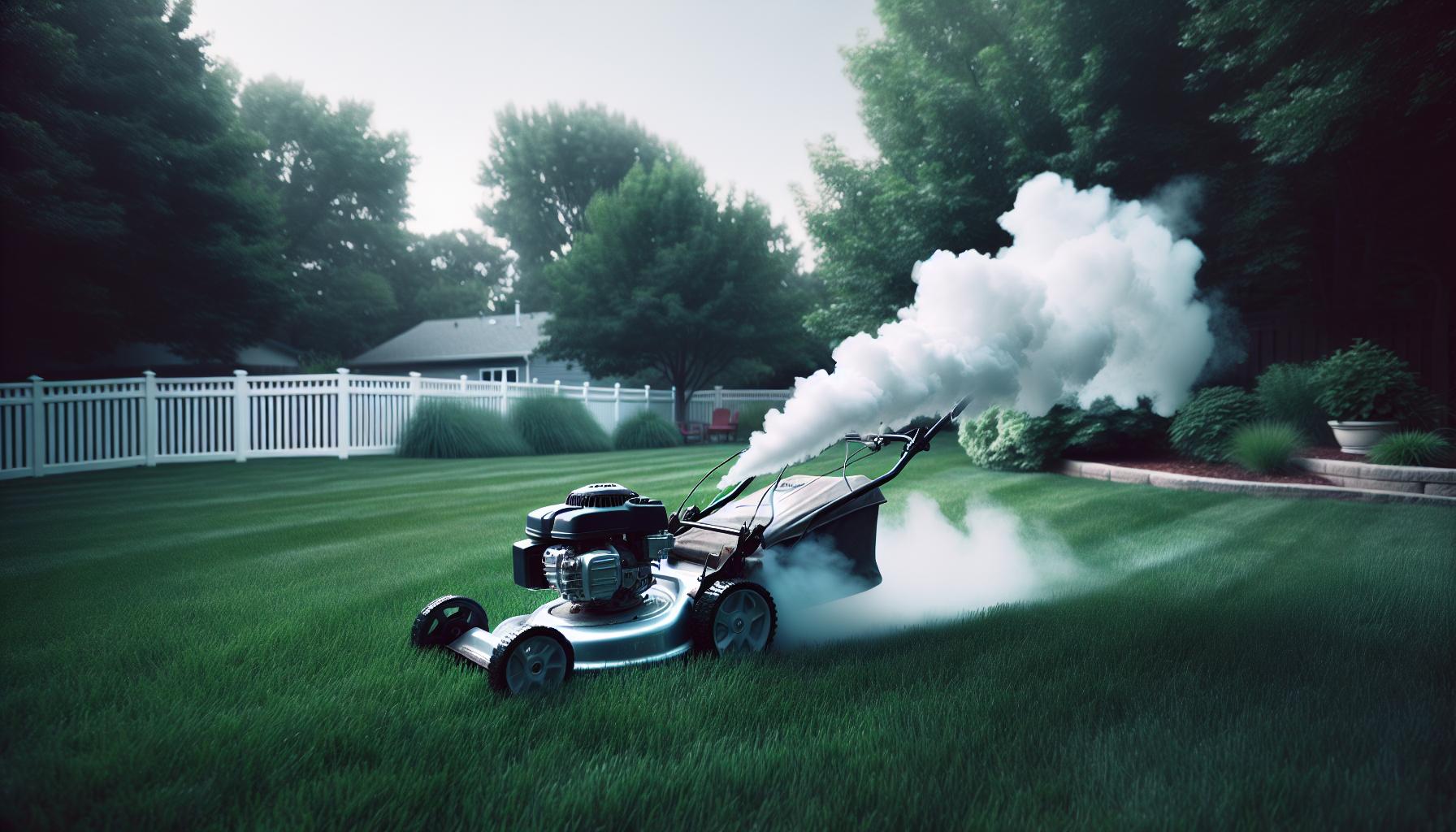
The sight of white smoke emanating from your lawn mower can be alarming, but it often indicates a common mechanical issue rather than a catastrophic failure. Typically, this kind of smoke suggests that the engine is burning oil, which can happen for several reasons. For instance, overfilling the crankcase with oil is a frequent culprit; when there’s too much oil in the engine, it can be forced into the combustion chamber, leading to smoke production as it burns off. Similarly, using the wrong grade of oil might not provide the necessary lubrication, causing excessive wear and oil burning during operation.
Another common scenario arises when a mower is tipped on its side, especially if tipped carburetor-side down. This can cause oil to pool in areas it shouldn’t, like the cylinder or muffler, resulting in blue or white smoke when the engine is restarted. It’s crucial for users to keep this in mind, especially when performing maintenance or storage of the mower.
In addition to these mechanical factors, it’s important to consider the age and condition of your mower. An aging engine may simply be prone to more oil leakage due to worn piston rings or seals, which can exacerbate smoke generation during operation. Understanding these causes is essential for identifying and addressing the underlying issues swiftly, ensuring your mower not only runs efficiently but also contributes positively to your lawn care efforts.
Is White Smoke a Fire Hazard? What You Need to Know

The sight of white smoke rising from your lawn mower can understandably evoke concerns about fire hazards, particularly since it often signifies that oil is being burnt inappropriately within the engine. While white smoke in itself may not immediately indicate a fire risk, it is essential to recognize the underlying causes and potential consequences. When the engine burns oil due to issues like overfilling, worn piston rings, or improper maintenance, volatile substances can accumulate, creating a riskier environment.
To assess the fire hazard potential, consider the following factors:
- Engine Condition: An engine with significant damage or wear may increase the risk of flames, especially if oil leaks ignite.
- Housing and Surroundings: If the mower is parked on dry grass or near flammable materials, the risk of combustion could increase.
- Smoking Characteristics: Assessing the color and thickness of the smoke can help determine severity; thin, white smoke may be more benign, while thick, dark smoke is more concerning.
- Prompt Action: Resuming operation after noticing smoke can exacerbate issues; it’s crucial to stop the mower, inspect, and resolve problems before continuing use.
While the white smoke itself is often due to oil issues rather than an immediate fire threat, it serves as a visual warning to address potential mechanical failures. Taking prompt action not only helps protect against fire hazards but also extends the life of your lawn mower, ensuring efficient operation. If uncertain about the implications of the smoke, consulting a professional is a wise approach to mitigate risks and enhance safety.
Health Risks of Breathing in Lawn Mower Smoke
Breathing in smoke from a lawn mower, particularly when it’s white, can pose health risks that are often underestimated by users. The burning oil and other materials generate a cocktail of harmful substances that may affect respiratory health. The primary concern arises from the inhalation of fine particulate matter released during combustion, which can irritate the lungs and exacerbate existing respiratory conditions like asthma or chronic bronchitis.
Exposure to smoke from a lawn mower can lead to various symptoms, including coughing, throat irritation, and shortness of breath. For individuals with pre-existing health conditions, the effects can be more severe. In some cases, prolonged exposure to engine smoke may contribute to more chronic respiratory issues, and the volatile compounds released could even have longer-term impacts on lung function.
To mitigate health risks, it is advisable to take proactive measures when operating a lawn mower. This includes ensuring that the mower is well-maintained to minimize smoke generation and running it in well-ventilated areas. Users should also consider wearing masks designed to filter out harmful particulates, especially during mowing sessions that yield noticeable smoke. Furthermore, taking breaks to step away from the smoke can reduce inhalation exposure, helping to maintain respiratory health over time.
In summary, while you may be focused on the task at hand, it’s crucial not to overlook the potential health hazards associated with lawn mower smoke. By understanding the risks and implementing safety precautions, you can protect your well-being while tending to your yard.
Diagnosing White Smoke: Common Problems Identified
When a lawn mower emits white smoke, it often signals an underlying issue that needs attention. While this symptom can be alarming, understanding its root causes is essential for effective diagnosis and resolution. White smoke typically indicates that oil is entering the combustion chamber, which may arise from a few common conditions. Identifying these problems can prevent further damage and ensure the mower operates smoothly.
One prevalent cause of white smoke is overfilled oil in the engine. If too much oil is added during maintenance, it can create excessive pressure, forcing oil into the combustion chamber. This situation is often accompanied by other symptoms, such as a rough engine sound or diminished performance. Always check the oil level via the dipstick; if it exceeds the recommended mark, consider draining the excess.
Another significant factor might be worn piston rings or a faulty valve seal. As these components wear down, they can fail to create a proper seal, allowing oil to enter the combustion area. This issue tends to increase with the mower’s age and usage, resulting in consistent white smoke even after regular maintenance. A way to diagnose this is to perform a compression test. If the pressure is low, it indicates that the piston rings may need replacement.
Additionally, coolant leaks can be a less common reason for the appearance of white smoke. In this case, if the mower has a liquid-cooled engine, a broken head gasket may allow coolant to enter the combustion chamber, sparking white smoke upon combustion. Regularly checking for any signs of leakage around the engine can help detect this issue early.
In summary, while white smoke from a lawn mower can be concerning, it’s often rectifiable once you determine the underlying problem. Regular maintenance and occasional checks can aid in preventing these issues, ensuring that your mower runs efficiently without producing harmful emissions.
Fixing White Smoke: Step-by-Step Solutions
When confronted with white smoke billowing from your lawn mower, it’s crucial to act promptly. This symptom often indicates that oil is seeping into the combustion chamber, which can lead to serious engine problems if left unaddressed. Here’s a practical guide to tackle this issue effectively and safely.
Start by addressing the most common culprit: check the oil level. An overfilled oil tank can create excessive pressure, forcing oil into the combustion chamber. Use the dipstick to ensure the oil level is within the recommended range. If it’s high, carefully drain the excess oil until it aligns with the proper marks. This simple step can often resolve the white smoke problem.
Next, inspect the piston rings and valve seals. Worn rings or faulty seals can allow oil to escape into areas where it shouldn’t be. To assess the condition of your piston rings, conduct a compression test. A low reading suggests that the rings may need replacing. If you’re unfamiliar with these components, consider tracking down a user manual for your specific lawn mower model, or seeking help from a repair professional who can assist with the inspection and replacement process.
Another potential source of the issue could be coolant leaks, particularly in liquid-cooled engines. Look for signs of coolant around the engine; if you suspect a broken head gasket, it’s essential to perform a leak-down test. This test can confirm if coolant is indeed entering the combustion chamber. If this is the case, replacing the head gasket is usually necessary, and it may be best handled by a technician.
Utilizing these step-by-step solutions efficiently minimizes the risks of prolonged exposure to engine issues. Remember to routinely perform maintenance checks on your mower, including regular oil changes and inspecting engine components, to prevent the reoccurrence of white smoke. Taking these proactive measures can ensure your machine operates optimally, keeping your lawn care tasks enjoyable and safe.
Preventative Measures to Avoid White Smoke Issues
One of the best ways to prevent the occurrence of white smoke from your lawn mower is through regular maintenance and mindful usage. White smoke is an indication that oil is getting into the combustion chamber, often due to improper handling or neglect of the machine. By adopting a proactive approach, you can significantly reduce the risk of this problem arising in the first place.
Start with routine checks of your mower’s oil level and quality. It’s essential to replace oil according to the manufacturer’s recommended schedule and to use the appropriate type for your engine. Overfilling the oil tank is a common mistake that can lead to smoke, so always measure accurately and utilize the dipstick to ensure the oil sits at the recommended level. Additionally, always clean any spills immediately, as contaminated air-filters from oil can lead to more significant issues down the line.
Regular Maintenance Checks
Establish a maintenance routine that includes inspecting key components such as the air filter, spark plug, and fuel system. A clogged air filter can cause engine stress, while a worn spark plug may lead to inefficient combustion, both contributing to smoke production. Here’s a simple list of tasks to consider incorporating into your mower maintenance schedule:
- Change the oil and oil filter regularly.
- Inspect and clean or replace the air filter.
- Check spark plugs for wear and replace as necessary.
- Examine fuel lines for leaks and replace them if damaged.
- Ensure that the fuel used is clean and free of contaminants.
Finally, consider the conditions in which you operate your lawn mower. Avoid running the machine in wet conditions or through heavy, wet grass, as this can lead to excess oil and moisture in the combustion chamber. This awareness can go a long way toward preventing issues related to white smoke and ensures a healthier, more efficient lawn mower that serves its purpose effectively. Taking these steps not only enhances performance but also prolongs the life of your machine, allowing you to enjoy your lawn care tasks without concern.
When to Seek Professional Help for Lawn Mower Smoke
It’s not uncommon for lawn mower users to experience a sudden onset of white smoke during operation, prompting an urgent need to understand when it’s time to call in a professional. Observing white smoke can be alarming, as it usually signals that oil is seeping into the combustion chamber. Ignoring this issue can lead to more severe engine damage, increased repair costs, and potentially hazardous situations.
If your lawn mower emits white smoke consistently, particularly during startup or after prolonged use, it’s crucial to evaluate the situation carefully. One telltale sign it’s time to seek professional assistance is if the smoke is accompanied by other symptoms such as a significant drop in engine performance, strange noises, or the smell of burning oil. These indications suggest not only a potential mechanical failure but also that continued use could exacerbate problems or lead to a complete engine failure.
Another vital aspect to consider is your level of mechanical expertise. If you’ve performed basic maintenance tasks but feel out of your depth when it comes to diagnosing engine issues, it’s better to err on the side of caution. Professionals have the training and tools necessary to identify the root cause of the problem accurately. For instance, a technician may discover deeper issues such as cylinder wear, valve seals, or gasket failures that could be contributing to the white smoke.
Ultimately, the decision to seek professional help should prioritize safety and long-term savings. Addressing the problem early can prevent a minor issue from escalating into a costly repair. It’s also wise to consult your mower’s warranty guidelines; tampering with certain components might void coverage, which reinforces the necessity of expert intervention in critical situations. By recognizing when to involve professionals, you can ensure the longevity of your mower while keeping your lawn care activities safe and efficient.
Comparing White Smoke to Other Lawn Mower Issues
Experiencing white smoke from your lawn mower can be a startling revelation, often leading users to wonder how it stacks up against other common lawn mower issues. While white smoke typically indicates oil burning in the combustion chamber, it can be helpful to differentiate it from other smoke-related problems like blue or black smoke, which point to different underlying issues. Distinguishing between these symptoms is key to promptly addressing the problem and preventing further engine damage.
Understanding Smoke Colors:
- White Smoke: Indicates oil is entering the combustion chamber, which can result from worn piston rings, valve seals, or a blown gasket.
- Blue Smoke: Generally suggests that oil is being burned due to engine wear, often seen in older machines or those that haven’t been properly maintained.
- Black Smoke: Typically results from an overly rich fuel mixture, where too much fuel is being burned compared to air, leading to inefficient combustion. This might be caused by a clogged air filter, defective carburetor, or incorrect choke settings.
The significance of these variations cannot be understated, as misdiagnosing the source of smoke can lead to unnecessary repairs or, worse, prolonged damage to your mower. For example, if a lawn mower is spewing blue smoke, it’s crucial to address the oil consumption issue, which may be linked to larger engine wear problems. Failing to do so not only compromises the mower’s functionality but also escalates repair costs due to continued use.
It’s also notable that each smoke type can come with its own set of symptoms and required maintenance actions. White smoke often arises after prolonged motor use when the engine is hot. Users may notice it especially on startup or when the mower is tilted incorrectly, leading to oil displacement. In contrast, black smoke can often be noticed instantly with a distinctive strong fuel odor, usually during acceleration. Recognizing these warning signs allows operators to take swift action, potentially saving themselves from a complete engine overhaul.
By understanding these differences, lawn mower owners can act appropriately. Regular engine maintenance, such as timely oil changes and ensuring proper air and fuel ratios, plays a significant role in avoiding smoke-related issues. Regular inspections can also help in early diagnosis of common problems leading to smoke emissions, ensuring your lawn mower remains in peak condition while improving its operational lifespan.
Impact of Engine Maintenance on Smoke Emissions
Neglecting regular maintenance on your lawn mower can lead to a host of problems, including the alarming emergence of white smoke during operation. Engine maintenance not only enhances the performance of your machinery but also plays a critical role in preventing harmful emissions such as smoke. A well-maintained engine is far less likely to burn oil, a primary cause of white smoke.
To keep your mower in top condition, consider implementing a routine that features consistent oil changes, which should be performed at least once a season or after every 25 hours of use. This practice ensures that your engine’s oil remains clean and of the right viscosity, preventing it from breaking down and causing leaks into the combustion chamber. Also, regularly inspecting the condition of the air filter and replacing it when dirty can significantly enhance air flow, allowing for optimal fuel combustion and minimizing smoke output. Beyond this, checking the spark plug for signs of wear or fouling ensures that your mower runs efficiently, reducing oil consumption and smoke emission.
It’s also essential to maintain the proper fuel-to-air ratio in your mower. A rich mixture can lead to black smoke, while an improper combustion process may generate white smoke as oil burns in unintended areas. By adjusting settings on the carburetor or ensuring that the choke is operating correctly, you can combat these emissions at their source. Remember that neglecting these simple maintenance checks can lead to more severe engine wear and tear, which can increase the likelihood of encountering smoke issues down the line.
In summary, a proactive stance on maintenance not only extends the life of your lawn mower but also plays a crucial role in reducing the risk of dangerous emissions. Being vigilant about oil quality, air intake, and combustion efficiency constitutes a solid defense against the potential hazards associated with white smoke, protecting both your equipment and the environment.
Real User Experiences: White Smoke and Lawn Care
Experiencing white smoke billowing from your lawn mower can be alarming, especially for those who depend on their equipment for routine yard care. While many users initially associate white smoke with serious engine issues, real-world experiences reveal a more nuanced understanding of its causes and implications. One user reported an incident where their mower started emitting white smoke shortly after an oil change. Confused and worried, they discovered that a simple overfill of oil was the culprit, leading to oil being burned off inappropriately. This anecdote underscores the importance of careful maintenance, particularly when performing routine checks.
Another common scenario involves lawn care enthusiasts who are new to maintaining small engines. One homeowner recounted their experience of neglecting to allow the mower to warm up after a refill of oil. When they started mowing immediately, the cold engine struggled to burn the oil efficiently, resulting in a plume of white smoke that sent them into a panic. This incident highlights how operating conditions and engine temperature can significantly impact smoke emissions. It serves as a reminder for all users to give their equipment time to adjust to changing conditions, whether it’s a temperature drop or the addition of fresh oil.
Ensuring proper fuel management is also a frequent topic among users, with many sharing tips on achieving the right balance for their mowers. Several have indicated that using a fuel stabilizer has helped in reducing smoky emissions, especially for those who store their equipment for extended periods. By preventing moisture accumulation in the fuel tank, users found they could avoid combustion problems that might lead to excess smoke. This proactive approach not only extends the life of the mower but also enhances performance during mowing sessions.
Overall, user experiences reveal that while white smoke can signal potential problems in a lawn mower, many instances can be traced back to simple oversights or easily rectifiable issues. From oil management to engine operation practices, the collective wisdom of these users highlights the importance of diligence in maintenance. For anyone encountering white smoke, taking a moment to diagnose the situation, learn from others, and adjust practices accordingly can save time, reduce stress, and enhance their lawn care efforts.
Best Practices for Lawn Mower Safety and Maintenance
Maintaining your lawn mower goes beyond just keeping the grass trimmed; it serves as a critical investment in your yard care routine. A well-maintained mower not only performs better but also reduces the likelihood of toxic emissions like white smoke, which can indicate underlying issues. In fact, by following best practices for safety and maintenance, you can ensure your mower runs efficiently and safely, ultimately prolonging its lifespan.
One of the fundamental practices is to regularly check and change the oil. Dirty or overfilled oil can lead to excess smoke; thus, it’s crucial to maintain the correct oil level and quality. Make it a habit to inspect the oil before each use and change it according to the manufacturer’s recommendations. Additionally, using the right type of oil for your mower model can significantly impact engine performance, helping to prevent smoke-related problems.
Another essential aspect of lawn mower maintenance is blade care. Dull blades can strain the engine, potentially causing overheating and, consequently, white smoke. Regularly sharpening the blades not only promotes cleaner cuts but also minimizes wear and tear on your mower’s engine. Moreover, ensure to clean any grass clippings or debris from the mower deck after each use to avoid clogs that can lead to overheating.
Fuel management is equally important. Always use fresh gasoline and consider adding a fuel stabilizer, especially if your mower is stored for a long time. Stale fuel can lead to inefficient combustion, contributing to smoke generation. Prepare a maintenance schedule that includes checking fuel lines for blockages and leaks, as well as inspecting the air filter, which should be cleaned or replaced as needed to ensure optimal air flow.
Lastly, operating safety cannot be overlooked. Always adhere to safety guidelines such as wearing appropriate clothing and ensuring the mower is off when performing maintenance tasks. This not only protects you from potential hazards but also allows you to address any issues that may lead to smoke emissions early on. A safe and well-maintained mower is your best defense against the dangers of white smoke, keeping both you and your mower out of trouble.
Frequently Asked Questions
Q: What causes white smoke to come from a lawn mower?
A: White smoke from a lawn mower is often caused by oil entering the combustion chamber, which can occur due to overfilling the oil, worn seals, or a leaking head gasket. For an in-depth understanding, check the section on Understanding the Causes of White Smoke in Lawn Mowers.
Q: Can white smoke indicate a serious engine problem?
A: Yes, persistent white smoke can indicate serious engine damage, such as a blown head gasket or engine overheating. Early detection is crucial, so refer to Diagnosing White Smoke: Common Problems Identified for more details.
Q: How do I stop my lawn mower from smoking?
A: To stop your lawn mower from smoking, check the oil level and ensure it’s not overfilled. Inspect for leaks and replace damaged gaskets or seals as needed. Detailed step-by-step solutions can be found in the Fixing White Smoke: Step-by-Step Solutions section.
Q: Is it safe to use a lawn mower that emits white smoke?
A: Using a lawn mower that emits white smoke is not safe as it indicates underlying issues that can affect performance and safety. It is advisable to cease operation until repairs are made. For more insights, see Preventative Measures to Avoid White Smoke Issues.
Q: What health risks are associated with lawn mower smoke?
A: Breathing in lawn mower smoke, particularly when it is thick and white, can pose respiratory risks and irritate your eyes. Proper precautions should be taken to minimize exposure. More information can be found in the Health Risks of Breathing in Lawn Mower Smoke section.
Q: When should I seek professional help for my smoking lawn mower?
A: Seek professional help if the smoke persists after basic troubleshooting, particularly if you notice unusual noises or performance issues. Early intervention can prevent more severe damage; refer to When to Seek Professional Help for Lawn Mower Smoke for guidance.
Q: How does engine maintenance affect smoke emissions?
A: Regular engine maintenance significantly reduces smoke emissions by ensuring proper oil levels and preventing leaks. Neglecting maintenance can exacerbate problems, so following the recommendations in Impact of Engine Maintenance on Smoke Emissions is crucial.
Q: What should I do if my lawn mower starts smoking suddenly?
A: If your lawn mower starts smoking suddenly, turn it off immediately to prevent further damage. Check the oil level and look for leaks. For troubleshooting steps, review the Fixing White Smoke: Step-by-Step Solutions.
These FAQs not only address common concerns related to lawn mowers producing white smoke but also help optimize for search engines and provide valuable information to users.
Concluding Remarks
In summary, while white smoke from your lawn mower can be alarming, understanding its causes can pave the way for effective solutions. Remember, timely action not only safeguards your equipment but also enhances the health of your lawn. If you’re still unsure about the nature of the smoke or need expert assistance, consider reaching out to professionals who specialize in lawn care and equipment maintenance.
For deeper insights, explore our guides on lawn maintenance tips and troubleshooting mower issues. Don’t miss the chance to subscribe to our newsletter for expert advice delivered straight to your inbox, and keep your mower in top shape with our recommended resources. Share your thoughts or experiences in the comments-your feedback matters! Together, let’s keep your lawn looking its best and ensure your mowing experience is smoke-free and worry-free!