Choosing the right lawn mower can significantly impact the health and appearance of your yard. Did you know that the right model can reduce mowing time while promoting a healthier lawn? With so many options available, finding the perfect fit for your yard’s size, type, and needs may seem overwhelming. Whether you have a small urban plot or expansive countryside, understanding the essentials for selecting a lawn mower can help you maintain your outdoor space efficiently and effectively. This guide is designed to simplify the decision-making process, addressing your specific concerns and goals, from maneuverability to maintenance. Dive in to discover how to match your yard with the ideal mower model, ensuring you achieve the lush, well-groomed lawn you envision. Your perfect mowing experience is just a few steps away!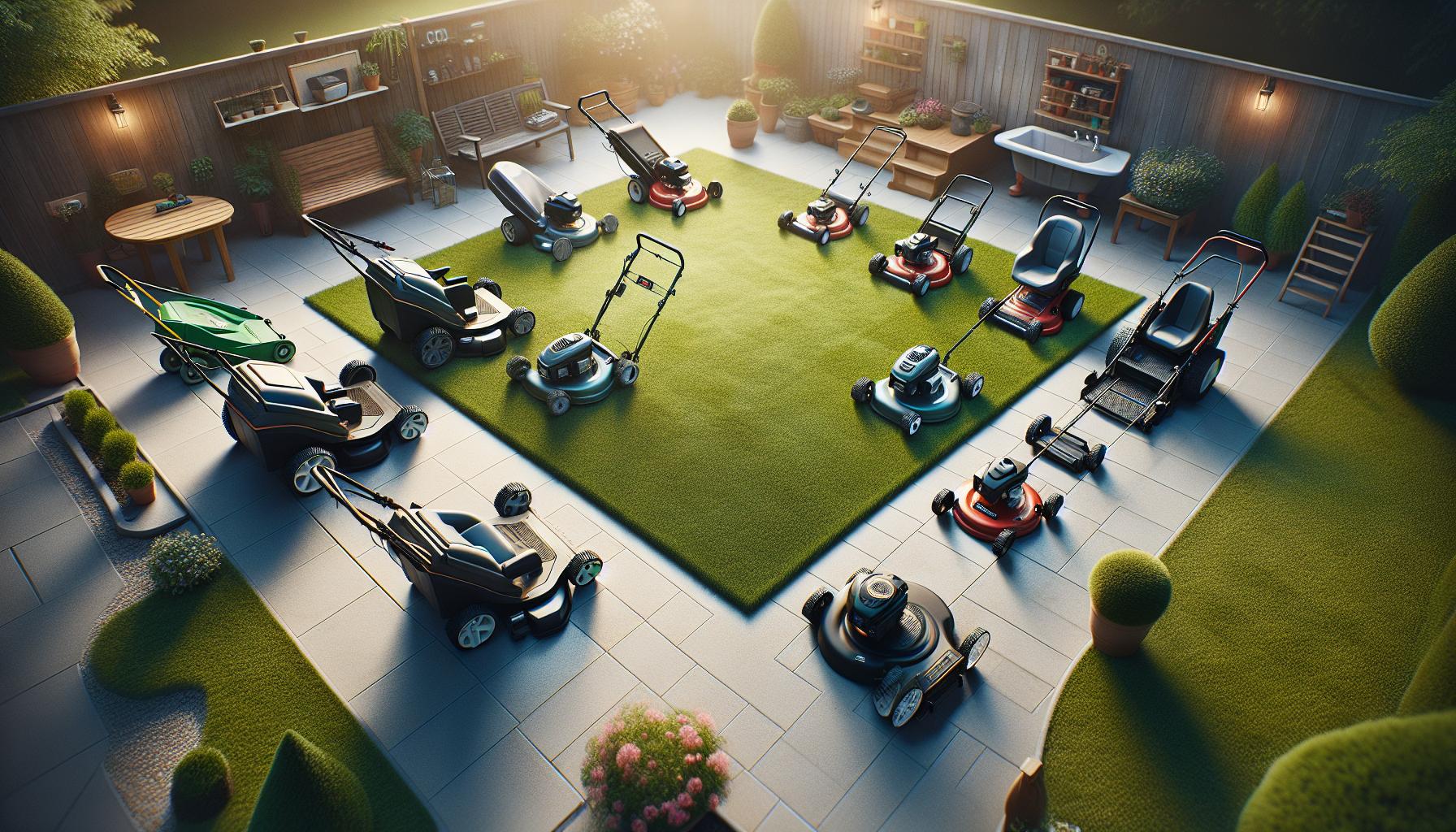
Choosing the Right Lawn Mower for Your Yard Size
Choosing the right lawn mower is crucial for achieving that perfect yard, and it largely depends on the dimensions and layout of your space. A common misconception is that any mower will suffice for any yard, but the truth is that selecting the appropriate model can significantly optimize your mowing efficiency and the health of your grass. For very small lawns, a push mower might do the trick, whereas larger properties often require more powerful riding mowers or garden tractors to handle vast swathes of grass without exhausting yourself.
When determining the best fit for your yard size, it’s essential to consider both the overall area and the specific challenges of your landscape. For lawns under 1,500 square feet, manual reel mowers or small electric mowers can effectively manage the task without the need for more advanced machinery. However, once your lawn exceeds 3,000 square feet, you’ll want to look into self-propelled mowers or riding mowers, which offer greater power and speed. For expansive areas over 5,000 square feet, a riding mower not only saves time but also reduces physical strain, allowing one to maintain a well-trimmed yard efficiently.
Additional Considerations
While yard size is a key factor, other elements come into play when choosing a mower. Consider the terrain of your lawn; uneven or hilly landscapes might benefit from self-propelled mowers, which provide better maneuverability. Additionally, if your grass type tends to be thicker or takes longer to grow, a mower with adjustable height settings is helpful for achieving a clean cut without damaging the blade.
- Flat Terrain: Push mowers or riding mowers are ideal.
- Hilly Areas: Self-propelled mowers offer better traction and control.
- Large Yards: Riding mowers or garden tractors reduce time and effort.
By aligning your mower selection with your lawn’s unique characteristics, you can ensure that your mowing experience is not only efficient but also enjoyable, ultimately leading to a healthier and more beautiful lawn.
Exploring Different Types of Lawn Mowers
When it comes to choosing a lawn mower, understanding the various types available is crucial to finding the best fit for your yard. Each type of mower is engineered to tackle specific tasks and terrains, making it essential to match your mower choice to the characteristics of your landscape. From traditional push mowers to advanced riding mowers, the options can be overwhelming, but knowing their strengths can simplify the decision-making process.
Manual reel mowers, often favored for their simplicity and eco-friendliness, operate without fuel or electricity, making them suitable for small, flat lawns. They’re quiet and easy to store and can deliver a clean cut to well-maintained grass. However, these mowers require physical effort and are best for yards under 1,500 square feet, where the benefits of control and precision outweigh the need for power.
For lawns that require a bit more muscle, electric mowers-both corded and cordless-bring convenience and performance to the table. They are lightweight and less noisy than gas-powered mowers but are still powerful enough to manage medium-sized yards effectively. Gas-powered mowers, in contrast, are typically more robust and can handle larger areas over 3,000 square feet with ease. They come in both push and self-propelled models, granting users the choice of exerting less physical effort, especially useful for hilly terrains.
Riding mowers, including garden tractors and zero-turn mowers, stand out for their ability to transform the mowing experience entirely. Ideal for large properties exceeding 5,000 square feet, these machines allow operators to sit while they work, significantly reducing fatigue. They also feature powerful engines capable of handling thicker grass and vary in functionality with attachable accessories for leaf collection and mulching. With advancements in technology, many riding mowers now include features like cruise control and power steering, making them a joy to operate in expansive spaces.
In summary, understanding the types of lawn mowers available can help you make a more informed decision based on the size and terrain of your yard. By selecting the right mower-whether it’s a reel mower for a tiny plot, an electric mower for medium grounds, or a riding mower for vast landscapes-you’ll not only enhance your mowing efficiency but also contribute to the overall health and aesthetics of your lawn.
Key Features to Consider for Optimal Performance
When selecting a lawn mower, several critical features directly influence performance and user experience, ensuring that you achieve optimal results while maintaining your lawn. One of the primary considerations is the cutting width, which determines how much grass you can trim in a single pass. A wider cutting width can significantly reduce mowing time, especially in larger areas, while narrower mowers may excel in tight spaces and intricate landscapes.
Engine Power and Type play a pivotal role in determining the mower’s effectiveness. For gas mowers, look for models with at least 160cc engines for robust performance on larger properties. Electric mowers, particularly those offering brushless motors, provide efficient operation with less maintenance. Additionally, self-propelled models are particularly beneficial for hilly or uneven terrains, allowing for effortless navigation and reduced physical strain.
Adjustable Cutting Heights
Another vital feature is the adjustability of cutting heights, allowing you to customize the length of your grass. This flexibility is essential for adapting to seasonal growth patterns and specific grass types, promoting a healthier lawn. Some mowers provide easy-to-use lever adjustments or even electric controls for precision, making it effortless to switch from a low cut in spring to a higher cut in summer.
Grass Clipping Management
Efficient grass clipping management options are also necessary for optimal performance. Many modern mowers come with side discharge, mulching capabilities, and bagging options, providing versatility based on your lawn’s needs. Mulching, in particular, is an eco-friendly choice, returning nutrients directly to the soil and reducing waste.
Incorporating these key features into your selection process can significantly enhance your mowing experience, making the task easier and ensuring your lawn stays healthy and vibrant. Always consider your lawn’s unique requirements and match them to the right mower specifications for the best outcomes.
How to Assess Your Lawn’s Terrain and Needs
Determining the right lawn mower for your yard begins with a thorough assessment of your lawn’s terrain and unique needs. Understanding these factors will enable you to choose a mower that not only fits your yard but also enhances your mowing experience. For instance, did you know that slopes or uneven terrain can significantly impact the type of mower you’ll require? It’s essential to evaluate the landscape, as different terrains demand specific features in a mower for optimal results.
Start by examining the size of your lawn. For expansive yards, a riding mower might be the best option, allowing you to mow larger areas efficiently. If you have a small yard, a push mower or even a reel mower could suffice, offering ease of use and maneuverability in tight spaces. Next, consider the slope and condition of your land. Hilly or rugged lawns may require a self-propelled mower, which can handle inclines more effectively. Moreover, if your lawn has obstacles like trees, flowerbeds, or gardens, a mower with a tighter turning radius can help navigate around these features without damage.
The type of grass and soil quality also plays a crucial role in mowing needs. Lawns with thick, healthy grass may need a mower with higher power and specific cutting heights for optimal trimming. Conversely, thinner or patchy grass may require a gentler touch to avoid scalping. Additionally, moisture levels in the soil can impact your mowing schedule; wet grass can clump or make mowing cumbersome, suggesting a need for a mower with excellent grass clipping management options, like mulching or side discharge capabilities.
Finally, don’t overlook the maintenance needs of your terrain. If your yard tends to accumulate debris or leaves, you might prefer a mower that includes options for bagging clippings. Analyzing these aspects will not only help you select a mower suited for your lawn’s unique challenges but also ensure you make a purchase that enhances the health and appearance of your outdoor space.
Budgeting for Your Lawn Mower Purchase
Determining how much to allocate for a new lawn mower requires careful consideration of various factors that influence both the initial cost and long-term value. While everyone wants a well-managed lawn, understanding your specific needs, yard size, and mower features can significantly affect your budget. For instance, riding mowers, which are ideal for larger properties, can range anywhere from $1,500 to over $5,000, depending on their power and capabilities. In contrast, manual push mowers or electric models can be found for as little as $100 to $500, making them budget-friendly options for smaller yards.
When planning your budget, it’s essential to account for additional costs beyond the purchase price. Maintenance and upkeep expenses can add up over time. If you choose a gas-powered mower, factor in the costs for fuel, oil changes, and potential repairs. Electric mowers may require lower operating costs but consider the price of replacement batteries or electrical usage. Moreover, purchasing accessories such as a grass catcher, mulcher, or safety gear is also advisable, as these can enhance your mowing experience and keep your lawn looking pristine.
To make budgeting easier, here’s a simple breakdown:
| Type of Mower | Estimated Cost | Annual Maintenance |
|---|---|---|
| Push Mower | $100 – $500 | $20 – $50 |
| Self-Propelled Mower | $300 – $800 | $30 – $100 |
| Riding Mower | $1,500 – $5,000+ | $50 – $200 |
| Robotic Mower | $1,000 – $3,000+ | $30 – $100 |
By understanding these costs, you can make informed decisions that align with your financial capacity while still achieving the lawn care results you desire. Balancing your immediate purchase with potential long-term expenses positions you to invest wisely in a mower that suits not only your lawn’s needs but also complements your budget. Considering the features that matter most to your situation-whether it’s cutting power, maneuverability, or sustainability-can help you feel satisfied with your investment for years to come.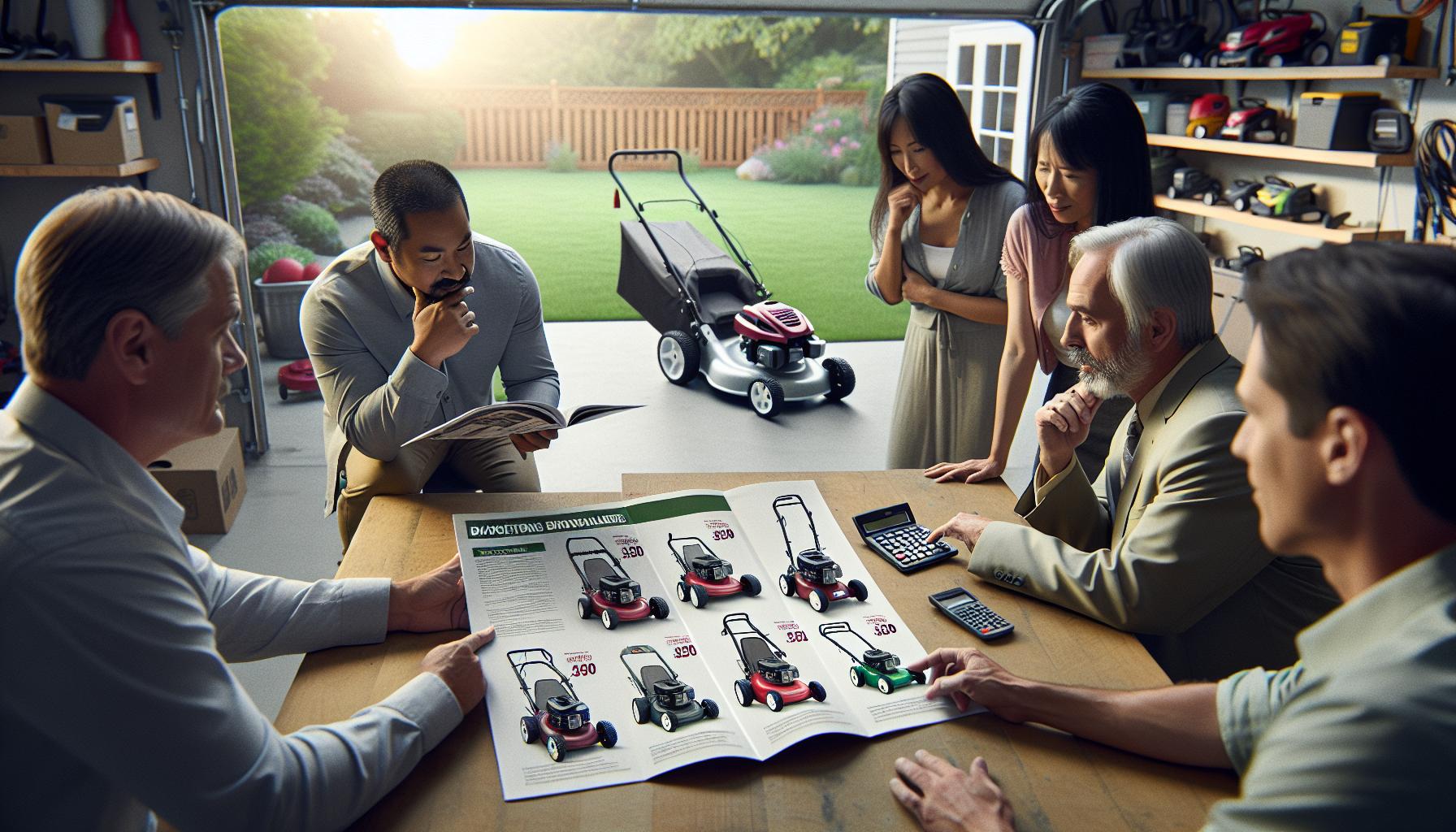
Eco-Friendly Lawn Mower Options You Should Know
The rise of eco-conscious gardening has ignited interest in lawn care methods that not only maintain a beautiful yard but also minimize environmental impact. When considering a new mower, it’s essential to explore the array of eco-friendly options available today. Choosing the right mower can significantly reduce emissions, conserve energy, and promote sustainable practices in your yard care routine.
One effective option is electric mowers, which come in both corded and cordless variants. These mowers operate on electricity, eliminating the use of gas and the associated emissions. Many modern electric models are designed for efficiency, providing the power needed for your lawn without the noise pollution of traditional gas mowers. Cordless electric mowers offer the added convenience of mobility, allowing you to maneuver easily across your yard without being tethered to a power source. Additionally, advancements in battery technology mean these mowers can now handle larger lawns on a single charge.
For those with smaller yards or a desire for an exercise regimen, manual push mowers are another excellent eco-friendly choice. These mowers operate completely without fuel or electricity, relying solely on human power. Not only do they provide a good workout, but they also offer the chance to enjoy the outdoors while caring for your lawn. Many users praise manual mowers for their quiet operation and the ability to navigate tight spaces easily, making them perfect for smaller lots or intricate landscaping.
Robotic Mowers: The Future of Lawn Care
In recent years, robotic mowers have gained traction as an innovative solution for eco-friendly mowing. These intelligent devices work autonomously, using energy-efficient batteries to navigate and maintain your lawn. Many models are equipped with smart features that allow homeowners to program mowing schedules and adjust cutting heights via smartphone apps. Additionally, they typically operate quietly and have a minimal environmental footprint, making them an appealing choice for tech-savvy gardeners looking to reduce their labor while being kind to the planet.
Finally, as you weigh your mower options, consider the potential for upgrading to greener models as they become available. The market for sustainable yard care is expanding, with new innovations continually emerging. Additionally, look for features such as mulching capabilities, which help recycle grass clippings back into the lawn, enriching the soil and reducing waste.
By exploring these eco-friendly mower options, you can take a significant step toward sustainable lawn care while enjoying the benefits of a well-maintained yard. Investing in an environmentally responsible mower not only reflects a commitment to preserving nature but can also enhance your overall lawn care experience.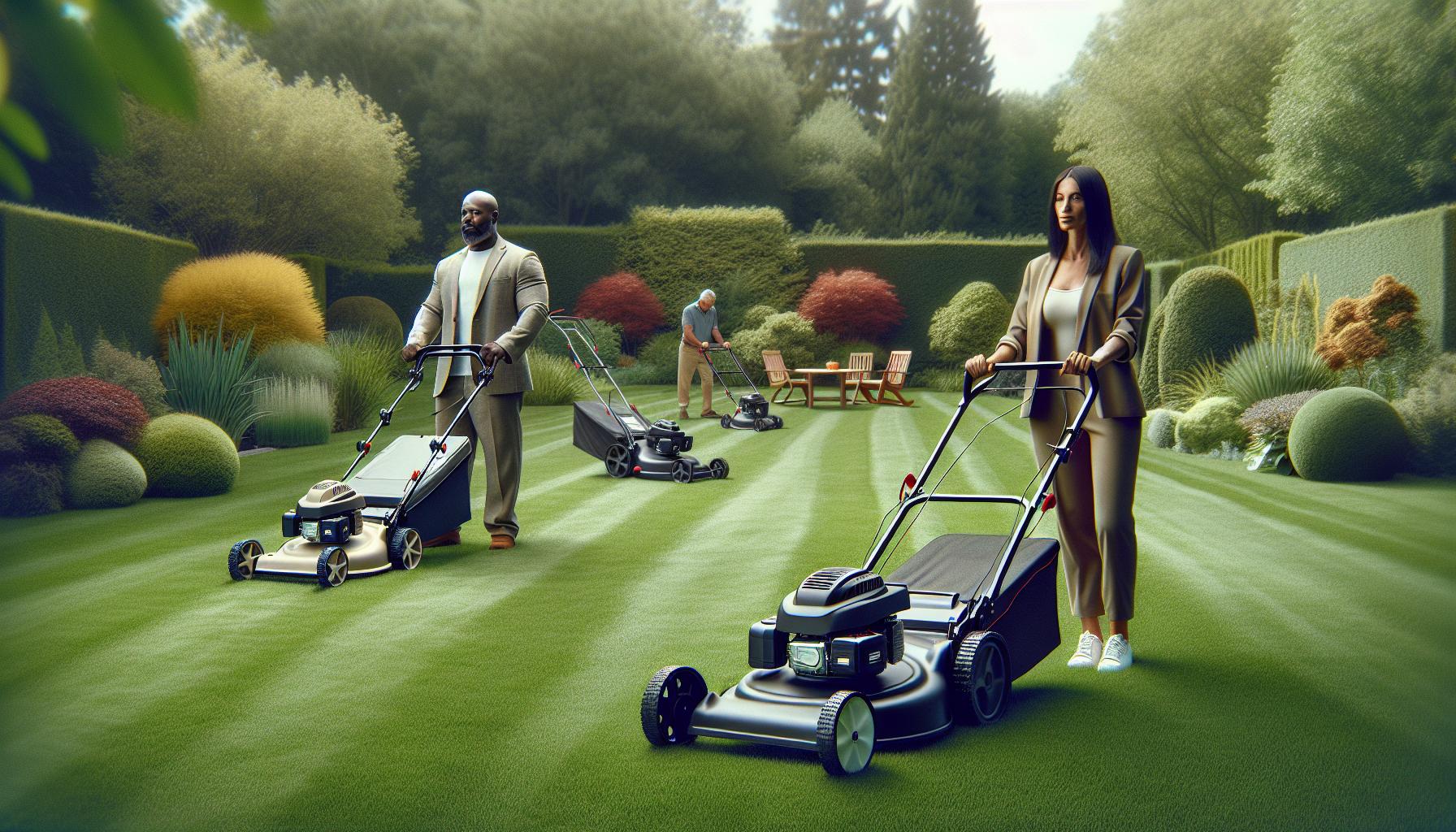
Maintenance Tips to Extend Your Mower’s Lifespan
To ensure your lawn mower serves you well for many seasons, investing in proper maintenance is crucial. A well-maintained mower doesn’t just extend its life; it enhances performance, efficiency, and the quality of your mowing experience. Simple routine checks and upkeep can prevent costly repairs down the line, saving you time and money.
Start with the basics: clean your mower after each use. Grass clippings can accumulate under the deck and restrict airflow, affecting cutting efficiency. Use a putty knife or scraper to remove any buildup, taking care to clean in areas where debris gathers. For electric mowers, disconnect from power first; for gas mowers, ensure the engine is cool. Regularly checking and replacing the air filter is also vital. A clean filter allows for optimal airflow, reducing strain on the engine and ultimately prolonging its life.
Sharpening Blades for a Clean Cut
Sharp blades are essential for an effective mow. Dull blades tear grass rather than cut it, leading to an unhealthy lawn. Aim to sharpen your mower’s blades at least once a season or after every 20-25 hours of use. This sharpening process can be done at home using a blade sharpener or taken to a professional. Additionally, consider checking the balance of the blade; an unbalanced blade can cause vibrations that lead to more significant mechanical issues.
Seasonal Checkups
Along with ongoing maintenance, seasonal checkups are beneficial. At the beginning of each mowing season, inspect key components like the spark plug, fuel lines, and battery connections for electric mowers. Replace the spark plug if it shows any signs of wear or damage. For gas mowers, it’s important to use fresh gasoline and consider adding a fuel stabilizer to prevent gumming or clogging. Furthermore, servicing older models may involve checking the belts and cables for fraying.
By following these maintenance tips, you can significantly extend the lifespan of your lawn mower, ensuring it remains a reliable partner in your yard care routine. A few simple practices not only enhance performance but also translate to healthier, more vibrant grass as you enjoy your outdoor space.
User Ratings and Reviews: What to Look For
When considering a lawn mower for your yard, user ratings and reviews can provide invaluable insights that go beyond technical specifications. A high-quality mower isn’t just about features; it’s about real-world performance, reliability, and user satisfaction. Ratings from fellow homeowners and lawn care enthusiasts can highlight the nuances of different models, helping you to avoid potential pitfalls and find the perfect fit for your lawn care needs.
To effectively glean useful information from reviews, pay attention to the number of ratings and the credibility of the reviewers. A mower with hundreds of reviews can be a more reliable choice than one with just a handful, as it indicates a broader consensus on its performance. Look for detailed accounts of users’ experiences, particularly regarding ease of use, maintenance requirements, and how well the mower handles different types of grass and yard terrains. Check for recurring themes in the positives and negatives; for example, if multiple users mention that a specific model excels in cutting thick grass but struggles with wet conditions, this can greatly inform your decision.
It’s also important to consider how reviewers’ experiences align with your own lawn care challenges. If many reviews highlight the mower’s ability to navigate uneven terrain or narrow paths, and these attributes resonate with your yard layout, it might be a strong candidate. Additionally, reviews mentioning customer service experiences can be crucial. A brand that is responsive to issues such as replacement parts or service inquiries can save you significant stress in the long run.
Finally, be wary of overly positive or negative reviews that seem generic or lack detail. Trustworthy testimonials often include specifics about the mowing experience or comparisons to previous models, which can provide you with a clearer picture of what to expect. By combining insights from user ratings and reviews with your yard’s specific needs, you can confidently choose a lawn mower that will deliver optimal performance and satisfaction.
When to Upgrade: Signs Your Mower Needs Replacing
A well-functioning lawn mower is crucial for maintaining a healthy, attractive yard. However, like any machine, mowers have a lifespan and eventually show signs that they may need replacing. Recognizing these signs early can save you time, effort, and the frustration of dealing with a mower that can’t meet your needs. If your mower requires more frequent repairs, struggles with efficiency, or fails to cut grass evenly, it might be time to consider investing in a new model.
One of the most apparent indicators that a mower is due for replacement is a decline in performance. If your mower clogs easily, or you find that it cannot handle the thickness of your grass as it once did, these are clear signs that it’s no longer performing optimally. You may also notice that it leaves uncut grass or creates ragged edges, leading to a less than manicured look. Additionally, excessive vibrations, unusual noises, or smoke coming from the mower can signal mechanical issues that are often too costly or complex to repair.
Frequent Repairs and Maintenance Costs
If you find yourself frequently taking your mower in for repairs or investing in new parts, it may be more economical to purchase a new one. An increase in maintenance costs is often a clear signal that the mower’s components are wearing out. This can include anything from engine problems to dull blades that necessitate regular sharpening or replacement. Keeping track of these expenses can help you identify when it’s more feasible to upgrade rather than continue patching up an aging machine.
Another critical factor to consider is the age of your mower. Most mowers can effectively last between 7 to 10 years with regular maintenance, but as they approach or surpass this timeframe, the likelihood of performance issues increases. Always evaluate whether your current mower meets the demands of your lawn. For example, if your yard has changed-perhaps you’ve planted new gardens or expanded grassy areas-a mower that once sufficed may struggle to perform effectively, making a replacement necessary regardless of its current condition.
Investing in a new mower not only improves the quality of your lawn care but can also enhance your mowing experience. The latest models offer advanced features designed for efficiency and ease of use, making lawn maintenance less of a chore. When you’re equipped with the right tools, the outcome is not only a healthier lawn but a more satisfying mowing experience.
Seasonal Lawn Care: Mower Considerations for All Year
The changing seasons significantly influence how you should care for your lawn and the mower you choose to maintain it. Understanding these seasonal adjustments will not only enhance the appearance of your yard but also prolong the life of your lawn mower. As different times of the year present unique challenges, tailoring your mowing strategy to accommodate these variations is essential for optimal lawn health.
In the spring, for instance, grass begins to grow rapidly as the temperatures rise. This surge in growth requires frequent mowing, often changing the cutting height as you adapt to the type of grass you have. Mowers with adjustable cutting heights can be particularly beneficial during this season, allowing you to set the mower to a higher cut in early spring and gradually lowering it as the grass thickens. Additionally, investing in a mower with a mulching feature can help return nutrients to the soil, promoting healthier growth as your lawn bounces back from winter dormancy.
As summer approaches, the heat and potential drought conditions may require adjustments to your mowing schedule. Mowing too short can stress the grass, making it more susceptible to heat and pests. Therefore, ensuring your mower can handle higher grasses while also being easy to maneuver in the heat is vital. Look for models equipped with a robust engine and features that minimize clumping, such as a rear discharge or side discharge option, to keep your lawn looking neat while managing the summer growth effectively.
Once fall arrives, your focus should shift to preparing your lawn for winter. Mowing can slow down, but it remains crucial to keep the grass at a height that prevents winter damage and fungal diseases. A mower equipped with a bagging option can help collect fallen leaves and prevent them from smothering your grass. Moreover, as winter nears, consider a thorough cleaning and upkeep of your mower to ensure that it is ready for spring. This seasonal checkpoint can save you from unexpected repairs when you need it most.
Finally, during winter, while mowing becomes less active, it’s the perfect time to evaluate your lawn mower’s performance and consider any necessary upgrades or maintenance tasks. Inspect the blades, check the oil, and prepare for repairs so that when spring rolls around, your mower is in peak condition. Establishing a seasonal care routine that aligns your mowing practices with the needs of your lawn will ultimately yield a healthier, more vibrant yard year-round.
Top Brands That Deliver Quality and Reliability
When it comes to lawn care, choosing a mower from a reputable brand can make all the difference in achieving a lush and healthy lawn. Certain manufacturers are renowned for their commitment to quality, reliability, and innovative technology, which can dramatically enhance your mowing experience. Understanding the top brands allows you to make an informed decision that suits your lawn’s unique needs.
One of the standout names in the industry is Honda, known for its powerful engines and durability. Honda mowers often come equipped with advanced features like micro-cut blades that produce a fine cut, enhancing mulching and bagging efficiency. Their models also emphasize user comfort and ease of operation, which is crucial during those longer mowing sessions.
Toro is another iconic brand that has earned a loyal following among homeowners and professional landscapers alike. With a variety of models that cater to different yard sizes and terrains, Toro is praised for its exceptional build quality and reliability. Their Smart Speed technology, which allows users to adjust the mowing speed without sacrificing blade speed, offers an added layer of control tailored to individual preferences.
Husqvarna combines robust engineering with a sleek design, making it popular among those who appreciate aesthetics along with performance. Their innovative robotic mowers are particularly impressive, providing a hands-off mowing solution for busy homeowners. For traditional mowers, Husqvarna’s models are equipped with features like Air Induction mowing technology that enhances grass lift for an even cut.
In considering factors such as budget and specific lawn care needs, it’s essential to look at brands like John Deere and Craftsman as well. John Deere’s mowers are synonymous with longevity and professional-grade performance, while Craftsman offers an excellent range for budget-conscious consumers without sacrificing quality.
Ultimately, investing in a reliable mower from a top brand not only ensures a well-maintained lawn but also provides peace of mind in terms of performance and support. When making your choice, consider customer reviews and expert ratings to gauge user satisfaction and durability of the specific model you’re interested in; this will enhance your likelihood of selecting a mower that meets your lawn care needs effectively.
Q&A
Q: What size lawn mower do I need for my yard?
A: The size of the lawn mower you need depends on your yard size. For small yards (under 1/4 acre), a push mower or small self-propelled model is ideal. For medium to large yards, consider a riding mower or larger walk-behind options for efficiency. Check the section on “Choosing the Right Lawn Mower for Your Yard Size” for more details.
Q: How do I know if I need a gas or electric lawn mower?
A: Choose a gas mower for larger lawns and tougher grass, as they provide more power and longer run times. Electric mowers are best for smaller, flat lawns and are quieter with lower maintenance. Refer to “Exploring Different Types of Lawn Mowers” for more insights.
Q: What features should I prioritize in a lawn mower?
A: Key features to prioritize include cutting width, power source (gas vs. electric), self-propulsion options, and ease of storage. Additionally, look for adjustable cutting heights and a bagging system. Check the “Key Features to Consider for Optimal Performance” section for specific recommendations.
Q: How can I maintain my lawn mower for optimal performance?
A: Regular maintenance includes cleaning the blades, changing the oil (for gas mowers), and sharpening the blades at least once a season. Always check air filters and spark plugs to ensure efficiency. For detailed tips, see “Maintenance Tips to Extend Your Mower’s Lifespan.”
Q: When is the best time to buy a lawn mower?
A: The best time to buy a lawn mower is in the off-season, typically late fall or early spring, when retailers often have sales. Buying during these times can lead to significant savings.
Q: Are there eco-friendly options for lawn mowers?
A: Yes, consider battery-powered electric mowers or reel mowers, which are sustainable and produce no emissions. These options are quieter and require less maintenance compared to gas mowers. Check “Eco-Friendly Lawn Mower Options You Should Know” for more eco-friendly choices.
Q: What are the signs that my lawn mower needs replacing?
A: Signs include frequent breakdowns, inefficient cutting, excessive smoke, and difficulty starting. If repairs cost more than maintenance, it’s time to consider a new mower. Refer to “When to Upgrade: Signs Your Mower Needs Replacing” for guidance.
Q: How do I choose a mower based on my lawn’s terrain?
A: For hilly or uneven terrain, opt for self-propelled or riding mowers that can navigate slopes more easily. Flat lawns can utilize any type of mower, including push models. See “How to Assess Your Lawn’s Terrain and Needs” for further advice.
The Conclusion
Choosing the right lawn mower can drastically impact the health and aesthetics of your yard. Now that you have insights on matching your mower to your specific needs, consider exploring our resources on lawn care techniques and maintenance tips to ensure your investment thrives. Don’t wait to achieve that lush, manicured look-visit our Lawn Care Services for expert assistance or check out the latest lawn care trends in our guide to keep your yard looking its best.
If you’re ready to take the next step, explore our comprehensive product page to find the perfect mower tailored just for you. And remember, we love hearing from our community! Share your lawn care challenges or successes in the comments below, and join our mailing list for exclusive tips, tricks, and special offers that will keep your lawn care journey flourishing. Make your yard the envy of the neighborhood today!