
When was the last time you thought about the oil in your lawn mower? Keeping your mower well-maintained is crucial for ensuring a pristine lawn and prolonging the life of your equipment. An oil change might seem like a daunting task, but it’s essential for optimal performance and can be easily integrated into your mowing routine. In just a few simple steps, you can keep your mower running smoothly, ultimately saving you time and money in repairs. Whether you’re a seasoned gardener or a newbie looking to spruce up your yard, understanding how to change your mower’s oil will empower you to take control of your lawn care. Dive into this guide to discover how straightforward proper maintenance can be, allowing you to achieve that lush, green grass you’ve always wanted.
Understanding the Importance of Oil in Lawn Mower Maintenance
Proper lubrication is crucial for the longevity and performance of your lawn mower, acting as the lifeblood of its engine. Just as oil facilitates smooth operation in car engines, it plays an equally vital role in lawn mowers by reducing friction, dissipating heat, and minimizing wear and tear on internal components. Without adequate lubrication, your mower can overheat and suffer damage, ultimately leading to costly repairs or even complete engine failure.
Regular oil changes are part of a comprehensive maintenance routine that can save you time and money in the long run. Fresh oil not only ensures smoother engine operation but also helps clean internal parts by suspending dirt and debris. This is particularly important considering the rough conditions in which lawn mowers often have to operate. Mowing wet grass or cutting through dense foliage can exacerbate oil degradation, making routine oil assessment and changes imperative.
Moreover, using the right type of oil tailored to your specific mower model can enhance performance. Different mowers may require various grades of oil, and understanding your machine’s requirements will help you make informed maintenance choices. Being proactive about oil maintenance can significantly impact the efficiency and reliability of your lawn mowing experience, ultimately providing you with a healthier lawn and a more enjoyable gardening experience.
Choosing the Right Oil for Your Lawn Mower
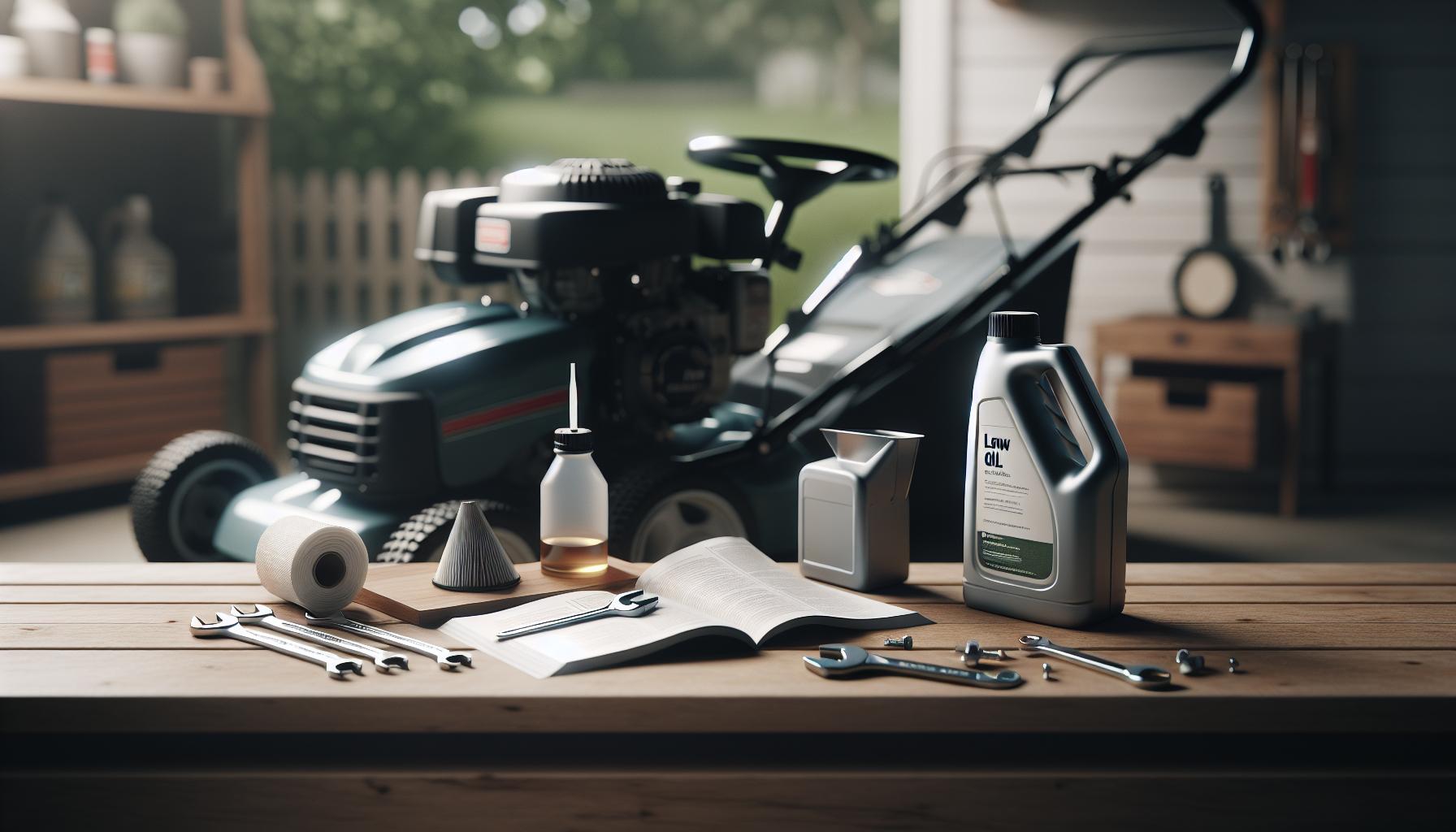
When it comes to lawn mower maintenance, selecting the right oil is crucial for ensuring your mower operates efficiently and lasts longer. Just as you wouldn’t fuel a sports car with regular gasoline, your lawn mower deserves oil that meets its specific requirements. In fact, using the wrong oil can lead to overheating, increased wear and tear, and ultimately affect the mower’s performance. Therefore, understanding which oil to use is the first step toward keeping your mower running smoothly.
Most lawn mowers require either SAE 30 oil or 10W-30 motor oil, with the choice often depending on the climate. SAE 30 is ideal for warm weather, while 10W-30 is versatile across various temperatures. Before purchasing, consult your owner’s manual for specific manufacturer recommendations, as different engines have unique lubrication needs. For instance, some modern mowers may explicitly state the use of synthetic oils, which offer enhanced performance and longevity due to their superior thermal stability and resistance to sludge buildup.
Here are a few tips to help you choose the right oil:
- Check the Owner’s Manual: Always refer to your mower’s owner’s manual for oil specifications.
- Consider the Environment: Look for oils that are suitable for your climate. In cooler temperatures, a multi-grade oil like 10W-30 can be a better choice.
- Opt for Quality Brands: Trust reputable brands that provide clear labeling and specifications, ensuring you’re using a product designed for small engines.
- Think About Synthetic vs. Conventional: While synthetic oils can be more expensive, they offer benefits like better performance at high temperatures and protection against viscosity breakdown.
By aligning your oil choice with these guidelines, you can enhance your mower’s performance and extend its life. Regular maintenance using the correct oil type reduces engine strain and optimizes fuel efficiency, allowing you to enjoy a greener, healthier lawn year after year.
Step-by-Step Guide to Changing Lawn Mower Oil

Changing the oil in your lawn mower is a fundamental maintenance task that not only enhances the efficiency of your machine but also significantly extends its longevity. Many homeowners overlook this simple yet crucial procedure, often causing their mowers to underperform and leading to costly repairs. Luckily, with just a few tools and the right approach, you can master this skill in no time.
To get started, ensure you have the necessary tools at hand: an oil drain pan, a socket wrench or screwdriver (depending on your mower model), a funnel, a clean rag, and, of course, the appropriate type of oil as specified in your owner’s manual. First, prepare the mower for oil change by ensuring the engine is cool. For safety, disconnect the spark plug wire to prevent any accidental starts.
Begin by tipping the mower onto its side (most should be tipped with the air filter facing upwards) and place the oil drain pan underneath the oil fill tube. Remove the oil fill cap and allow the old oil to drain completely into the pan. This process usually takes a few minutes, so take a moment to clean any areas around the fill tube and ensure the drain pan is in place to prevent spillage. After the old oil has fully drained, replace the cap securely, then use the funnel to pour the new oil into the fill tube. Be careful not to overfill; refer to the oil dipstick to check the level. Once filled, replace the dipstick and seal the cap before reconnecting the spark plug wire.
Finally, run the engine for a few minutes to circulate the new oil, then check the oil level again to ensure it’s correct. This method keeps your mower running smoothly, reduces wear and tear on the engine, and can save you money in repair costs. Regular oil changes typically recommended every 50 hours of use or at the start of each new mowing season will ensure that your mower remains in peak condition, keeping your lawn lush and healthy.
Essential Tools for a Successful Oil Change
Changing the oil in your lawn mower can seem daunting at first, but with the right tools, you can simplify the process and ensure your equipment runs smoothly. Having the essential tools not only makes the task more efficient but also helps prevent accidental spills and mishaps that could lead to more complications down the line. Here’s a breakdown of what you’ll need to successfully perform an oil change on your lawn mower.
To start, an oil drain pan is crucial. This tool collects the old oil, preventing messes in your garage or yard. Look for one that is large enough to capture all the oil and has a spout for easy pouring. Next, you’ll need a socket wrench or screwdriver, depending on your mower’s design; this will be used to remove any bolts or screws that may be securing the oil fill cap or drain plug. Additionally, a funnel is essential when pouring new oil into the engine to avoid spills and to ensure precision.
Don’t overlook a few basic supplies like a clean rag to wipe off any spills and debris around the oil fill tube. Finally, you should have the correct type of oil as recommended in your mower’s owner’s manual. Different engines require different viscosity ratings, so it’s essential to comply with the manufacturer’s specifications.
Summary of Essential Tools
- Oil Drain Pan: Collects old oil to avoid mess.
- Socket Wrench/Screwdriver: Required for removing caps and plugs.
- Funnel: For filling oil without spills.
- Clean Rag: To clean up spills and check oil levels.
- Correct Type of Oil: Consult the owner’s manual for specifications.
By gathering these tools beforehand, you set yourself up for a successful oil-change session, ensuring that your lawn mower remains in excellent working condition, ultimately contributing to a healthier lawn. Whether you’re a seasoned homeowner or a first-time mower maintainer, being prepared with the right tools is the first step towards a smooth and straightforward oil change.
Common Mistakes to Avoid When Changing Oil
Changing the oil in your lawn mower can significantly extend its life and improve performance. However, many homeowners make common mistakes during the process that can lead to frustration or even damage. One prevalent error is not checking the owner’s manual for the correct oil type and viscosity. Using the wrong oil can impair the engine’s performance and lead to costly repairs. Always verify the manufacturer’s specifications to ensure you’re utilizing the right oil for your specific mower model.
Another mistake often made is neglecting to run the mower for a few minutes before draining the oil. Allowing the engine to warm up helps the oil flow more freely, making the draining process easier and more efficient. Additionally, some users forget to position the oil drain pan properly, leading to messy spills. Ensuring the pan is directly under the drain plug can save you time and clean-up efforts.
Moreover, some individuals overlook the need to inspect components such as the oil filter during an oil change. A clogged or dirty filter can restrict oil flow, causing engine stress over time. As a best practice, take the opportunity to examine and replace the oil filter if necessary while you change the oil. It’s also not uncommon for do-it-yourselfers to forget to screw the oil fill cap back on securely after filling the engine with new oil. This oversight can result in oil leaks and a myriad of problems down the line.
Finally, always remember to dispose of the old oil responsibly. Pouring it down the drain or on the ground is harmful to the environment. Find a local recycling center or service that properly disposes of used oil. Taking these precautions not only safeguards your mower but also benefits the planet, ensuring that you’re maintaining your equipment with care and responsibility.
By steering clear of these common pitfalls, you can enhance your lawn mower maintenance routine, ultimately leading to a healthier, more efficient lawn care experience.
Signs Your Lawn Mower Needs an Oil Change
Ignoring the signals your lawn mower gives can lead to diminished performance and costly repairs. Just like any mechanical appliance, your mower needs regular care, and one of the most critical aspects of that care is oil maintenance. Recognizing the signs that your lawn mower requires an oil change can save you time, money, and hassle in the long run.
One of the most noticeable indicators is the color and consistency of the oil. Fresh oil typically has a clear, amber color and a smooth texture. As it ages, it can become dark and sludge-like, often indicating the presence of dirt and contaminants. If you check the oil dipstick and notice a dark, grimy substance instead of clean oil, it’s time to make a change. Additionally, if you notice unusual engine noises or the mower stalling, that could suggest that the oil is no longer providing adequate lubrication.
Another key sign is the frequency of use. If you’ve been mowing regularly during peak grass-growing seasons, changing the oil more often is crucial. Experts generally recommend changing the oil after every 25 hours of operation, or at least once per season. If your mower is used for extended periods or on thick, rugged lawns, you may need to shorten this interval.
Lastly, keep an eye on the oil level. If it seems to decrease quickly or you find yourself adding oil frequently, that’s a sign of potential leaks or burning oil, which needs addressing before it leads to more serious issues. Noting these signs and responding promptly ensures your mower continues to operate efficiently, safely, and reliably.
How Often Should You Change Mower Oil?
Regular maintenance of your lawn mower, particularly its oil, plays a critical role in ensuring optimal performance and longevity. Lawn mowers are subjected to harsh conditions, from cutting through thick grass to enduring the heat of summer, making consistent oil changes essential. Unchanged oil can lead to engine wear, overheating, and ultimately, costly repairs or replacements. So, how often should you attend to this vital task?
Experts generally recommend changing the oil in your mower every 25 hours of operation or at least once per mowing season. This timeframe may vary based on usage: if you frequently mow a thick or overgrown lawn, the oil may break down faster and require more frequent changes. For those using their mowers in less demanding conditions, sticking to the seasonal change might suffice.
To delve deeper, consider the type of oil used and your mower’s specific requirements. For instance, synthetic oils often provide better lubrication and can extend the time between changes. Always consult your mower’s manual for guidance tailored to its make and model, ensuring you adhere to any manufacturer recommendations for oil change intervals.
In addition, it’s important to monitor the visual state of the oil. If the oil appears dark and overly thick, or if the mower exhibits signs of unusual noise or diminished performance, it’s a clear indication that oil change is overdue. Tracking your operational hours, along with these visual cues, can greatly enhance the efficiency and life span of your lawn mower, keeping your yard pristine season after season.
Post Oil Change Care for Your Lawn Mower
Ensuring your lawn mower remains in prime condition after an oil change is just as important as the oil change itself. After you’ve completed this vital maintenance task, take a moment to give your machine the attention it deserves. This step not only promotes longevity but also enhances performance, ensuring your mower is ready for the next job without a hitch.
First, visually inspect your lawn mower for any potential issues that might have been overlooked during the oil change. Look for leaks around the oil reservoir and check all hoses and connections for wear and tear. If any components appear worn, consider replacing them immediately to prevent future problems. Additionally, clean the exterior of your mower. A simple wipe-down removes grass clippings and dirt that can block cooling vents, enhancing airflow and preventing overheating during operation.
Another crucial aspect of post-oil change care is to run the engine for a few minutes after adding new oil. This helps circulate the oil throughout the engine, ensuring that every part is adequately lubricated. While the engine is running, listen for any unusual noises that might indicate issues. If everything sounds normal, proceed to check the oil level once again after a short operation, as some oil may settle or be consumed during the initial run. This practice helps ensure that your mower operates with the optimal oil level-essential for performance.
Lastly, it’s an excellent time to review your mowing schedule and maintenance routine. Mark your calendar for the next oil change or any other necessary upkeep. Assessing your mowing habits may also reveal whether you need to adopt a more rigorous routine based on the conditions of your lawn or the frequency of use. By establishing a preemptive care schedule, you can protect your investment, maintain efficiency, and keep your lawn looking its best season after season.
Environmental Considerations for Oil Disposal
Proper disposal of used lawn mower oil is crucial for protecting our environment and adhering to local regulations. Each year, millions of gallons of used oil are improperly disposed of, leading to soil and water contamination. Shockingly, one quart of oil can contaminate up to 250,000 gallons of water, highlighting the urgent need for responsible disposal methods. By understanding how to dispose of oil correctly, you not only aid in environmental preservation but also set a precedent for responsible maintenance habits.
When it’s time to dispose of used oil, consider these essential steps to ensure you’re doing it correctly:
- Check Local Regulations: Regulations for oil disposal can vary widely depending on your location. Many municipalities have specific guidelines for hazardous waste, including used motor oil.
- Find a Recycling Center: Look for local recycling centers or auto shops that accept used oil. These facilities are equipped to handle the oil safely and often recycle it into new products.
- Store Safely: Until you can dispose of it, store your used oil in a sealed container that is labeled clearly. This prevents leaks and accidental mixing with other materials.
- Consider Used Oil Collection Events: Many communities organize special events for the collection of hazardous materials. Participating in one of these days ensures your oil is disposed of safely.
By taking these steps, you not only contribute to a cleaner environment but also encourage others in your community to do the same. Responsible disposal is not merely an obligation; it reflects personal commitment to sustainability and care for future generations. Emphasizing awareness about oil disposal can transform routine maintenance tasks into opportunities for environmental stewardship, reinforcing the idea that even small actions lead to significant impacts.
Upgrading Your Lawn Mower Maintenance Routine
Maintaining your lawn mower is not just an annual task but a commitment to extending its lifespan and enhancing its performance. By implementing an upgraded maintenance routine, you can reduce the risk of breakdowns and ensure that your lawn stays pristine. Regularly oiling your mower is just one aspect; consider the overall health of your mower and how routine care can ramp it up. For instance, performing a seasonal tune-up that includes checking the air filter, sharpening the blade, and inspecting all belts can work wonders.
To establish a more proactive approach to lawn mower maintenance, create a detailed schedule. Visual reminders can help keep you on track. For example, every fall, you might dedicate a weekend to winterizing your mower, which includes oil changes, battery care (if applicable), and cleaning the exterior. Similarly, spring can be reserved for a thorough inspection to address any wear and tear before mowing season kicks off. Utilizing a checklist can simplify this process, ensuring you don’t overlook any crucial steps. Here’s a sample maintenance checklist to consider:
| Maintenance Task | Frequency |
|---|---|
| Oil Change | Every 50 hours of use or at least once per season |
| Blade Sharpening | Every 20-25 hours of use |
| Air Filter Check | Every 25 hours; replace if dirty |
| Fuel System Inspection | Seasonally |
| Deck Cleaning | After each use |
Moreover, consider incorporating technology into your routine. Many tools and devices can remind you when it’s time for an oil change or a tune-up. Smart lawn mower apps not only track your usage but can also provide maintenance notifications, helping you stay diligent. Combining technology with traditional methods can elevate your maintenance process, leading to a healthier lawn mower and a vibrant lawn.
Also, don’t underestimate the power of community knowledge. Engaging with local gardening clubs or online forums can expose you to tips and tricks that enthusiasts in your area swear by. This collaborative approach can help refine your maintenance techniques based on the specific challenges posed by the climate and terrain of your location. An upgraded maintenance routine isn’t merely about keeping your mower running; it transforms each mowing session into a seamless experience, allowing you to enjoy beautiful, well-kept grass all season long.
Troubleshooting Issues After an Oil Change
After completing an oil change for your lawn mower, it’s crucial to keep an eye out for potential issues that may arise. Sometimes, even the best intentions can lead to hiccups in performance. If your mower is behaving unexpectedly post-maintenance, you aren’t alone; many enthusiasts face similar challenges. Understanding the common pitfalls can make troubleshooting easier and keep your mower running smoothly.
One common issue arises from overfilling the oil. Excess oil can lead to increased pressure within the engine, causing it to smoke or leak. If you notice your mower emitting a strange odor or producing smoke, carefully check the oil level with the dipstick. If it’s over the maximum level, you’ll need to drain the excess, ensuring you’re back within the recommended range for optimal operation.
Next, be vigilant for any signs of oil leaks. After a fresh oil change, it’s expected to see a bit of residue. However, consistent leaks can indicate improper sealing or over-tightened oil filters. Inspect the area around the oil filter and drain plug for wetness or pooling oil. Tighten any loose components gently and, if issues persist, consider replacing the filter or inspecting the gaskets.
A third issue might involve starting problems. If your mower won’t start or stalls shortly after commencing operation, double-check your work. Ensure the oil was indeed changed; a mix-up with old and new oil can lead to poor performance. Additionally, check for any disconnected wires or hoses that may have been inadvertently disturbed during the oil change process.
If your mower runs but lacks power, this could signal a need for a thorough inspection of the air filter and spark plug. Clogged air filters reduce airflow, making it difficult for the engine to operate efficiently. Replacing a dirty air filter can rejuvenate your mower’s performance, just as ensuring a fresh spark plug can enhance ignition.
By being proactive and observant after an oil change, you can quickly troubleshoot and address any emerging issues. Regular maintenance not only keeps your lawn mower operating at peak efficiency but also extends its lifespan, enhancing your mowing experience in the long run.
Frequently Asked Questions
Q: How do I know if my lawn mower needs an oil change?
A: You can tell your lawn mower needs an oil change if the oil appears dark and dirty, has a burnt smell, or if you notice decreased performance. Regular checks during maintenance can help prevent issues-refer to the section on “Signs Your Lawn Mower Needs an Oil Change” for more details.
Q: How often should I check my lawn mower’s oil level?
A: It’s recommended to check your lawn mower’s oil level before each use. This practice helps catch low oil levels early and maintain optimal performance. For guidance on oil maintenance frequency, check the article’s section on “How Often Should You Change Mower Oil?”
Q: What is the best way to dispose of used lawn mower oil?
A: Used lawn mower oil should be disposed of at a designated recycling center or during community hazardous waste collection events. Never pour it down the drain or on the ground. For more on responsible disposal, see the “Environmental Considerations for Oil Disposal” section.
Q: Can I use any type of oil for my lawn mower?
A: No, you shouldn’t use just any oil. For optimum performance, use oil specifically recommended for your mower type (e.g., SAE 30 for warm weather). The article’s section on “Choosing the Right Oil for Your Lawn Mower” provides specific recommendations.
Q: What tools do I need to change my lawn mower oil?
A: Essential tools include an oil drain pan, a wrench for the oil drain plug, a funnel, and a clean cloth for spills. Refer to the “Essential Tools for a Successful Oil Change” section for a detailed list.
Q: How can changing my lawn mower oil improve its longevity?
A: Regular oil changes reduce engine wear by ensuring clean lubrication and preventing overheating. This practice extends the lifespan of your lawn mower and keeps it running efficiently. Check out the “Understanding the Importance of Oil in Lawn Mower Maintenance” section for more insights.
Q: What should I do if I notice a leak after changing my lawn mower oil?
A: If you notice a leak, first ensure the drain plug is tightened properly. If the problem persists, inspect the oil filter and ensure it’s installed correctly. For more troubleshooting tips, refer to the section on “Troubleshooting Issues After an Oil Change.”
Q: Is it safe to change lawn mower oil while the engine is hot?
A: It’s safer to change the oil when the engine is warm (not hot) because the oil drains more easily. Allow the mower to cool slightly after use but change it promptly to avoid the oil being too thick. For procedure details, review the “Step-by-Step Guide to Changing Lawn Mower Oil.”
In Conclusion
Congratulations on mastering the fundamentals of changing your lawn mower’s oil! Regular maintenance not only extends the life of your equipment but also ensures a lush, green lawn without interruptions. Don’t wait-go check your oil and see how simple this task can be!
For more tips, explore our related guides on “Essential Lawn Mower Maintenance Tips” and “Choosing the Right Oil for Your Garden Equipment.” If you have any questions or want to share your own maintenance tips, drop a comment below-we love hearing from you!
Ready to elevate your lawn care game? Subscribe to our newsletter for exclusive insights and product recommendations, and check out our store for the best maintenance supplies. Your lawn will thank you!