Did you know that a dull lawn mower blade can not only lead to an uneven cut but also harm your grass? Keeping your lawn mower in top shape is essential for achieving that pristine, healthy lawn you’ve always wanted. For beginners, learning how to replace a lawn mower blade might seem daunting, but it’s a straightforward task that can dramatically improve your mowing experience. By following this guide, you’ll not only save money on professional services but also gain a sense of accomplishment as you take a hands-on approach to your lawn care. Ready to dive in and learn a skill that will enhance your lawn’s appearance and health? Let’s get started!
Choosing the Right Lawn Mower Blade for Your Needs
Choosing the right lawn mower blade is essential for maintaining a healthy, well-manicured lawn. The blade is a fundamental component of your mower, and selecting the appropriate type can significantly affect your lawn’s appearance and health. A suitable blade will promote a clean cut, allowing grass to heal quickly, which is crucial for robust growth. Understanding your lawn type, mower model, and cutting preferences will help you make an informed decision.
There are several types of lawn mower blades available, each designed for specific cutting tasks. For instance, standard blades are excellent for general mowing, providing a clean cut for most grasses. If you have a lawn with fine grass, consider a mulching blade, which creates finer clippings that decompose quickly, providing natural fertilization. On the other hand, high-lift blades are preferable for tall grass, as they create a powerful airflow that lifts the cut grass for better bagging.
When selecting a blade, it’s also essential to consider the width and compatibility with your mower. Using a blade that fits perfectly is critical for safety and performance. Additionally, always check the manufacturer’s recommendations regarding blade size and type to ensure optimal results. If in doubt, consulting with a local lawn care expert or your mower’s manual can provide clarity and assist in making the best choice for your lawn care needs.
Essential Tools for Replacing a Lawn Mower Blade
Replacing a lawn mower blade may seem daunting at first, but having the right tools can make the process smooth and efficient. Successful blade replacement is crucial not only for the performance of your mower but also for the health of your lawn. Using proper tools ensures you can tackle the job safely and effectively, saving you time and effort.
To get started, gather the essential tools required for the task. Here’s a handy list:
- Wrench set: Most lawn mower blades are secured with a bolt that requires a wrench for removal. A socket wrench may provide better leverage, especially if the bolt is rusted.
- Screwdriver: If your mower has a cover that needs to be removed to access the blade, a screwdriver is essential.
- Lifting mechanism or block: A mower lift or sturdy blocks will help elevate the mower safely, providing access to the blade without strain.
- Safety gloves: Protect your hands from sharp edges and ensure a good grip while working.
- Protective eyewear: Safety glasses safeguard your eyes from debris that may fly off during blade removal.
- Cleaning brush: Keeping your blade and mower deck clean can improve performance; a brush helps remove grass buildup.
Additionally, having a magnetic parts tray can be beneficial to keep small nuts and bolts organized and prevent them from getting lost during the process. If you’re working outdoors, a mat can also provide a stable surface while keeping your tools from rolling away.
By assembling the right tools beforehand, you can make the task of replacing your lawn mower blade straightforward and hassle-free. This preparation will not only enhance your efficiency but also contribute to safer working conditions, allowing you to maintain your lawn with confidence.
Step-by-Step Guide to Removing the Old Blade
Before you can enjoy a freshly cut lawn with a new mower blade, you need to successfully remove the old one. The process may seem intimidating, especially if it’s your first time. However, with a bit of preparation and the right approach, you can confidently tackle this task. Properly taking off the old blade not only ensures your safety but also helps prevent damage to your lawn mower, setting the stage for a smooth installation of the new blade.
To start, ensure that your mower is off and securely disconnected from any power source. For gas mowers, remove the spark plug wire, and for electric mowers, unplug it. Once your mower is powered down, you’ll want to lift it, using a mower lift or sturdy blocks. This elevation will provide easy access to the blade without straining your back. It’s crucial to wear safety gloves to protect your hands from sharp metal edges.
Next, locate the blade bolt, which typically sits in the center of the blade and is secured tightly. Use your wrench or socket wrench to carefully turn the bolt counterclockwise. If the bolt is held fast by rust or debris, applying a penetrating oil can help loosen it. Ensure you hold the blade tightly to prevent it from spinning while you apply force to the bolt. Once the bolt is loose, fully unscrew it and set it aside in your magnetic parts tray to avoid misplacing it.
As you remove the blade, pay attention to how it is positioned; make mental notes or take pictures to ensure correct alignment for the new blade. Clean the area around the blade mount with a brush to remove any grass clippings or dirt that could interfere with the new blade’s fit. This attention to detail will make the installation and performance of the new blade more effective and prolong its lifespan. By following these steps diligently, you will have successfully removed the old blade and be ready for the next phase of your lawn mower maintenance.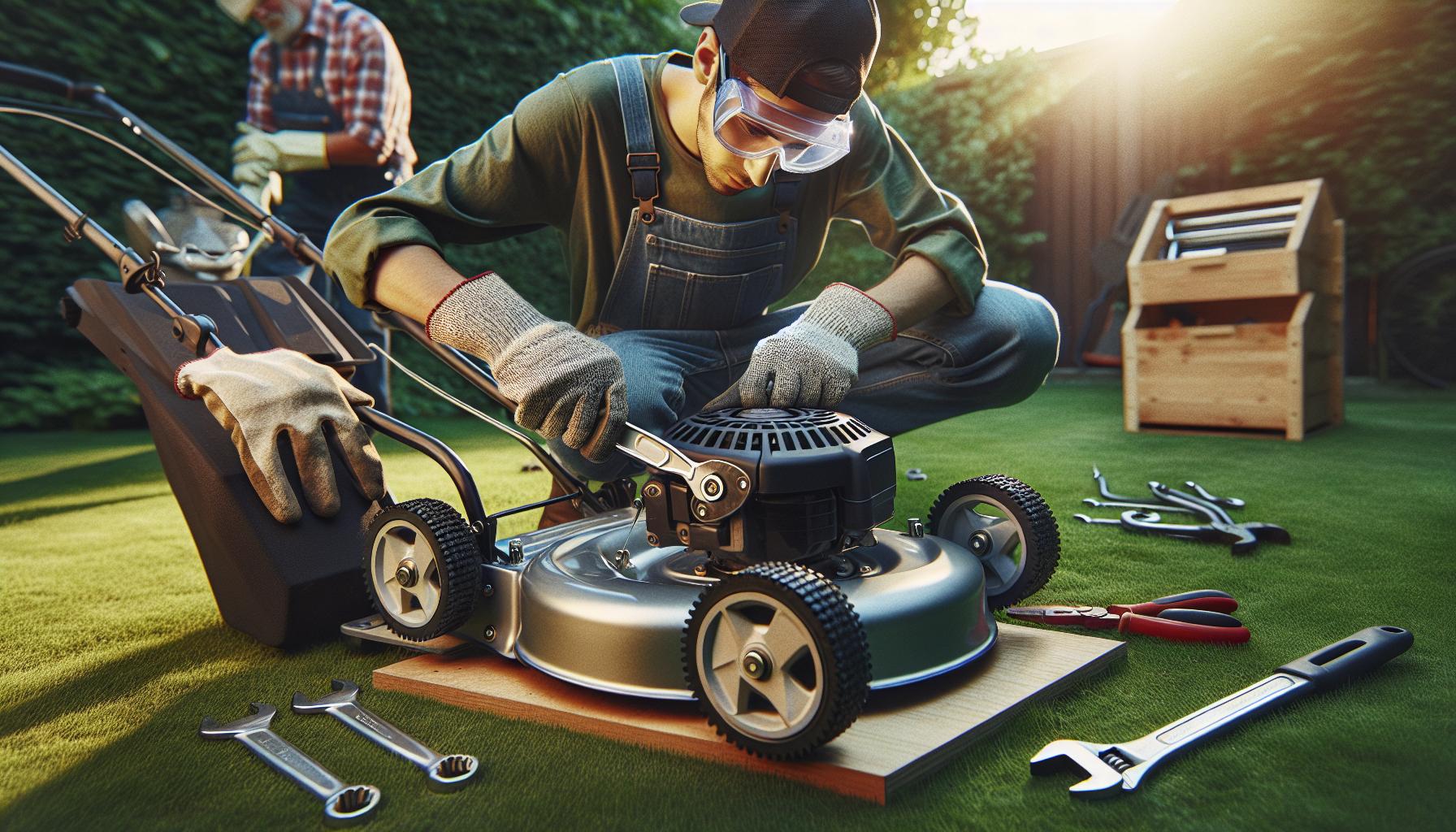
How to Safely Install Your New Lawn Mower Blade
When it comes time to install your new lawn mower blade, a smooth and safe process is critical to not only your mower’s performance but also your own safety. A well-installed blade enhances cutting efficiency and can significantly improve your mowing experience. Start by ensuring you have all necessary tools at your disposal, including a clean work area, safety gloves, and the right size socket or wrench. Keep in mind that the blade should be oriented correctly when installing it-most blades will have a label or marked side that indicates which side should face down against the grass.
Begin by positioning the new blade onto the spindle. Align the blade holes with the spindle bolts, ensuring the holes fit snugly over the mounting hardware. If your mower blade has a specific angle or cutting edge, double-check to ensure that it’s facing the right direction; generally, the curved side should curve upward toward the mower deck while the flat side faces downward toward the grass. This configuration is crucial for optimal cutting performance.
Once the blade is in place, secure it with the bolt or nut that you previously removed. Use your socket or wrench to tighten the bolt by turning it clockwise. It’s essential to not overtighten, as this can warp the blade or damage the spindle. A good rule of thumb is to make it snug but still allow for a slight movement if needed, ensuring it’s firmly in place. After the blade is secured, give it a gentle spin to check for any obstructions or misalignment; it should rotate smoothly without any resistance.
Finally, reattach any parts that were removed for access, such as the mower’s deck or housing. Before starting your mower, take a moment to double-check that everything is secured properly and that your work area is clear. Following these steps not only guarantees a well-installed blade but also helps you enjoy a beautifully manicured lawn while minimizing the chances of accidents or damages during operation.
Common Mistakes to Avoid When Changing Blades
When changing lawn mower blades, even seasoned DIYers can make mistakes that lead to poor performance or safety hazards. One of the most common missteps is not consulting the owner’s manual before attempting a blade replacement. Every mower model has specific requirements for blade size, shape, and installation technique. Ignoring these details can result in using the wrong blade, which could not only fail to deliver the desired cut but also damage the mower.
Another frequent error occurs during the removal of the old blade. It’s crucial to ensure the mower is completely powered down and the spark plug is disconnected before proceeding. Many accidents occur because operators forget this step, leading to unexpected starts. Additionally, failing to wear proper safety gear, such as gloves and eye protection, can expose one to injury from sharp blades or debris.
Alignment can also be a pitfall. Novices might neglect to position the blade correctly on the spindle or fail to confirm that the cutting edge is oriented properly. A blade installed backward or asymmetrically not only underperforms but could also vibrate excessively, possibly leading to equipment damage or personal injury. Take time to align the holes on the blade with the spindle slots to ensure a secure fit before tightening.
Lastly, after you’ve installed the new blade, be sure to check for any obstructions by spinning it gently. This brief inspection can reveal misalignments or interference, which, if unnoticed, could lead to operational issues. Baking in these precautions will contribute to a smooth blade replacement process, ultimately promoting an efficient mowing experience and prolonging the life of your equipment.
Maintenance Tips to Extend Blade Life
Maintaining your lawn mower blades is crucial for ensuring optimal performance and longevity. A well-maintained blade not only provides a cleaner cut but also reduces the strain on your mower, enhancing its efficiency. One simple but effective practice is to regularly clean the blades after each use. Grass clippings, dirt, and debris can accumulate and lead to corrosion. Use a putty knife or a similar tool to scrape off any buildup, ensuring that you do this only when the mower is completely powered down.
Another essential tip is to check the sharpness of your blades. Dull blades can tear grass instead of cutting it cleanly, making your lawn more susceptible to disease. Generally, it’s advisable to sharpen your blades every 20 to 25 hours of operation, or at least once a season. Consider investing in a sharpening stone or a bench grinder, and if you’re uncertain about the sharpening process, many local lawn care services offer this as a part of their maintenance packages.
Lastly, storing your mower properly during off-seasons can significantly extend the life of your blades. Ensure that your mower is kept in a dry, cool place and consider using a cover to protect it from dust and moisture. Before storing it, sharpen the blades one last time and apply a light coat of oil to prevent rust. These small but impactful practices not only prolong the lifespan of your blades but also ensure your mower operates at peak performance whenever it’s time for mowing.
Signs It’s Time to Replace Your Lawn Mower Blade
When it comes to maintaining a lush and beautiful lawn, your mower’s blade plays a crucial role. However, even the most diligent gardener may overlook clear indicators that it’s time for a blade replacement. Neglecting to recognize these signs can lead to uneven cuts, increased stress on your mower, and ultimately, a less healthy lawn.
One of the most immediate signs that your lawn mower blade needs replacing is visible damage. Check for nicks, dents, or bends in the blade. Even small imperfections can affect how well your mower cuts grass and can lead to further issues if left unattended. If you find these issues, it’s a good rule of thumb to replace the blade rather than attempt repairs, as a damaged blade will not perform efficiently.
Another key indicator is the quality of the cut itself. If you’re noticing that your lawn isn’t looking as crisp as it used to, with grass appearing ragged or uneven, this is a telltale sign that your blade might be dull or worn. Dull blades don’t cut; they shred, which can leave grass vulnerable to diseases and pests. Grass blades should be sliced cleanly, and if this isn’t happening, it’s time for a fresh blade.
Additionally, if your mower is uncovering patches of yellowing or browning grass after cutting, this could signal that the blade isn’t functioning correctly. Proper cutting promotes healthy growth, so if your mower’s blade fails to do this, replacing it is crucial. Regular inspection of the blade after every few uses can save both time and money and keep your lawn looking its best.
Remember, timely blade replacement is not just about aesthetics; it also contributes to the overall health of your lawn and the efficiency of your mower. By paying attention to these signs, you’ll ensure a better, more beautiful lawn year-round.
Understanding Different Types of Lawn Mower Blades
Understanding the various types of lawn mower blades is essential for achieving the best cut for your lawn. Different types of blades serve unique purposes, and using the right one can significantly impact the health and appearance of your grass. A well-chosen blade not only enhances the aesthetics of your lawn but also promotes healthier grass growth by making cleaner cuts.
Types of Lawn Mower Blades
There are several different types of lawn mower blades, each designed for specific mowing conditions and grass types:
- Standard Blades: These are the most common blades found on rotary mowers. They have a straight edge that makes them suitable for everyday mowing tasks. Standard blades are versatile and can handle most grass types effectively.
- Mulching Blades: Designed with a curved edge and longer length, mulching blades chop grass into smaller pieces that can return nutrients to the soil. These blades create a finer mulch compared to standard blades, making them ideal for maintaining a healthy lawn without the need for cleanup after mowing.
- Bagging Blades: If you prefer to collect grass clippings, bagging blades are your best choice. They are specifically designed to produce a clean cut and facilitate easy collection of clippings, preventing clumps on your lawn.
- High-Lift Blades: These blades have a higher pitch, allowing for better air circulation and lifting of the grass. This design is particularly useful for achieving an even cut in thick grass or when bagging clippings.
- Low-Lift Blades: Ideal for mowing on uneven ground, low-lift blades reduce the chances of clogging the mower. They are perfect for cutting softer, less dense grass types.
Understanding these blades can help you select the right one based on your mowing needs and the type of grass in your yard. Additionally, it’s important to consider factors like blade length, material, and maintenance requirements when making your choice. Using the proper blade not only enhances performance but can also prolong the life of your mower, ensuring it serves you well for years to come.
Frequently Asked Questions About Lawn Mower Blades
Demystifying lawn mower blades often leads to numerous questions, especially for those venturing into blade replacement for the first time. Understanding your mower’s blade is crucial, not only for performing maintenance but also for achieving that perfectly manicured lawn. A common question is, *how frequently should I replace my lawn mower blade?* Generally, it’s advisable to sharpen your blade after every 20-25 hours of use and replace it once a season or if you notice any significant damage such as nicks or warping.
Another frequent inquiry concerns the symptoms that indicate it’s time for a replacement. If your lawn starts appearing uneven or you notice ragged edges on the grass, it could be a sign that your blade is dull and needs either sharpening or replacing. Learning to recognize when your blade requires attention can help maintain your lawn’s health.
For many beginners, safety is a top priority. A common concern is, *how can I safely change my mower blade?* Ensuring the mower is completely powered off and disconnected from the power source is essential. Using gloves is a good practice to protect your hands from cuts or injuries. Furthermore, when installing a new blade, always install it in the direction of the blade rotation, which is typically labeled on the blade itself.
Lastly, cost considerations often arise, particularly the question, *are more expensive blades worth the investment?* While high-end blades can offer better durability and performance, not all situations necessitate premium options. For most homeowners, a mid-range quality blade should suffice if the proper maintenance is upheld. Balancing your budget with performance needs ensures that you get the best value while keeping your lawn in pristine condition.
Troubleshooting Common Issues After Blade Replacement
After replacing a lawn mower blade, encountering problems may be disappointing, but it’s not uncommon. Addressing these issues promptly can ensure your lawn care continues seamlessly. One of the most frequent complaints after a blade change is uneven cutting. This can result from improper blade installation. If the blade is not aligned correctly or is loose, it might tilt during operation, leading to an uneven cut. Always double-check that the blade is secured tightly and that it is installed in the correct orientation, as indicated by markings or labels on the blade.
Another issue beginners might face is excessive vibration during mowing. This can be attributed to an unbalanced blade. It’s crucial to ensure that the blade is evenly sharpened and balanced; if one side is heavier, it can create vibrations that affect mower performance. If you suspect the blade is unbalanced, you can test this by suspending it from a nail; if it settles at an angle, it needs adjustment.
Additionally, if your mower is leaving a ragged finish on the lawn, this might indicate a dull or damaged blade. Even newly installed blades can occasionally have manufacturing defects or become dulled during use. Make sure to inspect your blade regularly and sharpen it when necessary. A clean, sharp edge cuts more effectively, resulting in a healthier lawn.
Lastly, ensure there are no obstructions in the mowing deck or around the blade that could hinder its movement. Debris or grass buildup can lead to performance problems and affect your mower’s efficiency. Regular maintenance, including clearing out the deck and ensuring the blade is clean, can prevent these common post-replacement issues. By being proactive and attentive, these troubleshooting tips can help keep your mower running efficiently and your lawn looking pristine.
Cost Considerations for Lawn Mower Blade Replacement
When it comes to replacing lawn mower blades, understanding the associated costs can greatly affect your lawn care budget. The price of a new blade can vary based on several factors, including the type of blade, brand, and where you purchase it. On average, homeowners can expect to spend anywhere from $15 to $50 for a standard blade. High-performance or specialty blades may cost more, sometimes exceeding $100, especially for commercial-grade mowers or specific lawn care needs.
In addition to the cost of the blade itself, there are other considerations. For instance, if you choose to hire a professional lawn care service to handle blade replacement, you will need to factor in labor costs, which can range from $30 to $60 per hour. However, many enthusiasts prefer the DIY route, as replacing a blade can often be completed in under an hour with the right tools, making it a cost-effective option.
Hidden Costs to Keep in Mind
While the upfront cost of the blade is important, it’s also wise to budget for additional items that may arise during the replacement process. These may include:
- Tools: If you don’t already own the necessary tools (like a socket wrench or blade removal tool), you might need to invest in them, adding $10 to $50 to your costs.
- Sharpening Costs: If you plan to extend the life of your blades through regular sharpening, factor in the cost of a sharpening service or the purchase of a sharpening kit.
- Maintenance Supplies: Items such as oil for lubrication or grass cleaning supplies will also contribute to overall maintenance expenses.
By considering these factors and understanding both direct and indirect costs, you can make informed decisions that not only optimize the performance of your lawn mower but also enhance the overall health of your lawn without breaking the bank.
Eco-Friendly Practices for Lawn Care and Blade Disposal
Taking care of your lawn doesn’t have to come at the expense of the environment. Implementing eco-friendly practices while replacing your lawn mower blade can significantly lessen your ecological footprint. With a growing emphasis on sustainability, lawn care enthusiasts are discovering methods to keep their lawns healthy without relying heavily on chemicals or harmful disposal practices.
One of the most impactful changes you can make is to opt for high-quality, durable blades designed for longevity. Investing in blades that last longer means less frequent replacements and reduced waste over time. Additionally, consider using mulching blades. These blades chop grass into fine pieces and deposit the clippings back onto your lawn, which provides natural nourishment while reducing lawn waste. This practice not only cuts down on fertilizer use but also fosters a thriving ecosystem of beneficial organisms in the soil.
When it comes time to dispose of the old mower blade, ensure you do so responsibly. Many local recycling centers accept metal blades, allowing you to contribute to recycling efforts rather than sending them to a landfill. If possible, inquire about local programs or retailers that may offer blade recycling or metal scrapping services. If you’re unable to recycle, look into creative ways to repurpose the blade, such as creating garden decor or tools.
Routine maintenance is also pivotal in promoting eco-friendliness. Sharpening your mower blades regularly not only enhances cutting efficiency but also reduces the energy consumption of your mower. A sharp blade makes clean cuts that require less effort from your mower, ensuring that it runs more efficiently and consumes less fuel. Remember, a well-maintained lawn mower is not just beneficial for your yard but also better for the environment. Embracing these practices can lead to a healthier lawn while supporting a sustainable future.
Frequently asked questions
Q: How often should I replace my lawn mower blade?
A: You should replace your lawn mower blade at least once a season, or more frequently if you mow regularly or encounter tough mowing conditions. Signs of wear include dullness or damage, which you can also refer to in the “Signs It’s Time to Replace Your Lawn Mower Blade” section of the article.
Q: What type of lawn mower blade is best for my grass type?
A: The best type of blade depends on your grass type. For example, mulching blades work well for fine grasses as they cut and recycle grass clippings, while high-lift blades are better for thicker grass to achieve a clean cut. Check the “Choosing the Right Lawn Mower Blade for Your Needs” section for more details.
Q: Can I sharpen my lawn mower blade instead of replacing it?
A: Yes, you can sharpen your lawn mower blade instead of replacing it. Sharpening can extend the life of the blade if it’s not excessively worn or damaged. Refer to the “Maintenance Tips to Extend Blade Life” for best practices in blade care.
Q: What safety precautions should I take when changing a lawn mower blade?
A: Always disconnect the spark plug before starting any maintenance, wear gloves, and secure the mower to prevent it from moving. You can find more safety tips in the “How to Safely Install Your New Lawn Mower Blade” section of the article.
Q: What should I do if my lawn mower blade is stuck?
A: If your lawn mower blade is stuck, check for rust or debris that may be preventing movement. Applying a penetrating oil can help loosen it. For troubleshooting suggestions, refer to the “Troubleshooting Common Issues After Blade Replacement” section in the article.
Q: How can I dispose of my old lawn mower blade responsibly?
A: You can dispose of old lawn mower blades at a local recycling center that accepts metal. Check for specific disposal guidelines in your area. The “Eco-Friendly Practices for Lawn Care and Blade Disposal” section provides further information on responsible disposal practices.
Q: Can using a dull lawn mower blade damage my lawn?
A: Yes, using a dull lawn mower blade can damage your lawn by tearing grass rather than cutting it cleanly, leading to stress and increased vulnerability to disease. For more on the importance of sharp blades, see the “Maintenance Tips to Extend Blade Life.”
Q: What are some common signs that my lawn mower blade needs sharpening?
A: Common signs include ragged cuts, brown tips on grass blades, and visible wear on the blade edges. To learn more about maintaining your lawn mower’s performance, refer to the “Signs It’s Time to Replace Your Lawn Mower Blade” section of the article.
Closing Remarks
Now that you’re equipped with the essential steps to replace your lawn mower blade, it’s time to put this knowledge into action. A sharp blade not only makes your mowing tasks easier but also ensures a healthier lawn. Don’t wait too long-your grass will thank you for the quick upgrade. To deepen your understanding, check out our articles on lawn maintenance tips and preventive mower care for further insights.
If you’re interested in keeping your lawn in peak condition, consider subscribing to our newsletter for ongoing tips and exclusive content. Have questions or tips of your own? We’d love to hear from you in the comments below! Remember, a well-maintained lawn starts with the right tools and knowledge-take the next step today!