
Finding the right lawn care employees can be a daunting task, especially when the quality of your service hinges on the skills of your team. Did you know that a well-maintained lawn can increase property value by up to 15%? This makes hiring the right professionals not just a necessity, but a smart investment. Whether you’re a homeowner looking to maintain your yard or a business owner seeking to establish a reliable landscaping service, understanding best practices for recruiting lawn care employees is essential. From identifying the necessary skills to navigating the hiring landscape, this guide will equip you with the insights needed to build a skilled and dependable team. Dive in to discover proven strategies that can help you attract and retain the talent essential for a flourishing lawn care business.
Understanding the Lawn Care Employment Landscape
In the ever-evolving landscape of lawn care employment, understanding the dynamics of this sector is crucial for successful recruitment. The demand for lawn care services has grown substantially, driven by homeowners’ desire for pristine outdoor spaces and the increasing trend of sustainable landscaping practices. As a result, lawn care companies are competing not only for clients but also for skilled workers who can meet diverse customer needs.
The lawn care industry typically experiences seasonal fluctuations, corresponding to weather changes and the growing season. This can complicate hiring, as businesses often require more staff during peak seasons while facing talent shortages in off-peak months. To navigate this, you should closely monitor local market trends and adjust your recruitment strategy to align with peak periods. For instance, hiring in late winter or early spring can help build a reliable workforce just as the season begins to pick up.
Moreover, the skill set required in lawn care extends beyond basic landscaping knowledge. Employers should look for a blend of technical abilities, such as equipment operation and landscaping design, alongside essential soft skills like customer service and teamwork. This multidimensional approach not only addresses the immediate operational needs but also fosters a more cohesive work environment. Investing in training programs can also play a vital role in developing talent, helping workers acquire skills that drive efficiency and enhance their capabilities.
Networking within the community and engaging with local vocational schools can provide additional insights into the employment landscape. Establishing partnerships with educational institutions can create a pipeline of motivated candidates who are eager to begin their careers in lawn care. Ultimately, understanding these nuances will empower employers to attract, cultivate, and retain top talent in the lawn care sector, ensuring business sustainability and growth.
Essential Skills and Qualities to Look For

In the competitive arena of lawn care employment, identifying candidates with the right skills and qualities is essential for building a reliable and effective workforce. While technical proficiency is vital, the best potential hires will also exhibit a range of soft skills and personal attributes that contribute to a harmonious and productive team environment. For instance, hands-on experience in yard maintenance, equipment operation, and landscape design forms the backbone of a successful candidate’s technical skill set. Yet, it is the intangible qualities that often set great employees apart from the good ones.
When screening candidates, focus on qualities such as dependability, communication skills, and customer service orientation. A dependable worker ensures tasks are completed reliably and on time, fostering trust with both clients and team members. Additionally, strong communication skills facilitate clear interactions with clients about their needs and with colleagues to collaborate effectively on projects. Given the outdoor nature of lawn care roles, understanding and implementing customer preferences is crucial; hence, a customer service orientation can significantly enhance client satisfaction and retention.
Moreover, consider the ability to work as part of a team and adapt to changing job requirements. Lawn care often involves varied tasks, from mowing and trimming to mulching and planting. Candidates should be flexible and willing to assist in different areas as needed, demonstrating a cooperative spirit that is essential in a team-oriented environment. Further, look for employees who show a passion for nature and landscaping; hiring individuals who genuinely care about the aesthetic and ecological impacts of their work can lead to higher job satisfaction and lower turnover rates.
Investing in training and development can also empower your workforce. Offering workshops or access to online courses on the latest landscaping techniques, pest management, and sustainable practices not only enhances their skill set but also signals that your company values its employees’ growth and professional development. Through this multifaceted approach-focusing on both technical and soft skills-you can cultivate a robust team poised to meet the demands of the lawn care industry efficiently.
Crafting an Attractive Job Description

Crafting a compelling job description is crucial in attracting the right talent for the lawn care industry. An engaging description not only outlines the responsibilities and qualifications but also paints a picture of the work environment and company culture, enticing potential candidates to envision themselves as part of your team. With a growing emphasis on quality service in lawn care, clearly communicating what makes your company unique can be the deciding factor for job seekers evaluating multiple opportunities.
Start by clearly defining the role and its key responsibilities. For example, rather than simply stating “mow lawns,” detail the specific tasks involved such as “operating various lawn care equipment, adhering to safety guidelines, and completing yard maintenance tasks to enhance customer satisfaction.” This specificity helps candidates quickly understand what day-to-day work entails. Additionally, include preferred qualifications, such as experience with specific equipment or knowledge of sustainable practices, to attract candidates who align with your company’s values and standards.
Next, highlight the benefits of working for your company. This can cover everything from competitive pay and benefits to opportunities for advancement and professional development. Integrating aspects of company culture, such as a commitment to teamwork or environmental sustainability, can resonate with candidates seeking a workplace that reflects their values. Consider using bullet points to present this information clearly:
- Competitive salary
- Health benefits
- Professional development opportunities
- A supportive team environment
Finally, be sure to close with a compelling call to action, encouraging qualified candidates to apply. Phrasing like “Join us in creating beautiful outdoor spaces and make a difference in our community!” invites enthusiastic individuals who are passionate about lawn care, while also reinforcing the mission of your company. By carefully crafting job descriptions that communicate not just the tasks but the values and opportunities within your organization, you will attract candidates who are not only skilled but are also a good fit for your team.
Effective Job Advertisements for Lawn Care Positions
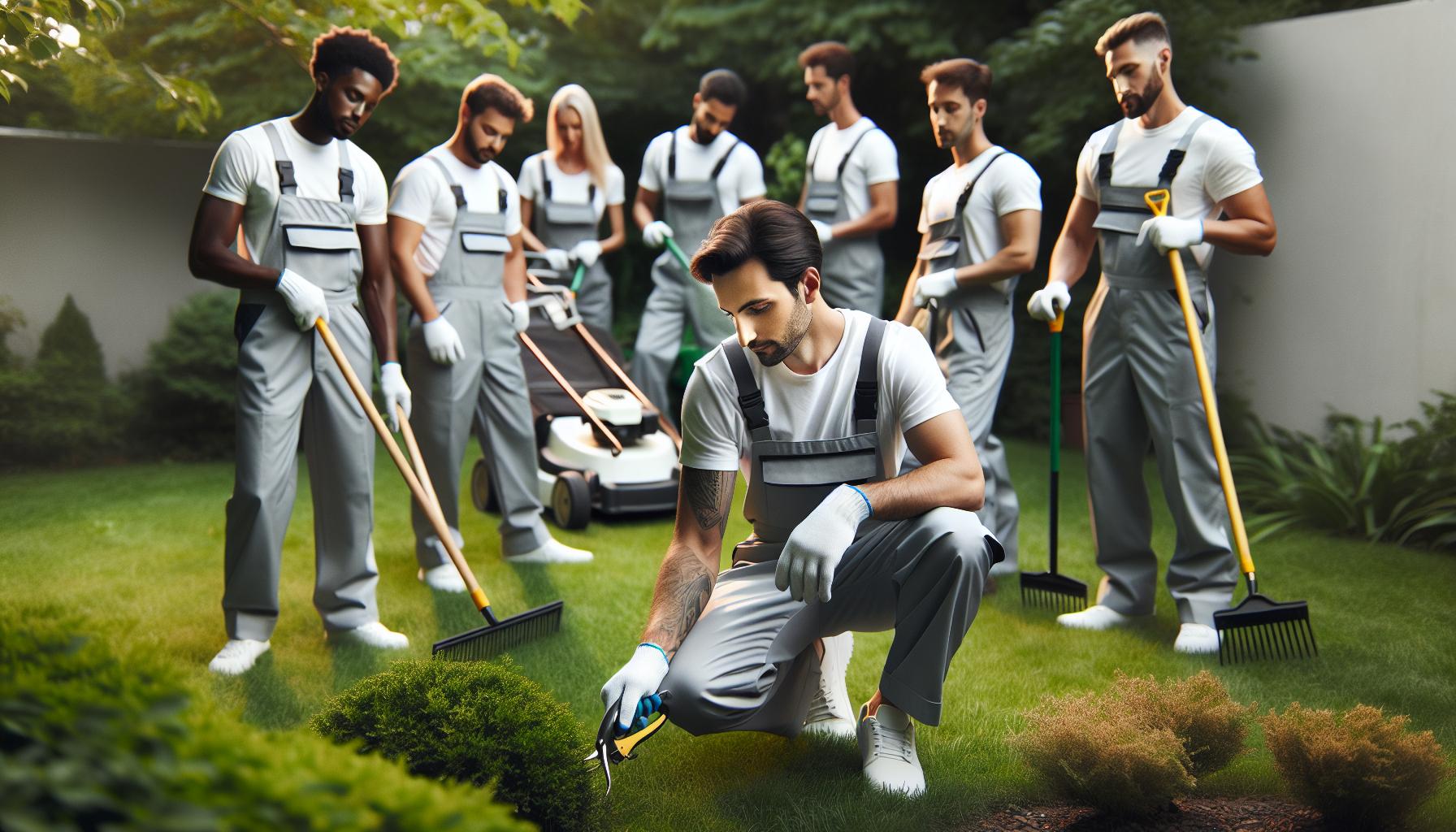
Crafting effective job advertisements is pivotal in attracting the right candidates in the competitive lawn care industry. A well-structured advertisement not only highlights job responsibilities but also showcases your company’s unique values and culture, making it more appealing to prospective employees. Did you know that job postings that include specific keyword phrases relevant to the industry often receive 50% more applications? This statistic underscores the importance of tailored content that resonates with the audience.
When creating your advertisement, begin by detailing the specific duties and responsibilities of the position. Instead of generic phrases, use engaging language that paints a vivid picture of daily tasks. For example, describe how candidates will “nurture lush landscapes through safe and efficient use of lawn care equipment” or “create vibrant outdoor spaces by implementing sustainable practices.” This kind of descriptive language not only informs but also inspires potential applicants who are passionate about lawn care.
Incorporate key elements that make your company an attractive employer. Highlight benefits such as competitive salaries, health benefits, and opportunities for skill development. Consider using a bullet-point format for clarity and impact:
- Competitive base salary
- Health and dental insurance
- Training sessions on new techniques and equipment
- Opportunities for career advancement
Finally, your call to action should be compelling and clear. Encourage interested candidates to take the next step by inviting them to “apply today and join a team dedicated to beautifying outdoor spaces!” A few well-placed action phrases can foster enthusiasm and prompt more applications.
By employing these strategies in your job advertisements, you position your company as a sought-after place to work, ensuring that you attract employees who not only have the necessary skills but are also aligned with your organization’s values and mission.
Utilizing Social Media for Recruitment Success

Utilizing social media effectively can significantly enhance your recruitment strategy in the competitive lawn care industry. With millions of users across various platforms, social media serves as a dynamic tool to connect with potential employees. It not only allows you to showcase your company culture and values but also helps you engage directly with candidates who are actively seeking opportunities. For instance, a well-timed post highlighting a team-building event or showcasing innovative lawn care techniques can draw in followers who share similar interests and values.
To optimize your social media recruitment efforts, begin by identifying the platforms where your target demographic is most active. Facebook, Instagram, and LinkedIn can be particularly effective for reaching potential lawn care employees. Tailor your content to each platform, using eye-catching visuals and authentic storytelling. On Instagram, share vibrant photos of your completed projects or behind-the-scenes clips of your team at work, while LinkedIn can be used for more professional posts that discuss job openings and the qualifications you’re seeking.
Create targeted ads to reach specific audiences based on geographical location and interest in outdoor work. Utilizing targeted ad campaigns can help maximize your reach and attract candidates who may not be actively searching for jobs but are open to new opportunities. Use demographic data to craft messages that resonate with the local community, as lawn care often correlates with regional preferences and climatic conditions.
Engagement is key in social media recruitment. Encourage current employees to share job postings on their personal accounts, creating a sense of community and strengthening your company’s connection with local job seekers. Additionally, consider hosting live Q&A sessions where potential applicants can interact with hiring managers or team members, providing immediate responses to their inquiries and showcasing the welcoming environment your company offers. This personal touch can make your organization more appealing compared to larger firms that may seem impersonal.
By effectively leveraging social media, your company can build a strong online presence that not only attracts quality candidates but also reflects a vibrant and supportive workplace culture, which is crucial for retention in the lawn care field.
Leveraging Local Job Boards and Community Resources
Local job boards and community resources can serve as powerful tools for securing skilled lawn care employees, especially in regions where specialized recruitment networks are less prevalent. By tapping into these platforms, businesses can not only reach a more targeted audience but also attract candidates who may have strong ties to the community and an inherent understanding of local lawn care needs.
One effective approach is to utilize regional job boards that cater specifically to your area. These websites typically attract candidates who are local or looking to relocate within the community. Additionally, many municipalities or community organizations maintain dedicated job portals that feature job openings in lawn service and landscaping positions. Posting on these platforms helps your job listings stand out, especially among individuals who prefer to support local businesses.
Engaging with Local Partnerships
Establishing connections with community groups such as schools, vocational training centers, and job placement agencies can further enhance your recruitment efforts. These organizations often have insight into individuals actively seeking employment or training in lawn care and related fields. For example, hosting job fairs or informational sessions at local community centers allows for direct interaction with potential candidates, enabling you to assess their interest and qualifications on the spot.
Utilizing Community Bulletin Boards
Don’t overlook traditional methods like community bulletin boards in grocery stores, libraries, or coffee shops. Creating visually appealing flyers that detail job openings, requirements, and what sets your lawn care business apart can attract local talent. This grassroots approach can also enable you to connect with those who may not be actively searching online but are interested in local opportunities.
By through these methods, you can create a recruitment strategy that not only fills positions efficiently but also fosters a strong relationship with the community, enhancing your brand’s reputation and encouraging employee retention.
Best Practices for Screening and Interviewing Candidates
Finding the right candidates in the competitive landscape of lawn care requires a strategic approach to screening and interviewing. A well-defined process not only helps identify qualified applicants but also ensures that the selected candidates fit seamlessly into your company’s culture and operational needs. Start by creating a standardized screening process, which can include evaluating resumes for relevant experience and skills. Consider using a scoring system to objectively assess each candidate’s qualifications against the criteria you’ve established for the role.
Structured Interviews
Opt for structured interviews where each candidate is asked the same set of questions. This approach not only streamlines the interview process but also allows for easier comparison of candidates. Focus on behavioral interview questions that provide insight into how candidates have handled specific situations in the past. For example, you could ask, “Can you describe a time when you had to troubleshoot a problem with lawn equipment under pressure?” Such questions encourage candidates to demonstrate their problem-solving skills and work ethic.
Practical Assessments
Incorporating practical assessments can be highly beneficial in the lawn care industry. Consider having applicants demonstrate their skills in real-world scenarios, such as mowing a section of lawn or applying fertilizer correctly. This hands-on approach helps assess not only their technical abilities but also their attention to detail and commitment to quality work. Additionally, this practice can be an opportunity to evaluate how well candidates take direction and interact with team members.
Involving Team Members in the Process
Engaging your team in the interview process can lead to better hiring decisions. Include team members in interviews or practical assessments to gain multiple perspectives on a candidate’s fit for the role and team dynamics. Moreover, consider asking them to assess candidates’ alignment with the company culture, which can lead to higher retention rates in the long run. Remember, your current employees often have valuable insights into what it takes to succeed in your specific work environment.
In conclusion, effective screening and interviewing practices in lawn care not only facilitate the identification of qualified candidates but also foster a cohesive team environment. By implementing a structured process, utilizing practical assessments, and involving your workforce, you can significantly enhance your recruitment efforts and ensure a successful hire.
Evaluating Cultural Fit in Lawn Care Teams
Finding individuals who not only have the right skills but also align with your team’s culture can transform a workplace from good to great. In the lawn care industry, where team cohesion and client interaction are crucial, assessing cultural fit during hiring is essential. Cultural fit refers to how well a candidate’s values, beliefs, and behavior align with the company’s culture and the existing team dynamics. For example, a candidate who thrives in collaborative environments is likely to enhance teamwork and morale, while someone who prefers solitary work may struggle in a team-oriented setting.
To effectively evaluate cultural fit, consider implementing a few strategic practices during the interview process:
Behavioral Interview Techniques
Utilize behavioral interview questions that focus on past experiences, as they often reveal a candidate’s approach to teamwork and problem-solving. For instance, ask questions like, “Can you describe a time when you worked in a team to achieve a goal? What was your role?” Such inquiries provide insight into how a candidate views collaboration and their ability to fit into your team’s workflow.
Group Interviews or Practical Scenarios
Another effective approach is conducting group interviews or scenarios that mimic real work situations. For instance, allowing a candidate to participate in a team discussion or engage in a hands-on task can illustrate their interaction style and adaptability. You might observe how they communicate, lead, or follow, which can speak volumes about their cultural compatibility.
Feedback from Team Members
Involving team members in the hiring process can enhance the evaluation of cultural fit. Colleagues who will directly work with the new hire can provide valuable perspectives on whether the candidate shares the team’s values and work ethic. Encourage team members to assess not just the candidate’s skills but also their potential interpersonal dynamics, as this can lead to higher retention rates and a more harmonious work environment.
By focusing on these strategies, hiring managers can effectively gauge cultural fit and select candidates who not only excel in their roles but also contribute positively to the team atmosphere, ultimately driving better results and job satisfaction within the lawn care industry.
Onboarding Strategies for New Employees
Effective onboarding is critical in ensuring that new employees feel welcome, informed, and fully equipped to succeed in their roles within the lawn care industry. Research shows that a well-structured onboarding process can increase employee retention rates by up to 25%. This makes it essential for businesses to prioritize onboarding as part of their hiring strategy.
A comprehensive onboarding program should begin with a warm welcome, where new hires meet their colleagues and are introduced to company culture. Utilizing mentorship or buddy systems can be incredibly beneficial-pairing new employees with seasoned staff can facilitate relationships and provide immediate support. This personal touch can help newcomers feel integrated and valued from day one.
To further enhance the onboarding process, it’s important to outline specific job responsibilities and expectations clearly. Provide new hires with a detailed orientation schedule covering essential topics, such as safety protocols, equipment usage, and customer service guidelines. Incorporating hands-on training sessions where new employees can practice their skills in real-life scenarios is also highly effective. This not only reinforces learning but boosts confidence and competence in their roles.
Regular check-ins during the first few weeks can provide valuable feedback and address any concerns. Use these opportunities to encourage communication and gauge how well new recruits are adapting. Additionally, gathering feedback on the onboarding experience itself will enable continuous improvement, ensuring that the integration process evolves to meet the needs of future employees.
By creating a structured, engaging, and supportive onboarding experience, lawn care companies can set a solid foundation for their new hires, leading to higher job satisfaction and long-term success in the industry.
Retaining Lawn Care Employees: Tips for Success
Employee retention is a crucial aspect of sustaining a successful lawn care business, especially given the seasonality and labor-intensive nature of the work. Engaging and keeping employees not only reduces turnover costs but also fosters a committed workforce that understands and embodies the company’s values and standards. Did you know that companies with a strong employee engagement strategy can see turnover rates drop by as much as 30%? Understanding and implementing effective retention strategies can transform your workforce into a loyal team that takes pride in their work.
To foster a positive work environment, consider implementing regular recognition programs that celebrate both individual and team achievements. Simple acknowledgments-such as ‘Employee of the Month’ awards or team outings-can significantly boost morale. Moreover, providing opportunities for professional development and training can make your employees feel valued and invested in the business. When team members see a path for growth and advancement, they are more likely to remain with the company long-term.
Another essential factor in employee retention is effective communication. Establish an open-door policy where employees feel comfortable sharing their thoughts, ideas, and concerns. Regular feedback sessions can also be beneficial. These discussions allow employees to express any issues they may face during their work, making them feel heard and appreciated. By consistently seeking their input and demonstrating that their opinions matter, you cultivate a culture of trust and respect.
In addition to fostering a supportive environment, offering competitive compensation and benefits is vital. Evaluate your pay structure and ensure it aligns with industry standards, taking into account the geographic factors that influence wage expectations. Delving into perks such as flexible scheduling, health benefits, and even simple offerings like snack bars or a relaxed break environment can set your company apart as an attractive employer in the lawn care industry. By centering your strategies around employee satisfaction and engagement, you pave the way for a dedicated workforce capable of driving your business forward.
Navigating Seasonal Employment Challenges in Lawn Care
In the lawn care industry, the seasonal nature of work presents unique challenges for hiring and retaining employees. Many companies face fluctuations in demand, with peak seasons requiring a larger workforce, while off-peak times can lead to reduced hours or layoffs. This variability makes it essential to develop a robust strategy for managing seasonal employment that not only addresses staffing needs but also prepares your workforce for the highs and lows throughout the year.
To effectively navigate these challenges, establish a flexible staffing approach that includes a pool of part-time or seasonal workers who can be brought on during peak periods. This strategy allows you to ramp up quickly without committing to full-time hires that may not be necessary year-round. Providing clear communication about the seasonal nature of the work during the hiring process sets proper expectations for candidates and helps attract those who are open to temporary roles.
Moreover, consider implementing training programs that prepare your crew for both busy seasons and slow periods. Cross-training employees in various roles-from basic lawn care tasks to more specialized services-ensures that your team remains versatile and can adapt to shifting demands. This strategy not only maximizes your workforce’s utility but also enhances employee engagement. Workers are more likely to feel valued when they possess a diverse skill set and can contribute in multiple ways.
Effective communication strategies also play a crucial role in maintaining morale and productivity during slower times. Encourage open dialogues where employees can voice their concerns about hours or job security. By fostering an inclusive environment where feedback is welcome, you can mitigate anxiety linked to the uncertainty of seasonal employment. Furthermore, consider offering incentives, such as guaranteed hours during the off-peak season or opportunities for advancement, to keep employees engaged and committed to your company.
Emphasizing the value of off-season initiatives-like community service projects or skill development workshops-can also strengthen your workforce. Providing meaningful work during slower periods not only maintains morale but also enhances your company’s reputation as a supportive employer. In summary, mastering the art of seasonal employment management in the lawn care industry requires a proactive, flexible approach that prioritizes communication, training, and employee engagement to ensure a motivated, skilled team ready for the seasonal peaks ahead.
Building a Strong Employer Brand in the Lawn Industry
In an industry where competition is fierce and employee turnover can be high, establishing a robust employer brand is critical for attracting and retaining top talent in lawn care. A strong employer brand communicates your company’s values, culture, and the advantages of working with you, making it easier to stand out in a crowded market. Given that many potential employees prioritize workplace culture and job satisfaction, investing in your brand can significantly impact your hiring success.
One effective way to build your employer brand is through authentic storytelling. Share your company’s history, mission, and the positive impact you have on your community. Highlight employee testimonials and case studies that showcase the career growth opportunities, skill development programs, and team camaraderie your organization fosters. Use various platforms-such as your website, social media, and local trade shows-to disseminate this narrative, allowing potential hires to connect emotionally with your brand. Transparency about working conditions and expectations can further enhance trust and appeal.
Additionally, consider leveraging employee engagement initiatives that directly involve your team in brand promotion. When employees feel valued and part of a larger mission, they naturally become brand ambassadors. Encourage them to share their experiences and achievements on personal and professional networks. Offering incentives for referrals can also motivate your current workforce to advocate for your company, bringing in like-minded individuals who can seamlessly integrate into your company culture.
Lastly, maintaining an active presence in community events and fostering partnerships with local organizations can bolster your brand’s reputation. Participate in community service projects, sponsor local events, or offer workshops that educate the public about lawn care best practices. When potential candidates see your willingness to invest in the community, it highlights your commitment to stewardship and enhances your attractiveness as an employer. In summary, a strategic focus on developing a compelling employer brand through storytelling, employee involvement, and community engagement can dramatically improve your recruitment efforts in the lawn care industry.
Q&A
Q: What are the best platforms for posting lawn care job openings?
A: The best platforms for posting lawn care job openings include local job boards, community centers, and online job sites like Indeed or Glassdoor. Social media platforms like Facebook and LinkedIn can also attract candidates interested in lawn care careers. Refer to sections on “Utilizing Social Media for Recruitment Success” for more insights.
Q: How can I attract qualified candidates for lawn care positions?
A: Attracting qualified candidates involves creating a compelling job description that highlights essential skills and benefits. Use clear language about responsibilities and include information on growth opportunities. Check out the section on “Crafting an Attractive Job Description” for effective strategies.
Q: What questions should I ask during a lawn care job interview?
A: Key questions for a lawn care job interview include inquiries about previous landscaping experience, knowledge of equipment, and problem-solving scenarios. This helps assess practical skills and cultural fit. For a comprehensive approach, refer to “Best Practices for Screening and Interviewing Candidates.”
Q: How important is cultural fit when hiring lawn care employees?
A: Cultural fit is crucial as it impacts team dynamics and employee retention. Hiring individuals who align with your company values promotes a healthy work environment. Explore the “Evaluating Cultural Fit in Lawn Care Teams” section for detailed guidance.
Q: When should I start hiring seasonal lawn care employees?
A: Start hiring seasonal lawn care employees in late winter to early spring, as this is when demand typically surges. Planning ahead allows for thorough screening and training. Review “Navigating Seasonal Employment Challenges in Lawn Care” to optimize your hiring timeline.
Q: What are effective onboarding strategies for lawn care teams?
A: Effective onboarding strategies include structured training sessions, pairing new hires with experienced employees, and providing clear documentation. Ensuring new team members feel welcomed enhances retention. Additional tips can be found in the “Onboarding Strategies for New Employees” section.
Q: How can I retain top talent in the lawn care industry?
A: Retaining top talent involves offering competitive wages, growth opportunities, and regular feedback. Additionally, fostering a positive work environment and recognizing achievements can significantly enhance employee satisfaction. Check “Retaining Lawn Care Employees: Tips for Success” for more detailed strategies.
Key Takeaways
Finding and hiring quality lawn care employees is crucial for your business’s success and growth. By implementing the best practices we discussed, you can build a reliable team that enhances service quality and customer satisfaction while optimizing operational efficiency. Don’t wait-put these strategies into action today and transform your hiring process!
For more insights, check out our articles on “Effective Employee Training Techniques” and “Creating an Attractive Work Environment for Lawn Care Staff.” If you’re still uncertain or facing challenges, consider signing up for our newsletter for ongoing tips or scheduling a consultation to explore tailored solutions. Join the conversation by sharing your thoughts in the comments section below; we value your feedback and experiences! Remember, great teams don’t just happen; they are built with care and strategy.