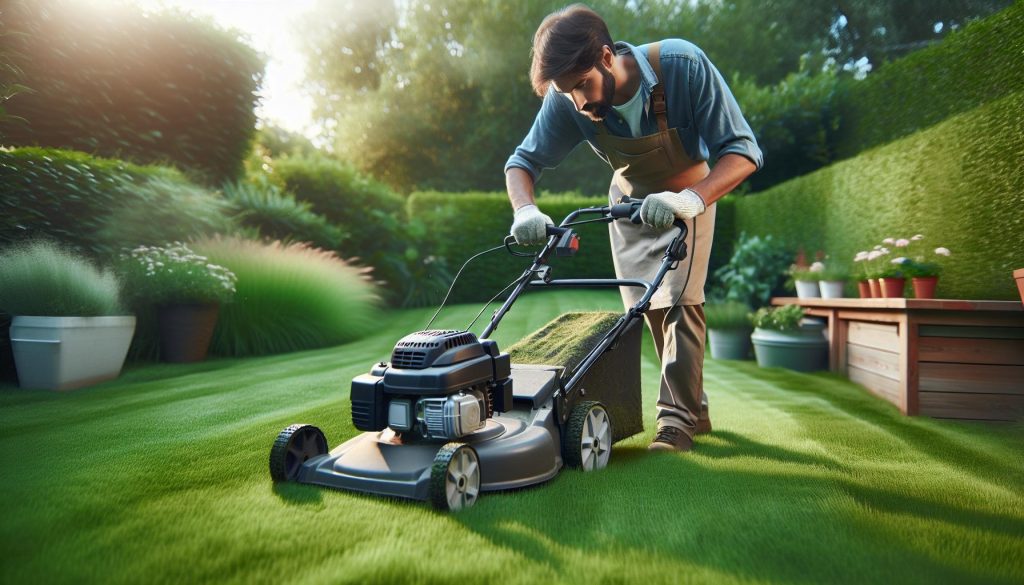
Did you know that a well-mowed lawn can improve your home’s curb appeal and increase its value? Yet, many homeowners struggle to achieve that perfect, manicured look, often feeling overwhelmed by the technique and equipment involved. “How to Mow a Lawn: Pro Techniques for a Perfect Finish” offers you expert insights and practical tips to elevate your lawn care game. Whether you’re dealing with uneven patches, overgrown grass, or simply seeking to enhance your outdoor aesthetic, mastering the art of mowing is essential. This guide will equip you with the knowledge to tackle common challenges, optimize your mowing schedule, and achieve that enviable finish that will make your neighbors take notice. Ready to transform your lawn into a lush green paradise? Let’s get started on the path to a flawless lawn!
Choosing the Right Mower for Your Lawn Type
Choosing the right mower can transform your mowing experience and enhance the overall appearance of your lawn. With a variety of mowers available, determining which type is best suited for your specific lawn conditions is essential. Factors such as lawn size, terrain, and grass type will influence your decision and set the stage for optimal mowing results.
For smaller, flat lawns, a push mower or electric mower can be an excellent choice, providing ease of use and maneuverability without the need for fuel. These mowers are typically lighter and allow for precision cutting in tight corners, which is beneficial for maintaining the appearance of smaller lawn areas. If your lawn has a lot of obstacles, such as garden beds and trees, a push mower will allow you to navigate around them with ease.
On the other hand, if you are dealing with a larger lawn or more varied terrain, a riding mower might be necessary. Riding mowers reduce the physical strain of mowing, allowing you to cover more ground efficiently. Consider features such as zero-turn capabilities, which can help achieve sharper turns and more precise cuts around landscaping features. Self-propelled mowers can also be an excellent option for sloped lawns, as they adjust to the user’s pace, making the mowing process much simpler and less strenuous.
Understanding your lawn’s specific needs will guide you in selecting the appropriate mower type. For instance:
- Flat Lawns: Push mower, electric mower.
- Large or Hilly Lawns: Riding mower, self-propelled mower.
- Thick or Tall Grass: Mowers with higher horsepower or specific grass-cutting blades.
By evaluating these factors and how they align with the options available, you can ensure that your mowing experience is not only more efficient but also leads to the healthiest and best-looking lawn possible.
Understanding Lawn Mowing Techniques for a Neat Cut
Mowing a lawn may seem like a straightforward task, but mastering the techniques can significantly enhance the appearance and health of your grass. One essential skill is understanding how to achieve a consistent, neat cut. The key lies in both the technique and the approach you take to mowing. For instance, maintaining a steady speed while mowing prevents uneven cuts and ensures a clean finish, which is particularly important for achieving that polished look many homeowners desire.
It’s crucial to recognize the importance of mowing patterns. Changing your mowing direction each time can prevent soil compaction and encourage upright growth. For a small lawn, you might choose a circular pattern, while larger lawns benefit from using straight lines. Start by mowing along the edges to create a clean border, then work inward in your chosen pattern. This approach not only provides a neat finish but also makes navigating around obstacles quicker and easier.
Another technique to consider is the height at which you mow your grass. Cutting grass too short can stress it, leading to issues like weeds and bald patches. Instead, aim to cut no more than one-third of the grass height in a single mowing session. This will promote a healthier lawn by allowing the grass to retain moisture and nutrients while ensuring that the roots can establish properly. Keeping your mower blades sharp is also a critical component of achieving a neat cut; dull blades can tear the grass, leading to a ragged appearance and making the lawn more susceptible to disease.
By integrating these techniques-maintaining a steady speed, varying your mowing pattern, and adjusting blade height-you’ll be well on your way to achieving a lush and manicured lawn that stands out in your neighborhood.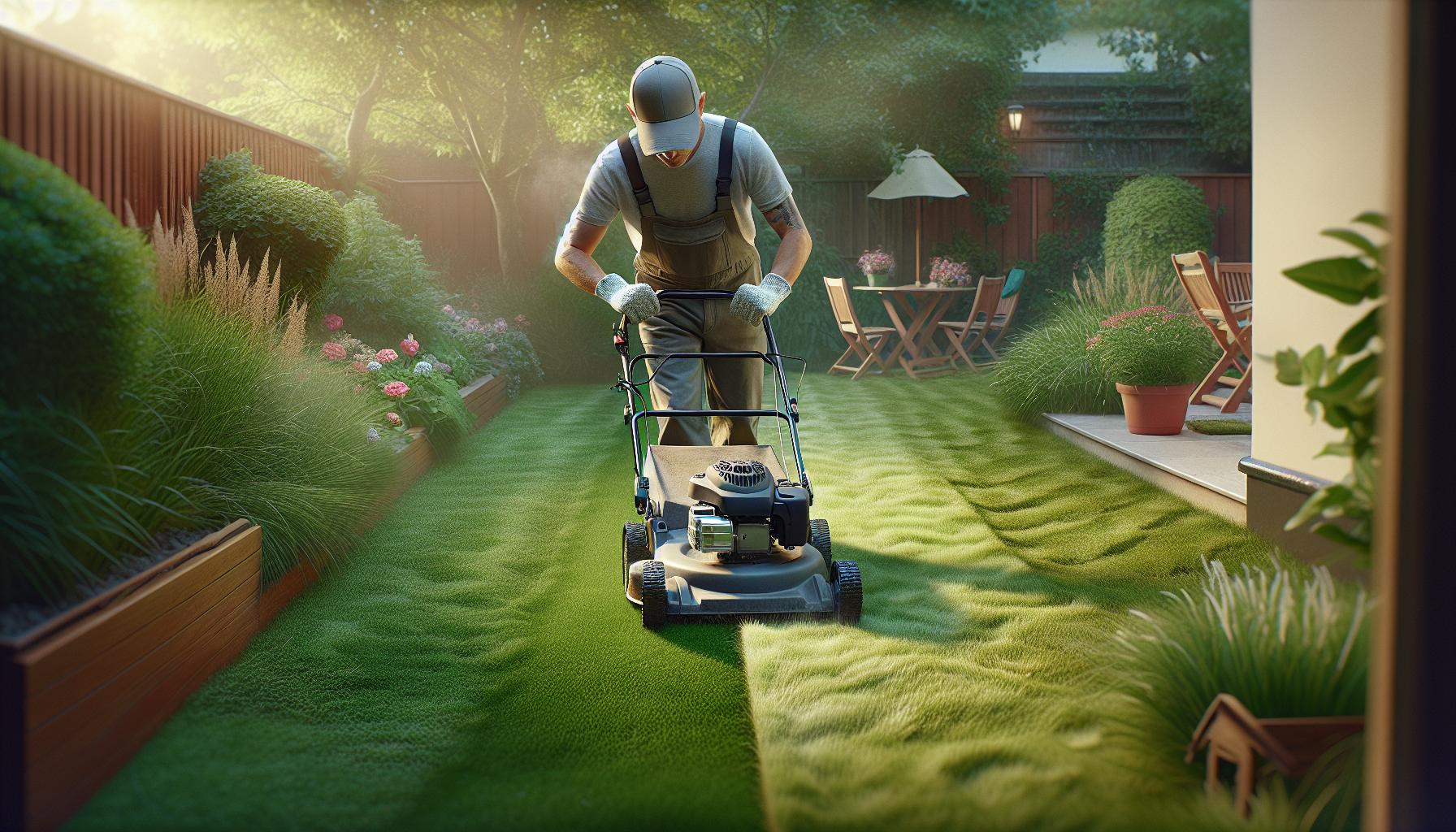
Mastering the Perfect Mowing Height for Healthy Grass
To achieve a vibrant and healthy lawn, mastering the ideal mowing height is essential. Did you know that mowing grass too short can lead to various lawn problems such as thinning patches, weed invasion, and drought stress? Understanding the best mowing heights for your specific grass type can make all the difference in maintaining lush greenery.
Grass type plays a critical role in determining optimal mowing height. For example, cool-season grasses, like Kentucky bluegrass and fescue, thrive when kept at a height of 2.5 to 4 inches. Meanwhile, warm-season grasses, such as Bermuda and zoysia, prefer a slightly lower range of 1 to 3 inches. Keeping your lawn within these heights not only supports healthy growth but also encourages deep rooting, which helps the grass resist heat and drought conditions.
It’s also crucial to adopt the one-third rule when it comes to mowing-never remove more than one-third of the grass blade in a single mowing session. This practice allows the grass to recover more effectively and maintains a robust root system. Regular mowing, combined with allowing the grass to reach the proper height before cutting, creates a thriving lawn ecosystem. Additionally, changing your mowing pattern regularly can disrupt the grass’s tendency to lean in one direction, promoting more upright growth which contributes to a fuller appearance.
Lastly, the health of your mower blades should not be overlooked. Sharp blades cut cleanly, which minimizes stress on the grass and helps prevent disease. Dull blades can tear the grass, resulting in ragged edges that make the lawn look less manicured. Regularly checking and maintaining your mower not only enhances the uniformity of your cut but also ensures that each mowing session contributes positively to your lawn’s health. With these tips in hand, you’re well on your way to becoming a lawn care expert.
Timing Your Mowing: Best Schedules for Lawn Care
Timing your mowing sessions is crucial for maintaining a healthy and vibrant lawn. While it might seem simple, understanding when to mow can significantly impact the health of your grass and the overall aesthetics of your landscape. For instance, mowing during the wrong time of day can lead to stress on your grass, especially if done in the heat of midday. Early morning or late afternoon are often regarded as the best times to mow. These times allow the grass to dry from dew, minimizing the chance of disease while also avoiding the intense heat of the day.
Moreover, the frequency of mowing should align with the growth rate of your grass and the changing seasons. During the peak growing season, especially in spring and early summer, your lawn may require mowing once a week to keep it in optimal condition. Conversely, during late summer or early fall, you may find that your grass grows slower and can go longer between mowings. A helpful strategy is to monitor your grass height rather than adhering to a strict schedule; mowing when the grass reaches about one-third higher than your desired height ensures that you’re cutting it at the right time.
Another critical aspect of timing is to avoid mowing when the grass is wet, either from dew or recent rainfall. Wet grass can create clumps that disrupt the mowing process, leading to uneven cuts and missed patches. It can also clog mower blades, making the task more labor-intensive and less effective. Mowing on a dry day ensures a clean cut and a healthier lawn.
Utilizing a calendar or reminder system can aid in establishing a consistent mowing schedule that aligns with your lawn’s needs. Consider using seasonal adjustments to your routine-such as mowing more frequently in spring and less so in fall-to adapt to your lawn’s growth cycle. By understanding and optimizing your mowing timing, you not only enhance the visual appeal of your lawn but also contribute significantly to its overall health and resilience.
Maintaining Your Mower for Optimal Performance
Maintaining a mower is akin to ensuring your car runs smoothly; neglect can lead to decreased performance and costly repairs. Regular maintenance not only prolongs the lifespan of your mower but also enhances its efficiency, resulting in a cleaner cut and healthier lawn. For instance, a sharp blade can make all the difference in how your grass looks after mowing, as dull blades tend to rip rather than cut, harming your grass and leading to increased vulnerability to disease. To keep your mower running optimally, consider a simple yet effective maintenance routine.
Essential Maintenance Tasks
To keep your mower in peak condition, perform these essential maintenance tasks regularly:
- Blade Sharpening: Check the mower blade at the start of each season and sharpen it at least once a year, or more frequently if you’re mowing a lot. A sharp blade will cut grass cleanly, reduce stress on the plant, and promote healthier growth.
- Oil Changes: Just like any engine, your mower needs fresh oil to operate efficiently. Regular oil changes at intervals recommended by the manufacturer (usually every 50 hours of use) will help maintain engine performance and longevity.
- Filter Replacement: Replace or clean the air filter and fuel filter as needed. A clogged air filter can restrict airflow and lead to poor engine performance.
- Fuel System Care: Use fresh fuel and consider adding a fuel stabilizer if the mower will sit idle for an extended period. Old or stale fuel can lead to clogging and engine issues.
Seasonal Preparation
As seasons change, so should your mower maintenance routine. Before the start of the mowing season, give your mower a thorough checkup. This includes cleaning the deck to prevent grass buildup, inspecting all cables and belts for wear, and ensuring that tires are properly inflated. At the end of the mowing season, perform a deeper clean and consider storing your mower in a dry, protected area to prevent damage from the elements.
By incorporating these maintenance practices into your lawn care routine, you’ll not only keep your mower running at its best but also enhance the overall appearance and health of your lawn. A well-functioning mower is essential for achieving that pristine, manicured look that every homeowner desires.
Pro Tips for Efficient Lawn Mowing Patterns
When it comes to mowing your lawn, the patterns you use can significantly impact the overall health and appearance of your grass. Just like professionals, implementing an efficient mowing pattern not only saves time but also enhances the uniformity of your cut. Switching up your mowing patterns periodically can help prevent soil compaction and promote healthier grass growth.
A popular and effective mowing method is known as the striping technique. This approach involves mowing in straight lines, alternating directions with each session. For instance, mow one week in a north-south direction and the following week in an east-west orientation. This method not only creates an appealing striped look but also encourages the grass to grow upright, which can help improve air circulation.
Another technique to consider is the circle method, especially useful for lawns with obstacles like trees or flower beds. Instead of mowing around obstacles, start at the outer edge and gradually mow inward in a circular pattern. This minimizes the amount of grass that needs to be trimmed and can save you energy. It also reduces the likelihood of damaging your mower blades on hidden objects.
To further enhance your mowing efficiency, consider these pro tips:
- Plan Your Route: Approach mowing like a well-planned route. Start mowing from the farthest point of your yard and work your way back toward the exit. This approach prevents stepping on freshly mowed grass and saves time walking back through cut areas.
- Adjust for the Season: As the growth rate of your grass changes with the seasons, so should your mowing patterns. In spring and early summer, when grass is growing rapidly, you may want to mow more frequently, while in late summer to autumn, a longer mowing interval may be appropriate.
- Consider Grass Types: Different species of grass have unique growth patterns. For instance, cool-season grasses thrive in the spring and fall, requiring more frequent cutting, while warm-season grasses are best mowed during mid-summer. Tailoring your pattern based on grass type can enhance your results.
By employing these strategies, you can achieve a beautifully maintained lawn that stands out in your neighborhood. Not only will different patterns keep your grass healthy, but they also add a professional touch to your outdoor space. Implementing these mowing tips will equip you with the necessary tools to achieve a perfect finish every time you mow.
How to Edge Your Lawn for a Polished Look
Creating distinct and well-defined edges around your lawn can dramatically enhance its overall appearance and give it that polished, professional look. Edging not only defines the boundaries between your lawn and other garden areas, but it also helps prevent grass and weeds from encroaching into flower beds, walkways, and driveways. Utilizing the right edging techniques can elevate your yard’s aesthetic while promoting healthy growth by allowing air and water to reach the roots more effectively.
First, it’s essential to choose the right tools for the job. A manual edger offers precision with a clean cut, perfect for those who enjoy hands-on gardening. For larger areas, consider a power edger or a string trimmer equipped with an edger attachment, as these can save time and effort. Regardless of the tool you choose, ensure it is sharp and well-maintained to achieve the best results. When beginning the edging process, make sure to define the pathway clearly. Walk around your lawn to visualize the desired lines and make any necessary adjustments before starting.
After establishing your borders, proceed with even and steady cuts along the edges. Follow the contours of your garden beds and pathways, allowing for slight curves that mimic the natural flow of your landscape. For a professional touch, use mulch or decorative stones along the edges after you finish. This not only helps demarcate spaces but also enhances visual interest and reduces the likelihood of grass creep in the future.
Finally, to maintain those sharp edges, plan regular maintenance sessions. Periodically re-edge your lawn, especially after mowing, to keep those lines crisp. Implement this simple yet effective technique to elevate your outdoor space and create a visually appealing garden that showcases your commitment to lawn care.
Seasonal Lawn Care: Adjusting Your Mowing Routine
Adjusting your mowing routine according to the seasons is key to maintaining a healthy and vibrant lawn. Did you know that the frequency and height at which you mow your grass can significantly impact its health, especially as the temperatures change? As seasons shift, so do the needs of your lawn, requiring you to be more attentive to your mowing practices. By adapting your approach, you can promote thicker growth, reduce diseases, and ensure your lawn thrives year-round.
In spring, as the grass begins to wake from its winter dormancy, mowing should start gradually. Begin by raising your mower blades to allow the grass to grow longer, which encourages deeper roots and better moisture retention. Aim to cut just the top third of the grass blades to promote lush growth while keeping your mower sharp for a clean cut. As the season progresses and growth accelerates, you can lower the mower height slightly, thereby increasing your mowing frequency to once a week.
During the summer months, grass often faces drought stress and heat. Adjust your mowing routine by raising the blade to its highest setting. This allows the grass to retain moisture and provides shade for the roots, helping to minimize heat damage. It’s also advisable to mow less frequently-every 10 to 14 days-depending on growth rate-thus allowing the grass to establish itself. Always avoid mowing on wet grass, as this can lead to uneven cuts and increased susceptibility to disease.
As fall approaches, the growth of grasses becomes more vigorous again. This season is critical for lawn preparation for winter, so begin lowering the mowing height gradually to about 2.5 to 3 inches, which helps the grass resist winter disease. Regular mowing every week will also help keep the lawn tidy and encourage airflow. Finally, in preparation for winter, consider skipping a late fall mow once the grass growth slows and a cold snap is imminent, as the last cut can help set the stage for a healthy lawn come spring.
By adjusting your mowing routine based on seasonal changes, you not only care for your lawn more effectively but can also reduce the need for chemical fertilizers and herbicides, leading to a healthier environment overall. Remember, a well-maintained lawn not only enhances curb appeal but also promotes biodiversity and assists in water absorption-benefits that extend beyond your garden.
Troubleshooting Common Lawn Mowing Issues
When it comes to mowing a lawn, a seemingly straightforward task can often become perplexing due to various issues that arise. From uneven cutting to mower malfunctions, understanding how to troubleshoot these common problems is essential for achieving a pristine lawn. One of the most prevalent challenges is dealing with an uneven cut, which can occur for several reasons, including an improperly adjusted mower height or uneven ground. To combat this, regularly check that your mower blades are set to the appropriate height and ensure your lawn’s surface is level. If the mower is consistently leaving uncut patches, it might indicate a need for blade sharpening or even a maintenance check on your mower’s engine and wheels.
Another common issue is the mower stalling or failing to start, which can stem from a variety of maintenance-related problems. Before resorting to any significant repairs, check the fuel level and quality. Old or contaminated fuel can lead to starting issues, so always use fresh fuel and store it correctly. If your mower is electric, make sure the battery is charged or the cord is in good condition. Regularly inspecting the air filter and spark plug can also prevent performance issues. Keeping these components clean ensures that your mower runs smoothly and efficiently each time you mow.
Additionally, clumping of grass clippings can create unsightly patches and hinder the overall appearance of your lawn. To prevent this, mow when the grass is dry, as wet grass tends to stick together and clump more easily. Furthermore, consider the frequency of your mowing-cutting the grass too short can lead to clippings accumulating due to the reduced airflow beneath the mower deck. Aim to mow when the grass reaches about one-third taller than your desired height, ensuring a healthy cut that doesn’t overload your mower.
Lastly, if you’re experiencing difficulty maneuvering your mower, it may be time to assess its wheels and drive system. Ensure they are properly inflated and check for any obstructions in the mower deck that could impede movement. Using a well-maintained mower with a sharp blade, regular checks, and proper mowing techniques not only mitigates these issues but also enhances the overall quality of your lawn, making the effort well worth it. By staying proactive and informed on common mowing problems, you can maintain an immaculate lawn that you can take pride in.
Enhancing Your Lawn with Professional Finishing Touches
Achieving a professionally finished lawn goes beyond simple mowing; it requires attention to detail and thoughtful enhancements that elevate the overall appearance and health of your yard. For instance, after mowing, consider using a lawn roller to smooth out any uneven spots. This not only improves the aesthetic but also encourages better water absorption and promotes an even growth pattern. In some cases, adding stripe patterns can give your lawn a manicured look. This effect can be achieved by alternating mowing directions each week, which helps to create distinct light and dark areas.
Another essential aspect of a polished lawn is edging. Crisp edges provide a clear outline between the grass and adjacent flower beds, pathways, or driveways, instantly enhancing the visual appeal. You can perform edging using a manual or powered edger, or even a trimmer set to an appropriate height. Maintaining these edges regularly prevents grass from encroaching into unwanted areas and helps keep your lawn looking tidy.
To protect your freshly cut grass and ensure it thrives, consider applying a high-quality fertilizer shortly after mowing. This is particularly beneficial in the spring and summer months when grass is actively growing. Fertilizers designed for long-lasting release can provide nutrients that keep your lawn vibrant between mowing sessions. Additionally, don’t forget to regularly aerate your lawn, especially in high-traffic areas, as this practice promotes healthy root growth by allowing air, water, and nutrients to penetrate the soil more effectively.
Incorporating these professional touches not only grants your lawn a pristine appearance but also supports its overall health. A consistent routine that includes edging, fertilizing, and aerating will ensure your lawn not only looks great but thrives through the changing seasons. Remember, a well-cared-for lawn can greatly enhance your outdoor space, adding to both its beauty and value.
The Environmental Impact of Mowing Practices
The act of mowing your lawn not only plays a crucial role in maintaining its aesthetic appeal but also carries significant environmental implications. Every time you rev up a gas mower, you engage in a practice that, while seemingly benign, contributes to air pollution and greenhouse gas emissions. In fact, according to the U.S. Environmental Protection Agency (EPA), gas-powered lawn mowers emit as much pollution in one hour as a typical car does in a week. This startling statistic underscores the need for more sustainable mowing practices.
One of the simplest and most effective ways to mitigate the environmental impact is by opting for electric or battery-powered mowers. These alternatives produce zero direct emissions and operate more quietly, reducing noise pollution as well. Additionally, transitioning to electric mowers can lead to cost savings over time since they require less maintenance and eliminate the need for gasoline. Furthermore, if you’re committed to sustainability, consider keeping grass clippings on the lawn rather than bagging them. This practice, known as mulching, helps return nutrients back to the soil, supports healthy soil biology, and reduces the need for chemical fertilizers.
Another important consideration is the timing and frequency of your mowing sessions. Mowing during the heat of the day can not only stress the grass but also lead to higher emissions from gas mowers due to increased fuel usage as the engine works harder. Mowing early in the morning or later in the afternoon, when temperatures are cooler, allows for a more efficient operation and better conditions for your grass to recover post-mow. This practice aligns not only with the health of your lawn but also with environmental stewardship.
Finally, embracing an ecosystem-based approach can significantly improve lawn care’s sustainability. By integrating native plants, pollinator gardens, and organic lawn care practices, you can create a harmonious landscape that supports biodiversity. Choosing to mow less frequently or allowing certain areas of your lawn to ‘grow wild’ can foster habitats for local wildlife, which is vital in promoting ecological balance. Ultimately, conscious mowing decisions can contribute to a healthier environment while ensuring your lawn remains an inviting and vibrant part of your home.
Budget-Friendly Lawn Care: Mowing on a Dime
Maintaining a well-manicured lawn doesn’t have to break the bank. With a little planning and some savvy choices, you can achieve a beautiful landscape while keeping costs low. One highly effective strategy for budget-friendly mowing is to utilize the power of regular maintenance combined with smart resource management. For instance, mowing at appropriate heights not only promotes healthier grass but can reduce the frequency of cuts, saving you time and wear on your equipment.
Another cost-saving technique is to consider the timing of your mowing sessions. Mowing in the early morning or late afternoon can promote better grass health, leading to a stronger lawn that requires less care. Additionally, this timing helps you avoid the midday heat, which can accelerate wear on your mower and lead to higher fuel consumption if you’re using a gas-powered model. If you find that mowing is a regular task, rotating your mowing days can also help stagger your costs throughout the month.
Here are some actionable tips for keeping your lawn care affordable:
- Choose the Right Equipment: Invest in a reliable mower that suits the size and type of your lawn. Electric mowers can initially seem more expensive, but they often save money over time through lower operating costs and reduced maintenance needs.
- Regular Maintenance: Keep your mower blades sharp and perform routine checks. A well-maintained mower operates efficiently, reduces lawn stress, and can save on costly repairs in the long run.
- Utilize Grass Clippings: Instead of bagging clippings, leave them on the lawn. This practice adds organic matter back into the soil and can reduce the need for additional fertilizers.
- Watch for Seasonal Changes: Adjust your mowing frequency based on the growth rate of your grass. During cooler months, grass grows slower, allowing you to mow less often, thus saving on gas and wear.
By implementing these strategies, you can create a thriving lawn without overspending. Remember, taking simple steps to optimize your mowing routine not only helps your bank account but also contributes to a healthier environment, allowing you to enjoy a vibrant outdoor space for years to come.
Faq
Q: What are the best practices for mowing wet grass?
A: Mowing wet grass can lead to clumping and uneven cuts. It’s best to wait until the grass is dry for optimal results. If you must mow, keep the mower at a higher setting, mow at a slower pace, and clean the mower deck frequently to prevent build-up. For more tips, see our section on timing your mowing.
Q: How often should I sharpen my mower blades?
A: You should sharpen your mower blades every 20 to 25 hours of use or at least twice during the mowing season. Sharp blades provide a clean cut, which helps the grass heal faster and keeps your lawn healthy. Check out our maintenance section for further details on mower upkeep.
Q: What types of grass are best suited for mowing?
A: Grass types like Bermuda, Zoysia, and Fescue are excellent choices for mowing due to their resilience. Cool-season grasses prefer being mowed at a higher height, while warm-season grasses thrive with lower cuts. Refer to our section on understanding lawn types for more insights.
Q: How can I tell if my mower height is set correctly?
A: The correct mower height varies by grass type, but a general rule is to keep it between 2.5 to 4 inches. Check your grass after mowing: if the tips are brown or the growth is stunted, you may be cutting too low. Learn about mastering mowing height in our article.
Q: What should I do if my lawn mower is leaving uncut patches?
A: If your mower is leaving uncut patches, it may be due to dull blades, incorrect mower height, or uneven terrain. Check blade sharpness and adjust the height as needed, while also ensuring the mower runs smoothly. For troubleshooting tips, see our section on common issues.
Q: Why is it important to mow at different heights during the season?
A: Adjusting your mowing height during the season helps manage grass health as it grows. In spring, a higher cut allows for deeper roots and shade. Lower cuts in fall promote stronger growth before winter. For more on seasonal adjustments, refer to our seasonal care section.
Q: What environmental benefits does proper lawn mowing provide?
A: Proper lawn mowing can benefit the environment by promoting healthier grass, which helps sequester carbon, reduce yard waste, and improve biodiversity. Additionally, maintaining a healthy lawn enhances water retention, reducing runoff. Learn more about environmental impacts in our dedicated section.
Q: How can edging improve the appearance of my lawn?
A: Edging provides a clean and professional finish to your lawn by defining borders and preventing grass from encroaching into flower beds or walkways. Use a string trimmer or edger tool for precision. For more techniques, see our guide on lawn edging.
Wrapping Up
By incorporating these professional mowing techniques, you’re well on your way to achieving a stunning lawn that could be the envy of your neighborhood. Remember, proper mowing not only improves your lawn’s appearance but also promotes healthier grass growth. Ready to elevate your lawn care game even further? Explore our guides on choosing the right mower and seasonal lawn care tips to keep your yard in prime condition year-round!
Don’t forget to subscribe to our newsletter for more expert tips and exclusive content designed to enhance your home and garden experience. If you have any questions or need personalized advice, feel free to leave a comment below-your feedback powers our community! With a few simple adjustments and the right resources, you’ll enjoy a lush, manicured lawn that enhances your outdoor living space. Dive deeper into our resources, and let’s keep your lawn thriving!