A lush, green lawn serves as a canvas for outdoor memories, but achieving this vibrant landscape requires more than just occasional mowing. Understanding the best lawn care program is essential for homeowners who desire a thriving yard while effectively managing their time and resources. With a myriad of options available, it can be overwhelming to determine which program meets your specific needs. Factors such as local climate, soil type, and individual lawn health play crucial roles in deciding the right approach. In this article, we’ll explore top lawn care programs, breaking down their features, benefits, and suitability to help you cultivate a beautiful lawn that enhances your home’s appeal. Get ready to discover how the right care can transform not just your yard, but your entire outdoor experience!
What Makes a Great Lawn Care Program?

Creating a thriving lawn is more than just regular mowing; it requires a comprehensive program tailored to meet the specific needs of your grass type and local climate. A great lawn care program integrates various essential practices that work in harmony to ensure a lush, green landscape throughout the growing season. The foundation lies in understanding the key elements that contribute to lawn health and adapting them according to your unique circumstances.
One of the most critical components of an effective lawn care program is soil health. Healthy soil serves as the bedrock of a resilient lawn, providing essential nutrients and fostering robust root systems. Conducting a soil test can help determine pH levels and nutrient deficiencies, guiding decisions on fertilization and amendments. Additionally, implementing a proper watering schedule is vital. Lawns generally require about an inch of water per week, be it from rain or irrigation. However, deep, infrequent watering is more beneficial than frequent, shallow watering, as it encourages deeper root growth.
Furthermore, pest and weed management plays a significant role in maintaining lawn vitality. Regular monitoring for signs of pests or invasive plants allows for timely intervention, whether through natural methods or professional treatments. Consistency is key; establishing a routine that includes aeration, overseeding, and appropriate fertilization during the growing seasons can dramatically enhance the quality of your lawn.
Lastly, education and adaptability are paramount. Understanding the specific grasses in your lawn, their growth patterns, and particular needs depending on the season can make a significant difference. For instance, cool-season grasses thrive in the spring and fall, while warm-season varieties flourish in summer. Tailoring care to these cycles not only maximizes lawn health but also showcases the natural beauty of your outdoor space. With these elements in place, homeowners can develop a lawn care program that is both effective and sustainable, resulting in a vibrant landscape that enhances curb appeal and increases property value.
Key Components of Lawn Care Success
Creating and maintaining a successful lawn care program hinges on several key components that interconnect to nurture a thriving green space. One foundational element is the understanding of soil health. Healthy soil promotes robust root systems, ensuring that your grass has the nutrients it needs to flourish. Conducting a soil test is an effective first step; this allows you to identify pH levels and pinpoint any nutrient deficiencies. Based on the results, you can tailor your fertilization strategy, using organic or synthetic amendments as needed.
Proper watering techniques also play a crucial role in lawn care success. While lawns typically need about an inch of water per week, the timing and method of application matter significantly. Deep, infrequent watering encourages roots to grow deeper into the soil, making your lawn more drought-resistant and resilient. Using a rain gauge or moisture sensor can help ensure you are meeting your lawn’s hydration needs without overdoing it, thus promoting a healthier landscape.
Furthermore, pest and weed management cannot be overlooked. Regular monitoring for pests and invasive species can save you time and money down the line. When you spot issues early, you can choose the most appropriate intervention, whether it’s a natural deterrent or a targeted chemical treatment. Establishing a proactive approach that includes routine aeration, overseeding, and customized fertilization during the growing seasons transforms your lawn into a vibrant green carpet rather than a patchy annoyance.
Lastly, education and ongoing adaptability are paramount in lawn care. Recognizing the unique requirements of the grass types in your lawn is pivotal-cool-season grasses, for instance, thrive in spring and fall, while warm-season varieties prefer the heat of summer. Tailoring your lawn care strategy to align with these seasonal needs helps ensure that your lawn not only survives but thrives. By integrating these components, homeowners can craft a successful lawn care program that enhances both the aesthetic appeal and value of their property.
Top Lawn Care Programs Reviewed
Choosing the right lawn care program can significantly impact the health and appearance of your lawn. With various options available, understanding the strengths and weaknesses of each can help you make an informed decision that aligns with your specific needs, budget, and lifestyle. Below are some of the top lawn care programs currently on the market, each providing unique services tailored for different types of homeowners.
Gecko Green
Gecko Green is known for its personalized approach to lawn care, adapting its services based on the unique climate conditions and specific needs of your yard. They offer comprehensive programs that include regular fertilization, weed control, and pest management, ensuring your lawn stays lush and healthy throughout the year. Additionally, they focus on using eco-friendly products to protect both your family and the environment, making it a great choice for those concerned about sustainability. Their seasonal assessments also allow them to make necessary adjustments to care practices, addressing issues before they escalate.
Lawn Tech
Lawn Tech stands out for its afforable rates and customized programs for lawn health. With services starting as low as $45, Lawn Tech combines routine fertilization with effective weed control to foster a thriving green space. Their focus on affordability does not compromise the quality of care, making it an excellent option for budget-conscious homeowners. They also provide free estimates, enabling you to gauge costs before committing. Emphasizing preventative care, Lawn Tech offers an array of services that mitigate lawn issues before they arise, particularly beneficial for new homeowners or those unfamiliar with lawn care.
GoMow
For homeowners looking for convenience, GoMow simplifies lawn care by offering an online quote calculator available 24/7. Their competitive pricing and flexible options for lawn mowing and maintenance make it ideal for those with busy schedules who prefer an easy-to-use service model. By delivering straightforward, professional mowing services, GoMow allows customers to maintain attractive lawns without the hassle of DIY efforts. Their effective customer service and quality results help build trust and reliability within the community, making them a popular choice in Dallas.
When selecting a lawn care program, consider important factors such as the range of services offered, cost, and ecological impact. With programs like Gecko Green prioritizing tailored treatments and sustainability, Lawn Tech providing affordability and efficiency, and GoMow simplifying the process for busy homeowners, there truly is a lawn care solution available to meet your unique requirements. Assess your lawn care goals, and choose a program that aligns with your expectations for a healthy, beautiful lawn.
Comparing DIY vs. Professional Lawn Care

When it comes to maintaining a beautiful lawn, homeowners often find themselves debating between the DIY approach and hiring professional lawn care services. Each method comes with its own set of advantages and drawbacks that can significantly affect both the quality of the lawn and the amount of time invested. Understanding these differences can help you make an informed decision that aligns with your personal circumstances and lawn care goals.
One of the most compelling reasons to opt for professional lawn care is the expertise and specialized knowledge that these services provide. Professionals typically have access to high-quality fertilizers, pest control solutions, and equipment that the average homeowner might not. They are trained to identify specific lawn problems quickly and efficiently, allowing them to implement tailored solutions that promote healthier grass growth. For example, companies like Gecko Green focus on personalized treatments that consider local climate and soil conditions, which can lead to superior results compared to generic DIY methods.
Conversely, DIY lawn care can be quite satisfying and often more cost-effective, especially for those who enjoy gardening. Homeowners can control every aspect of their lawn care routine-from when to mow to how much fertilizer to apply-allowing for a sense of ownership and accomplishment. However, this approach requires a significant time commitment and a willingness to research and learn about lawn care techniques. Common pitfalls include misapplying fertilizers, over-watering, or neglecting pest control, which can lead to more substantial issues down the line.
For those considering both options, a hybrid approach might be the best solution. Homeowners can handle basic maintenance like mowing and watering while relying on professionals for more specialized services such as aeration or pest management. This flexibility can ensure a healthy lawn while keeping costs in check.
Ultimately, the choice between DIY and professional lawn care hinges on your budget, knowledge level, and the amount of time you can and want to dedicate to lawn maintenance. A thoughtful consideration of your unique situation will guide you toward the best lawn care strategy.
Seasonal Lawn Care Strategies to Consider
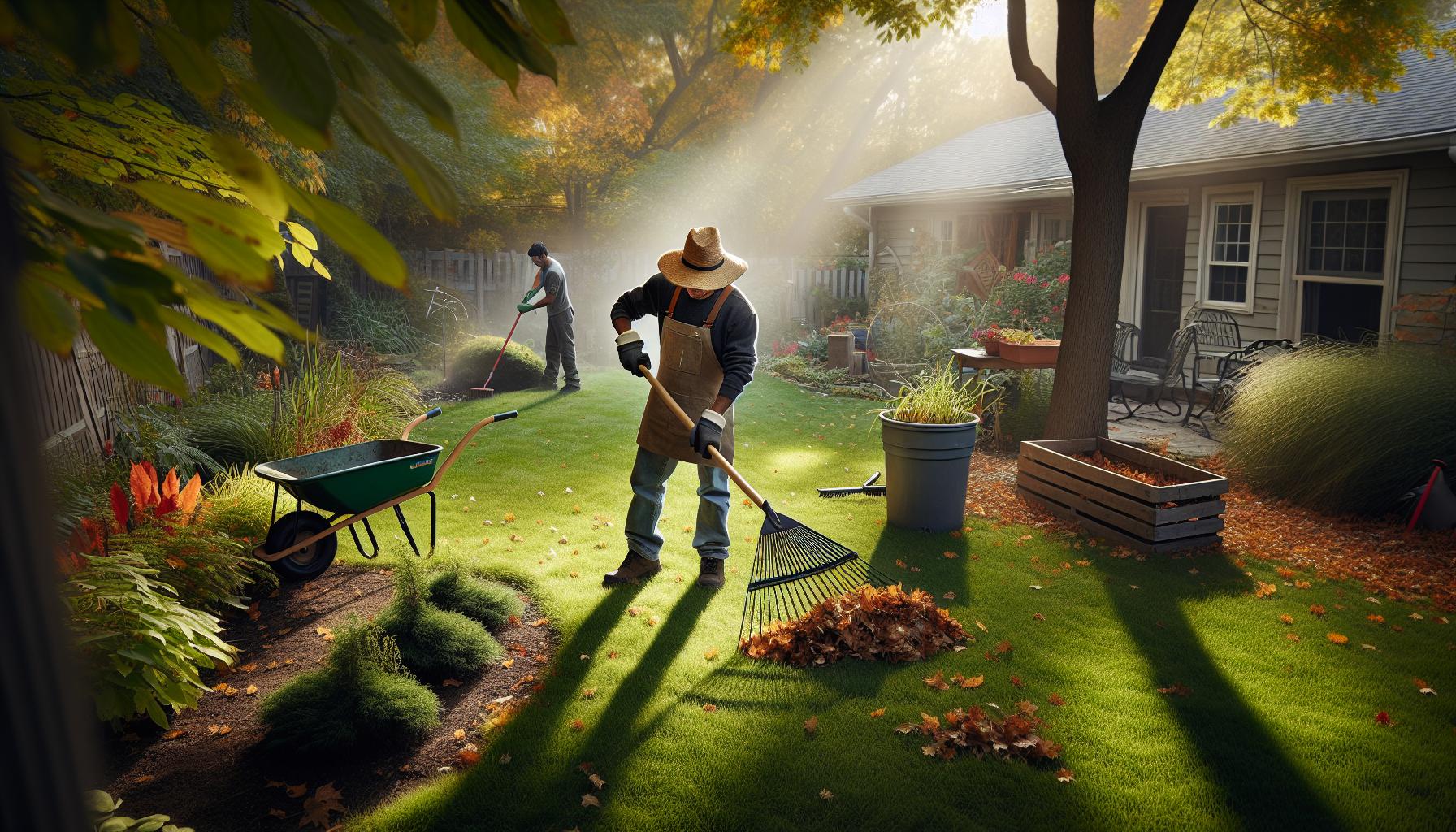
Seasonal lawn care is essential to ensuring your turf remains healthy and vibrant throughout the year. Each season brings its own challenges and opportunities, making it crucial to adapt your lawn care strategy accordingly. For instance, spring and fall are the prime seasons for nurturing growth and preparing your lawn for extremes in temperature, while summer and winter require more maintenance focus on conservation and protection.
In the spring, the primary goal is to promote robust growth as the lawn awakens from its winter dormancy. Begin by mowing regularly to encourage new growth and remove any remnants of winter. Aeration is also beneficial during this time, as it allows nutrients and water to penetrate deeper into the soil. Fertilization with a slow-release product can provide the essential nutrients for a healthy start. Additionally, seeding any bare patches in your lawn can help establish a lush, thick turf.
As summer approaches, the focus shifts toward maintenance and conservation. During this season, heat stress is a significant concern. Ensure your lawn receives sufficient water-aim for about one inch per week, adjusting for rainfall. Avoid mowing too short, as taller grass shades the soil, reducing evaporation. Furthermore, it’s the perfect time to apply herbicides to combat stubborn weeds that thrive in warm, sunny conditions. This strategy not only keeps your lawn healthy but also enhances its visual appeal.
With fall on the horizon, preparation for the winter months becomes critical. This is the ideal time to aerate and overseed, encouraging deep root growth and resilience against the cold. Applying a winterizing fertilizer rich in potassium can help strengthen the grass before it goes dormant. Additionally, it’s important to clean up leaves and debris to prevent mold and disease.
The winter months require a different approach. While your lawn may seem dormant, it still benefits from maintenance. Avoid heavy foot traffic on frozen grass to prevent damage. If snow accumulates, avoid excessive shoveling over the lawn. Instead, consider creating paths to minimize impact. In areas with milder winters, a light snow cover can protect the grass from extremes in temperature.
By tailoring your lawn care strategies to each season, you can create a thriving outdoor space that not only looks beautiful but also stands up to environmental stressors. Remember, being proactive and adjusting your approach ensures that your lawn remains healthy, lush, and welcoming from spring through winter.
Understanding Lawn Types and Their Needs
Different grasses flourish in different conditions, making it essential for homeowners to understand their specific lawn type and its needs. This knowledge not only informs watering and fertilization schedules but also impacts mowing techniques, pest control, and seasonal care strategies. The two primary categories of grasses are cool-season grasses and warm-season grasses, each with distinct growth patterns and care requirements.
Cool-season grasses, such as Kentucky bluegrass and fescue, thrive in northern regions where temperatures are moderate. These grasses tend to grow most vigorously in spring and fall, requiring regular watering, especially during dry spells. To cater to their needs, it’s vital to aerate the lawn in early spring or fall, ensuring the soil is breathable. This type of grass also benefits from heavy fertilization in autumn, which helps it prepare for the winter months and boosts root development.
In contrast, warm-season grasses like Bermuda and Zoysia are best suited for southern climates where summers are long and hot. These grasses typically enter a vigorous growth phase in late spring and peak during the hottest months of summer. To maintain a healthy lawn, it is crucial to keep the grass mowed at a height that allows for shading of the soil and to implement proper irrigation strategies to prevent drought stress. Applying fertilizers high in nitrogen during the growing season can also enhance their vigor and resilience.
Understanding the specific climatic and ecological conditions of your region helps tailor your lawn care approach. For example, areas with heavy shade may require shade-tolerant grasses like fine fescue rather than standard types. Similarly, soil type-whether sandy, clay, or loamy-can influence what grass will flourish. Investing time in recognizing these elements sets the stage for a thriving lawn that not only enhances curb appeal but also provides a comfortable outdoor space.
In summary, knowing your lawn type is the cornerstone of an effective lawn care program. Whether you opt for cool-season or warm-season grasses, adjusting your care strategies to match their unique needs is crucial. Tailoring your watering schedule, fertilization practices, and mowing methods to your grass type can lead to a lush, healthy lawn that withstands environmental pressures throughout the seasons.
Essential Lawn Care Tools and Products
To cultivate a thriving lawn that enhances your home’s curb appeal, having the right tools is as vital as understanding grass types or watering schedules. An efficient lawn care program relies on a combination of high-quality equipment and essential products that not only make maintenance easier but also contribute to your lawn’s overall health. Whether you’re a novice homeowner or an experienced gardener, investing in the right tools can dramatically transform your landscaping efforts and lead to a flourishing yard.
When assembling your toolkit, start with basic hand tools that are versatile and user-friendly. A reliable lawnmower is a must-have, serving as the backbone of your mowing routine. For smaller areas or intricate designs, consider a string trimmer, which allows you to tackle edges and challenging spots that a mower can’t reach. Additionally, rakes, shovels, and pruners are essential for general upkeep and minor landscaping tasks. These tools facilitate everything from clearing debris to shaping shrubbery, making them invaluable companions to your more mechanized devices.
Incorporating maintenance products into your regimen is equally important. High-quality fertilizers tailored to your specific grass type will optimize growth and resilience. Look for slow-release formulations to ensure nutrients are gradually made available. Another important product is a good quality grass seed, especially if you’re starting from scratch or looking to fill in bare patches. Additionally, a soil test kit will equip you with the necessary information to understand your soil’s composition, allowing for better amendments and enhancements tailored to your lawn’s unique needs.
Finally, consider seasonal tools and products that can enhance your lawn care strategy throughout the year. In spring, tools like aerators and dethatchers can help rejuvenate the lawn after winter dormancy. During the summer, sprinklers or irrigation systems become invaluable for maintaining moisture without overwatering. By planning for seasonal changes and arming yourself with the right arsenal of tools and products, you can ensure a lush and vibrant lawn year-round, paving the way for a successful lawn care journey that will leave your neighbors in awe.
Sustainable Lawn Care Practices You Can Implement
Implementing sustainable lawn care practices not only enhances the beauty of your yard but also contributes positively to the environment. A staggering amount of resources go into maintaining a traditional lawn, including water, fertilizers, and pesticides. By adopting eco-friendly approaches, you can nurture your lawn while reducing your ecological footprint.
One of the foundational practices for sustainable lawn care is native landscaping. Choosing grass and plants that are indigenous to your area not only requires less maintenance but also supports local wildlife. Native plants are adapted to the local climate and soil conditions, which means they typically need less water and are more resistant to pests. For example, swapping high-maintenance grass varieties for drought-resistant alternatives can significantly reduce water usage, especially in arid regions.
Another vital practice is organic fertilization. Rather than relying on synthetic fertilizers, which can leach into waterways and cause pollution, consider using natural options like compost or well-aged manure. These not only provide essential nutrients but also improve soil structure and health over time. Additionally, mulching lawn clippings and leaves back into your yard can help retain moisture and suppress weeds, contributing to soil fertility without added costs.
Water Conservation Techniques
Adopting effective watering strategies can further enhance sustainability. Implementing a smart irrigation system-such as drip irrigation or soaker hoses-ensures that water reaches the roots without excessive runoff. Watering early in the morning or late in the evening minimizes evaporation, making your watering efforts more efficient. Additionally, collecting rainwater through barrels can provide a valuable resource for maintaining your lawn during dry spells.
Integrating these sustainable practices into your lawn care routine not only benefits your immediate environment but also fosters an understanding and appreciation of ecological balance. By being proactive and intentional about how you maintain your lawn, you can create a vibrant outdoor space that promotes both beauty and biodiversity.
Cost Analysis of Lawn Care Programs
Understanding the financial implications of lawn care programs is essential for homeowners looking to maintain a beautiful and healthy lawn without breaking the bank. Lawn care costs can vary significantly based on several factors, including the size of your yard, the specific services required, and whether you opt for professional assistance or elect to handle the maintenance yourself. Knowing what to expect in terms of pricing can help you make informed decisions about the best options for your lawn care needs.
When evaluating costs, homeowners should consider service packages offered by lawn care companies, which often include a range of treatments like fertilization, weed control, and pest management. Most companies provide initial consultations to assess your lawn and give tailored estimates. For instance, companies like Gecko Green may offer customized packages based on seasonal changes and specific lawn health needs, while other businesses might have basic plans starting from a nominal fee, as highlighted by Lawn Tech’s affordable pricing model starting around $45 for initial treatments [[2]](https://lawntech.com/) [[3]](https://geckogreen.com/).
For those who prefer a DIY approach, the costs can also add up, especially when purchasing essential tools and products. Key expenses often include fertilizer, weed control solutions, tools like mowers and trimmers, and other maintenance supplies. While DIY methods may seem cost-effective, they can require a steep investment upfront. Furthermore, homeowners need to account for the time and effort spent on physically maintaining the lawn, which can offset any potential savings.
Cost Breakdown of Professional vs. DIY Lawn Care
To provide a clearer picture, consider the following cost comparison table:
| Cost Type | Professional Care | DIY Care |
|---|---|---|
| Initial Assessment | Free to $50 | N/A |
| Monthly Maintenance | $100 – $300 | $30 – $100 (products only) |
| Annual Total | $1,200 – $3,600 | $300 – $1,200 |
| Time Investment | Minimal (outsourced) | Significant (labor required) |
Ultimately, selecting between professional lawn care and DIY solutions hinges on your financial situation, available time, and personal preference for maintaining your outdoor space. By weighing the costs against the desired outcomes, you can choose a lawn care program that not only meets your budget but also fulfills your lawn’s unique needs.
Common Lawn Care Mistakes to Avoid
Maintaining a lush and healthy lawn can feel like a daunting task, especially for those who are just starting their gardening journey. Common pitfalls often lead to frustration and wasted effort. One major error homeowners make is neglecting soil health, which is foundational to a thriving lawn. Failing to test and amend soil before planting or treating the lawn can result in poor growth and nutrient deficiencies. Additionally, overwatering is a frequent mistake; many assume more water equals a greener lawn, when in fact, it can lead to shallow root systems and promote disease.
Another common oversight is improper mowing practices. Cutting grass too short not only stresses the lawn but also allows weeds to dominate. Grass should ideally be mowed to a height that encourages deeper roots and shade for the soil. Timing is also critical; frequent mowing during damp conditions can cause lawn clippings to clump and suffocate the grass underneath, leading to bare patches.
Many homeowners also fall into the trap of using the wrong fertilizer or applying it at incorrect intervals. It’s vital to choose a fertilizer suitable for the grass type and to follow the recommended schedule to avoid nutrient burn or environmental contamination. Similarly, applying weed control products without recognizing the specific types of weeds can lead to ineffective treatments or even harm to the desired grass.
To avoid these common mistakes, consider establishing a routine that includes soil testing, attentive watering practices, proper mowing techniques, and diligent product application. This approach can facilitate healthier growth and promote resilience against pests and diseases, ultimately leading to a vibrant lawn that enhances your home’s curb appeal.
Expert Tips for Lawn Maintenance Success
Maintaining a lush and healthy lawn isn’t solely about effort; it’s about strategy and knowledge too. Did you know that small adjustments in your lawn care routine can lead to significant improvements in health and aesthetics? Here are some expert tips that can propel you toward a maintenance success you’ll be proud of.
H3: Understand Your Lawn Type
Different grass types have specific needs regarding moisture, nutrients, and mowing height. For example, cool-season grasses thrive in northern climates and require more water during the hotter parts of the year, whereas warm-season grasses are more drought-resistant. Properly identifying your grass type is crucial for tailoring your lawn care program effectively.
H3: Optimize Watering Techniques
Watering your lawn deeply but infrequently encourages deeper root growth. A general rule of thumb is to provide about 1 to 1.5 inches of water weekly. To determine this, you can use a simple rain gauge or container to measure water levels during watering sessions. Target early morning hours for watering, as this minimizes evaporation and discourages disease typically caused by damp evening lawns.
H3: Implement Proper Mowing Practices
Mowing is more than just trimming grass; it’s a critical component of lawn health. Keep your mower blades sharp to prevent tearing and stress. Aim to mow when the grass is dry and try to cut only one-third of the grass height at a time to avoid stressing the plants. By adjusting your mowing height according to the season, you can promote healthier growth. For instance, raising the mower blade slightly in summer can help grass retain moisture.
H3: Maintain Soil Health
Healthy soil is the foundation of a vibrant lawn. Regular soil testing will help you understand nutrient levels and pH balance. Amending soil with organic matter improves drainage and aeration, supporting healthy root systems. Additionally, consider practicing rotational fertilization or using slow-release fertilizers to provide nutrients over time rather than in one heavy application.
By focusing on these strategies, you’ll create a climate where your lawn can thrive, showcasing vibrant color and resilience against pests. Tailoring these practices to your specific regional needs will further enhance your lawn care program, ensuring your efforts yield the best results.
How to Tailor Lawn Care for Your Region
Tailoring your lawn care to suit your specific region is essential for cultivating a healthy and vibrant lawn. Different geographic areas experience variations in climate, soil types, and growing seasons, all of which significantly impact the effectiveness of your lawn maintenance strategies. For instance, regions with hot summers and cold winters will require different watering and fertilization approaches than areas characterized by a milder climate year-round. Understanding these local factors can profoundly enhance your lawn care program.
One of the key elements to consider is the local climate, which dictates when to plant and what grass types are most suitable. For instance, cool-season grasses such as Kentucky bluegrass thrive in northern states and tend to flourish during spring and fall when temperatures are moderate. Conversely, warm-season grasses like Bermuda grass are ideal for southern states, thriving in the heat of summer. Research local grass types and their ideal growing conditions to ensure you’re optimizing your lawn care program for seasonal variations and minimizing maintenance across the year.
Another critical region-specific consideration is soil composition. Conducting a soil test can reveal pH levels and nutrient deficiencies, informing you whether amendments are necessary to enhance soil health. In areas with clay soils, you may need to incorporate organic matter to improve drainage, whereas sandy soils might require additional nutrients to retain moisture. Amending your soil based on the unique conditions in your area will promote stronger root development and improve overall lawn health.
Lastly, local pests and diseases can influence how you maintain your lawn. Different regions may face specific challenges, such as chinch bugs in warmer climates or snow mold in cooler areas. Being aware of prevalent issues allows you to customize your preventive measures effectively, whether that means adjusting your watering schedule to discourage fungus or applying targeted pesticides at the right times. Staying informed about regional lawn care challenges will empower you to take proactive steps in maintaining a gorgeous lawn.
By recognizing and adapting to the specific conditions of your region, you create a foundation for a successful lawn care program that meets the unique needs of your grass, soil, and local climate, ultimately culminating in a lush, resilient landscape that thrives year after year.
Q&A
Q: What factors should I consider when choosing a lawn care program?
A: When selecting a lawn care program, consider your lawn type, climate, the services offered, and your budget. Look for programs that address fertilization, weed control, and pest management while fitting your lawn’s specific needs. Review the company’s reputation and customer feedback for better insights.
Q: How often should I apply treatments in a lawn care program?
A: Most lawn care programs recommend treatments every 4-6 weeks during the growing season. This frequency allows for effective fertilization, weed control, and pest management. Always adjust based on your specific lawn conditions and recommendations from your chosen service provider.
Q: Are organic lawn care programs effective for all grass types?
A: Yes, organic lawn care programs can be effective for all grass types. They focus on natural methods to promote healthy growth without harmful chemicals. Check if the program offers tailored solutions for your specific lawn type and regional climate conditions.
Q: What is the typical cost difference between DIY and professional lawn care programs?
A: DIY lawn care programs can range from $100 to $500 annually, depending on products used. In contrast, professional services typically range from $300 to $1,500 per year. Consider both options based on your budget, time, and expertise in lawn maintenance.
Q: How can I assess the effectiveness of my lawn care program?
A: Assess your lawn care program’s effectiveness by monitoring lawn health, including color, thickness, and weed presence. Regularly check for pest issues and consult with professionals if necessary. Adjust your program based on performance data collected over time for optimal results.
Q: When is the best time to start a lawn care program?
A: The best time to start a lawn care program is in early spring for cool-season grasses or late spring for warm-season varieties. This timing aligns with optimal growth periods and allows your lawn to thrive throughout the growing season.
Q: What should I do if I encounter common lawn care issues?
A: If you face common lawn care issues like brown patches or weeds, first identify the cause-overwatering, pests, or nutrient deficiencies. Address these issues with suitable treatments or consult a lawn care expert for tailored advice to restore your lawn’s health.
Q: Can seasonal lawn care strategies help in maintaining a healthy lawn year-round?
A: Yes, seasonal lawn care strategies are essential for year-round maintenance. Each season requires specific actions, such as aeration in spring and fertilization in fall. Following a seasonal plan ensures your lawn receives the appropriate care it needs to remain healthy throughout the year.
Future Outlook
Choosing the right lawn care program is crucial for achieving a vibrant, healthy lawn that you can be proud of. Whether you prioritize eco-friendly solutions, comprehensive weed control, or tailored fertilization, the options we’ve compared offer something for every homeowner’s needs. Don’t miss out on the chance to enhance your outdoor space-take action today! Consider enrolling in a personalized lawn care program that fits your specific requirements and allows you to enjoy your lawn without the hassle.
For more tips on effective lawn maintenance, check out our detailed guides on Spring Lawn Care Tips and About Us to learn about our expertise in creating beautiful landscapes. If you’re still unsure about which program is right for you, we invite you to reach out for a consultation. Join our newsletter for the latest lawn care insights and exclusive offers, and don’t hesitate to share your thoughts in the comments below. Your perfect lawn awaits!