Lawn maintenance service is essential for keeping your outdoor space healthy and attractive. Did you know that a well-maintained lawn can increase your property value and enhance curb appeal? Many homeowners struggle with finding the time or expertise to care for their yard. This is where lawn maintenance services come in, providing tailored solutions that address your specific needs, from regular mowing and fertilization to pest control and landscaping. By ensuring your lawn receives proper care, you create a vibrant environment that not only benefits your home but also provides a sanctuary for relaxation and enjoyment. Keep reading to discover the comprehensive definition of lawn maintenance service and how it can transform your yard into the lush retreat you’ve always wanted.
Understanding Lawn Maintenance Services: A Comprehensive Breakdown
Understanding the ins and outs of lawn maintenance services is crucial for homeowners who want to keep their green spaces healthy and attractive. Lawn maintenance encompasses a variety of tasks designed to enhance and sustain the beauty and health of residential and commercial properties. This service is not just about aesthetics; it also plays a vital role in promoting the overall health of the lawn, ensuring the soil remains fertile, and preventing pest infestations.
Many people often misunderstand lawn maintenance as merely mowing grass. In reality, it extends to several essential practices, including fertilization, weed control, pest management, aeration, and overseeding. Each of these tasks contributes to creating a lush, vibrant lawn that can withstand the stresses of weather changes and foot traffic. By providing a comprehensive approach, lawn maintenance services can help avoid common lawn problems such as brown patches, thinning grass, and weed overgrowth, ensuring that property owners enjoy a beautiful landscape throughout the year.
Moreover, with the growing emphasis on sustainable practices, modern lawn care often incorporates eco-friendly techniques. For instance, many services now offer organic fertilizers and pest control methods that minimize environmental impact while still promoting healthy lawn growth. Understanding how these services can be tailored to meet individual needs allows homeowners to make educated decisions based on their specific lawn care goals.
Regular maintenance not only enhances the visual appeal of a property but also contributes significant value to the home, making it a wise investment for any homeowner looking to improve their outdoor living space. By engaging with professional lawn maintenance providers, homeowners can ensure their lawns thrive, creating an inviting atmosphere for themselves and their guests.
Key Benefits of Regular Lawn Maintenance
Regular lawn maintenance offers benefits that go far beyond just a pleasing appearance. A well-maintained lawn can be the cornerstone of a beautiful home landscape, enhancing curb appeal and inviting outdoor gatherings. More importantly, consistent care plays a crucial role in the health and sustainability of your lawn. When homeowners engage in routine landscaping services, they help actively promote robust growth while preventing common lawn issues that can arise from neglect.
One of the primary advantages of regular lawn maintenance is the enhancement of soil health. Practices such as aeration, overseeding, and fertilization help improve soil structure, allowing for better water and nutrient absorption. This, in turn, fosters healthier grass that can withstand environmental stressors like drought or heavy foot traffic. Additionally, regular mowing encourages the development of a dense, lush carpet of grass that chokes out weeds and minimizes the need for chemical solutions.
Another key benefit is the significant increase in property value. A manicured lawn serves as a visual centerpiece for any home and can dramatically boost overall property worth. According to real estate studies, homes with well-maintained landscaping can sell for up to 15% more than those without. Investing in regular lawn care not only contributes to a more inviting outdoor living space but also pays dividends in terms of property valuation.
Moreover, routine maintenance supports ecological health. A well-cared-for lawn can filter pollutants from the air, manage stormwater runoff, and provide habitats for local wildlife. By choosing eco-friendly lawn maintenance options, such as organic fertilizers and sustainable pest control measures, homeowners can maximize their lawn’s benefits while minimizing environmental impacts. Embracing these practices not only yields a more vibrant lawn but also aligns with a growing desire among homeowners to maintain eco-conscious lifestyles.
In summary, regular lawn maintenance is instrumental in nurturing a healthy, attractive, and valuable outdoor space. By committing to consistent care, homeowners can enjoy a lush landscape while reaping the rewards in enhanced aesthetics, property value, and environmental benefits.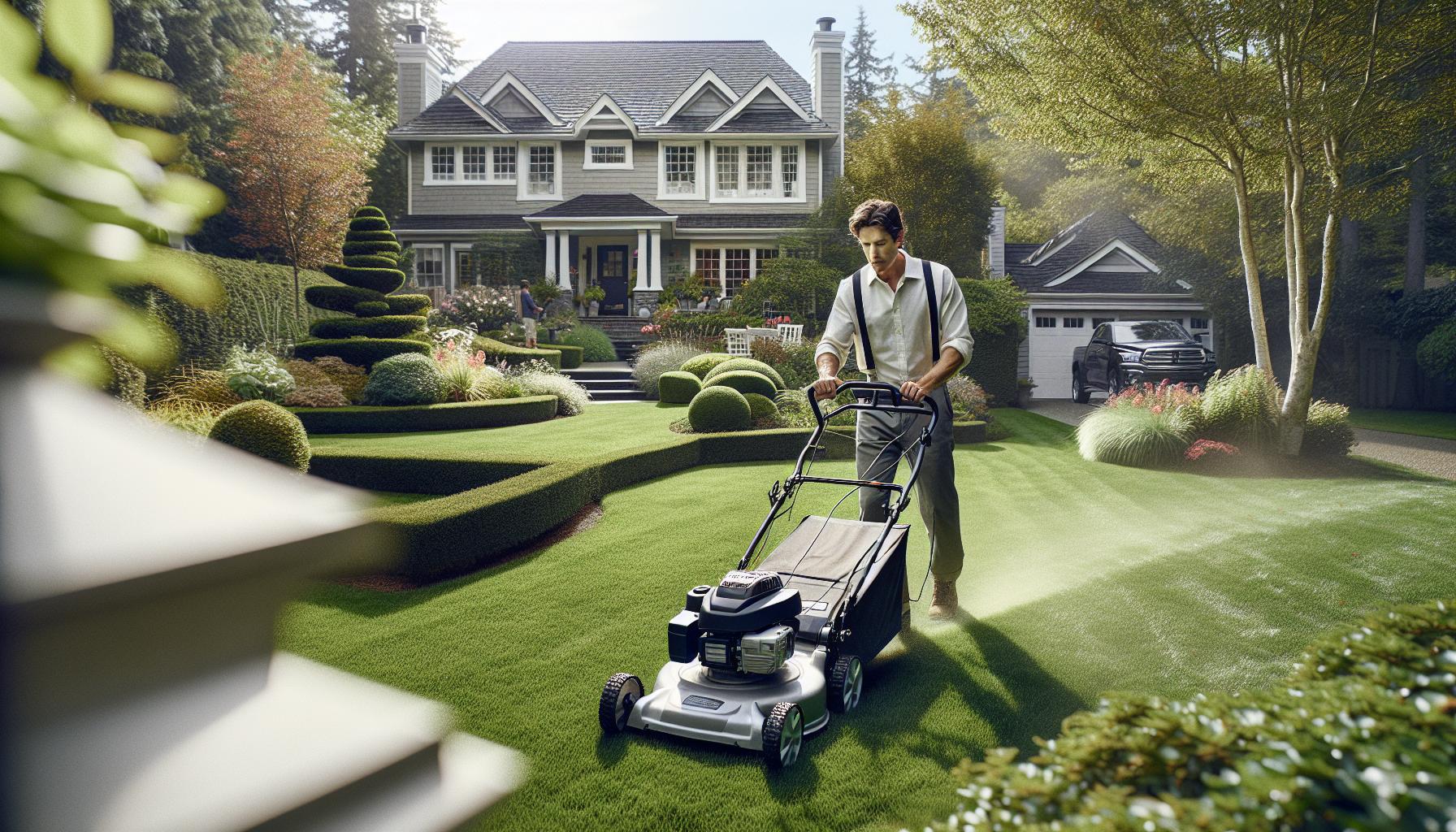
Essential Lawn Care Services Explained
Lawn care services are essential for maintaining the aesthetic appeal and health of your outdoor spaces. These services encompass a wide range of activities tailored to ensure your lawn remains vibrant, lush, and resilient against environmental challenges. Professional lawn care providers offer treatments like fertilization, pest control, and aeration, each playing a crucial role in promoting robust growth and overall lawn health.
One of the cornerstones of effective lawn care is fertilization, which provides essential nutrients that encourage healthy grass growth. Different types of fertilizers-whether organic or synthetic-can be used based on the specific needs of your lawn. Pest control services are also vital to manage and prevent infestations that can damage your grass. These services may include integrated pest management, which focuses on preventing pests through ecological methods, reducing the need for chemical applications.
Another vital component is aeration, which involves perforating the soil to allow air, water, and nutrients to penetrate deep into the grass roots. This practice enhances root development and overall soil health. Weed management is also critical; a professional service will implement strategies to control stubborn weeds that compete for resources with your grass, ensuring that your lawn stays thick and lush.
Furthermore, regular mowing is a simple yet effective service that not only keeps your lawn looking neat but also promotes healthier growth. Cutting the grass at an appropriate height allows sunlight to reach the lower parts of the plants, encouraging stronger roots and denser grass coverage. The combination of these services creates a holistic lawn maintenance strategy, enabling homeowners to enjoy a beautiful and healthy outdoor environment year-round.
Lawn Maintenance vs. Lawn Care: What’s the Difference?
Understanding the nuances of lawn maintenance versus lawn care can significantly enhance your outdoor space’s aesthetics and health. While these terms are often used interchangeably, they represent distinct aspects of managing a lawn. Lawn maintenance generally refers to the ongoing, routine tasks necessary to keep a yard looking its best. This includes services like regular mowing, edging along driveways and walkways, and seasonal clean-ups that ensure your yard remains tidy and well-groomed.
In contrast, lawn care is a broader term that encompasses a range of services focused on nurturing and improving the lawn’s health over time. This might involve techniques such as fertilization, pest control, aeration, and weed management. Each of these practices is designed to encourage robust growth and resilience against common threats like pests, disease, or environmental stressors. For example, while mowing is integral to maintenance, it does not directly contribute to the lawn’s nutritional health in the way that fertilization does.
Both maintenance and care are essential for a thriving lawn, but they serve different purposes. Regular maintenance helps prevent issues from arising and keeps the lawn in pristine condition. Meanwhile, proactive lawn care remedies existing problems and promotes long-term vitality. Homeowners should consider how both components fit into their overall landscaping strategies, coordinating maintenance tasks with more intensive care procedures to ensure their lawn is both beautiful and healthy throughout the seasons.
Ultimately, understanding these differences allows homeowners to make informed decisions about the services they need and when to schedule them, ensuring a lush and vibrant lawn throughout the year.
Scheduling Your Lawn Maintenance: Best Practices
A well-maintained lawn can significantly enhance your home’s curb appeal, making scheduling maintenance a crucial aspect of homeownership. The key to a beautiful lawn lies in effective planning and consistent upkeep. By establishing a lawn maintenance schedule, you set the stage for healthier grass and fewer issues over time. Regular care not only promotes growth but also anticipates potential problems before they escalate-ensuring your yard looks its best throughout the seasons.
To maximize the benefits of lawn maintenance, consider the following best practices:
- Seasonal Scheduling: Align your maintenance tasks with seasonal changes. For example, spring is ideal for fertilization and weed control, while fall is perfect for aeration and overseeding. Plan specific dates on your calendar to remind you of these key activities.
- Daily and Weekly Tasks: Set aside regular times each week for basic upkeep, such as mowing, watering, and edging. These short, routine efforts prevent more significant issues from arising and keep your lawn neat.
- Weather Considerations: Adjust your schedule based on weather conditions, as excessive rain or drought can affect the health of your lawn. Be flexible and make necessary changes to tasks like watering or fertilizing during extreme temperatures or wet periods.
- Consulting Professionals: If you’re unsure about the best timing or techniques for your specific lawn type, consider hiring a lawn care service. They can provide expert insights tailored to your region and grass variety, making your maintenance schedule even more effective.
Utilizing a combination of these strategies creates an effective lawn maintenance schedule that can adapt to the changing needs of your yard throughout the year. Not only does this proactive approach promote a vibrant landscape, but it also enhances your enjoyment of outdoor spaces, turning your yard into an inviting retreat.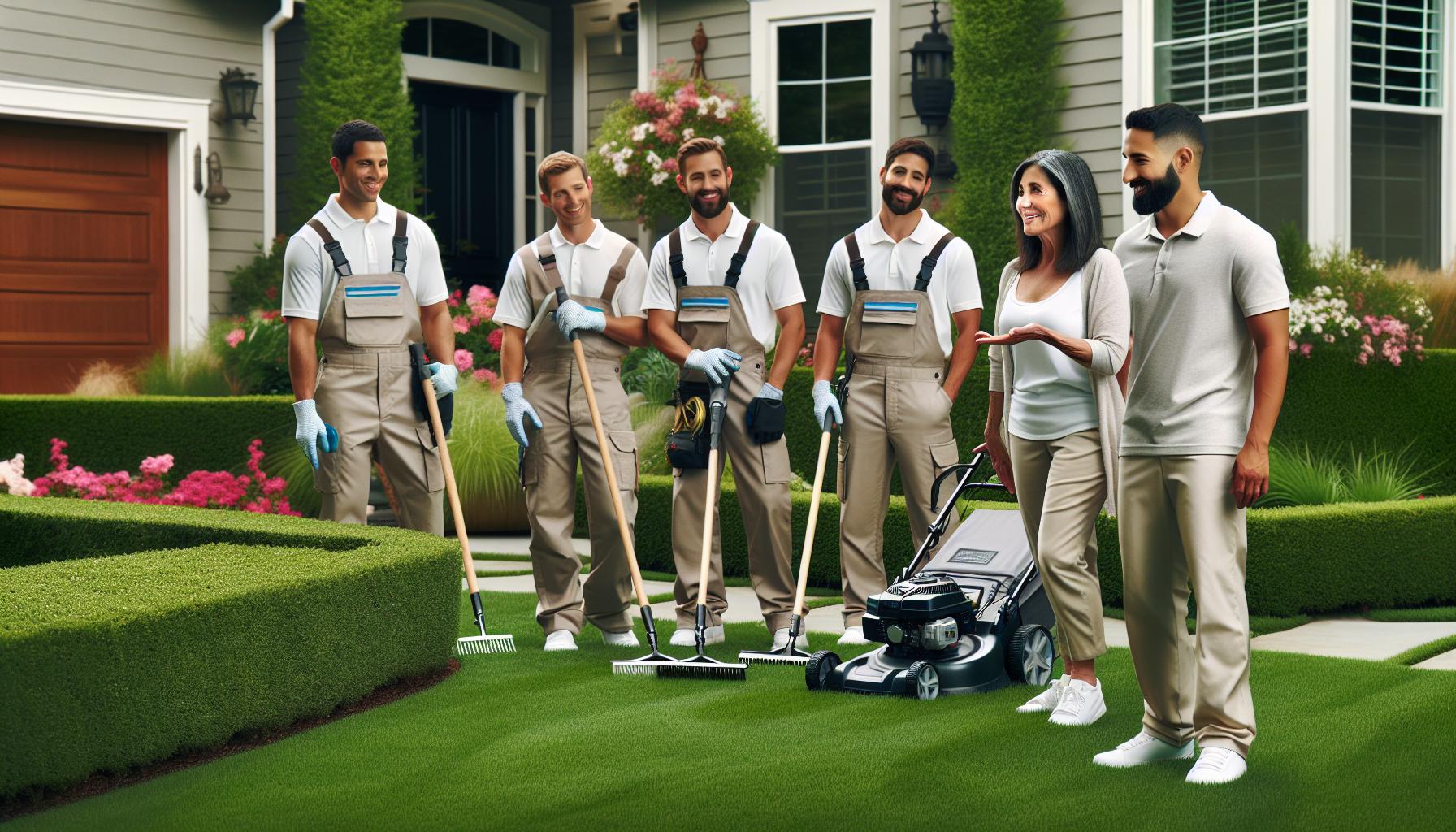
Choosing the Right Lawn Maintenance Provider
Selecting the right lawn maintenance provider can significantly influence the health and aesthetic appeal of your outdoor space. A well-chosen service takes into account your specific lawn needs and aligns them with their expertise. Understanding your options, therefore, is crucial for not just maintaining your lawn but enhancing its overall value and enjoyment.
When evaluating potential lawn care companies, consider their reputation and experience in the industry. Look for providers who offer a diverse range of services, from standard mowing and edging to more specialized treatments like aeration, pest control, and fertilization. Many professional services, such as those described on local listings, emphasize tailored approaches, utilizing eco-friendly products to ensure sustainable results (NJ Lawn Buddies [[2]]). Reviews on platforms like Yelp can provide insights into their reliability and quality, showcasing customer feedback that can guide your decision-making process.
Additionally, transparency in pricing and service offerings is a hallmark of a reputable provider. Ask for detailed estimates and clarify what is included in each service. Some companies may offer bundled packages that cover several seasonal tasks, which can be both convenient and cost-effective. Don’t hesitate to inquire about their methods and whether they employ certified professionals, as this can affect the quality of care your lawn receives. By engaging with potential service providers and asking about their techniques and tools, you can ensure that the service aligns with your expectations and lawn goals.
Ultimately, a successful partnership with a lawn maintenance provider hinges on clear communication and mutual understanding of your lawn’s needs. Take the time to meet and discuss your requirements, and don’t forget to ask about their approach to ongoing maintenance. A dedicated lawn care professional will not only maintain your lawn’s aesthetic but also educate you about effective practices you can adopt to contribute to your yard’s health between services. Making an informed choice in your lawn maintenance provider can lead to a thriving, vibrant outdoor space that enhances your home’s curb appeal for years to come.
Cost Factors in Lawn Maintenance Services
Understanding the financial landscape of lawn maintenance services is crucial for homeowners looking to keep their outdoor spaces pristine without overspending. Various factors influence the overall cost of these services, from the size and type of your lawn to the specific tasks required. For instance, basic services like regular mowing generally offer a straightforward pricing model, with many companies charging per visit. However, as your lawn care needs expand to include more specialized services such as fertilization, aeration, or pest control, you’ll find that costs can fluctuate significantly.
Factors Affecting Lawn Maintenance Costs
Several key factors can impact the pricing of lawn maintenance services:
- Size of the Lawn: Larger areas typically require more time and resources, naturally leading to higher service costs.
- Service Frequency: Weekly, bi-weekly, or monthly services can all vary in price. Regular maintenance often comes at a lower per-visit cost, creating an incentive for homeowners to schedule upkeep more frequently.
- Specific Service Needs: If your lawn requires special treatments like weed control or soil testing, expect additional charges. These specialized services usually involve more expertise and resources.
- Geographic Location: Costs can differ based on local wage rates and the cost of living in your area. Urban settings may see higher prices than rural regions.
- Seasonal Factors: During peak growing seasons (spring and summer), demand for services often spikes, which can lead to increased prices. Conversely, winter services like snow removal can also affect overall costs.
Examples of Costs
While costs can vary, here are some typical price ranges for common lawn maintenance services:
| Service | Price Range |
|---|---|
| Basic Mowing | $30 – $75 per visit |
| Fertilization | $50 – $100 per application |
| Aeration | $75 – $150 |
| Pest Control | $100 – $300 per treatment |
Understanding these cost factors allows homeowners to budget more effectively and choose a lawn maintenance plan that aligns with their needs. By comparing service packages and seeking estimates from multiple providers, you can find a balance between quality care and affordability, ensuring that your lawn remains healthy and vibrant all year round.
Seasonal Lawn Maintenance Tips and Tricks
Keeping a lawn healthy throughout the seasons requires a proactive approach to maintenance that aligns with the unique challenges and needs of each time of year. For instance, spring is the perfect opportunity to wake up your lawn from winter dormancy. Begin by clearing any debris that has accumulated and consider aerating your soil to improve nutrient absorption. Fertilization at this time is crucial; applying a balanced fertilizer will give your grass the nutrients needed to thrive as it grows.
As summer rolls in, it’s essential to adjust your mowing habits to maintain height appropriate for the grass type and help manage their moisture levels. Frequent watering-particularly during hot spells-ensures the grass doesn’t dry out. Consider implementing a mulch mowing strategy, which returns nutrients back to the soil and aids in moisture retention. Staying vigilant for pests during this season is vital; treatments for pests should be initiated as soon as evidence of trouble appears.
Autumn is when lawns prepare for winter. This is the ideal time for overseeding, which helps reduce bare patches and rejuvenates the lawn before the cold sets in. A comprehensive fall fertilization approach strengthens roots, prepares the grass for dormancy, and sets up robust growth in the spring. Additionally, continue to mow as needed until the growth slows down significantly.
Lastly, winter can be tough on lawns but there are maintenance strategies to mitigate damage. Avoid excessive foot traffic on the lawn during frost or snow cover, which can cause compaction. If snow falls, careful removal is recommended, but be cautious to avoid stress on the grass beneath. Prepare for spring by planning your first fertilization and seeding activities as the snow melts, ensuring a head start to regaining that vibrant lushness when very first signs of growth emerge.
Incorporating these seasonal tips effectively can lead to a thriving, resilient lawn that enhances the beauty of your home year-round.
Common Lawn Problems and Maintenance Solutions
Recognizing and addressing common lawn problems can significantly improve the overall health and appearance of your yard. Whether it’s patches of brown grass, invading weeds, or insect infestations, being proactive is key to effective lawn maintenance. One of the most frequent issues homeowners face is brown patches, often caused by a combination of factors including fungal diseases, drought stress, or improper mowing practices. To combat this, it’s essential to maintain consistent watering practices, ensure proper drainage, and use a quality fungicide if necessary. Regularly aerating the lawn can also help improve air circulation and nutrient absorption, reducing the risk of disease.
Another prevalent challenge is weed invasion. Weeds compete for the same nutrients, light, and water that your grass needs to thrive. A comprehensive approach that includes pre-emergent herbicides in early spring, combined with routine manual removal of established weeds, can keep your lawn looking pristine. Furthermore, keeping your grass at the appropriate height through regular mowing (often between 2.5 to 3.5 inches for most varieties) helps to shade the soil and inhibits weed growth, ensuring your green space stays lush.
Pest infestations, such as grubs or chinch bugs, can also pose significant threats to your lawn. Signs of pest damage include yellowing patches or small holes in the grass. A careful inspection of the soil can reveal the presence of these pests. Implementing integrated pest management practices, such as introducing beneficial insects or using organic pesticides, can help control their population while maintaining the health of your lawn ecosystem.
Lastly, addressing nutritional deficiencies is crucial for maintaining a vibrant lawn. Grass that lacks essential nutrients, such as nitrogen, phosphorus, or potassium, may show signs of stunted growth or discoloration. Regular soil testing can help identify specific nutrient needs. Following this, a consistent fertilization schedule-with high-quality, slow-release fertilizers-can ensure your lawn receives the nutrients it needs throughout the growing season.
By staying attuned to these common issues and their solutions, you can cultivate a healthy, thriving lawn that enhances the beauty and value of your property.
Eco-Friendly Lawn Maintenance Options
Adopting not only contributes to a healthier environment but also enhances the beauty and viability of your green spaces. With growing awareness of environmental issues, many homeowners are seeking sustainable practices that allow them to maintain their lawns without harmful chemicals or excess water usage. For instance, utilizing organic fertilizers is an excellent way to nourish your grass while minimizing negative impacts on soil and water quality. These fertilizers are made from natural materials and release nutrients more slowly, providing consistent feeding to your lawn.
Another effective eco-friendly practice is to embrace native plants and drought-resistant grasses. By opting for flora that thrives in your local climate, you can reduce the need for excessive watering and chemical treatments. Native plants are adapted to local soil conditions and climates, making them more resilient to pests and diseases, which in turn lessens the reliance on pesticides. Additionally, creating a diverse landscape with a variety of species can encourage beneficial insects and pollinators, further supporting a healthy ecosystem.
Regularly practicing natural lawn care techniques, such as grass cycling, represents a straightforward yet impactful approach. When you mow your lawn, leave the grass clippings on the ground rather than bagging them. These clippings decompose quickly, returning essential nutrients back to the soil and reducing the need for chemical fertilizers. Furthermore, maintaining a proper mowing height (generally between 2.5 to 3.5 inches) not only promotes a robust root system but also shades the soil, helping to suppress weeds and retain moisture.
Moreover, incorporating rainwater harvesting systems can significantly reduce water consumption while keeping your lawn thriving. By collecting rainwater in barrels or tanks, you can utilize this natural resource for irrigation, complying with sustainable practices and conserving local water supplies. This method not only saves money on utility bills but also ensures that your lawn receives a more natural and beneficial form of hydration.
In conclusion, encompass a variety of sustainable practices that lead to lush, vibrant lawns while safeguarding the environment. By implementing organic fertilizers, embracing native plants, practicing grass cycling, and utilizing collected rainwater, homeowners can enjoy a beautiful green space that is both eco-conscious and cost-effective.
Tools and Equipment for Lawn Maintenance Success
Maintaining a lush, vibrant lawn isn’t just about knowledge-it’s equally about having the right tools and equipment at your disposal. Just as a painter relies on brushes to create a masterpiece, homeowners need essential tools to successfully nurture and maintain their lawns. Investing in high-quality equipment can save time, enhance performance, and lead to more satisfying results in your lawn care efforts.
Among the must-have tools, a reliable lawnmower tops the list. Whether you choose a push mower, riding mower, or robotic mower, it’s vital to select one that fits the size and complexity of your lawn. Regular mowing promotes healthy grass growth and helps keep weeds at bay. Ideally, your mower should have adjustable cutting heights to accommodate the needs of different grass types, as well as sharp blades for a clean cut that reduces stress on the grass.
Complementing your mower, an edger or string trimmer is essential for achieving those crisp, manicured edges around flower beds, sidewalks, and driveways. These tools create a polished look and help define the boundaries of your landscaping, enhancing the overall appearance of your lawn. Additionally, a leaf blower can make quick work of fallen leaves and debris, keeping your yard tidy without the backbreaking effort of raking.
Essential Lawn Care Equipment
To tackle specific tasks effectively, consider the following tools:
- Fertilizer Spreader: Ensures even distribution of fertilizer, promoting healthy growth.
- Soil Tester: A tool to assess pH and nutrient levels in the soil, helping guide amendments.
- Hoses and Sprinklers: Efficient irrigation systems to maintain moisture levels, especially in dry seasons.
- Aerator: Helps relieve soil compaction and allows air, water, and nutrients to penetrate deeper.
Equipping yourself with these essential tools not only fosters a healthier lawn but also enhances your efficiency and enjoyment of lawn maintenance tasks. Whether you’re opting for manual tools or electric ones, ensuring you have the right equipment tailored to your lawn’s specific needs will lead to better results and a more rewarding gardening experience. Regular upkeep with the right tools can transform your outdoor space into a flourishing oasis.
DIY Lawn Maintenance: When to Go Solo
Taking on lawn maintenance tasks yourself can be both rewarding and cost-effective. For homeowners with a passion for gardening or those who simply enjoy working outdoors, DIY lawn maintenance offers a way to personalize your green space while enjoying a sense of accomplishment. The key to determining when to go solo lies in understanding the scope of the work needed and your level of comfort with the various tasks involved.
There are several factors to consider when deciding to tackle lawn maintenance on your own. If your lawn is relatively small and manageable, you may find it easy and practical to handle basic tasks like mowing, edging, and occasional fertilizing. Regular mowing not only keeps your lawn looking tidy but encourages healthy growth; sharp blades and proper cutting heights are essential for achieving this. Moreover, if you are in tune with your lawn’s specific needs, such as watering and weed management, the DIY approach can foster a deeper connection with your outdoor space.
However, as lawns become more complex, involving features like intricate landscaping or diverse plant species, the necessity for professional intervention may arise. For instance, issues such as pest infestations, soil imbalances, or the need for aeration require expertise and specialized equipment that may not be practical for the average homeowner to invest in. In such cases, seeking professional services like those offered by The Lawn Artisan[[1]] or Lawn Doctor[[3]] can save time and ensure your lawn receives the targeted care it needs.
Being proactive in your lawn care can also lead to early detection of potential problems before they escalate. Regular inspections, combined with a basic understanding of seasonal needs, empowers you to address minor issues, like adjusting irrigation systems or applying granular fertilizers, before they become significant hurdles. Ultimately, embracing DIY lawn maintenance when appropriate not only cultivates a beautiful lawn but enriches your understanding of horticulture, nurturing skills that could transform your approach to gardening altogether.
FAQ
Q: What is included in a lawn maintenance service?
A: A lawn maintenance service typically includes mowing, edging, fertilization, weed control, aeration, and pest management. Some services may also offer leaf removal and seasonal cleanups. Refer to our section on “Essential Lawn Care Services Explained” for more details.
Q: How often should lawn maintenance be done?
A: Lawn maintenance frequency varies by season, typically ranging from weekly to bi-weekly during peak growing months. In winter, services may be reduced. Check out the “Scheduling Your Lawn Maintenance: Best Practices” section for optimal timing.
Q: Why is lawn maintenance important for homeowners?
A: Regular lawn maintenance enhances curb appeal, improves property value, and promotes healthy grass growth. It also prevents weeds and pests, ensuring a lush and vibrant lawn. Learn more about the “Key Benefits of Regular Lawn Maintenance” in our article.
Q: What is the difference between lawn care and lawn maintenance?
A: Lawn care generally refers to the practices aimed at nurturing the grass and plants, while lawn maintenance encompasses routine tasks like mowing and trimming. For a deeper understanding, see our section on “Lawn Maintenance vs. Lawn Care: What’s the Difference?”
Q: Can I maintain my lawn without professional help?
A: Yes, many homeowners choose DIY lawn maintenance. Essential tasks like mowing and weeding can be managed independently. However, understanding specific needs and tools is crucial; refer to “DIY Lawn Maintenance: When to Go Solo” for guidance.
Q: What tools are essential for lawn maintenance at home?
A: Key tools include a lawn mower, trimmer, rake, shovel, and aerator. Depending on your lawn size, additional equipment like a leaf blower or fertilizer spreader may be beneficial. Check the “Tools and Equipment for Lawn Maintenance Success” section for more insights.
Q: What are common mistakes to avoid in lawn maintenance?
A: Common mistakes include mowing too short, over-fertilizing, and neglecting soil health. Understanding these pitfalls can enhance lawn quality; see our section on “Common Lawn Problems and Maintenance Solutions” for more details.
Q: How does lawn maintenance impact the environment?
A: Proper lawn maintenance can positively impact the environment by promoting biodiversity and reducing runoff through practices like organic fertilization and proper watering. For eco-friendly tips, explore our “Eco-Friendly Lawn Maintenance Options” section.
The Conclusion
Now that you understand what a lawn maintenance service entails, it’s time to take action and transform your outdoor space into the lush, green oasis you’ve always wanted. Regular lawn maintenance not only enhances your curb appeal but also boosts your property’s value. Don’t wait to give your lawn the care it deserves-explore our expert tips on the best ways to maintain your grass and keep it thriving through every season.
Curious about effective fertilization techniques? Check out our detailed guide on lawn care essentials and discover how to keep your turf healthy year-round. If you’re ready for professional assistance, consider scheduling a consultation with our lawn experts today. And don’t forget to subscribe to our newsletter for more valuable insights and exclusive offers. Join the community of satisfied homeowners who have transformed their lawns and enjoy the benefits of a beautifully maintained yard!