As spring approaches, the health and appearance of your lawn become top priorities for homeowners eager to enjoy the season’s beauty. Did you know that choosing the right fertilizer can significantly impact your lawn’s growth, color, and resilience? The best fertilizers for spring not only nourish grass but also help it establish a strong foundation for summer, combat pests, and withstand drought. This guide will explore the essential nutrients your lawn craves and highlight top picks to enhance its vibrancy and durability. With the right knowledge in hand, you can transform your lawn into the lush, green oasis you’ve always desired, making it the envy of the neighborhood. Let’s dive into the best options for spring lawn care that ensure your outdoor space flourishes!
Understanding the Different Types of Fertilizers for Your Lawn
To cultivate a vibrant lawn, understanding the various types of fertilizers available is essential. Fertilizers primarily come in three categories: synthetic, organic, and slow-release formulations. Each type plays a crucial role in how effectively nutrients reach your soil and plants, which in turn affects the overall health of your lawn.
Synthetic fertilizers are chemically formulated to provide quick nutrient availability. They are often rich in nitrogen, phosphorus, and potassium-the primary macronutrients. This type of fertilizer is particularly effective for rapid greening and is favored by those seeking immediate results. However, the benefits can come at a cost to soil health if overused, as they can lead to nutrient leaching and soil degradation.
On the other hand, organic fertilizers are derived from natural sources such as plant or animal matter. They work by improving soil structure and fostering a healthier ecosystem through the slow release of nutrients. Organic options can include compost, manure, and bone meal, and they may take longer to show effects. Still, they contribute to sustainable lawn care by enriching the soil and promoting beneficial microbial activity.
Slow-release fertilizers combine aspects of both worlds. They provide nutrients over an extended period, reducing the risk of leaching while still delivering a steady supply of beneficial elements to your lawn. This can be ideal for busy homeowners who want to minimize the frequency of applications while ensuring their grass receives consistent nourishment.
Ultimately, selecting the right fertilizer depends on your lawn’s specific needs, your gardening philosophy, and how quickly you desire results. Understanding these differences can help you make an informed choice that promotes a lush, green lawn while nurturing the underlying soil ecosystem.
Factors to Consider When Choosing Lawn Fertilizer
Choosing the right fertilizer for your lawn can be a transformative decision, significantly impacting not only the appearance of your yard but also its health and resilience. When contemplating which fertilizer to use this spring, several key factors should guide your decision-making process, including nutrient content, lawn type, and environmental considerations.
Understanding the specific nutrient requirements of your grass type is essential. Different varieties of grass have varying needs for nitrogen, phosphorus, and potassium-the three macronutrients found in fertilizers. For instance, cool-season grasses typically benefit from a higher nitrogen content in the spring to promote vigorous growth. In contrast, warm-season grasses often thrive on balanced fertilizers that support root development as temperatures rise. Therefore, identifying your lawn type will help you select a fertilizer that complements its specific nutritional requirements.
Moreover, considering your lawn’s existing soil conditions can greatly influence your choice. Conducting a soil test will reveal nutrient levels, pH balance, and organic matter content. This insight allows you to choose a fertilizer that addresses deficiencies and enhances overall soil health. For example, if your soil test indicates low phosphorus levels, opting for a fertilizer tailored to enrich that nutrient can lead to stronger root systems and improved lawn health.
Additionally, environmental impact is a growing concern for many homeowners. Selecting eco-friendly fertilizers, such as organic options or those with slow-release formulations, can promote sustainable practices. These types reduce the risk of runoff into local waterways and foster healthier soil ecosystems over time. By balancing immediate results with long-term health, environmentally-conscious fertilizers not only cultivate a lush lawn but also contribute positively to the ecosystem.
By considering the specific nutrient needs of your grass, analyzing your soil conditions, and opting for environmentally responsible fertilizers, you can make an informed choice that ensures your lawn thrives throughout the spring and beyond.
Top Fertilizer Recommendations for Spring Lawn Care
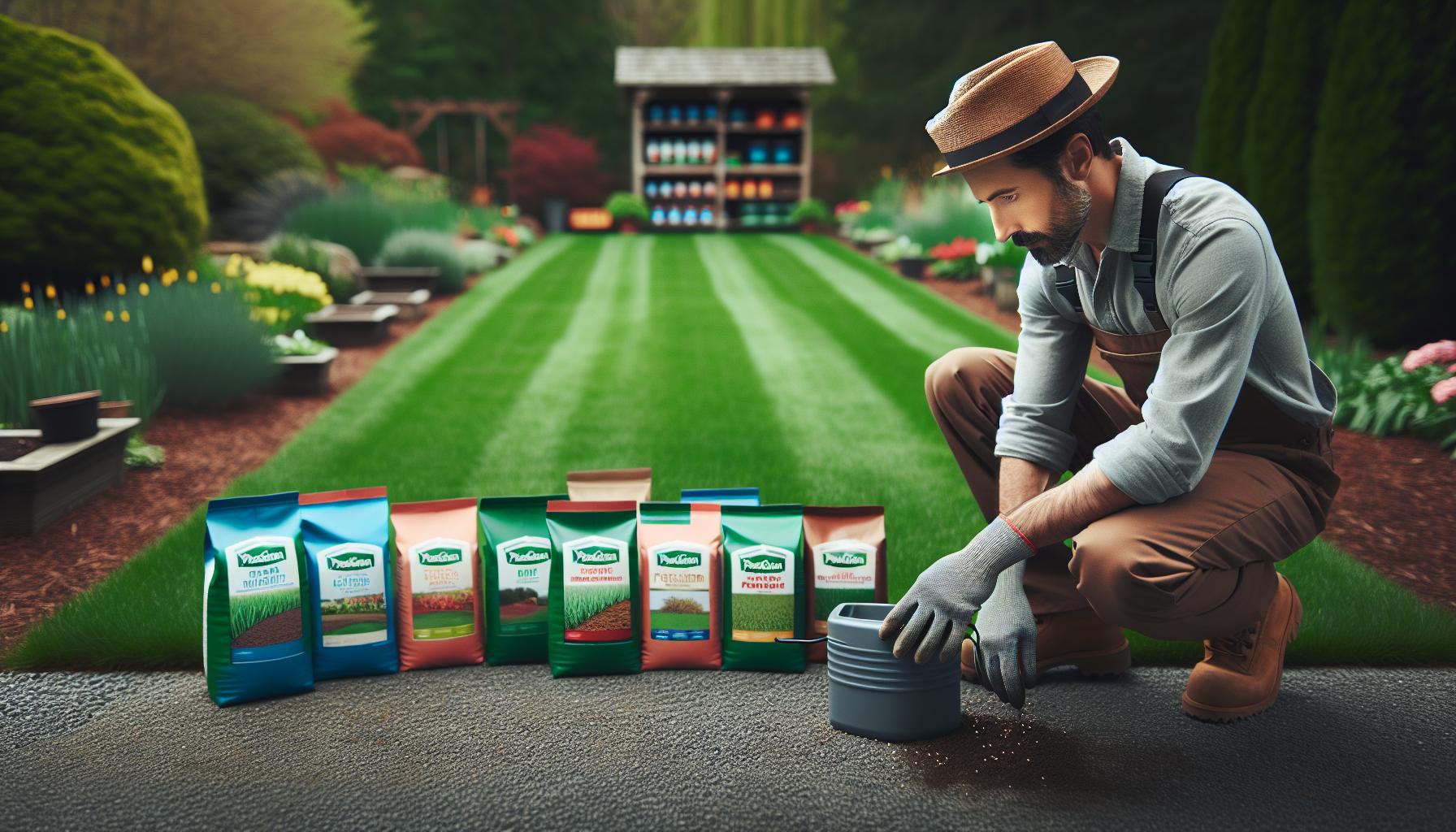
Achieving a vibrant, healthy lawn in spring starts with the right fertilizer. With numerous options available today, selecting the ideal product can feel overwhelming. However, recognizing your lawn’s unique needs, along with understanding the benefits of various fertilizers, can lead to a flourishing green space. Below are some top recommendations suited for different lawn types and conditions, ensuring that every homeowner can find the best match for their garden.
Popular Fertilizer Choices
- Granular Fertilizers: These are widely favored for their ease of application and slow-release formulation. Brands like Scott’s Turf Builder and Milorganite provide steady nutrition over time, making them ideal for both cool-season and warm-season grasses. The slow-release nature helps reduce the risk of nutrient runoff, promoting sustainable gardening practices.
- Liquid Fertilizers: Perfect for an immediate nutrient boost, liquid options like GreenStart or Miracle-Gro offer quick absorption. They can be particularly useful during the early spring when grass is waking up from dormancy. Their fast-acting components can help revive lawns and promote lush growth.
- Organic Fertilizers: Ideal for eco-conscious homeowners, products like Espoma Organic Lawn Food and Down to Earth Plant Food are made from natural sources. These fertilizers not only enrich the soil but also enhance microbial activity, which is beneficial for long-term lawn health. They often come with an added advantage of reducing chemical exposure to pets and local wildlife.
- Synthetic Fertilizers: Though often criticized, high-quality synthetic fertilizers like Osmocote can provide precise nutrient ratios tailored to specific grass needs. They typically offer a high nutrient concentration, making them effective in quickly addressing deficiencies when properly applied.
When choosing a fertilizer, pay attention to the N-P-K ratio (nitrogen, phosphorus, potassium) on the packaging, as these macronutrients are vital for grass health. Cool-season grasses might require a higher nitrogen content in early spring, while warm-season varieties could benefit from balanced ratios that support vigorous growth. Monitoring your lawn’s specific needs will guide you to the right choice, ensuring both immediate growth and enduring health throughout the season.
Organic vs. Chemical Fertilizers: What’s Best for Your Lawn?

Determining whether to use organic or chemical fertilizers for your lawn involves understanding their unique characteristics and the specific needs of your grass. Organic fertilizers, derived from natural sources such as compost, manure, or plant materials, enrich the soil gradually and promote a sustainable ecosystem below the surface. These products enhance microbial activity, which is essential for soil health, leading to a stronger lawn resistant to pests and diseases. Furthermore, organic fertilizers tend to release nutrients slowly, making them an excellent choice for long-term lawn care, as they nourish your grass over time while reducing the risk of nutrient leaching into water sources.
In contrast, chemical fertilizers provide a quick and targeted nutrient boost, making them attractive for homeowners looking for immediate results. They generally contain high concentrations of essential nutrients, which can rapidly address deficiencies in the soil. However, the risk of over-application can lead to nutrient runoff, potentially harming the environment and diminishing the long-term health of your lawn. It’s also worth noting that, while chemical fertilizers provide fast results, they do not enhance soil structure or microbial activity, which can be detrimental if relied upon solely over time.
When choosing the right option for your lawn, consider your specific goals. If you’re seeking a quick green-up in early spring or recovering from damage, chemical fertilizers might give you the immediate response you desire. However, if you’re committed to nurturing a thriving, sustainable lawn, organic fertilizers may provide a more balanced approach by building soil health and resilience in the long run. Engaging with both types on a balanced fertilizer regimen can also be effective, using chemical inputs thoughtfully while prioritizing organic amendments when feasible.
Ultimately, your decision should reflect your lawn’s immediate needs, your commitment to environmental responsibility, and your willingness to invest time into nurturing your soil for lasting health. Understanding these factors can help create the best possible environment for a flourishing lawn throughout the seasons.
How to Apply Fertilizer for Optimal Results

Applying fertilizer to your lawn is a critical step in nurturing vibrant, healthy grass, yet it’s often done incorrectly. Timing, application method, and even environmental factors can drastically affect the outcome. For the best results this spring, consider a few strategies that ensure nutrients are delivered efficiently and effectively to your lawn.
To begin, understanding the right type of fertilizer for your lawn’s specific needs is paramount. Whether you opt for an organic or chemical fertilizer, choosing a balanced formula that matches the nutrient needs of your grass species is essential. Look for options with a balanced NPK ratio (Nitrogen-Phosphorus-Potassium) appropriate for your lawn’s growth stage. Apply fertilizers on a dry day to avoid clumping, ensuring the grass blades are also dry to prevent burning from the product.
Technique and Application Tips
The application technique is just as important as the type of fertilizer you use. Here are some steps to follow for optimal application:
- Use a Spreader: A broadcast or drop spreader ensures even distribution of the fertilizer across your lawn. Adjust the setting according to the product label to avoid over-application.
- Apply in Multiple Directions: For even coverage, make two passes over your lawn: one initially in a straight line and the second at a right angle. This cross-pattern helps to eliminate streaks and ensure thorough coverage.
- Water After Application: Lightly watering your lawn after applying fertilizer helps dissolve the nutrients and aids in their absorption by the roots. Just avoid applying on a day when rain is expected, which might wash away the nutrients.
Timing is Everything
Timing your fertilization effectively can lead to substantial improvements in growth and color. Early spring is typically an ideal time to apply fertilizer as your grass begins to wake from dormancy. Monitor factors like soil temperature and moisture to determine when to fertilize-generally, when daytime temperatures consistently reach around 55°F (13°C) and the grass starts to green up, you’re in the right window to apply.
Moreover, consider conducting a soil test before application. This practice helps identify the specific nutrient deficiencies in your soil, allowing for a more tailored approach to fertilization. Understanding your soil’s health and nutrient composition ensures you’re not over-fertilizing, which can harm both your lawn and the surrounding environment.
Creating a routine fertilization schedule in combination with these tips can help establish a strong, resilient lawn. With attention to detail and a bit of care in your application technique, you’ll set the foundation for a healthy, thriving landscape throughout the spring and beyond.
Timing Your Fertilization for Spring Success
Determining the optimal timing for fertilization in spring can significantly influence the health and resilience of your lawn. As temperatures begin to rise and daylight length increases, your grass will start to awaken from its winter dormancy, making it crucial to provide the necessary nutrients right when they will be most beneficial. Typically, early spring marks an ideal window for fertilization, especially when daytime temperatures consistently reach around 55°F (13°C) and your grass begins to show signs of greening up.
To maximize the effects of your fertilizer, consider the moisture levels of both the soil and the environment. Fertilizing during or immediately after a rainfall can lead to nutrient runoff, diminishing the effects and potentially harming local waterways. Instead, aim for a time when the soil is damp but not saturated-a day or two after a light rain can be perfect. Regularly monitoring these environmental conditions allows you to fine-tune your fertilization schedule for optimal results.
Furthermore, conducting a soil test before applying fertilizer can provide invaluable insights into the nutrients your lawn truly needs. This practice can help you avoid over-fertilizing, which not only wastes resources but can also lead to unhealthy grass and potential environmental issues. By understanding your soil’s unique composition, you can tailor your fertilization approach to target specific deficiencies, ensuring that your lawn receives the right nutrients at the right time.
Creating a fertilization routine that coincides with seasonal changes enhances the effectiveness of your lawn care efforts. Establishing a consistent timeline for applications, informed by both seasonal conditions and soil health, will ensure your lawn thrives throughout the spring and summer months. With careful timing and deliberate action, your grass will enjoy a vibrant start, setting the foundation for a lush, green landscape.
Common Lawn Care Mistakes to Avoid in Spring
As spring arrives and lawns awaken from their winter slumber, many homeowners rush to apply fertilizers, hoping to achieve lush green grass. However, in the frenzy of preparing for a beautiful lawn, several common mistakes can undermine your efforts and lead to disappointing results. Avoiding these pitfalls is vital for maximizing your lawncare investments and ensuring a vibrant and healthy landscape.
One significant error is applying fertilizer too early in the season. While it may be tempting to get a head start, doing so before the soil temperature is appropriate can result in nutrient loss and underwhelming growth. As a rule of thumb, waiting until the soil temperature reaches around 55°F (13°C) is ideal. This ensures that nutrients are available and that the grass can effectively utilize them.
Another common mistake involves over-fertilizing, which can lead to a host of issues, including burnt grass and nutrient runoff that harms local ecosystems. It’s crucial to follow the recommended application rates on the fertilizer packaging and conduct a soil test to determine your lawn’s specific nutrient needs. This assists in providing the right amount of nutrients while avoiding unnecessary application that can stress your lawn.
Additionally, many homeowners neglect to consider the moisture content of the soil before fertilization. Applying fertilizer to dry soil can restrict absorption and lead to wasted nutrients. Instead, aim to fertilize when the ground is moist but not saturated, ideally after a light rain. This practice not only enhances nutrient uptake but also decreases the likelihood of fertilizer runoff into nearby waterways.
Finally, failing to pay attention to the type of fertilizer being used is another notable mistake. Different grass types and soil conditions require specific nutrient profiles. For instance, a nitrogen-heavy fertilizer may be perfect for promoting growth in spring, while overly high phosphorous can lead to environmental concerns. Researching your lawn’s specific needs and matching your fertilizer choice can significantly impact your lawn’s health and appearance. By steering clear of these common missteps, you can ensure that your spring lawn care endeavors are successful, resulting in a lush and thriving yard.
Understanding Soil Health and Nutrients
Understanding the interplay between soil health and the nutrients it provides is essential for achieving a lush spring lawn. Healthy soil acts as a foundation, supplying essential nutrients that are vital for grass growth, vigor, and resilience against pests and diseases. In many cases, the key to a thriving lawn lies not just in what fertilizers you apply, but in how well your soil can utilize those nutrients.
Soils are comprised of not only minerals but also organic matter, water, and air, which together create a dynamic environment for plant roots. A nutritious soil contains a balance of three primary macronutrients: nitrogen (N), phosphorus (P), and potassium (K). Each of these plays a unique role-nitrogen, for example, is crucial for leaf and stem development, while phosphorus is key for root expansion and flower production. To optimize soil health, it’s important to assess existing nutrient levels, often through soil testing, which can guide your fertilization strategy and reveal deficiencies that could be corrected.
To further enhance soil health, consider incorporating organic matter such as compost or well-rotted manure. These amendments not only improve soil structure and aeration but also increase microbial activity-vital for breaking down organic materials and making nutrients accessible to grass roots. This holistic improvement of the soil can significantly bolster the effectiveness of fertilizers, allowing your lawn to absorb and utilize nutrients more efficiently, thus promoting robust growth throughout the spring months.
Moreover, remember that soil pH plays a critical role in nutrient availability. Most grasses thrive in slightly acidic to neutral pH levels (around 6.0 to 7.0). If soil pH is too low (acidic) or too high (alkaline), the nutrients may become locked in the soil, inaccessible to your plants. Regular testing and pH adjustment using lime or sulfur can help maintain optimal conditions for nutrient absorption, ensuring that your fertilizer efforts yield the healthiest lawn possible.
DIY Fertilizer Blends: Recipe Ideas and Tips
Creating your own fertilizer blends can be a rewarding and cost-effective way to nourish your lawn while tailoring the nutrients to meet its specific needs. By mixing organic materials from your kitchen and yard, you can produce custom fertilizers that benefit both your grass and the environment. Whether you’re looking to enhance nitrogen levels for lush growth or improve phosphorus for root development, DIY fertilizer blends can give your lawn the nutritional boost it deserves.
One popular recipe combines equal parts of grass clippings, dried leaves, and kitchen scraps like fruit and vegetable peels. This blend not only provides a slow-release source of nutrients but also enriches the soil with organic matter, improving its structure. Simply layer the materials in a compost bin or pile, allowing them to break down over time. After a few months, you’ll have a nutrient-rich compost that acts as an excellent top-dressing for your lawn.
Another effective DIY formula focuses on liquid fertilizers. You can create a simple tea by steeping 1 part compost in 5 parts water for about a week. Strain the mixture and apply it directly to the lawn using a watering can or sprayer. This compost tea is high in beneficial microbes and nutrients that promote root health and soil vitality. Regular applications, particularly during the growing season, can significantly improve your lawn’s overall appearance and resilience.
Tips for Successful DIY Fertilizer Blends
To maximize the efficacy of your homemade fertilizers, consider these tips:
- Know Your Soil: Conduct a soil test to identify nutrient deficiencies and pH levels. This understanding will guide you in adjusting your blends accordingly.
- Balance Nutrients: Aim for a good mix of nitrogen, phosphorus, and potassium. For instance, if you’re using more greens (nitrogen-rich materials), balance it with browns (carbon-rich materials) to ensure an optimal carbon-to-nitrogen ratio.
- Time Your Applications: Apply your blends during active growth periods in spring and early summer for best results. This timing enables the lawn to absorb the nutrients effectively.
- Observe and Adjust: Monitor your lawn’s response to the DIY fertilizers. If you notice any negative effects, adjust your recipes and application frequency accordingly.
By embracing the DIY approach to lawn fertilizers, you not only save money but also contribute to a more sustainable gardening practice. These homemade blends can provide your lawn with the essential nutrients it craves, leading to a thriving and vibrant green space that you can enjoy throughout the spring and beyond.
Troubleshooting Lawn Problems: When to Rethink Your Fertilizer
Determining the right fertilizer for your lawn can sometimes feel like a guessing game. However, if your grass isn’t thriving as expected despite regular applications, it may be time to reassess your fertilizer choice. Understanding how different fertilizers interact with your lawn’s unique needs is vital for healthy growth. Common indicators that it might be time to rethink your fertilizer strategy include discoloration, patchy areas, stunted growth, or the presence of weeds. These issues often signal nutrient deficiencies or imbalances that your current fertilizer cannot resolve.
A key factor in troubleshooting lawn problems is conducting a soil test. This straightforward process will provide insight into the soil’s nutrient levels and pH balance, allowing you to tailor your fertilizer to the specific deficiencies identified. For example, if your soil test reveals excess nitrogen but low phosphorus, switching to a balanced fertilizer or one higher in phosphorus could remedy root development issues. Alternatively, if you’re consistently battling weed growth, a slow-release fertilizer may be more appropriate, as it encourages gradual nutrient uptake and reduces the likelihood of stimulating weed seeds.
Another critical consideration is the application technique. Over-fertilizing, particularly in the spring, can lead to nutrient burn, evident by brown or yellow patches in your lawn. If you suspect this is the case, reducing the fertilizer amount or adjusting the application frequency can yield better results. Conversely, if your turf is growing slowly, increasing the frequency of applications or opting for fertilizers designed for quick greening can help revitalize your lawn.
Lastly, take into account environmental factors that may affect fertilizer effectiveness. Seasonal changes bring variations in water availability and temperature, which influence how fertilizers work in your soil. During periods of high rainfall, for instance, nutrients may leach away, necessitating a reassessment of your fertilization schedule. By regularly observing your lawn and adjusting your approach based on these factors, you can ensure that the fertilizers you choose truly align with your lawn’s needs.
Sustainable Lawn Care: Eco-Friendly Fertilizer Options
In a world increasingly conscious of environmental impact, sustainable lawn care has emerged as a crucial aspect for homeowners looking to maintain a lush, healthy lawn without causing harm to the ecosystem. Implementing eco-friendly fertilizer options not only fosters a vibrant landscape but also promotes soil health and reduces chemical runoff that can pollute local waterways. By exploring natural alternatives and sustainable practices, you can enhance your lawn’s vitality while being a responsible steward of the environment.
One effective approach to eco-friendly fertilization is using organic fertilizers, which are derived from natural sources like compost, manure, and plant matter. These fertilizers release nutrients gradually, ensuring plants receive a steady supply of nourishment without the risk of nutrient burn associated with synthetic fertilizers. For instance, compost not only enriches the soil with essential nutrients but also improves soil structure, fostering better water retention and microbial activity. Additionally, consider incorporating biostimulants, which are products derived from natural substances encouraging plant growth and resilience.
Another key strategy involves the practice of grasscycling-leaving grass clippings on the lawn after mowing instead of bagging them. This method returns valuable nutrients back to the soil, reducing the need for synthetic fertilizers and improving overall soil health. Similarly, applying mulch around plants can help retain moisture, suppress weeds, and enhance nutrient content as it breaks down over time.
Looking beyond traditional fertilizers, you might explore the use of cover crops, which are grown primarily to benefit the soil rather than for harvest. These crops improve soil fertility and structure, prevent erosion, and can be turned into the soil before planting your lawn or garden. Options like clover, vetch, or rye not only fix nitrogen in the soil but also provide habitat for beneficial insects.
By integrating these sustainable practices and eco-friendly fertilizer options into your lawn care routine, you can cultivate a vibrant green space that thrives while supporting environmental health. Emphasizing organic components and responsible management not only enriches your lawn but also contributes positively to your community and the planet.
Seasonal Lawn Maintenance Tips for Year-Round Health
Maintaining a vibrant lawn throughout the year requires more than just spring fertilization; it calls for a comprehensive seasonal strategy. Did you know that proper lawn care in the dormant months can actually set the stage for a thriving green space come spring? By implementing a well-rounded maintenance routine for each season, you can ensure your yard stays healthy, strong, and beautiful year-round.
To kick off your seasonal strategy, start with a thorough fall preparation. As leaves begin to fall, clear them from your lawn, as decomposing leaves can harbor pests and diseases. Aerating your lawn during this time can significantly improve soil compaction and allow nutrients to penetrate more effectively. This is also an excellent time to apply winter fertilizers that are high in potassium, which helps strengthen the root system and improve disease resistance over the cold months.
Once winter sets in, your focus should shift to protecting your lawn and its health. Regularly check for ice or snow accumulation, as heavy weights can compact soil and damage grass blades. If snow covers your lawn for an extended period, consider using a snow sled rather than walking on it, which can create pathways that stifle grass growth when the thaw arrives.
As spring approaches, it’s crucial to plan your fertilization carefully. Look for a balanced fertilizer with nitrogen, phosphorus, and potassium to kick-start growth as the temperature begins to rise. Consider soil tests to understand what specific nutrients your lawn may need, allowing for tailored fertilization, thus maximizing growth potential. Additionally, incorporate practices like grasscycling-leaving clippings on the ground after mowing-to naturally reintroduce nutrients to the soil.
Finally, as summer rolls around, routine maintenance becomes paramount. Mow regularly to prevent weeds from taking over and ensure your blade is sharp for clean cuts, which reduces stress on the grass. Water deeply but infrequently; this encourages deep root development, helping your lawn withstand drought conditions. In addition, consider using eco-friendly pest control options to keep your green space healthy without introducing harmful chemicals.
By maintaining vigilance and adapting your lawn care practices through each season, you’ll cultivate a thriving lawn that not only looks beautiful but also supports a healthy ecosystem, making it a joy throughout the entire year.
Frequently Asked Questions
Q: What is the best type of fertilizer for a spring lawn?
A: The best type of fertilizer for a spring lawn typically features a balanced N-P-K ratio, such as 10-10-10. This supports strong growth by providing essential nutrients-nitrogen for leaf development, phosphorus for root health, and potassium for overall vigor. For tailored recommendations, check the “Top Fertilizer Recommendations for Spring Lawn Care” section of our article.
Q: When should I apply fertilizer to my lawn in spring?
A: Fertilizer should generally be applied in early spring when the soil temperature reaches about 55°F (13°C). This timing helps promote growth as grass starts to awaken after winter dormancy. For best practices, refer to the “Timing Your Fertilization for Spring Success” in our article.
Q: Can I use organic fertilizers on my lawn?
A: Yes, organic fertilizers are great for lawns and promote long-term soil health. They provide nutrients slowly over time, enhancing soil structure and ecosystem balance. For comparisons with chemical fertilizers, see the “Organic vs. Chemical Fertilizers” section in our article.
Q: How do I know if my lawn needs fertilizer?
A: Signs that your lawn may need fertilizer include yellowing grass, slow growth, and thin patches. Conducting a soil test will give you a clear indication of nutrient deficiencies. For troubleshooting tips, check the “Troubleshooting Lawn Problems” section of our article.
Q: What are the advantages of using slow-release fertilizers?
A: Slow-release fertilizers provide a steady supply of nutrients over an extended period, reducing the risk of burning the grass and minimizing leaching into waterways. They promote healthier root development and longer-lasting effects. Discover more in the “Understanding the Different Types of Fertilizers” section of our article.
Q: Is it necessary to water after applying fertilizer?
A: Yes, watering is crucial after applying fertilizer to help dissolve the granules and promote nutrient absorption into the soil. Ensure you water evenly to prevent patchy areas. For best application techniques, see the “How to Apply Fertilizer for Optimal Results” in our article.
Q: What mistakes should I avoid when fertilizing my lawn in spring?
A: Common mistakes include over-fertilization, applying during drought conditions, and neglecting to water afterward. Following proper guidelines can help enhance your lawn’s health. For more detailed advice, refer to the “Common Lawn Care Mistakes to Avoid in Spring” section of our article.
Q: How do I choose the right fertilizer for my lawn based on soil type?
A: Select fertilizers based on your lawn’s soil type and pH. Sandy soils may need more frequent applications, while clay soils can benefit from fewer, more concentrated applications. Conducting a soil test will provide specific guidance. For factors, see the “Factors to Consider When Choosing Lawn Fertilizer” section in our article.
For more information on lawn care and fertilizer options, feel free to explore our article further!
Wrapping Up
As you prepare for a lush and vibrant lawn this spring, remember that choosing the right fertilizer is crucial. Our top picks have been designed to deliver optimal results, ensuring your grass thrives in the warmer months. Don’t wait-get started now to achieve the full potential of your yard. Explore our in-depth guide on understanding fertilizers to ensure you’re making informed choices, or check out our fertilizer buying guide for additional insights.
If you have any lingering questions or need personalized advice, feel free to drop a comment below. Share your progress and tips with our community! For more expert insights into lawn care or related resources, join our newsletter for updates and exclusive content straight to your inbox. Embrace the season with confidence, knowing you’re equipped to create a thriving lawn that becomes the envy of the neighborhood!