
Many homeowners choose LeafFilter gutter guards for their promise of clog-free drainage and maintenance-free living. However, there may come a time when you decide to remove these systems for repairs, replacements, or personal preferences. Understanding how to safely remove LeafFilter gutters is essential to ensure your home remains protected during this process. Whether you’re experiencing issues such as frequent clogs despite the installation or simply wish to explore alternative gutter solutions, it’s crucial to proceed with care to avoid damaging your roofing or existing gutter structures. In this guide, we’ll walk you through the steps to effectively remove LeafFilter gutters from your home, empowering you to reclaim control over your home’s guttering system. By the end, you’ll have the knowledge and confidence to make informed decisions about your home maintenance needs.
Understanding Leaf Filter Gutters and Their Purpose
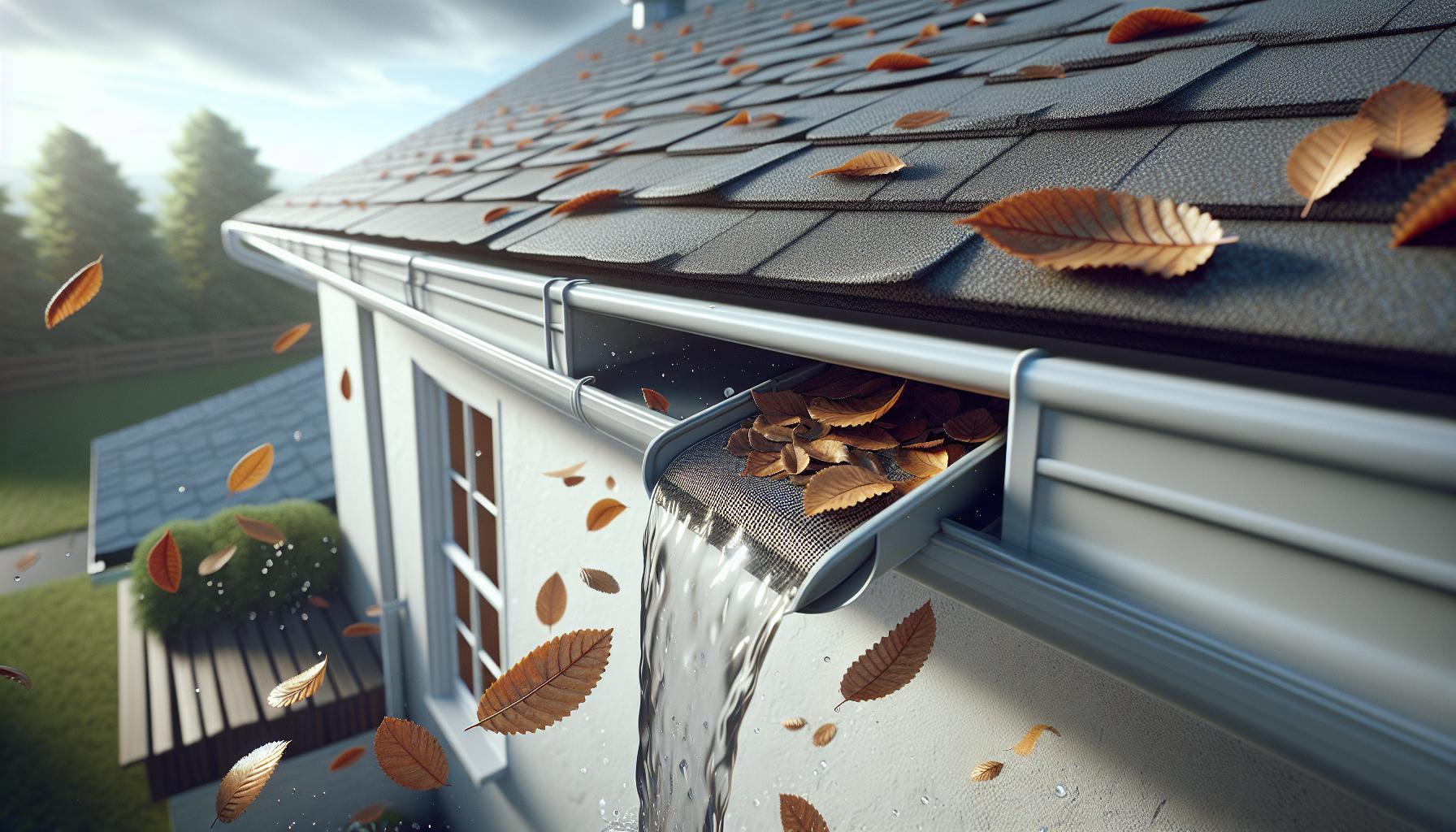
LeafFilter gutters are designed to provide an effective solution for protecting your home from water damage by preventing clogging with debris. By using a micro-mesh filter system, LeafFilter ensures that rainwater flows freely into the gutters while leaves, twigs, and other particles are kept out. This innovative approach is particularly beneficial for homeowners looking to minimize maintenance efforts associated with traditional gutter systems, as it reduces the frequency of cleaning required.
Moreover, the purpose of LeafFilter gutters extends beyond mere debris prevention. They are integral for maintaining the structural integrity of your home. When gutters function correctly, they channel water away from your foundation, preventing erosion, flooding, and moisture-related issues inside your home. This system also plays a crucial role in preserving landscaping by directing runoff to designated drainage areas.
However, understanding the limitations of LeafFilter gutters is equally important. Over time, the effectiveness of the filtration can diminish due to factors like accumulation of debris on the surface, wear and tear, or improper installation. For instance, if the pitch of the gutters is not optimized or if they become misaligned, even the best filters can fail to perform as intended. These factors often lead homeowners to reconsider their options, prompting removal or replacement.
In essence, while LeafFilter gutters can significantly enhance a home’s protection against water damage, it is essential for homeowners to stay vigilant about their upkeep and functionality. Recognizing when they aren’t performing as expected can save you from potential larger issues down the road. Engaging in regular inspections and, when needed, removal or replacement of the system, ultimately leads to a more secure and well-maintained home.
Signs That It’s Time to Remove Your Gutters
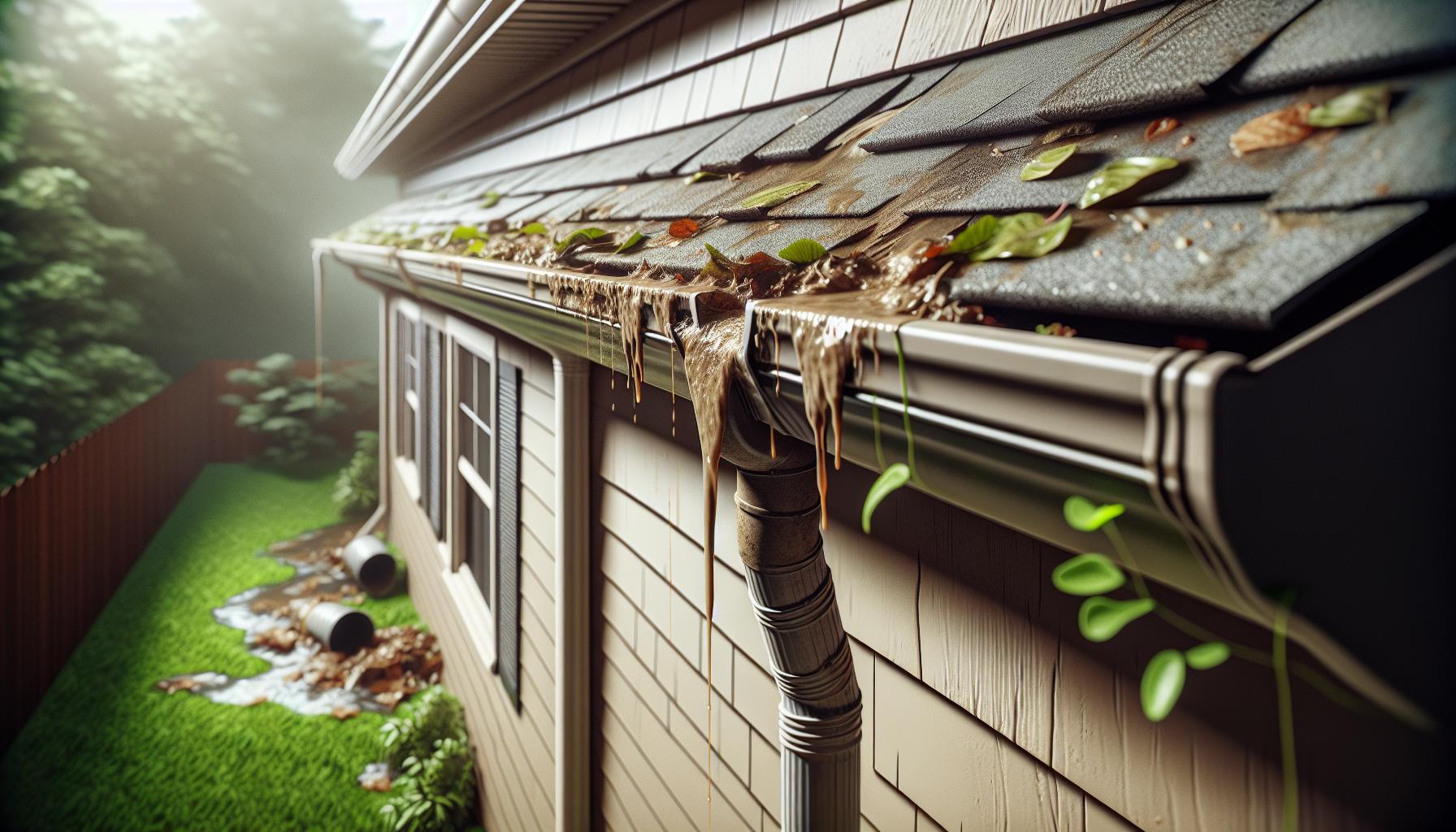
It’s not always easy to identify when your gutters have reached the end of their useful life, especially if they’ve been installed with a premium system like LeafFilter. However, several telltale signs can indicate it’s time to consider removal and replacement. Homeowners must be proactive to avoid costly damage to their properties, so vigilance is key.
When you begin to notice recurring blockages, despite the LeafFilter claims of clog-free operation, it may be a red flag. If your gutters have consistently overflowed during rainstorms or you find that water is pooling around your foundation, this could signal that the micro-mesh or guard is no longer functioning effectively. Inspect the filter regularly; if debris is deeply embedded or the filter appears damaged, removal may be necessary.
Additionally, water damage is another serious indicator. Are you experiencing leaks in your basement or signs of rot or mold around your home’s exterior? Such issues often stem from poorly functioning gutters that fail to channel water away efficiently. If you’ve checked the pitch and alignment of your LeafFilter system and these problems persist, it might be time to remove the gutters and consider a different solution.
Moreover, changes in the physical structure of your gutters are significant signs as well. Look for visible sagging, cracks, or rust, which are physical manifestations that the gutters are too compromised for reliable performance. If you see these issues, it’s advisable to act promptly rather than allowing more extensive damage to develop. Homeownership carries the responsibility of maintaining the property’s integrity, so don’t hesitate to seek solutions for dysfunctional gutter systems.
Essential Tools for Safe Gutter Removal
Removing Leaf Filter gutters can be a straightforward task if you have the right tools at your disposal. Before embarking on this project, it is essential to gather all necessary equipment to ensure a safe and efficient removal process. Using the appropriate tools not only makes the job easier but also minimizes the risk of injury or damage to your home.
To start, consider a sturdy ladder if your gutters are elevated. Choose a ladder that is tall enough for safe access but also lightweight enough for easy handling. Ensure it is placed on stable ground to prevent accidents. For the actual removal of the LeafFilter system, a set of screwdrivers (both flat and Phillips head) will be required to detach the filter from the gutters effectively. Additionally, having a pair of wrenches on hand can aid in loosening any bolted connections.
An invaluable tool for this task is a gutter cleaning scoop, which can help remove debris that may obstruct your view of the mounting hardware. This not only speeds up the process but also ensures you’re working with a clean surface, making it easier to identify how the filters are attached. For those who prefer working from the ground, utilizing a gutter cleaning wand or an extension pole equipped with a scoop can provide you with the reach needed to clear debris without needing to climb up.
Safety gear should not be overlooked: gloves and safety glasses protect your hands and eyes from debris and sharp edges. When cutting through any attachment points or debris, consider wearing a hard hat if you are working under potentially unstable overhangs. Finally, a heavy-duty trash bag or container will help manage and dispose of the old gutters and any debris you encounter.
By equipping yourself with these essential tools, you can ensure that the removal of Leaf Filter gutters is accomplished with greater efficiency and safety. Proper preparation and the right equipment can make a significant difference in tackling this common home maintenance task.
Step-by-Step Guide to Removing Leaf Filter Gutters
To successfully remove Leaf Filter gutters, a systematic approach ensures not only the efficiency of the task but also your safety. Initiating the process requires careful inspection of the gutter installation. First, check for any visible screws or fittings securing the Leaf Filter to the gutter system; understanding the connections will help in strategizing your removal process.
Begin by positioning your ladder securely, ensuring it’s stable on level ground. This step is crucial to prevent accidents while you work at height. As you ascend, wear your safety gear, including gloves and safety glasses, to protect against falling debris and sharp edges. Once at the working height, use a screwdriver to gently unscrew the brackets or screws holding the Leaf Filter in place. If you encounter resistance, ensure you do not force the screw, as this may damage both the filter and your gutters.
After detaching all necessary fasteners, gently lift the filter away from the gutters, taking care to pull straight down to avoid bending or damaging the remaining gutter system. It’s advisable to work section by section rather than attempting to remove the entire length of the filter at once. This method allows for easier handling and minimizes strain. If you find stubborn debris stuck in the filters or gutters, consider using a gutter scoop to remove it beforehand, ensuring a clear workspace.
Once the entire Leaf Filter system is removed, take a moment to inspect the gutters themselves for any damage or debris. Clean the gutters thoroughly to prepare them for reinstallation or replacement, making future work easier and more efficient. Dispose of the removed filters responsibly by recycling where possible or following your local disposal regulations. By following these steps meticulously, you can navigate the removal process smoothly and set the stage for your new gutter installation or maintenance strategies.
Common Challenges in Gutter Removal and Solutions
Removing Leaf Filter gutters can present several challenges that require careful planning and execution. One common issue homeowners encounter is the buildup of debris within the Leaf Filter systems themselves. Over time, leaves, twigs, and even seeds can accumulate, creating clogs that not only make removal difficult but can also damage your gutters during the process. To mitigate this, consider performing a thorough cleaning of the gutters prior to removal. Using a high-pressure hose or a gutter scoop can help clear away stubborn debris, making the removal process much smoother.
Another challenge is working with older or corroded fasteners that are securing the Leaf Filters. It’s not uncommon for screws or brackets to rust, making them difficult to unscrew without causing damage. To address this, apply a penetrating oil like WD-40 to the screws and allow it to soak for a few minutes. This can often loosen rusted components, greatly reducing the risk of stripping the screws. If you do strip a screw, having the right tools on hand, such as screw extractors, can save you additional headaches down the line.
Additionally, homeowners often struggle with the weight and bulkiness of the Leaf Filter materials themselves. If the filters cover a long stretch of gutters, manhandling them can lead to accidental slips or drops, posing risks for both personal safety and potential damage to the gutters. To counter this, remove the filters in manageable sections instead of trying to tackle the entire length at once. This approach not only aids in handling but also allows for easier inspection of the underlying gutter system for any hidden issues that need attention.
Lastly, consider the disposal of the old Leaf Filters. Many municipalities have specific recycling guidelines, and not all materials can be thrown in the regular trash. Check with local waste management services to identify the best disposal methods for your area, ensuring you’re following environmentally friendly practices while clearing out your old gutter system. By proactively addressing these challenges with prepared strategies, you can facilitate a more effective and safer gutter removal process.
Disposing of Old Gutters: Best Practices
Disposing of old gutters, particularly those like Leaf Filter systems, requires careful consideration to ensure both environmental responsibility and compliance with local regulations. When it comes time to replace or remove your gutters, it’s crucial to plan ahead for their disposal. Many gutter systems, including those equipped with filters, are made from materials that can be recycled or repurposed, reducing landfill waste.
To begin, familiarize yourself with your local waste management policies. Many municipalities have specific guidelines for the disposal of metal, plastic, and composite materials commonly used in gutter systems. It is advisable to contact your local recycling center to inquire about their accepted materials and whether special arrangements are necessary for large items like gutters. In some areas, you may find designated drop-off locations where you can safely leave your old gutters.
When preparing your old gutters for disposal, consider breaking them down into smaller, manageable pieces. This not only helps in transporting them more easily but can also facilitate recycling efforts. Ensure that any debris-such as dirt or leaves-has been removed, as this could negatively impact the recycling process. If your gutters are particularly damaged or rusty, assess whether they might be better suited for scrap metal recycling, which can often net you a small return for your efforts.
Finally, consider eco-friendly alternatives for disposal. For example, materials that are unsuitable for recycling can sometimes be repurposed creatively around your yard or home. Old gutters can be transformed into planters, rainwater collection systems, or even decorative elements in your garden. By thinking outside the box, you can minimize waste and contribute to a sustainable home environment. Engaging in responsible disposal practices not only helps the planet but also sets a positive example for your community, promoting awareness around recycling and waste management.
Preparing Your Home for New Gutter Installation
Before embarking on the installation of your new gutter system, preparing your home is a critical step that can significantly impact both the efficiency of the installation and the performance of the gutters. A little forethought and organization can ensure that everything runs smoothly, reducing potential complications down the line. This preparation phase involves both logistical arrangements and physical adjustments to your home to accommodate the new gutters effectively.
Firstly, assess the area around your home where the gutters will be installed. Ensure that the ground is clean and clear of any debris, tools, or other objects that could impede the installation process. It may also be beneficial to trim any overhanging branches and vegetation near the eaves. This not only provides a safer working space for installers but also helps prevent future debris build-up in your new gutters, maximizing their efficiency.
Protecting Your Property
During the installation, it’s essential to think about protecting your landscaping and external features. You might consider placing tarps or drop cloths over gardens or flower beds directly below the gutters, as debris and materials may fall during installation. Additionally, if you have delicate outdoor furniture or decorations, relocating them temporarily can prevent any accidental damage during the process.
Finalizing Installation Details
Lastly, coordinate the installation schedule with your chosen contractor. Establishing a clear timeline can prevent misunderstandings and ensure that both parties are prepared. It’s also an excellent time to review the installation plan and ask any final questions regarding the specifics of your new gutter system and any necessary maintenance procedures.
By taking these preparatory steps, you’ll ensure that your new gutter installation proceeds without a hitch, setting the stage for effective water management and safeguarding your home from water damage in the future.
Alternatives to Leaf Filter Gutters: What to Consider
Considering alternatives to Leaf Filter gutters can be a game changer for homeowners looking to enhance their property’s rainwater management while minimizing maintenance. Leaf Filter systems, while aimed at preventing debris clogging, can sometimes lead to complicated cleanouts and significant buildup if not properly maintained. As you evaluate your options, it’s important to understand the effective alternatives that promote both style and functionality.
One popular option is rain chains, which not only serve a practical purpose by directing water from the roof to the ground but also enhance the aesthetic appeal of your home. They come in various designs and materials, allowing you to customize their look to fit your home’s exterior. Rain chains can be paired with a decorative basin to catch the water or guide it into a garden bed, providing both beauty and utility.
Another alternative is using drip edges and drip paths, which facilitate water drainage away from the home’s foundation without the need for gutters. Drip edges help channel rainwater off the roof and away from the walls, while drip paths utilize natural slopes in the landscape to direct water flow, reducing the risk of flooding and erosion. This eco-friendly approach is particularly beneficial for homeowners aiming to maintain a natural landscape.
Additionally, consider installing an underground drainage system. This option involves laying a pipe system beneath the ground that collects and directs water rainwater away from the foundation of your home. Although this requires an upfront investment in both materials and labor, it can effectively eliminate the need for above-ground gutters entirely, presenting a clean and seamless look for your property.
Ultimately, the best alternative for you will depend on various factors, including your climate, aesthetic preferences, and maintenance willingness. Each option not only has its unique benefits but also requires consideration of the existing drainage patterns around your home to ensure effective water management. By exploring these alternatives, you can create a more efficient and visually appealing system that may even reduce upkeep in the long run.
Maintenance Tips for Your New Gutter System
Maintaining a new gutter system is crucial for ensuring it performs optimally and protects your home from water damage. Regular maintenance not only extends the lifespan of your gutters but also helps prevent costly repairs caused by clogs, leaks, or improper drainage. Here are some effective strategies to keep your gutter system in top shape:
Regular Inspections
Perform routine inspections, ideally twice a year, to identify potential issues early. Look for signs of wear such as rust, sagging, or gaps. It’s also important to check for blockages caused by leaves, twigs, or debris that can impede water flow. Consider cleaning your gutters after major storms or during fall when leaves are most likely to accumulate.
Cleaning and Maintenance
Cleaning your gutters is essential, especially if you have large trees nearby. Use a sturdy ladder to safely access your gutters and remove debris. A scoop or trowel can be useful for dislodging stubborn clogs. After removing the debris, flush the gutters with water from a hose to ensure they are free-flowing. For homeowners who prefer not to do this themselves, hiring a professional can be a worthwhile investment.
Consider Gutter Guards
Installing gutter guards can significantly reduce the frequency of maintenance by keeping out larger debris while allowing water to flow freely. Although they may require some initial investment, gutter guards save time and effort in the long run.
Incorporating these maintenance practices into your routine will help ensure that your new gutter system functions effectively, safeguarding your home against water-related issues. By prioritizing these tasks, you can enhance the longevity of your gutters and maintain the integrity of your property.
Preventing Future Gutter Issues: A Homeowner’s Guide
Gutter issues can sneak up on homeowners, leading to pesky leaks and costly damage if not addressed proactively. A well-maintained gutter system is your home’s frontline defense against water infiltration, so understanding how to keep it running smoothly is essential. By implementing a few strategic practices, you can prevent common gutter-related problems, ensuring your home remains safe and dry for years to come.
Regular Inspections
Conducting regular inspections is crucial. Aim for at least two inspections per year, preferably in spring and fall, to assess the condition of your gutters. During these inspections, look for signs of wear and tear, such as rust, cracks, or sagging sections. Additionally, check for blockages from leaves, twigs, or debris that can impede water flow. Addressing issues before they escalate can save you from significant repair costs down the line.
Debris Management
Keeping gutters clear of debris is vital for their proper function. Consider scheduling cleanup after major storms or during fall when leaves drop most abundantly. If you’re unable to clean the gutters yourself, hiring a professional service can save you time and ensure thorough cleaning. Additionally, investing in gutter guards can help prevent larger debris from entering the system, reducing the need for frequent cleanouts.
Water Flow Verification
After cleaning, it’s essential to verify the water flow through your gutters. Use a garden hose to run water through the system, checking for any leaks or disruptions. If you notice water pooling anywhere, it may indicate a blockage or a need for minor repairs. Correctly installed and maintained gutters should direct water away from your home’s foundation, preventing flooding or erosion.
Consider Professional Help
If you frequently face issues with your gutters, it might be time to consult with a professional. Sometimes, the material or installation technique can contribute to ongoing problems. A gutter specialist can provide recommendations tailored to your home, such as advanced gutter systems that require less maintenance or enhanced designs that improve water flow.
By prioritizing regular inspections, effective debris management, and verifying water flow, you can significantly reduce the likelihood of future gutter issues. The time spent ensuring your gutters are in top shape today can save you from the headaches and expenses associated with water damage down the road.
Q&A
Q: How do I safely remove Leaf Filter gutters?
A: To safely remove Leaf Filter gutters, start by ensuring you have the right tools such as a ladder, screwdrivers, and safety gloves. Disconnect the downspouts and carefully detach the Leaf Filter panels by unscrewing or unfastening them without damaging your roof or the surrounding areas. For detailed steps, refer to our Step-by-Step Guide.
Q: What should I do if my Leaf Filter gutters are stuck?
A: If your Leaf Filter gutters are stuck, gently wiggle them to loosen any debris causing the blockage. You can also use a plastic scraper to carefully pry them off. Be cautious not to damage the underlying surfaces. For persistent issues, consider checking our Common Challenges in Gutter Removal and Solutions section.
Q: When is the best time to remove Leaf Filter gutters?
A: The best time to remove Leaf Filter gutters is during dry weather, preferably in spring or early fall. This allows for easier handling without rain interference and ensures a safer working environment. For tips on evaluating your gutters, consult our Signs That It’s Time to Remove Your Gutters section.
Q: Can I replace Leaf Filter gutters with a different type?
A: Yes, you can replace Leaf Filter gutters with traditional gutters or another brand. Ensure the new system meets your drainage needs and fits your home’s architecture. For further details on alternatives, check our Alternatives to Leaf Filter Gutters: What to Consider section.
Q: What tools do I need to remove Leaf Filter gutters?
A: Essential tools for removing Leaf Filter gutters include a ladder, screwdrivers, safety gloves, and a plastic scraper. Having a partner can also enhance safety while working at height. For a comprehensive list of tools, see our Essential Tools for Safe Gutter Removal section.
Q: How do I dispose of old Leaf Filter gutters?
A: You can dispose of old Leaf Filter gutters by checking local recycling guidelines. If they’re damaged and non-recyclable, consider taking them to a waste disposal site. For best practices on gutter disposal, refer to our Disposing of Old Gutters: Best Practices section.
Q: Will removing Leaf Filter gutters affect my home’s drainage?
A: Yes, removing Leaf Filter gutters can impact your home’s drainage. Ensure you have an alternative system installed soon after removal to maintain effective water management and prevent foundation issues. Consult our Preparing Your Home for New Gutter Installation section for more information.
Q: How can I maintain my new gutters after removal?
A: To maintain your new gutters, regularly clean them to prevent clogging, check for leaks, and ensure proper drainage after heavy rain. Consider installing gutter guards if you had Leaf Filters previously. For ongoing maintenance tips, see our Maintenance Tips for Your New Gutter System section.
This format is optimized for search engines and user engagement, making it suitable for featured snippets and “People Also Ask” sections.
In Conclusion
Now that you’ve learned how to remove Leaf Filter gutters from your home, take the next step in optimizing your home maintenance routine. Remember, regular upkeep not only enhances your property’s appearance but also protects it from potential water damage. For more tips on home improvement, be sure to check out our guides on gutter maintenance and effective home repairs.
Don’t let the task overwhelm you-our detailed resources and expert advice are here to support you. If you found this article helpful, consider subscribing to our newsletter for more insights, or explore our consultation services for personalized advice. Your home deserves the best care, and we’re here to help every step of the way. Share your thoughts in the comments below and let us know what topics you’d like us to cover next!