
As the days grow shorter and the chill of winter approaches, it’s time to prepare your lawn mower for its seasonal hibernation. Did you know that properly draining gas from your lawn mower can significantly extend its lifespan and ensure a smooth start next spring? This essential maintenance step helps prevent engine damage and fuel system issues caused by stale gasoline. Many lawn care enthusiasts overlook this task, risking frustrating mower troubles when mowing season returns. By taking the time to drain your mower’s fuel, you’re not just safeguarding your investment-you’re also setting yourself up for a hassle-free lawn care experience next year. Curious about how to do it effectively? Let’s dive into the step-by-step process that will protect your mower and make spring maintenance a breeze.
Preparing Your Lawn Mower for Winter Storage
As the growing season comes to a close, becomes essential to ensure it’s ready to roll come spring. A well-maintained mower not only extends its lifespan but also saves you from potential headaches once it’s time to cut the grass again. One crucial aspect of this preparation is draining the gas from your mower, which helps prevent gumming and corrosion in the engine due to stale fuel.
To begin, emptying the fuel tank is vital. Leaving gas in the mower can lead to starting issues or damage the engine, as older fuel can break down and create deposits and clogs. For those who might be unfamiliar with the process, it involves more than just running the mower until it sputters out of gas. Proper techniques ensure safety and efficiency, which we’ll discuss in the following sections.
Organizing your storage space is also crucial. Make sure your mower is clean, with grass clippings blown or brushed off the deck, and the blades sharpened before its long hibernation. Place the mower in a dry, sheltered area to protect it from the elements, as moisture can lead to rust and degradation. Overall, taking these preparatory steps significantly contributes to your mower’s performance and longevity, ensuring it’s in top condition when the spring sunshine beckons you back to the yard.
### Tips for Effective Winter Storage
- Disconnect the battery: If your mower has a battery, remove it to prevent drain and corrosion.
- Check oil levels: Fresh oil prevents engine wear; consider changing it before storage.
- Cover it up: Use a breathable cover to protect against dust while allowing for air circulation.
Why You Should Drain Gas from Your Lawn Mower
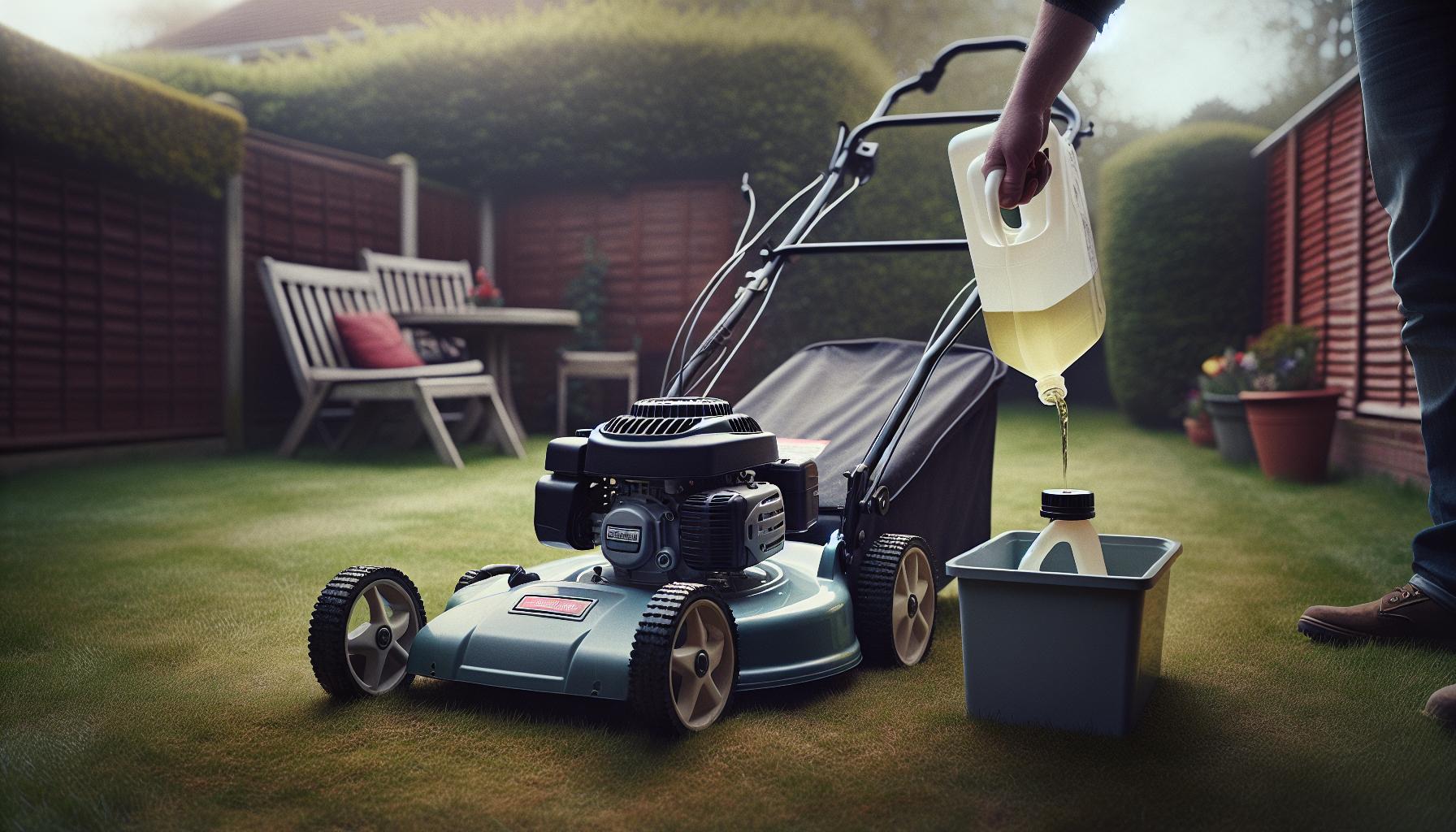
Draining the gas from your lawn mower before winter storage is one of the best preventive measures you can take to ensure optimal performance when spring arrives. As gasoline sits idle, it begins to break down, losing its combustibility and turning into a thick, sticky sludge that can clog fuel lines and create deposits within the engine. This gumming effect makes it increasingly difficult to start the mower in the warmer months and can lead to costly repairs that could have been easily avoided.
Moreover, the presence of gas in your mower during the winter months creates a risk of corrosion and damage to the fuel system components. Stale fuel can promote rust and oxidation, compromising the integrity of parts that are expensive to replace. By removing the gas, you not only protect your mower but also extend its lifespan, saving you time and money in the long run.
Additionally, draining the gas is not just about the engine; it’s also about safety. Fuel is highly flammable, and having a full tank in storage can pose a risk of fire or explosion. By following proper procedures for draining the gas, you minimize this risk significantly.
Taking the time to drain the gas from your lawn mower is a proactive step that pays dividends. With the right approach, you can avoid the headaches associated with starting a mower after a long winter and ensure that when you’re ready to tackle your lawn, your equipment is as prepared as you are. Here are some quick benefits of this practice:
- Prevents engine damage: Avoids gumming and corrosion caused by stale fuel.
- Enhances safety: Reduces the risk of fire hazards from stored fuel.
- Saves money: Minimizes potential repair costs and prolongs mower lifespan.
Step-by-Step Guide to Draining Gas Safely

Draining the gas from your lawn mower during winter preparation is crucial to prevent engine troubles come springtime. To ensure a safe and thorough process, follow these detailed steps that will guide you through draining gas effectively.
Start by gathering your materials. You will need a pair of gloves, a funnel, an empty gas container, and a suitable absorbing material for any spills. Always work in a well-ventilated area or outdoors to avoid inhaling fumes. Safety should be your priority, so make sure to wear safety glasses and keep any sources of ignition, like cigarettes or matches, away from the work zone.
Steps to Drain the Gas
- Prepare the Mower: Ensure the mower is on a flat surface. Disconnect the spark plug wire to prevent accidental starts during the process.
- Locate the Fuel Valve: Find and turn off the fuel valve, if your mower is equipped with one. This step helps control the gas flow and reduces the risk of spills.
- Position the Gas Container: Place your empty gas container on the ground next to the mower. If you don’t have a valve, you may need to use the fuel line to drain the gas.
- Remove the Fuel Line: Use a pair of pliers to gently pinch the fuel line clamps, and slide them away from the connection point. Carefully remove the fuel line from the carburetor to allow the old gas to flow into the container.
- Allow Gas to Drain: Tilt the mower slightly to encourage better drainage if necessary, but do so carefully to avoid spilling. Allow the gas to fully drain, watching for any leftover liquid in the tank which can further hinder the process.
- Reconnect the Fuel Line: Once the tank is empty, reattach the fuel line to the carburetor securely and position the clamps back in place.
- Clean Up: Dispose of any absorbed material and wipe down the area to prevent slipping.
Doing this not only preserves your mower’s mechanics but also mitigates the risk of fire hazards linked to stale fuel left in your mower over the winter months. By following these steps, you ensure that your lawn mower is well-prepared and ready for action when you need it again, putting you one step closer to a beautiful lawn come springtime.
Tools You Need for the Gas Drain Process

To successfully drain the gas from your lawn mower before winter storage, assembling the right tools is essential for an efficient and safe process. Having everything you need on hand not only saves time but also minimizes the risk of spills and accidents. Proper preparation promotes a smooth experience, ensuring that your mower is well-maintained and ready to go come spring.
Essential Tools for Gas Draining: Start with a pair of durable gloves to protect your hands from gasoline and potential sharp edges. A good quality fuel siphon pump or a manual siphon is highly recommended, as it can effectively withdraw gas from the tank without excessive spillage. If your mower doesn’t have a fuel valve, a set of pliers will come in handy for removing the fuel line from the carburetor. Additionally, a funnel can help direct the gas into your container neatly, reducing the chances of messy overflows.
You’ll also want to have a container-a proper gas canister-designed for fuel storage, preferably one that meets safety standards to prevent leaks. Consider using a spill absorbent material, such as rags or pads, to catch any unexpected drips during the process. This precaution not only keeps your workspace clean but also enhances safety. Furthermore, a safety glass or goggles is advisable to shield your eyes from any splashes or vapors.
Lastly, ensure that your workspace is well-ventilated. Whether you choose to work in a garage or outdoors, ventilating the area will help disperse any harmful fumes effectively. By gathering these tools and ensuring a safe environment, you’ll be well-equipped to drain your mower’s gas, extending its life and maintaining its performance.
Tips for Storing Your Lawn Mower After Gas Drain
After you’ve successfully drained the gas from your lawn mower, proper storage becomes paramount to ensuring its longevity and performance. One crucial consideration is to keep the mower in a dry, sheltered location. Moisture is a mower’s worst enemy, leading to rust and damage, so storing it in a garage or shed is ideal. If you must store it outdoors, use a waterproof cover to protect it from the elements.
Maintaining a clean mower is also vital. Take the time to wipe down the exterior and remove any grass clippings, dirt, or debris that may have accumulated. This practice not only prevents the growth of mold and mildew but also keeps components like the blades in better condition. Additionally, consider removing the battery (if applicable) and storing it in a warmer environment to extend its life.
Another effective strategy is to position the mower in a way that prevents fluid buildup. If it’s a walk-behind mower, store it upright (if the manufacturer allows it) to allow any residual oil or water to drain out, reducing the risk of engine damage. For riding mowers, ensuring that the wheels are slightly elevated can help as well.
Finally, take advantage of this downtime to check and sharpen the blades. A sharp blade will result in cleaner cuts and a healthier lawn when spring arrives. By following these storage tips, you’re not just preparing your mower for the off-season; you’re setting it up for success when it’s time to get back to mowing.
How to Dispose of Old Gas Responsibly

Disposing of old gasoline isn’t just a matter of convenience; it’s a responsibility that affects your safety and the environment. Improper disposal can lead to harmful effects on both local ecosystems and groundwater, making it crucial to handle leftover fuel correctly. Most communities have specific regulations regarding hazardous waste disposal, which can include gasoline. Always consult your local waste management authority for guidelines on disposal methods before you proceed.
One of the safest ways to dispose of old gas is to take it to a hazardous waste collection site. Many towns offer special collection days or designated facilities where you can drop off materials that fall under this category. Here are a few steps to follow for safe disposal:
- Contact your local waste management facility: They can provide details on where and when you can safely dispose of gasoline.
- Store the gas properly: Use a clean, sealed container to transport the gasoline. Ensure it is clearly labeled as hazardous and secure during transit.
- Look for recycling options: Some recycling centers can repurpose old fuel, so check for any local options that may exist.
Alternative Disposal Techniques
If you find yourself with a small amount of old gasoline, another option is to use it in a vehicle that can handle it, such as a lawnmower, if the gas is still in reasonable condition. However, this should only be done if the gasoline is not more than a few months old and is still visibly clear. Mixing it with fresh fuel can also dilute any degradation and make it usable again.
Environmental Considerations
Always remember that pouring gasoline down a drain, onto the ground, or in the trash is illegal and environmentally damaging. Such actions can contaminate soil and water supplies, posing significant risks to both human health and wildlife. Being mindful of how you dispose of gasoline helps ensure a safer environment for future generations and reflects responsible stewardship of our natural resources.
Common Mistakes When Draining Lawn Mower Gas
Draining gasoline from your lawn mower before winter storage is a crucial step that many overlook, leading to significant issues come spring. One common mistake is failing to run the engine long enough after adding fresh fuel. This step is essential to ensure any remaining old fuel is fully purged from the carburetor and fuel lines. A short run, around 5-10 minutes, allows for a thorough cycle of the system, which can help prevent gumming and varnish build-up that can occur from stale fuel.
Another frequent oversight is neglecting the importance of properly connecting the siphon or fuel line. Many individuals rush this process, leading to spills and leaks. Ensuring that connections are secure and that you’re using the right tools, such as a siphon pump designed for fuel transfer, is vital for both safety and efficiency. Additionally, not having a container ready to collect the drained gasoline is a mistake that can lead to hazardous situations. Always prepare a safe, approved container ahead of time to catch the fuel.
Many users also underestimate the significance of cleaning the mower before storage. A dirty mower can harbor debris, moisture, and contaminants that may affect the fuel system. Not only should you remove gasoline, but also give your mower a good clean, focusing on the fuel tank and carburetor areas to eliminate any residues. Taking these steps helps ensure that your mower is in optimal condition and ready to start when spring arrives.
Lastly, one major error is ignoring the manufacturer’s guidelines for fuel storage and maintenance. Each mower may have specific instructions regarding the fuel system that should be followed closely. Failing to refer to the user manual can lead to improper maintenance practices, resulting in costly repairs down the line. Adhering to these guidelines not only prolongs the life of your lawn mower but also enhances its performance year after year.
Alternative Fuel Options for Lawn Mowers
Exploring not only helps reduce environmental impact but can also enhance the performance and longevity of your mower. With the rise of eco-friendly practices and technologies, various alternatives to traditional gasoline are gaining popularity, providing gardeners with sustainable choices that align with modern energy trends.
One notable option is ethanol-blended fuels, which are renewable resources derived from plants. Ethanol can reduce greenhouse gas emissions, making it a favorable choice for environmentally conscious users. However, it’s crucial to check your mower’s compatibility with ethanol, as some older models may experience performance issues when using higher ethanol blends like E15 or E85.
Another rising alternative is electric mowers, which are powered by rechargeable batteries or electricity rather than gasoline. These mowers are quiet, emit no pollutants, and require less maintenance compared to their gas counterparts. With advancements in battery technology, electric mowers are now more powerful and can handle larger lawns. Many models provide the same cutting power as a traditional gas mower, making them a viable option for homeowners seeking convenience and sustainability.
For those interested in even greener solutions, solar-powered mowers are an innovative option. These mowers utilize solar panels to convert sunlight into energy, effectively minimizing fossil fuel reliance. Although still relatively new to the market, they are gaining traction among eco-friendly consumers and can lead to significant savings on energy costs over time.
While exploring these alternatives, consider the pros and cons associated with each fuel type. For instance, while ethanol can help decrease emissions, it may not be suitable for all mowers. Electric mowers might require longer charging times and have potential range limitations, but they greatly reduce the need for gas purchases and maintenance hassles. Solar-powered mowers represent the future of lawn care but require upfront investment and may not yet be as widely available.
In conclusion, shifting to alternative fuel options allows lawn mower owners to make informed decisions that suit their environmental values and operational needs. By understanding these choices, you can contribute to a greener planet while enjoying the benefits of modern technology in your lawn care routine.
Signs Your Lawn Mower Needs Maintenance After Winter
After a long winter, your lawn mower may not be in the same condition you left it. Just as you prepare your mower for hibernation by draining gasoline, it’s equally essential to properly assess and maintain it when it’s time for spring use. One of the first signs that your lawn mower needs maintenance is difficulty starting. If your mower is struggling to crank or just won’t ignite, it may indicate stale fuel residue left in the system, even after draining. This can gunk up the carburetor or fuel lines, which would require cleaning or replacement.
Another vital indicator is the mower’s performance during operation. If you notice uneven cutting, excessive vibration, or if the mower sputters while in use, these symptoms could point to issues with the blades, air filter, spark plug, or fuel system. Specifically, dull blades can not only tear grass rather than cutting it cleanly but also lead to the mower working harder than necessary, causing further wear over time. Therefore, regularly checking the sharpness of the blades and ensuring your mower is cutting adequately is crucial.
Additionally, inspect for signs of rust or corrosion on the metal parts of the mower. Exposure to moisture during winter can prompt rust, which affects both the appearance and functionality of your mower. If rust is present, it may be time to sand it down and apply protective paint or treatments to prevent further deterioration. Furthermore, a thorough cleaning of the deck and engine area can help improve airflow and efficiency, enhancing your mower’s performance.
Lastly, remember to check the oil levels and quality. Over time, oil may lose its effectiveness, leading to poor lubrication and potential engine damage. Regularly changing your oil and replacing filters can save you significant costs in repairs later on, ensuring that your mower runs smoothly for the entire mowing season. By being proactive and aware of these signs, you can extend the life of your lawn mower while maintaining its peak performance.
What to Do If Gasoline Stays in Your Mower
Leaving gasoline in your lawn mower over the winter can lead to a multitude of issues, making it vital to address this common mistake. If you discover that gasoline has been sitting in your mower’s tank for an extended period, it’s essential to act quickly to mitigate potential damage. Stale fuel can cause starting problems, clogged fuel lines, and even engine damage, so it’s crucial to understand how to handle the situation correctly.
First, safely drain any remaining gasoline from the mower. Ensure you’re in a well-ventilated area, away from any flame sources. Use a siphon pump or a fuel transfer pump to remove the old gasoline from the tank, and store it in an approved fuel container. Alternatively, you can run the mower until it runs out of gas, although this may take some time. Always wear gloves and eye protection while handling fuel to minimize risks.
Once you’ve drained the gasoline, it’s wise to check the fuel system components. Stale fuel can leave deposits that clog filters, carburetors, and fuel lines. Consider cleaning the carburetor and replacing the fuel filter to enhance performance. Inspect the air filter as well; a clean air filter is essential for proper air and fuel intake.
To prevent future issues, think about using fuel stabilizers when filling your mower before storing it for winter. These products can help prolong the life of the gasoline, keeping it fresh and effective. If you ever find that you need to operate the mower with old gas, mixing it with a fresh batch in a proper ratio is an option, but ensure it’s not overly stale or contaminated.
Finally, always dispose of any old gasoline responsibly according to local regulations. Many communities have hazardous waste disposal facilities or special collection days, helping you get rid of unwanted fuel safely while also protecting the environment. By taking these steps, you can avoid the pitfalls associated with leaving gasoline in your mower and ensure it runs smoothly come spring.
Understanding the Risks of Leaving Gas in Your Lawn Mower
Leaving gasoline in your lawn mower during the winter months can create hidden perils that may cost you both time and money in the long run. One of the primary risks of letting fuel stagnate in your mower is the formation of varnish and gum, which can block fuel lines and carburetors. This buildup not only hampers performance but can also lead to extensive repairs that could be easily avoided with some proper winterization practices. Additionally, stale fuel can produce moisture that may result in rusting within the fuel tank and engine components, compromising the integrity of your mower.
Moreover, stale gasoline may prevent the engine from starting altogether come spring. When attempting to fire up your mower after a long winter, you might find yourself frustrated by an unresponsive engine, which can often be traced back to the fuel left sitting in the tank. Even if the mower starts, it may run roughly, stalling unexpectedly and delivering inconsistent power, which is less than ideal when you’re eager to maintain your lawn.
To further understand the impact, let’s consider the operational aspects. If your mower has been stored with gasoline, you may notice a significant decrease in fuel efficiency when you begin mowing again. This can lead to unnecessary journeys to the gas station, wasting both time and resources. As the warmer months approach, it’s critical to ensure that your equipment is ready to work hard for you, and that begins with understanding the risks associated with improper fuel storage.
Finally, having left gas in your mower can also pose environmental risks. Should any fuel leak or spill in your storage space, it may lead to contamination, calling for hazardous waste disposal measures. Protecting your investment by properly draining your mower’s gas before winter can efficiently eliminate these risks, allowing you to enter the mowing season with confidence and peace of mind. By taking this simple step, you not only maintain the performance of your mower but also promote sustainability and environmental responsibility.
Frequently Asked Questions
Q: Why is it important to drain the gas from my lawn mower before winter storage?
A: Draining the gas prevents fuel from deteriorating and forming varnish, which can clog fuel lines and carburetors. This maintenance step keeps your mower in optimal condition for spring use, ensuring reliable starts and reduced repair costs.
Q: How do I know when to drain the gas from my lawn mower?
A: You should drain the gas from your lawn mower before the onset of winter, typically after your last mowing session in late fall. This practice is essential for preventing fuel-related issues during winter storage and ensuring a trouble-free start in spring.
Q: Can I simply leave the gas in my lawn mower over winter?
A: It’s not advisable to leave gas in your lawn mower over winter. Fuel can degrade and lead to engine problems, including hard starts and potential damage. Always drain or treat the gas with a stabilizer before storage.
Q: What is the best method for draining gas from a lawn mower?
A: The best method involves running the engine until it burns off most of the fuel, then using a siphon or fuel pump to remove the remaining gas from the tank. Refer to your manufacturer’s instructions for specific guidelines.
Q: What tools do I need to drain gas from my lawn mower?
A: You’ll need a siphon or fuel pump, a container for collecting gas, and possibly a wrench to remove the fuel line. Always have a cloth or sponge handy to catch any spills during the process.
Q: How can I dispose of old gas from my lawn mower safely?
A: Old gas should be taken to a hazardous waste disposal facility or a local recycling center. Never pour it down the drain or into the ground, as it can harm the environment. Check local regulations for proper disposal practices.
Q: Is it okay to use gas stabilizer instead of draining the gas?
A: While using a gas stabilizer can help preserve fuel, it’s still best to drain old gas if your mower will be stored for several months. Stabilizers cannot fully prevent the degradation of older gas, so combine both methods for optimal care.
Q: What should I do if I forgot to drain the gas before storing my lawn mower?
A: If you forgot to drain the gas, inspect the fuel for signs of deterioration, such as a sour smell or discoloration. If the gas seems bad, drain it and clean the fuel system before attempting to start the mower to avoid engine damage.
In Summary
As you prepare to store your lawn mower for winter, remember that draining the gas is crucial for maintaining its performance. By following the steps outlined, you’ll help ensure your mower is ready to tackle any spring lawn care tasks. Don’t wait until it’s too late-take action now to avoid costly repairs next season.
For more insights on lawn care, explore our comprehensive guide on complete lawn care strategies here and learn about essential lawn maintenance tips to keep your yard healthy year-round. If you’re interested in expert assistance, consider reaching out to a local lawn care service for personalized advice.
Lastly, join our newsletter for ongoing tips and tricks to elevate your lawn care game! Share your winter storage experiences in the comments below, and feel free to explore related topics that can help you achieve a stunning lawn in every season. Your journey to a lush, vibrant yard starts now!