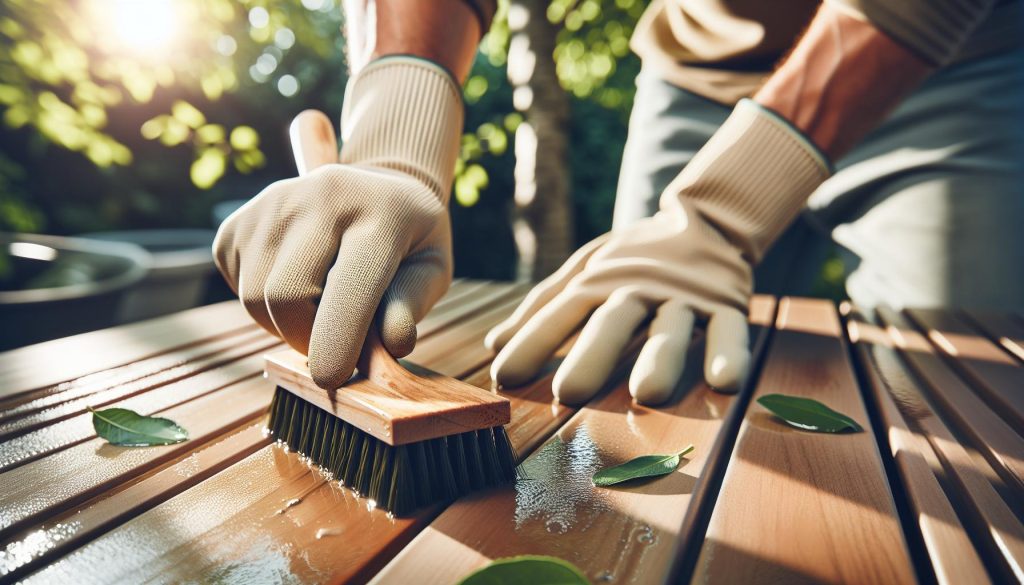
As autumn paints the landscape in vibrant hues, leaves are a beauty to behold-but their inevitable fall can leave behind unsightly stains on your wooden deck. These pesky marks can harbor moisture and promote decay, leading to costly repairs if left untreated. Understanding how to effectively remove leaf stains without damaging your deck is essential for maintaining its appearance and longevity. In this guide, we’ll explore safe and effective methods to restore your deck to its former glory, ensuring you can enjoy outdoor living spaces all year round. Get ready to reclaim your deck and protect your investment with simple, yet powerful cleaning solutions!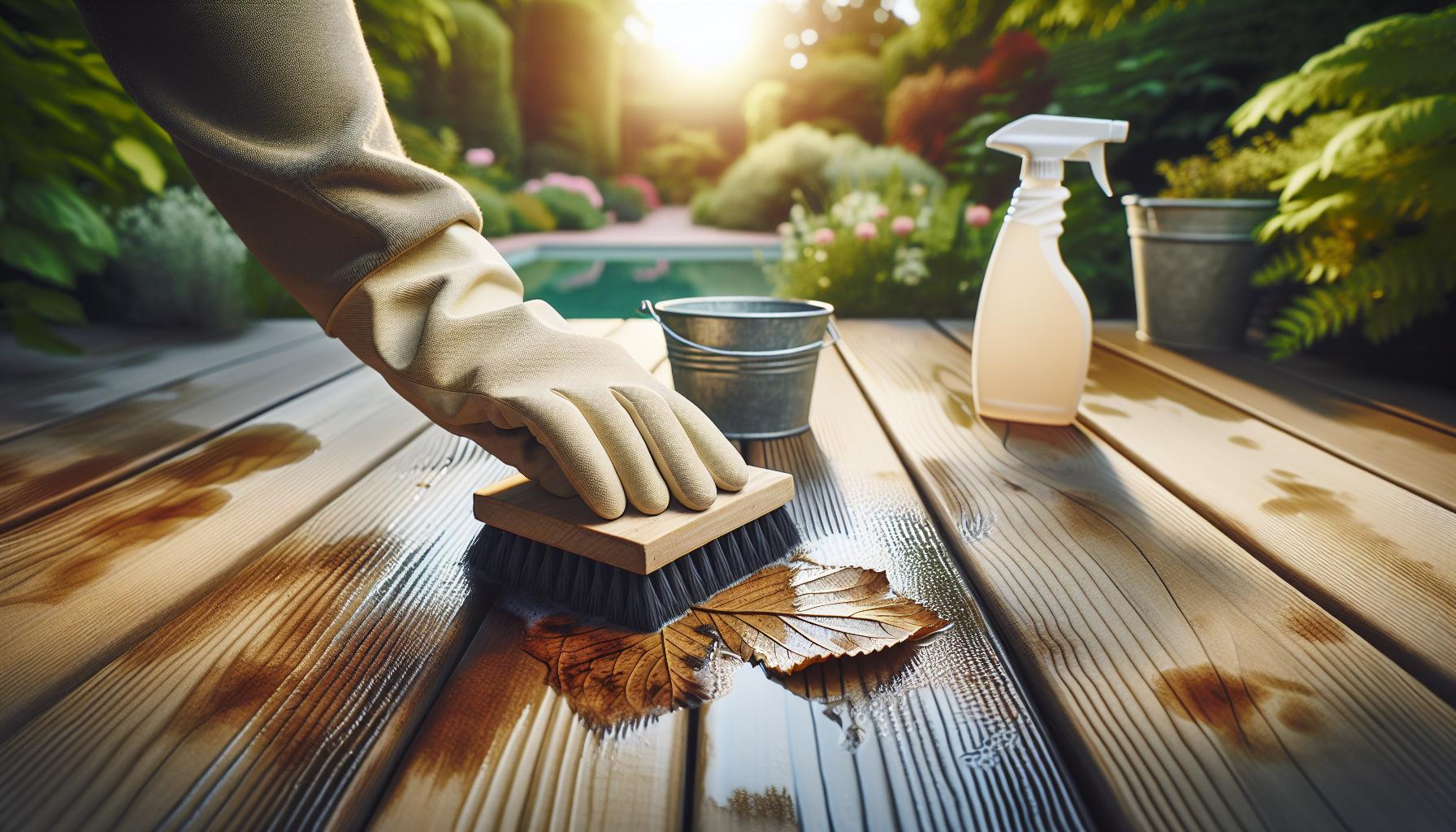
Understanding Leaf Stains on Wood Decks
Leaf stains on wood decks are an all-too-common nuisance for homeowners, particularly during autumn when trees shed their leaves. The primary culprit behind these stains is tannins, natural compounds found in the leaves of certain trees. When leaves are left to sit on the deck surface, they can leach these tannins, leading to unsightly dark spots that not only mar the appearance of the deck but can also cause long-term damage if not addressed promptly.
Understanding the nature of these stains is essential for effective removal. Tannins can be found in various tree species, including oak, maple, and walnut, and their staining potential can vary based on the type of wood used for decking. For instance, softer woods like pine may absorb the tannins more readily than harder woods like teak, leading to more pronounced staining. The duration for which the leaves remain on the deck plays a crucial role as well; the longer they are left undisturbed, the deeper the stain can set.
To properly tackle leaf stains without damaging your wood deck, awareness of both the cleaning method and the products used is vital. Many homeowners may instinctively reach for harsh chemicals, but these can strip the wood of its natural oils and lead to more problems down the line. Instead, adopting a more gentle yet effective cleaning solution can ensure that the deck remains intact and aesthetically pleasing. Using natural remedies such as warm water or a mixture of oxygen bleach combined with water can effectively lift stains without harming the wood, making it essential to select a method that balances effectiveness with care for the material.
By taking these factors into account, homeowners can not only effectively address existing leaf stains but also develop a proactive approach to maintaining their wood decks, prolonging their lifespan and enhancing their beauty throughout the seasons.
Common Types of Leaf Stains and Their Causes
Leaf stains on wood decks can be a persistent challenge for homeowners, often appearing as unsightly dark spots that detract from the deck’s beauty. These stains are primarily caused by the natural compounds known as tannins, which are abundant in the leaves of several tree species. For instance, leaves from oak, maple, and walnut trees contain significant amounts of tannins that can leach into the deck material when left in contact for extended periods.
The intensity and visibility of these stains can also vary depending on the type of wood used for the decking. Softer woods such as pine tend to absorb tannins more readily than harder varieties like cedar or teak, making them more susceptible to staining. Moreover, the duration that leaves sit on the deck plays a crucial role; longer exposure increases the likelihood of deep-set stains that are more difficult to remove.
In addition to tannins, other factors contributing to leaf stains include moisture and environmental conditions. When leaves collect moisture, they’re more likely to leach tannins, especially during wet seasons. Consequently, dealing with leaf stains effectively requires not just immediate cleaning but also an understanding of their causes to prevent recurrence. Recognizing the type of trees surrounding your deck can help in anticipating potential staining issues and taking proactive measures, such as regular cleaning and maintenance, to protect your outdoor space.
Essential Tools for Stain Removal Without Damage
When it comes to addressing leaf stains on wood decks, having the right tools at your disposal can make a significant difference in not only removing the stains but also preserving the integrity of your deck. Using improper tools can scratch the surface or ruin the finish, which is why careful selection is essential.
To effectively tackle these stubborn stains, start with some fundamental cleaning supplies:
- Soft-Bristled Brush: A gentle scrub brush is essential for agitating the stain without damaging the wood fibers. Look for one with nylon bristles, as they are sturdy enough to help remove dirt yet soft enough to protect the surface.
- Bucket: A standard bucket is crucial for mixing cleaning solutions. It keeps your workspace organized and allows for easy access to the cleaning mixture as you work.
- Garden Hose or Pressure Washer: A hose provides a gentle rinse for your deck after cleaning, while a pressure washer can be effective for tough stains, but you should use it carefully to avoid damaging the wood.
- Cleaning Solutions: You may also want to keep gentle, biodegradable soap, baking soda, or a specialized deck cleaner on hand. These substances can be mixed with water for effective stain removal without harsh chemicals that could harm the wood.
Utilizing a combination of these tools along with the right techniques ensures that you remove leaf stains efficiently without compromising the wood’s finish. Always prioritize gentleness over abrasion. For instance, if you encounter stubborn stains, consider a diluted solution of soap instead of immediately resorting to stronger chemicals. This method allows you to assess the results before risking damage to your deck.
By preparing your toolkit with these essential items, you’re setting yourself up for a successful cleaning session that will enhance the beauty of your wood deck while safeguarding its longevity.
Step-by-Step Guide to Safely Remove Leaf Stains
Removing leaf stains from your wood deck can seem daunting, especially when you’re trying to protect its beauty and integrity. Many homeowners don’t realize that simple techniques and household items can effectively tackle these unsightly marks without causing damage. The key is to act quickly after the leaves have fallen, as the longer the stains linger, the tougher they can become to remove.
Begin by gathering your essential tools, which should include a soft-bristled brush, a bucket for mixing cleaning solutions, and a garden hose for rinsing. For the cleaning solution, a safe yet effective choice is a blend of warm water and biodegradable soap. This gentle approach will help to lift the stains while preserving the wood. Start by tackling the stained area:
- Prepare the Cleaning Solution: Mix a few drops of biodegradable soap with warm water in your bucket. Aim for a solution that is soapy but not overly concentrated.
- Initial Rinse: Use your garden hose to lightly spray the stained area. This initial rinse will help to loosen dirt and debris.
- Scrubbing: Dip your soft-bristled brush into the soapy water solution and begin scrubbing the stained area with gentle, circular motions. Be mindful to avoid excessive pressure, which could harm the wood fibers.
- Rinse Again: After successfully scrubbing the stain, rinse the area thoroughly with the garden hose, ensuring that all soap residue is removed. This step is crucial, as leftover soap can lead to a slippery surface and may attract more dirt.
- Dry the Deck: Allow the deck to air dry completely. If needed, you can speed up the drying process by using a clean, dry mop or towel.
- Inspect for Residual Stains: Once dry, check if any stubborn marks remain. For particularly tough stains, you may mix a solution of baking soda and water to create a gentle abrasive paste. Apply this to the stain, scrub lightly, and rinse again.
By following this step-by-step guide, you not only restore your deck’s appearance but also ensure that it remains in excellent condition for years to come. Regular maintenance and prompt attention to stains can significantly enhance the life of your wood deck, making outdoor enjoyment all the more pleasurable.
Natural Remedies for Leaf Stains on Wood Decks
Natural remedies can be a gentle yet effective way to lift stubborn leaf stains from wood decks, making them an ideal solution for those looking to maintain their outdoor spaces without resorting to harsh chemicals. One popular method involves using baking soda, a household staple known not only for its baking properties but also for its stain-fighting capabilities. To make a baking soda paste, simply mix equal parts of baking soda and water until it achieves a thick, spreadable consistency. Apply this paste directly to the stained area, let it sit for about 10-15 minutes, then gently scrub with a soft-bristled brush before rinsing thoroughly with a garden hose. This method works wonders in lifting stains while being safe for the wood.
Another effective natural remedy is vinegar, which possesses mild acidic properties that help break down organic material. For this solution, combine one part white vinegar with one part water in a spray bottle. Spray the solution generously over the stained areas of the deck and let it sit for 10-15 minutes. After soaking, scrub the surface with a soft brush and rinse with clean water. The powerful yet non-toxic nature of vinegar makes it an excellent choice to not only remove the stains but also sanitize the area.
Additionally, hydrogen peroxide can be useful for tougher stains. Mixing one cup of hydrogen peroxide with one gallon of warm water creates a solution that can be applied directly to the stains. Let it sit for about 5-10 minutes, scrub gently, and rinse well. Hydrogen peroxide acts as a mild bleaching agent, making it effective against more persistent leaf stains.
Using these natural remedies not only ensures that your deck remains safe from damage caused by harsh chemicals but also promotes an eco-friendly approach to home maintenance. Regular application of these solutions, especially after leaf falls, can significantly improve the longevity and appearance of your wood deck, allowing you to enjoy your outdoor space while preserving its natural beauty.
Commercial Cleaners: Pros and Cons for Deck Care
When it comes to maintaining the beauty of your wood deck, the choice of cleaning products can significantly impact the effectiveness of stain removal and the longevity of your decking material. Commercial cleaners for deck care often promise quick and powerful results, but their effectiveness can vary based on the specific formula and the type of wood you have. Here’s an exploration of the pros and cons of using these cleaners to tackle leaf stains and other debris.
One of the major advantages of commercial cleaners is their efficiency. Many products are designed to target specific types of stains, including tannin stains from leaves, and can yield noticeable results in a short amount of time. For instance, cleaners that contain oxygen bleach can lift stains effectively without the harshness associated with chlorine bleach, making them a safer choice for wood decks. Additionally, the convenience of ready-to-use mixtures can save time and effort compared to mixing homemade solutions.
However, these cleaners often come with some drawbacks. Many commercial products contain strong chemicals that, while effective, may also be harmful to the environment or to the wood itself if not used correctly. Exposure to these chemicals can lead to fading, discoloration, or even structural damage to the deck over time. Furthermore, some cleaners may require specific application techniques, such as being applied in ideal weather conditions, which can complicate the cleaning process.
Weighing Your Options
It’s essential to consider a few factors before opting for a commercial cleaner:
- Wood Type: Some cleaners are better suited for hardwoods, while others may interact negatively with softwoods.
- Stain Type: Knowing whether the stain is organic or chemical-based can guide your choice of cleaner.
- Environmental Impact: Opt for eco-friendly options whenever possible to minimize harm to your surroundings.
Ultimately, while commercial cleaners can provide effective stain removal and maintenance solutions, they come with risks that require careful consideration. Testing a small, inconspicuous area before full application and following the manufacturer’s instructions can help mitigate potential drawbacks. Balancing the convenience and effectiveness of commercial cleaners with their risks is crucial for maintaining your wood deck’s integrity while keeping it free of unsightly stains.
Preventive Measures to Avoid Future Stains
To keep your wood deck looking pristine and minimize the risk of leaf stains, proactive maintenance is essential. One of the simplest yet most effective strategies is to establish a regular cleaning schedule, ideally during the fall when leaves are most likely to accumulate. By routinely sweeping or blowing leaves off your deck, you can prevent the buildup of organic material that encourages staining. Moreover, using a leaf blower can help in reaching tight spaces and corners where leaves tend to collect, offering a thorough approach that will safeguard the wood surface below.
Another preventive measure involves sealing your deck with a high-quality wood preservative or sealant. This not only enhances the wood’s natural beauty but also creates a barrier against moisture and organic matter that can lead to stains. Aim to apply a sealant every one to three years, depending on the climate and wear of your deck. Be sure to choose a product that is specifically designed for your type of wood to ensure compatibility and longevity.
Additionally, consider the strategic placement of planters and decorations. Keeping heavy planters off the deck surfaces can allow for easier access during cleaning, reducing the risk of stains caused by plant debris. If you regularly use furniture on your deck, opt for lightweight, movable pieces that can be relocated for deeper cleaning. This way, you can maintain a cleaner surface and prevent leaves from getting trapped underneath.
Lastly, maintaining nearby greenery is crucial; regularly trimming trees and shrubs can significantly reduce leaf fall on your deck. This increases air circulation and sunlight exposure, which aids in drying wet surfaces and minimizing conditions conducive to staining. If your deck is surrounded by particularly messy trees, such as oaks or birches, evaluating their proximity might even warrant more permanent landscaping changes.
Combining these strategies into your routine can significantly enhance the durability and aesthetics of your wood deck, allowing you to enjoy its beauty without the worry of stubborn leaf stains.
Best Practices for Maintaining Your Wood Deck
To ensure your wood deck remains beautiful and free from unsightly leaf stains, adopting best practices in maintenance is crucial. Regular care not only enhances the deck’s appearance but also prolongs its lifespan. One of the most effective strategies is to establish a consistent cleaning routine, particularly in the fall when leaves are most abundant. Clearing leaves promptly prevents them from remaining on the deck surface and allows you to catch stains before they set in.
Utilizing the right tools is a cornerstone of effective deck maintenance. Consider a combination of methods such as using a leaf blower for swift removal and a broom for corners where debris can accumulate. Additionally, implementing a pressure washing schedule-at least once a year-can refresh the wood and remove any dirt from the grain that could contribute to stains. When pressure washing, use a fan tip and maintain a safe distance to avoid damaging the wood fibers.
Another essential practice is to regularly apply a quality sealant. This protective layer guards against moisture and stains, acting as a barrier to natural elements. Reapply sealant every one to three years, ensuring to choose a product that is compatible with your specific wood type. Beyond sealing, consider protecting the deck with outdoor rugs or mats where heavy furniture or planters sit, as this can help absorb spills and protect the surface from scratches.
Finally, maintaining surrounding landscaping plays a significant role in minimizing leaf debris. Regularly pruning trees and shrubs not only reduces the amount of falling leaves but also improves air circulation around the deck, allowing for quicker drying after rain and minimizing conditions that encourage staining. By integrating these practices into your upkeep routine, you can enjoy your wood deck’s natural beauty without the constant worry of leaf stains.
How to Restore Wood Decks Post-Cleanup
Restoring a wood deck after removing leaf stains involves a few crucial steps that not only refresh its appearance but also enhance its durability. Once you’ve successfully cleaned the stains, it is essential to give your deck the care it deserves to prevent future damage and to maintain its aesthetic appeal. Proper restoration not only protects the wood but also revitalizes it, ensuring it remains a beautiful focal point in your outdoor space.
Start by inspecting the wood for any areas that may have sustained damage from the cleaning process or previous stains. Look for splintering, cracks, or signs of mildew. If you find these issues, use sandpaper or a power sander to smooth out rough spots and to remove any remaining stain remnants. This step is critical, as it prepares the surface for further treatment, promoting better adhesion of sealant or stains.
Next, apply a quality wood conditioner or a brightener specifically designed for decks. These products help restore the natural color of the wood and prepare it for stain or sealant application. Allow the conditioner to soak in as per manufacturer instructions-typically ranging from 10 to 20 minutes-before proceeding. This process is vital as it opens up the wood’s pores, allowing the subsequent protective products to penetrate more effectively.
Once the conditioner has set, choose a high-quality sealant or stain that matches your wood type and desired finish. Applying a sealant will establish a barrier against moisture, dirt, and additional stains, while a stain will enhance or change the color of your deck, offering both protection and aesthetic improvement. Use a brush, roller, or sprayer for even application, making sure to follow the wood grain for a seamless finish. Consider applying two coats for maximum durability, especially in high-traffic areas.
Lastly, ensure proper curing time before using the deck. This means keeping foot traffic off the area for the duration specified on the sealant or stain product label, which is typically around 24 to 48 hours. This final step is essential to achieving a long-lasting and beautiful restoration; rushing it could compromise the effectiveness of the protective layer you’ve just applied. By following these post-cleanup tips, you can enjoy a restored wood deck that not only looks great but also withstands the challenges of nature.
Expert Tips for Long-Lasting Deck Protection
Taking proactive measures can significantly extend the lifespan of your wood deck and keep it looking pristine. One of the best ways to protect your deck is by selecting the right finishes and sealants. Opt for high-quality products that provide UV protection and water resistance to fend off the damaging effects of sun exposure and moisture. These products help to prevent warping, peeling, and mildew, which can all result from of exposure to the elements. As a general guideline, consider reapplying sealant every one to three years, depending on your local climate and the material of your deck.
Regular maintenance is key to longevity. Scheduled cleanings, ideally at least once a season, can help remove debris and prevent the buildup of dirt and algae. A simple wash with soap and water, or a mixture of water and vinegar, can effectively maintain your deck’s appearance. It’s also advisable to sweep away leaves and debris promptly, especially in the fall, as these can lead to unsightly stains and even mold growth when left unchecked.
To further enhance your deck’s durability, consider implementing a drainage system or using deck tiles that allow water to flow rather than pool. This method minimizes water retention on the wood, reducing the risk of rot and other moisture-related issues. Additionally, installing guards or nets can prevent leaves from falling directly on your deck, reducing the likelihood of stains forming in the first place.
Lastly, remember to inspect your deck regularly for signs of wear or damage. Catching issues like splintering or loose boards early can save you significant time and money in repairs down the line. Investing in your deck’s care not only enhances its life but also ensures it remains a beautiful and functional space for years to come.
Seasonal Maintenance: Keeping Your Deck Leaf-Free
The arrival of autumn is a beautiful transformation for our outdoor spaces but can also present challenges, particularly for wood decks. Fallen leaves, while picturesque, can lead to unsightly stains if left unattended. To maintain a clean and beautiful deck, seasonal maintenance becomes crucial. Regular upkeep not only enhances the aesthetic appeal but also helps prevent damage caused by leaf stains and moisture retention.
Implementing a routine of daily or weekly checks during the fall can make all the difference. This proactive approach involves removing fallen leaves promptly to prevent them from accumulating and creating stains. Simple tools, such as a broom or a leaf blower, can expedite this process and make it a less labor-intensive task. Regularly scheduled cleanings help ensure that dirt, debris, and organic matter don’t have the opportunity to bond with the wood, which can make removal much more challenging later on.
In addition to frequent leaf removal, consider investing in protective measures that provide an extra layer of defense for your deck. Installing a leaf guard or netting over areas prone to significant leaf drop can significantly reduce the amount of debris landing on your deck. This preventive approach is especially beneficial for homes surrounded by large trees and can lessen the maintenance required in the future. Additionally, applying a high-quality sealant to your deck before the fall can protect the wood’s surface from staining agents, such as tannins from leaves.
Lastly, don’t overlook the importance of seasonal cleaning even after leaves are cleared away. A thorough wash, using a gentle solution of dish detergent and warm water, can remove residual stains and prevent grime build-up. Incorporating this practice into your fall routine ensures that your deck remains in top condition for the upcoming winter months, ready to welcome guests for gatherings or simply to enjoy a quiet moment outdoors. Keeping your deck leaf-free not only preserves its appearance but also prolongs its longevity, allowing you to relish its beauty for years to come.
When to Seek Professional Help for Stains
Engaging in DIY methods for stain removal from your wood deck can be effective, but there are times when bringing in a professional is the more prudent choice. If you’ve exhausted various cleaning techniques-such as using soapy water, oxygen bleach solutions, or even specialized deck cleaners-and still see stubborn leaf stains persisting, it may be time to consider professional help. This will not only save you time and potential frustration but also ensure the job is done correctly without further damaging your deck.
Some scenarios specifically warrant such a decision. For instance, heavily stained areas might require industrial-grade cleaners or equipment that an average homeowner typically would not have access to. Professional services often utilize high-pressure washers or professional-grade chemical solutions that can effectively lift stubborn stains without the risk of stripping the wood or damaging the surrounding landscape. Additionally, if your deck has begun to show signs of mold or mildew due to prolonged moisture retention from leaf build-up, a professional treatment might be necessary to address both the stains and the underlying issues.
Moreover, if your deck is constructed from composite materials or exotic woods, unique care techniques may be required. Homeowners may underestimate the nuances involved in cleaning different surface types, leading to unintentional harm. Professionals are trained to recognize specific wood types and conditions, using the right combination of cleaning products and techniques to restore your deck safely. Consulting with experts not only helps achieve satisfactory results but also extends the longevity of your outdoor space.
Lastly, if your deck is showing signs of structural damage or significant wear related to staining and moisture, professional inspection and treatment become crucial. Addressing underlying issues discovered during a professional cleaning could save you money on larger repairs down the road. In these cases, opting for professional assistance can be seen not just as a helpful step, but as an essential measure for preserving your investment in your home’s outdoor areas.
Faq
Q: How can I prevent leaf stains on my wood deck?
A: Preventing leaf stains on your wood deck involves regular cleaning and maintenance. Sweep leaves regularly to avoid moisture retention and potential staining. Applying a deck sealer can also provide an additional protective layer against stains. For more detail, check the “Preventive Measures to Avoid Future Stains” section of our main article.
Q: What natural solutions can I use to remove leaf stains from wood?
A: Natural solutions like vinegar and baking soda can effectively remove leaf stains. Mix equal parts of vinegar and water, apply it to the stained area, and scrub gently. Baking soda can also be sprinkled on damp stains to lift them. For additional methods, refer to the “Natural Remedies for Leaf Stains on Wood Decks.”
Q: Is there a way to test a cleaner before applying it to my deck?
A: Yes, always conduct a patch test with your chosen cleaner in an inconspicuous area before full application. This ensures that the cleaner won’t damage the wood or alter its color. For a step-by-step guide on safekeeping your deck, see the relevant section in our main article.
Q: How often should I clean my deck to avoid leaf stains?
A: Cleaning your deck at least once a month during the fall can help prevent leaf stains. Pay special attention after heavy winds or storms, as leaves can accumulate quickly. This maintains your deck’s appearance and longevity. For best practices, refer to the “Best Practices for Maintaining Your Wood Deck” section.
Q: Can pressure washing remove leaf stains without damaging the wood?
A: Pressure washing can remove leaf stains effectively if done carefully. Use a low-pressure setting and maintain a distance of at least 12 inches from the wood to prevent damage. For more specific techniques, check our “Step-by-Step Guide to Safely Remove Leaf Stains.”
Q: What should I do if a cleaner leaves a residue after removing stains?
A: If a cleaner leaves a residue, rinse the area thoroughly with water to remove any leftover cleaner. Follow up with a gentle scrub if necessary to restore the wood’s finish. For related tips, see the “How to Restore Wood Decks Post-Cleanup” section of our article.
Q: Are there any commercial products recommended for leaf stain removal?
A: Look for products labeled safe for use on wood decks, specifically those designed for stain removal. Always follow the manufacturer’s instructions for the best results. For a comparison of products, see the “Commercial Cleaners: Pros and Cons for Deck Care” section.
Q: When should I consider hiring a professional to remove leaf stains from my deck?
A: Consider hiring a professional if stains persist despite your efforts or if you notice significant damage to the wood. Professionals can assess and treat the wood more effectively, ensuring its longevity. For assistance in decision-making, refer to the “When to Seek Professional Help for Stains” section.
Concluding Remarks
Now that you have the essential techniques to remove leaf stains from your wood deck without causing damage, it’s time to put them into action! By using the right tools and methods, you can restore your deck’s beauty while maintaining its integrity. If you still have questions or need further guidance, check out our detailed guide on “The Best Cleaning Products for Outdoor Wood Surfaces” and explore “Preventative Maintenance Tips for Your Deck” to ensure your deck stays in top condition.
Don’t forget to share your own experiences in the comments below, and feel free to bookmark this page for future reference as you tackle your outdoor cleaning projects. For more useful tips, consider signing up for our newsletter, where we provide regular updates and exclusive content to help you maintain your home. Remember, a well-cared-for deck not only enhances your outdoor space but also adds value to your home, so take action today!