Imagine stepping out of your home and onto a beautiful, pristine concrete driveway, only to be greeted by unsightly oak leaf stains. These stains can diminish the overall aesthetic of your property and may even lead to long-term damage if not addressed promptly. Knowing how to remove these stubborn marks not only enhances the curb appeal of your home but also protects your driveway’s longevity. In this guide, you’ll discover effective techniques and solutions for removing oak leaf stains, ensuring that your driveway remains clean and inviting. Don’t let these natural nuisances detract from your home’s beauty; follow along to learn how to revive your concrete and restore its original charm.
Understanding Oak Leaf Stains on Concrete Driveways
Oak leaves are not just a hallmark of autumn’s beauty; they can also leave unsightly stains on concrete driveways. These stains, often caused by the natural pigments in the leaves, can create stubborn marks that detract from your driveway’s appearance. When leaves fall and get crushed underfoot or by vehicles, the pigments may seep into the porous surface of the concrete, leading to discoloration. Additionally, when acorns and other debris mix with wet leaves, they can contribute to more persistent stains, making it essential to understand both the causes and the solutions available.
Aside from being an eyesore, these stains can also pose a risk to your driveway’s integrity. If not addressed promptly, the moisture retained by the leaves can promote mold and mildew growth, causing further damage over time. Addressing and removing these stains promptly not only preserves the appearance of your driveway but can also extend its lifespan. Regular sweeping and immediate cleaning of fallen leaves can help minimize their potential staining effects. By understanding the nature of oak leaf stains and their impact, homeowners can take informed steps to maintain their concrete driveways in pristine condition.
In essence, being proactive in cleaning and maintaining your driveway can save you time and effort in the long run, preventing stains from setting in, and keeping your outdoor space attractive year-round.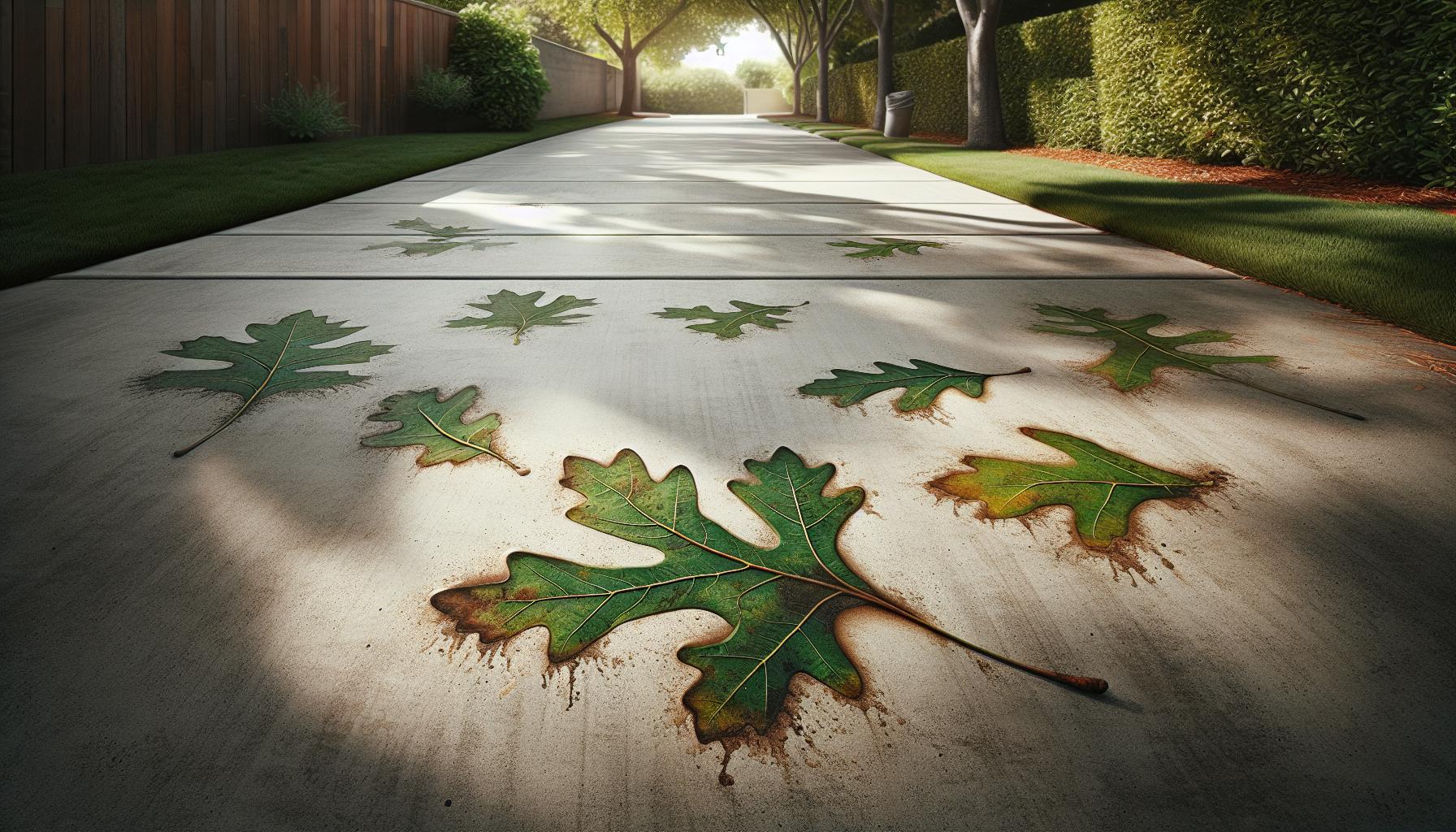
Essential Tools for Effective Stain Removal
To effectively tackle the challenge of oak leaf stains on concrete driveways, having the right tools at your disposal makes all the difference. The right equipment not only aids in the removal of these stubborn stains but ensures that your driveway remains in good condition throughout the cleaning process. Here’s a look at the essential tools you should gather before starting your stain removal project.
Pressure Washer
A pressure washer is one of the most effective tools for removing stains from concrete surfaces. The high-pressure water stream can penetrate the pores of the concrete, dislodging dirt, pigments from leaves, and other debris. Be sure to use a fan nozzle to avoid damaging the surface while directing the spray effectively.
Stiff-Bristled Broom
For initial cleanup, a stiff-bristled broom is invaluable. Sweeping away loose debris and crushed leaves will prevent further staining during washing and help prepare the surface for deeper cleaning. This step is crucial, especially after heavy winds or storms.
Cleaning Solution
Choosing the right cleaning solution can significantly enhance your stain removal efforts. Look for a biodegradable degreaser or a specialized concrete cleaner that targets organic stains. Always test the product on a small, inconspicuous area first to ensure it does not adversely affect the concrete.
Scrub Brush
A scrub brush with stiff bristles is essential for manual scrubbing of the stained areas after applying your cleaning solution. This tool allows you to work the cleaner into the concrete, helping to lift and break down the pigments embedded in the surface.
Garden Hose
While a pressure washer is powerful, a regular garden hose is handy for rinsing the area after applying cleaning solutions and scrubbing. Use a spray nozzle to control the water pressure and ensure a thorough wash, helping to remove any residual stains.
Protective Gear
Don’t forget to equip yourself with protective gear. Gloves and safety goggles are crucial as some cleaning solutions may be harsh on skin and eyes. Wearing suitable footwear will also add comfort and safety while you work.
Gathering these essential tools will streamline the process of removing oak leaf stains, helping you restore your concrete driveway to its former beauty more efficiently. By preparing adequately, you set the stage for successful cleaning while minimizing potential damage to your driveway’s surface.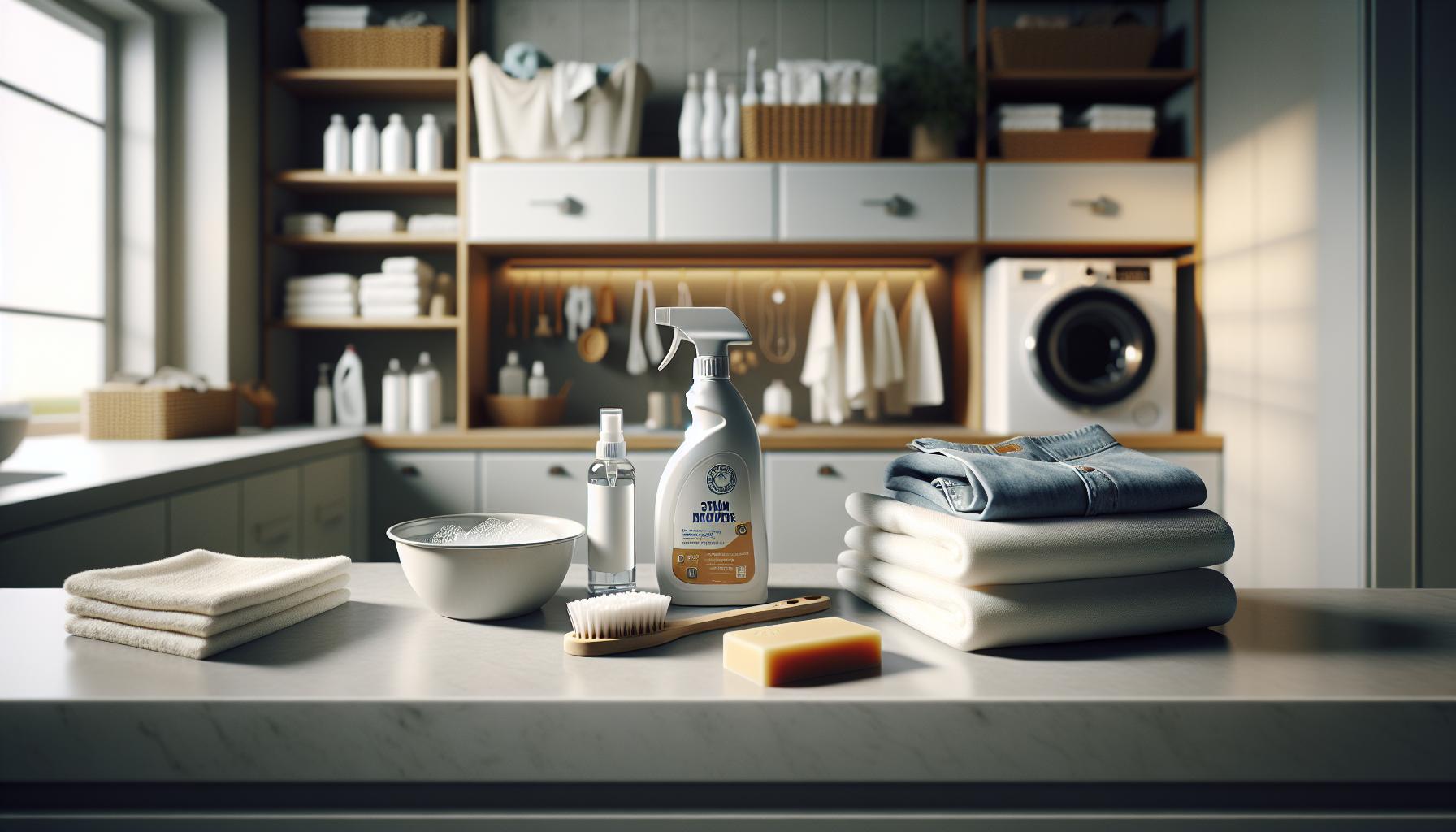
Step-by-Step Guide to Removing Stains
To effectively eliminate oak leaf stains from your concrete driveway, follow a structured approach that maximizes efficiency and minimizes damage. Begin by assessing the extent of the staining; light stains may require a simple cleaning, while deeper stains might need more intensive treatment. Here’s a concise step-by-step method to tackle those unsightly marks.
First, gather all your essential tools as mentioned previously. Start by sweeping the driveway thoroughly with a stiff-bristled broom to remove any loose debris and crushed leaves. This initial step not only helps prevent further staining but also prepares the surface for a more focused cleaning effort. Ensure that all areas affected by the stains are cleared.
Next, apply a suitable cleaning solution to the stained spots. For organic stains like those from oak leaves, you can use a biodegradable degreaser or a specialized concrete cleaner. Spray the solution generously over the stained areas, allowing it to sit for about 10-15 minutes. This dwell time enables the solvent to penetrate and break down the pigments embedded in the concrete.
Once the cleaning solution has had its effect, use a scrub brush to work the solution into the concrete. Apply firm pressure as you scrub in circular motions to lift the stains effectively. For particularly stubborn stains, you might need to repeat the application of the cleaning solution and scrubbing process. After scrubbing, rinse the area thoroughly with a pressure washer or a garden hose, ensuring all residue from the cleaning agent is washed away.
For severe stains that don’t respond to initial treatments, you may consider alternative methods, such as applying a poultice-a paste made from baking soda and water-which can draw out the stain over a longer period. After your driveway is clean, it’s essential to dry it adequately and inspect for any lingering marks. Regular maintenance and prompt cleaning will help prevent future staining, ensuring your driveway remains in pristine condition.
Natural Remedies for Eco-Friendly Cleaning
Natural cleaning solutions not only effectively tackle stubborn oak leaf stains but also contribute to an eco-friendly lifestyle, promoting a healthier environment. Many common household items can serve as powerful cleaning agents, reducing the need for harsh chemicals. Vinegar, for instance, is renowned for its stain-fighting properties. Its natural acetic acid helps to break down the organic materials that contribute to discoloration on concrete surfaces. Mixing equal parts of white vinegar and water in a spray bottle can create a potent solution for spot treatments. Simply spray the mixture on the stains, let it sit for 15-30 minutes, and scrub with a stiff-bristled brush to lift the stains away.
Another effective remedy is baking soda, which acts as a gentle abrasive and deodorizer. You can create a paste by mixing baking soda with water to form a thick consistency. Apply this paste to the stained areas and use a scrub brush to work it into the concrete. The granular texture of baking soda helps lift the discoloration without damaging the surface of your driveway. Additionally, leaving the paste on for an extended period can enhance its stain-removing capabilities-just be sure to rinse thoroughly afterward to avoid any residual powder.
For an alternative approach, consider using hydrogen peroxide, which is not only a stain remover but also has natural bleaching properties. Mixing hydrogen peroxide with dish soap in a spray bottle can produce an effective cleaner. This mixture can help tackle tougher stains by breaking down pigments. Apply it generously to the stains, let it sit as recommended, then scrub and rinse to reveal a cleaner surface.
Utilizing these natural remedies not only promotes a sparkling clean driveway but also ensures that you are minimizing your environmental footprint. Opting for eco-friendly cleaning solutions can spare the planet from the harmful effects of industrial cleaners, making your home and community a healthier place to live.
Commercial Products for Tough Stain Removal
Stubborn oak leaf stains can be notoriously difficult to remove from concrete driveways, often requiring more than just household remedies. For those seeking a vigorous solution, commercial cleaning products designed specifically for tough stains can offer effective results. These products are formulated with powerful chemicals that are capable of breaking down the organic materials found in oak leaves, making them a popular choice for homeowners facing persistent discoloration.
When selecting a commercial product, it’s essential to read the labels and choose one that is safe for use on concrete. Here are some types of products to consider:
- Concrete Cleaners: Many manufacturers offer special concrete cleaners that target stains. Look for ones that advertise effectiveness against leaf stains specifically.
- Pressure Washers: Combining a concrete cleaner with a pressure washer can enhance stain removal. Pressure washing not only applies the cleaner with force but also rinses away the loosened debris.
- Oxi-Based Cleaners: Products containing oxygen bleach can brighten concrete while removing stains. These are less caustic than traditional bleach and can be effective on organic stains.
- Acid-Based Cleaners: For the toughest stains, acid-based cleaners (like masonry acids) can penetrate deeply into the concrete. However, they must be used with caution as improper use can damage the surface.
Before applying any cleaner, it’s advisable to test the product on a small, inconspicuous area of the driveway to ensure it does not discolor or damage the concrete. Additionally, follow the manufacturer’s instructions carefully, including recommended dwell times and dilution ratios, to maximize effectiveness while minimizing potential harm.
For optimal results, pair commercial cleaners with a thorough scrubbing using a stiff-bristled brush. This combination often lifts stains that household remedies may leave behind. After treatment, rinsing with water is crucial to remove any residual chemicals, leaving your driveway looking as good as new.
Preventing Future Oak Leaf Stains
The beauty of oak trees can quickly turn into a headache for homeowners, especially when the leaves begin to drop and stain concrete driveways. By taking proactive measures, you can reduce the likelihood of these unsightly stains becoming a recurring problem. Regular maintenance and preventive strategies play a vital role in keeping your driveway looking pristine.
One of the most effective preventive measures is to establish a routine cleaning schedule. Regularly sweeping or blowing leaves off your driveway not only keeps it tidy but also greatly reduces the chances of leaf stains taking hold. Be diligent about cleaning up after heavy storms, as the combination of moisture and decomposing leaves can create ideal conditions for stains to develop. Additionally, consider implementing a weekly maintenance task during the peak of the fall season when leaves are falling most aggressively.
Incorporating a sealant into your driveway maintenance plan can provide a significant layer of protection against stains. A high-quality concrete sealant helps to create a barrier that prevents leaves and other organic materials from penetrating the surface and leaving stains. Reapplying the sealant every couple of years ensures that the protective layer remains effective, especially in areas that experience heavy leaf fall.
Lastly, strategic landscaping can make a notable difference in minimizing leaf drop directly onto your driveway. If possible, consider trimming or relocating oak trees that overhang your driveway. Planting alternative vegetation that drops less debris can also help in reducing future staining potential. Creating a clear space between the tree line and your concrete surface can significantly limit the amount of maintenance needed to keep your driveway free from oak leaf stains.
By adopting these strategies, you can enjoy the beauty of your home’s outdoor surroundings without the worry of persistent staining disruptions.
Maintaining Your Concrete Driveway’s Appearance
Maintaining the pristine appearance of your concrete driveway is essential, not only for aesthetic appeal but also for extending its overall lifespan. Over time, exposure to the elements and the accumulation of organic materials-like oak leaves-can lead to unsightly stains, making proactive care and maintenance crucial. One impactful strategy is to implement a comprehensive cleaning routine that combines timely interventions with protective measures.
Establishing a regular cleaning schedule is a valuable first step. For instance, during the fall, when oak leaves are in abundance, consider dedicating time each week to blow or sweep the leaves off your driveway. This simple action prevents leaves from breaking down and creating stains due to moisture. It’s particularly effective to clean up after storms, as wet leaves create an ideal environment for staining.
In addition to cleaning, applying a high-quality concrete sealant is a powerful way to protect your driveway. Sealants form a barrier that repels stains, making it harder for organic materials to penetrate and discolor the surface. Reapplying this sealant every few years not only enhances the longevity of your driveway but also minimizes the effort required for routine cleaning.
A strategic landscaping approach can also shape the effectiveness of your maintenance efforts. By trimming or relocating any trees that overhang your driveway, you can significantly reduce leaf drop and subsequent staining. Additionally, consider planting trees or shrubs that are less likely to shed leaves, thereby alleviating future maintenance concerns. Creating a buffer zone between your driveway and the tree line can simplify your cleaning tasks while keeping your driveway looking impeccable.
In conclusion, combining regular cleaning, protective sealing, and thoughtful landscaping will help you maintain the appearance of your driveway. These practical measures allow you to enjoy the vibrant beauty of your outdoors while minimizing the hassle of dealing with oak leaf stains.
When to Seek Professional Help
It can be frustrating to find persistent stains on your concrete driveway caused by decaying oak leaves, especially if your DIY cleaning efforts are proving ineffective. In some cases, the nature and severity of the stains may require expert intervention. Understanding when to call in professionals can save you time and potential damage to your driveway.
If you’ve tried multiple cleaning methods and the stains remain noticeable, it may be best to seek professional help. Experienced cleaners utilize specialized equipment and techniques, such as pressure washing with varying degrees of pressure and the application of eco-friendly degreasers, that are designed to tackle tough stains without damaging the concrete. Additionally, if the stains have penetrated deeply into the surface, professionals might employ advanced restorative methods that go beyond mere surface cleaning.
Another crucial factor to consider is the overall condition of your driveway. If you notice significant cracks, discoloration, or deterioration beyond the oak leaf stains, it indicates that your driveway may need more extensive care than cleaning alone. Professionals can assess the underlying issues and offer comprehensive solutions that include repairing concrete damage along with effective stain removal strategies. Moreover, if you’re unsure about the appropriate cleaning solutions or methods to use, a professional’s expertise can guide you towards the safest and most effective options, thereby reducing the risk of further damage.
Finally, if your driveway has not been sealed in years and could benefit from a sealant application post-cleaning, professionals are equipped to recommend high-quality sealants and perform the application properly. This not only addresses the current stains but also helps prevent future staining, thereby protecting your investment in your home’s aesthetics. Calling a professional can be the most effective way to ensure that your driveway looks its best while maintaining its structural integrity.
Alternative Cleaning Methods to Consider
Stains from decaying oak leaves can be particularly troublesome for homeowners, but there are several alternative cleaning methods that can effectively tackle this issue beyond basic scrubbing. One such method is the use of baking soda paste. This simple yet effective solution can be made by mixing baking soda with water to create a thick paste. Apply it directly to the stained areas, let it sit for about 30 minutes, and then scrub with a stiff brush. The alkaline nature of baking soda helps to lift organic stains while being gentle on concrete.
Another viable option is employing vinegar, a natural and eco-friendly alternative. Vinegar’s acidity can break down stains effectively. Dilute white vinegar with an equal part of water, spray it onto the stained areas, and allow it to soak for 10-15 minutes. After soaking, scrub the area with a brush and rinse thoroughly with water. This method not only removes stains but also leaves the concrete surface looking fresh.
For those seeking an even less conventional approach, consider utilizing hydrogen peroxide. This powerful agent, often relegated to first-aid kits, is also excellent for stain removal. Mix hydrogen peroxide with a small amount of dish soap, apply it to the stained areas, and let it sit for 30 minutes before scrubbing. Its bleaching properties can significantly lighten stubborn stains.
Finally, pressure washing is a method that should not be overlooked, especially for larger driveways. A pressure washer equipped with the right nozzle can effectively clean and refresh concrete surfaces, removing stains that simpler methods may miss. However, be cautious with the pressure setting to avoid damaging the concrete’s surface.
Each of these methods provides unique advantages based on the nature of the stains and the conditions of your driveway. By exploring these alternative cleaning techniques, you can efficiently restore the appearance of your concrete driveway without relying solely on commercial products or professional services.
Tips for Safeguarding Your Driveway Post-Cleaning
To maintain the pristine appearance of your concrete driveway after cleaning, it’s essential to adopt some proactive measures. A well-maintained driveway not only enhances your home’s curb appeal but also prolongs the lifespan of the surface, preventing the recurrence of unsightly oak leaf stains and other blemishes. Here are several strategies to safeguard your driveway post-cleaning:
First and foremost, consider applying a high-quality concrete sealant. This protective layer serves as a barrier against moisture, oils, and organic materials that can stain the surface. Sealants can also reduce the porosity of concrete, making it much easier to clean in the future. It’s best to reapply the sealant every few years, based on the manufacturer’s recommendations, and especially after significant wear or following extreme weather conditions.
Regular Maintenance
Implementing a routine maintenance schedule can go a long way in preserving your driveway. Regular sweeping to remove leaves, dirt, and debris helps prevent staining and eliminates potential food sources for algae and mildew. Additionally, rinsing the surface with a garden hose or power washer on occasion can keep it looking fresh and prevent dirt from settling into the pores of the concrete.
Strategic Landscaping
Another preventive measure involves landscaping adjustments. Planting a tree with a more contained root system away from the driveway can prevent leaf litter accumulation directly on the surface. Moreover, employing ground covers or decorative stones alongside the driveway can help redirect falling leaves and debris while enhancing the aesthetic.
Lastly, be mindful of any spills. Promptly addressing any oil, paint, or other potential stain materials can prevent them from setting into the concrete. Keep a few basic cleaning supplies on hand to tackle minor spills immediately, such as absorbent materials like kitty litter or baking soda, which can soak up spills before they stain.
By adopting these carefully considered practices, you can enhance the longevity and aesthetics of your driveway while reducing the time spent on future cleaning efforts.
The Importance of Regular Maintenance for Driveways
Regular maintenance is the cornerstone of not only preserving the appeal of your concrete driveway but also preventing the troublesome stains caused by oak leaves. Did you know that neglecting your driveway can lead to deeper, more stubborn stains that require aggressive cleaning methods and might damage the surface? A proactive approach can save you from extensive cleanup efforts and costly repairs down the line.
Establishing a simple routine of cleaning and inspection can significantly mitigate the effects of staining. Implement practices such as regular sweeping or blowing off leaves and debris, especially during the autumn months when oak leaves are abundant. This can be paired with periodic rinsing using a garden hose or pressure washer to remove dirt and organic materials before they settle into the concrete pores, which can lead to discoloration over time.
In addition to keeping the surface clean, consider the application of a high-quality sealant every few years. This creates a protective layer that not only enhances the aesthetic but also impedes moisture absorption, thereby reducing the chances of staining. An annual check-up to see if the sealant is intact can prevent minor issues from escalating, maintaining a clear, inviting driveway for years to come.
Ultimately, regular maintenance extends the life of your driveway and enhances your property’s curb appeal. By committing to simple, consistent care, you can minimize the risk of oak leaf stains and ensure that your concrete surface remains a strong, beautiful feature of your home.
Common Mistakes to Avoid During Cleaning
When it comes to keeping your concrete driveway looking pristine, it’s surprisingly easy to make mistakes during the cleaning process that can lead to further staining or even damage. Many homeowners underestimate the impact of using improper tools or techniques, which can transform a simple cleaning task into a costly repair effort. For instance, using a metal-bristled brush or aggressive chemicals can result in surface scratches or discoloration, detracting from your driveway’s appearance.
One major mistake is neglecting to test any cleaning solution on a small, inconspicuous area before applying it across the entire surface. This simple precaution can help you avoid potential adverse reactions that could harm the concrete. Always read manufacturer guidelines and recommendations for any products you choose to use. Additionally, ignoring the recommended dwell time for cleaning agents can also be a pitfall; letting solutions sit too long can damage the surface or lead to uneven cleaning results.
Another common error is attempting to clean a heavily stained driveway without adequate preparation. Ensure you thoroughly sweep or rinse the area to remove loose debris before applying any stain removal treatment. This not only helps to avoid distributing the stain further but also maximizes the effectiveness of the cleaning solution. Skipping this step often leads to ineffective results, leaving you frustrated and with a driveway that still shows signs of staining.
Lastly, many people forget to follow up with proper post-cleaning maintenance. After the stains have been removed, it’s essential to seal the surface regularly to protect against future staining. Neglecting to do this can mean that all your hard work was in vain, as new stains may set in more easily on unprotected concrete. Remember, the key to maintaining a stunning driveway lies not just in how you clean it, but also in how you care for it after the cleaning process.
FAQ
Q: How do you prevent oak leaf stains from forming on concrete?
A: To prevent oak leaf stains, regularly sweep your driveway and clear any fallen leaves. Applying a sealant to your concrete can also help protect it from staining caused by organic materials. Refer to the “Preventing Future Oak Leaf Stains” section for more tips.
Q: What is the best time to clean oak leaf stains from concrete?
A: The best time to clean oak leaf stains is in the spring or fall when leaves are falling. Cleaning promptly reduces the risk of stains becoming set into the concrete. For seasonal upkeep, check the “Maintaining Your Concrete Driveway’s Appearance” section in our article.
Q: Can vinegar remove oak leaf stains from concrete?
A: Yes, vinegar can effectively remove oak leaf stains due to its acidic properties. Mix equal parts vinegar and water, apply it to the stain, and scrub gently. This method is explored in the “Natural Remedies for Eco-Friendly Cleaning” section.
Q: What is the difference between natural and commercial stain removers for oak leaf stains?
A: Natural removers, like vinegar and baking soda, are eco-friendly and less harsh on surfaces, while commercial products often contain stronger chemicals designed for tough stains. Check the “Commercial Products for Tough Stain Removal” section for comparisons and recommendations.
Q: How long do you need to leave cleaning solution on oak leaf stains?
A: Typically, leaving the cleaning solution on the stain for 10-15 minutes allows it to penetrate effectively. For specific guidelines, refer to the “Step-by-Step Guide to Removing Stains” in our article.
Q: Are there any long-term effects of ignoring oak leaf stains on concrete?
A: Yes, ignoring oak leaf stains can lead to permanent discoloration and deterioration of the concrete surface over time. Regular maintenance, as discussed in the “The Importance of Regular Maintenance for Driveways,” can mitigate these issues.
Q: What tools do I need to effectively remove oak leaf stains from concrete?
A: Essential tools include a stiff-bristled brush, a pressure washer, and a spray bottle for your cleaning solution. For a complete list, explore the “Essential Tools for Effective Stain Removal” section in our article.
Q: Can professional services help with stubborn oak leaf stains?
A: Yes, professional cleaning services often use specialized equipment and solutions that can effectively tackle tough oak leaf stains. Visit the “When to Seek Professional Help” section for more insights on determining if you need assistance.
Key Takeaways
If you’ve successfully removed those pesky oak leaf stains from your concrete driveway, congratulations! Remember, maintaining a clean driveway not only enhances your home’s curb appeal but also prolongs its life. For any lingering doubts or specific challenges, explore our detailed guides on driveway cleaning techniques and the best seasonal maintenance tips. Don’t miss our DIY product recommendations, designed to make your cleaning efforts even easier!
Now that you’re equipped with the knowledge to tackle stubborn stains, why not take the next step? Sign up for our newsletter for more expert tips, or check out our full range of home maintenance articles to keep your property in top shape. We love hearing from you, so leave a comment below sharing your experience or results! Your engagement fuels our community mission to empower homeowners-let’s make cleaning enjoyable together!