
Did you know that dull mower blades can leave your lawn looking uneven and stressed? Sharp blades are crucial for a clean cut, which promotes proper grass health and enhances your yard’s appearance. Changing your lawn mower blades doesn’t have to be a daunting chore; in fact, with the right tools and guidance, you can get it done in under 10 minutes! Whether you’re a seasoned DIY enthusiast or a newcomer to lawn care, understanding how to quickly and safely replace your blades can save you time and money, keeping your equipment in top shape for a lush, vibrant lawn. Ready to dive in? Let’s explore the straightforward steps to getting that job done efficiently!
Understanding the Importance of Sharp Lawn Mower Blades
The effectiveness of your lawn mower hinges not only on its engine power but also significantly on the sharpness of its blades. A sharp blade is essential for achieving a clean cut, which in turn promotes a healthier lawn. Dull blades tear grass rather than slicing it, leading to ragged edges that can invite disease and pests. This means that maintaining sharp blades is not just about aesthetics; it’s about the overall health of your lawn.
Using sharp blades reduces the amount of stress placed on the grass during mowing. Here’s why this matters: fresh cuts heal faster and allow the plants to efficiently take in water and nutrients. In contrast, a clean cut minimizes the chance of disease paths opening during the cutting process, safeguarding your lawn from potential infections. Additionally, a sharp blade can help you maintain a more uniform mowing height, contributing to a greener, more lush appearance.
Regularly addressing the condition of your lawn mower blades will save you time and effort in the long run. Instead of grappling with the resistance of a dull blade-which can slow down your mowing process and require additional passes-you can achieve a flawless cut in less time. Ensuring your blades are sharp not only enhances mower performance but also extends the life of your lawn mower by reducing strain on the motor. Remember, last-minute blade changes that take less than 10 minutes are manageable when the blades are maintained throughout the mowing season!
Essential Tools for Quick Blade Replacement
To change your lawn mower blades swiftly, having the right tools on hand can make all the difference. You should prepare not only your blades but also the tools that will facilitate a smooth and efficient replacement process. Spending a few moments gathering and organizing these items will ultimately save you time and frustration.
Start with a quality wrench or socket set, specifically one that fits your mower’s blade bolts. Having both metric and standard sizes can be beneficial, as different mower models may require different tools. A ratchet wrench can speed up the process, allowing for quick loosening and tightening of bolts. Additionally, consider a blade removal tool if you frequently change blades; this specialized tool can provide better leverage and make the job easier.
Don’t forget your safety gear! A sturdy pair of gloves will protect your hands from sharp edges, while safety goggles can shield your eyes from debris. If you have a helper, they can hold the mower steady while you work, making the entire process smoother.
Lastly, keep a magnetic tray or container nearby for small components like nuts and washers. This simple tip prevents losing essential parts during the swap and keeps your workspace tidy. By assembling these essential tools in advance, you can confidently approach the task of changing your lawn mower blades, ensuring you are well-equipped to complete the job in under ten minutes.
Step-by-Step Guide to Changing Blades Efficiently
Changing lawn mower blades can seem daunting, but with the right approach, you can complete it efficiently in under ten minutes. Preparation is key, so start by ensuring that your mower is turned off and unplugged if it’s electric. Use a sturdy jack or raise the mower securely to access the blades easily. It’s essential to have your trusty wrench ready, ideally one that fits snugly on the blade bolts, as a loose fit can make the process frustrating and possibly strip the bolts.
Once you’re set, begin by removing the old blade. Stand at the side of the mower and, with the wrench, secure the blade to prevent it from spinning while you loosen the bolt. A quick counterclockwise turn usually does the trick. If the bolt seems stubborn, consider using penetrating oil or a breaker bar for additional leverage. After the bolt is removed, gently slide the blade off. Take a moment to inspect the blade mount for any debris or damage, cleaning it as necessary before attaching the new blade.
When installing the new blade, align it with the bolt holes, ensuring that the cutting edge is facing the correct direction-typically up and forward in the direction of travel. Secure the blade with the bolt and tighten it firmly, but be careful not to overtighten, as this can strip the threads. Once everything is back in place, double-check your work before lowering the mower back to the ground.
Don’t forget to dispose of the old blade responsibly-many local hardware stores offer recycling options. By following this step-by-step guide, you can become proficient in changing lawn mower blades quickly, ensuring your mower runs efficiently and extends its lifespan.
Safety Precautions Before Starting Your Repair

Before diving into the task of changing your lawn mower blades, it’s essential to consider safety to ensure a smooth and injury-free experience. One of the most crucial safety practices is to always disconnect the power source. For electric mowers, unplugging the machine is vital; for gas mowers, removing the spark plug will prevent unintended start-ups. This simple yet effective step safeguards against accidents when working closely with sharp blades.
Creating a suitable workspace is another key factor. Ensure you are operating in a clean, dry area free of clutter. This not only enhances your movement but also minimizes the risk of tripping over tools or materials. Adequate lighting is important as well, as it helps you clearly see what you’re doing, particularly when dealing with bolts and blades, which can be quite small and difficult to handle in poor light.
Wear appropriate personal protective equipment like gloves and safety glasses. Gloves shield your hands from sharp edges, potential cuts, and the grime often found on mower blades, while safety glasses cultivate an extra layer of protection from flying debris. Consider closed-toe shoes that provide additional foot protection in case any components fall during the process.
Lastly, being aware of your surroundings is pivotal. If you are working outdoors, keep children and pets at a safe distance. The last thing you want during this repair is a sudden interruption that could lead to distractions or accidents. By following these safety precautions, not only do you protect yourself, but you also set the stage for an efficient and effective blade replacement process.
How to Choose the Right Lawn Mower Blades
Choosing the correct lawn mower blades is crucial not only for achieving a pristine lawn but also for enhancing the overall efficiency of your mowing process. The right blades can significantly affect how well your mower performs and, consequently, the health of your grass. Blade selection can seem daunting due to the variety of options available, but understanding a few key factors can simplify the decision-making process.
First and foremost, consider the type of grass you will be mowing. Different grasses require different cutting methods; for example, a blade designed for fine fescue can differ substantially from one suited for thick Bermuda grass. The angle of the blade, known as the pitch, also affects how the mower interacts with the grass. For a cleaner cut on dense grass, opt for blades with higher angles. Researching your grass type can guide you in selecting the right blades that will support healthy growth and beautiful appearance.
Blade Types and Material
When selecting blades, it’s also important to understand the different types available:
- Standard Blades: These are the most common and are designed for general mowing conditions. They work well for typical residential lawns.
- Mulching Blades: Designed to chop grass clippings into finer pieces, these blades return essential nutrients back to the soil, promoting healthier grass.
- Bagging Blades: Perfect if you prefer a clean-cut lawn. These lift and direct grass clippings into the bag efficiently.
- High-Lift Blades: If you’re dealing with thick grass or leaves, these produce more discharge lift, making it easier for the mower to handle challenging conditions.
Additionally, consider the material of the blades. High-carbon steel blades are highly durable and stay sharp longer, whereas stainless steel blades typically resist rust and corrosion but may require more frequent sharpening. Ultimately, the best material for you depends on your environment and how often you use your mower.
Blade Size and Compatibility
Finally, always check the specifications for your particular lawn mower model to ensure compatibility. Each mower requires blades of specific length, width, and hole patterns. For accurate fit, consult your owner’s manual or measure the old blades before making a purchase. This attention to detail can save you time and frustration during your next blade replacement.
By focusing on these considerations-grass type, blade style, and compatibility-you can confidently select the right lawn mower blades that will enhance your mowing efficiency and contribute to a thriving lawn.
Tips for Maintaining Your Lawn Mower Blades
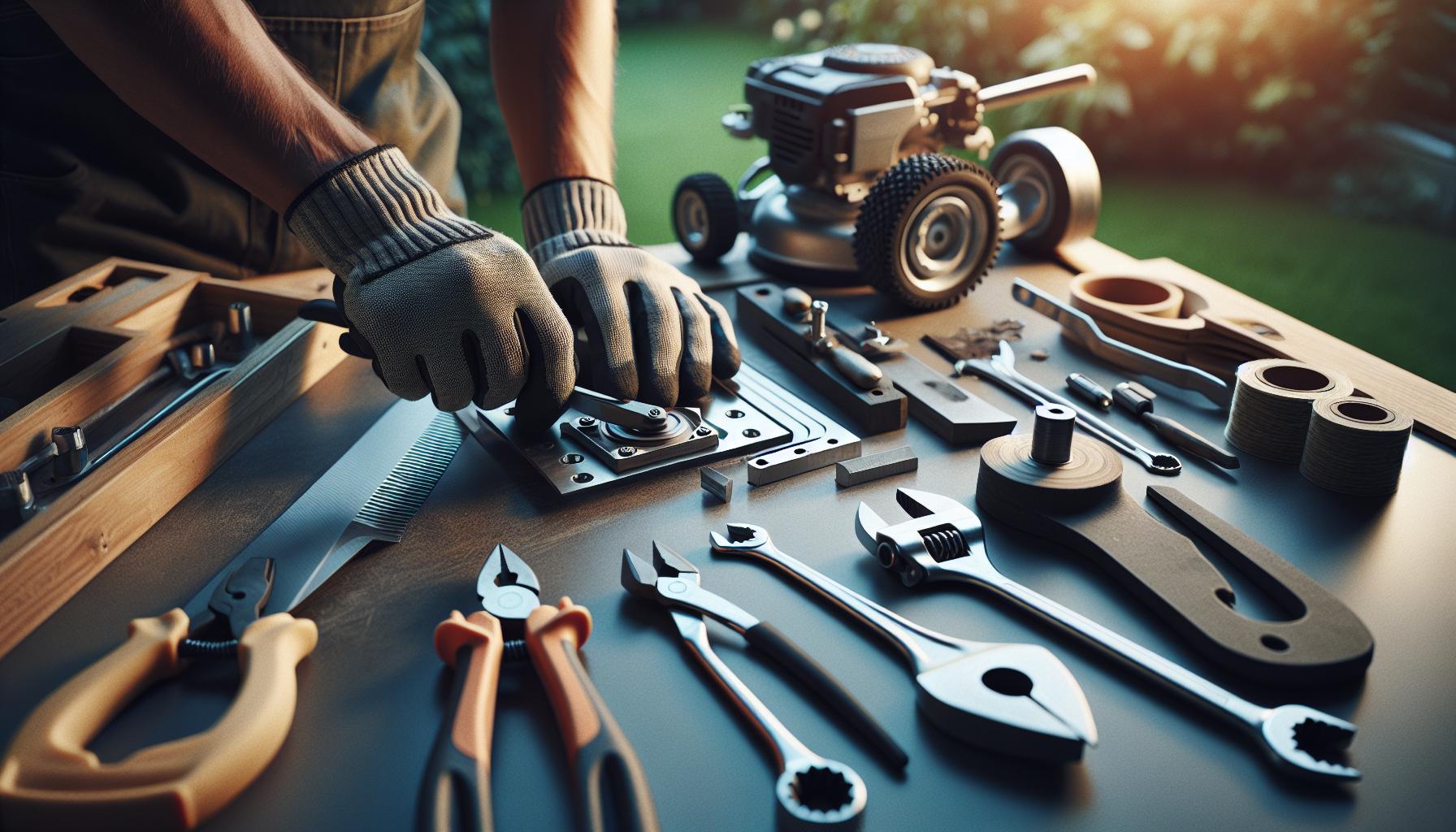
Keeping your lawn mower blades in top condition is essential for achieving a lush, healthy lawn. Dull blades can tear grass rather than cut it, leading to a ragged appearance and making the grass more susceptible to disease. To ensure optimal mowing performance and a beautifully manicured lawn, implement these effective maintenance tips.
Regularly inspect your blades for wear and damage, looking for nicks or dull edges that can affect cutting performance. A good rule of thumb is to sharpen your blades after every 25-30 hours of use or at least once per season. If you frequently mow tough grass or tackle overgrown areas, consider sharpening more often. Use a sharpening stone or file, or take your blades to a professional for precision sharpening. Always remember to maintain the correct angle while sharpening to ensure optimal cutting efficiency.
Cleaning your blades after each use also plays a crucial role in maintaining their lifespan. Grass clippings, dirt, and debris can accumulate, leading to rust and corrosion. After mowing, wipe the blades with a dry cloth or use a putty knife to scrape off clippings. For a more thorough clean, wash the blades with water and a mild detergent, then dry thoroughly to prevent moisture buildup. Additionally, applying a light coat of oil post-cleaning can help protect against rust.
Storage and Protection
When the mowing season winds down, proper storage is key. Before storing your mower for an extended period, perform a complete maintenance cleanup. Change the oil, replace the air filter, and ensure the blades are sharpened and oiled. Store your mower in a dry, cool place, protected from the elements. If possible, cover blades with a protective coating or wrap them in an old towel to prevent rust during storage. This approach will keep your blades in excellent condition, ready for a smooth start when mowing season returns.
By incorporating these maintenance practices into your routine, you’ll not only prolong the life of your lawn mower blades but also enhance the performance of your mower, ensuring your lawn looks its best year-round.
Common Mistakes to Avoid During Blade Change
Changing your lawn mower blades can significantly enhance your mowing efficiency and the health of your lawn, but there are common pitfalls that can lead to wasted time and even potential injury. One of the most frequent mistakes is neglecting to perform the task in a safe environment. Many users make the error of attempting to change blades on uneven or cluttered surfaces, which increases the risk of accidents. Instead, ensure you’re working on a stable, clean surface and use a suitable support system, like a mower lift or jack, that will keep the mower securely in place.
Another common oversight is failing to gather the right tools before starting the job. A hasty approach can lead to unnecessary interruptions while searching for tools like wrenches, a socket set, or a blade removal tool. To avoid this, prepare everything in advance, ensuring that you have all the needed equipment at your fingertips. It’s also wise to consult your mower’s manual to identify the specific tools required for your model, as blade attachments can vary.
It’s critical to avoid rounding off the bolt heads during the blade removal process. Not using the correct size socket or wrench can lead to stripped bolt heads, complicating future maintenance. When applying force, it’s important to remember to turn counterclockwise to loosen the bolts, and if they are particularly stubborn, consider using a penetrating oil to ease removal without damaging the hardware.
Finally, one of the most overlooked aspects during blade replacement is not checking the blade orientation before reattachment. Installing blades in the wrong direction can effortlessly ruin your mowing experience and lead to uneven cuts or even damage to the mower. Always refer to the mower’s manual for guidance on the correct blade positioning and be sure to ensure the lift is facing in the appropriate direction.
By keeping these tips in mind and avoiding these common mistakes, you’ll find that changing your lawn mower blades becomes a quick and efficient process, ultimately contributing to more effective lawn care.
Signs It’s Time to Replace Your Lawn Mower Blades
Mowing your lawn is not just about the frequency; it’s about quality and effectiveness, which starts with your mower blades. Dull or damaged blades can lead to stunted grass growth, increased susceptibility to pests, and an overall unkempt appearance. Recognizing when it’s time to replace your lawn mower blades can be the difference between a lush, green lawn and a patchy, unhealthy one.
There are several clear indicators that signal the need for a blade replacement. One of the most obvious signs is the quality of your cut. If you notice that your mower is tearing the grass rather than making clean cuts, it’s time to check the blades. Tearing can leave ragged edges on grass blades, which may lead to browning and increased vulnerability to disease. A sharp blade should create fine, clean cuts, contributing positively to your lawn’s aesthetic and health.
Another telltale sign is the presence of physical damage to the blades themselves. Cracks, chips, or noticeable nicks are indicators that your blades have reached the end of their useful life. Inspect your blades closely; if they show signs of wear or are bent, it’s not just a mowing issue-it can also affect the performance of the mower, possibly leading to engine strain or malfunction over time.
Lastly, if you notice an increase in the debris being thrown from the mower, or if your mower starts vibrating excessively, it might be a sign that the blades are unevenly worn out or damaged. Routine inspections and replacements can help maintain a smoother operation, extending the life of your mower and ensuring it performs at its best. Staying vigilant about these signs not only makes your mowing more efficient but also helps cultivate a healthier and more beautiful lawn.
Expert Tricks to Speed Up the Process

Changing lawn mower blades doesn’t have to be a time-consuming task. With the right preparation and some insider knowledge, you can complete the process in under 10 minutes, maximizing efficiency and minimizing hassle. One of the keys to speeding up your blade replacement is ensuring that you have all necessary tools and supplies ready before you begin. A socket wrench set, a blade removal tool, and a sturdy surface (like a workbench or flat ground) are essential. Furthermore, having a second person to assist can make both removing and installing blades quicker and safer.
To streamline your process, start by stabilizing the mower. Use a block of wood or a jack stand to keep it secure while you work. Before you even begin changing the blades, familiarize yourself with your mower’s model. Most manufacturers provide detailed manuals that include diagrams of the blade assembly and specific tools needed for removal. This knowledge can save precious minutes. Additionally, using a magnetic tray to hold screws and other small parts will prevent them from getting lost and allow for easy reinstallation when you’re ready to attach the new blades.
When removing the old blades, consider using a powered impact wrench if you have access to one. This tool can significantly reduce the effort required to loosen stubborn bolts and speed up the process. Prior to installing your new blades, take a moment to clean the blade mount and the area surrounding it. Removing debris and old grass clippings will help the new blades seat better, extending their lifespan and improving performance from the get-go.
After installation, take a moment to double-check the tightness of the bolts and ensure that the blades are positioned correctly. A quick visual inspection before you put your mower back on the ground can save you potential headaches later. Finally, be sure to properly dispose of the old blades-taking them to a local recycling facility can be a quick stop that contributes to your community’s sustainability efforts. With these expert tricks in hand, you’ll find that changing your lawn mower blades can indeed be accomplished swiftly and efficiently.
Making the Most of Your Lawn Mower’s Performance
Regular maintenance and timely blade changes can significantly enhance the performance of your lawn mower, transforming your mowing sessions from a tedious chore into a quick, efficient task. Imagine cutting your lawn with the precision of a pro, all while ensuring that your machine runs at peak efficiency. A well-maintained lawn mower not only gives you a better cut but also extends the lifespan of the mower and minimizes the need for repairs, saving you time and money in the long run.
To maximize your lawn mower’s performance, begin with the right blade choice. Using sharp, high-quality blades suited to your mower type can dramatically improve cutting efficiency. This ensures a cleaner cut, reducing the risk of grass disease commonly caused by ragged edges from dull blades. Regularly check your blades for wear and tear, and replace them as needed. Understanding the specific requirements of your lawn type-whether it’s thick turf, delicate grass, or uneven terrain-can also inform your choice of blade. For instance, mulching blades may be ideal for enhancing turf health, while standard blades work best for routine mowing.
Equally important is the maintenance of the mower itself. Keep the mower’s underside clean by regularly removing debris like grass clippings and dirt. This prevents rust and ensures optimal airflow beneath the deck, which is vital for efficient cutting. Additionally, changing the oil, cleaning or replacing the air filter, and checking the spark plug will help keep the engine running smoothly. Many lawn mower manufacturers provide specific maintenance schedules; adhering to these recommendations can significantly boost performance.
Finally, if you’re looking to enhance efficiency further, consider the mowing technique. Mowing when the grass is dry and at the correct height for your grass type can lead to better results. Also, make sure to overlap your mower’s path slightly with each pass to ensure even coverage, and try varying your mowing pattern weekly to promote healthier grass growth. By smartly managing both your lawn mower and your mowing techniques, you can achieve a lush, well-manicured lawn with the minimum of fuss.
Frequently Asked Questions About Blade Replacement
Maintaining sharp and reliable lawn mower blades is crucial not just for aesthetic appeal but also for the overall health of your lawn. When blades are dull or damaged, they can tear grass rather than cut it cleanly, leading to frayed edges that may become susceptible to disease and pests. If you’re new to blade replacement, you’re in good company-many homeowners have questions about the best practices for this essential maintenance task.
One of the most common questions revolves around how often blades should be replaced. Generally, the industry standard suggests changing your blades once every 20 to 25 hours of mowing. However, if you regularly mow thick or coarse grass, like Kentucky bluegrass or fescue, you may need to sharpen or replace your blades more frequently. Signs of wear, such as visible nicks or chips on the blade, are indicators that it’s time to take action. To minimize downtime, it’s a good idea to keep a couple of spare blades on hand, ensuring that you’re ready to replace them when necessary.
Safety is another big concern during blade replacement. Always disconnect the spark plug or remove the battery before performing any maintenance to prevent accidental starts. Using the right tools is essential; a socket wrench, a blade removal tool, and protective gloves will help ensure the process goes smoothly. If you’re unsure about what tools to use or how to proceed with replacement safely, many manufacturers provide detailed guides or video tutorials. Utilizing these resources not only provides peace of mind but also increases your efficiency, making it possible to change blades in under ten minutes.
Lastly, don’t forget the importance of proper disposal and recycling of old blades. Many local waste management facilities have specific programs for accepting metal lawn mower blades, supporting environmentally friendly practices. Not only does this keep hazardous materials out of landfills, but it can also encourage responsible lawn care among fellow homeowners. By addressing these common concerns and understanding the nuances of blade replacement, you can maintain your mowing equipment effectively and keep your lawn looking its best.
Beyond Blades: Other Essential Lawn Mower Maintenance
Maintaining your lawn mower goes far beyond just replacing or sharpening the blades. Regular upkeep of various components is essential for ensuring optimal performance and longevity of your equipment. Consider this: a well-maintained mower can not only provide a cleaner cut but also improve fuel efficiency and reduce the risk of unexpected repairs, ultimately saving time and money in the long run.
Regular Cleaning
Keeping your lawn mower clean is a fundamental part of maintenance. Grass clippings, dirt, and debris can accumulate under the deck and around the engine, which not only affects performance but can also lead to more significant problems. After each use, take a few minutes to wipe down the mower’s body and remove clippings using a stiff brush or a garden hose. Remember to clean the underside of the mower deck to prevent rust and ensure that the blades remain free of buildup, which can hinder their effectiveness.
Changing Oil and Filters
Aside from blade care, routinely changing the oil is crucial for the health of your lawn mower’s engine. Old oil can become gritty and lose its lubricating properties, leading to increased wear and potential engine damage. Generally, it’s a good idea to check the oil level and quality after every few uses, with a recommended oil change every 50 hours of operation or at least once per season. Additionally, if your mower is equipped with an air filter, inspect it regularly and replace it as necessary to ensure smooth airflow to the engine.
Tire Inspection and Maintenance
Mower tires often get overlooked, but proper tire maintenance is pivotal for effective mowing. Ensuring that the tires are inflated to the manufacturer’s recommended pressure helps maintain traction and maneuverability. Inspect the tires regularly for any signs of wear, such as cracks or bald spots, and replace them if necessary. Consider rotating the tires occasionally to promote even wear and extend their lifespan.
Battery Care (for Electric Mowers)
If you own an electric lawn mower, battery maintenance is critical. Keeping the battery charged and storing it correctly can maximize its lifespan. Ensure that the terminals are clean and free of corrosion, as this can impact performance. It’s advisable to charge the battery fully before long-term storage and to check its health at least once a year to prevent complications when spring rolls around.
Investing a bit of time in these maintenance tasks will enhance your mower’s performance and extend its longevity, making it a task well worth the effort. By treating your mower to good upkeep, you’ll not only reap the benefits of a healthier lawn but also enjoy a smoother mowing experience free of interruptions.
Faq
Q: How often should I change my lawn mower blades?
A: You should change your lawn mower blades at least once per mowing season, or more often if you frequently mow tough grass or hit obstacles. Regular sharpening is also recommended to maintain cutting performance. For detailed care tips, check the section on Tips for Maintaining Your Lawn Mower Blades in our guide.
Q: Can I replace lawn mower blades without any special tools?
A: Yes, you can replace lawn mower blades using basic tools like a socket wrench or a screwdriver. However, having a blade removal tool can make the process faster and safer. For a list of essential tools, refer to the Essential Tools for Quick Blade Replacement section of our article.
Q: What are the signs that my lawn mower blades are dull?
A: Signs of dull mower blades include ragged cuts on grass, increased effort while mowing, and blades that leave behind clippings. To learn more about identifying when to replace your blades, visit our section on Signs It’s Time to Replace Your Lawn Mower Blades.
Q: Is it safe to change lawn mower blades by myself?
A: Yes, changing lawn mower blades can be safe if you follow the necessary precautions, such as disconnecting the spark plug and wearing gloves. For detailed safety guidelines, see our Safety Precautions Before Starting Your Repair section.
Q: What type of mower blades are best for my lawn mower?
A: The best type of mower blades for your lawn mower depends on your mower model and the type of grass you have. Regular blades work well for most lawns, while mulching or high-lift blades may be better for specific needs. Check the How to Choose the Right Lawn Mower Blades section for more details.
Q: How can I speed up the process of changing mower blades?
A: To speed up changing mower blades, organize your tools beforehand and follow a streamlined process. Additionally, practicing the change a few times can increase efficiency. For expert tricks, refer to our Expert Tricks to Speed Up the Process section.
Q: What should I do with old lawn mower blades?
A: You should safely dispose of old lawn mower blades by recycling or properly discarding them. Many local waste facilities accept metal for recycling. For more insights into blade disposal and maintenance, see our Beyond Blades: Other Essential Lawn Mower Maintenance section.
Q: Can blade height affect lawn mower performance?
A: Yes, the height of the blades can significantly impact mower performance, as it determines the length of grass left cut. Ensuring the right height can enhance your lawn’s health. For more information, consult the Making the Most of Your Lawn Mower’s Performance section of our article.
The Conclusion
Now that you know how to change lawn mower blades in under 10 minutes, it’s time to put this skill into action! Keeping your mower in top shape not only enhances your grass’s appearance but also helps maintain its health. Don’t forget to check out our comprehensive guides on lawn care basics and advanced tips for maintaining a lush, green lawn-discover them here and here.
Have questions or need more tips? Drop a comment below, and share this guide with fellow lawn enthusiasts! For even more insights and special offers, consider signing up for our newsletter. With your blades sharp and ready, let’s tackle your lawn care journey together!