
When it comes to fueling your lawn mower, you might wonder if the gas you use for your car is suitable for your mower as well. Surprisingly, while both types of gasoline share similarities, there are key differences that can impact performance and engine health. Using the right fuel not only helps your mower run efficiently but also extends its lifespan, saving you from costly repairs. With many homeowners relying on their lawn mowers to maintain a pristine yard, understanding the nuances of gas options becomes essential. In this article, we’ll explore whether lawn mower gas is the same as car gas, highlighting important factors like octane ratings and ethanol content. Get ready to learn how to fuel your gardening efforts effectively!
Understanding the Basics of Lawn Mower and Car Gasoline
Gasoline is a vital component in the performance and longevity of both lawn mowers and cars, yet not all gasoline is created equal. Many operators assume that the fuel used in their vehicles is suitable for their lawn equipment, leading to confusion and potential mechanical issues. Understanding the intricacies of lawn mower and car gasoline can vastly improve the performance of your lawn equipment.
Lawn mowers typically require specific types of gasoline, generally those containing up to 10% ethanol, known as E10. This is often contrasted with car fuel, which can handle higher ethanol blends depending on the vehicle’s compatibility. The crucial factor here is the engine design; lawn mower engines are not built to handle the same fuel specifications as many modern vehicles. Unlike cars, where higher octane ratings can enhance performance, most standard lawn mowers function efficiently with regular unleaded gasoline. Using fuel with a higher octane than necessary can lead to unnecessary expenses without delivering any advantage.
The quality of gasoline directly impacts engine performance. High-quality gasoline, which is free from impurities and moisture, can lead to smoother operations and reduced wear and tear on the engine. Conversely, using low-quality fuel can result in poor combustion, leading to problems like starting issues, reduced power, and stalled engines. It’s essential to ensure that the fuel used is fresh and appropriate to maintain your mower’s operational efficiency.
By being mindful of the specific requirements each machine has for fuel type, users can make informed decisions that promote better functionality and reduce the risk of damage to their equipment. Understanding these gas characteristics lays a solid foundation for optimizing the performance of both lawn mowers and vehicles, safeguarding against potential repair costs and ensuring efficient operation in the long run.
Key Differences Between Lawn Mower and Car Fuel
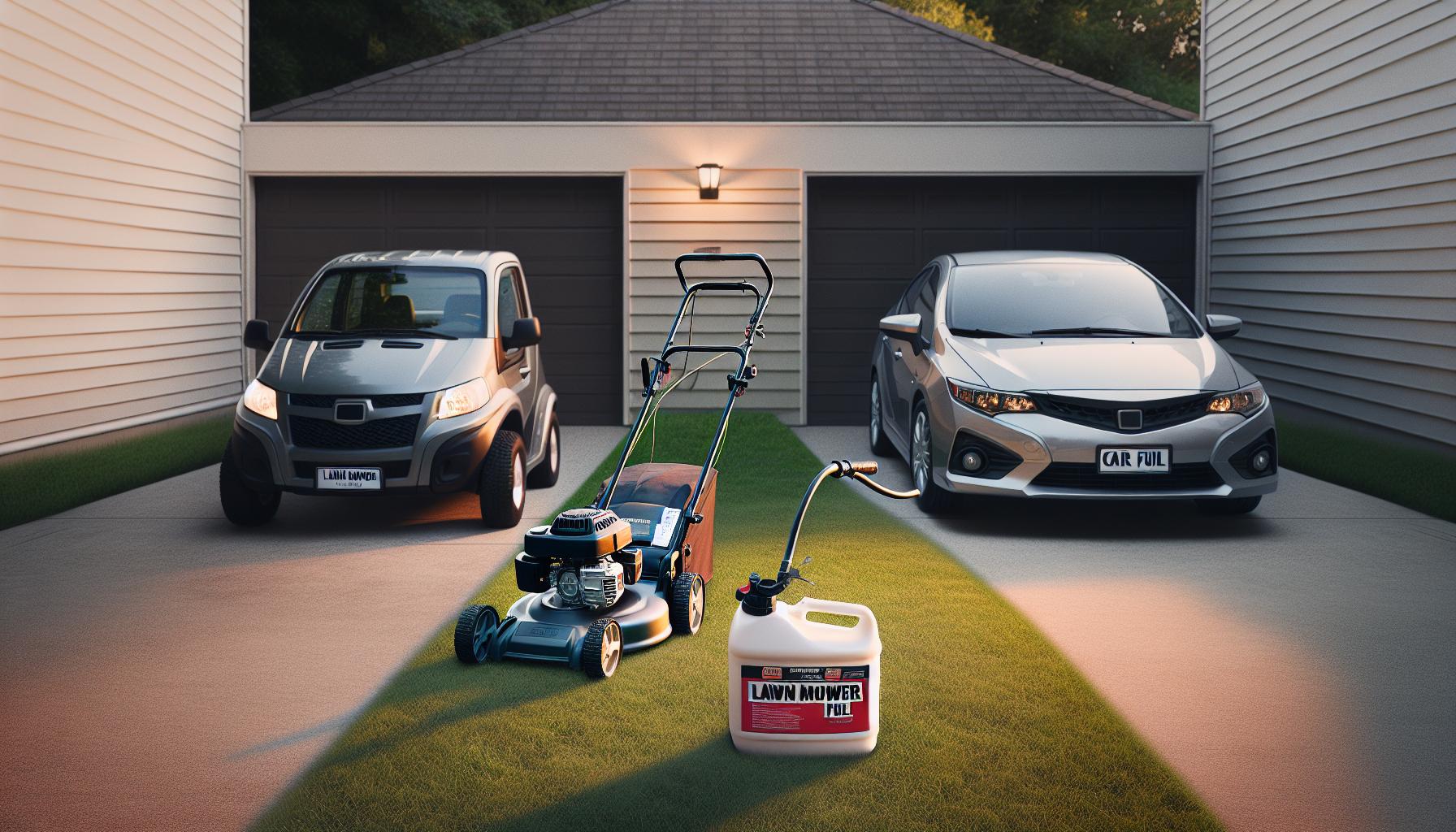
Gasoline might seem like a one-size-fits-all solution, but when it comes to fueling your lawn mower versus your car, there are crucial distinctions that can shape performance and longevity. Firstly, lawn mowers are typically designed to run on fuels with a lower ethanol percentage, generally about 10% ethanol (known as E10). In contrast, modern cars generally can utilize higher ethanol blends, such as E15 or E85, which may enhance the performance of certain engines. This fundamental difference is rooted in the engine designs; lawn mower engines generally lack the robust engineering found in many modern vehicles, making them ill-equipped to handle higher concentrations of ethanol.
Moreover, the octane rating is another vital aspect that differentiates lawn mower fuel from car gasoline. Standard unleaded gasoline with an octane rating of 87 is often sufficient for most lawn mowers. Using a higher octane fuel may not yield any benefits and can result in unnecessary costs. On the other hand, performance vehicles may require premium gasoline, with octane ratings of 91 or higher, to prevent knocking and optimize performance. This distinction is essential for users to understand to avoid wasting money on fuel type that doesn’t enhance mower performance.
Understanding fuel quality is equally important. High-quality gasoline, which is free of impurities, can provide smoother operation and reduce wear. Poor fuel quality can lead to engine problems such as poor combustion, which may cause starting issues or reduced power. Regularly using fresh fuel while also paying attention to any fuel storage guidelines can help maintain your lawn mower’s efficiency. Additionally, while car gasoline can be more forgiving in terms of impurities, maintaining quality in both fuel types will ensure smoother operations across the board.
In summary, recognizing the differences in fuel requirements for lawn mowers and cars is essential for keeping your equipment in optimal condition. Choosing the right type can enhance performance, extend machinery lifespans, and prevent costly repairs down the line. Always consult the owner’s manual for specific recommendations on fuel types and quality to ensure your machines operate seamlessly.
What Type of Gas is Best for Your Lawn Mower?
Choosing the right fuel for your lawn mower is crucial for its performance and longevity. While it may be tempting to fill your mower’s tank with whatever is convenient, understanding the nuances of gasoline types can profoundly impact how well your equipment runs. For most modern lawn mowers, a standard unleaded gasoline with an octane rating of 87 is perfectly suitable. Unlike vehicles designed for high-performance, lawn mowers typically don’t require higher octane fuels, as they can run efficiently on lower grades without any risk of knocking or pre-ignition.
When considering the ethanol content, it’s important to stick to fuels with 10% ethanol (known as E10) or less. Most lawn mower engines are not designed to handle the higher ethanol blends (like E15 or E85) commonly used in cars. Excessive ethanol can lead to fuel system issues, such as clogged carburetors and fuel lines, which can derail your mowing tasks and leave you handling costly repairs. Therefore, when refueling, always check your fuel blend to ensure it’s appropriate for your mower’s specifications.
If you’re eager to boost your mower’s performance, consider using premium gasoline that is specifically formulated for small engines, which often contain additives that can help clean and protect the engine. Additionally, using gasoline from reputable sources can make a significant difference in quality. Fresh gas-preferably used within 30 days-will help prevent problems like difficult starts and engine stumbles, which are often the result of stale fuel. Storing gasoline improperly or for prolonged periods can lead to deterioration, making it less effective for your mower.
In summary, for optimal operation of your lawn mower, select regular unleaded gasoline with an octane rating of 87 or lower, with minimal ethanol content. Regular maintenance and timely refueling with the right gas can greatly extend the life of your mower and ensure a reliable performance through every mowing season.
Benefits of Using the Right Fuel for Lawn Equipment
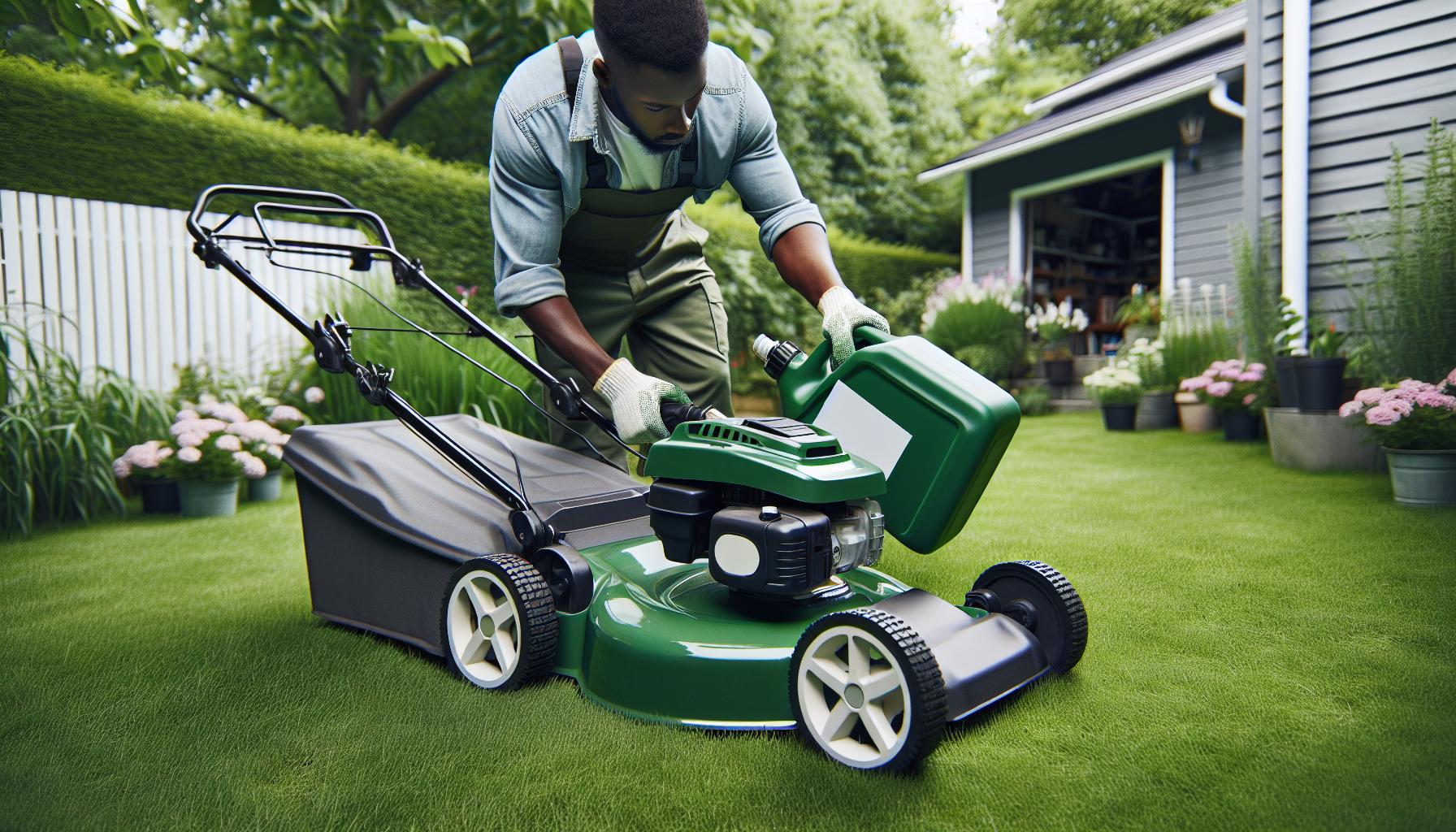
Using the correct fuel for your lawn equipment is not just a matter of convenience-it’s essential for maintaining the health of your mower and ensuring optimal performance. It might surprise you to learn that the wrong fuel can result in significant issues, ranging from reduced efficiency and engine failures to costly repairs. When you choose a fuel that aligns perfectly with your mower’s specifications, you set the foundation for a smoother operation and longer lifespan of the equipment.
One of the most notable benefits of selecting the right type of gasoline is enhanced engine performance. Regular unleaded gasoline with an octane rating of 87 and limited ethanol content (preferably E10 or less) is designed specifically to meet the operational needs of lawn mowers. This kind of fuel helps prevent problems such as knocking and misfiring, which can lead to a less effective cutting performance and increased wear on engine components. An example of this can be seen in garden maintenance; a well-fueled mower will tackle tougher grass and uneven terrains far more effectively than one running on subpar fuel.
Moreover, using appropriate fuel greatly reduces maintenance costs. When the correct fuel is utilized, there is less likelihood of carbon buildup in the engine and fuel system-a common issue caused by higher ethanol blends. This maintenance-free benefit saves you time and money in the long run, as you’ll spend less on repairs and more time enjoying a beautifully manicured lawn.
Another crucial aspect is the environmental impact. High-quality fuel typically allows for cleaner combustion, resulting in fewer emissions. By choosing a fuel that is better for your lawn mower’s engine, you are also contributing to reduced air pollution-an important consideration for any eco-conscious homeowner.
In summary, the right fuel not only extends the operational life of your lawn equipment but also boosts its performance and sustainability. With these benefits in mind, it’s time to give your lawn mower the care it deserves by selecting fuel tailored to its needs.
The Impact of Fuel Quality on Engine Performance
The quality of fuel used in lawn mowers has a profound effect on engine performance and longevity, and it’s a topic that often gets overlooked by many homeowners. Using substandard or contaminated fuel can lead to issues ranging from decreased efficiency to severe engine damage, making it imperative to understand the significance of fuel quality. Low-quality gasoline can introduce impurities into the fuel system, leading to clogging in fuel filters and injectors which can impair proper engine function. In contrast, high-quality fuel allows for smoother combustion, optimizing the power output and efficiency of your mower.
Benefits of High-Quality Fuel
When lawn equipment operates on high-quality fuel, it experiences better engine performance, leading to an enhanced cutting ability. For instance, a mower running on premium fuel may exhibit increased torque, making it more effective at tackling thick grass or uneven terrain, ultimately resulting in a more efficient mowing session. A clean burn facilitated by quality fuel reduces the likelihood of carbon buildup, which not only simplifies maintenance but also extends the life of the engine.
Additionally, the right fuel contributes to the overall health of the equipment. It ensures that essential components within the engine-such as spark plugs and combustion chambers-remain free from harmful deposits, thereby reducing the frequency of repairs. Regularly using quality gasoline can save you time and money by preventing these problematic issues from arising, allowing you to focus more on lawn care rather than on engine repair.
Ethanol’s Role in Fuel Quality
Another critical aspect to consider is the impact of ethanol on fuel quality. While many lawn mowers can handle fuel that contains ethanol, excessive levels, often found in blends higher than E10 (10% ethanol), can lead to corrosion and fuel system damage. Ethanol can attract moisture, promoting rust in the fuel tank and lines. This deterioration can significantly affect engine performance and increase long-term maintenance costs. Choosing an ethanol-free or low-ethanol fuel option can markedly reduce these risks, enhancing both performance and longevity.
In summary, is crucial for lawn mower operation. Selecting a high-quality fuel not only maximizes performance and efficiency but also minimizes maintenance hassles and repair costs associated with engine wear and fuel system damage. Making informed fuel choices can lead to a more enjoyable and productive mowing experience.
Understanding the Importance of Octane Ratings
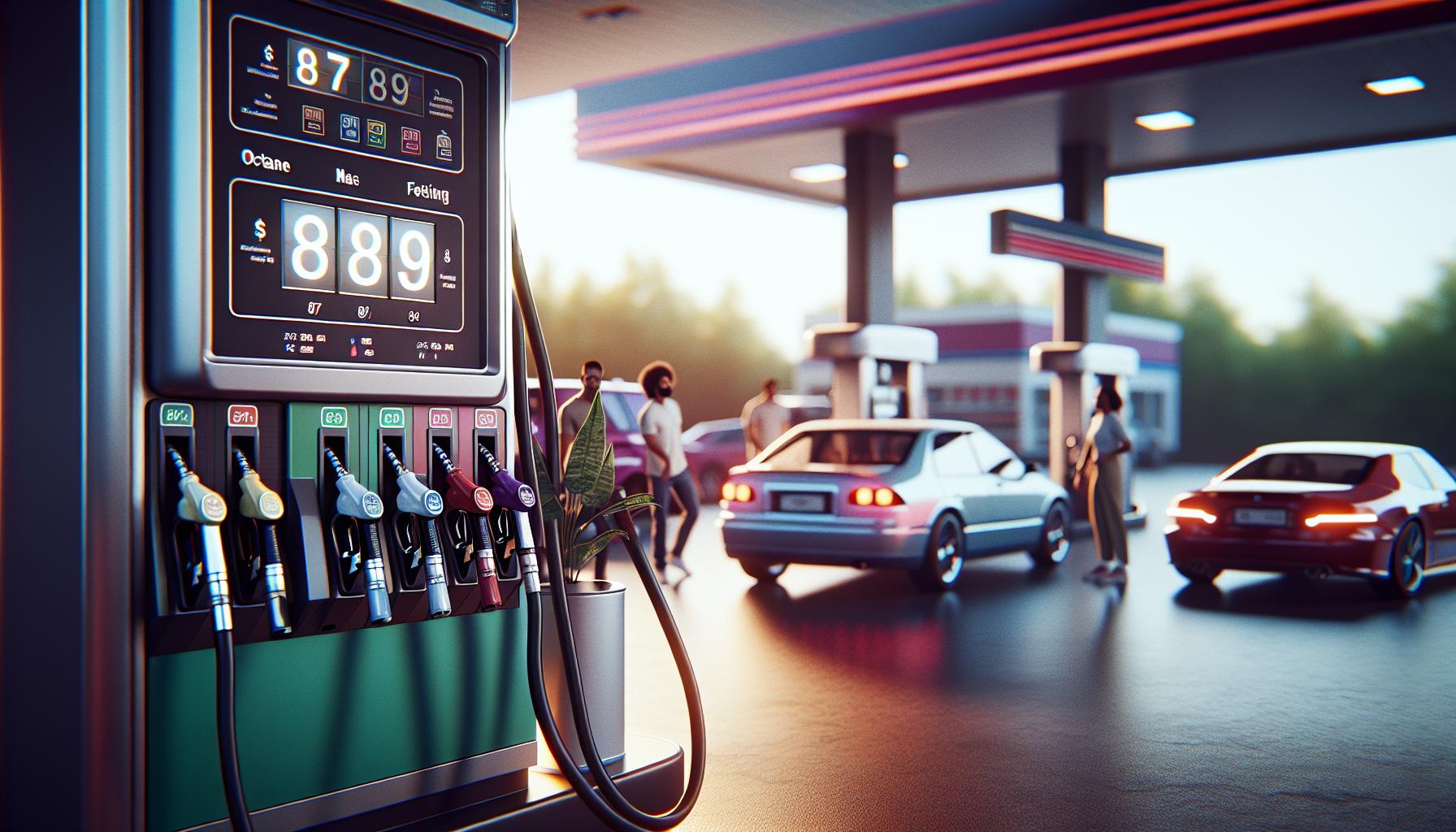
Selecting the right fuel for your mower may seem straightforward, but understanding the role of octane ratings can make a significant difference in performance and efficiency. Octane ratings measure a fuel’s ability to resist knocking or pinging during combustion, with higher ratings indicating a higher resistance. For most modern lawn mowers, using regular unleaded gasoline with an octane rating of 87 is recommended, making it compatible with the engines designed for this rating. However, many users may question whether higher octane gasoline will yield better results.
Higher octane fuel is generally unnecessary for lawn mowers and can actually be a waste of money. In fact, using fuel with an octane rating greater than what is specified by the manufacturer does not provide any additional benefits in terms of power or performance; it merely increases your costs. For mowers with low compression engines, which are designed to operate efficiently on lower octane fuel, using high-octane options can lead to unutilized potential, as the engine does not require the added resistance to knocking that these fuels provide.
Another consideration is the potential impact of fuel quality and its relationship with octane ratings. Regularly using fuel with octane ratings below 87, particularly those with higher ethanol contents, can lead to engine knocking, reduced efficiency, and long-term damage. It’s important to pay attention not just to the octane rating but also to the overall quality of the fuel, including the ethanol content. Ethanol blends, particularly those exceeding E10, can exacerbate issues in small engines, leading to corrosion and fuel system problems.
In conclusion, while the octane rating is a critical factor in selecting the right fuel for your lawn mower, using the appropriate octane level-typically 87-is essential for optimal performance. Understanding these nuances can help you avoid unnecessary expenses while ensuring that your mower operates smoothly and efficiently. Always check the specifications provided by your mower’s manufacturer to align your fuel choices with their recommendations for best results.
When to Use Ethanol vs. Non-Ethanol Gas
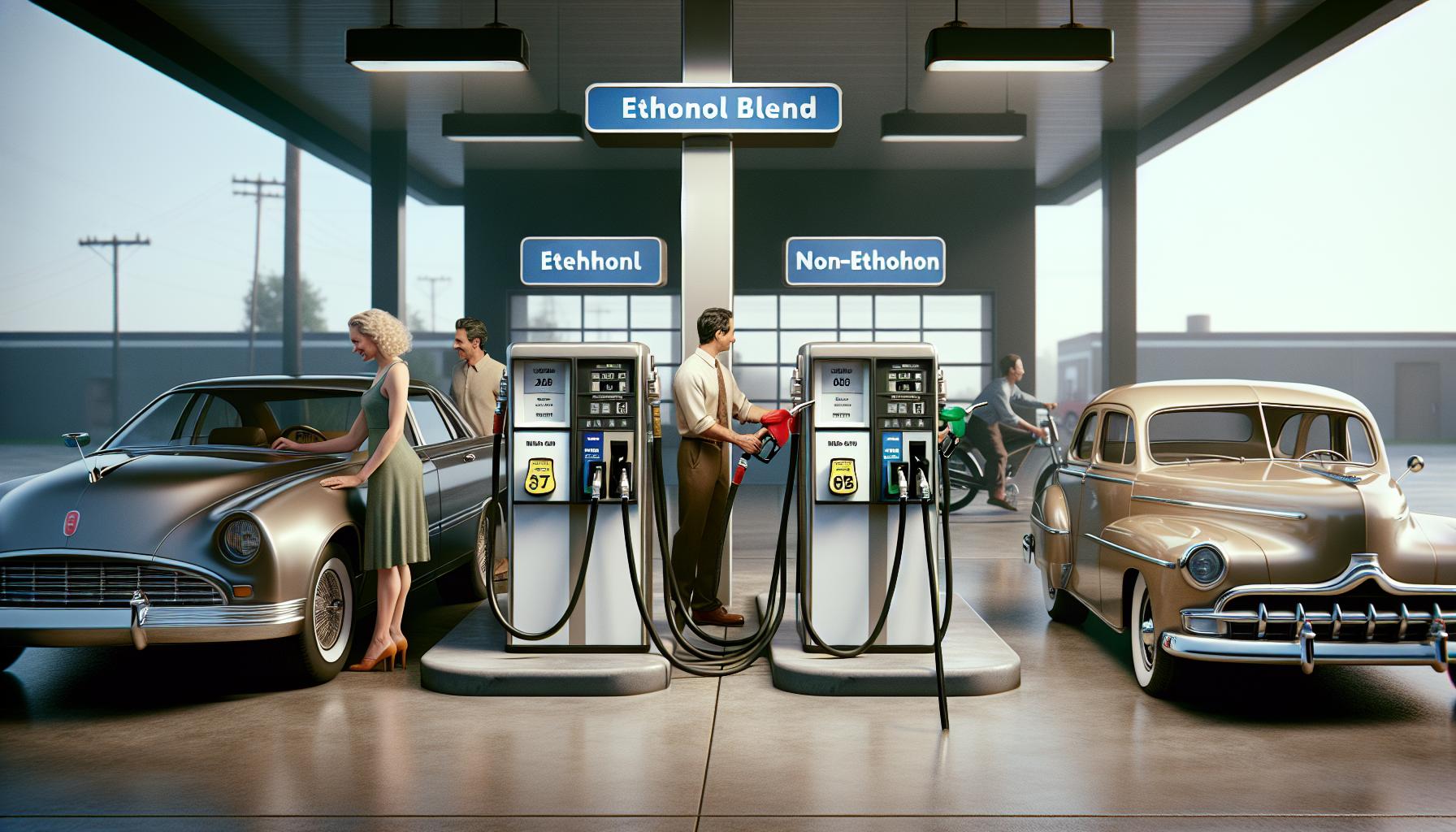
Understanding what type of fuel to use for your lawn mower can significantly impact its performance and longevity. Although many gas stations provide fuel that contains a blend of ethanol, known as E10 (which consists of 10% ethanol), choosing the right type-whether ethanol or non-ethanol gas-requires careful consideration.
Ethanol is often touted as a renewable fuel option, but it can lead to various issues in small engines found in lawn mowers. When you use ethanol-blended fuel, it can absorb moisture over time, which may cause starting difficulties and lead to corrosion in the fuel system. For equipment like mowers that may sit idle for extended periods, this characteristic of ethanol can create significant problems, such as gumming up carburetors or resulting in poor combustion. Therefore, if your lawn mower will remain unused for a while, or if you know you’ll be using it infrequently, opting for non-ethanol gas is advisable. This type of fuel has a longer shelf life and is less prone to drawing in moisture, making it an excellent choice for those who prioritize maintenance and reliability.
In contrast, if you frequently mow your lawn and consistently use your mower throughout the season, you might find that E10 fuel works adequately. Many manufacturers state that modern lawn mowers are designed to handle lower ethanol blends without significant issues. If using ethanol, it is still prudent to regularly maintain your mower-such as draining the fuel before prolonged storage and using fuel stabilizers to minimize potential problems.
Ultimately, the decision rests on usage patterns and storage habits. For optimal maintenance and performance-especially if you expect your mower to face varying conditions-non-ethanol fuel is a safer bet. Nevertheless, if convenience and cost-effectiveness are your priorities, and the mower’s usage is regular, E10 may be a sufficient option.
Storage and Shelf Life of Mower Gas vs. Car Gas
Gasoline isn’t just gasoline when it comes to the engines running your lawn mower versus your car. One crucial aspect that significantly influences engine performance and maintenance is the storage and shelf life of the fuel used in these two types of equipment. Properly managing the fuel for your lawn mower can determine both its short-term functionality and long-term condition.
Lawn mower fuel tends to have a shorter shelf life compared to car gas. While most car gasoline can stay fresh for up to six months to a year, lawn mower fuel-particularly ethanol-blended varieties-may only remain effective for about 30 to 90 days. This is primarily due to the tendency of ethanol to attract moisture, which can lead to phase separation. When the water separates from the fuel, it can settle at the bottom of the tank and cause starting issues or engine damage if consumed. Therefore, if you’re using your lawn mower infrequently or storing it for an extended period, you should consider using a fuel stabilizer. This additive helps extend the life of the gasoline and mitigates the problems associated with ethanol.
For optimal performance, it’s recommended to drain the fuel tank of your mower at the end of the mowing season or before long storage periods. After draining, ensure that you run the engine until it runs out of fuel, helping to clear out any residual gas in the carburetor. In contrast, car gas doesn’t require the same level of attention because vehicles are typically driven more frequently, allowing the fuel to be refreshed regularly.
In summary, understanding the differences in storage practices and shelf life between mower gas and car gas is essential for maintaining both types of engines. Prioritizing fuel quality and implement proper storage techniques can lead to enhanced performance and longevity of your lawn equipment.
Common Misconceptions About Lawn Mower Fuel
Many homeowners operate under the misconception that all gasoline is created equal, but this belief can lead to serious issues when it comes to fueling lawn mowers versus cars. One prevalent myth is that using premium gasoline will somehow enhance a lawn mower’s performance. However, most lawn mowers, designed for efficiency and durability, actually run best on regular unleaded gasoline with an 87 octane rating. Using higher octane gas does not provide any benefits and can also lead to unnecessary expenses.
Another common misunderstanding is the belief that all gas types are suitable for lawn mowers. It’s important to note that while many lawn mowers can run on the same fuel as cars, those with two-stroke engines require specific premixed fuel, which differs from standard automotive fuels. This distinction is crucial as using the wrong fuel can result in engine damage or poor performance.
Additionally, many users are unaware of the detrimental effects of ethanol in gasoline. While up to 10% ethanol (E10) is typically safe for most lawn mowers, higher concentrations can attract moisture, cause corrosion in fuel systems, and ultimately lead to engine failures. It’s a pervasive misunderstanding that all ethanol blends are harmless; users should always check manufacturer guidelines regarding fuel type to avoid issues.
Lastly, the impression that lawn mower engines don’t require consistent fuel management can be misleading. Unlike cars, lawn mowers often sit idle for longer periods, making it essential to drain old fuel to prevent starting problems caused by degraded gas. Therefore, understanding fuel storage practices, including the use of fuel stabilizers, is key to extending mower lifespan and performance. By dispelling these misconceptions, owners can ensure their lawn mowers run efficiently and reliably.
Environmental Considerations for Lawn Mower Fuel Choices
The choice of fuel for your lawn mower is not just about performance-it’s also about minimizing environmental impact. While gasoline powers both cars and mowers, the environmental considerations can differ significantly. For instance, the type of fuel used in lawn mowers often leads to emissions that can contribute to air pollution and adversely affect local ecosystems. Using fuels with high ethanol content, such as E15 or greater, can amplify these issues due to their propensity to draw moisture from the air, which can lead to increased emissions and fuel contamination.
To make environmentally conscious decisions, it’s essential to understand the implications of fuel quality. Regular unleaded gasoline with a low ethanol content (up to 10% or E10) is generally considered acceptable for most lawn mowers. However, opting for non-ethanol gas can further reduce harmful emissions, safeguarding both equipment and the environment. Less ethanol minimizes the risk of moisture absorption and associated engine problems, leading to a cleaner burn and reduced pollution overall.
Choosing the right fuel is also essential for maintaining healthy lawns. Certain gasoline formulations can leave behind harmful deposits in the engine that ultimately contribute to air and soil contamination. Selecting high-quality fuels helps mitigate these risks, ensuring that your mower operates efficiently and emits fewer pollutants. Additionally, responsible storage and disposal of gasoline can significantly lessen environmental impacts. Always use fuel stabilizers to prolong shelf life, and never dump old fuel on the ground or down drains; instead, seek out local recycling facilities that can properly dispose of hazardous materials.
Understanding these environmental considerations not only benefits your equipment but also contributes to broader efforts to reduce pollution and protect our natural resources. By adopting best practices for fuel selection and management, lawn care enthusiasts can play a significant role in promoting a healthier planet while maintaining their landscapes effectively.
Tips for Transitioning Between Fuel Types
Transitioning from one fuel type to another can feel daunting, especially when considering the specific needs of lawn mowers compared to cars. However, it’s crucial to remember that while both utilize gasoline, the implications of switching fuel types can directly impact your equipment’s performance and longevity. The key is understanding the characteristics of each fuel type and how they interact with your engine.
When you’re planning to switch from ethanol-blended fuels (like E10) to non-ethanol gasoline or vice versa, start by fully draining the old fuel from your mower’s tank and lines. Old fuel, especially mixes with higher ethanol content, can attract moisture, causing potential damage to small engines. After draining, run the mower for a short period to ensure no residues remain. Once that’s complete, introduce the new fuel slowly, allowing the system to adapt to the changes. If moving to higher ethanol blends, be aware that these fuels can lead to gumming in carburetors and fuel injectors. Thus, regular maintenance-such as cleaning the carburetor-becomes even more crucial.
Keep in mind that the octane rating of your fuel matters as well. Lawn mowers generally function well with lower octane regular gas, around 87 octane. If you previously used high-octane gas in your car, maintain caution when switching back to your mower. Some users assume that using a premium fuel will enhance mower performance, but this is generally not true and can lead to unnecessary engine stress and complications.
Lastly, as you make these transitions, always consider your storage practices. Gasoline can degrade over time, losing its efficacy-typically around 30 days without stabilization. If you’re rotating fuels frequently, consider investing in a fuel stabilizer for long-term storage, which can extend the life of your gasoline and keep your engine running smoothly. By taking these steps, you can effectively navigate fuel transitions while ensuring optimal performance for both your lawn mower and your vehicle.
Q&A
Q: What is the main difference between lawn mower gas and car gas?
A: The primary difference lies in ethanol content. Lawn mower engines are sensitive to ethanol; while cars often use gas with up to 10% ethanol, this can damage lawn mowers over time. Using non-ethanol gas is often recommended for optimal performance.
Q: Can I use premium gas in my lawn mower?
A: Premium gas, typically higher in octane rating, is unnecessary for most lawn mowers. Standard unleaded gas is sufficient, but if your mower manufacturer recommends premium, it can help with performance issues. Always check the owner’s manual for guidance.
Q: How does ethanol affect lawn mower engines?
A: Ethanol can attract moisture, leading to corrosion and engine issues in lawn mowers. Prolonged use of ethanol-blended fuels may result in clogged fuel lines and deterioration of rubber components. Using non-ethanol fuel reduces these risks significantly.
Q: Is it safe to store car gas in my lawn mower?
A: Storing car gas in your lawn mower is not advisable if it contains significant ethanol. Lawn mowers perform best with non-ethanol gas due to its stability and lower risk of damage. Always prioritize fuel type for optimal engine care.
Q: What happens if I accidentally mix lawn mower gas with car gas?
A: Mixing lawn mower gas with car gas can lead to performance issues such as rough idling or starting problems, especially if the gas contains high ethanol content. If this happens, consider draining the tank and refilling with the correct fuel type.
Q: How long can you store gas for lawn mowers?
A: Gas for lawn mowers can typically be stored for up to 30 days without significant degradation. Adding a fuel stabilizer can extend its shelf life to about 3-6 months. Always store fuel in a cool, dark place within a proper container.
Q: Are there environmental benefits to using non-ethanol gas in lawn mowers?
A: Yes, non-ethanol gas burns cleaner than ethanol-blended fuel, producing fewer emissions. This is beneficial for both air quality and engine longevity. Opting for this fuel can reduce your carbon footprint while maintaining your mower efficiently.
Q: How do I know if my lawn mower needs a specific type of fuel?
A: Check your lawn mower’s owner’s manual for fuel recommendations. Manufacturers often specify whether regular or premium fuel is needed and indicate the allowable ethanol content. Adhering to these guidelines ensures optimal performance and longevity.
In Retrospect
In conclusion, understanding the differences between lawn mower gas and car gas is essential for optimal performance and engine longevity. Make sure you choose the right fuel type that aligns with your equipment’s requirements to avoid costly repairs and ensure a smooth mowing experience. If you have further questions or need guidance, don’t hesitate to explore our related articles on fuel types and maintenance tips for lawn care equipment.
Join our community by signing up for our newsletter for expert insights, and feel free to share your experiences or ask questions in the comments below. Dive deeper into our resources on how to maintain your lawn mower effectively or enhance your lawn care knowledge with our detailed guides. For the best results in your lawn care practices, stay informed and empowered!