Every lawn care enthusiast knows that a well-maintained lawn mower is essential for a pristine yard. One crucial component that often goes overlooked is the spark plug, which plays a vital role in the mower’s engine performance. Understanding where the spark plug sits and how to change it can not only enhance your mower’s efficiency but also extend its lifespan, saving you time and money in the long run.
If you’ve ever faced the frustration of a mower that won’t start or runs unevenly, knowing how to check and replace the spark plug could be the key to restoring its power. With a few simple tools and some guidance, you can tackle this task confidently, ensuring your mower is ready whenever you need it. So let’s dive into the details of spark plug location and replacement, empowering you to keep your lawn care routine running smoothly.
Where to Locate Spark Plug on Your Lawn Mower
Locating the spark plug in your lawn mower is crucial for maintaining its performance and ensuring a smooth operation. Most lawn mowers equipped with gasoline engines have the spark plug positioned prominently on the side or top of the engine block. It’s generally covered by a rubber boot, which can be easily removed to access the plug. The spark plug is typically cylindrical and fits into a threaded hole, making it easy to identify even for those new to mower maintenance.
For most mowers, you can follow a few simple steps to find the spark plug. First, ensure that the mower is turned off and has cooled down completely. After locating the engine, look for a thin wire or boot attached to a cylindrical component – this is the spark plug wire leading to your spark plug. Once the boot is removed, you’ll see the spark plug itself, which may require a socket wrench for removal. Always refer to the mower’s manual for specific details regarding the location and specifications of the spark plug, as designs may vary significantly between different models.
If you’re having trouble locating your spark plug, consider checking the manufacturer’s website or forums specific to your mower model for visual guides or diagrams. Identifying the location of this vital component will not only empower you to carry out routine maintenance tasks effectively but also make it easier to troubleshoot starting issues that might arise. Being proactive about checking your spark plug can lead to better fuel efficiency and performance in your lawn mowing experience.
Essential Tools for Changing a Lawn Mower Spark Plug
When it comes to changing the spark plug on your lawn mower, having the right tools is essential for a smooth and efficient process. You’ll want to set yourself up for success by gathering these items before you get started. A simple oversight can make what should be a straightforward task more complicated and frustrating.
To begin with, you will need a socket wrench-typically a 13/16-inch or 5/8-inch socket, depending on your mower’s spark plug. The socket is specifically designed to fit over the spark plug, allowing you to easily turn and remove it. Additionally, a spark plug gap gauge is vital for ensuring your new plug is set to the correct gap for optimal performance. Without this gauge, you may find yourself under or over the recommended spark gap, impacting engine efficiency.
Having a spark plug boot puller on hand is also a smart choice. This handy tool helps remove the rubber boot covering the spark plug, making access easier without risking damage to the wire. Finally, don’t forget to have a cleaning brush for cleaning the spark plug area before you install the new one. Any debris can interfere with the performance of the new plug, so it’s critical to ensure the area is clear.
In summary, assembling the right tools-socket wrench, gap gauge, boot puller, and a cleaning brush-will streamline your spark plug replacement process. This preparation not only saves time but also enhances your mower’s performance, making each mowing session efficient and effective.
Step-by-Step Guide to Changing Your Spark Plug
Changing a spark plug in your lawn mower can significantly enhance its performance and reliability, making it a crucial maintenance task for any homeowner. Before diving into the replacement process, ensure your mower is powered off and cool to avoid any burns or accidents. Start by removing the lawn mower’s spark plug boot, using your hands or a spark plug boot puller if you have one, to minimize potential damage to the wire beneath. This step clears the way for easier access to the spark plug itself.
Once the boot is off, locate the spark plug using a socket wrench that fits your specific lawn mower model, typically a 13/16-inch or 5/8-inch socket. Fit the socket over the spark plug and turn it counterclockwise to loosen it. Be prepared for some resistance, especially if the spark plug hasn’t been changed in a while. Once loose, continue turning until you can safely remove it by hand. Before inserting the new spark plug, inspect the socket for any debris and clean it with a brush to ensure a smooth fit.
As you prepare to install the new spark plug, use a spark plug gap gauge to verify that the gap is set correctly, ensuring optimal engine efficiency. Many new plugs come pre-gapped, but it’s always wise to double-check. Carefully insert the new spark plug into the socket hole by turning it clockwise until finger-tight. Finally, use the socket wrench to secure the new plug, being careful not to overtighten, as this could damage the threads in the engine. Reattach the spark plug boot, and your lawn mower should be ready for action, delivering enhanced performance with each use.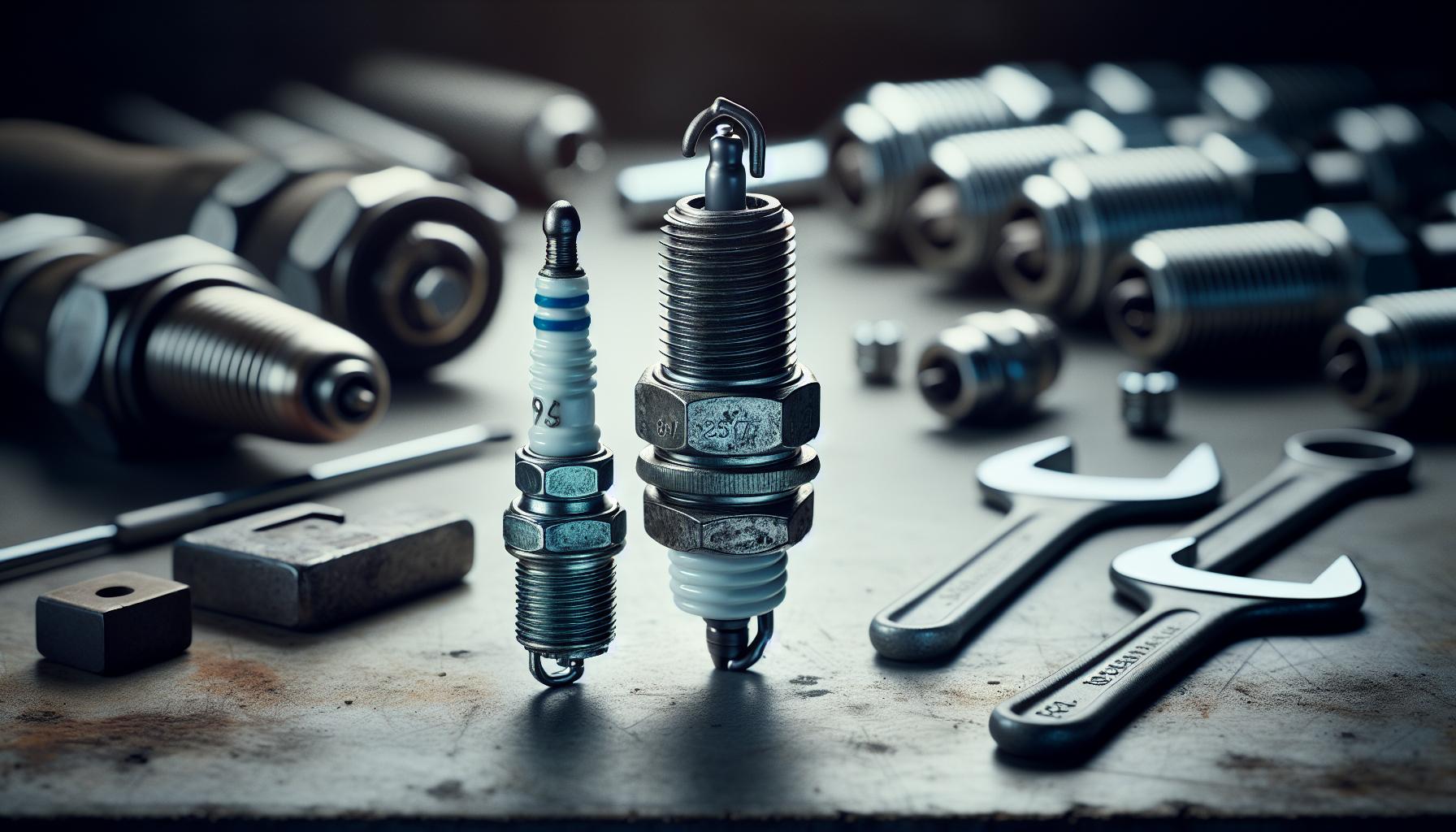
Recognizing Signs of a Worn Spark Plug
Recognizing when a spark plug is worn out is vital for maintaining your lawn mower’s efficiency and prolonging its lifespan. A spark plug that is not functioning optimally can lead to poor engine performance, increased fuel consumption, and even engine damage. Since the spark plug plays a crucial role in igniting the air-fuel mixture in the engine, any signs of wear should be addressed promptly.
One of the most noticeable indicators of a worn spark plug is difficulty starting the mower. If you find yourself cranking the engine multiple times before it starts, it’s time to check the spark plug. Additionally, you may observe inconsistent engine performance, such as sputtering or uneven idling, which can indicate that the spark plug has developed carbon buildup or wear. If the mower emits excessive smoke or has a rough running engine, these could also be signs of a failing spark plug that requires immediate attention.
Another clear sign is the appearance of the spark plug itself. When you remove it for inspection, look for discoloration, corrosion, or a burned appearance. A healthy spark plug should be light tan or gray in color. If you see black, oily deposits, it may indicate that your engine is burning oil, while white or blistered electrodes suggest overheating. All of these signs serve as visual cues that it’s time to replace the spark plug to restore your mower’s performance.
In addition, if your lawn mower experiences frequent stalling or a rough start even after refueling, these could be symptoms of a spark plug that is failing to ignite the fuel properly. Regular maintenance and periodic inspections can prevent inconvenient breakdowns and keep your mower running smoothly. Being aware of these signs will not only save you time but also enhance your mowing experience, helping to ensure your lawn looks its best.
Choosing the Right Spark Plug for Your Lawn Mower
Selecting the right spark plug for your lawn mower is paramount for ensuring optimal engine performance and longevity. Just as a car requires a specific type of spark plug to function efficiently, so does your lawn mower. The right spark plug enhances ignition efficiency, reduces emissions, and can even improve fuel economy, ultimately contributing to a healthier, greener lawn.
To choose the correct spark plug, start by consulting your lawn mower’s owner manual, which typically specifies the required spark plug type and size. Commonly, spark plugs fall into categories such as standard, resistor, or extended-life plugs, each designed for different engine needs. Standard plugs are suitable for most lawn mowers, while resistor plugs help reduce radio interference. Extended-life plugs offer a longer replacement interval due to their durable materials.
When purchasing a spark plug, also consider the manufacturer’s recommendations regarding heat range and electrode gap. The heat range determines how quickly the plug dissipates heat; a cooler plug is often better for mowing in hot conditions, while a hotter plug may be beneficial in cooler environments. The electrode gap must match the mower’s requirements, as an incorrect gap can lead to misfires or inefficient combustion.
Additionally, pay attention to the construction materials. Copper-core plugs are standard and affordable, but if you’re looking for enhanced performance, consider platinum or iridium plugs. These materials offer better durability and conductivity, leading to improved ignition and efficiency. Always choose plugs that have been tested and approved for your specific mower model, as this ensures compatibility and reliability for your lawn maintenance tasks.
By investing a little time in research and selecting the appropriate spark plug, you can significantly impact your lawn mower’s performance, making each mowing session smoother and more effective. Keeping these factors in mind not only helps in making an informed purchase but also sets the stage for a well-maintained mower that will serve you well for years to come.
Cleaning Spark Plugs: Tips for Better Performance
Keeping your lawn mower running smoothly often hinges on attention to the simplest components, like the spark plug. Did you know that a dirty or fouled spark plug can significantly impact your mower’s performance? Regular cleaning can enhance efficiency, improve starting, and ensure smoother operations during mowing.
To begin the cleaning process, you’ll need a few basic tools: a spark plug socket, a wire brush, and a can of carburetor cleaner. First, make sure your lawn mower is off and cool to avoid any burns. Once you’ve located the spark plug, use the socket to gently unscrew it from its position. Inspect the plug for any visible dirt, carbon buildup, or wear.
Cleaning Process
- Remove Debris: Use the wire brush to carefully scrub away any carbon deposits. This helps restore the plug’s ability to spark effectively.
- Use Cleaner: After brushing, spray a bit of carburetor cleaner on the plug and wipe it down with a clean cloth. This removes any stubborn grime that may interfere with performance.
- Check the Gap: Once cleaned, it’s crucial to measure the electrode gap using a feeler gauge or a spark plug gap tool. Ensure it meets the specifications provided in your mower’s owner manual.
Once you’ve cleaned the spark plug, reinsert it into the mower’s engine, tightening it to the manufacturer’s specifications. Regular maintenance, including spark plug cleaning, not only enhances performance but can also prolong the life of your mower. With a bit of effort, you ensure that the spark plug remains in optimal condition, facilitating better fuel ignition and preventing potential engine issues down the line.
Preventive Maintenance: Extending Spark Plug Life
A well-maintained spark plug is crucial for the efficient operation of your lawn mower, yet many owners overlook this simple component. Did you know that the condition of your spark plug can directly influence fuel efficiency, power output, and overall engine longevity? By implementing preventive maintenance, you can not only extend the life of your spark plug but also contribute to a smoother, more reliable mowing experience.
One of the key aspects of preventive maintenance is to establish a regular inspection schedule. Aim to check your spark plug every 25 hours of operation or at the start of each mowing season. During these checks, look for signs of wear such as discoloration, carbon deposits, or physical damage. If you notice anything unusual, it may be time for either cleaning or replacement. Additionally, ensure that the spark plug gap is set according to the specifications in your mower’s manual, as an improper gap can lead to inefficient firing and reduced performance.
Another practical tip is to use high-quality fuel and oil, which can significantly reduce deposits on the spark plug. Ethanol-free fuel, in particular, tends to create fewer residues, yielding a cleaner combustion process. Moreover, adding a fuel stabilizer can help prevent the fuel from breaking down over time, which can also contribute to unwanted deposits on the spark plug. Lastly, always remember to store your lawn mower in a dry, clean location and cover it to protect it from dust and moisture-that can help keep the spark plug and other critical components in optimal condition.
By staying proactive about spark plug maintenance, you will enhance not only the reliability of your lawn mower but also its performance. Investing a little time and attention can save you from more costly repairs down the line and ensure that your mower is ready for action when you need it.
Troubleshooting Common Spark Plug Issues
When dealing with a lawn mower, one of the most common issues that may arise is related to the spark plug. Often overlooked, a faulty spark plug can hinder engine performance, leading to difficulties in starting, rough idling, or a decline in overall mowing efficiency. To keep your mower running smoothly, you’ll want to be proactive in troubleshooting these common spark plug issues.
One prevalent problem is a spark plug that is fouled by carbon deposits. This usually occurs when the engine is running too rich-either from an overly rich fuel mixture or from a malfunctioning carburetor. Signs of a fouled spark plug include dark, oily deposits on the plug’s ceramic insulator. To resolve this, consider cleaning the spark plug with a wire brush or replacing it entirely if the damage is severe. Regular checks after every few uses can prevent excessive buildup and prolong the life of your spark plug.
Another issue to watch for is overheating, which can cause the spark plug to appear white or blistered. This overheating may result from incorrect fuel settings, prolonged use without rest, or a cooling system failure. If you notice these signs, it is crucial to assess the mower’s air intake and cooling components. Clean or replace any obstructed filters and air passages to ensure optimal airflow. Additionally, make sure you’re using the right fuel for your engine type to avoid operational issues.
Lastly, if your lawn mower refuses to start or has difficulty getting going, the spark plug may be incorrectly gapped or completely faulty. An incorrect gap can result in weak or inconsistent sparks, crippling the engine’s ability to ignite fuel properly. Consult your mower’s manual for the correct gap specifications, and use a feeler gauge to adjust as necessary. If the spark plug is cracked, chipped, or heavily worn, replacement is the best solution.
Addressing these common spark plug issues promptly can lead to a smoother, more efficient mowing experience, ensuring that your lawn stays looking its best without frequent interruptions for repairs or maintenance.
Understanding Spark Plug Types and Specifications
When it comes to lawn mowers, understanding the nuances of spark plug types and specifications can greatly enhance your mower’s performance and longevity. Spark plugs are not universally interchangeable; they come with different heats, sizes, and thread pitch that are crucial for optimal functionality. The right spark plug ensures a stable ignition and efficient combustion, which is vital for keeping your engine running smoothly.
Most lawn mower spark plugs are either copper, platinum, or iridium. Copper spark plugs are typically the most affordable and have good conductivity, but they may require more frequent replacements due to their shorter lifespan. Platinum spark plugs last longer and deliver better performance, making them ideal for high-performance engines. Iridium spark plugs, though more expensive, offer the best durability and increased engine efficiency, which can lead to better fuel economy and reduced emissions. Selecting the right material depends on the engine type and operational requirements.
Specifications to Consider
When choosing a spark plug, there are several specifications to take into account:
- Heat Range: This indicates the spark plug’s ability to dissipate heat. A plug that is too hot may cause pre-ignition, while one that is too cold could lead to fouling. Refer to your mower’s manual to find the recommended heat range.
- Thread Size and Type: Most lawn mower spark plugs have a 14mm or 19mm thread, but it is essential to verify the correct size for your model. The thread type (e.g., tapered seat or gasket) must also match to prevent leakage.
- Gap Size: The gap between the center and ground electrode affects the spark’s size and intensity. Checking this measurement and adjusting it as needed is a crucial part of maintenance.
- Brand and Model Compatibility: Many mower manufacturers recommend specific brands or models of spark plugs. Always consult your user manual to ensure compatibility.
By paying attention to these details when selecting a spark plug, you’ll not only enhance your mower’s performance but also extend the life of its engine. Regularly checking the condition of your spark plug and replacing it as necessary is a simple yet effective step in your mower maintenance routine, helping ensure that your lawn mower runs efficiently season after season.
Enhancing Mower Performance Through Spark Plug Care
Keeping your lawn mower in top shape requires attention to every component, and the spark plug is a critical player in that performance. A well-maintained spark plug ensures reliable ignition and optimal engine efficiency, directly influencing your mower’s ability to start easily and run smoothly. By committing to regular care and maintenance of your spark plug, you can enhance both the longevity of your equipment and the quality of your mowing experience.
One effective way to enhance mower performance through spark plug care is by regularly inspecting the spark plug for signs of wear or damage. Look for carbon buildup, corrosion, or any physical damage such as cracks or broken electrodes. These indicators can lead to misfires, inefficient fuel combustion, and increased emissions. Cleaning the spark plug can often restore its efficiency; using a wire brush or spark plug cleaner ensures that old deposits do not obstruct the spark. If cleaning doesn’t help, replacing the spark plug is typically a straightforward task that yields significant performance benefits.
Furthermore, maintaining the correct gap size between the electrodes is essential for ensuring the correct spark intensity. This gap can change with wear or due to fouling, so it’s advisable to check it regularly and adjust or replace the spark plug when necessary. A correct gap will not only enhance the combustion process but also promote better fuel efficiency, which is a win-win for both your lawn and your wallet.
Lastly, consider using a spark plug designated for high performance or extended life, such as those made from iridium or platinum. These specialized plugs often offer superior durability and can handle the rigors of lawn mower operation better than standard options. By investing in quality components and taking care of your spark plug, you’ll not only enhance performance but also reduce the chances of mechanical issues down the line, ensuring a smoother mowing experience.
When to Consult a Professional for Spark Plug Problems
Even the most diligent DIY enthusiast can encounter situations where spark plug issues exceed their expertise. While changing a spark plug is typically a straightforward task, some problems might indicate deeper mechanical issues requiring professional intervention. If you find your lawn mower exhibiting persistent starting difficulties despite a new plug or cleaning efforts, it might be time to call in an expert.
Irregular engine behavior, such as stalling or a rough idling, often signals underlying issues that may not be solvable by simply replacing or cleaning the spark plug. As these symptoms can stem from various components like the ignition system or fuel lines, consulting a professional can save you time and potential further damage to the engine.
When to Seek Help
Here are some situations when it’s prudent to reach out to a professional mechanic:
- No Change After Maintenance: If the mower continues to struggle despite changing the spark plug, other critical components may require examination.
- Unusual Noises: Sounds that deviate from normal operation, like knocking or grinding, often indicate mechanical issues beyond the spark plug.
- Fuel Leaks: Any visible signs of fuel leaks or strong gasoline odors can indicate serious problems that demand immediate attention.
- Electrical Issues: If you’re experiencing irregularities with the ignition system, such as a weak spark or no spark at all, professional evaluation is necessary.
In conclusion, while maintaining your lawn mower can often be managed independently, knowing when to solicit professional assistance is crucial for avoiding costly repairs and ensuring your equipment runs smoothly. Understanding your limits and recognizing the signs of more complex problems can help preserve the longevity and efficiency of your lawn mower.
Faq
Q: Where is the spark plug located on a lawn mower?
A: The spark plug is typically found near the engine on a lawn mower, often on the side or front. It is usually covered by a protective boot or cover. Refer to your mower’s manual for exact placement, as it can vary by model.
Q: How do I know if my lawn mower spark plug needs replacing?
A: You should replace your lawn mower spark plug if you notice poor engine performance, difficulty starting, or excessive engine vibrations. Additionally, check for signs of wear like carbon buildup or cracks. Regular inspections can help ensure optimal performance (Recognizing Signs of a Worn Spark Plug).
Q: Can I clean a spark plug instead of replacing it?
A: Yes, you can clean a spark plug using a wire brush or spark plug cleaner if it shows minor wear. However, if it’s heavily worn or damaged, replacement is recommended to maintain engine efficiency. For cleaning tips, see our section on cleaning spark plugs (Cleaning Spark Plugs: Tips for Better Performance).
Q: What tools do I need to change a lawn mower spark plug?
A: Essential tools include a spark plug socket, ratchet wrench, and gap gauge. A torque wrench may also be helpful for proper reinstallation. Ensure you have the right spark plug sizes compatible with your mower for a successful change (Essential Tools for Changing a Lawn Mower Spark Plug).
Q: How often should I change the spark plug in my lawn mower?
A: Generally, spark plugs should be changed every 25-50 hours of operation, or at least once a season. More frequent changes may be necessary if your mower is heavily used or shows signs of wear (Preventive Maintenance: Extending Spark Plug Life).
Q: What happens if I use the wrong spark plug for my lawn mower?
A: Using the wrong spark plug can lead to poor engine performance, difficulty starting, and potential engine damage. Always consult your mower’s manual for the correct specifications to ensure optimal compatibility and performance (Choosing the Right Spark Plug for Your Lawn Mower).
Q: How does a spark plug affect lawn mower performance?
A: A well-functioning spark plug ignites the air-fuel mixture in the engine, ensuring smooth operations. A faulty spark plug can result in misfires, reduced power, and efficiency loss. Regular maintenance and timely changes are key to maximizing performance (Enhancing Mower Performance Through Spark Plug Care).
Q: When should I seek professional help for spark plug issues?
A: If you’re unable to fix persistent starting problems or notice severe engine performance issues despite changing the spark plug, it’s wise to consult a professional. An experienced technician can diagnose underlying problems accurately (When to Consult a Professional for Spark Plug Problems).
In Summary
Now that you know where the spark plug sits in your lawn mower and how to change it, don’t hesitate to take action! Regular maintenance is crucial for optimal mower performance, so check out our guides on “Lawn Mower Maintenance Tips” and “Troubleshooting Common Lawn Mower Issues” for more insights. If you have questions or need further assistance, drop a comment below-we love to help!
Before you go, ensure you’re subscribed to our newsletter for the latest tips and exclusive content tailored just for lawn care enthusiasts like you. Remember, a well-maintained spark plug contributes to a clean, efficient engine and a beautifully manicured lawn, so don’t wait-equip yourself with the right knowledge today! Your lawn will thank you.