As the grass begins to grow and your lawn mower refuses to start, the frustration can be all too real. Did you know that many people wonder if they can use a car battery to jump their lawn mower? This question not only reflects a common concern among DIY enthusiasts but also touches on the compatibility of various battery types. Understanding whether a car battery can safely jump a lawn mower battery is crucial for avoiding potential damage and ensuring your mower runs smoothly when you need it most. In this article, we’ll dive into battery compatibility, the steps involved in jumping a mower, and important safety tips, ensuring you’re well-equipped for your next lawn care session.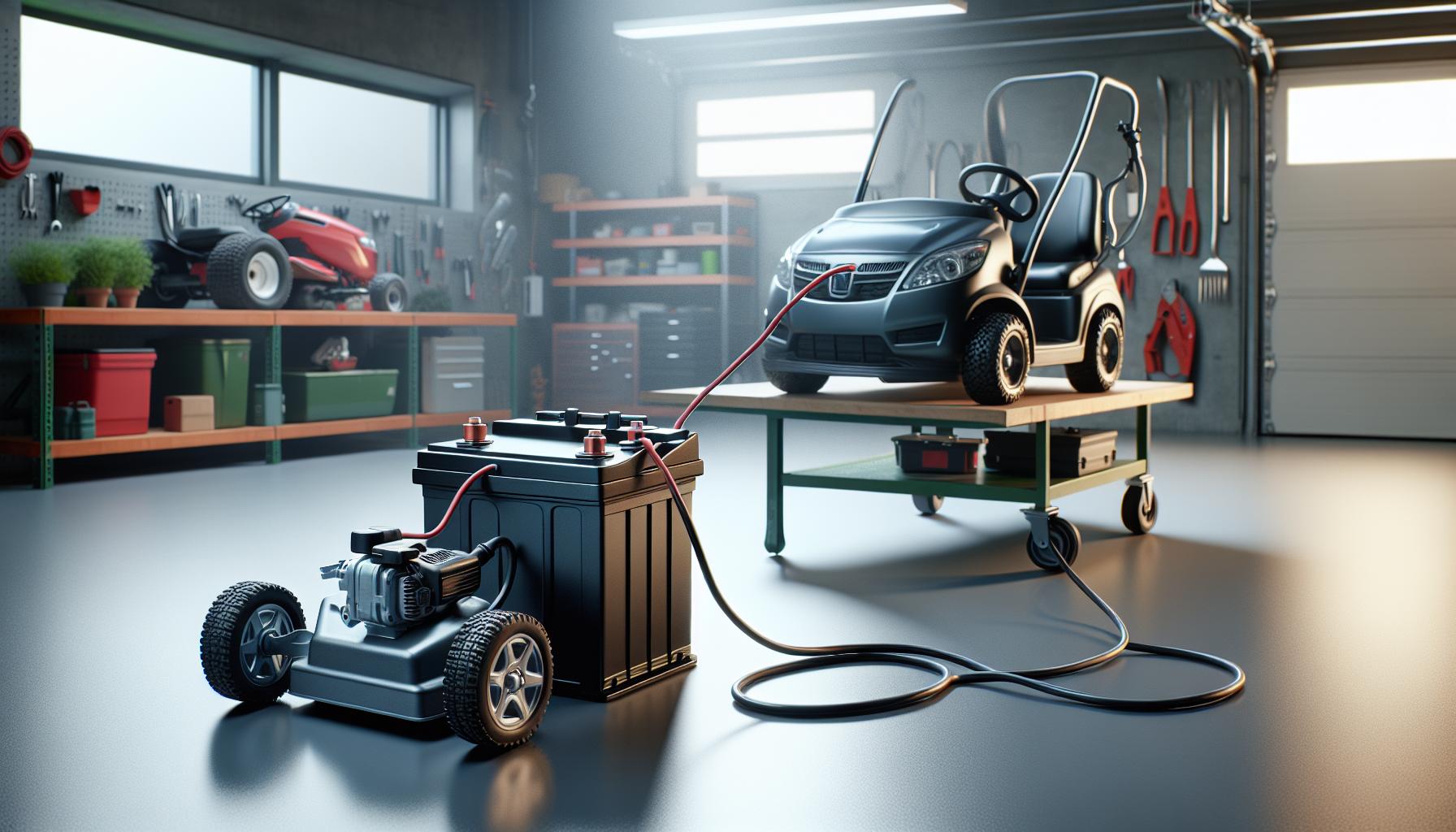
Can a Car Battery Power a Lawn Mower Battery?
A car battery can indeed jump-start a lawn mower battery, but it’s essential to understand the nuances in their compatibility before doing so. Typically, car batteries are more powerful and have a higher voltage output compared to the 12-volt batteries commonly used in lawn mowers. This means that while a car battery can deliver the necessary power to start a lawn mower, the procedure must be handled with care to avoid damage to the mower’s electrical system.
When using a car battery to jump-start a lawn mower, it’s crucial to ensure both batteries are of the same voltage, usually 12 volts. Otherwise, if the voltage differs, you risk damaging the mower’s battery. Additionally, the terminals on the batteries should match; ensuring the positive terminal on the car battery connects to the positive terminal on the lawn mower, and likewise for the negative terminals. To mitigate potential risks, consider using jumper cables that are appropriately sized for the job.
Before proceeding, remember that safety is paramount. Wear protective gear such as gloves and goggles, and ensure both vehicles are turned off before making any connections. Furthermore, if the lawn mower doesn’t start after a jump, or if you frequently find yourself needing to jump-start it, it may be time to assess the mower’s battery health or overall electrical connections. Regular maintenance can prevent these situations, ensuring your lawn mower operates smoothly when needed.
Understanding Battery Compatibility Basics
Jump-starting a lawn mower with a car battery can be a practical solution in a pinch, but it requires an understanding of how these batteries work together. Both car and lawn mower batteries typically operate on a 12-volt system, creating a compatibility advantage. However, it’s their structural and functional differences that can complicate matters. Car batteries are designed to provide a high burst of current for a short duration to start the engine, which is a task distinct from what is typically required by the comparatively lighter-duty lawn mower batteries. This difference in design might lead to concerns about potential overloading or damaging the mower’s electrical system if not managed correctly.
When connecting the two, ensuring that the terminals align appropriately is crucial. The positive terminal from the car battery should connect to the positive terminal of the mower, and the same applies to the negative terminals. Ignoring this basic rule can result in short circuits or worse, damaging both batteries. Additionally, using the correct gauge jumper cables designed for high current can further enhance safety and reduce the risk of either battery overheating. It’s wise to consult the owner’s manual for both devices to understand any specific requirements or recommendations regarding jump-starting.
Moreover, while the compatibility in voltage allows for car batteries to deliver the necessary power, it’s essential to monitor the systems closely during the jump-starting process. If the lawn mower does not start quickly, it may be indicative of deeper electrical issues or a failing mower battery-as opposed to merely needing a jump. Regular maintenance checks on battery health, including cleaning terminals and checking voltage with a multimeter, can help prevent future mishaps and ensure smoother operation when the mower is needed. Understanding these compatibility aspects lays the groundwork for safe and effective battery management, minimizing risks while optimizing power solutions for your lawn care needs.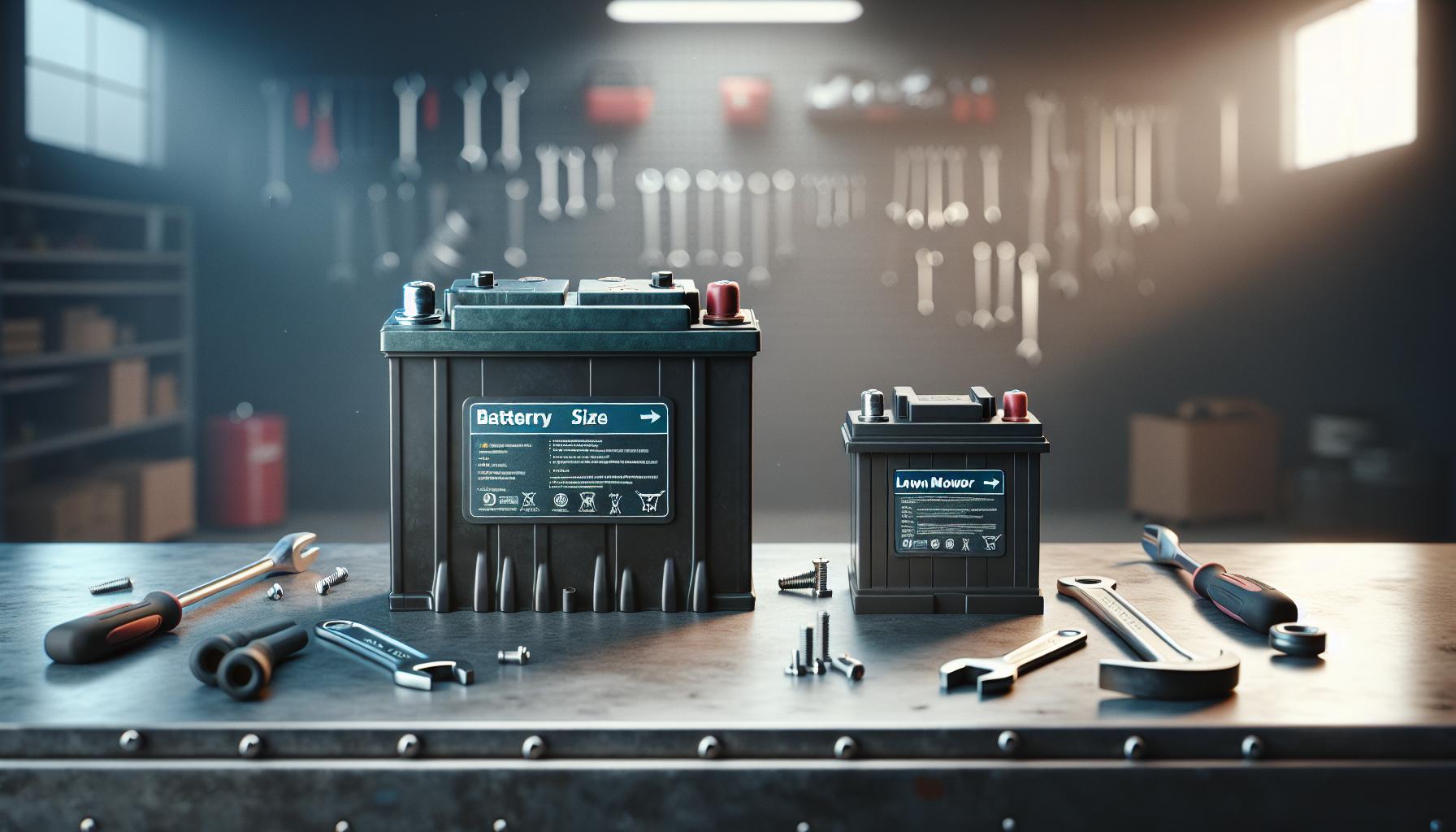
The Differences Between Car and Lawn Mower Batteries
Car and lawn mower batteries, while both operating on a 12-volt system, serve markedly different purposes, demonstrating significant differences in design and function that impact their compatibility. Car batteries are designed primarily for starting vehicles. They generate a high amount of current in short bursts-typically around 400-600 cold cranking amps (CCA)-to crank the engine and start the car. In contrast, lawn mower batteries focus on a steadier, lower discharge of power to start the mower and power its electronic systems during operation. They usually operate in the range of 100-200 CCA, as lawn mowers do not require the same level of power for starting as cars do.
Another critical difference lies in the construction of the batteries. Car batteries are typically lead-acid batteries, designed with thicker plates to handle the demanding power requirements of cars. Lawn mower batteries, on the other hand, may utilize smaller, lighter designs, including sealed lead-acid (SLA) and absorbent glass mat (AGM) batteries. These types are designed to be more compact and light, making them suitable for the confined spaces of lawn mowers and less demanding usage cycles. This difference in design can be crucial when attempting to jump-start a lawn mower with a car battery; while the power might be adequate, the potential for overheating or damaging the mower’s systems increases due to the variance in how each battery is built to handle discharge.
Moreover, the charging cycles of these batteries also differ. Car batteries are made for quick charging and discharging, as they frequently go through cycles of being depleted and recharged during driving. In contrast, lawn mower batteries prefer slower discharge rates and typically maintain a charge for longer periods without being replenished. This is why using a car battery to jump a lawn mower can sometimes lead to issues like overcharging if not monitored carefully.
In summary, while a car battery has the capability to jump-start a lawn mower battery thanks to its compatible voltage, the inherent design differences pose aspects of risk that need addressing. Users should be aware of these differences and apply caution, ensuring they understand the power requirements and limitations of both battery types before attempting a jump start. Understanding these distinctions not only promotes safety but also enhances the longevity of your equipment.
Safety Precautions for Jump Starting
When it comes to jump-starting a lawn mower with a car battery, safety should be your top priority. Jump-starting can involve risks such as electrical shorts, battery explosions, and damage to sensitive electronics if not done properly. Ensuring that you follow safety precautions not only protects you and your equipment but also enhances the chances of a successful jump-start.
One of the first steps is to check both batteries for any visible damage. Look for cracks, leaks, or corrosion on the terminals. If either battery shows signs of physical stress, do not attempt to perform a jump-start as this can lead to hazardous situations. Additionally, always wear safety goggles and gloves to protect yourself from possible acid splashes or electrical shorts during the process.
It’s also crucial to make sure that both vehicles-especially the car supplying the boost-are turned off before connecting the jumper cables. This prevents electrical surges that could damage either battery. When connecting the cables, be sure to follow the correct order: connect the positive (red) cable to the positive terminal of the dead battery first, and then to the positive terminal of the good battery. Next, connect the negative (black) cable to the negative terminal of the good battery, and the other end should be attached to a metal part of the mower, away from the battery. This practice helps minimize the risk of sparks near the battery.
Finally, consider the environment in which you are working. Ensure that the lawn mower is on a flat, dry surface free from flammable materials. If possible, do the jump-start in a well-ventilated area to disperse any gases emitted by the batteries. After the jump-start is complete, remember to disconnect the cables in reverse order of how they were connected, taking care not to let the cable ends touch until completely disconnected.
By following these safety precautions, you can navigate the jump-starting process with confidence and ensure the longevity and effectiveness of both your car and lawn mower batteries. Taking just a few extra moments to prioritize safety can prevent potential accidents and equipment damage, making the task much smoother and more efficient.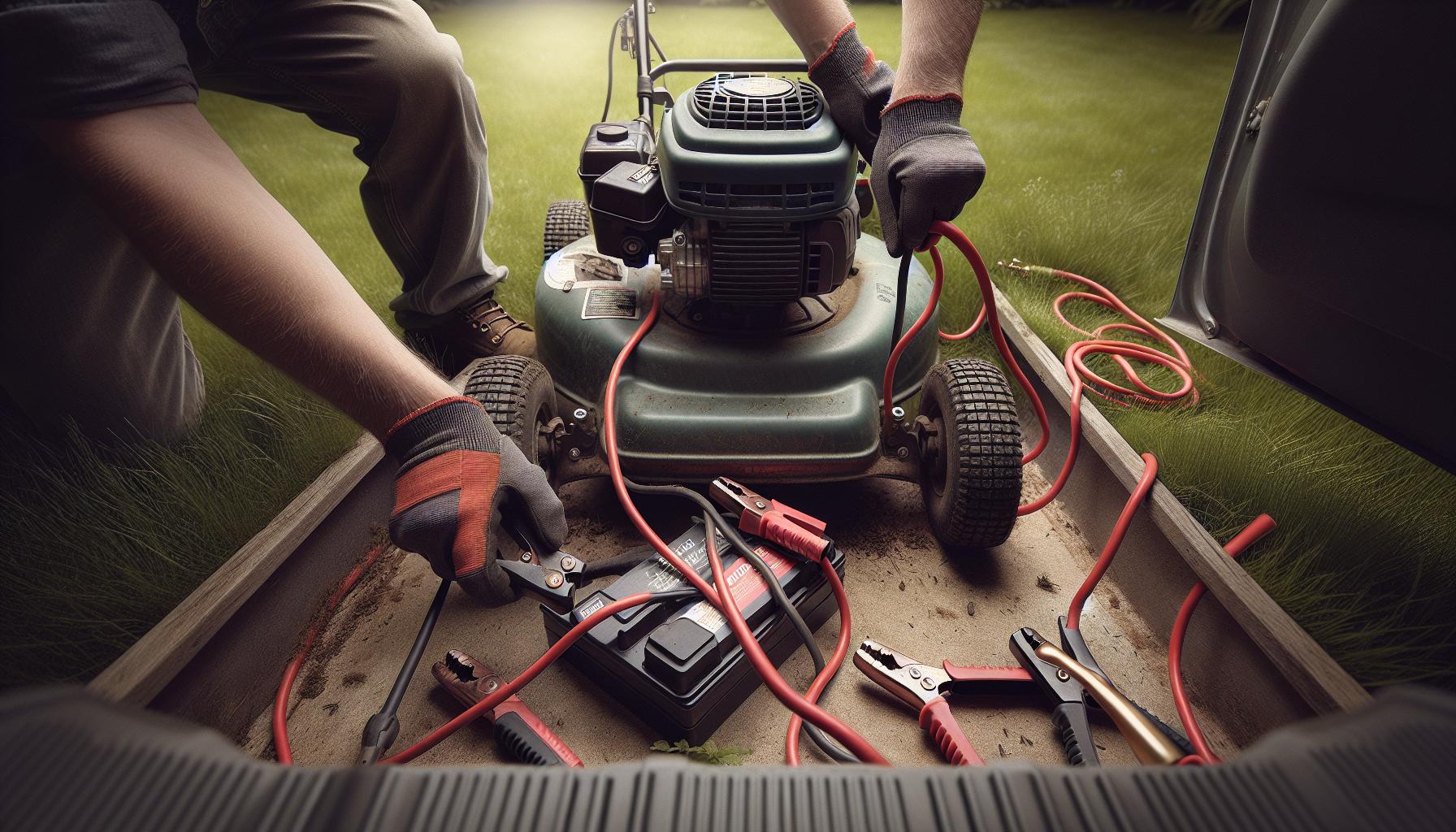
Step-by-Step Guide to Jump Starting a Lawn Mower
To successfully jump-start a lawn mower using a car battery, it’s crucial to approach the task methodically to ensure safety and effectiveness. Matching the power from a car battery to the requirements of a lawn mower battery can be straightforward if done correctly. Here’s a step-by-step guide that lays out the process clearly.
First, check the specifications of both batteries to ensure compatibility. Most car batteries operate at 12 volts, which matches the common voltage for many lawn mower batteries. However, it’s essential to confirm that the amperage output from the car battery won’t overwhelm the mower’s system. With that confirmed, follow these steps:
- Gather Your Tools: You will need jumper cables, safety goggles, gloves, and a set of pliers (if corrosion is present on terminals).
- Prepare the Mower: Ensure the mower is turned off. Check the battery for signs of damage or corrosion, and clean the terminals if necessary.
- Set Up Your Car: Park the car close to the mower but ensure they are not touching. Turn off the car and remove the keys.
- Connect the Jumper Cables: Start by connecting one end of the positive (red) jumper cable to the positive terminal of the lawn mower battery. Next, connect the other end to the positive terminal of the car battery. Now, take the negative (black) cable and connect it to the negative terminal on the car battery. Finally, attach the other end of the negative cable to a metal part of the mower’s frame, away from the battery. This helps reduce the risk of sparks near the battery.
- Start the Car: Once the cables are securely attached, start the engine of the car and let it run for a few minutes. This will allow the mower battery to receive a charge.
- Attempt to Start the Mower: Try starting the lawn mower. If it doesn’t start immediately, give it a few more minutes to charge from the car battery.
- Disconnect the Cables: After the mower starts, carefully disconnect the cables in reverse order. Start with the negative cable from the mower, then the negative from the car, followed by the positive from the car, and finally the positive from the mower.
- Restore the Environment: If you had to deal with any debris or obstructions to access the batteries, be sure to put away your tools and clear the area of any potential hazards.
By following these steps, you can successfully jump-start your lawn mower with a car battery. Remember that safety is paramount, so always wear protective gear and ensure there are no flammable materials in the vicinity. If the lawn mower does not start after several attempts, it may indicate a deeper issue with the mower battery or electrical system, potentially requiring professional attention.
Signs Your Lawn Mower Battery Needs Replacement
A lawn mower battery is crucial for the performance and reliability of your equipment, and knowing when it needs replacement can save you time and frustration. One common sign that your battery may be failing is if the lawn mower struggles to start or requires multiple attempts before the engine cranks. This lack of responsiveness is often due to insufficient charge or internal damage within the battery.
Another indication of a failing battery is a noticeable drop in runtime. If you find yourself needing to charge the battery more frequently or if the mower dies during operation after only a short period, it may be time to consider a replacement. Over time, all batteries wear down, and older batteries, particularly those used seasonally, can lose their ability to hold a full charge effectively.
Additionally, physical signs of wear should not be overlooked. If you notice any corrosion around the terminals, cracks in the battery case, or leakage of fluids, these are red flags that the battery is compromised. Corrosion can impede electrical connections, leading to diminished performance and reliability.
Lastly, if your lawn mower displays warning lights or error codes-if equipped with such technology-or if you have access to a multimeter and notice a significant voltage drop when measuring the battery, these are clear signs that replacement is necessary. Regular maintenance checks and awareness of these signs will help keep your lawn mower running smoothly, ensuring that the next cut is as effortless as possible.
Troubleshooting Common Battery Issues
Troubleshooting battery issues in your lawn mower is essential to ensure a smooth and hassle-free mowing experience. If you’re considering whether a car battery can jump-start a lawn mower battery, it’s crucial to first identify common problems that might arise with either battery type. Understanding these issues can not only help you in resolving current dilemmas but can also prevent future battery failures.
Often, lawn mower battery problems can manifest as starting difficulties. If you notice your lawn mower is slow to crank or doesn’t start at all, the first step is to check the state of the battery. Use a multimeter to measure the battery voltage; a healthy lawn mower battery should read around 12.6 volts when fully charged. If the reading is significantly lower, the battery could be weak or dead.
Another common issue is corrosion on the terminals. Look for any white, powdery substance around the battery terminals. This corrosion can impede the electrical connection needed for proper starting. If you see corrosion, it is advisable to clean the terminals with a baking soda and water solution, following up with a thorough rinse and drying before reconnecting the cables.
If the mower runs but dies shortly after starting, this could indicate a faulty battery or a problem with the charging system. In such cases, it is worth checking the alternator or charging circuit, as a lawn mower battery may not hold a charge if it is not being adequately replenished during operation.
Should you find that the lawn mower battery still fails to hold a charge after troubleshooting, it might be time for a replacement. Regular maintenance, such as cleaning terminals and checking charge levels, can extend the lifespan of both car and lawn mower batteries. Always ensure that the batteries are kept in an optimal environment to avoid extreme temperature fluctuations, which can significantly affect performance.
In understanding how to effectively troubleshoot battery issues, you empower yourself to make informed decisions about jump-starting methods or seeking professional assistance when necessary. Keeping an eye on these critical areas will not only provide better performance from your lawn mower but also contribute to an efficient mowing routine.
Tips for Maintaining Lawn Mower and Car Batteries
To keep your lawn mower and car batteries in optimal condition, it’s essential to adopt effective maintenance practices that extend their lifespan and enhance performance. Did you know that maintaining proper battery care can prevent unexpected failures and ensure your equipment runs smoothly throughout the mowing season?
One of the most critical aspects of battery maintenance is regularly checking the voltage levels. For both car and lawn mower batteries, a reading of around 12.6 volts indicates a fully charged state. If you find your batteries are consistently lower, it might be time to troubleshoot potential issues like parasitic drains or inadequate charging systems. Additionally, keep an eye on the battery terminals; corrosion can significantly affect performance. Use a solution of baking soda and water to clean terminals, ensuring a solid connection and reducing the risk of starting failures.
Another helpful tip is to store batteries in a temperature-controlled environment, as extreme temperatures can impact battery efficiency. In colder months, consider removing the batteries and placing them in a garage or shed where temperatures are milder. For car batteries, it’s also wise to invest in a smart charger that can maintain a trickle charge when not in use, preventing deep discharges.
Lastly, avoid letting your lawn mower sit for long periods without use, especially with its battery connected. If you’re storing it for the off-season, disconnect the battery to prevent drain. Regularly using the mower, even for a quick run, helps maintain charge levels and keeps the battery active. By following these tips, you can ensure that both your lawn mower and car batteries remain reliable, keeping your outdoor equipment ready for action whenever you need it.
Alternative Jump Starting Methods to Consider
When it comes to reviving a dead lawn mower battery, there are several alternative jump-starting methods worth considering beyond the traditional car battery approach. For those who prefer a more versatile toolkit, utilizing a portable jump starter can be a game-changer. These compact devices provide the necessary power without needing another vehicle, making them particularly useful for homeowners with limited access to a car or during emergencies far from home. Most portable jump starters are equipped with safety features like reverse polarity alarms, ensuring you won’t accidentally damage your equipment.
Another effective method is employing a solar battery charger. This eco-friendly option is ideal for maintaining battery health during the off-season or when the mower is idle for extended periods. Simply place the solar panel in direct sunlight and connect it to the lawn mower’s battery. Over time, the solar charger will provide a trickle charge, slowly restoring battery health and preventing deep discharge, which is crucial for lead-acid batteries commonly used in lawn mowers.
For those who possess a deeper technical knowledge, consider the option of bench charging using a battery charger. This method involves disconnecting the lawn mower battery and connecting it to a dedicated battery charger designed for the battery type. This allows for precise control over the charging process, ensuring optimal performance and longevity. When using a charger, always adhere to manufacturer guidelines regarding voltage and charging times to avoid overheating or damaging the battery.
Lastly, if you’re dealing with persistent battery drainage or performance issues, it may be time to explore battery replacement options or consult with a professional. Don’t hesitate to seek expert help if you’re unsure whether your battery can be revived or to evaluate compatibility with another power source. Each mower and battery system has its intricacies, and a professional can provide advice tailored to your specific situation, ensuring your equipment is always ready for action.
When to Seek Professional Help
In some situations, the simple task of jump-starting a lawn mower battery using a car battery can become a convoluted affair fraught with complications. If you’ve tried the DIY approach and things aren’t going as planned, it may be time to consider reaching out to a professional. There are numerous factors that can affect whether a car battery can effectively power a lawn mower battery, including the type of battery and the compatibility of the electrical systems. When in doubt, consulting an expert can save time and prevent potential damage to either battery.
Unresolved issues such as persistent difficulty in starting the mower, strange sounds during ignition, or symptoms of inability to charge despite repeated jump starts are also telling signs that professional assistance is warranted. An experienced technician can easily diagnose underlying problems, ensuring that electrical components aren’t faulty or that other factors like a malfunctioning alternator are not at play.
Additionally, don’t hesitate to seek professional help if you’re unsure about safety precautions or if your knowledge of batteries is limited. Handling batteries can pose hazards including leaks, corrosion, and even explosion risks if mishandled. Professionals not only have the expertise to ensure a safe handling process but also possess tools and diagnostics that can accurately ascertain the battery’s health and compatibility.
Lastly, if you’re facing recurring performance issues, a professional can offer tailored advice on your specific lawn mower and battery system. Whether it’s optimizing battery usage for longevity or exploring more suitable battery options, their insights can ensure your equipment operates efficiently, saving you from future headaches.
Frequently Asked Questions About Battery Jump Starting
When it comes to the topic of jump starting a lawn mower battery with a car battery, many questions naturally arise. Understanding the intricacies of battery compatibility can help prevent potentially damaging mistakes. A frequent inquiry is whether the voltage levels and battery types align well enough for this practice to be safe and effective. Since most car batteries provide 12 volts, and many lawn mower batteries do too, using a car battery as a jump source is often feasible. However, caution is warranted due to differences in battery chemistry and design.
Common Questions:
- Can I use my car battery to jump my lawn mower? Yes, but ensure both batteries are of the same voltage. A standard 12-volt battery system typically allows for compatibility, but be wary of the type of mower battery.
- What type of lawn mower battery do I have? Lawn mowers typically use lead-acid, AGM, or Gel batteries. It’s crucial to check your owner’s manual or the battery itself for specifications before jump starting.
- Will jump starting from a car battery harm my lawn mower? If done correctly, it shouldn’t harm your mower; however, connecting the cables incorrectly can cause significant damage. Always ensure proper polarity is maintained.
- How long should I run the car to jump start my mower? Allow the car to run for a few minutes while connected to the mower battery. Ideally, you should aim for about 5 to 10 minutes to ensure the mower receives enough charge.
Safety is paramount. Always wear protective gear and take precautions against potential sparks or battery leaks. Additionally, checking the condition of both batteries can prevent mishaps. If you’re ever in doubt, seeking assistance from a professional is the best course of action to ensure both your lawn mower and car battery remain in good health.
Faq
Q: Can I use my car battery to jump start my lawn mower?
A: Yes, a car battery can be used to jump start a lawn mower battery, provided they are compatible in voltage. Car batteries typically provide 12 volts, which is the same as most lawn mower batteries. Always ensure to follow safety precautions when jump starting to avoid damage.
Q: What precautions should I take when jump starting a lawn mower with a car battery?
A: Before jump starting, ensure both machines are turned off. Connect the positive leads first, followed by the negative leads, and avoid letting the clamps touch each other. This prevents electrical sparks and potential damage to both batteries.
Q: How do I know if my lawn mower battery is dead?
A: Signs of a dead lawn mower battery include inability to start the engine, dim or flickering lights, or a clicking sound when trying to start. If the battery is older than three years, it may also need replacement.
Q: What should I do if the lawn mower still won’t start after a jump?
A: If the lawn mower won’t start after a jump, check the battery terminals for corrosion and ensure connections are tight. If issues persist, test the ignition switch and the wiring for deeper electrical problems. Refer to the “Troubleshooting Common Battery Issues” section for detailed guidance.
Q: Are there any compatibility issues between car and lawn mower batteries?
A: While most car and lawn mower batteries are 12-volt, differences in size, terminal layout, and cold cranking amps (CCA) can affect compatibility. Always check the specifications before attempting to use a car battery on a lawn mower.
Q: How can I maintain my lawn mower battery to avoid jump starting?
A: Regular maintenance involves keeping the battery clean, charged, and securely attached. Consider using a battery maintainer during off-seasons and check fluid levels if it’s a lead-acid battery. Refer to the “Tips for Maintaining Lawn Mower and Car Batteries” section for more tips.
Q: Is it safe to jump start multiple devices with one car battery?
A: Jump starting multiple devices can drain the car battery quickly, potentially damaging it. It’s recommended to jump one device at a time, allowing the car battery to recharge between uses.
Q: When should I seek professional help for battery issues?
A: If you consistently face starting problems, notice swelling or leaking from your battery, or hear unusual sounds when trying to start, it’s time to consult a professional. Refer to the “When to Seek Professional Help” section for more insights.
Feel free to explore further on related topics to enhance your understanding of battery compatibility and maintenance to prevent future issues!
Insights and Conclusions
Now that you’ve learned about whether a car battery can jump a lawn mower battery, it’s essential to consider your options carefully. While compatibility is generally achievable, harnessing the power correctly is crucial to ensure safety and efficiency. If you still have questions, our comprehensive guides on battery compatibility and maintenance are just a click away.
Don’t hesitate! Dive deeper into our resources for expert tips on caring for your lawn equipment, or check out our step-by-step tutorials for safe jump-starting. Ensure your machine is ready when you need it most! And if you found this information helpful, please share it with fellow lawn care enthusiasts or leave a comment below to join the conversation. Your lawn deserves the best care, and we’re here to help you every step of the way!