As winter approaches, homeowners often search for efficient ways to tackle snow removal, leading many to wonder: can a leaf blower be repurposed for snow? With the right knowledge and preparation, this common garden tool might just simplify your winter chores. In this article, we’ll explore the feasibility, effectiveness, and practical tips for using a leaf blower to clear light snow. Whether you’re looking to save time, effort, or simply intrigued by the idea, understanding how to optimize your equipment can make your winter maintenance smoother and more efficient. Curious to find out if this unexpected snow-clearing hack holds up? Let’s dive in and discover the truth behind using your leaf blower for snow removal!
Can Leaf Blowers Effectively Clear Snow?
Utilizing leaf blowers for snow removal may seem unconventional, but many homeowners have turned to this method as an alternative to shoveling and snow blowing. Leaf blowers can effectively manage light, powdery snow, particularly soon after snowfall when the accumulation is minimal. The high-velocity air stream produced by these devices can lift and displace snow, clearing paths, driveways, and decks with relative ease. However, their effectiveness diminishes with heavier and wetter snow, which tends to stick together, making it more challenging to dislodge with air alone.
When considering using a leaf blower for snow removal, it’s crucial to assess the type and amount of snow. For instance, dry, fluffy snow can often be removed swiftly, whereas wet, heavy snow may require a more traditional approach, as blowers can struggle with this density. Additionally, factors such as wind direction and ambient temperature can influence performance-cold temperatures can result in rapidly freezing droplets, potentially creating icy conditions on surfaces that might not be safe for walking or driving.
Building a snow removal strategy might involve pairing a leaf blower with other tools for more comprehensive management of snow. For example, homeowners can opt to use a snow shovel for initial clearing of heavier snow and then follow up with a leaf blower for lighter flakes. This combination ensures a thorough job while minimizing physical strain. Ultimately, while leaf blowers can serve as a supplementary tool for snow removal, understanding their limitations and maximizing their capabilities will lead to more effective and safe winter maintenance practices.
Understanding the Mechanics of Leaf Blowers
The mechanics of leaf blowers may initially seem tailored specifically for clearing leaves, but they can actually be quite effective in other contexts, such as snow removal. At their core, leaf blowers operate by generating a high-velocity air stream through a powerful motor, typically powered by either electricity or fuel. This air stream is capable of displacing lightweight debris, which is why they excel at removing leaves from yards. When it comes to snow, the same principle applies: the air movement can lift and relocate light, powdery snow.
However, it’s important to understand that not all leaf blowers are created equal. There are significant variations in power and efficiency between different models. For instance, gas-powered leaf blowers generally produce a stronger air velocity compared to their electric counterparts, making them more effective for heavier snowfall. Before you decide to use a leaf blower in winter conditions, consider the specifications of your device. Look for factors such as airspeed (measured in mph) and airflow volume (measured in cubic feet per minute, or CFM). A higher CFM and airspeed can translate into better performance when dealing with snow.
Key Mechanics at Play
To effectively utilize a leaf blower for snow removal, you’ll want to familiarize yourself with a few crucial operational aspects:
- Airflow Direction: Adjusting the blower’s angle can help control the movement of snow, allowing you to direct it efficiently into desired sectors.
- Technique: Employ a back-and-forth sweeping motion, rather than aiming directly at one spot, to maximize the coverage and lift of the snow.
- Temperature Effects: Be aware that very cold temperatures can impact the efficiency of the blower’s motor and the behavior of snow; extremely cold conditions may cause moisture to freeze instantly.
In conclusion, knowing how leaf blowers work and understanding their mechanics can significantly improve your winter snow removal process. By leveraging their high-speed air streams, you can tackle light, fluffy snow with ease, creating clear pathways and maintaining safe outdoor spaces during the winter months. Make sure you select a suitable leaf blower, practice effective techniques, and adapt to the conditions for optimal performance.
Comparing Leaf Blowers and Snow Blowers
When winter storms blanket your yard in snow, the debate often arises: is a leaf blower a viable alternative to a snow blower? Both tools serve distinct purposes, yet they share the common factor of moving debris. However, their effectiveness varies significantly based on the conditions and type of snow encountered.
Leaf blowers utilize a high-velocity air stream to displace lightweight materials like leaves, and this same principle can be applied to light, powdery snow. In contrast, snow blowers are specifically designed for the heavier and denser composition of snow, featuring augers that chop through frozen layers before expelling it through a chute. This difference in design highlights that while leaf blowers can mitigate light snowfall, they struggle with heavier, wet snow, where snow blowers excel.
Another key comparison lies in the operational efficiency and time investment. Leaf blowers are generally quicker for clearing small areas such as sidewalks or driveways after light snowfalls, allowing for quick cleanup without the bulk of a snow blower. However, when dealing with deep accumulations or compacted snow, snow blowers can clear larger areas more effectively in a fraction of the time. Here’s a summary of the attributes to consider when comparing the two:
| Feature | Leaf Blower | Snow Blower |
|---|---|---|
| Best Use | Light, powdery snow | Heavy, compacted snow |
| Efficiency | Quick for small areas | Fast for large areas |
| Design Purpose | Debris removal | Snow management |
| Maintenance | Generally minimal | Regular checks needed for augers and belts |
Ultimately, the choice between a leaf blower and a snow blower hinges on the typical snowfall in your area and the type of snow you encounter. If your winters consist primarily of light, dry snowfall, a leaf blower may serve you well for occasional clearing. However, for regions that experience heavier snowfalls, investing in a dedicated snow blower is likely the more practical and efficient option.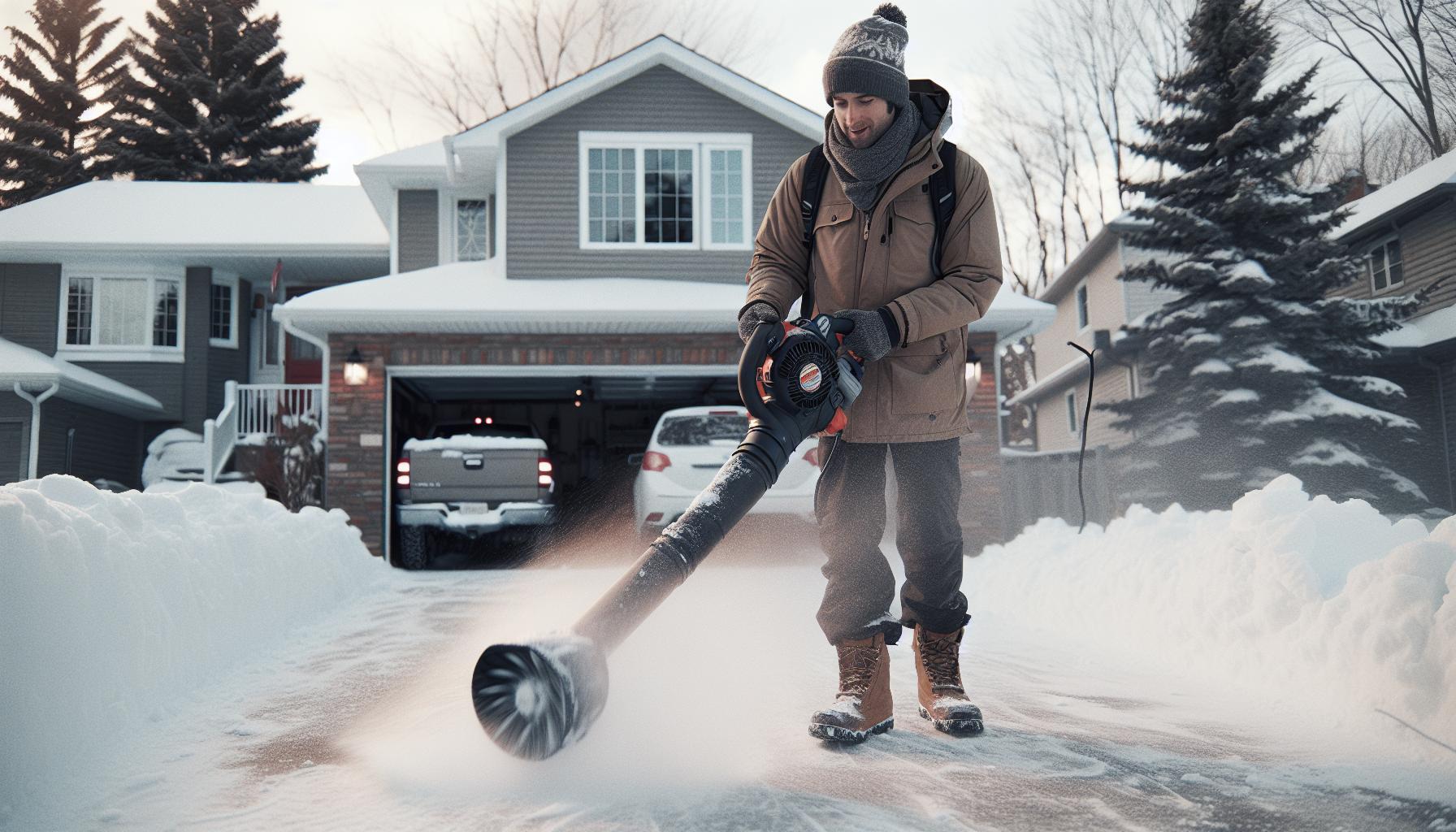
Real-World Testing: Leaf Blowers on Snow
In an unexpected turn of events, many homeowners have started experimenting with leaf blowers as a solution for snow removal. Typically designed for autumn leaf cleanup, these machines use a high-velocity air stream to push away light debris. But how do they stand up to the task of clearing snow? Recent tests have revealed that while a leaf blower can be effective in specific scenarios, it is far from a one-size-fits-all solution.
When dealing with light, powdery snow, a leaf blower performs surprisingly well. Users have reported that these machines can swiftly clear light dustings from driveways and walkways, making them an excellent option for quick cleanups after a minor snowfall. Leaf blowers can blow away the snow with relative ease, particularly when the snow has not compacted or turned into ice. Many enthusiasts recommend using the leaf blower in dry conditions when the snow is less dense, as this allows for the most efficient removal.
However, the challenges arise when faced with heavier or wet snow. Testing has shown that leaf blowers struggle significantly with snow that is compacted or retains some moisture. In these cases, the air pressure is not enough to move the snow effectively, often resulting in snow re-accumulating or creating a slushy mess. Users attempting to clear heavier snow may find themselves needing to invest in more powerful equipment or employing manual shoveling to achieve satisfactory results.
To maximize the effectiveness of a leaf blower on snow, timing and technique are crucial. Using the blower immediately after snowfall, before the snow has had a chance to settle, often yields the best results. Furthermore, adjusting the blower’s angle can help direct the air stream more effectively, allowing it to lift and propel the snow away rather than simply pushing it around. While trying out a leaf blower for snow removal can be an exciting experiment, understanding its limitations is key to using it successfully.
Best Practices for Using Leaf Blowers in Winter
When winter weather arrives, many homeowners search for innovative methods to manage snow, and the leaf blower has become an unconventional ally. While these machines are primarily designed for leaf removal, their potential for clearing snow can be realized by adopting specific best practices. To ensure effective use of a leaf blower in snowy conditions, timing, technique, and device settings play pivotal roles.
One of the most important strategies is to utilize the leaf blower immediately after snowfall. The longer snow sits, the more it compacts and the harder it becomes to move. Timing is essential: aim to clear light, powdery snow before it hardens. Firing up your blower as soon as the snow begins to blanket your walkways and driveway can save you from the labor of shoveling tougher, more stubborn snow later on. Additionally, working in dry conditions can significantly enhance the blower’s performance, as dry snow is light and easily manageable.
In terms of technique, ensuring that the blower’s angle is adjusted correctly can make a substantial difference. By tilting the nozzle upwards, you can create an effective airflow that lifts and propels light snow rather than merely pushing it around. Experiment with angles to find what works best for your particular situation-each blower and type of snow may require slight adjustments for optimal results. Using a sweeping motion can help direct the airflow, moving the snow more efficiently and avoiding creating drifts on the edges.
Moreover, maintaining the leaf blower in winter months requires proactive care. Keeping the equipment clean and functional will ensure it operates at its best. This might involve checking for blockages and ensuring proper fuel levels, especially for gas-powered models. If you plan to rely on your blower during snowy months, consider investing in winter-grade fuel or ensuring your electric model is rated for low temperatures to avoid operational issues in freezing weather.
By following these straightforward yet impactful practices, you can maximize the capabilities of your leaf blower during winter. While it may not replace a snow blower for every situation, with the right approach, your leaf blower can be a valuable tool in your winter arsenal.
Safety Tips When Removing Snow with Leaf Blowers
Using a leaf blower to clear snow can be an effective strategy, but safety should always come first. When temperatures drop and snow begins to accumulate, it’s important to approach this unconventional snow removal method with caution. One key aspect to keep in mind is the unpredictable nature of snowy conditions. Slips and falls are much more common during winter, especially on wet surfaces. Ensure your footwear provides solid traction, and be mindful of where you tread as you maneuver around driveways, walkways, and other snow-covered areas.
Another vital safety consideration is the noise level and the potential risks it poses. Leaf blowers can produce significant sound levels that might affect your hearing or distract nearby pedestrians and drivers. Wearing protective ear gear can shield your hearing from prolonged exposure to this noise. Moreover, given that you will likely be operating a gas-powered blower in potentially very cold weather, make sure you’re dressed appropriately in layers to prevent hypothermia and frostbite, especially if you plan to use the blower for an extended period.
Protective Gear
- Goggles or Safety Glasses: Protect your eyes from flying snow particles and possible debris.
- Ear Protection: Use noise-canceling headphones or earplugs to prevent hearing damage.
- Gloves: Insulated gloves will keep your hands warm while giving you the grip needed to handle the blower safely.
Furthermore, it’s crucial to be aware of your surroundings. Snow can obscure hazards such as ice patches, uneven ground, or obstacles like garden furniture and landscaping features. Before you start removing snow, clear your work area of any potential tripping hazards. It’s also wise to be cautious of power lines and overhead branches that could become more visible as you blow the snow away.
Taking these precautions will not only enhance your safety but also improve your efficiency in using leaf blowers for snow removal. By respecting the limitations of your equipment and the conditions you’re working in, you can make this unique method of snow removal not only effective but also safe.
Pros and Cons of Using Leaf Blowers for Snow
Using a leaf blower to clear snow may sound unconventional, but its effectiveness can be a topic of lively debate. While these machines are typically designed for dry leaves, they can serve double duty in winter conditions under the right circumstances. However, both advantages and drawbacks should be weighed before deciding to employ a leaf blower for snow removal.
One of the primary benefits of using a leaf blower on snow is efficiency. Leaf blowers can remove light, powdery snow quickly, allowing for faster clearance compared to manual methods. This is particularly beneficial for homeowners who want to maintain accessible driveways and walkways without the physical strain of shoveling. Furthermore, leaf blowers produce less physical labor than traditional snow removal methods, making them an attractive option for those not keen on heavy lifting in cold weather.
On the flip side, there are notable limitations that users must consider. Leaf blowers excel with light, fluffy snow but struggle with heavier, wet snow, which can clog the machine and render it ineffective. Additionally, there exists a risk of causing damage to landscaping or gardens by blowing snow and debris onto plants not prepared for a harsh winter. It’s also important to recognize that using a leaf blower can generate significant noise, which may be disruptive to neighbors, especially early in the morning or late at night.
Moreover, one must also consider the safety risks involved. Operating a leaf blower on snowy surfaces can increase the likelihood of slips and falls, so users must exercise caution. Ensuring that the area is free of ice patches or other hazards before commencing snow removal is essential for safety.
Ultimately, weighing these pros and cons can help individuals determine if utilizing a leaf blower for snow removal aligns with their needs and circumstances. If employed thoughtfully and under the right conditions, a leaf blower can be a practical tool in a winter toolkit, but awareness of its limitations is crucial for effective and safe use.
Maintenance Tips for Leaf Blowers in Cold Weather
Keeping your leaf blower in optimal condition during cold weather is essential for efficient snow removal. Surprising to some, these machines aren’t just for clearing leaves; proper maintenance can enhance their performance during winter use. The low temperatures can impact the blower’s functionality, but with a few proactive measures, you can ensure your tool is ready when snow falls.
One fundamental tip is to ensure that the fuel is suitable for cold weather. For gas-powered leaf blowers, use a winter blend fuel or add an appropriate fuel stabilizer to prevent the fuel from gelling in cold temperatures. This step will help maintain a steady flow of fuel to the engine, avoiding potential stalling or starting issues. If you have an electric model, ensure the power cords and connections are in good repair and suitable for outdoor use to resist freezing.
Next, consider the blower’s battery if you own a battery-operated unit. Cold weather can significantly reduce a battery’s efficiency. To combat this, keep the battery in a warmer environment when not in use and consider purchasing an extra battery that can provide additional power if needed. As temperatures drop, charge the battery frequently to ensure it remains at optimal performance levels.
Additionally, it is crucial to check for obstructions and clean the air filter regularly. Snow can inadvertently clog vents and filters, reducing performance. Ensure these components are free of debris before and after usage. Properly lubricating movable parts can also prevent freezing and wear, extending the blower’s life.
In summary, by maintaining your leaf blower with these key practices-from appropriate fuel selection to regular cleaning-you’ll not only improve its efficiency for snow removal but also prolong its lifespan. Taking these steps ensures that your blower is ready to tackle whatever winter throws your way.
Alternatives to Leaf Blowers for Snow Removal
While leaf blowers can be a surprisingly effective tool for clearing light, powdery snow, there are several alternatives that may be better suited for winter snow removal tasks. When dealing with heavier snow or larger areas, it’s wise to consider these options for effective management of your snowy landscape.
One of the most traditional methods is the snow shovel. This time-honored tool allows for precise removal of snow and can handle heavier, compacted piles that a leaf blower might struggle with. Snow shovels come in various shapes and sizes, and choosing the right one for your needs-such as a lightweight model for quick jobs or a larger model for heavier snow-can greatly reduce the physical strain involved. Additionally, ergonomic shovels can help prevent injuries from prolonged use.
For those looking for a less labor-intensive method, snow blowers are specifically designed for snow removal and can save significant time and effort. These machines, available in gas-powered or electric models, can handle deeper snow and larger areas with ease. When choosing a snow blower, consider factors like the width of the clearing path, the type of drive (manual or automatic), and whether it has features like self-propulsion or heated handles for added comfort.
If you want to explore non-mechanical methods, consider using de-icing agents or salt. Applying these substances before or immediately after snowfall can prevent ice buildup and make snow removal easier. Remember, though, that while effective, these materials can have environmental impacts, so it’s best to use them judiciously.
Below are some alternative snow removal methods with their respective pros and cons:
| Method | Pros | Cons |
|---|---|---|
| Snow Shovel |
|
|
| Snow Blower |
|
|
| De-icing Agents |
|
|
Ultimately, while leaf blowers can be effective under certain conditions, exploring these alternatives may provide you with a more robust solution for the varied challenges of snow removal, especially during heavy snowfall or for larger areas.
User Experiences: Success and Challenges
The use of leaf blowers for snow removal has sparked varying opinions among users, creating a mix of both satisfaction and frustration. Many have found that when faced with light, powdery snow typical of early winter, a leaf blower can effectively push away accumulated flakes from sidewalks and driveways. For instance, users in areas like the Northeast, where fresh dustings of snow are common, report successful experiences using their electric leaf blowers to clear light snowfall quickly. One user shared that after an unexpected snowfall, they cleared their entire front driveway in under 30 minutes, marveling at how the blower performed better than they anticipated.
Conversely, some users express dissatisfaction, particularly when dealing with heavier or wet snow. Those in regions experiencing midwinter blizzards have reported that their leaf blowers struggled significantly. The snow’s density rendered them ineffectual, with several users noting that rather than blowing the snow away, the blower often compacted it further, making cleanup more difficult. This discrepancy has led many users to suggest, “Use a leaf blower for light snow only; for deeper or wet snow, stick to conventional methods.”
Weather conditions also influence user outcomes. Cold, dry air can enhance a leaf blower’s efficiency, whereas warmer temperatures often result in slush – a condition many found cumbersome to manage. Users have also pointed out that while leaf blowers work perfectly for small areas, they are less efficient over larger expanses. As one user aptly put it, “I can clear the patio with no problem, but my long driveway still needs a shovel.” This suggests that while leaf blowers can serve as a handy tool for certain situations, they are not universally effective for every snow scenario.
Overall, users emphasize the importance of context when deciding whether to use a leaf blower for snow removal. Those who succeed often tailor their strategies to the specifics of the snow type and volume, whereas others recommend reserving blowers for lighter tasks to avoid frustration. This user feedback encapsulates the broader discussion around practicality and efficiency in snow removal, illustrating the nuances and varied experiences that come with adapting tools like leaf blowers for winter use.
Cost Analysis: Leaf Blowers vs. Traditional Snow Removal Methods
Using leaf blowers for snow removal may appear to be a cost-effective alternative to traditional methods, but a deeper analysis reveals several factors that can influence the overall costs and benefits. The initial investment in a leaf blower is often lower compared to a snow blower, especially if you already own one for yard maintenance. Electric leaf blowers can range from $30 to $150, while gas-powered models can run between $150 to $500. In contrast, snow blowers typically start around $300 and can go up to $1,500 or more for high-end models suitable for heavy snowfall.
However, cost isn’t merely about the price of the equipment; it’s also essential to consider the efficiency and effectiveness of each tool in handling snow. Leaf blowers excel with light, powdery snow, providing a relatively quick clean-up for small areas. When it comes to fresh snow that is easy to blow away, users often find they can clear their driveways and sidewalks without significant effort or time, utilizing minimal fuel or electricity in the process. In contrast, snow blowers are designed to handle heavier, packed snow and often require more fuel and maintenance, which can add to the long-term operational costs.
Cost-Benefit Considerations
To better illustrate the cost-effectiveness of each method, consider the following factors:
- Operational Costs: Leaf blowers tend to have lower operational costs, especially electric models that are cheaper to run than their gas counterparts. Snow blowers require fuel and may necessitate frequent repairs, especially if used in harsh winter conditions.
- Maintenance: Leaf blowers generally have fewer maintenance requirements compared to snow blowers, making them a hassle-free option for light snow. Snow blowers often require regular servicing to ensure functionality amidst severe weather.
- Time Investment: While using a leaf blower may be quicker for light snow, it can lead to frustration if heavier snow accumulates and reduces efficiency. Snow blowers are time-efficient for tackling larger amounts of dense snow.
A practical example can further clarify these considerations. If a homeowner experiences regular light snowfalls and already owns a leaf blower, utilizing it can maximize value by saving them from purchasing a snow blower. However, if they frequently deal with heavy snow, investing in a snow blower could prevent the potential costs associated with inefficient labor or increased risk of injury from manual snow removal.
In summary, while leaf blowers can marginally lower initial costs, the overall long-term savings will depend on the frequency and severity of the snowfall experienced. For those in areas with variable winter conditions, the choice between a leaf blower and a snow removal method should factor in both initial costs and overall efficiency to ensure they get the most value for their investment.
Final Thoughts on Leaf Blowers Removing Snow
Using a leaf blower to clear snow can seem unconventional, yet many homeowners have found success using this tool for light snow removal. For those who already own a leaf blower, especially in regions with intermittent snowfall, it may serve as a practical solution, allowing you to avoid the cost and storage demands of a dedicated snowblower. Its lightweight design and ease of use make it appealing, particularly for quick cleanups after a fresh, powdery snowfall.
When considering the effectiveness of leaf blowers, it’s essential to recognize their best use cases. They excel on light, fluffy snow – the type that easily lifts from surfaces without significant resistance. This can be particularly advantageous for clearing sidewalks, patios, and driveways after a light snow. However, it’s equally important to acknowledge their limits. Heavier, wet snow or compacted layers may require more robust equipment due to the blower’s tendency to struggle without the power of a traditional snow blower. For those in areas where snow is more consistent or problematic, investing in a snow removal machine designed for such conditions might be a wise choice.
In terms of safety, understanding the specific challenges posed by using a leaf blower in winter is crucial. Frosty surfaces can become slippery, and the wind produced by a blower can create snow plumes that obscure visibility. Additionally, as you navigate through snow-covered pathways, ensuring proper footwear and balance is essential to avoid falls. Implementing safety precautions-such as wearing goggles to protect against snow debris-is also advisable to mitigate risks associated with using a leaf blower in winter conditions.
Ultimately, the decision to use a leaf blower for snow removal hinges on several factors: the average snowfall in your region, the type of snow you typically encounter, and your personal preferences regarding efficiency and convenience. If you find yourself facing frequent light snowfalls and already own a reliable leaf blower, it might be the perfect tool for your needs. However, for those dealing with heavier snow, investing in more appropriate snow removal equipment is likely to yield a better, more efficient outcome.
Frequently asked questions
Q: Can leaf blowers be used for light snow removal?
A: Yes, leaf blowers can effectively clear light, fluffy snow. The blower’s powerful airflow can dislodge snow from surfaces if the snow isn’t packed down. For best results, use a leaf blower immediately after snow falls. This is discussed in depth in the section “Can Leaf Blowers Effectively Clear Snow?” of the main article.
Q: How do leaf blowers compare to snow blowers in performance?
A: Leaf blowers and snow blowers serve different purposes. Snow blowers are specifically designed for snow removal and typically perform better in heavy conditions. Leaf blowers are more suited for lighter, less compact snow. Detailed comparisons can be found in the “Comparing Leaf Blowers and Snow Blowers” section.
Q: What is the best type of leaf blower for removing snow?
A: Battery-powered or gas-powered leaf blowers are usually better for snow removal due to their higher power output. Look for models with adjustable speed settings for increased effectiveness. Additional tips can be found in the “Best Practices for Using Leaf Blowers in Winter” section.
Q: Is using a leaf blower for snow removal safe?
A: Using a leaf blower for snow removal is generally safe, but it requires precautions. Ensure you’re dressed appropriately for cold weather, and always be cautious of slippery surfaces. Safety guidelines are outlined in the “Safety Tips When Removing Snow with Leaf Blowers” section.
Q: How can I maintain my leaf blower for winter use?
A: To maintain your leaf blower for winter, ensure it’s clean and free from snow residue after each use, check the battery or fuel levels, and store it in a warmer environment to prevent freezing. Maintenance tips can be found in the “Maintenance Tips for Leaf Blowers in Cold Weather” section.
Q: What are the downsides to using a leaf blower for snow?
A: One major downside is that leaf blowers are not designed for heavy or compacted snow, making them less effective in such conditions. They may struggle with accumulation and can be less efficient than a traditional snow blower. More details are available in the “Pros and Cons of Using Leaf Blowers for Snow” section.
Q: Can leaf blowers be used on ice as well?
A: Leaf blowers are generally ineffective on ice, as their airflow won’t dislodge packed or slick surfaces. It’s safer to use salt or an ice scraper in these situations. For alternatives, refer to the “Alternatives to Leaf Blowers for Snow Removal” section in the main article.
Q: What should I do if my leaf blower fails during snow removal?
A: If your leaf blower fails, first check for simple issues like a dead battery or clogged air filter. If problems persist, refer to the manufacturer’s manual or seek repair services. For troubleshooting tips, see the “User Experiences: Success and Challenges” section.
These FAQs enrich your understanding of the capabilities and practicalities of using leaf blowers for snow removal, guiding you through effective usage and maintenance strategies. For further insights, explore related sections in the article.
Future Outlook
Now that you’ve discovered whether a leaf blower can effectively clear snow, it’s time to act! While using this tool may offer some advantages, always weigh the effectiveness against your specific winter needs. For optimal snow removal, consider our guide on the best snow removal tools or explore tips for maintaining your blower during colder months.
Don’t forget to share your own experiences in the comments below-your insights could help fellow readers! And if you want to stay updated on the latest tips and tools for yard maintenance and snow removal, subscribe to our newsletter. Your next best outdoor project is just a click away, so dive into our related articles to keep your landscape in top shape all year round!