
Every year, millions of people set out to maintain their lawns, but many underestimate the importance of doing so safely. Understanding how to properly use a lawn mower is crucial not just for a well-manicured yard, but also for your safety and that of others around you. Whether you’re a novice homeowner looking to spruce up your outdoor space or someone who has recently taken on lawn care duties, knowing the correct techniques and safety measures will help you avoid common accidents and ensure a stress-free mowing experience. In this guide, we’ll explore essential tips and practices that will empower you to handle your lawn mower confidently and effectively. Let’s dive in and discover how you can transform mowing into a safe and enjoyable task!
Understanding Lawn Mower Types for Beginners
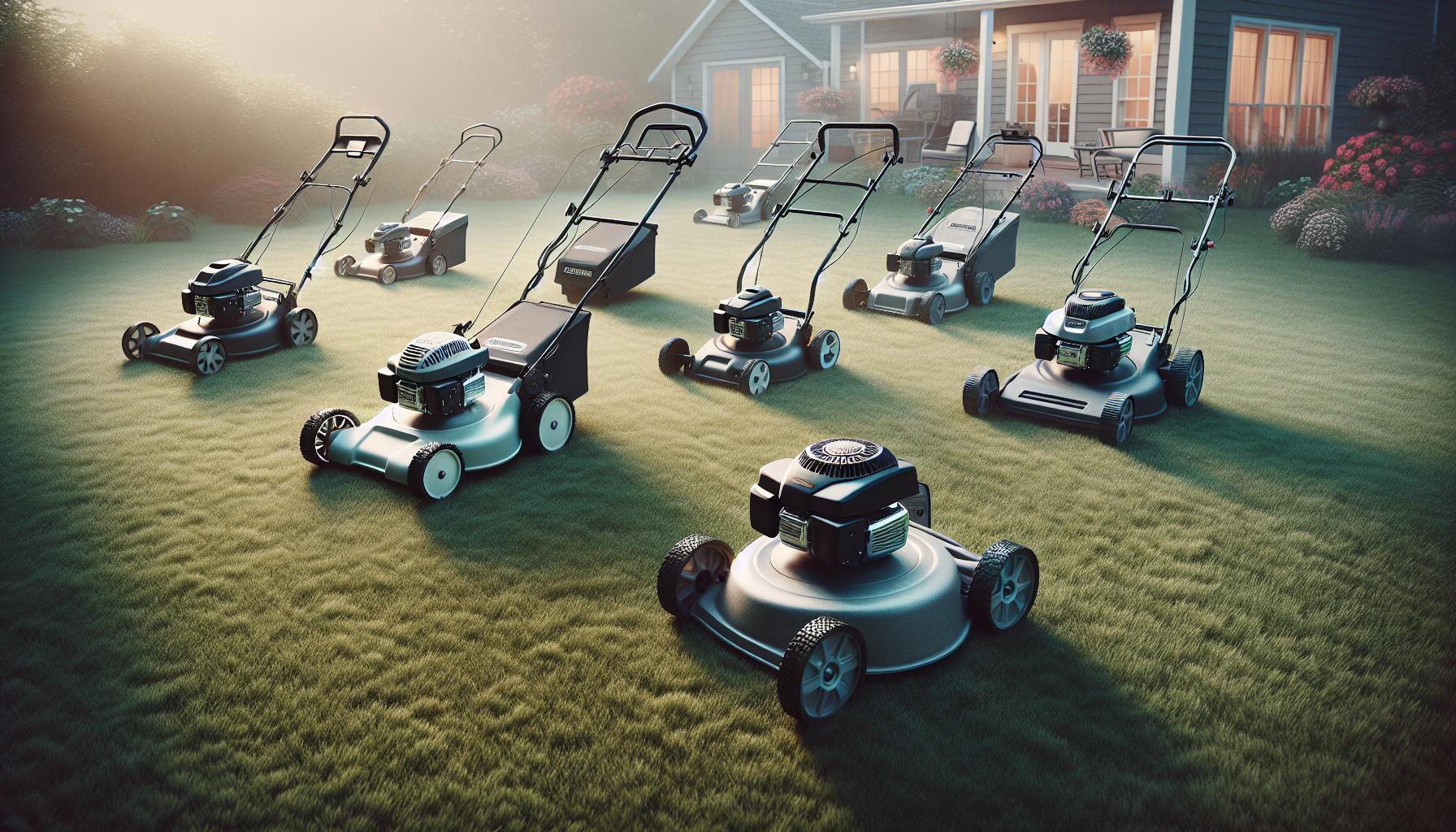
When embarking on the journey of lawn care, understanding the types of lawn mowers available is crucial for any beginner. With a variety of options designed to suit different needs and landscapes, knowing what you’re dealing with can enhance not only your mowing experience but also your efficiency and safety.
Types of Lawn Mowers
Lawn mowers generally fall into three main categories: push mowers, riding mowers, and robotic mowers. Each type has its advantages and is suited for different garden sizes and terrains.
- Push Mowers: These are manually operated and require physical effort to push. They are ideal for small to medium-sized lawns. Variants include reel mowers, which use a scissor-like action for a clean cut, and rotary mowers, which use a spinning blade and are more common due to their efficiency.
- Riding Mowers: Perfect for larger properties, riding mowers allow the operator to sit while mowing, making them less labor-intensive. They come in various forms, such as zero-turn mowers, which offer greater maneuverability and speed, and lawn tractors suited for heavier tasks, like towing equipment.
- Robotic Mowers: These advanced devices autonomously mow the lawn by following set patterns. Designed for ease of use, they are perfect for tech-savvy homeowners or those looking for low-maintenance options. However, they might not handle rough terrains effectively.
Selecting the Right Mower
Choosing the right type of lawn mower depends on your lawn’s size, shape, and your physical capability. For small, flat lawns, a push mower might suffice, while larger, uneven terrain may necessitate the power and comfort of a riding mower. Additionally, consider what features are most important to you, such as ease of use, storage capabilities, and maintenance requirements.
In summary, by understanding the different types of lawn mowers, you can make an informed decision that aligns with your specific lawn care needs. This knowledge not only helps you select the best tool for the job but also sets the foundation for a safer mowing experience and a well-maintained lawn.
Essential Safety Gear for Operating a Lawn Mower
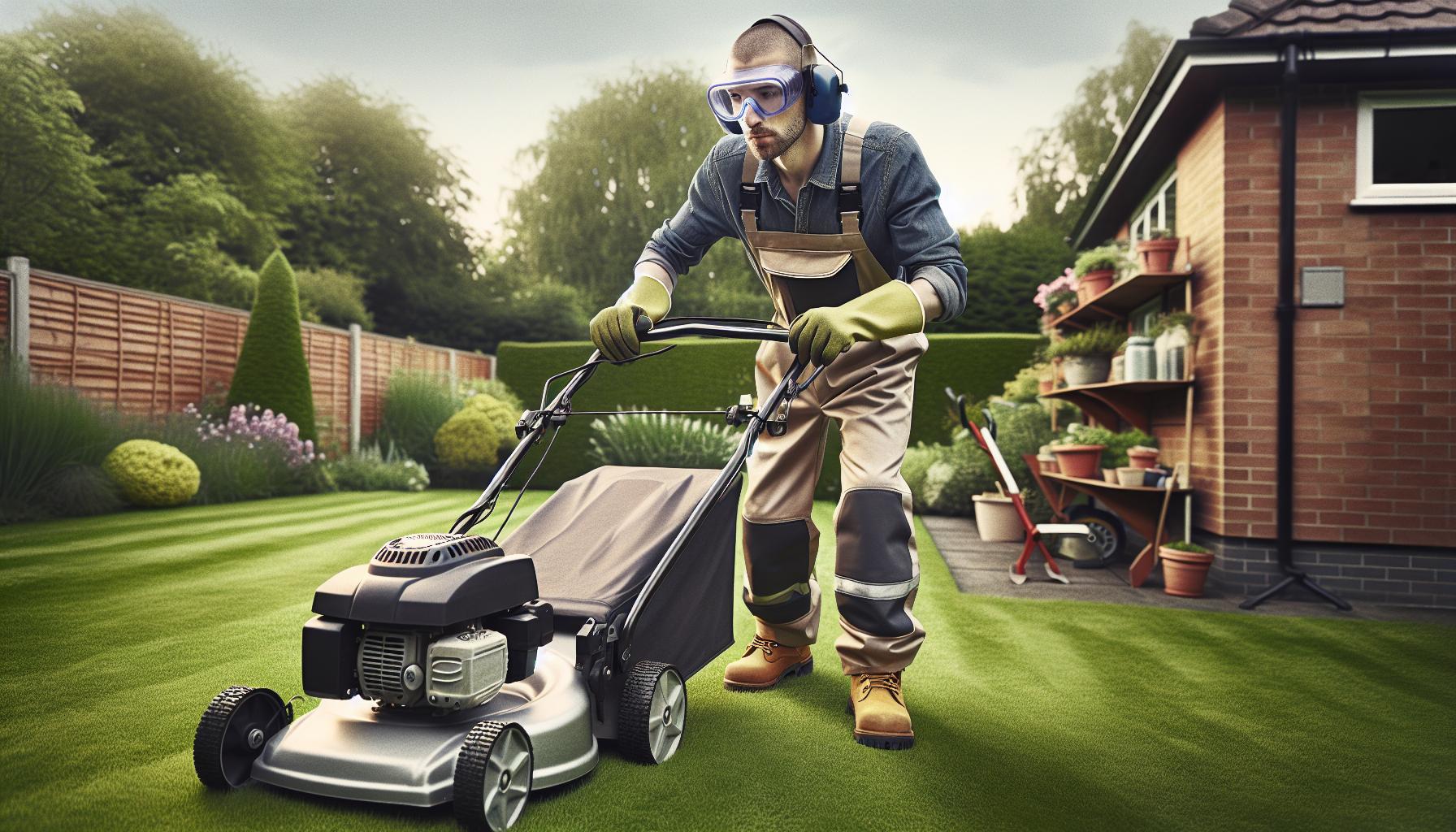
When it comes to operating a lawn mower, the right safety gear is essential to prevent injuries and ensure a safe mowing experience. Interestingly, many accidents are preventable simply by wearing the appropriate protective equipment. Gear that protects against debris, noise, and potential injuries can make a world of difference in your lawn care routine.
Essential safety gear for mowing includes:
- Safety Glasses: Protect your eyes from flying debris such as stones, grass clippings, and twigs. A good pair of shatterproof safety glasses will ensure you can mow without worry.
- Ear Protection: Lawn mowers, especially gas-powered ones, can be quite loud. Wearing earplugs or earmuffs helps prevent hearing damage over prolonged use.
- Gloves: A sturdy pair of gloves can offer protection from cuts, scrapes, and blisters while providing a better grip on the mower handles.
- Long Pants and Sturdy Shoes: Long pants protect your legs from debris and branches, while closed-toe shoes with non-slip soles provide stability and protect your feet from any falling objects or accidental contact with the mower.
- High Visibility Clothing: If mowing near roadways or in areas with other workers, wearing bright or reflective clothing increases your visibility and safety.
By investing in this protective equipment, you not only safeguard yourself but also enhance your overall mowing experience. Conducting regular safety gear checks before each mowing session can help ensure that you are prepared for any situation, allowing you to focus on achieving that pristine lawn without unnecessary risk.
Step-by-Step Guide to Starting Your Lawn Mower
Starting your lawn mower correctly is crucial for ensuring safe operation and optimal performance. Whether you have a gas-powered mower or an electric model, following proper procedures will help avoid common mishaps and ensure your equipment runs smoothly. Here’s how to get your mower started without a hitch.
To begin, make sure you’re dressed in the appropriate safety gear highlighted earlier, including safety glasses, gloves, and ear protection. Before starting, inspect the mower for any debris or obstacles around the cutting area that could pose a hazard during operation.
Next, check the fuel levels if you’re using a gas mower. Ensure the fuel is fresh and the fuel cap is securely fitted. For electric mowers, confirm that the battery is charged or that the mower is properly plugged into a power source. With everything set, engage the safety features. Most mowers are equipped with a safety lever that must be held down to start the engine.
Starting Your Gas Mower
- Set the throttle: If your mower has a throttle control, set it to the “choke” position if it’s a cold start.
- Prime the engine: Locate the primer bulb (usually a small, round button) and press it several times, typically 3-5 presses, to draw fuel into the carburetor.
- Pull the starter cord: Firmly grasp the handle and pull the starter cord sharply. Repeat if necessary until the engine starts. If the mower doesn’t start after a few attempts, check the fuel and oil levels and ensure that the safety features are engaged.
Starting Your Electric Mower
- Connect power: Make sure the cord is plugged into a proper outlet, or verify that the battery is charged.
- Engage the safety switch: For most electric mowers, you will need to hold down the safety switch before pulling the start lever.
- Start the mower: Press the start button or pull the start lever while continuing to hold the safety switch. The mower should start immediately; if not, check that the battery is charged or the cord is properly connected.
By following these systematic steps, you can safely start your lawn mower and prepare for a successful mowing session. Remember, if at any point you encounter issues, consult the owner’s manual for troubleshooting specific to your mower model. Regular maintenance, including checking the spark plug, air filter, and blades, will enhance performance and longevity.
How to Safely Maneuver Your Lawn Mower
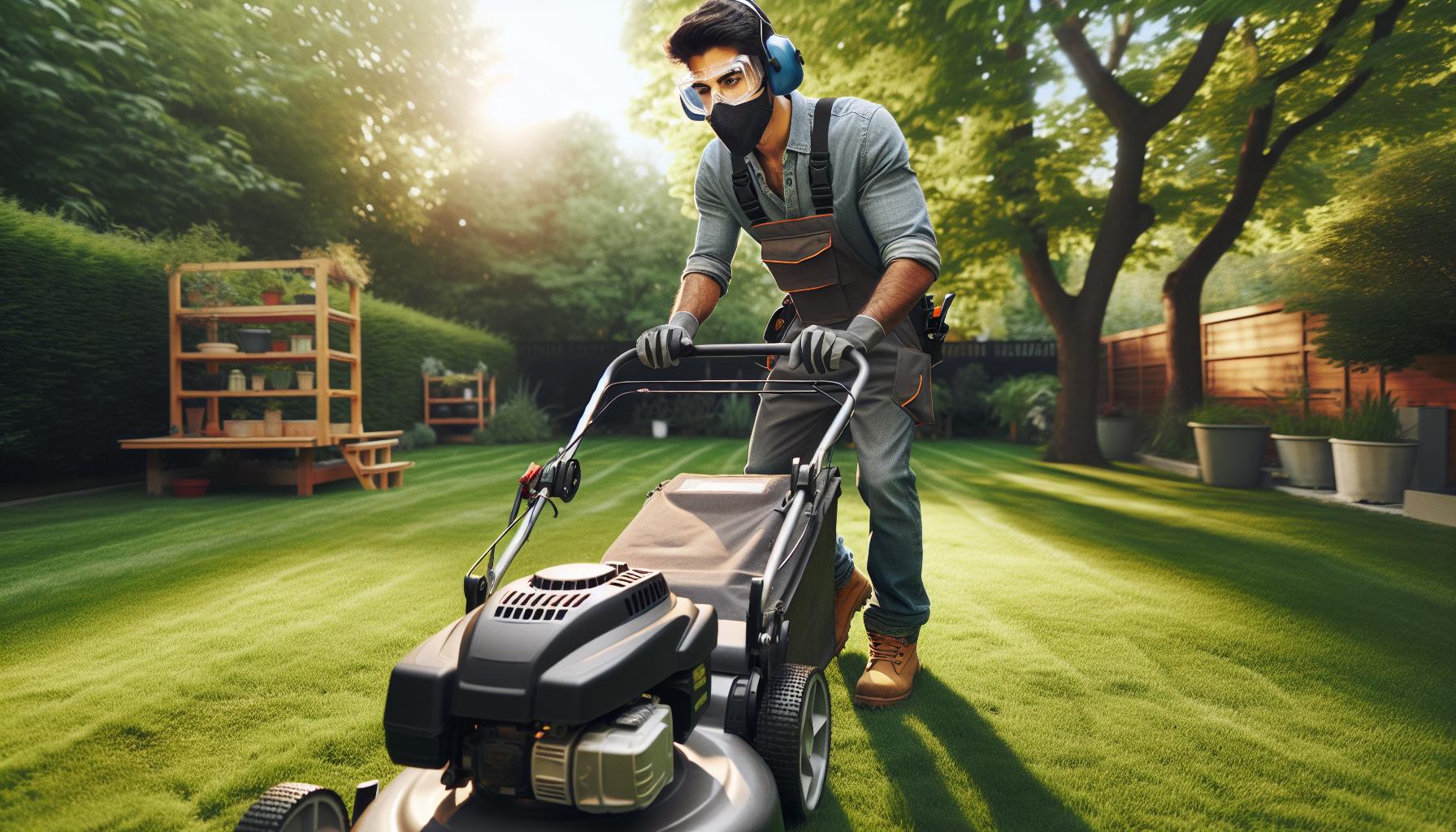
Maneuvering a lawn mower effectively is essential for both achieving an aesthetically pleasing lawn and ensuring personal safety. As you begin your mowing journey, understanding how to control your mower can make all the difference in your efficiency and safety on the job. Proper techniques will not only enhance the quality of your mowing but will also minimize the risk of accidents.
When navigating your lawn, it’s crucial to remain aware of your surroundings. Always look ahead and constantly scan for obstacles like rocks, branches, or uneven terrain that could cause you to lose control. It’s best to plan your mowing pattern in advance; for instance, mowing in straight lines can help keep the mower aligned and prevent accidental turns that may put you at risk. Effective techniques include:
Maneuvering Techniques
- Start on edges: Begin by mowing along the edges of your lawn. This not only provides a clean border but also allows you to see the entire mowing area as you proceed.
- Turn carefully: When turning, make wide arcs rather than sharp turns. This technique helps maintain control of the mower and prevents damage to the grass.
- Use both hands: Always grip the handles with both hands to maintain balance and control, especially on slopes or uneven terrain.
- Go slow on hills: When mowing on inclines, take it slow. Always mow across the slope rather than up or down to prevent the mower from tipping over.
- Stay aware of traction: If the ground feels wet or muddy, proceed with caution, as traction may be compromised and could lead to slips or loss of control.
Additionally, adjusting your speed according to the terrain can help you maintain better control. Slower speeds are advisable for difficult spots, while open areas can be navigated more swiftly.
Prioritizing safety measures as you maneuver is also essential. Always ensure that any safety features are in place while operating your mower. Regularly check for proper blade function and maintain the mower’s condition to avoid malfunction during use. Keeping your path clear and maintaining a safe distance from children, pets, or other distractions will help create a safer mowing environment.
By remaining vigilant and employing these effective techniques, you can safely maneuver your lawn mower while also achieving a beautifully manicured lawn. These practices will enhance your mowing experience and keep safety at the forefront, allowing you to enjoy your gardening efforts without incident.
Common Lawn Mower Safety Mistakes to Avoid
Operating a lawn mower can be a fulfilling activity, but it comes with its set of risks, especially for beginners. Many accidents and injuries occur due to common safety oversights. One significant mistake often made by new users is neglecting proper safety gear; going without gloves, eye protection, or sturdy shoes exposes operators to potential hazards like debris or sharp objects. It’s crucial to equip yourself with appropriate safety gear before starting your mowing session to minimize risks.
Another frequent error is failing to perform routine mower checks. Many operators jump straight into mowing without inspecting the machine for issues such as dull blades, loose parts, or fuel leaks. Regular maintenance checks can prevent equipment malfunctions that not only interrupt your work but could also cause dangerous accidents. Make it a habit to examine your mower visually before each use, checking for any visible signs of wear or damage.
Using a mower without ensuring a safe mowing area is another common pitfall. Many users overlook the necessity of clearing the lawn of debris and obstacles like branches, stones, or toys. These items can become dangerous projectiles if struck by the mower blades, leading to injuries. Before starting, always take a few moments to scan the lawn and remove anything that could potentially become hazardous during mowing.
Lastly, one of the gravest mistakes is operating a mower under unsafe conditions, such as when the ground is wet or uneven. Wet grass can lead to slips and loss of control, and mowing on uneven terrain increases the risk of tipping, especially with riding mowers. It’s vital to assess the conditions each time you mow; if conditions are less than ideal, consider postponing your task until it’s safe to proceed. By being vigilant and avoiding these common mistakes, you can ensure a safer and more enjoyable mowing experience.
Tips for Maintaining Your Lawn Mower’s Safety Features

Maintaining the safety features of your lawn mower is crucial for ensuring a safe mowing experience. Lawn mowers are equipped with various safety mechanisms designed to protect operators from injury, but these features can only function effectively if they are well-maintained. A well-cared-for mower not only enhances your safety but also optimizes operational efficiency.
To start, regularly inspect and test the safety switches and features. These include the blade brake and safety keys, which are designed to stop the mower from operating under unsafe conditions. Periodically check that the blade brake engages fully when the operator leaves the seat or releases the handle. If these safety features are not functioning properly, they should be repaired or replaced immediately. Keeping the mower’s safety features in optimal condition can prevent accidents that may occur due to unexpected starts.
Another important aspect of maintenance is ensuring that all guards and shields are in place and intact. Mowers often come with plastic or metal shields that protect users from flying debris. If these components are damaged or missing, they should be replaced without delay. This quick fix can significantly reduce the risk of injury from projectiles during mowing sessions. Additionally, it’s wise to clean these features regularly to prevent clogs from grass and debris, as blockages can impair their functionality.
Lastly, always keep the operator manual on hand and refer to it for detailed instructions on maintenance and safety checks. Manuals provide specific guidance on how often to perform certain maintenance tasks and offer troubleshooting tips for any issues that may arise. Regularly consulting this resource not only reinforces safety practices but can also enhance the longevity and performance of your mower. By proactively maintaining your lawn mower’s safety features, you create a safer environment for yourself and anyone nearby during your mowing tasks.
The Importance of Lawn Mower Maintenance for Safety
Lawn mowers are essential tools for maintaining a tidy outdoor space, but they also present potential risks if not properly maintained. Regular maintenance not only extends the life of your mower but also plays a critical role in ensuring the safety of the operator and anyone nearby. For instance, a staggering percentage of lawn mower accidents are caused by machinery that has not been serviced regularly, highlighting the necessity of proactive care for both performance and safety.
To begin with, consistent maintenance practices should include thorough inspections of safety features such as the blade brake and safety switches. These components are designed to halt operation if the mower is used improperly, but they can fail if they aren’t regularly checked or maintained. For example, a faulty blade brake may not engage when needed, leading to severe injuries. Therefore, establishing a routine to test these features-before each use or season-is vital for ensuring they function correctly.
Additionally, keeping all guards and shields intact is crucial. These protective elements are specifically designed to prevent debris from striking the operator and can dramatically reduce the risk of accidents. If you notice any damage or wear and tear, replace these parts promptly. Regular cleaning of these components will also help maintain their effectiveness, as clogs can inhibit their protective capabilities.
Staying abreast of the manufacturer’s guidelines outlined in the operator manual not only facilitates correct usage but also reinforces safety practices. Familiarizing yourself with the recommended maintenance schedule-such as oil changes, air filter replacements, and blade sharpening-enhances both safety and the longevity of your lawn mower. Integrating these practices into your mowing routine fosters a safer environment, ultimately protecting your health and the well-being of others around you. Prioritizing the maintenance of your lawn mower’s safety mechanisms is not just a good practice; it is an essential responsibility for any mower operator.
Seasonal Lawn Care Safety Tips
While mowing the lawn is often viewed as a straightforward task, it can become increasingly complex as seasons change. Each time of year brings its own challenges and potential hazards, making seasonal lawn care safety essential for novice and experienced users alike. As you prepare for a new mowing season, consider these vital safety tips to ensure your yard work is both effective and safe.
Spring Safety Preparations
As winter transitions into spring, it’s crucial to inspect your lawn mower. Start by checking the oil level, sharpening the blades, and verifying that all safety features are functional. Also, consider the unpredictable weather-rain can make grass slippery and hinder visibility, so aiming to mow when the grass is dry can prevent slips and accidents. Remember to remove any debris, such as twigs or rocks, from the mowing area, as these can pose a danger when struck by the mower.
Summer Precautions
Summer brings higher temperatures, which increases the risk of heat-related illnesses. Stay hydrated by drinking water regularly, and take breaks often to rest in shaded areas. Additionally, be aware of your surrounding environment: children and pets playing nearby can easily become distractions, increasing the potential for accidents. Use caution when mowing during the hottest part of the day; it’s often safer and more comfortable to mow in the early morning or later evening.
Fall Considerations
As you prepare for the fall season, the primary concern becomes leaf litter. While leaves can create aesthetic appeal, they can also hide obstacles in your lawn that might cause mishaps, such as holes or uneven ground. Always clear leaves from your mowing area before you begin. Additionally, remove any fallen branches or other debris that may obstruct your path. This is also an ideal time to ensure your mower is ready for winter storage, maintaining optimal safety and performance for the next season.
Winter Shutdown Tips
Once the mowing season ends, prioritize a thorough clean and service of your mower to prevent damage from cold weather. Drain the fuel, clean the deck, and store it in a dry place. Covers can be used to protect it from dust and moisture. Regular check-ups during the off-season will keep your mower in great shape, allowing for the smoothest possible start when spring rolls around again.
Taking these seasonal precautions can make a significant difference in ensuring that you enjoy a safe and efficient mowing experience throughout the year. Implementing these tips not only protects you but also promotes a healthier, well-maintained lawn.
Troubleshooting Common Lawn Mower Issues
Mowing the lawn can sometimes feel like a simple chore, but even the most reliable lawn mowers can encounter issues that may hinder your work. Understanding common problems and their solutions can save you time and frustration, ensuring that your mowing experience remains efficient and safe. From engine troubles to blade issues, knowing how to troubleshoot these problems is essential for any novice mower.
One of the most frequent issues is a lawn mower that won’t start. Before calling for professional help, check the following key areas: ensure there’s enough fuel in the tank, the kill switch is off, and the battery is charged if you have an electric or battery-operated mower. If the engine turns over but won’t start, dirty or clogged spark plugs could be to blame. Regularly cleaning or replacing spark plugs is crucial for maintaining peak performance.
Additionally, if your mower is stalling during operation, it may be time to inspect the air filter. A dirty air filter can restrict airflow to the engine, causing it to choke and stall. Simply remove the filter and clean or replace it as necessary; this quick fix can restore your mower’s power. Moreover, check the blades for damage or dullness, as this can not only affect cutting efficacy but may strain the engine, causing it to stop unexpectedly.
Another common problem is grass clumping under the mower deck, which can affect cutting performance. This is often caused by mowing wet grass or using dull blades. To avoid clumping, mow when the grass is dry and ensure blades are sharpened regularly. If clumps do form, it’s essential to clean the mower deck afterward to prevent corrosion and maintain efficient operation.
Lastly, if you encounter strange noises while mowing, don’t ignore them. Unusual sounds can indicate loose components or more serious mechanical issues. Inspect the mower for any signs of wear and tighten any loose screws or bolts. By routinely checking for these issues, you’ll extend the life of your mower and ensure a consistently beautiful lawn.
What to Do in Case of a Lawn Mower Accident
In the event of a lawn mower accident, quick and informed actions are critical to ensure safety and minimize harm. Lawn mowers, while useful, can pose risks if not handled properly, and accidents may range from minor cuts to more severe injuries. Therefore, understanding the immediate steps to take can help reduce the severity of any incident and facilitate prompt medical response when needed.
First and foremost, safeguard yourself and others in the vicinity. If an accident occurs, disengage the mower immediately to prevent further injury. If you or someone else is injured, assess the severity of the situation. For minor cuts or scratches, clean the wound with soap and water and apply a sterile bandage. However, if there are serious injuries such as deep cuts, bleeding that does not stop, or anything beyond minor burns, seek medical attention right away. Calling emergency services might be necessary, especially for injuries involving limbs or other critical areas.
Assessing the Scene
Once immediate injuries are assessed, take a moment to evaluate the area around the accident. Look for potential hazards that may have contributed to the incident, such as uneven terrain, obstacles, or a malfunctioning mower. Document the scene if possible, including taking pictures and noting any witnesses. This information can be crucial for understanding the cause of the accident and for reporting it if required later.
If the lawn mower itself experienced a malfunction leading to the accident, do not attempt to fix it until professional assistance is available. Leaving the mower as is can provide valuable information about any mechanical failures that could prevent future incidents. Keep all relevant details, like the model and maintenance history, handy for any technical evaluations.
Prevention is Key
After managing the immediate aftermath of an accident, reflect on the incident as a learning opportunity. Review safety protocols to prevent future accidents:
- Wearing appropriate safety gear: Always use safety goggles, gloves, and closed-toe shoes when mowing.
- Conducting regular mower maintenance: Regular checks can avoid malfunctions that lead to accidents.
- Staying vigilant: Be aware of your surroundings and avoid mowing in unfamiliar or dangerous terrains.
Educating yourself and following safety practices will contribute to a safer mowing experience and help ensure that similar incidents do not occur in the future. Always prioritize safety over speed-taking time to mow carefully can significantly reduce risks.
Guidelines for Mowing Different Terrain Types
Understanding the nuances of mowing on different terrains can significantly enhance both the efficiency and safety of your lawn care routine. Each type of terrain presents unique challenges, from the lush, level expanses of a traditional lawn to the steep inclines of a hillside. To achieve an optimal cut while maintaining safety, it’s essential to adapt your mowing technique to suit the landscape you are navigating.
When mowing on flat ground, ensure your mower is set to the appropriate height for the type of grass you are cutting. A typical recommendation is to keep the mower blades raised higher during the first few cuts of the season; this encourages deeper root growth and helps the grass establish itself. In contrast, for uneven surfaces or slopes, it’s crucial to approach with caution. Always mow sideways rather than up and down the slope to reduce the risk of tipping over and maintain better control over the mower. Additionally, avoid mowing on wet grass, as this can lead to loss of traction and increased chance of slipping.
For rocky or heavily landscaped areas, it’s important to be vigilant. Inspect the terrain for debris that can become hazards; rocks, branches, and leftover dead grass can jam blades or even cause injury. In such cases, consider using a mower equipped with a mulching feature, which can effectively chop up smaller debris and return nutrients to the soil. Also, if your mower allows, adjust the cutting height to avoid scalping the grass, which can lead to unsightly brown patches.
Mowing around trees and flower beds requires a different approach as well. Use a trimmer or edger for tight areas where a mower may struggle, and be careful to avoid damaging delicate plants or damaging your equipment on roots that may be near the surface. For particularly sensitive areas, consider using a reel mower, which is quieter and less likely to cause distractions for nearby wildlife or pets.
Incorporating these strategies into your mowing routine not only keeps your lawn looking its best but also enhances your safety and that of those around you. Always stay mindful of your surroundings, and make adjustments based on the specific terrain characteristics, ensuring a successful mowing experience.
Incorporating Lawn Mower Safety into Your Routine
Establishing safe mowing practices is crucial not only for your well-being but also for maintaining the health of your lawn. One of the key components of seamlessly integrating safety into your mowing routine is consistent pre-operation checks. Before even starting your mower, take the time to inspect the area for potential hazards. Look out for rocks, branches, or toys that could obstruct your path or become dangerous debris when struck by the mower blades. By clearing your mowing area, you minimize the risk of damage to your equipment and injuries to yourself or others.
Another essential safety measure is to wear appropriate protective gear every time you mow. This includes sturdy shoes to protect your feet, long pants to shield against debris, and eye protection to guard against flying particles. Hearing protection is also advisable, particularly if you are using a louder machine. Emphasizing safety gear helps create a habit that balances comfort and protection, reducing the likelihood of accidents.
Safe Operating Techniques
After addressing your environment and safety gear, shifting focus to safe operating techniques will further reinforce a culture of safety. Always keep both hands on the mower’s handles and maintain a stable stance. This ensures that you have better control, especially on slopes or uneven terrain. Avoid distractions such as mobile phones; staying focused on your mowing job allows you to respond swiftly to any unexpected situations.
While mowing, it’s vital to follow the manufacturer’s guidelines on using the equipment. For instance, if the mower has a safety feature such as a blade brake, familiarize yourself with how it operates, and ensure it is functional before use. In addition, remember to use the mower at a reasonable pace. Rushing not only increases your risk of accidents but can also lead to uneven cutting, which detracts from the appearance of your lawn.
Implementing these practices into your routine fosters a safer mowing environment. As mowing is often perceived as a straightforward task, these simple yet effective steps ensure that safety remains at the forefront of your mowing sessions, transforming a routine chore into a stress-free experience.
Faq
Q: What should I wear when mowing the lawn?
A: When mowing the lawn, it’s essential to wear protective gear such as sturdy closed-toe shoes, long pants, safety goggles, and ear protection. These items help guard against flying debris and noise from the mower, ensuring your safety while operating the equipment.
Q: How do I prepare my lawn before mowing?
A: Before mowing, clear the lawn of debris like sticks, rocks, and toys. This prevents damage to the mower and ensures a clean cut. Also, check the grass height; mowing when it’s too tall can stress the grass. Refer to our section on seasonal mowing guidelines for more tips.
Q: What time of day is best for mowing?
A: The best time to mow is in the late afternoon or early evening when the sun is lower, which helps prevent grass stress from heat. Mowing when the grass is dry also makes for a cleaner cut and reduces clumping. For detailed mowing tips, check our guidelines on different terrains.
Q: How often should I sharpen my lawn mower blades?
A: You should sharpen your lawn mower blades every 20 to 25 hours of use or at least once a season. Sharp blades promote healthier grass by creating a clean cut, reducing stress on the plants. For more mower maintenance tips, refer to our maintenance section.
Q: What is the correct mowing height for different grass types?
A: The optimal mowing height varies by grass type, typically ranging from 2 to 4 inches. For example, Bermuda grass thrives at 1-2 inches, while fescue is healthier at 3-4 inches. Always consult our guidelines for mowing different terrain types for specific recommendations.
Q: How can I improve my lawn mower’s safety features?
A: To enhance your lawn mower’s safety, regularly check and maintain features like the blade brake, safety switches, and guards. Ensure these components work correctly before each use. For a more comprehensive approach, check our tips for maintaining lawn mower safety features.
Q: What should I do if my lawn mower won’t start?
A: If your lawn mower won’t start, first check the fuel level, spark plug, and air filter. Make sure the mower is in the right starting position. For a detailed troubleshooting guide, see our section on common lawn mower issues.
Q: Are there special considerations for mowing slopes or hills?
A: Yes, when mowing slopes, always mow across the slope rather than up and down to maintain better control and prevent accidents. Make sure to use a mower designed for steep terrain if the slope is significant. Explore our guidelines for mowing different terrain types for more insights.
Wrapping Up
Now that you’re equipped with essential safety tips from our “How Do You Use a Lawn Mower: Beginner’s Safety Guide,” it’s time to take action! Remember, mowing not only elevates your lawn’s appearance but also fosters a healthier yard overall. If you’re eager to dive deeper into lawn care techniques, check out our guides on expert lawn maintenance techniques and the best practices for fertilizing your yard.
Don’t forget to subscribe to our newsletter for exclusive tips directly to your inbox and insights on enhancing your outdoor space! Your journey to a stunning lawn begins with informed choices and safety first. Share your thoughts in the comments and let us know how your lawn care experience unfolds! Keep exploring our site for more resources to help you maintain a vibrant lawn that you can be proud of.