Starting your John Deere riding lawn mower doesn’t have to be a daunting task. In fact, it’s a lot easier than you might think! With their long-standing reputation for reliability, John Deere mowers have been a staple in yards across America since their entry into the lawn tractor market in 1963. But before you fire up the engine, understanding the proper starting procedure is essential for ensuring smooth operation and extending the life of your machine. Whether you’re preparing for a weekend of yard work or maintaining your property year-round, mastering the starting process can save you time and frustration. In this guide, you’ll discover key steps to start your mower safely and efficiently, along with tips to troubleshoot common issues. Get ready to elevate your mowing experience and transform your lawn maintenance routine!
Understanding Your John Deere Riding Mower’s Controls
Operating a John Deere riding mower can seem daunting at first, especially for new users unfamiliar with its controls. Mastering these controls is crucial not only for starting the mower correctly but also for ensuring a smooth and efficient mowing experience. A well-designed control panel can enhance your mowing operation, making it easier to focus on the task at hand rather than grappling with complicated settings or levers.
One of the primary controls you’ll encounter is the ignition switch, usually located on the dash. This switch may have multiple positions, including off, on, and start. Understanding how to turn the mower on is essential before any other operation can take place. Directly adjacent to the ignition switch, you’ll find the throttle control, which regulates the engine’s speed. Most John Deere models use a simple lever marked with icons, indicating slow and fast settings-an essential feature for adjusting the mower’s performance based on the specific conditions of your lawn.
Additionally, you’ll notice brake and engagement pedals that play pivotal roles. The brake pedal is critical for safety, as the mower will not start unless it’s fully depressed. On the other hand, the engagement pedal is used to connect the mower blades once the engine is running and you’ve reached the desired speed. A common point of confusion is the PTO (Power Take Off) switch, which is crucial for engaging the mower blades. Knowing where this is and how it functions will prevent accidental blade activation during startup.
Operating Controls Effectively
To maximize efficiency while using your mower, consider the following tips:
- Familiarize Yourself with the Control Layout: Spend some time sitting in the driver’s seat and getting to know each control’s position and function.
- Practice a Few Times: Before tackling your lawn, practice starting and stopping the mower a few times in a safe, open area.
- Read the Manual: Your owner’s manual is a treasure trove of information tailored to your specific model and can clarify any doubts about the controls.
Understanding the controls of your John Deere riding mower lays the foundation for not only starting it correctly but for using it to its fullest potential. The better you know your machine, the more enjoyable and efficient your mowing experience will be.
Essential Pre-Start Checks for Safety

Before you even think about turning the key or pushing the ignition button on your John Deere riding mower, it’s crucial to run through a checklist of pre-start safety measures. These proactive steps can prevent accidents, enhance your mowing experience, and prolong the life of your equipment. By ensuring your machine is ready and safe to operate, you can focus on the task at hand and enjoy the process of cutting your grass.
Begin by inspecting the area where you plan to mow. Clear away any debris like branches, toys, or garden equipment that could obstruct your path or cause the mower to hit something unexpectedly. Pay attention to the ground as well; rocks and uneven terrain can pose hazards not just to your mower, but also to your own safety. Next, take a few moments to give your mower a thorough visual inspection. Look for leaks, check for worn or damaged belts, and examine the tires for correct inflation and wear.
Another important pre-start check involves confirming that all controls are in the correct position. Ensure the parking brake is engaged and that the mower blades are disengaged. This step is vital for safety because it prevents accidental blade engagement when starting the engine. Additionally, check the fuel level and make sure you’re using the appropriate fuel type recommended by the manufacturer to avoid potential damage to the engine. Keeping the fuel tank clean and free of contaminants is also essential, so always inspect the fuel filter if it’s been a while since the last maintenance.
Taking just a few minutes to perform these essential pre-start checks can not only save you time and trouble later but will also provide peace of mind knowing that your mowing operation is safe and efficient. By prioritizing safety, you’ll set the stage for a successful mowing experience.
Step-by-Step Guide: Starting Your John Deere Mower
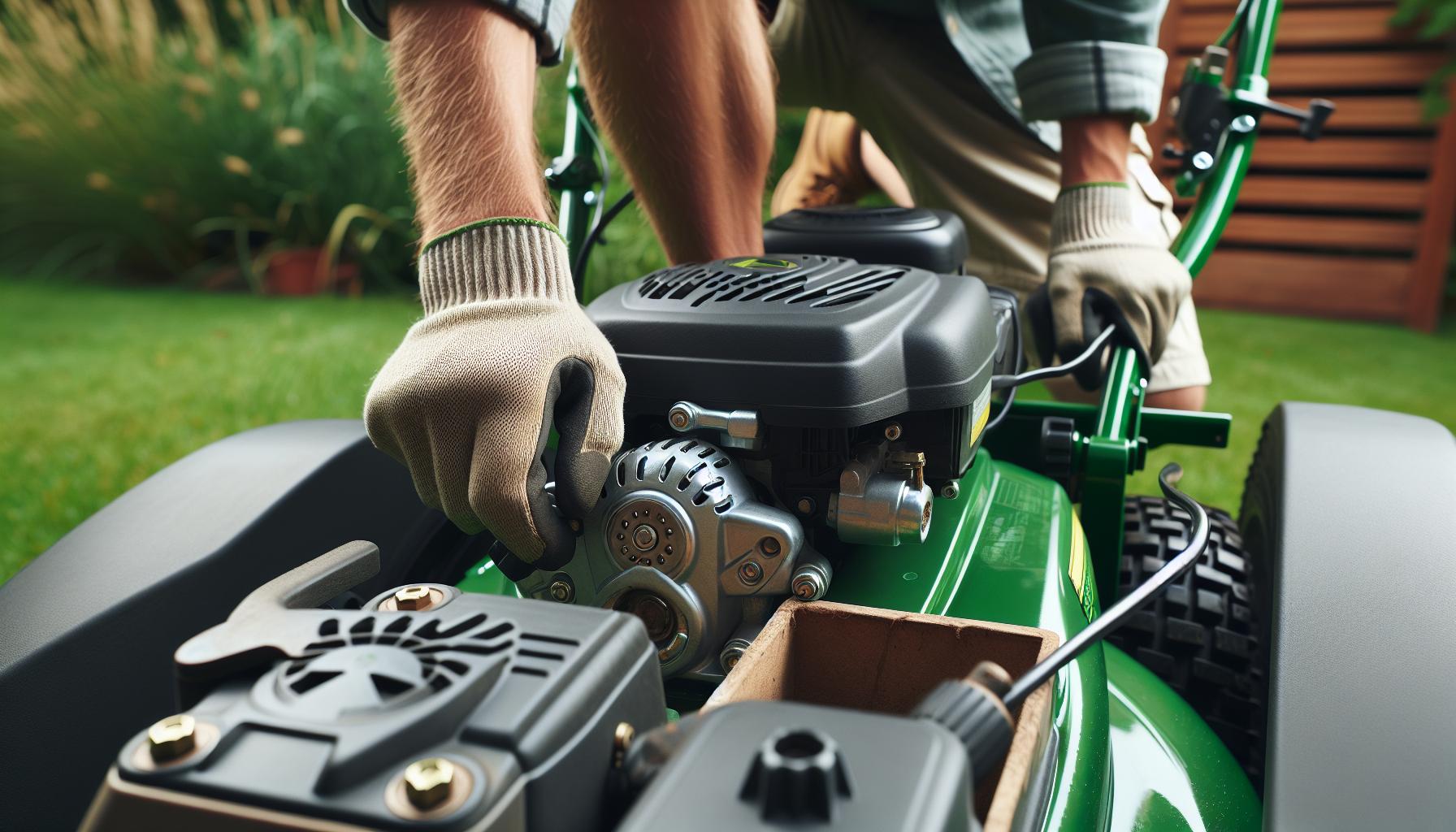
Starting your John Deere riding mower can be a straightforward task if you follow a series of simple steps, ensuring both you and your machine are ready to tackle your lawn. From checking the fuel level to securing all necessary controls, a systematic approach not only helps in starting the mower efficiently but also promotes longevity and performance.
First, ensure you’re settled in the driver’s seat and have the mower’s key accessible. With your pre-start checks already completed, including confirming that the parking brake is engaged and the blades are disengaged, you are now ready to start the engine. Begin by inserting the key into the ignition switch. For models equipped with an ignition button, make sure the switch is turned to the “On” position.
Next, you will want to engage the choke if your mower is equipped with one; this is typically done by pulling the choke knob outward. This step is particularly important in cooler weather, as it helps provide a richer fuel mix for easier starting. Once everything is set, press the ignition button or turn the key to the “Start” position. Hold it for a few seconds until you hear the engine roar to life. If your mower doesn’t start immediately, allow a brief pause and try again, unless troubleshooting is warranted.
After successfully starting the engine, allow it to idle for a minute. This brief warm-up period lets the oil circulate properly, ensuring adequate lubrication before you start mowing. You might notice that as the engine warms, it may begin to sound smoother-this is a sign that you are ready to move on to the task of mowing. Be sure to check the throttle setting; a higher throttle helps with performance, especially when engaging the blades.
By following these steps with care, you’ll not only start your John Deere riding mower correctly but also pave the way for effective mowing sessions ahead. Enjoy the satisfaction of a well-kept lawn with the assurance that your equipment is operating at its best!
Troubleshooting: What to Do When It Won’t Start

When faced with a John Deere riding mower that refuses to start, it can be both frustrating and perplexing. Understanding the potential issues can save you time and reduce unnecessary stress. Start troubleshooting by checking the most common culprits: battery problems, fuel issues, and ignition faults. If the battery is weak or dead, your mower won’t start. Use a multimeter to check the battery voltage; it should be around 12.6 volts when fully charged. Charging the battery or replacing it altogether may be necessary if it’s significantly below this threshold.
Fuel-related problems are another frequent cause of starting issues. Ensure you have fresh fuel in the tank, as stale gasoline can hinder engine performance. If the mower has been sitting for a while, consider draining and replacing the fuel. Additionally, check the fuel filter and lines for blockages, ensuring that fuel can flow freely to the engine. If the fuel system appears clear but the mower still won’t start, inspecting the carburetor is a good next step. A dirty or improperly adjusted carburetor can create an ineffective air-fuel mixture, making starting more difficult.
Finally, don’t overlook the ignition system. Ensure the spark plug is clean and in good condition; a faulty or dirty spark plug can lead to weak or nonexistent ignition. Replace the spark plug if necessary and check the ignition coil for proper function. Inspect electrical connections for corrosion or looseness, as these can also interfere with starting.
By addressing these key components-battery, fuel system, and ignition-you can effectively diagnose and resolve many starting issues with your John Deere riding mower. Regular maintenance and checks can help prevent these problems from arising in the first place, ensuring that your mower is always ready to tackle your lawn care tasks.
Best Practices for Engine Warm-Up
Starting your John Deere riding mower efficiently is just the beginning; taking care to warm up the engine properly is crucial for ensuring optimal performance and longevity. Many people overlook this step, but letting the engine reach the correct operating temperature can significantly enhance reliability and functionality. A cold engine can lead to poor performance, increased emissions, and potential engine wear, especially if you’re heading out to tackle tougher tasks shortly after startup.
To warm up your mower correctly, begin by letting it idle for a few minutes after starting. This practice allows the oil to circulate thoroughly throughout the engine, lubricating vital components and reducing the risk of friction that can lead to wear. Aim for around three to five minutes of idling, especially on colder days. During this time, you can check for any unusual noises or vibrations, ensuring everything sounds as it should before hitting the field.
Another best practice is to engage the throttle slowly. After warming up the engine, gradually increase the throttle while the mower is still in neutral. This prevents shock to the engine and allows it to adapt slowly to a higher RPM, maintaining a balanced flow of fuel and air. Keep an eye on the temperature gauge, if available, ensuring it doesn’t rise too quickly, which could indicate a cooling issue.
Lastly, it’s essential to consider the weather when warming up your mower. In colder conditions, you may need to allow a longer warm-up period compared to milder temperatures. This can help mitigate the effects of thickened oil and ensure better lubrication. If you often mow in cooler climates, investing in high-quality synthetic oil can also help maintain engine performance during those first critical minutes.
By incorporating these simple yet effective warm-up techniques, you can significantly enhance your mower’s operational efficiency and extend its lifespan, allowing you to keep your lawn looking pristine with minimal hassle.
Tips for Maintaining Optimal Performance
Maintaining your John Deere riding mower’s optimal performance is essential not only for achieving a pristine lawn but also for extending the life of your equipment. Regular upkeep and mindful operation can lead to greater efficiency, reduced downtime, and enhanced reliability. One captivating fact is that many small issues can snowball into significant problems if not addressed promptly, making it vital to stay vigilant and proactive.
A critical tip for maintaining performance is to ensure regular oil changes. Fresh oil lubricates engine components effectively, facilitating smoother operation. Check your oil level frequently, and consider changing it at least once every season or after 50 hours of operation, depending on usage. Using the correct type and viscosity of oil as recommended in your owner’s manual cannot be overstated. Additionally, a clean air filter is essential; it prevents dust and debris from entering the engine, which can severely impact performance. Inspect the air filter before each use and replace it as recommended or when it appears dirty.
Keeping the Blades Sharp
Equally important is the condition of your mower’s blades. Dull blades can tear grass rather than cut it cleanly, making your lawn more susceptible to disease. Aim to sharpen blades after every 20 to 25 hours of use or at the beginning of each mowing season. If you’re unsure about blade maintenance, many local service centers offer sharpening services that can save you time and ensure optimal cutting performance.
Another aspect to consider is the battery’s health. It’s important to periodically inspect the battery connections for any corrosion and ensure the terminals are tight. If you notice your mower is slow to start or the battery dying frequently, it may be time to replace it. Keeping the battery charged during off-seasons and when not in use will also prolong its life.
Lastly, don’t underestimate the value of a thorough clean. After each mowing job, take a few minutes to clean the underside of the mower deck. Grass clippings can build up and hinder the mower’s efficiency, leading to a less even cut. A clean mower not only performs better but also helps in preventing rust and damage to the deck over time.
Implementing these guidelines will unquestionably contribute to a more enjoyable mowing experience, allowing for a healthy and lush lawn while maximizing the performance and longevity of your John Deere riding mower.
Seasonal Maintenance to Keep Your Mower Running
Performing seasonal maintenance on your John Deere riding mower is crucial for ensuring it operates smoothly throughout the changing conditions of the year. As seasons shift, various factors can affect the performance of your mower, from fluctuating temperatures to potential wear and tear due to prolonged usage. Carving out time for thorough maintenance not only enhances operational efficiency but also extends the life of your equipment, preventing costly repairs down the line.
To optimize performance as seasons change, consider these essential tasks:
- Oil Change: At the start of every mowing season, change the engine oil and replace the oil filter. This maintains lubrication and reduces friction, allowing your mower to start smoothly and function effectively.
- Air Filter Maintenance: Inspect and clean or replace the air filter. Clogged filters can restrict airflow, leading to poor engine performance. A clean air filter ensures that your mower operates efficiently.
- Blade Sharpening: Keep mower blades sharp, especially before the onset of active mowing seasons. Dull blades can damage grass, making it more susceptible to disease. Regular sharpening at the beginning of each season or after every 20-25 hours of use will promote a healthier lawn.
- Battery Care: Check the battery’s connections and clean any corrosion. If your mower struggles to start, a weak battery could be the culprit. Charging the battery during the off-season can prolong its life.
- Tire Inspection: Regularly inspect tire pressure and tread wear. Properly inflated tires ensure better traction and an even cut, while addressing any wear prevents unexpected failures.
- Deck Cleaning: After each use during the mowing season, clean the mower deck. Removing grass clippings and debris helps prevent rust and maintains cutting performance.
By adhering to these maintenance practices, you’ll not only ensure optimal performance but also create a more enjoyable mowing experience. Regular attention to maintenance can significantly impact the quality of your lawn care, making every mowing season productive and hassle-free. Whether you’re gearing up for spring growth or preparing to tuck your mower in for winter, these preventive measures will keep your John Deere running smoothly year after year.
Common Starting Issues and Their Solutions
Starting your John Deere riding mower should be a smooth process, but you might encounter obstacles along the way. Common starting issues can stem from various factors, including fuel problems, battery concerns, or mechanical failures. Understanding these hurdles can save you time and get you back to mowing in no time.
One frequent issue is a lack of fuel or fuel delivery problems. Before diving deeper, ensure the fuel tank is filled with fresh gasoline and that the fuel valve is open. If your mower has been sitting for an extended period, especially in colder months, stale fuel can clog the system. A simple solution is to drain old fuel and refill the tank with fresh gasoline mixed with a fuel stabilizer. Additionally, inspect and clean the fuel lines to eliminate blockages that may hinder fuel flow.
Another culprits in starting issues are battery-related problems. A weak or dead battery can prevent your mower from starting. Regularly check the battery connections for corrosion and ensure they are securely fastened. If the battery voltage is low, it might simply need a charge. In colder weather, batteries can lose their capacity to hold charge, so consider using a battery maintainer during the off-season.
Spark plug failure is another common hurdle. A faulty spark plug can prevent ignition. Checking the spark plug for wear or damage is straightforward; if the electrode is worn down or covered in carbon buildup, replace it to ensure a solid spark when you attempt to start your mower. Additionally, making sure the air filter is clean promotes better airflow, which is essential for combustion and can contribute to starting issues.
Lastly, always refer to your mower’s manual for troubleshooting guidelines specific to your model. Regular maintenance and prompt attention to these common issues can enhance your mower’s reliability, ensuring you enjoy a hassle-free mowing season. By being proactive and following these tips, you’ll minimize the chance of frustrating starting delays and keep your John Deere mower performing at its best.
How to Properly Store Your Mower After Use
Proper storage of your John Deere riding mower is crucial for maintaining its performance and longevity. Many overlook this essential step, but taking the time to store your mower correctly can prevent problems when you need it most. Just like any complex machinery, how you treat your riding mower after a job can determine its readiness for the next one.
Start by cleaning your mower thoroughly. Remove grass clippings, dirt, and debris from the underside of the mower deck and the engine area. This not only helps to prevent rust and corrosion but also ensures optimal airflow during operation. After cleaning, check the blades. If they are dull or damaged, sharpen or replace them before storing to ensure a clean cut when you resume mowing.
Next, consider the fuel system. If your mower will be stored for an extended period, it’s wise to drain the fuel tank and fuel lines to avoid any issues with stale gas. Alternatively, adding a fuel stabilizer can help keep the fuel fresh. Don’t forget to check the oil level and change it if necessary; old oil can lead to engine wear. Additionally, inspect and top off any other fluids, like the battery electrolyte, to keep everything in perfect shape.
Finally, find a suitable storage location. Ideally, the mower should be kept in a dry, sheltered area away from direct sunlight and extreme temperatures. This protects the paint and tires from fading and cracking. Investing in a quality mower cover can provide an extra layer of protection against dust and moisture. By following these simple steps, you ensure that your John Deere riding mower is ready to start smoothly and perform reliably whenever you need it next.
Upgrading Your Mower: Accessorizing for Efficiency
Accessorizing your John Deere riding mower not only enhances its functionality but can also improve your efficiency and overall mowing experience. With the right upgrades, you can transform a standard mower into a versatile machine tailored to your specific needs. Whether you’re looking for better performance, increased comfort, or added utility, various accessories can help you achieve those goals.
One of the most impactful upgrades is the installation of a bagging system. This accessory makes it easy to collect grass clippings during mowing, resulting in a cleaner lawn and reducing the need for additional clean-up afterwards. Many John Deere models offer compatible baggers that integrate seamlessly, enhancing efficiency without compromising performance. Additionally, think about investing in a mulching kit. This allows for finer clipping dispersal, which can benefit your lawn by returning nutrients back to the soil.
Upgrading your mower with LED headlights is another effective way to extend your mowing hours. If your schedule restricts you to early mornings or late evenings, enhanced visibility from LED lights improves safety and efficiency. For those who often work in uneven terrain, consider adding a suspension seat for improved comfort and support during longer mowing sessions. This can reduce fatigue and increase productivity, allowing you to cover more ground without discomfort.
Other valuable accessories include tow-behind attachments, which can widen the scope of your mower’s utility. These attachments allow you to pull various equipment such as seeders or aerators, effectively transforming your mower into a versatile landscape tool. Chassis upgrades, like added weight kits, can also enhance traction when mowing on slopes or wet grass.
Ultimately, choosing the right accessories for your John Deere riding mower greatly enhances its efficiency and boosts your confidence as a user. Whether you want to maintain a pristine lawn or tackle additional landscaping tasks, the right upgrades can make all the difference. By thoughtfully accessorizing your mower, you will not only streamline your mowing process but also take full advantage of the capabilities that these reliable machines offer.
FAQ
Q: How do I prepare my John Deere riding lawn mower for starting?
A: To prepare your John Deere riding lawn mower for starting, ensure it’s on a flat surface, check that the parking brake is engaged, and that the mower blades are disengaged. Verify that the fuel tank has enough fuel and inspect the battery connections for corrosion.
Q: What steps should I follow to start my John Deere riding lawn mower in cold weather?
A: In cold weather, ensure your mower’s battery is charged and clean. Engage the choke if applicable, turn the key to the starter position, and allow the engine to crank for a few seconds. This helps warm the engine and increases the chances of a successful start.
Q: Why won’t my John Deere riding mower start even when the battery is charged?
A: If your John Deere riding mower won’t start despite a charged battery, check the fuel supply, ensure the safety switches are engaged, and examine the ignition system. Consult the troubleshooting section of your mower’s manual for detailed steps on resolving starting issues.
Q: How can I troubleshoot starting issues with my John Deere riding mower?
A: To troubleshoot starting issues, first check if the fuel valve is open and the battery is charged. Verify the safety features, such as the parking brake and seat switch, are operational. Inspect the starter and ignition systems if other checks fail.
Q: When should I service my John Deere riding mower for best starting performance?
A: It’s recommended to service your John Deere riding mower annually to maintain optimal performance. Regularly check the battery, fuel system, and spark plug. Seasonal maintenance, such as oil changes and blade sharpening, can also enhance starting reliability.
Q: What is the correct starting sequence for a John Deere riding lawn mower?
A: The correct starting sequence includes engaging the parking brake, ensuring the blades are disengaged, turning the key to the ‘Start’ position until the engine starts, and then releasing the key. Allow the engine to idle for a minute before use to ensure proper warm-up.
Q: What maintenance checks can prevent starting problems on my John Deere riding mower?
A: Regular maintenance checks, including inspecting the battery, ensuring there’s fresh fuel, and cleaning or replacing the air filter, can significantly prevent starting problems. Following best practices outlined in the maintenance section of your lawn mower’s manual is advisable.
Q: How can I ensure my John Deere riding mower starts smoothly every time?
A: To ensure smooth starting, perform regular maintenance such as checking the oil, replacing the spark plug as needed, maintaining clean fuel lines, and inspecting the battery condition. Utilizing proper winter storage techniques can also aid in reliable starts in colder months.
Future Outlook
Congratulations on mastering the art of starting your John Deere riding lawn mower! By following these essential steps, you’re well-equipped to tackle your lawn care tasks efficiently. Remember, proper maintenance and understanding your mower’s features can enhance performance and extend its life. Feeling ready to take action? Don’t hesitate to explore our in-depth guides on “John Deere Maintenance Tips” and “Troubleshooting Common Lawn Mower Issues” for more valuable insights.
If you found this guide helpful, consider subscribing to our newsletter for the latest tips and exclusive content to keep your equipment in top shape. Have questions or feedback? We’d love to hear from you-drop a comment below! Each interaction helps us improve and provide valuable resources for all your lawn care needs. Keep mowing smart, and visit us again for more expert advice!