
Starting a lawn mower for the first time can feel intimidating, but it doesn’t have to be. Did you know that mastering this simple task can empower you to take control of your outdoor space? Whether you’re tackling a small patch of grass or a sprawling yard, knowing how to turn on your mower not only makes your lawn care easier, but it also boosts your confidence in maintaining your property. In this guide, we’ll demystify the process, breaking it down step by step so you can get your mower running smoothly. With just a little knowledge, you’ll be well on your way to creating a beautiful, well-groomed lawn that you can be proud of. Ready to dive in? Let’s get started!
How a Lawn Mower Works: Basics Explained
Starting a lawn mower may seem intimidating to first-time users, but understanding its basic components can demystify the process. At its core, a lawn mower operates using a simple yet effective mechanism that combines a gas or electric motor with a cutting blade. When the engine is started, it powers the blade, which rotates at high speed to effectively cut grass. This rotational movement is crucial for achieving a clean, even cut and depends on achieving a proper balance of power and speed.
A lawn mower comprises several key parts: the engine (which can be gas-powered or electric), the fuel or battery system, the cutting blade, the wheels, and various controls such as the throttle, choke, and safety features. The motor generates power, which is transferred to the spinning blades through a series of drive belts. This allows the mower to perform its primary function: cutting grass. Additionally, many modern mowers incorporate self-propelling features, making it easier to navigate across lawns without excessive manual effort.
Understanding the role of throttle and choke can significantly enhance performance. The throttle controls the engine’s speed, allowing for adjustments based on the type of grass being mowed or the terrain. The choke, on the other hand, supplies a richer fuel mixture to the engine to facilitate easier starting, especially in colder conditions. Together, these features ensure that the mower operates optimally, delivering the best results for your landscaping needs.
In summary, familiarizing yourself with how a lawn mower operates not only aids in starting it successfully but also enhances your overall mowing experience. Knowing the components and their functions allows users to troubleshoot any issues they may encounter and promotes a sense of confidence and competence in managing their lawn care tasks.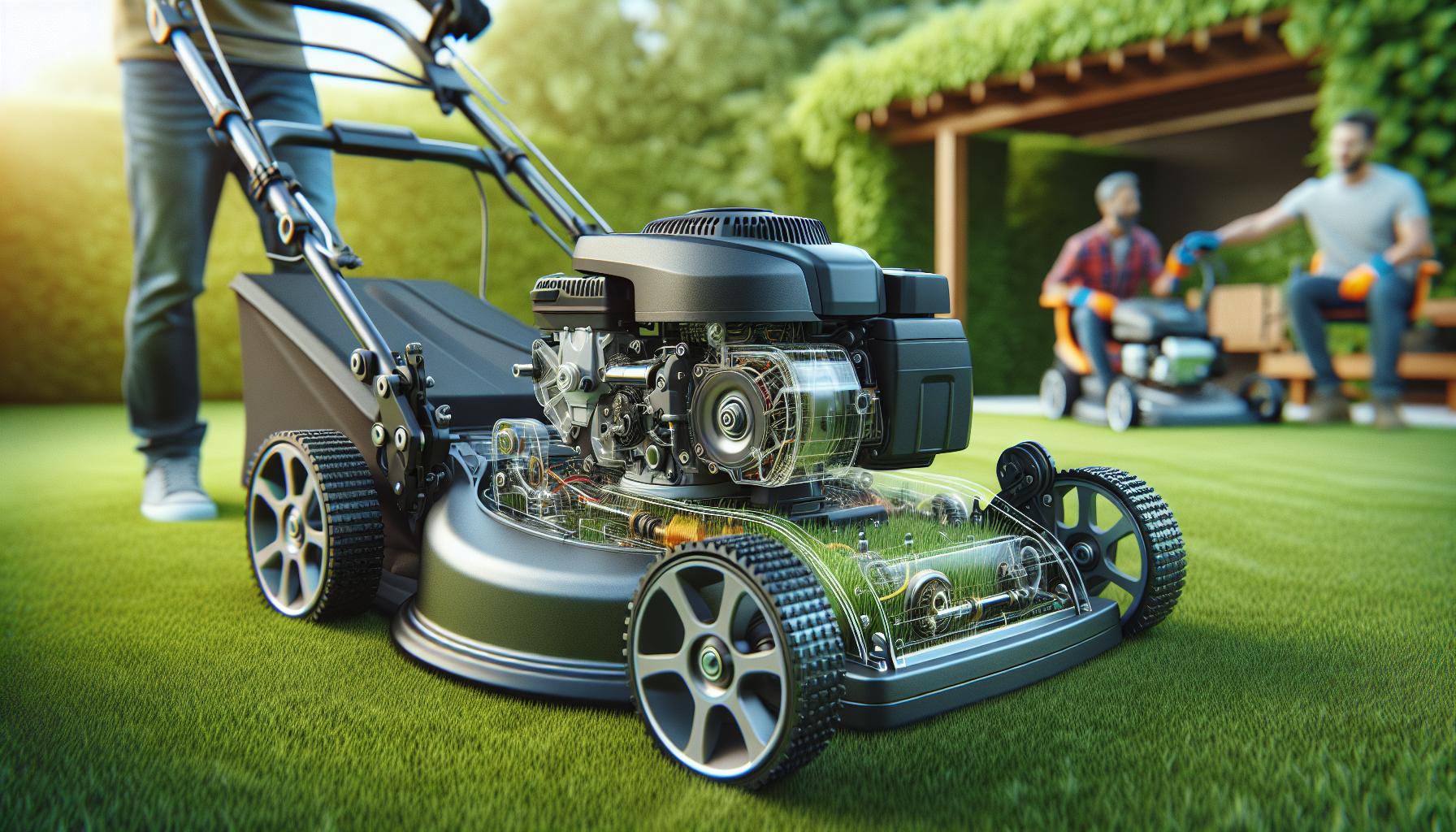
Essential Safety Tips Before Starting
Before you embark on the journey of mowing your lawn, it’s crucial to familiarize yourself with the essential safety precautions to protect yourself and those around you. Lawn mowers are powerful machines that, when used improperly, can lead to serious injuries. In fact, thousands of injuries related to lawn mowing occur every year, often from neglecting safety measures. By following a few simple guidelines, you can ensure a safer mowing experience.
- Wear Appropriate Clothing: Always don sturdy, closed-toe shoes and long pants to protect your legs and feet from flying debris. Avoid loose clothing, which could get caught in the mower’s moving parts.
- Protect Your Eyes and Ears: Utilize safety goggles or glasses to shield your eyes from flying objects like stones or twigs. Ear protection is also recommended if you’re using a gas-powered mower, as the noise can be quite loud.
- Inspect the Mower: Before starting your mower, take a moment to inspect it for any signs of damage or wear. Ensure the blades are sharp and free from debris, and check the safety features to confirm that they are functioning properly.
- Clear the Area: Prior to mowing, walk through your lawn and remove any obstacles such as sticks, toys, or stones. This not only protects your mower from damage but also minimizes the risk of injury from flying debris.
- Stay Sober: Alcohol and machinery do not mix. Never operate a lawn mower while under the influence of alcohol or drugs, as this significantly increases the risk of accidents.
By adopting these essential safety measures, you create a safer environment not just for yourself but also for anyone nearby. Remember, taking a bit of time to prepare can make a significant difference in your mowing experience and help prevent accidents. Always prioritize safety to ensure that mowing your lawn remains an enjoyable task rather than a hazardous chore.
Step-by-Step Guide to Starting Your Lawn Mower
Starting a lawn mower for the first time can feel daunting, but understanding the process can make it a straightforward task. Every model may have slight variations, but the fundamental steps remain consistent across most types of lawn mowers. Knowing these steps not only boosts your confidence but also ensures that the mower operates efficiently, enhancing your mowing experience.
Begin by ensuring that you have fuel if you’re using a gas mower or have charged the battery if it’s electric. For gas mowers, fill up the tank with fresh gasoline, and ensure you’re using the appropriate oil as specified in the user manual. Make sure to check the mower’s oil level and fill it if necessary to keep the engine properly lubricated. It’s a good practice to perform this check before each use, as low oil can severely damage the engine.
Once you’re ready, locate the ignition or start button, usually found on the handle or dashboard. If your mower has a safety handle, make sure to squeeze it tightly against the handle. This is a safety feature that must be engaged for the mower to start. For models equipped with a choke, adjust it to the start position, especially in cooler conditions, to help the engine start more easily. Depending on your mower, you might also need to engage the throttle to a higher setting.
Now, take a firm grip of the starter cord or press the ignition button. For mowers with a pull starter, give the cord a swift, firm pull. You may need to repeat this step a couple of times if the engine doesn’t catch immediately. If it’s an electric model, simply press the start button. Once the engine is running, check that everything sounds normal, and adjust the choke and throttle settings as needed to ensure smooth operation.
By following these simple yet essential steps, you’ll be ready to tackle your lawn care tasks with ease and confidence. Regular maintenance and checks can prevent starting issues, ensuring your lawn mower is always ready for action.
Troubleshooting Common Starting Issues
Starting a lawn mower can sometimes feel like trying to solve a complex puzzle, especially for first-time users. If your mower isn’t roaring to life as expected, it can lead to frustration. Fortunately, many common starting issues can easily be identified and resolved with a little knowledge and patience. Understanding these potential problems not only saves you time but also helps you feel more confident in your ability to handle your equipment.
One frequent culprit behind a stubborn mower is the fuel supply. It’s essential to check if there’s sufficient fuel in the tank. If the mower still refuses to cooperate, inspect the fuel itself; stale or contaminated fuel can lead to starting difficulties. Remember that using a fuel stabilizer can prolong the life of your gasoline and maintain optimal engine performance. If your engine appears to be getting fuel, the next logical step is to examine the spark plug. A spark plug that is corroded or has a damaged tip can fail to ignite the fuel in the engine. If the plug is wet, it indicates fuel is reaching it, yet there’s likely a problem with ignition. Conversely, a dry plug points to potential fuel delivery issues, such as a clogged carburetor.
Additionally, don’t overlook the ignition system; loose wires or corroded connections can prevent the mower from starting altogether. Ensure all connections are secure and clean. If your mower is equipped with a choke, especially on cooler days, adjusting it to the correct position can significantly aid in starting. And remember, if you’ve tackled these issues and the mower remains unresponsive, checking the engine compression may reveal deeper mechanical problems that require professional attention.
For convenience, here’s a summary of troubleshooting steps you can follow:
- Check fuel levels: Is there enough fresh fuel in the tank?
- Inspect the spark plug: Is it wet or dry? Clean or replace if necessary.
- Examine the ignition system: Are all wires connected firmly and free of corrosion?
- Adjust the choke: Is it set correctly for current conditions?
- Evaluate engine compression: Is there enough compression for the engine to start?
By following these straightforward steps, you can quickly diagnose and address many of the typical starting issues that may arise with your lawn mower. This proactive approach not only enhances your mower’s performance but also empowers you to become more adept at lawn care.
Understanding Different Types of Lawn Mowers
There are various types of lawn mowers, each designed to cater to different lawn types and user needs. Understanding the distinctions can significantly impact your lawn care experience and ensure you select the right tool for the job. Whether you’re maintaining a small suburban yard or tackling a larger property, the right mower can streamline your mowing process and enhance the health of your lawn.
One of the most common types is the push mower, which is ideal for small to medium-sized yards. Push mowers come in both manual and self-propelled models. Manual push mowers, powered solely by human effort, offer a more environmentally friendly option and are often quieter, making them suitable for residential areas. Self-propelled versions, on the other hand, provide ease of use thanks to their driven wheels and are especially helpful on hilly terrain, reducing the physical effort required from the user.
Riding mowers are another popular choice, particularly for larger properties. These machines allow you to sit comfortably while mowing, making them an excellent choice for individuals with extensive lawns. Within this category, you have options such as lawn tractors and zero-turn mowers. Lawn tractors are designed for durability and versatility, often providing attachments for tasks beyond mowing, such as snow removal or hauling. Zero-turn mowers offer enhanced maneuverability with their ability to turn 180 degrees easily, making them perfect for intricate landscaping.
Electric mowers, either corded or battery-operated, have gained popularity due to their quieter operation and lower environmental impact compared to gas models. Corded mowers are perfect for smaller yards, while battery-operated versions provide the freedom of mobility without a cord, making them effective for medium-sized lawns. On the other hand, gas-powered mowers are still favored for their power and effectiveness on larger or tougher terrain, delivering robust performance even in thick grass or rocky areas.
Regardless of the type of lawn mower you choose, it’s essential to consider your specific lawn care needs, the size of your yard, and how much manual effort you’re willing to exert. Knowing these factors will help you make an informed decision and keep your lawn looking its best all season long.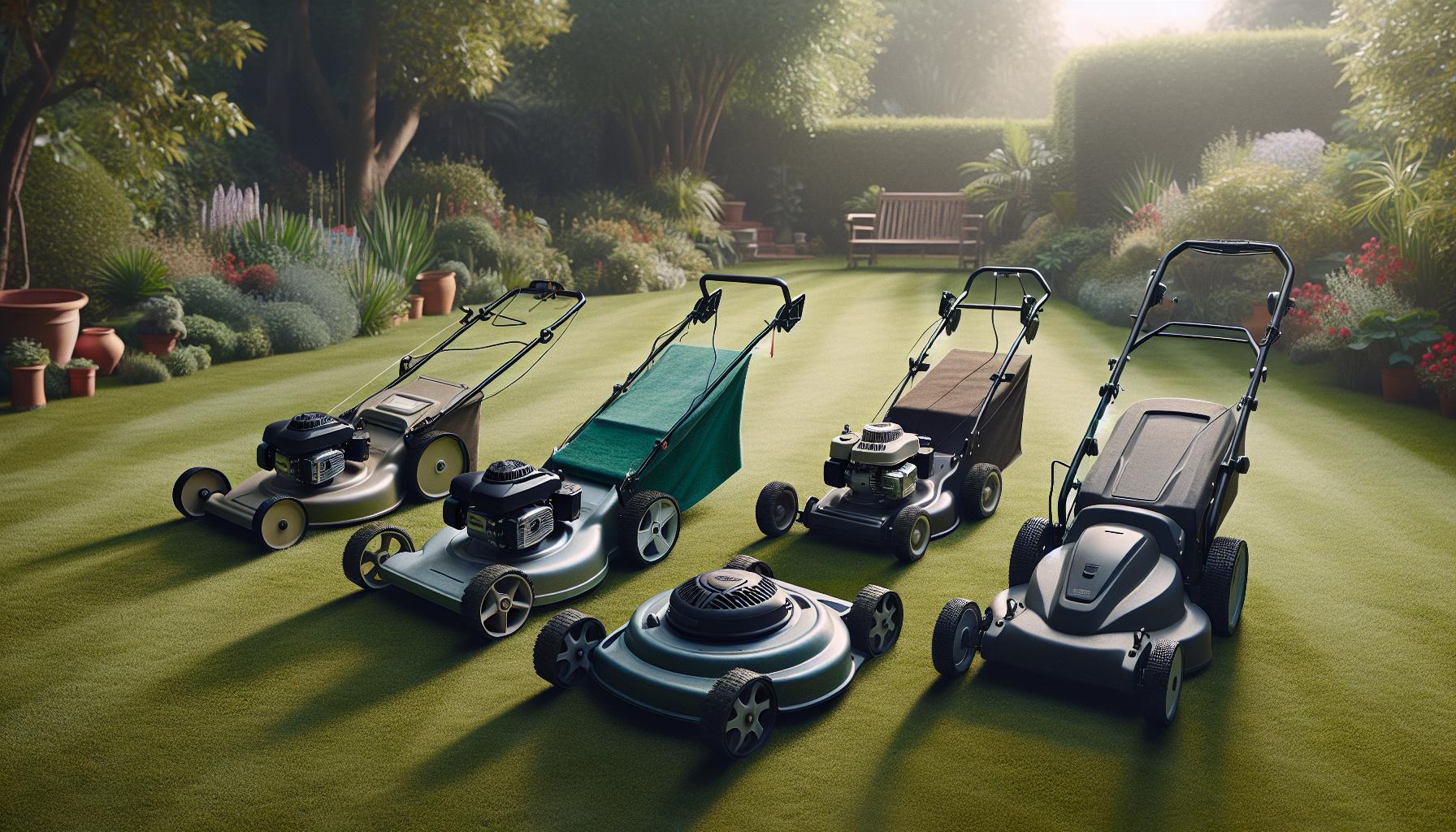
Using Choke and Throttle for Optimal Performance
Understanding how to use the choke and throttle on your lawn mower can significantly enhance its performance, ensuring a smoother start and more efficient operation. Many first-time users may feel overwhelmed by these components, but they are essential for optimizing fuel air mixture and managing engine speed. Utilizing these controls correctly not only extends the life of your mower but also improves your mowing experience.
When starting a cold engine, engage the choke fully. This restricts airflow, enriching the fuel mixture and making it easier for the engine to start. It’s crucial to remember that once the engine has warmed up-usually after a minute or so-you should reduce the choke to avoid stalling. Keeping the choke fully engaged while the engine runs can lead to issues such as rough idling or choking the motor, ultimately making it stall unless it is cold.
The throttle control, on the other hand, adjusts the engine’s speed while it is running. For mowing, the throttle should typically be set at a midway point, balancing power and fuel efficiency. If your mower is equipped with variable throttle settings, experimenting to find the sweet spot can enhance performance, especially in dense grass or varying terrain. A higher throttle setting generates more power for tough cuts but may also consume more fuel, so adjust accordingly based on your mowing conditions and needs.
To maximize the effectiveness of your mower, familiarize yourself with the specific throttle and choke configurations of your model, as there might be variations based on manufacturer designs. Reading the owner’s manual can provide specific guidance on optimal settings. Whether you are trimming your lawn or tackling thicker patches, understanding the interplay between throttle and choke ensures that you maintain effective operation while preventing avoidable machinery strain and fuel wastage.
Maintenance Tips for a Smooth Start
To ensure a lawn mower starts smoothly, a few maintenance habits can go a long way. Did you know that regular upkeep not only enhances performance but can also save you time and frustration on the day you need it most? A well-maintained mower improves efficiency, helps the engine run cooler, and greatly reduces the risk of common start-up issues that many first-time users face.
One of the primary tasks for smooth starting is to keep the mower’s air filter clean. A clogged filter can restrict airflow, causing starting issues and inefficient engine performance. Check the air filter before each use and replace it if it’s dirty. Additionally, regularly changing the oil and its filter is crucial. Dirty oil can lead to increased friction and decreased engine performance, making it more difficult to start your mower.
Another essential aspect of mower maintenance is ensuring the spark plug is in good condition. Inspect it for wear and tear, and replace it if you notice any corrosion or if the electrode is worn down. A new spark plug can make a significant difference in your mower’s start-up performance. It’s also a good idea to lubricate moving parts, including the blade and wheel hubs, to prevent rust and ensure smooth operation.
Lastly, checking the fuel system is vital. Use fresh fuel, ideally mixed with a fuel stabilizer, to prevent deterioration and clogging in the carburetor. Stale gas can cause starting troubles and engine sputtering. By incorporating these simple maintenance tips, you not only ensure a smoother start but also extend the life of your lawn mower, leading to a more enjoyable mowing experience.
Seasonal Preparation for Lawn Mower Usage
Prepping your lawn mower for the upcoming mowing season is crucial not just for efficiency but also for prolonging the life of your equipment. Did you know that a well-prepared mower can save you both time and money? The key to a successful mowing season begins with seasonal preparation, setting the stage for a smooth and effective operation every time you step into your yard.
First, give your mower a thorough inspection. Start by changing the oil, which is essential for keeping the engine running smoothly. Old or contaminated oil can lead to increased friction and wear, making it harder for the mower to start. In addition to oil changes, check the air filter. A clean air filter ensures optimal airflow, which is crucial for engine performance. If the filter is clogged, replace it to avoid potential starting issues.
Next, focus on the blades. Dull blades can tear grass rather than cut it cleanly, resulting in a less healthy lawn. Sharpen or replace your mower blades as needed at the beginning of the season. This not only improves the quality of your cut but also reduces strain on the engine.
Lastly, don’t overlook the importance of fuel. If your mower uses gasoline, make sure to check the fuel system for any leaks or stale gas. Fresh fuel mixed with a fuel stabilizer is recommended to keep the carburetor functioning well and prevent starting problems. For electric mowers, ensure that the battery is fully charged and that all connections are secure. Taking these steps will help ensure your mower starts easily and runs efficiently, making your mowing experience much more enjoyable.
Gas vs. Electric: Which to Choose?
Choosing between gas and electric lawn mowers can significantly affect your mowing experience, especially for first-time users. Each type offers distinct advantages and disadvantages, catering to different needs and preferences. Gas mowers, known for their power and efficiency, can handle larger lawns and thicker grass with ease. They typically showcase greater cutting power, allowing for faster mowing sessions; however, they also come with maintenance requirements such as oil changes and spark plug replacements.
On the other hand, electric mowers-whether corded or battery-operated-have gained popularity due to their user-friendly nature and environmental benefits. They produce less noise and no emissions, making them ideal for suburban settings where noise regulations might apply. Furthermore, modern electric models often feature impressive cutting capabilities that rival their gas counterparts. However, they might be limited in terms of runtime (for battery-operated models) and power when tackling especially dense grass.
- Gas Mowers:
- Pros:
- Powerful and suitable for large areas
- Long runtime without the need for battery recharging
- Cons:
- Require more maintenance
- Higher operating costs due to fuel and oil
- Noise and emissions might be an issue
- Pros:
- Electric Mowers:
- Pros:
- Low maintenance and operational costs
- Environmentally friendly with no emissions
- Quieter operation, suitable for residential areas
- Cons:
- Limited runtime for battery models
- Potentially less power for tough mowing jobs
- Pros:
Before making a decision, consider the size of your lawn, the thickness of your grass, and your willingness to perform maintenance. Both options can serve you well-it’s all about matching your choice to your lawn care needs.
User Techniques for Efficient Mowing
Mastering the art of mowing efficiently is essential for every lawn care enthusiast, whether you’re a novice or a seasoned mower. One of the key techniques to achieve a beautifully manicured lawn is the mowing pattern you choose. By varying your patterns and incorporating strategic techniques, not only do you enhance the aesthetic appeal of your turf, but you also promote healthier grass growth.
Begin by establishing a routine based on the size and shape of your lawn. For square or rectangular lawns, straight lines work best, while larger, more intricate yards may benefit from curved or circular patterns. Mowing in different directions each time you cut your grass can prevent soil compaction and promote upright growth. For example, today you might mow lengthwise, and next time, switch to a crosswise pattern. This variation helps to reduce thatch build-up and creates a more uniform cut, which is visually more appealing.
Another effective technique is to always mow when the grass is dry. Mowing wet grass can lead to uneven cuts, clumping, and increased strain on your mower. Additionally, consider setting your mower wheels at the correct height; keeping grass at about three inches not only promotes healthier root development but also helps keep weeds at bay. When you finish, leave clippings on the lawn as natural fertilizer-this practice, known as grass cycling, returns valuable nutrients to the soil, enhancing its health naturally.
Lastly, sharpen those mower blades regularly. Dull blades tear at the grass rather than cut it cleanly, leading to brown tips and making your lawn more susceptible to disease. Clean blades provide a clean cut, which not only looks better but is healthier for your plants. By incorporating these user techniques into your mowing routine, you’ll not only make the task easier but also contribute to a vibrant and thriving lawn.
Advanced Features That Improve Mower Operation
Many modern lawn mowers come equipped with advanced features that significantly enhance their operation, making them not just tools for mowing grass but sophisticated machines that cater to user convenience and efficiency. One of the standout innovations is the automatic choke system, which takes the guesswork out of starting the mower, especially for first-time users. Unlike manual chokes that require proper adjustment for the engine to start smoothly, an automatic choke engages and disengages as needed, ensuring optimal air-fuel mixture for quick and hassle-free starts.
Another essential feature is self-propulsion, which is particularly beneficial for larger lawns or hilly terrains. This system allows the mower to move forward without requiring constant pushing from the user, significantly reducing physical strain. Self-propelled mowers often come with variable speed settings that allow the operator to adjust the pace according to their comfort level and the mowing conditions. This ensures that even novice users can manage the mower efficiently, leading to a more pleasant mowing experience.
Moreover, mulching capabilities have become increasingly popular. Mowers equipped with mulching features can finely chop grass clippings and disperse them back onto the lawn, returning nutrients to the soil. This not only saves time by eliminating the need for bagging and disposal but also contributes to healthier grass growth, enriching the lawn’s overall vitality.
Smart Technology Integration
Looking ahead, many manufacturers are integrating smart technology into lawn mowers, enabling users to connect via mobile apps. These apps can provide critical data such as blade height, maintenance reminders, and even real-time diagnostics, enhancing the overall user experience. Some advanced models even feature GPS tracking to optimize mowing routes and ensure comprehensive lawn coverage.
Incorporating these advanced features not only improves mower performance but also enhances the user experience, making mowing less of a chore and more of an efficient and enjoyable task. Familiarizing yourself with these functionalities can significantly contribute to a smoother operation and a healthier lawn.
When to Seek Professional Help for Your Lawn Mower
Knowing when to call in a professional for lawn mower issues can save you time, effort, and money. While minor maintenance tasks, such as changing the oil or sharpening blades, are often manageable for most users, there are specific indicators signaling that the expertise of a professional is needed. For instance, if your mower consistently fails to start after you’ve checked the basic concerns-like fuel levels, spark plugs, and battery health-it may be time to consult someone with the proper tools and experience.
Red flags that suggest professional assistance might be required include unusual noises or vibrations coming from the mower during operation. These can be signs of more serious mechanical problems, such as engine misalignment or damage to internal components. A professional can diagnose the issue correctly, ensuring that superficial fixes don’t lead to extensive repairs later. Furthermore, if you notice smoke or burning smells while operating your mower, it’s crucial to stop using it immediately and seek professional help to prevent potential fire hazards or engine failure.
Common Scenarios Needing Expertise
- Engine Problems: If you hear knocking sounds or experience loss of power, a professional can provide an in-depth inspection.
- Electrical Issues: Mowers with electric start systems or advanced features often require technical knowledge to troubleshoot.
- Fuel System Issues: Professionals can effectively clean or replace fuel lines and filters that are clogged or deteriorating.
- Blade Damage: If your blades are nicked or bent beyond simple sharpening, a specialist can replace them correctly and ensure proper alignment.
In summary, understanding when to seek help can enhance your mowing experience and maintain the longevity of your equipment. A professional service not only brings peace of mind but also the assurance that your lawn mower will be back to peak performance efficiently and safely, allowing you to focus on your lawn care endeavors with confidence.
Frequently asked questions
Q: How do I prepare my lawn mower for the first start?
A: To prepare your lawn mower for the first start, ensure all safety features are in place, the oil is filled to the correct level, and the fuel tank contains fresh gasoline. Check the mower’s spark plug and air filter as well. For detailed maintenance tips, refer to the “Maintenance Tips for a Smooth Start” section of the article.
Q: What should I check before starting a lawn mower?
A: Before starting a lawn mower, check for debris around the blades, confirm that the safety features are functional, and ensure the oil and fuel levels are adequate. Consider checking the air filter condition too for optimal performance. For more safety tips, see the “Essential Safety Tips Before Starting” section.
Q: Why isn’t my lawn mower starting?
A: If your lawn mower isn’t starting, the issue could be due to an empty fuel tank, a faulty spark plug, or a clogged air filter. Ensure all essential components are functioning properly. You can find more on this in the “Troubleshooting Common Starting Issues” section of the article.
Q: How can I start a lawn mower in cold weather?
A: To start a lawn mower in cold weather, allow the engine to warm up for a few minutes, use the choke if available, and ensure the battery is fully charged if it’s electric. Refer to the “Seasonal Preparation for Lawn Mower Usage” section for specific winter tips.
Q: What are the differences between gas and electric lawn mowers?
A: Gas mowers typically offer more power and longer run time, while electric mowers are quieter and cleaner but may require frequent recharging. It’s important to consider your lawn size and maintenance preferences. Learn more in the “Gas vs. Electric: Which to Choose?” section.
Q: What’s the best way to maintain my lawn mower?
A: Regular maintenance includes checking the oil level, cleaning the air filter, sharpening the blades, and inspecting parts for wear. Following a seasonal maintenance schedule helps ensure optimal performance. For more details, see the “Maintenance Tips for a Smooth Start” section.
Q: How often should I change the oil in my lawn mower?
A: It’s recommended to change the oil in your lawn mower after every 20-50 hours of use or at least once a season. This helps keep the engine running smoothly. Check “Maintenance Tips for a Smooth Start” for a full guide on mower upkeep.
Q: Can I mow wet grass with my lawn mower?
A: It’s not advisable to mow wet grass as it can clog the mower and lead to uneven cuts. Wait until the grass is dry for best results. For more on mowing techniques, refer to the section on “User Techniques for Efficient Mowing.”
Closing Remarks
Now that you’re equipped with the essential knowledge to turn on your lawn mower, it’s time to put that understanding into action and enjoy a freshly cut lawn. Don’t hesitate to explore our resources on lawn care maintenance and troubleshooting common mower issues for an even smoother experience. If you have questions, consider checking out our community forum where fellow users share tips and tricks.
Want to stay updated? Sign up for our newsletter to access exclusive content on lawn care tips and seasonal preparation strategies that keep your yard looking its best. As you dive deeper into lawn care, remember to check out our guides on choosing the right mower and lawn care essentials. Let’s keep your lawn vibrant and healthy together-you’ve got this!