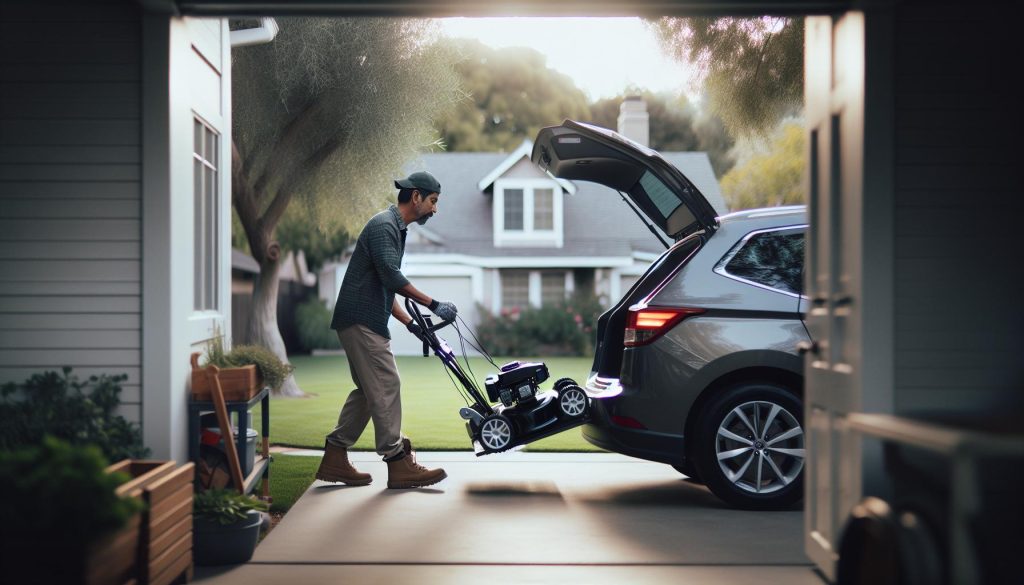
Transporting a lawn mower can be more challenging than it seems. Many homeowners and landscapers often wonder: Can a lawn mower actually fit in a car? Knowing how to effectively transport this essential tool is crucial, especially when you need to move it for maintenance or storage. Whether you’re switching vehicles, renting a truck, or just trying to manage limited space, understanding the dimensions, weight, and loading techniques can save you time and prevent damage. In this article, we’ll explore practical tips and insights to ensure that your lawn mower arrives safely and securely, making your gardening projects smoother and more efficient. Curious about the best ways to load your mower? Let’s dive in!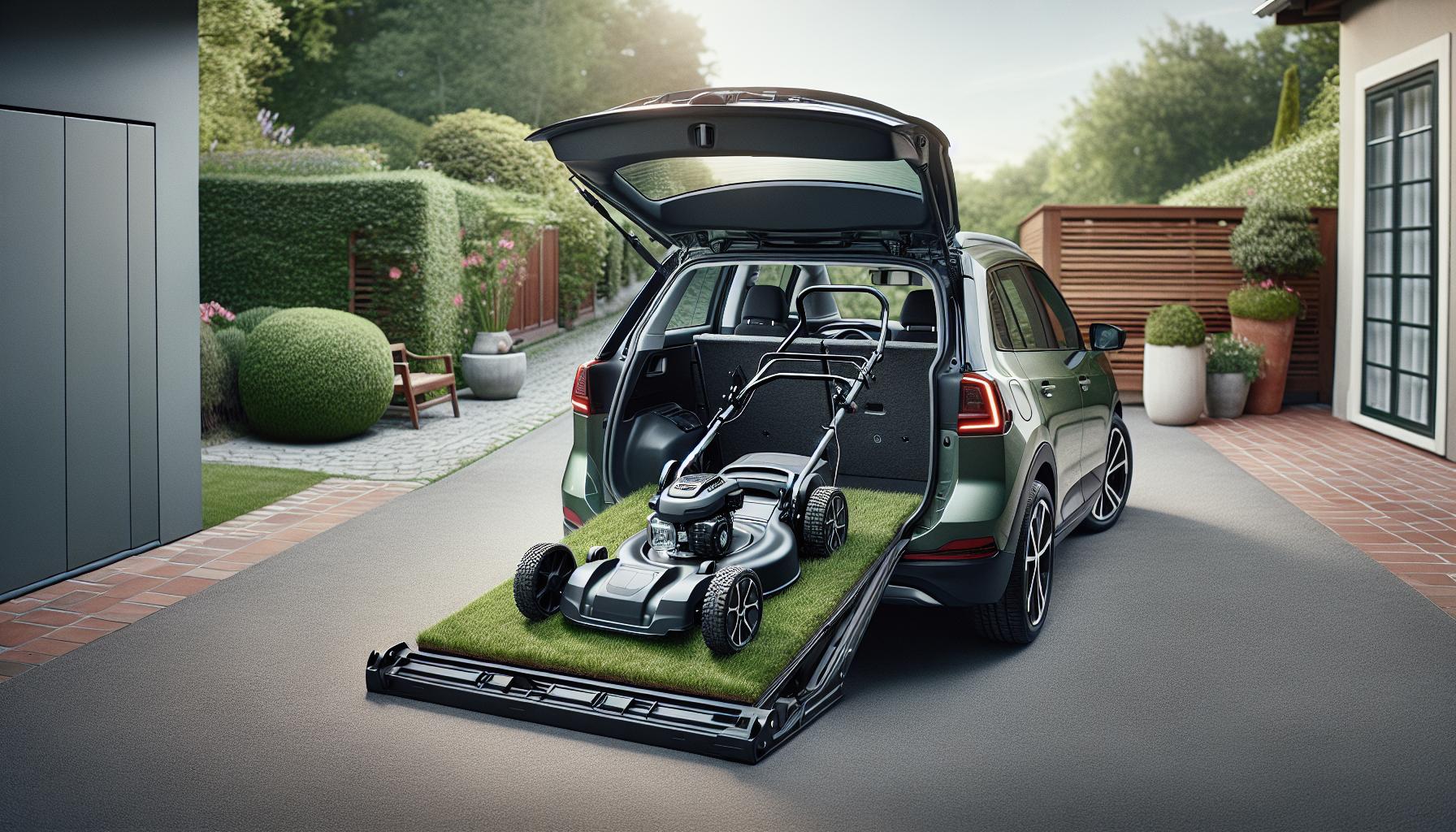
Can You Fit a Lawn Mower in Your Vehicle?
Transporting a lawn mower can be trickier than one might expect, especially if you’re considering fitting it into a standard vehicle. Many lawn mowers, particularly riding models, can be bulky, making it crucial to assess your vehicle’s capacity before attempting to load it. The first step is to evaluate the dimensions of your mower. Standard push mowers can usually fit into larger cars, SUVs, or trucks if the seats are folded down, but riding mowers often require more space than even a full-size sedan can accommodate.
Before making assumptions about fit, it’s essential to factor in the mower’s weight and your vehicle’s payload capacity. Some vehicles, while spacious, may not have the structural integrity to support a heavier mower. If you’re working with a particularly heavy model, consider using a trailer or larger utility vehicle designed for transporting such equipment. This option not only secures the mower better during transit but also allows for safer transportation without overloading your car.
When planning to transport your mower, prepare for the task by ensuring that any loose parts, like the grass catcher or blades, are removed to reduce weight and prevent damage. Sometimes, using ramps can facilitate a smoother loading process, especially for heavier or more cumbersome models. Make sure to lift safely and follow best practices to avoid injury. Ultimately, understanding both your lawn mower’s and your vehicle’s specifications will guide you in making the right transportation choice while ensuring a hassle-free experience.
Factors to Consider Before Transporting
Transporting a lawn mower necessitates more than simply loading it into your vehicle; careful consideration of several factors will ensure a safe and efficient process. One of the crucial aspects to think about is the dimensions of the mower in relation to your vehicle. Riding mowers, for instance, are generally bulkier and may not fit into standard cars or even some SUVs without adjustments. Conversely, standard push mowers might more easily fit into larger vehicles with seats folded down. Always measure the height, width, and length of your mower before attempting to load it.
Beyond size, the weight of the mower is another significant factor. Heavier models can strain your vehicle’s suspension or payload capacity, potentially leading to unsafe driving conditions. When in doubt, check the manufacturer’s specifications to ensure your chosen vehicle can handle the load. If your vehicle seems inadequate, a trailer or a dedicated hauling vehicle is often the best option. This route not only offers more space but also adds stability and security for transporting larger units.
Additionally, think about the condition and configuration of your lawn mower. Removing loose components, like the grass catcher or blades, can lighten the load and minimize the risk of damage during transit. Inspect for any fluids that might leak, such as oil or fuel, as these could pose safety hazards. Preparing your vehicle by clearing space and possibly using protective coverings will further enhance the transport process, protecting both your mower and the interior of your car.
Finally, consider the legal and safety implications of transporting heavy equipment. Some regions have regulations regarding the transportation of certain types of machinery, including weight limits on specific roads or highways. Following legal guidelines not only helps avoid fines but also ensures the safety of yourself and other drivers on the road.
Measuring Your Lawn Mower for Transport
Before you attempt to transport your lawn mower, it’s crucial to gather precise measurements to determine whether it will fit comfortably in your vehicle. Many lawn mowers come in varying shapes and sizes, with riding mowers typically being bulkier and requiring more space than their push mower counterparts. This not only affects fitting but also impacts how you’ll secure the mower during transport. Understanding these dimensions helps you avoid the inconvenience of arriving at your destination only to find out your lawn mower won’t fit.
To measure your lawn mower accurately, you need to focus on three key dimensions: height, width, and length. Begin by measuring from the ground to the highest point of the mower, which usually includes the handle or any attached accessories. For width, measure across the widest part-this is essential for understanding how much space you’ll need in your vehicle. Lastly, measure the length from the frontmost point to the back, ensuring you include any attachments. It’s wise to write down these measurements for easy reference as you compare them to the space available in your vehicle.
Key Measurements to Consider
- Height: Ground to highest point
- Width: Widest part of the mower
- Length: Front to back measurement
Remember, simply fitting a mower into the vehicle isn’t enough; you must also account for how it will be loaded and secured. If your vehicle’s interior has limited space, consider removing any detachable parts, like the grass catcher or blades, which can lighten the load and make the mower easier to maneuver. Additionally, using a trailer can eliminate many of the complications associated with measuring and fitting by providing ample room for larger mowers and attachments.
By taking accurate measurements, you can confidently determine whether to transport your mower in your vehicle or consider alternatives. Avoid the common pitfall of rush decisions; an extra few minutes spent measuring can save you time and hassle on transport day.
Best Vehicle Types for Lawn Mower Hauling
When it comes to transporting a lawn mower, the type of vehicle used can significantly influence the ease and safety of the process. Selecting the right vehicle type not only facilitates smoother loading and unloading but also ensures that your mower is secure during transit. Generally, the best options for hauling a lawn mower are trucks, vans, SUVs, and trailers, each offering unique benefits depending on the size and type of mower you have.
A pickup truck is often the top choice for hauling lawn mowers, especially riding mowers, due to its open bed design and sufficient load capacity. This allows ample space for securing the mower without the constraints of a closed cabin. Make sure to use a ramp for easy loading and unloading, and always secure the mower with straps to prevent movement. If you have a smaller push mower, a standard sedan or hatchback might suffice, provided the back seats can fold down to accommodate the length.
Vans and SUVs also make great options for transporting lawn mowers. Their spacious interiors can often be modified for better fit, especially if they allow for rear cargo space expansion. In these vehicles, it’s important to protect the interior from scratches or spills by using a tarp or a protective covering. If you have a larger mower or multiple pieces of equipment, a trailer is arguably the best solution. It offers the capacity needed for bigger rides or additional gardening tools while ensuring a stable transportation experience.
Always remember to check the vehicle’s load capacity before deciding which to use, as exceeding this limit can lead to safety hazards not just for the operator but other road users as well. By carefully considering the type of vehicle you choose for hauling your lawn mower, you can optimize both safety and convenience, making your transport day much less stressful.
Preparing Your Car for Lawn Mower Transport
When you’re gearing up to transport a lawn mower, proper preparation of your vehicle is essential for a safe and efficient journey. While it might seem straightforward to load a mower into your car, a little advance planning can help prevent damages to both the mower and your vehicle. Ensuring that your car is suited for the task at hand not only optimizes space but also protects your investment.
Start by cleaning the interior of your vehicle, removing any unnecessary items that might obstruct your loading process. This is particularly important for vehicles like vans or SUVs, which may have clutter in their cargo areas. If your lawn mower has any remaining gas or oil, it’s crucial to address this before transport. Drain fuel and oil to prevent any leaks or spills that could damage your vehicle’s upholstery. Using a fuel stabilizer can help if you’re not able to fully drain the mower.
It’s also wise to consider protective measures for your vehicle’s interior. Using a tarp or a heavy-duty blanket can shield your car’s surfaces from scratches and dirt while providing additional grip for the mower. This layer will help avoid any shifting during transit, which can lead to unwanted marks or even damage. If you’re transporting a heavier mower, like a riding model, ensure that the back seats can accommodate its length if that’s your chosen option, and keep in mind the need for a ramp for easier loading.
For those using a pickup truck or open bed vehicle, securing the mower properly is critical. Before you start your journey, check the load capacity of your vehicle to ensure it can handle the weight. Utilize tie-down straps to firmly hold the mower in place, avoiding slack that could lead to movement. Inspect all connections and make adjustments as necessary; once the mower is secure, double-check that the tailgate is closed and locked. Proper preparation will allow you to focus on the road ahead, knowing your lawn mower is safely prepared for transport.
Tips for Securing the Mower During Transit
When transporting a lawn mower, one fundamental principle stands above all: ensuring that it remains secure during transit is essential for both safety and the preservation of your equipment. A mower that shifts or tips can cause significant damage to itself or your vehicle, not to mention posing a potential hazard to other road users. To provide a secure and stable environment for your lawn mower, there are several effective approaches you can take.
First, utilizing high-quality tie-down straps is crucial. These straps should be strong enough to handle the weight of the mower and keep it firmly in place without allowing slack. Ideally, you should anchor the straps to the vehicle’s frame or approved tie-down points within a truck bed. Consider using a combination of straps across both the front and back of the mower to create a net-like effect that prevents any lateral movement.
Next, make sure the lawn mower is positioned correctly within your vehicle. If transporting in the trunk or back seat, place it at an angle that maximizes contact with the vehicle floor. Use heavy-duty blankets or a tarp beneath the mower to provide extra friction and protection for your vehicle’s surfaces. Once the mower is in place, double-check all connections of the tie-downs and adjust them as necessary. For larger models, such as riding mowers, ensure that any ramps used for loading are stable and securely fastened.
Lastly, it’s essential to conduct a quick pre-trip inspection. Before hitting the road, walk around your vehicle to ensure that everything looks secure and balanced. Check that your load does not exceed the vehicle’s capacity and that the mower is not blocking mirrors or lights. Taking these extra moments to ensure everything is perfectly stowed can save you from complications on the road and keep your lawn mower in pristine condition for future use.
Legal Considerations When Transporting Equipment
When preparing to transport a lawn mower, it’s essential to consider the legal implications that may come into play during your journey. While many people focus solely on whether their equipment can fit in their vehicle, understanding the legal requirements can prevent unnecessary fines and safety issues. Local laws regarding vehicle loads vary widely; it’s critical to check both state and local regulations before you set out. For instance, some regions may have specific weight limits for vehicles, and exceeding these limits can lead to costly penalties.
Always ensure that the mower is secured properly within your vehicle to comply with safety regulations. A loosely secured load can not only be dangerous but could also result in a violation of transport laws. If your mower obstructs visibility or signaling devices (like brake lights or turn signals), you might face fines as well. Additionally, consider any local ordinances related to the transportation of lawn equipment in residential areas, particularly during early or late hours when noise ordinances might apply.
Considerations for Trailers and Larger Vehicles
If you opt for a trailer specifically designed for hauling landscaping equipment, be aware of specific licensing and registration requirements that may vary by locality. Some areas may require additional permits for towing anything above a certain weight or size. Be sure to verify whether your vehicle is equipped for towing and that you comply with all local laws regarding the safe operation of a trailer.
It’s advisable to carry proof of ownership and insurance documentation for the equipment transported, as this can be beneficial in the event of an accident or if law enforcement requests it during a routine check. Keeping these documents readily accessible offers peace of mind and ensures you’re prepared for any unexpected dilemmas on the road.
Using a Trailer for Easier Transport
Using a trailer for transporting your lawn mower can dramatically simplify the process, making it safer and more efficient. Trailers offer a dedicated space that can accommodate various sizes and types of lawn mowers without the constraints imposed by the interior dimensions of a vehicle. With proper planning and utilization of a trailer, you can transport not only the mower but also additional equipment, such as fuel cans, tools, and accessories, all in one go.
When preparing to use a trailer, consider the weight and dimensions of your lawn mower relative to the trailer’s specifications. Ensure your trailer is rated to handle the load; most standard lawn mowers range from 200 to 800 pounds. Check for features that may enhance your loading and unloading experience, like ramps or tilt options. A well-designed trailer can make it easy to roll the mower on and off without the heavy lifting that can lead to injury or accidents.
To ensure safe transport, properly secure your lawn mower within the trailer. Use ratchet straps or tie-downs to prevent any movement during transit. Place the mower towards the front of the trailer to distribute weight evenly and avoid swaying, especially if you are towing over longer distances.
Lastly, familiarize yourself with any legal requirements associated with trailer use, including proper registration and adherence to local towing laws. Some states may have specific guidelines regarding trailer visibility or safety features, which can help you avoid fines and ensure a smooth journey. By choosing a trailer for your lawn mower transport, you not only make the process more manageable but also enhance safety for both yourself and other road users.
Alternative Transport Options for Lawn Mowers
Transporting a lawn mower doesn’t always have to mean wrestling with fitting it into your vehicle. Depending on your circumstances, there are several alternative transport options that can make the process smoother and safer. From renting specialized equipment to utilizing local services, these alternatives can provide practical solutions tailored to your needs.
One effective option is to use a pickup truck. Unlike standard cars, trucks typically feature an open bed where you can securely place a lawn mower without the concern of fitment issues. This method allows for easy loading and unloading, especially if you have a ramp. Ensure the mower is secured with tie-downs to prevent any movement during transport. If a truck isn’t available, consider renting a vehicle specifically designed for hauling, such as a flatbed trailer or a utility van.
Additionally, utilizing local landscaping or lawn care services can be a convenient choice. Many of these businesses offer transportation services for lawn maintenance equipment, including mowers. This option not only saves you the trouble of loading and securing the mower yourself but also ensures that it is moved by professionals who understand proper handling techniques.
For those who frequently need to transport their lawn mower but prefer not to invest in a trailer or truck, a towable mower trailer could be an ideal solution. These compact trailers are designed specifically to carry lawn equipment and can often be rented or purchased at an affordable price. They provide a stable platform for transport and allow you to transport additional tools or supplies at the same time. Whether you’re moving across town or just to a different part of your yard, choosing the right option can make a significant difference in your experience.
Common Mistakes to Avoid When Loading
Transporting a lawn mower can be a straightforward task, but it can also quickly become a frustrating experience if you’re not careful. Many individuals unknowingly make mistakes that can lead to damage, safety issues, or inefficiencies during loading. Understanding these common pitfalls is essential for ensuring a smooth loading process and a safer trip.
One of the prevalent mistakes is failing to measure the dimensions of both the mower and the vehicle before attempting to load. It’s crucial to know the height, width, and length of your lawn mower, as well as the available space in your vehicle or trailer. A simple sizing error can lead to frustration and wasted time. Always have these measurements handy to avoid believing that “if it looks like it will fit, it probably will.”
Another common error is neglecting to prepare the mower beforehand. Make sure to empty the gas tank and oil reservoir to minimize the risk of leaks and spills during transport. Failing to secure loose parts or accessories, such as the grass catcher, can result in damage or even loss of these components along the way. Always double-check that everything is properly stored and secure before loading.
Additionally, improper loading techniques can cause unnecessary strain on the mower as well as your vehicle. Relying solely on upper body strength without tools like ramps or dollies can create instability, risking injury or damaging your mower. Using ramps for wheeled mowers or enlisting help when lifting heavier models can make a significant difference. Finally, adequate securing of the mower inside the vehicle is crucial; failing to use proper tie-downs may lead to the mower shifting or rolling during transit, creating safety hazards for both you and other drivers.
By being mindful of these mistakes-measuring properly, preparing the mower, using the right loading techniques, and securing your equipment-you can ensure that your lawn mower is transported efficiently and safely, saving you time and preventing unnecessary headaches.
Safety Tips for Transporting Lawn Equipment
Ensuring safety while transporting lawn equipment, such as a lawn mower, is paramount not only for your equipment but also for your own safety and that of other road users. A heavy piece of machinery like a mower can pose risks if not secured properly, and following some practical guidelines can help mitigate these dangers.
First and foremost, always wear appropriate personal protective equipment (PPE) when loading and unloading your mower. This includes gloves to protect your hands from sharp edges, sturdy shoes to secure your footing, and potentially a back support strap if you’re dealing with heavier models. Lifting techniques play a crucial role; always bend your knees and keep your back straight to avoid injury. If possible, use ramps or dollies, especially for heavier mowers, to facilitate easier movement without straining your body.
When it comes to securing your lawn mower during transport, using high-quality tie-down straps is essential. Position your mower correctly within the vehicle or trailer and attach the straps to the mower’s frame, ensuring they are tight yet not damaging to the mower itself. Additionally, placing blocks or wheel chocks under the mower’s wheels can provide extra stability, preventing it from rolling during transport. Always double-check that the mower is secured before starting your trip.
Furthermore, be aware of your surroundings and drive cautiously, especially when transporting heavy equipment. Avoid sudden stops and sharp turns that could destabilize the load. It’s also advisable to check local regulations regarding the transport of lawn mowers, as certain jurisdictions may have specific requirements for transporting equipment on public roads, such as using lights or reflective markers.
Lastly, if you’re traveling a significant distance or are uncertain about your vehicle’s capacity, consider using a trailer designed for hauling equipment. This can offer a safer and more stable transport solution, reducing the risk of damage or accidents along the way. By taking these safety measures into account, you can make transporting your lawn mower a smooth, secure process.
Frequently asked questions
Q: Can a push mower fit in a car?
A: Yes, many push mowers can fit in the back of a car if they are properly measured and the vehicle is large enough. Always check the dimensions of your mower against the available space in your car, considering the need for secure transportation. Refer to our section on “Measuring Your Lawn Mower for Transport” for guidance.
Q: What vehicle is best for transporting a lawn mower?
A: Trucks and SUVs are typically the best vehicles for transporting lawn mowers due to their spacious cargo areas. If you’re using a standard car, opt for one with a foldable rear seat to maximize space. For more details, see our section on “Best Vehicle Types for Lawn Mower Hauling.”
Q: How do I prepare my vehicle for transporting a lawn mower?
A: To prepare your vehicle, clear any unnecessary items to create ample space, and consider placing a tarp or blanket to protect the interior. Securing the mower properly is crucial; check our “Tips for Securing the Mower During Transit” section for more information.
Q: What should I do if my lawn mower won’t fit in my car?
A: If your mower doesn’t fit, consider using a trailer, which allows for easier transport. Alternatively, look into professional transport services or disassembling components of the mower to optimize space. Our article on “Using a Trailer for Easier Transport” provides further tips.
Q: Are there any legal restrictions on transporting lawn equipment?
A: Yes, there may be local regulations regarding transporting equipment that could obstruct visibility or safety on the road. Always ensure your lawn mower is secured and does not exceed weight limits for your vehicle. Check “Legal Considerations When Transporting Equipment” for specifics.
Q: When is it best to transport a lawn mower?
A: It’s best to transport a lawn mower during daylight hours for visibility and safety. Try to avoid peak traffic times to minimize stress and ensure smoother transportation. Refer to “Safety Tips for Transporting Lawn Equipment” for additional care measures.
Q: Can I transport a riding lawn mower in a vehicle?
A: Typically, riding mowers are too large for standard vehicles. Consider using a trailer or a pickup truck for safe transportation. For advice on this topic, see our “Alternative Transport Options for Lawn Mowers” section.
Q: What are common mistakes when loading a lawn mower into a vehicle?
A: Common mistakes include not measuring the mower and the vehicle properly, failing to secure the mower properly, and overloading the vehicle. To avoid these issues, consult our section on “Common Mistakes to Avoid When Loading.”
In Summary
Now that you have the tools and knowledge to determine if a lawn mower can fit in your car, why not take the next step? Explore our in-depth guide on how to effectively transport garden equipment safely and efficiently. Don’t forget, this is just one of many tips we offer-check out our lawn care essentials for maintaining a healthy, vibrant lawn, or browse our DIY lawn maintenance projects to elevate your gardening skills even further.
Your lawn care journey doesn’t have to end here! Subscribe to our newsletter for expert advice straight to your inbox and join a community passionate about gardening. Have questions or tips of your own? Share your thoughts in the comments below, and let’s help each other grow. Remember, the right equipment and knowledge are key to a stunning lawn-it’s time to get started!