Maintaining a lush, well-manicured lawn can be a source of pride for any homeowner, but achieving that green oasis often requires the right tools. Enter self-propelled lawn mowers, which combine efficiency with ease of use, making them a popular choice for gardeners everywhere. Unlike traditional mowers, self-propelled models take the strain off your arms, allowing you to effortlessly navigate your yard’s contours. But with so many options available, how do you choose the one that’s best suited for your needs? In this article, we’ll review the top self-propelled lawn mowers on the market, highlighting their features, performance, and what sets them apart. By understanding the strengths and weaknesses of each model, you’ll be empowered to make an informed decision that transforms your mowing experience into a breeze. Read on to discover which mower can help you achieve the lawn of your dreams!
What to Look For in a Self Propelled Lawn Mower
When considering a self-propelled lawn mower, it’s essential to understand what features will best suit your lawn care needs. A self-propelled mower not only reduces physical strain during mowing but also enhances efficiency with controlled speed and maneuverability. Start by evaluating the engine type-gas vs. electric-as this directly affects performance and convenience. Gas mowers are generally more powerful and better for larger yards, while electric options, especially battery-powered models, are quieter, more environmentally friendly, and require less maintenance.
Another critical aspect to explore is the cutting system. Look for mowers with adjustable cutting heights to manage various grass types and varied growth stages, allowing for a cleaner cut and healthier lawn. Additionally, consider mowers that offer mulching capabilities, which can return nutrients to your lawn and decrease the need for chemical fertilizers. An easy-start feature is also worth noting; many mowers now come with push-button starts that eliminate the hassle of pull cords.
Finally, comfort and usability should not be overlooked. Ergonomic handles and intuitive controls help ease the mowing experience. Furthermore, assess the mower’s weight and maneuverability-lighter models can navigate tight spots more easily, while heavier models may provide better stability on slopes and uneven terrain. By weighing these features, you can determine the best self-propelled lawn mower for your specific needs, ensuring a more effective and enjoyable mowing experience.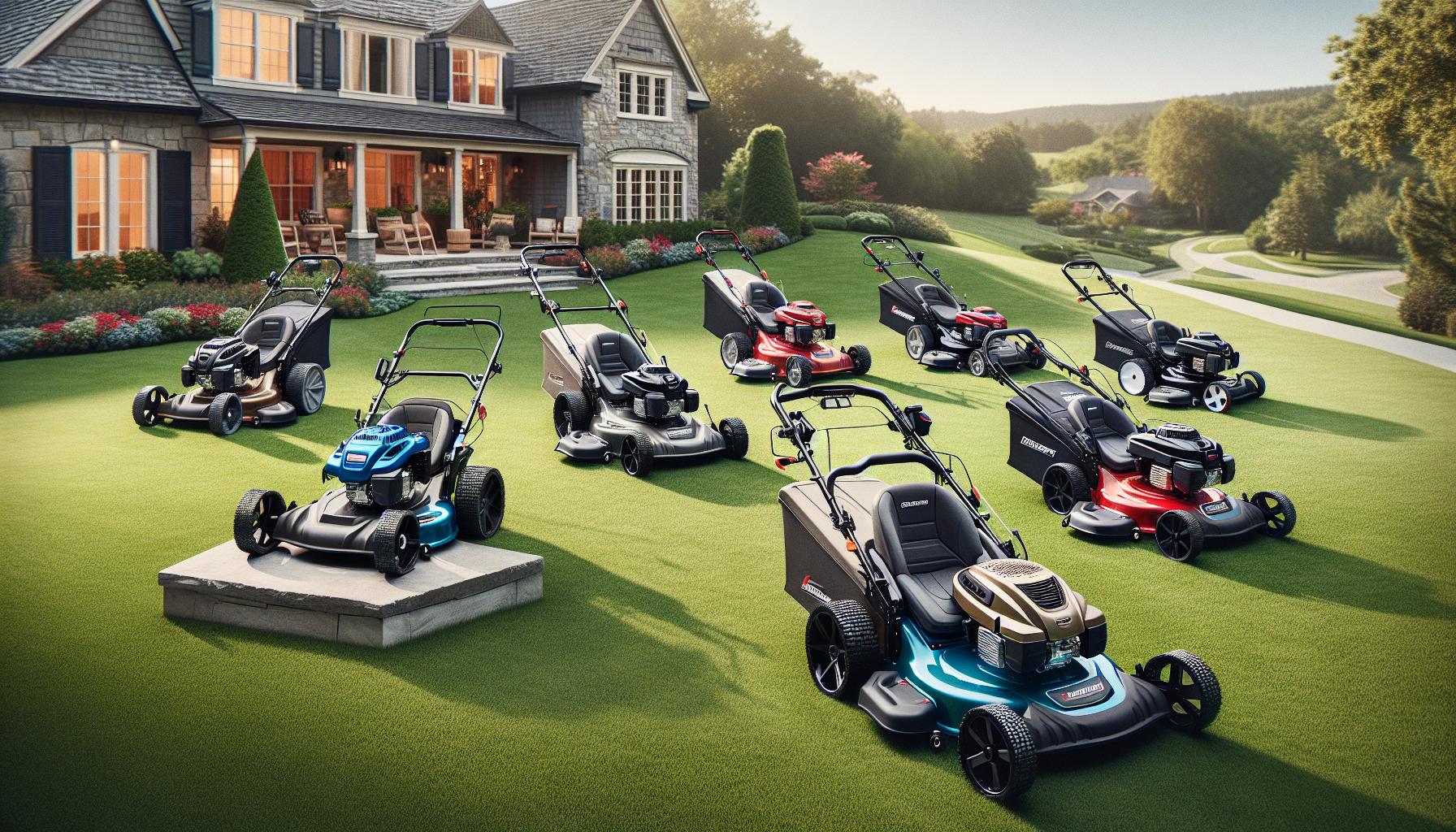
Top Brands of Self Propelled Lawn Mowers Reviewed
The lawn care market is teeming with options, but a few brands consistently stand out for their innovation, reliability, and performance in self-propelled lawn mowers. Insight into these brands not only helps in choosing a mower that meets your specific lawn care needs but also provides confidence that you’re investing in quality equipment.
Toro is widely recognized for its user-friendly features and robust design. Their self-propelled mowers often come with adjustable speed settings and superior cutting systems, making them versatile for different grass conditions. The Recycler series, in particular, is noted for its mulching capabilities, allowing homeowners to nourish their lawns naturally while reducing bagging. Users appreciate the ease of starting and the durability of Toro mowers, particularly for medium to large lawns.
Honda mowers are celebrated for their exceptional reliability and fuel efficiency. The Commercial series offers professional-grade features, which include self-propulsion that adjusts as you walk, making it easier to navigate tight areas. Honda’s signature 4-stroke engines provide plenty of power while being environmentally friendly. Many owners rave about the mower’s longevity and performance, especially in varied terrains.
Craftsman appeals to budget-conscious consumers without sacrificing quality. Known for their affordability, self-propelled models like the M105 and M140 offer decent power and cutting performance for smaller to medium-sized yards. They frequently include features like adjustable cutting heights and easy-to-use controls. Craftsman’s reputation for customer service and warranty support also makes them a popular choice among first-time buyers.
DeWalt, while primarily known for its power tools, has recently entered the lawn mower market with a focus on battery-operated models. Their self-propelled mowers are particularly highlighted for their lightweight design and lithium-ion power, providing quieter operation with reduced emissions, making them a great choice for eco-conscious consumers. DeWalt’s robust warranty and innovative technology are appealing to those seeking a modern, efficient lawn care solution.
When selecting a self-propelled mower, it is crucial to consider how each brand’s strengths align with your lawn care needs, whether it’s the innovative features of Toro, the reliability of Honda, the affordability of Craftsman, or the eco-friendliness of DeWalt. Paying attention to real user experiences and expert reviews can help you make an informed decision on the best self-propelled mower for your lawn.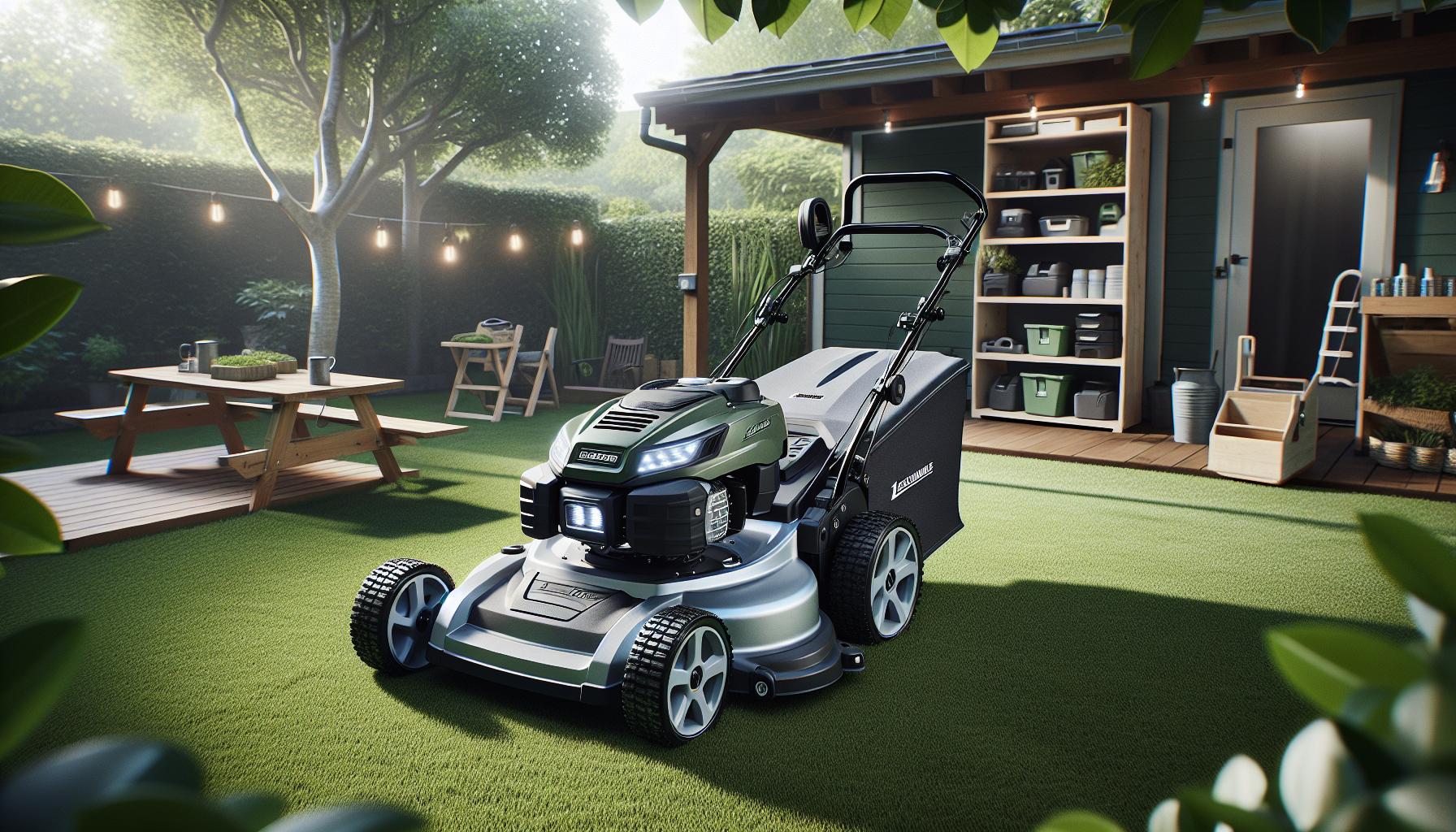
Features That Make a Lawn Mower Stand Out
When selecting a self-propelled lawn mower, several standout features can significantly enhance your mowing experience, making the task not only easier but also more enjoyable. The right combination of innovation and practicality can elevate your lawn maintenance routine. Among the top features that make a lawn mower exceptional are:
- Adjustable Cutting Heights: This feature allows users to customize the mower to suit various grass types and lengths. Being able to adapt the cutting height can promote a healthier lawn by ensuring that you do not cut the grass too short, which can lead to stress and damage.
- Variable Speed Control: A self-propelled mower with variable speed options enables you to set the optimal speed for your mowing pace, affording you greater control. This is especially useful in uneven terrain or when maneuvering around obstacles, making the mowing process more efficient and comfortable.
- Ergonomic Handles: Mowers featuring adjustable and cushioned handles can significantly improve comfort during extended use. Ergonomically designed grips reduce fatigue and provide better control, making lengthy mowing jobs feel less taxing.
- Mulching Capabilities: A mower that includes a mulching option can finely chop grass clippings and return them to the lawn, serving as a natural fertilizer. This feature not only saves on the need for bagging but also contributes to overall lawn health.
- Electric Start: Models with electric start eliminate the hassle of pull cords, making it easier to get the mower running. For many users, this convenience is a game-changer, especially for those with physical limitations.
- High-Quality Deck Material: The construction of the mower’s deck plays a crucial role in its durability and performance. Look for models with stainless steel or high-density polymer decks, which resist rust and dents while providing superior airflow for better cutting efficiency.
- Quiet Operation: Especially for battery-operated models, noise reduction technologies ensure a more peaceful mowing experience, making it considerate for use in residential areas without disturbing neighbors.
Incorporating these features can result in a self-propelled lawn mower that not only meets but exceeds your expectations. By understanding what differentiates the best models, from improved usability to enhanced lawn care benefits, you can make an informed choice that will keep your lawn looking pristine while fitting your lifestyle needs.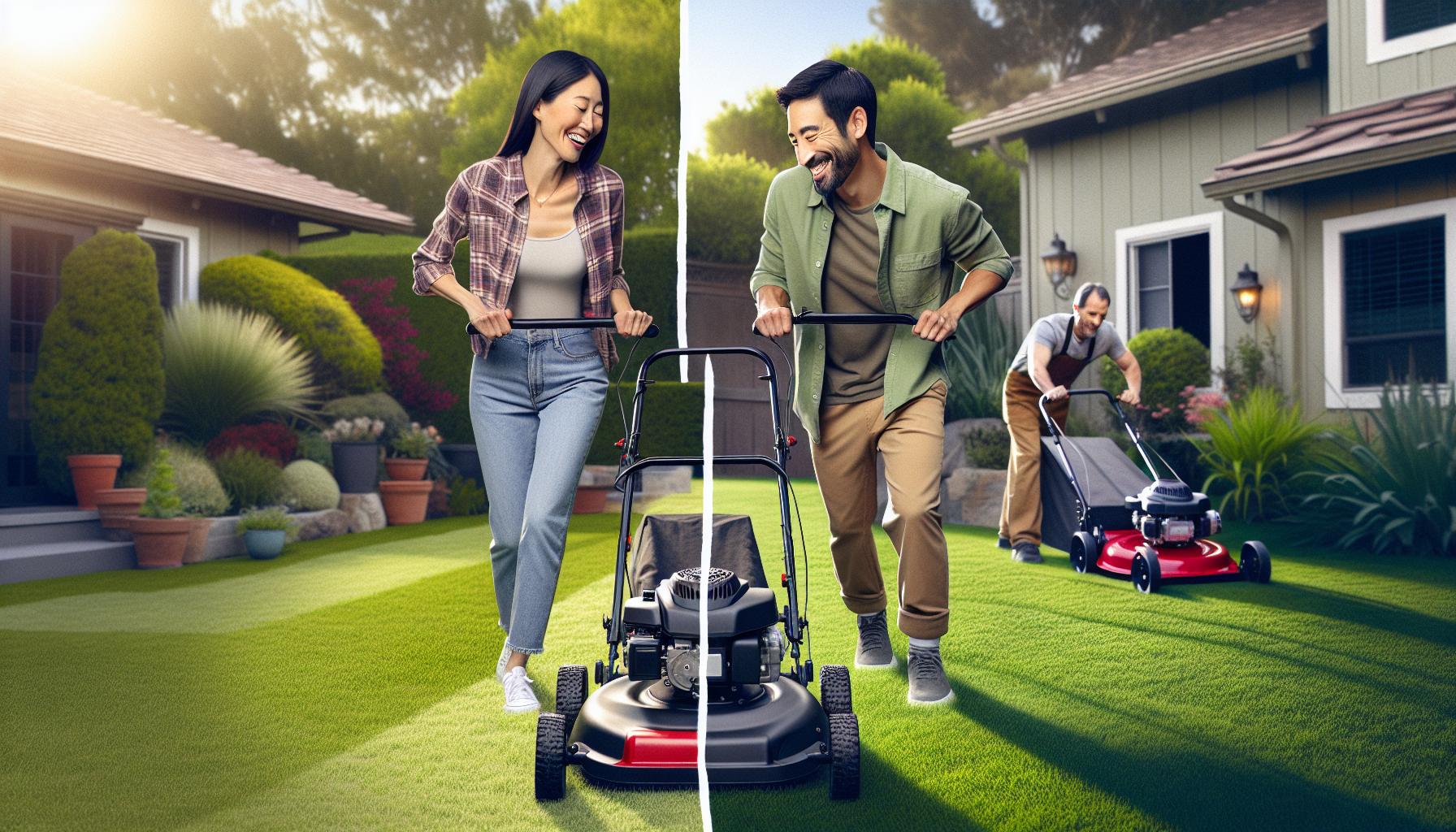
Pros and Cons of Self Propelled Mowers
While self-propelled mowers offer a plethora of advantages for homeowners looking to maintain their lawns efficiently, they also come with some downsides that are essential to consider. One of the most notable benefits is the ease of use; these mowers take the physical strain out of mowing, allowing users to navigate a yard without the demanding effort that traditional push mowers require. They are equipped with features that adjust the speed based on the user’s walking pace, making it easier to tackle uneven terrain or mow around intricate landscaping.
However, along with these benefits, it’s important to acknowledge some drawbacks. For instance, self-propelled mowers are typically heavier than push mowers, which can make them more cumbersome to store and transport. Additionally, they often come at a higher upfront cost due to their advanced mechanisms and features. Maintenance can also be more complex, particularly for gas-powered models, which require routine oil changes and spark plug replacements. Electric models might save on gas prices but could lead to inconveniences related to battery life and charging.
When weighing the pros and cons, potential buyers should consider their individual lawn care needs and personal preferences. For example, if you have a large yard filled with obstacles, the convenience of a self-propelled mower can significantly cut down on mowing time and effort. Conversely, if your yard is small and fairly flat, investing in a self-propelled mower might not be as necessary or cost-effective.
Ultimately, understanding these dynamics can help you make a well-informed decision about whether a self-propelled mower is the right choice for you. Engaging with local retailers, reading user testimonials, and comparing models can provide further insights tailored to your specific lawn care requirements.
Gas vs. Electric Self Propelled Mowers: Which is Better?
When considering a self-propelled lawn mower, many homeowners face the choice between gas and electric models. Each type offers distinctive advantages and disadvantages that can significantly impact your mowing experience, making it crucial to evaluate your specific needs and lawn conditions before deciding.
Gas mowers are known for their robust performance and power, especially useful for tackling larger yards and thicker grass. Their engines typically provide greater torque, which can be invaluable when mowing through dense vegetation. Additionally, gas models tend to operate for extended periods without the constraints of battery life, allowing for uninterrupted mowing sessions. However, they come with a set of downsides: gas mowers require more maintenance, including oil changes and regular filter replacements, and they also emit fumes, making them less environmentally friendly. The noise produced during operation is another factor to consider, as gas mowers can be quite loud, which may disturb neighbors or your own peace during early morning or late evening mowing.
On the other hand, electric self-propelled mowers-whether corded or battery-powered-offer a quieter and more environmentally friendly alternative. Battery models have improved significantly in recent years, with many now providing sufficient power to handle moderate-sized to large lawns on a single charge. They are generally easier to maintain, requiring less frequent servicing than gas mowers. However, the limitations on battery life and the need for charging can pose challenges, especially if you have a larger area to mow. Corded models, while eliminating battery life concerns, can restrict mobility due to the need for an extension cord.
In terms of cost, electric mowers often come at a lower upfront price compared to gas models, and they save money on fuel costs over time. However, it’s essential to consider the long-term maintenance costs and the potential need for replacement batteries for electric models. By weighing these factors, such as yard size, mowing frequency, and environmental concerns, you can determine which type of self-propelled mower-gas or electric-aligns best with your lawn care needs.
Ultimately, there is no one-size-fits-all answer; the best choice will depend on your specific circumstances. It’s beneficial to test both types if possible, to feel their weight and handling firsthand. Engage local retailers, read product reviews, and talk to fellow users to gather insights on what might suit your lawn care routine the best.
The Importance of Efficient Cutting Systems
A great self-propelled lawn mower is only as effective as its cutting system, which plays a crucial role in achieving a well-manicured lawn. Efficient cutting systems ensure even grass height, healthy turf, and a clean look. Without a high-performing cutting mechanism, you may face issues such as uneven cuts or grass damage, which can lead to a patchy and unhealthy lawn.
When evaluating mowers, consider features such as blade design, cutting width, and the ability to adjust cutting heights. A mower equipped with sharp, durable blades can slice through tall or thick grass with ease. Moreover, a wider cutting deck allows for faster mowing, covering more ground in less time. Many modern mowers also offer customizable cutting heights to adapt to various types of grass and terrain, ensuring optimal performance throughout the growing season.
Another important aspect of cutting systems is the type of discharge they offer: bagging, side discharge, or mulching. Each option has its benefits; for instance, mulching can return nutrients to the soil, while bagging is perfect for a tidy finish. It’s beneficial to choose a mower that provides multiple discharge options, as this versatility enables you to adjust your mowing strategy based on grass conditions and personal preferences.
Ultimately, the effectiveness of a self-propelled mower hinges on its cutting system. By selecting a model that features a robust and efficient cutting mechanism, you can achieve a beautifully trimmed lawn, save time, and reduce the physical effort needed to maintain your outdoor space, making every mow a more satisfying experience.
Maintenance Tips for Long-lasting Performance
To keep your self-propelled lawn mower running smoothly and efficiently for years to come, regular maintenance is essential. Many owners overlook this critical aspect, leading to reduced performance and a shorter lifespan for their equipment. Adhering to a simple maintenance routine not only enhances performance but also ensures a more enjoyable mowing experience. Here are some indispensable tips to help you keep your mower in top shape.
First and foremost, regularly checking and changing the oil is crucial. Just like in a car, engine oil lubricates the internal components, reducing wear and tear. For most gas mowers, it’s recommended to change the oil every 50 hours of use or at least once per season. Additionally, always use the type of oil recommended by the manufacturer to protect the engine’s integrity.
Another vital aspect is the upkeep of the mower’s blades. Dull blades can tear grass rather than cut it, resulting in an uneven lawn and potential stress to the grass itself. Aim to sharpen the blades at least once a season, or more frequently if your mower encounters thick grass or tough weeds. You can either do this at home with a sharpening tool or have a professional service handle it to ensure precision.
Cleaning your mower after each use can significantly extend its life. Grass clippings and debris can accumulate under the deck, which not only affects efficiency but can also lead to rust. After mowing, take a few moments to tip the mower on its side and clear away any clippings with a wire brush or scraper. Be sure to wear gloves and take safety precautions when handling the blades.
Lastly, consider winterizing your mower if you live in an area with harsh winters. Preparing your mower for storage involves draining the fuel, changing the oil, and ensuring the air filter and spark plugs are clean. This step can prevent corrosion and ensure a smooth start when the mowing season returns.
Incorporating these maintenance practices will not only prolong the life of your self-propelled mower but also enhance its performance, making lawn care a more efficient and enjoyable task. By committing to a regular maintenance schedule, you ensure that your equipment remains reliable, ultimately saving time and effort in the long run.
User Testimonials: Real Experiences with Self Propelled Mowers
Many users find that investing in a self-propelled lawn mower significantly transforms their mowing experience, making it easier and more efficient. One homeowner, Jane T. from Florida, shared her experience stating, “I never thought mowing my small yard could feel so effortless! The self-propulsion feature truly takes the strain off my back and arms, allowing me to finish in half the time.” This convenience is a common sentiment among users who appreciate the reduced physical effort required, especially on larger plots.
Another user, Tom L. from Pennsylvania, noted the advantages of having precise control over speed. “I love how I can adjust the mower’s pace to match the grass conditions. When the grass is thick, I slow it down, and when it’s dry, I speed right up. It cuts down on my mowing time while ensuring an even cut,” he explained. This nuanced control not only enhances mowing efficiency but also contributes to a healthier lawn by maintaining consistent cutting practices.
A recurring theme among users is the importance of maintenance and the reliability of their machines. Sarah K. from Texas shared, “I read a lot about maintenance before purchasing my first self-propelled mower. Regular oil changes and sharpening blades have kept mine running like new for over three years!” This proactive approach ensures longevity and performance, highlighting the value of adhering to periodic maintenance routines, which are often recommended by manufacturers.
Finally, many users consider the variety of options available when choosing a self-propelled mower. Mark R. from California noted, “I opted for an electric model because it’s quieter and I never have to worry about gas or emissions. It’s perfect for my eco-friendly lifestyle while still delivering the power I need for my medium-sized yard.” User preferences can vary widely based on environmental considerations, yard size, and personal preferences, demonstrating that there’s a self-propelled mower to suit every need and situation.
Price Ranges: Finding the Best Value for Your Budget
When searching for the perfect self-propelled lawn mower, understanding the price ranges can significantly impact your purchasing decision. These mowers vary widely in price based on their features, engine type, and brand reputation. Typically, you’ll find self-propelled mowers priced between $300 and $1,500, offering different capabilities that cater to various yard sizes and mowing needs.
- Budget-Friendly Options ($300 – $600): These models are ideal for smaller lawns and those new to self-propelled mowing. While they may lack some advanced features, many still offer reliable performance and decent durability. For example, basic gas mowers in this range often come with a straightforward drive system and essential cutting functions.
- Mid-Range Choices ($600 – $1,000): This price bracket provides a balance of features and performance. You can find models with more powerful engines, adjustable speed settings, and better ergonomic designs. Many users report that mowers in this range can handle medium-sized yards effectively, making them a popular choice.
- Premium Options ($1,000 and up): For those willing to invest more, premium self-propelled mowers come equipped with advanced features like electric start, enhanced cutting systems, and even smart technology for optimized lawn care. These models are suitable for larger properties where cutting efficiency and speed are of utmost importance.
When considering your budget, think about not only the initial cost but also potential long-term savings. Investing in a higher-quality mower may lead to less frequent repairs and replacements. Additionally, features such as fuel efficiency and efficient cutting systems often result in overall savings on maintenance and fuel costs. For instance, electric self-propelled mowers, though initially pricier, can save money with lower operating costs due to reduced energy consumption and no gas expenses.
Ultimately, finding the best value involves evaluating what features are essential for your mowing needs and how much you’re willing to invest in your lawn care equipment. By understanding the price spectrum and matching it with your specific requirements, you can make an informed decision that will keep your lawn looking pristine for years to come.
Comparative Analysis: Self Propelled vs. Push Mowers
For many homeowners, the choice between a self-propelled mower and a traditional push mower is pivotal in achieving an efficient and enjoyable lawn care experience. The main differentiator lies in the way these mowers operate, significantly impacting user experience and the physical effort required. Self-propelled mowers, as their name suggests, move forward on their own, requiring minimal pushing effort from the operator. This feature can be particularly beneficial for individuals dealing with larger yards or uneven terrain, allowing for easier navigation and less fatigue.
In contrast, push mowers require the user to provide all the power needed to cut the grass. This full engagement can be advantageous for those who prefer a more hands-on approach but may become tiring over larger areas. The differences in operation also extend to the mowing experience itself; self-propelled models often provide more control over speed, enabling users to adjust their pace depending on the lawn’s conditions. With self-propelled mowers available in both gas and electric variants, homeowners can choose models that best fit their environmental preferences and maintenance requirements.
Key Comparisons
| Feature | Self-Propelled Mowers | Push Mowers |
|---|---|---|
| Effort Required | Minimal, as the mower propels itself | High, user must push the entire weight |
| Speed Control | Adjustable speeds available | No speed control; dependent on user’s pace |
| Terrain Handling | Better for slopes and rough terrain | Challenging on steep or uneven areas |
| Maintenance | More complex, especially gas models | Generally simpler maintenance |
| Price Range | $300 to $1,500, varies with features | Typically $200 to $600 |
Choosing between these two types of mowers encompasses not only personal preference but also practical considerations such as yard size, terrain, and comfort level with lawn maintenance. For example, homeowners with large, hilly lawns may find self-propelled mowers invaluable for reducing physical strain and increasing efficiency. Conversely, those with smaller, flat lawns may prefer a push mower, which is often more affordable and easier to maintain. Understanding these factors can help ensure that the mower selected suits both the property and the user’s mowing style, leading to a more pleasant lawn care routine.
Buying Guides: Where to Find the Best Deals
When seeking to purchase a self-propelled lawn mower, understanding where to find the best deals can significantly enhance your buying experience and save you money. Various retailers, both physical and online, offer competitive pricing and seasonal discounts that can lower your total expenditure. Major home improvement chains such as Home Depot and Lowe’s, alongside farm supply stores like Tractor Supply Co., frequently feature self-propelled mowers in their spring and fall sales, where you can often find markdowns of 10-30% off regular prices. Additionally, these retailers also provide options for in-store pick-up or home delivery, making it convenient to acquire your new mower.
For those willing to shop online, e-commerce platforms such as Amazon may offer unique deals, including refurbished models that perform comparably to brand-new options but at a fraction of the cost. Furthermore, sites dedicated to price comparisons can assist in tracking discounts across multiple retailers, ensuring that you are not missing out on better pricing elsewhere. Utilizing promotional codes and cash-back offerings can further enhance your savings potential, particularly when buying high-ticket items like lawn mowers.
Consider Seasonal Sales
Taking advantage of seasonal sales is another effective strategy. Lawn mowers often go on sale at the end of the mowing season, making late summer or early fall an ideal time to purchase. Retailers are eager to clear out inventory to make room for winter products, leading to substantial markdowns. To keep abreast of these opportunities, consider signing up for newsletters from retail websites or following them on social media for exclusive deals and alerts.
Explore Local Classifieds and Community Marketplaces
Don’t overlook local classifieds and community marketplaces such as Craigslist or Facebook Marketplace. Often, individuals sell lightly used or even new self-propelled mowers at significantly lower prices than retailers. Just be sure to verify the condition of the mower and its maintenance history before making a purchase, and attempt to negotiate for a better deal, as many sellers are open to offers.
By exploring these various avenues, you can find the best deals on self-propelled lawn mowers, leveraging seasonal sales, online resources, and local listings to ensure that your investment is both financially savvy and well-suited to your lawn care needs.
Environmentally Friendly Options for Lawn Care
Choosing an eco-friendly lawn care option has never been more critical, as homeowners increasingly seek to reduce their carbon footprints while maintaining beautiful landscapes. Self-propelled lawn mowers have evolved significantly, and many models now come equipped with features that not only enhance performance but also promote sustainability.
One of the most significant advancements is the rise of electric self-propelled mowers, which offer a cleaner alternative to traditional gas-powered machines. These electric mowers produce zero emissions during operation, making them an excellent choice for environmentally-conscious consumers. Additionally, they tend to be quieter than their gas counterparts, allowing for a more pleasant mowing experience without contributing to noise pollution. When looking for an environmentally friendly option, consider models equipped with efficient lithium-ion batteries, which provide extended run times and can be recharged using renewable energy sources.
Alongside electric mowers, many manufacturers are now implementing features that support sustainable lawn care practices. For example, some self-propelled mowers come with mulching capabilities, allowing grass clippings to be returned to the lawn. This practice not only reduces waste but also provides natural fertilization as the clippings break down. It’s advisable to consider mowers that optimize this process, featuring adjustable cutting heights and specialized blades designed for effective mulching.
Moreover, opting for a self-propelled mower with easy-to-access maintenance points can enhance its longevity and reliability, minimizing waste over time. Routine checks and maintenance ensure your mower operates efficiently, reducing the chances of mechanical failure and the need for replacement parts. Look for models that are designed for user-friendly maintenance, such as quick-access air filters and spark plugs.
In conclusion, when selecting a self-propelled mower that aligns with eco-friendly values, prioritize models that utilize electric power, offer mulching features, and facilitate easy upkeep. This way, you can enjoy a lush lawn while also contributing to the health of the environment.
Frequently asked questions
Q: What features should I consider when choosing a self-propelled lawn mower?
A: When selecting a self-propelled lawn mower, consider the type of drive (front or rear), engine power, cutting width, height adjustment options, and fuel type (gas vs. electric). Additionally, look for features like mulching capabilities, grass collection, and durability to suit your lawn care needs. For more details, see our section on What to Look For in a Self Propelled Lawn Mower.
Q: How do I maintain a self-propelled lawn mower effectively?
A: To maintain a self-propelled lawn mower, regularly check and change the oil, clean or replace the air filter, and sharpen the blades to ensure optimal cutting performance. It’s also vital to clean the underside after each use and inspect the drive system for wear. More maintenance tips are discussed in our Maintenance Tips for Long-lasting Performance section.
Q: Are self-propelled lawn mowers worth the investment?
A: Yes, self-propelled lawn mowers can be worth the investment as they reduce physical exertion, especially on larger lawns. They provide efficient mowing with adjustable speed settings, making them a practical choice for maintaining a neat yard. Consider reading about the Pros and Cons of Self Propelled Mowers for a comprehensive view.
Q: What is the average lifespan of a self-propelled lawn mower?
A: The average lifespan of a self-propelled lawn mower is typically 8-15 years, depending on maintenance, usage frequency, and build quality. Regular upkeep significantly enhances durability. Check our Maintenance Tips to extend your mower’s life.
Q: How do I troubleshoot common issues with self-propelled lawn mowers?
A: Common issues with self-propelled lawn mowers include engine starting problems, ineffective self-propulsion, and uneven cutting. Ensure the fuel is fresh, the spark plug is clean, and the drive belt is intact. Consult our section on User Testimonials for more insights on troubleshooting.
Q: Which self-propelled lawn mowers are best for hilly terrains?
A: The best self-propelled lawn mowers for hilly terrains typically feature rear-wheel drive for better traction and control. Look for models with powerful engines and adjustable speed settings. Check out our Top Brands of Self Propelled Lawn Mowers Reviewed for recommendations suited for challenging landscapes.
Q: How does a self-propelled lawn mower compare to a traditional push mower?
A: A self-propelled lawn mower offers a significant advantage over traditional push mowers by driving itself, reducing effort required, especially on slopes or larger areas. It is ideal for users looking for convenience and efficiency. Learn more in our Comparative Analysis: Self Propelled vs. Push Mowers section.
Q: What are the environmental impacts of self-propelled lawn mowers?
A: Self-propelled lawn mowers can vary in their environmental impact, with electric models typically producing less emissions than gas mowers. Choosing electric or battery-powered options minimizes air pollution and noise, contributing to greener lawn care. Explore our section on Environmentally Friendly Options for Lawn Care for sustainable choices.
The Way Forward
Now that you’ve explored our detailed reviews on the best self-propelled lawn mowers, it’s time to take action and find the perfect model for your lawn care needs. Remember, the right mower can save you time and effort while ensuring a pristine yard all season long. Don’t forget to check out our guides on lawn maintenance strategies and seasonal care tips to maximize your lawn’s health.
Feeling overwhelmed? Sign up for our newsletter for expert advice delivered straight to your inbox, and dive into our articles on lawn care basics and advanced mowing techniques to enhance your lawn care knowledge. Your dream lawn is just a click away-explore our recommended products and kickstart your mowing journey today!