Choosing the right lawn mower can significantly shape the health and appearance of your yard, but with so many options on the market, it can feel overwhelming. Did you know that selecting a mower that fits both your budget and yard size can enhance your mowing experience and save you time? Whether you’re tackling a sprawling lawn or a cozy backyard, understanding the features and costs of various mowers is essential to achieving that lush, well-manicured look you desire. In this guide, we’ll explore how to match the right mower to your specific needs, helping you make an informed decision that benefits your lawn care routine. Keep reading to discover the best choices tailored to your yard and wallet, ensuring every inch of your lawn gets the attention it deserves.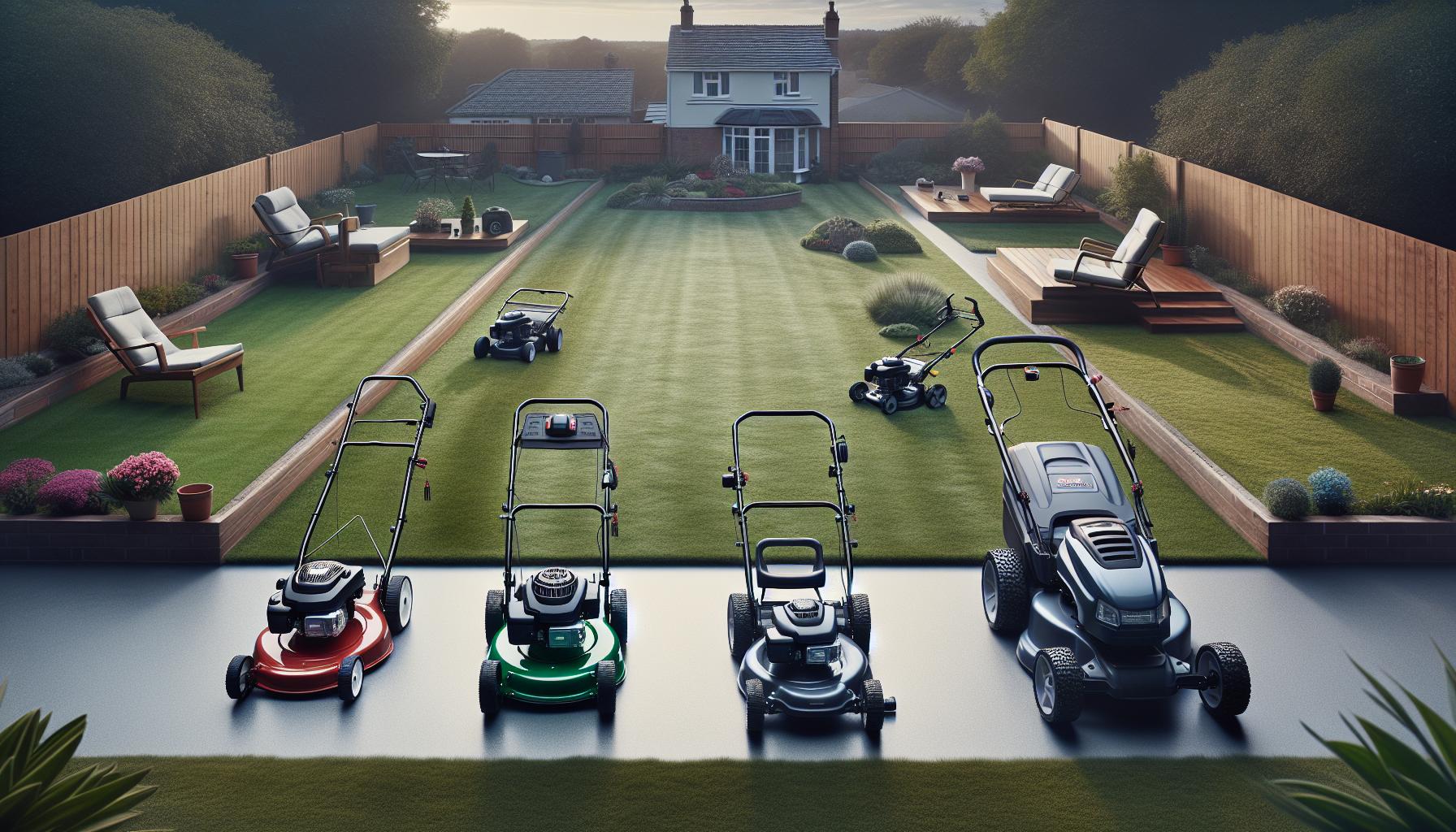
Choosing the Right Lawn Mower for Your Yard Size
When selecting a lawn mower, it’s crucial to consider the size of your yard, as it directly influences both the type of mower you choose and how effectively it will perform. A well-matched mower not only improves efficiency but also saves time and effort. For instance, a small electric mower is ideal for compact yards where maneuverability is key, allowing you to navigate tight spaces easily. In contrast, larger lawns may benefit from more powerful riding mowers, which can cover extensive areas in less time and minimize fatigue.
Understanding your yard’s dimensions can help you avoid common pitfalls. For yards under 1,000 square feet, lightweight push mowers or reel mowers are generally sufficient. These mowers are not only economical but also environmentally friendly. As the size of your yard increases, say from 1,000 to 5,000 square feet, self-propelled walk-behind mowers offer a good balance of power and convenience. For lawns larger than 5,000 square feet, opting for a riding mower can significantly reduce the time spent mowing.
Before making a purchase, it’s beneficial to map out your yard’s characteristics, such as slopes and obstacles, which can affect your choice. For example, if your yard includes uneven terrain, consider a mower designed for such conditions, as it can enhance your mowing experience. Additionally, factoring in your physical limitations or preferences-such as preferring not to push a mower-can guide you towards a more suitable option.
Ultimately, aligning the right mower with your yard size transforms lawn care from a chore into a pleasant task, enhancing your outdoor experience while ensuring your lawn remains vibrant and well-kept. If you keep these considerations in mind, you’ll be well on your way to choosing the perfect mower that fits both your yard size and your budget.
Understanding Your Lawn Care Budget
Understanding your budget is a critical step in selecting the right lawn mower, as it can significantly influence both the type of mower you purchase and the features included. Many homeowners are surprised to learn that an appropriate lawn mower can enhance not only the upkeep of their yard but also their financial planning. Budgeting for a lawn mower involves considering not just the upfront cost, but also ongoing expenses such as fuel, maintenance, and potential repairs.
When creating a lawn care budget, start by assessing how much you are willing to spend. This should include the initial purchase price, which can vary widely based on the type and brand of mower. Typically, a push mower can range from $150 to $500, while riding mowers may start at around $1,200 and go well over $3,000. Consider your yard size to determine how much power you need; for smaller yards, investing in a more affordable push mower might be sufficient, whereas larger yards may justify the higher upfront cost of a riding mower for efficiency.
- Fuel Costs: For gas mowers, factor in ongoing fuel expenses, which can add up, especially if you have a large area to mow. Electric models eliminate this cost but may involve electricity charges.
- Maintenance: Regular maintenance costs include oil changes, blade sharpening, and filter replacements. Some models require more care than others, so checking the manufacturer’s recommendations can help you budget effectively.
- Repairs: Setting aside a small amount each year for unforeseen repairs or servicing can prevent last-minute scrambles when something goes wrong.
It’s also wise to account for seasonal lawn care products, such as fertilizers and weed control, which can affect your overall lawn maintenance budget. By understanding these costs, you can make a more informed decision about which lawn mower best suits your financial situation.
Additionally, explore financing options if you find an ideal mower that stretches your budget. Some retailers offer payment plans that allow you to manage costs over time, making it easier to invest in a lawn mower without overwhelming your finances. Ultimately, being thorough in your budgeting process enables you to choose a lawn mower that meets your needs and fits comfortably within your financial plan.
Types of Lawn Mowers: Pros and Cons
Selecting the right lawn mower can significantly impact the upkeep of your lawn, not just from an aesthetic perspective but also in terms of ease and affordability. With various options available, understanding the pros and cons of each type is vital in making an informed decision that fits both your yard size and budget.
Push mowers, whether manual or self-propelled, are an excellent choice for smaller lawns. They are generally more affordable, ranging from $150 to $500, making them a budget-friendly option. Pros: They offer low maintenance costs and are easy to store. Additionally, they provide a great workout for those who prefer a bit of exercise while caring for their yards. Cons: However, they can be labor-intensive and time-consuming for larger areas, potentially leading to fatigue.
Riding mowers are ideal for larger properties, allowing you to cover more ground in less time. Prices start around $1,200 and can exceed $3,000, reflecting their enhanced capabilities. Pros: They are comfortable and reduce physical strain, and many models come with attachments for other yard tasks like hauling or snow removal. Cons: On the downside, they require more maintenance and higher fuel costs. Additionally, they take up more storage space and may not be necessary for smaller lawns, making them a less versatile option.
Electric mowers have gained popularity due to their eco-friendliness and convenience. They are typically quieter and require less maintenance than gas models. Pros: Electric mowers, whether cordless or corded, offer ease of use and significant cost savings on fuel. They are suitable for medium to small yards. Cons: However, electric mowers can struggle with longer grass and may have limited runtime if using batteries. Moreover, the need for frequent charging can be an inconvenience if your mowing tasks are extensive.
In summary, the choice of mower largely depends on the size of your yard and your maintenance capabilities. By weighing the pros and cons of each type, homeowners can better match their mower selection to their needs and budget, ensuring a well-maintained and healthy lawn without unnecessary expense or effort.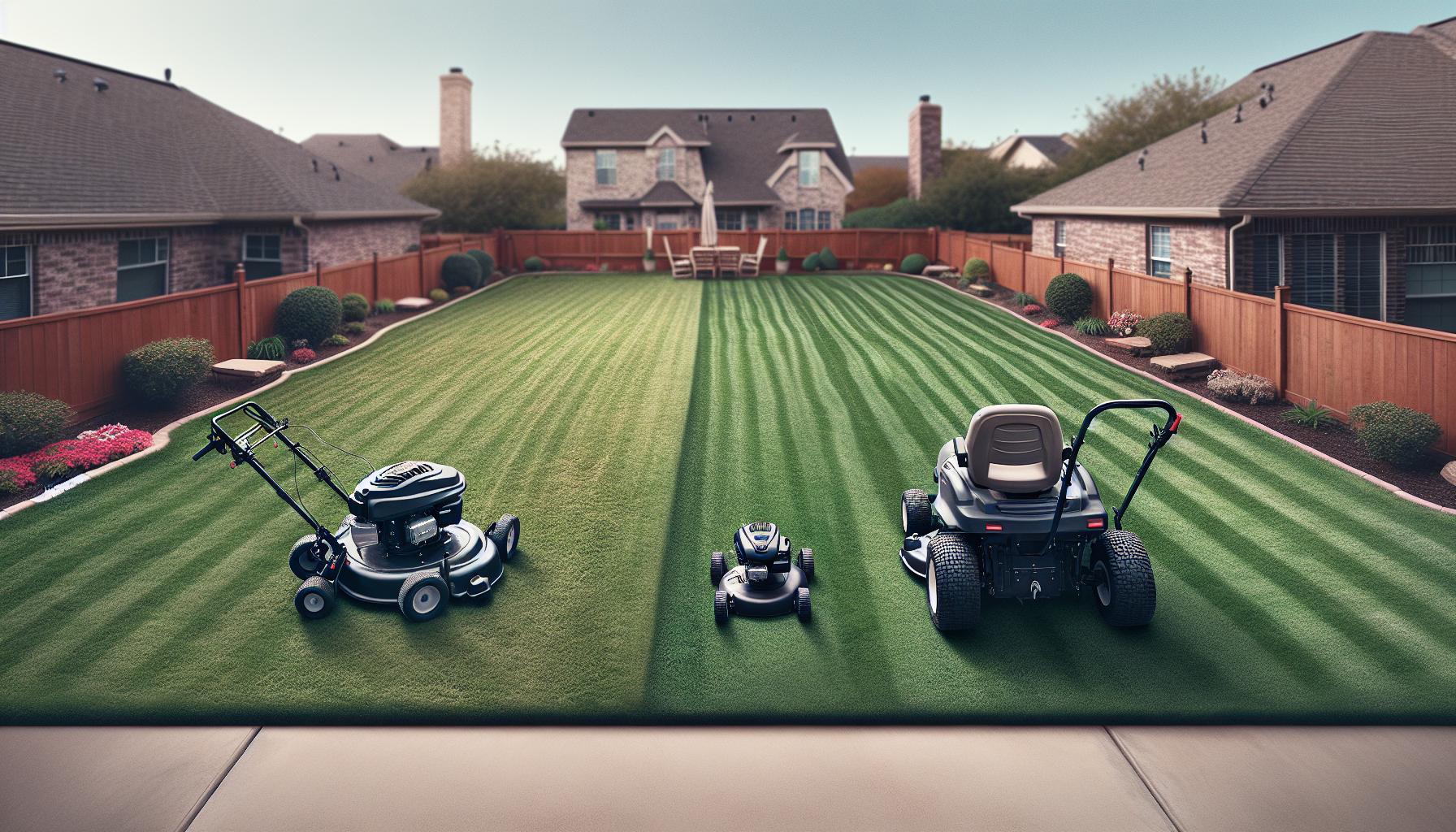
How Yard Size Influences Mower Selection
Choosing the right lawn mower is heavily influenced by the size of your yard, as it fundamentally affects mowing efficiency, ease of use, and even your overall experience of lawn care. A small yard typically requires less time and effort to maintain, making lightweight and compact options, such as push mowers, highly suitable. These mowers are not only easier to maneuver in tight spaces but are also budget-friendly, often priced from $150 to $500. By opting for a push mower, homeowners benefit from low maintenance costs, while getting a bit of exercise as they mow-an appealing factor for many.
As yards grow larger, so do the challenges of maintaining them. For properties exceeding half an acre, a riding mower becomes more practical. These mowers enable you to cover significant ground quickly and comfortably, which is invaluable for large lawns. Prices for riding mowers typically start around $1,200 and can go upwards of $3,000, reflecting their advanced features and capabilities. While they require higher maintenance and fuel costs than smaller mowers, the trade-off is often worthwhile for those with expansive landscapes.
Another factor to consider is the type of terrain you’re working with. Hills, uneven ground, and garden obstacles can dictate the mower type; self-propelled mowers can be beneficial in hilly areas, while maneuverability is key for yards with numerous flowerbeds or trees. Additionally, electric mowers, both corded and cordless, are a great choice for medium and smaller yards due to their quieter operation and lower environmental impact. However, they may lack the power needed for very large lawns or tough grass types.
Ultimately, selecting the right lawn mower should be based on a careful assessment of your yard size, terrain, and maintenance preferences. This thoughtful approach not only ensures that your lawn stays healthy and well-groomed but also allows you to maximize your investment in lawn care equipment.
Features to Consider for Budget-Friendly Mowers
When shopping for a lawn mower on a budget, it’s essential to consider features that ensure performance and durability without breaking the bank. One of the key aspects is the type of mower that best suits your lawn needs. For smaller yards, manual push mowers are budget-friendly options that save on fuel costs and provide a light workout. These mowers often come with fewer features, but their simplicity means less can go wrong, reducing future repair costs.
Durability and Build Quality
Investing in a mower made from sturdy materials can pay off over time. Look for models with a robust steel deck instead of plastic, as they tend to withstand the rigors of mowing better. Additionally, consider warranties offered by manufacturers; a longer warranty period often indicates confidence in the product’s durability.
Engine Type and Efficiency
The engine is another critical feature to evaluate. For gas mowers, consider those with a reliable brand engine that balances power with fuel efficiency. Two-stroke engines are generally lighter and easier to maintain than four-stroke variants, making them suitable for budget-friendly options. On the other hand, if you lean towards electric mowers, weigh the benefits of corded versus cordless. Corded mowers may save on perceived costs but can limit your mobility, while battery-operated models offer convenience but might require more frequent recharging if your yard is large.
Ease of Use and Maintenance
Features that enhance usability are crucial, particularly for budget-conscious buyers who may want to maintain their mowers themselves. Look for mowers with easy start mechanisms, such as recoil starters or electric start features. Models with height adjustment levers that allow for quick changes are also advantageous, enabling you to adapt to different grass lengths without hassle. Furthermore, consider how easy it is to access the blade for cleaning or sharpening, as maintaining the mower can prolong its lifespan and effectiveness.
For aspiring lawn care enthusiasts who need powerful performance without a hefty price tag, checking user reviews can provide valuable insights. Existing customers often share experiences about reliability, ease of maintenance, and performance in real-world scenarios, helping you make a more informed decision. So, as you explore budget-friendly options, keep these features in mind, ensuring your mower suits both your yard’s demands and your wallet.
Electric vs. Gas: Which is Right for You?
When choosing a lawn mower, the debate between electric and gas-powered options is a pivotal one, influenced by lifestyle, yard size, and maintenance preferences. One compelling advantage of electric mowers is their environmental friendliness. They produce zero emissions while operating, making them an excellent choice for eco-conscious homeowners. Additionally, electric models are quieter than their gas counterparts, allowing for a more serene mowing experience and less disruption to neighbors. For those with small to medium-sized lawns, electric mowers are typically lighter and easier to maneuver, further enhancing the convenience of lawn maintenance.
On the other hand, gas mowers are often lauded for their power and performance, especially in larger yards or when faced with thick, heavy grass. These mowers can handle tougher terrain without the risk of draining batteries mid-mow, which is a common concern with electric models. If you have a significantly sized lawn, the consistent power supply of a gas mower ensures you can tackle extended mowing sessions without interruptions. Furthermore, many gas mowers are equipped with features suited for rugged terrain, such as self-propelling mechanisms, making them ideal for uneven properties.
Cost and Maintenance Considerations
While electric mowers are often less expensive upfront, it’s essential to factor in long-term expenses. Battery replacement for cordless models can be costly and may need replacing every few years. In contrast, gas mowers require regular maintenance, including oil changes, air filter replacements, and spark plug checks. However, the availability of these services and parts means that repairs can often be managed with some basic skills or by a local mechanic.
Ultimately, the right choice hinges on your specific yard characteristics and personal preferences. Homeowners with smaller, flat yards may find electric mowers more suitable due to their lower upfront costs and ease of use. Conversely, if you have a larger area with rugged terrain, investing in a gas mower could be more advantageous despite the higher ongoing maintenance. By weighing the benefits and limitations of each type, you can select a lawn mower that aligns seamlessly with your needs and lifestyle, ensuring your lawn care routine remains efficient and cost-effective.
The Best Lawn Mowers for Small Yards
Finding the right lawn mower can transform mowing from a dreaded chore into a quick and satisfying task, especially for those who manage small yards. With an abundance of options available, it’s essential to select a mower that not only fits your budget but also suits your lawn’s specific needs. A well-chosen mower can make the process quicker and ensure a clean, professional-looking cut that enhances your yard’s aesthetic.
For small yards up to around 1,000 square feet, electric mowers are often the ideal choice. They are lightweight, easy to maneuver, and produce minimal noise, which makes them perfect for residential areas where noise regulations might apply. Models such as the Greenworks 20-Inch 3-in-1 mower and the Sun Joe MJ401E are excellent examples that balance affordability and performance. These mowers come equipped with features like adjustable cutting heights and grass collection bags, allowing you to easily maintain your lawn while contributing to an eco-friendly environment.
Alternatively, if you prefer gas-powered options, consider compact models such as the Honda HRX217 or the Troy-Bilt TB130. These mowers provide robust performance and can tackle slightly larger areas and thicker grass without risking battery drain. Gas mowers typically offer greater cutting power and durability, making them suitable for those who might have varied terrain within their small yards. Just be mindful that they generally require more maintenance, including oil changes and regular checks, so there are additional long-term costs to consider.
Regardless of whether you choose electric or gas, ensure to prioritize features that promote convenience and efficiency. Look for mowers with foldable handles for easy storage, self-propulsion if desired, and varying cutting height settings to customize the mower’s performance according to your lawn’s specific grass type. By carefully weighing the options and selecting the best mower for your small yard, you can enhance your lawn care routine, making it both enjoyable and effective.
Top Picks for Medium-Sized Lawns
Choosing the right mower for a medium-sized lawn can significantly enhance your mowing experience, combining efficiency with excellent results. When targeting yards between 1,000 and 5,000 square feet, versatility and power become essential. Medium-sized lawns often feature slightly uneven terrain or varying grass types, making it crucial to select a mower that can handle diverse challenges while still being easy to operate.
For many homeowners with this lawn size, self-propelled mowers strike a perfect balance between power and maneuverability. Models like the Honda HRX217VKA and Troy-Bilt TB290 offer robust engines, comfortable handling, and the ability to tackle thicker grass without slowing down. These mowers typically come equipped with features such as variable speed control, which allows you to move at a comfortable pace while handling slopes and tight corners effortlessly.
Electric mowers are also gaining traction among homeowners looking for eco-friendly options. The EGO Power+ LM2142SP is a top contender in this category, featuring a strong battery life and the capability to cut up to 1 acre on a single charge. Its lightweight design simplifies transport and storage, while its self-propulsion feature further enhances ease of use across larger areas.
What to Look for When Choosing
When deciding among mowers, consider these key factors:
- Blade Width: Opt for a mower with a cutting width of at least 20 inches to cover more ground efficiently.
- Cutting Height Adjustment: Look for models that offer multiple height settings to customize cuts according to grass type.
- Easy Maintenance: Features like easy-to-access air filters and oil drains can save time and effort with upkeep.
In summary, selecting the right mower for your medium-sized lawn involves carefully considering both power and efficiency. Whether you lean towards a gas-powered option for robust performance or an electric model for environmental benefits, choosing a mower that fits your specific lawn needs will transform your mowing experience.
Powerful Options for Large Properties
For homeowners managing expansive lawns or estates, selecting a powerful mower is essential to tackle the challenges of larger properties effectively. A wide cutting deck paired with a robust engine or motor can substantially reduce mowing time, allowing you to maintain your lawn without exhaustive effort. Notably, riding mowers and zero-turn mowers are often the go-to options for such tasks, as they provide exceptional efficiency and comfort during those longer mowing sessions.
When considering powerful options, riding mowers stand out for their capability to handle larger swathes of grass while also providing a more comfortable user experience. For instance, models like the Husqvarna YTH24V48 offer a powerful 24 HP engine and a 48-inch cutting deck, making them ideal for properties larger than one acre. These mowers also include features such as high back seats for comfort, adjustable cutting heights for versatility, and even the ability to attach accessories like baggers and mulchers.
Zero-Turn Mowers: Precision and Speed
Zero-turn mowers take efficiency to the next level. With their unique design that allows for a near-complete circle of motion, these mowers can navigate tight corners and obstacles with ease. Models such as the Toro TimeCutter 74640 feature powerful engines and wide cutting decks, making them suitable for high-speed mowing across large properties. Additionally, their maneuverability ensures you can maintain precise control, leaving a well-manicured finish even in less accessible areas.
- Engine Power: Look for mowers with at least 20 HP to ensure they can handle thicker grass and uneven terrain.
- Cutting Width: Wider decks (48 inches or more) cover more ground, reducing the time needed for mowing.
- Comfort and Control: Features such as adjustable seats, cup holders, and easy-to-use steering systems enhance the mowing experience.
Investing in a powerful mower designed for larger properties not only saves time but also enhances the overall quality of your lawn care. By prioritizing the right features, you can choose a mower that meets your budget while effectively managing your yard size, ensuring a lush and beautiful lawn throughout the season.
User Reviews: Real Experiences with Mowers
Real user experiences can offer invaluable insights into the practicality and performance of different lawn mowers, helping potential buyers make informed decisions. Many homeowners often highlight key features, such as ease of use, cutting performance, and maintenance requirements, which directly impact their satisfaction with a product.
One common observation in user reviews is the importance of engine power and cutting width. For instance, users with larger lawns frequently praise riding mowers like the Husqvarna YTH24V48, noting its powerful 24 HP engine that makes quick work of thick grass. Many mention how the 48-inch cutting deck significantly reduces mowing time, allowing them to manage expansive areas efficiently. Conversely, users struggling with smaller lawns often recommend lighter push mowers, which typically offer a balance of maneuverability and ease of storage.
The differences between electric and gas mowers also emerge prominently in reviews. Buyers of electric mowers often appreciate their quieter operation and reduced emissions, describing them as perfect for maintaining smaller yards where gas mowers might feel excessive. However, those using gas mowers often emphasize their power and range, making them ideal for larger properties or thicker grass types. For example, the Toro TimeCutter 74640 is frequently mentioned for its speed and maneuverability, allowing homeowners to navigate tricky landscaping features while achieving a well-groomed finish.
Ultimately, maintenance considerations play a significant role in buyer satisfaction. Users consistently remind future buyers to factor in ongoing upkeep costs, with some noting that investing in a mower with higher initial costs can lead to greater reliability and lower maintenance in the long run. Factors like the availability of replacement parts, warranty options, and the reputation of customer service also significantly affect the overall experience, highlighting the importance of researching user reviews before making a purchase decision.
Maintenance Costs: Budgeting for Long-Term Care
Investing in a lawn mower is not just about the initial purchase price; it’s essential to consider the ongoing maintenance costs that can significantly impact your overall budget. Many homeowners underestimate how maintenance can influence long-term ownership costs, particularly as lawn mowers require regular upkeep to perform optimally and extend their lifespan.
One of the primary factors affecting maintenance costs is replacement parts. For example, gas mowers may need new oil, spark plugs, and air filters annually. In contrast, electric mowers usually require less frequent part replacement but may need battery replacements after several years of use. Understanding the lifetime costs of different mower models can help you gauge which one offers better value for money over time. Additionally, warranties and service agreements can provide a safety net, so consider these when making your decision.
Another aspect to examine is the fuel type and its impact on operational costs. Electric mowers often have lower ongoing energy costs compared to gas mowers, which can become expensive with fluctuating fuel prices. However, if you choose a gas mower, you might benefit from its more robust performance in tougher mowing conditions, albeit at a higher fuel expense. Evaluating your yard size and type can help you decide which mower aligns best with your financial expectations.
Finally, it’s critical to factor in labor costs if you choose not to perform your own maintenance. Hiring professionals for tune-ups and repairs can add up, so be sure to research local service costs and incorporate that into your budget. Regular maintenance is key to longevity, and establishing a routine check-up schedule will ultimately foster a healthier lawn and a more efficient mower.
By planning for these maintenance costs, you can ensure that your initial investment in a lawn mower pays off in the long run, keeping your lawn looking pristine without breaking the bank on unexpected expenses.
Where to Buy: Retail vs. Online Options
Navigating the market to find the ideal lawn mower can be overwhelming, especially when considering the options between retail and online shopping. Each avenue offers its unique set of advantages and potential drawbacks, so understanding these can empower you to make a more informed purchasing decision.
Shopping at local retail stores allows for hands-on experiences. You can physically inspect and even test the mowers, which is invaluable when assessing weight, ease of maneuverability, and build quality. Additionally, speaking directly with sales associates can provide real-time advice and recommendations catered to your specific yard size and budget. Local retailers may also offer promotional events, seasonal sales, or even financing options to ease the financial burden. However, keep in mind that retail prices can be higher due to overhead costs associated with maintaining physical locations.
On the other hand, online shopping opens up a world of convenience and often better pricing. Major retailers and specialized websites provide extensive lists of lawn mowers with detailed specifications, comparisons, and user reviews-all accessible from the comfort of your home. Websites often run exclusive deals or promotions that may not be available in-store, and customer reviews can give you insights into the mower’s performance over time. When purchasing online, consider the importance of checking return policies as well; many offer free returns, which can alleviate the worry of ending up with a mower that doesn’t meet your expectations.
Regardless of the shopping route you choose, it’s essential to compare prices between different platforms. Many local stores will match online prices, which can be beneficial if you prefer the immediate availability of a mower without waiting for shipping. Always factor in the potential costs of delivery if you’re purchasing online, as this can sometimes offset the savings. Additionally, don’t forget to research local service centers that might provide support for the mower brand you select, regardless of where you made your purchase.
In summary, whether you lean towards brick-and-mortar stores for a tactile experience or prefer the convenience and potential savings of online shopping, weighing the pros and cons of each can guide you toward making a purchase that best fits your needs and budget for maintaining your lawn.
FAQ
Q: What factors should I consider when choosing a lawn mower for my yard size?
A: When selecting a lawn mower, consider yard size, terrain, grass type, and your physical ability. For small yards, manual mowers or compact electric models work well. Larger or uneven areas may require self-propelled or riding mowers for efficiency. Refer to the section on “Choosing the Right Lawn Mower for Your Yard Size” for more insights.
Q: How do I determine my lawn care budget for purchasing a mower?
A: To determine your lawn care budget, consider the initial mower cost, maintenance expenses, fuel or electric costs, and any necessary accessories. Look for mowers that fit your financial plan and evaluate long-term savings through efficiency. Check the “Understanding Your Lawn Care Budget” section for detailed guidance.
Q: What are the maintenance costs for different types of lawn mowers?
A: Maintenance costs vary by mower type; gas mowers typically have higher costs for fuel and repairs, while electric mowers often require less upkeep. Regular maintenance includes blade sharpening, oil changes, and cleaning. Explore the “Maintenance Costs” section for ongoing care tips.
Q: What’s the difference between electric and gas lawn mowers for budget-conscious shoppers?
A: Electric mowers generally have lower upfront costs, reduced maintenance requirements, and no fuel costs, but might have limited power for dense grass. Gas mowers offer more power and range but come with higher fuel and maintenance costs. The “Electric vs. Gas” section provides a deeper comparison.
Q: Can I use a push mower on uneven terrain?
A: Yes, push mowers can be used on uneven terrain, but choose a model with adjustable wheels or a lightweight design for easier maneuverability. For steep inclines, consider a self-propelled mower for added assistance. Check the “Choosing the Right Lawn Mower for Your Yard Size” section for tips on tackling challenging landscapes.
Q: What type of mower is best for very small yards?
A: For very small yards, manual reel mowers or compact battery-powered mowers are ideal due to their simplicity, ease of use, and minimal maintenance. They are budget-friendly and environmentally friendly options. Refer to “The Best Lawn Mowers for Small Yards” for top recommendations.
Q: How often should I mow my lawn based on yard size?
A: Generally, mowing should occur every 1-2 weeks during the growing season. For larger lawns, you may mow less frequently, while smaller yards could require more regular cuts to maintain a healthy appearance. For detailed timing, see the “Choosing the Right Lawn Mower for Your Yard Size” section.
Q: What features should I prioritize in a budget lawn mower?
A: Key features to prioritize include cutting width for efficiency, ease of height adjustment, weight for maneuverability, and a reliable warranty. Look for additional features like mulching capabilities, which can enhance lawn health while saving on bagging costs. The “Features to Consider for Budget-Friendly Mowers” section elaborates on this.
The Way Forward
Choosing the right lawn mower for your budget and yard size is essential for maintaining a healthy and vibrant lawn. Whether you’re investing in a gas-powered, electric, or manual mower, these insights will help you make an informed decision that suits your specific needs. Don’t let the stress of mowing weigh you down-act now to simplify your lawn care routine!
Explore our related articles on lawn care maintenance tips and how to take care of your lawn effectively to elevate your outdoor space. For personalized advice, consider signing up for our newsletter, where you’ll receive the latest tips and product reviews straight to your inbox. We’d love to hear your thoughts-leave a comment below and share your experiences or questions about finding the perfect mower. Let’s keep your lawn looking pristine together!