Homeowners Associations (HOAs) often play a pivotal role in maintaining neighborhood aesthetics, but a common question arises: does your HOA cover lawn care? Understanding the specifics of your HOA’s rules can significantly impact both your wallet and your home’s curb appeal. Given that well-kept lawns contribute greatly to property values, it’s essential to clarify whether your association takes care of lawn maintenance or if you’ll need to handle it yourself. As we delve into the nuances of association policies, you’ll discover what services are typically included and the implications for homeowners. Stay tuned to navigate the landscape of HOA rules and learn how to ensure your yard reflects the community standards while staying within your budget.
Understanding HOA Lawn Care Responsibilities
Understanding lawn care responsibilities within a Homeowners Association (HOA) can be a complex endeavor, as it significantly affects residential maintenance duties and the aesthetic appeal of a community. At its core, the essence of HOA lawn care lies in the agreement between residents and the association regarding maintenance obligations. Most associations have clear guidelines delineating what is included in the coverage and what falls under the homeowners’ responsibilities. Homeowners should familiarize themselves with these expectations to ensure compliance and avoid disputes.
Typically, HOAs are responsible for maintaining common areas, such as parks, entrance landscaping, and sometimes the front yards of homes. This can include mowing, trimming, fertilization, and weed control. It’s crucial for residents to consult their governing documents, such as the Covenants, Conditions, and Restrictions (CC&Rs), to understand what lawn care tasks the HOA oversees. For example, some HOAs might take care of the landscaping up to a certain distance from the home, while other associations might require residents to maintain their entire yard. This variance can have implications for time, effort, and financial expenditure.
Residents often find that their association’s lawn care practices enhance property values and curb appeal, contributing to a more cohesive community aesthetic. However, understanding the nuances of your HOA’s specific rules is essential for compliance and peace of mind. It empowers homeowners to communicate effectively with the HOA if issues arise, such as unsatisfactory service or discrepancies with maintenance standards.
In conclusion, clear communication with your HOA regarding lawn care responsibilities is necessary to maintain harmony and uphold community standards. Assessing your HOA’s specific guidelines will not only help clarify your responsibilities but also ensure that your lawn care aligns with community expectations for a well-maintained living environment.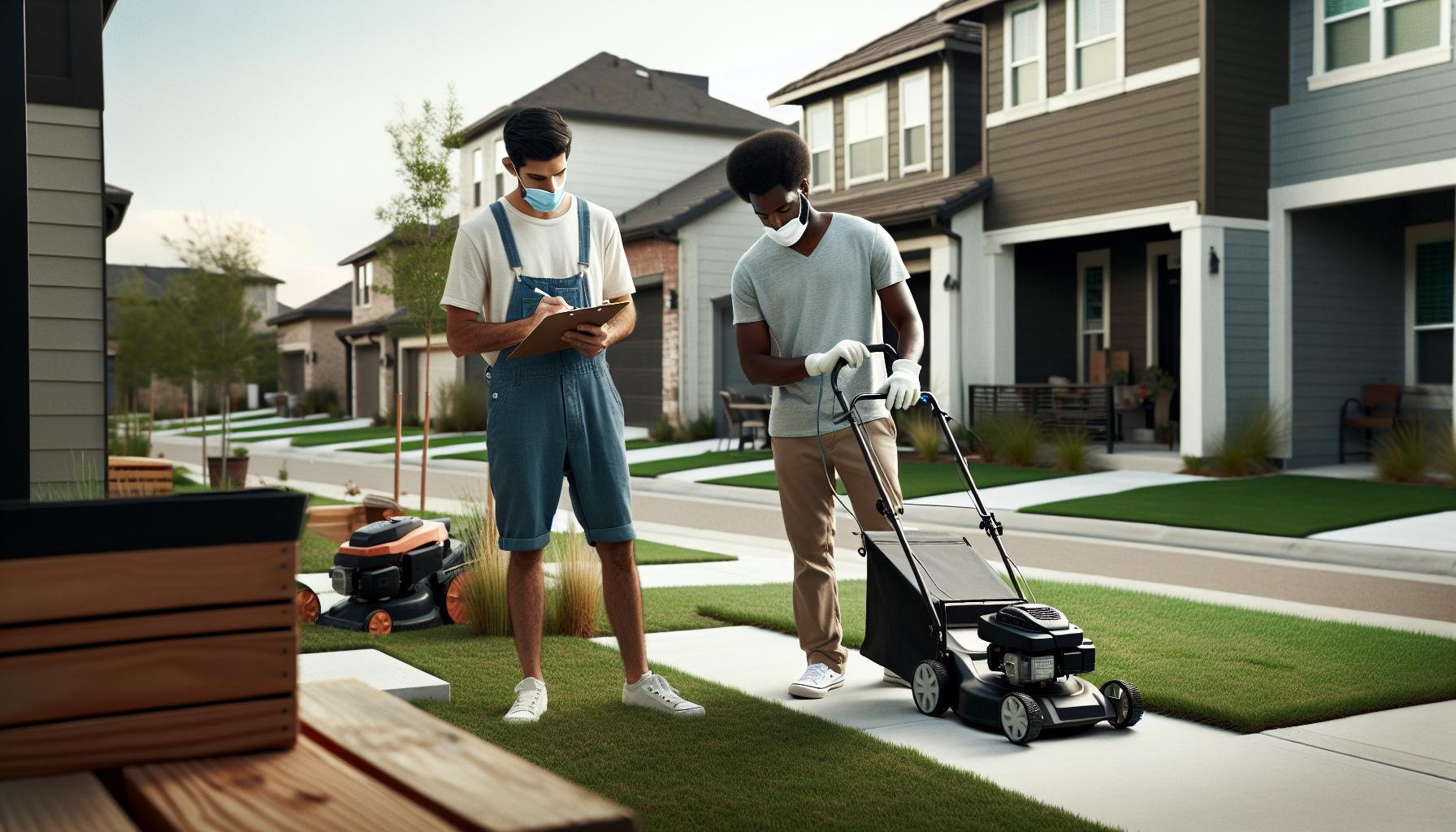
Key Factors Determining HOA Lawn Care Coverage
Determining what lawn care services are covered by a Homeowners Association (HOA) can be complex, as it intertwines various factors specific to the community’s governing guidelines and the homeowners’ expectations. One pivotal aspect is the CC&Rs (Covenants, Conditions, and Restrictions), which form the backbone of an HOA’s regulations. These documents specify the exact areas the HOA will maintain versus what residents are responsible for, including limitations on what changes homeowners can make to their landscaping. Understanding these terms is crucial for determining coverage and ensuring compliance.
Another critical factor is the type of community. For instance, in upscale communities, the HOA’s coverage for lawn care may be more comprehensive, encompassing everything from lawn mowing to gardening maintenance, especially in communal areas. In contrast, more conventional neighborhoods might focus on minimal coverage, only addressing common areas while leaving individual homeowners responsible for their yards. This variability underscores the importance of reviewing not just the CC&Rs, but also any supplementary guidelines the association may have established.
Furthermore, decisions about lawn care can also be influenced by community standards and aesthetic goals. Many HOAs strive to uphold a specific look and feel throughout their neighborhoods, leading them to provide extensive landscaping services to maintain uniformity. This could include regular mowing schedules, fertilization, and other essential upkeep tasks-all aimed at enhancing property values and overall curb appeal. Homeowners should actively engage in discussions during HOA meetings or consult with their board to understand how landscaping decisions align with community objectives.
Lastly, the financial aspect plays a significant role. HOA fees are typically allocated to cover the costs associated with landscaping services. Therefore, residents should investigate how these fees are structured and what percentage is budgeted for lawn care. High fees might translate into more comprehensive services, while lower fees could indicate minimal support. Understanding these financial dynamics will help homeowners make informed decisions and advocate for more robust lawn care provisions if needed.
Ultimately, being proactive in understanding these key factors ensures that homeowners can navigate their association’s lawn care policies, fostering a well-maintained community that aligns with personal and collective values.
Differences Between HOA and Homeowner Lawn Care
Lawn care responsibilities in a community governed by a Homeowners Association (HOA) can significantly differ from those managed individually by homeowners. Understanding these differences is crucial for residents, as it impacts their monthly expenses, maintenance duties, and overall satisfaction with their living environment. One pivotal distinction lies in the organization of lawn care services; while some homeowners might prefer to micromanage their landscaping choices, an HOA typically provides centralized management aimed at maintaining a cohesive community aesthetic.
Homeowners often take personal pride in their landscapes, investing time and creativity into custom gardening, unique plant selections, and layout designs. In contrast, an HOA centralizes those decisions, often implementing standardized landscaping designs across the community. This may include uniform grass types, well-defined flower beds, and scheduled maintenance routines. Such regulations can enhance the neighborhood’s overall appeal, but they may also limit individual expression and personal choices regarding gardening styles or landscaping preferences. For instance, while a homeowner may prefer native plants for their resilience, the HOA may require particular species that align more closely with predefined aesthetic standards.
Financial implications also highlight the differences between HOA-managed and homeowner-managed lawn care. When managed by an HOA, costs are usually included in monthly dues, which may range widely based on how extensive the services are. This can simplify budgeting for homeowners but may lead to frustration if some residents feel they are paying for services they do not utilize or need. On the other hand, homeowners managing their lawn care have the flexibility to choose services tailored to their specific preferences and financial situations but must allocate those costs outside of the HOA structure.
Moreover, navigating communication with HOAs can present additional challenges compared to individual lawn care management. Homeowners may need to adhere to formal processes when seeking alterations or expressing concerns about HOA-managed lawn services, including submitting proposals for changes or participating in board meetings. In contrast, a homeowner managing their care can readily communicate with local service providers without the intervention of an association. Ultimately, understanding these differences equips residents to make more informed decisions about their landscaping care and ensures they actively participate in shaping their community.
Common Landscaping Services Covered by HOAs
Maintaining a cohesive community aesthetic is one of the primary roles of a Homeowners Association (HOA), and lawn care plays a significant part in this effort. Many HOAs cover an array of landscaping services designed to uphold property values and enhance the appeal of shared spaces, thus creating a pleasant environment for all residents. These services often include regular maintenance tasks that homeowners might otherwise find challenging to manage consistently.
Common Landscaping Services Offered
The specific services provided by an HOA can vary significantly depending on the community’s regulations and the fees collected. However, some common examples of landscaping services typically included are:
- Lawn Mowing: Regular mowing schedules ensure that lawns remain tidy and well-kept, contributing to the overall aesthetics of the neighborhood.
- Edging and Trimming: This includes maintaining neat borders around driveways, flower beds, and sidewalks, which enhances visual appeal and prevents overgrowth.
- Fertilization and Weed Control: HOAs may provide applications of fertilizers and pest control to promote healthy grass growth and minimize weed presence, helping to maintain lush landscapes.
- Seasonal Clean-Up: Services may encompass seasonal tasks such as removing leaves, debris, and dead plants, particularly in spring and fall.
- Irrigation Management: Some HOAs install and maintain irrigation systems to ensure efficient watering of lawns and shared green spaces, managing both water use and costs.
- Planting and Landscape Design: Depending on the association’s policies, they might also coordinate the planting of annual flowers and shrubs in common areas, promoting seasonal beauty and diversity.
These services, funded through HOA dues, create a unified look across the community, making it essential for residents to understand what is included in their fees. Being well-informed about these offerings enables homeowners to appreciate the benefits of centralized lawn care, leading to a more enjoyable residential experience. Additionally, neighbors can work cohesively to support community values and decision-making regarding landscaping choices, ensuring their environment reflects the shared aspirations of all residents.
Navigating HOA Rules on Lawn Maintenance
Navigating the intricate landscape of Homeowners Association (HOA) rules on lawn maintenance can feel daunting, yet understanding these regulations is crucial for every resident. Each community develops its own set of covenants, conditions, and restrictions that dictate how residents should maintain their lawns. These rules not only aim to preserve the aesthetic appeal of the neighborhood but also to protect property values. Often, the specifics can vary widely between different HOAs, making it essential for homeowners to familiarize themselves with their community’s guidelines.
One of the first steps in navigating these rules is to thoroughly review the HOA’s governing documents, typically known as the CC&Rs (Covenants, Conditions & Restrictions). These documents will detail what is expected regarding lawn maintenance. Common regulations may involve the height of grass, types of permissible landscaping, and the timing of maintenance tasks like mowing or seasonal clean-up. For instance, some HOAs may prohibit certain plant types deemed unsightly or impose restrictions on color choices for lawns and gardens.
To ensure compliance, consider maintaining open lines of communication with your HOA management. Attend community meetings where lawn care policies are discussed, and do not hesitate to voice any questions or concerns regarding maintenance responsibilities. If you find the rules unclear or overly restrictive, gathering support from fellow residents can be a powerful strategy. Proposing amendments or discussions about lawn care guidelines can lead to more flexible and accommodating policies.
Finally, remember that while these rules can feel constraining, they are ultimately designed to foster a cohesive living environment. By adhering to HOA guidelines, you contribute to the overall beauty and value of your community. If ever in doubt, consider reaching out to your HOA board for clarification before taking any major landscaping steps, ensuring that your efforts align with community standards.
What to Do If Your HOA Doesn’t Cover Lawn Care
If your HOA does not cover lawn care, navigating this situation may initially feel overwhelming, but it can also present an opportunity to take control of your outdoor space with creativity and personal flair. Many homeowners in similar situations have found ways to enhance their properties without the constraints typically imposed by HOA guidelines. The first step is to thoroughly review your HOA’s governing documents to clearly understand your responsibilities regarding lawn care. This knowledge will not only equip you to fulfill your obligations but might also empower you to propose changes that could benefit the community at large.
A proactive approach is vital when managing your lawn independently. Start by setting a realistic maintenance schedule that fits your lifestyle, including regular mowing, weeding, fertilizing, and seasonal planting. Investing in or hiring a local landscaping service can alleviate the burden if time or knowledge is a concern. This not only enhances your home’s curb appeal but ensures that you comply with any community standards regarding property maintenance, even if the HOA does not cover these services. Additionally, consider collaborating with neighbors who might share similar concerns; a pooled effort can make landscaping tasks more manageable and less costly.
Furthermore, maintaining an open line of communication with your HOA is crucial. If the lack of coverage for lawn care feels burdensome, attend HOA meetings to discuss your concerns and explore possible alternatives or support systems among residents. Forming a gardening club or organizing community clean-up days can foster a stronger sense of community while addressing landscaping needs collectively. Such initiatives can enhance both the appearance and enjoyment of shared spaces.
Lastly, remember that while an HOA might not cover lawn maintenance, it still enforces certain aesthetic standards to preserve property values. Keep this in mind as you work on your lawn. By consistently maintaining a neat and attractive yard, you not only comply with HOA regulations but also enhance your enjoyment of your home and potentially increase its value. Being proactive, involved, and resourceful can turn the challenge of finding lawn care solutions into an enriching and rewarding experience.
Benefits of HOA Lawn Care for Homeowners
The appeal of living in a community governed by a Homeowners Association (HOA) often hinges on the promise of well-maintained landscapes and communal aesthetics. For many homeowners, partnering with an HOA for lawn care means significantly reduced stress and an investment in community value. When landscaping duties fall under the HOA’s purview, residents can enjoy beautifully manicured lawns without the burden of regular maintenance, allowing them to focus on enjoying their homes rather than managing lawn upkeep.
One significant advantage of HOA-managed lawn care is the professional touch. Many associations hire skilled landscapers who are trained to understand the specific needs of the local environment. This means that lawns are likely to thrive under the hands of professionals who know the right plants to use, the optimal planting and maintenance schedules, and how to manage pests sustainably. When the community is uniform in its upkeep, it enhances property values across the board. Homeowners can have peace of mind that their investment is being protected through consistent, quality care.
Additionally, HOA lawn care can foster a sense of community. Shared responsibilities for landscaping encourage neighbors to interact more, whether through community events, neighborhood gatherings, or working together on communal gardening days. This involvement can strengthen relationships among residents, creating a neighborhood that feels like home. Even small initiatives, such as community flower gardens or seasonal decorations, can bring residents together, enhancing camaraderie and pride in their shared living space.
Finally, having an HOA oversee lawn care can also simplify financial planning for homeowners. Instead of budgeting for a variety of lawn maintenance services, residents pay a single fee (the HOA dues), which often covers a range of services, from mowing and fertilization to seasonal plantings. This predictability in expenses can significantly ease financial stress, enabling homeowners to allocate their resources more effectively while still enjoying beautiful green spaces.
In summary, the benefits of HOA-managed lawn care extend beyond mere aesthetics. From professional maintenance and enhanced property values to community bonding and simplified budgeting, homeowners find that these services often yield a richly rewarding living experience.
How to Appeal HOA Decisions on Lawn Services
When faced with an HOA decision regarding lawn services that feels unjust or inadequate, homeowners often find themselves at a crossroads. The appeal process can seem daunting, but it is essential to remember that as a member of the HOA, you have both rights and responsibilities. Understanding how to effectively navigate the appeal process can lead to more satisfactory outcomes for your lawn care needs.
Start by reviewing the HOA’s governing documents, which include bylaws and rules specific to lawn care services. These documents not only outline the standards expected for landscaping but also define the appeal process. Understanding the specific rationale behind the HOA’s decision is crucial; if it relates to compliance with community standards, knowing those standards can help you frame your argument better.
Once you have gathered information, prepare a clear and concise written appeal. In your appeal, include the following components:
- Context: Briefly explain the situation and the specific decision you are appealing.
- Justification: Present your reasons for the appeal, supported by evidence such as photos, witness statements, or expert opinions regarding the lawn care standards across similar properties.
- Proposed Solution: Suggest reasonable alternatives or compromises that align with HOA standards while addressing your concerns.
Be sure to submit your appeal within the timeframe specified by the HOA to ensure it is considered.
Communication is key throughout this process. Attend HOA meetings, participate in discussions, and connect with board members informally to build rapport. This proactive approach can make them more receptive to your appeals and suggestions. Also, if possible, seek support from other residents who may share your concerns about the lawn care services provided by the HOA. A unified voice can carry more weight and may prompt the board to reconsider their decisions more thoughtfully.
In conclusion, appealing HOA decisions on lawn services requires careful preparation, an understanding of community standards, and effective communication. By employing these strategies, homeowners can advocate for their needs while fostering a collaborative relationship with their HOA.
Budgeting for Lawn Care: HOA Fees Explained
Understanding how HOA fees are structured can significantly impact your budgeting for lawn care. Many homeowners underestimate the nuances of these fees and what they cover, particularly regarding landscaping services. Typically, HOA fees are designed to cover common area maintenance, which may include lawn care for shared spaces. This understanding is critical as it helps you determine whether you’ll need to allocate additional funds for personal lawn maintenance.
Most homeowners associations set fees based on the amenities and services they provide, which can vary widely from one community to another. Generally, there are two primary components to consider: mandatory assessments and special assessments. Mandatory assessments are regular payments that homeowners make to cover ongoing maintenance and services, including lawn care, irrigation, pest control, and overall landscaping management. Special assessments, on the other hand, might be applied for significant projects or unexpected repairs, such as replacing communal park landscaping or improving irrigation systems.
Here are some budgeting tips to help you manage HOA fees effectively:
- Review HOA Documentation: Familiarize yourself with the HOA’s governing documents, which will detail what is included in your fees. Specifically, look for sections on landscaping and common area maintenance.
- Discuss with Neighbors: Engage with other residents to understand their experiences and insights regarding the adequacy of the lawn care services provided. This might reveal areas where the HOA might cut costs or potentially overspend.
- Plan for Potential Changes: Be prepared for potential increases in HOA fees due to inflation or changes in service quality. Set aside a small percentage of your budget annually to accommodate these fluctuations.
By taking these steps, you can ensure that your finances remain stable while enjoying the benefits of a well-maintained community. Furthermore, understanding the specific landscaping services your HOA fees cover helps avoid surprises and allows for proactive planning if additional personal lawn care is needed.
Expert Tips for Communicating with Your HOA
Communicating effectively with your HOA is vital to ensure that your concerns regarding lawn care and overall community maintenance are heard and addressed. Effective communication can lead to improved services and foster a better relationship between residents and HOA management. One of the most effective strategies is to engage in open dialogue. Begin by attending HOA meetings regularly; this provides a platform to voice concerns, ask questions, and stay informed about changes that may affect lawn care services. If meetings are infrequent, consider reaching out via email or participating in community forums to express your thoughts on specific landscaping issues.
Another important tactic is to document your concerns clearly and concisely. When discussing lawn care responsibilities, it helps to have specific examples or instances where the current service levels have not met your expectations. This could include issues like unkempt common areas or lack of timely maintenance. Providing photographs or written records can strengthen your case and create a more compelling argument for improvements. Additionally, be respectful and constructive in your communication; the goal is to work collaboratively, not confrontationally, with HOA board members.
Utilize Established Communication Channels
Most HOAs have established methods for addressing resident concerns, such as designated contacts or specific guidelines outlined in their governing documents. Familiarize yourself with these channels and use them effectively. For instance, if your HOA has a maintenance request form, be sure to fill it out accurately, providing as much detail as possible about the lawn care issues you’re facing. This not only ensures your requests are properly logged but also increases the likelihood of prompt attention.
Building rapport within your community is equally essential. Establishing a friendly relationship with your neighbors can amplify your voice. Organize or join a neighborhood group that prioritizes landscaping issues and meets regularly to discuss shared concerns. This united approach can put additional pressure on the HOA to prioritize lawn care and maintenance, showing that it is a widely felt need within the community. This collective voice may lead to more immediate action from HOA leadership as they recognize that these concerns transcend individual complaints.
By employing these strategies, homeowners can effectively communicate their needs and concerns regarding lawn care to their HOA, ultimately leading to a more vibrant and well-maintained community.
Comparing HOA Lawn Care Policies Across States
The complexity of HOA lawn care policies can vary significantly across states, often influenced by local regulations, community demographics, and the overarching goals of the association. For homeowners, understanding these differences is vital to ensure that their community’s needs are adequately met and maintained. Some regions may have more structured and comprehensive lawn care policies, while others might leave homeowners with greater responsibilities and less oversight.
In states like California and Florida, many HOAs tend to offer extensive lawn care services as part of their community management approach. These typically include regular mowing, landscaping maintenance, and irrigation system management. In such areas, the enforcement of strict aesthetic guidelines not only promotes uniformity within the community but can also significantly enhance property values. For instance, in upscale developments, rigorous standards may require homeowners to adhere to specific grass types or landscaping designs, ensuring the neighborhood maintains its luxury appeal.
Conversely, in states with lower housing costs or more rural settings, HOA responsibilities may be less comprehensive. These associations might provide basic lawn care and maintenance for common areas but expect homeowners to take full charge of their private lawns. This can lead to a patchwork of landscaping styles and lawn care practices that differ immensely from one yard to another, ultimately influencing neighborhood cohesion and property desirability.
As homeowners compare HOA lawn care policies across states, it’s crucial to consider several factors, including:
- Services Provided: What specific lawn care services are included? Are there additional fees for more extensive services?
- Enforcement of Rules: How strictly are landscaping regulations enforced? Are homeowners penalized for noncompliance?
- Community Characteristics: Does the community emphasize aesthetics, or is a more casual approach acceptable?
- Frequency of Service: How often are maintenance services performed, and do they adapt to seasonal changes?
Navigating these differences requires homeowners to actively review their HOA governing documents and consult with neighbors to gauge satisfaction levels regarding lawn care. Engaging in community meetings can also foster a shared understanding of expectations and contribute to a well-maintained neighborhood. By doing so, residents can not only better advocate for their individual needs but also help shape the association’s policies to cultivate an appealing community environment.
Finding the Right HOA for Your Lawn Care Needs
Selecting the right HOA for your lawn care needs is more than just a matter of aesthetics; it can significantly influence your homeownership experience. For many homeowners, the presence of professional lawn care services can mean a beautiful, well-maintained environment without the burden of personal upkeep. However, not all HOAs offer the same level of service, making it crucial to understand the specific offerings of each association before committing to a community.
When evaluating potential HOAs, start by closely examining their lawn care policies as outlined in the governing documents. This typically includes a breakdown of services provided, which may range from regular mowing and fertilization to weed control and irrigation management. Ask about the frequency of service as well; some communities may offer weekly maintenance while others might be less frequent. Overall, your goal should be to find an HOA that aligns with your expectations for a well-manicured lawn and adheres to your lifestyle.
Equally important is the enforcement of landscaping rules. Some HOAs maintain strict standards requiring specific grass types and landscaping designs, while others opt for a more relaxed approach. If you prefer having choices in your landscaping or want certain freedom in how your yard looks, opting for an HOA with lenient rules may be beneficial. Additionally, inquire about any penalties for noncompliance with landscaping guidelines, which can help you avoid unexpected fines.
Finally, understand the community characteristics that shape lawn care policies. Some neighborhoods may prioritize an upscale appearance, enhancing property values, while others may foster a more casual environment. Speaking with current residents about their experiences can provide invaluable insights into how effectively the HOA manages lawn care services and how they respond to homeowner concerns. By thoroughly researching and aligning with an HOA that matches your lawn care preferences, you can ensure a harmonious living experience in your future community.
Frequently asked questions
Q: What types of lawn care services do most HOAs cover?
A: Most HOAs cover essential lawn care services such as mowing, trimming, and fertilization. Some may also provide maintenance for common areas and landscaping. Check your HOA’s rules for specific services included in your community’s maintenance plan to ensure comprehensive care.
Q: How can I find out if my HOA covers lawn care?
A: To find out if your HOA covers lawn care, review your community’s governing documents, such as the CC&Rs (Covenants, Conditions, and Restrictions). You can also contact your HOA management directly for detailed information regarding lawn maintenance services provided.
Q: Are there any costs associated with HOA lawn care coverage?
A: Yes, there are usually costs associated with HOA lawn care coverage. These costs are typically included in your monthly or annual HOA fees. Ensure you understand these fees and how they relate to the lawn care services offered by your HOA.
Q: Can I opt out of HOA lawn care services?
A: Opting out of HOA lawn care services may not be permissible depending on your community’s rules. Consult your HOA’s guidelines to understand your options and the potential repercussions of opting out.
Q: What should I do if my HOA’s lawn care is inadequate?
A: If the lawn care service provided by your HOA is inadequate, document your concerns and communicate them to your HOA board. Engage with fellow residents to address the issue collectively, and refer to the HOA’s guidelines on maintenance standards.
Q: How do HOA rules affect homeowners’ responsibility for lawn care?
A: HOA rules often outline the level of responsibility homeowners have for lawn care. Typically, HOAs manage common areas while homeowners may be responsible for maintaining their own yards, depending on the specific community guidelines.
Q: Are HOA lawn care policies consistent across all states?
A: No, HOA lawn care policies are not consistent across all states. Each HOA establishes its own rules and regulations, influenced by local laws and community needs. Review your specific HOA’s policies for clarity on lawn care responsibilities.
Q: What are common complaints about HOA lawn care services?
A: Common complaints about HOA lawn care services include poor maintenance quality and infrequent service. Homeowners should raise these concerns with the HOA board and advocate for improvements by citing specific examples or gathering support from neighbors.
Concluding Remarks
Understanding whether your HOA covers lawn care can significantly impact your experience as a homeowner. Remember, the rules can vary, so it’s vital to review your specific HOA’s governing documents for clarity. If you have more questions or concerns about your neighborhood’s guidelines, consider reaching out to your HOA or consulting with a community expert.
For more insights, check out our related articles on “Navigating HOA Rules” and “Tips for Communicating with Your HOA,” which can provide further assistance. Don’t miss the chance to subscribe to our newsletter for regular updates and expert advice on similar topics, ensuring you stay informed about your rights and responsibilities as a homeowner. Let’s keep the conversation going-share your thoughts in the comments below, and explore more resources to empower your HOA journey!