Did you know that St. Augustine grass is one of the most popular lawn choices in Florida? This lush, green turf thrives in the warm, humid climate, providing not just a beautiful landscape but also serving as a natural habitat for local wildlife. However, maintaining a healthy St. Augustine lawn can be challenging, with its specific needs for watering, mowing, and pest management. Homeowners often find themselves frustrated when their once-vibrant grass shows signs of stress or disease. Our guide will walk you through effective care strategies to ensure your lawn remains plush and inviting, while also addressing common concerns. From selecting the right fertilization schedule to identifying pesky pests, we’ll equip you with the knowledge you need to foster a thriving St. Augustine lawn. Dive in to discover essential tips and best practices tailored for Florida’s unique environment!
Understanding St. Augustine Grass Types and Varieties
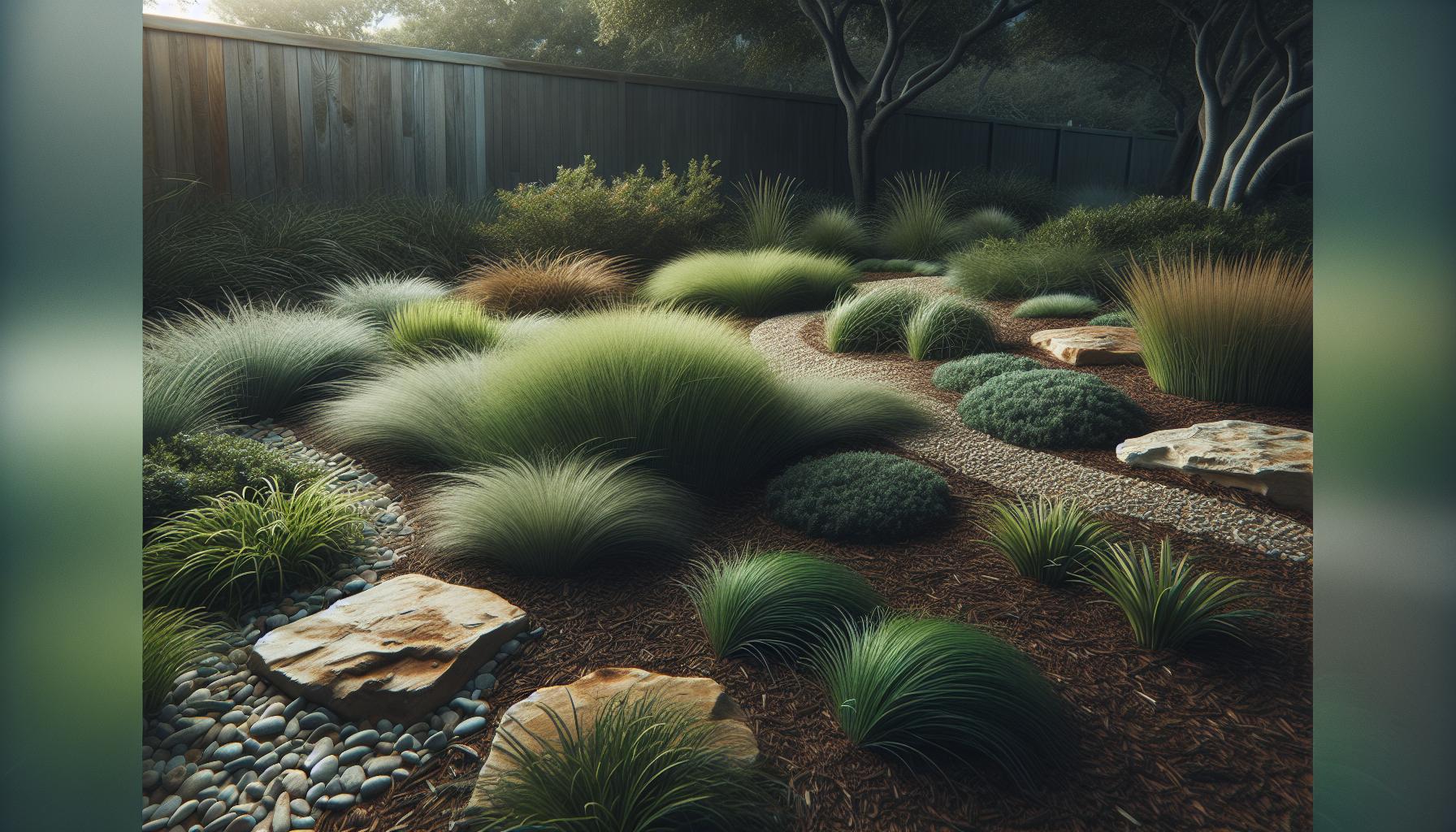
St. Augustine grass, beloved for its lush, carpet-like quality and vibrant green hue, is a popular choice among homeowners in Florida and other warm climates. With a variety of types available, understanding the differences can significantly impact your lawn’s success. Each type has unique characteristics that make it suitable for different conditions, and choosing the right one is essential for maintaining a healthy lawn.
Among the most widely recognized varieties of St. Augustine grass are Floratam, Palmetto, and Pristine. Floratam is favored for its resistance to pests and diseases, making it ideal for sunny areas. It requires full sun to thrive, but it can tolerate some shade. Palmetto, on the other hand, is known for its adaptability; it performs well in both sunny and partially shaded environments and has a fine texture that many homeowners find appealing. Pristine is another resilient option, distinguished by its dark green color and robust growth, but it does demand more frequent watering than its counterparts.
When selecting a variety, consider the specific microclimate of your lawn. Factors like soil type, sunlight exposure, and your level of maintenance can determine which St. Augustine variety will flourish. For instance, if your lawn receives heavy foot traffic, Floratam might be the better choice due to its vigorous growth and durability. Conversely, if you have a more shaded area, Palmetto would suit your needs without compromising on lushness.
Overall, taking the time to understand the different types of St. Augustine grass can lead to a thriving lawn that not only enhances your property’s aesthetic appeal but also provides a sustainable outdoor space for family and friends to enjoy. Selecting the appropriate variety is the first step toward creating the vibrant landscape you envision.
Essential Nutrients for a Thriving St. Augustine Lawn

To cultivate a thriving St. Augustine lawn, understanding the essential nutrients required for growth is crucial. This grass type thrives in warm, humid climates like Florida, but its health largely depends on adequate nutrition that supports its dense, lush appearance. A balanced supply of nitrogen, phosphorus, potassium, and micronutrients fosters robust growth and enhances resistance to pests and diseases.
Nitrogen
Nitrogen is a key player in the health of St. Augustine grass, promoting vigorous growth and vibrant green color. An application of a nitrogen-rich fertilizer during the growing season sets the foundation for a healthy lawn. However, timing is essential; fertilizing too late in the season can lead to excessive growth that is more susceptible to frost damage. Aim for late spring as the optimal time for the first application, followed by additional feedings every 6 to 8 weeks.
Phosphorus and Potassium
Phosphorus is critical for root development and overall plant strength. Ensuring your soil is high in phosphorus can result in a more well-established lawn, especially if you’re starting from sod or seed. Potassium aids in drought tolerance and disease resistance. Conducting a soil test can reveal the existing nutrient levels and guide you on whether additional phosphorus or potassium should be added via fertilizers or soil amendments.
Micronutrients
Though needed in smaller quantities, micronutrients such as iron, manganese, and magnesium contribute to the overall vitality of your St. Augustine grass. Iron, for instance, helps prevent chlorosis (yellowing of the grass) and enhances the plant’s ability to perform photosynthesis efficiently. Using soil amendments or specialized fertilizers rich in these micronutrients can correct deficiencies and improve lawn health.
In summary, a well-rounded nutrient plan that focuses on nitrogen, phosphorus, potassium, and essential micronutrients tailored to your specific soil conditions will ensure a thriving St. Augustine lawn. Regular soil testing and adjustments based on the results can help maintain the nutrient balance, ultimately resulting in the vibrant, healthy lawn you desire.
Watering Techniques: Balancing Hydration and Health
Maintaining the right moisture level is essential for a healthy St. Augustine lawn, especially in Florida’s warm climate where heat and humidity can quickly deplete soil moisture. A good rule of thumb is to provide about 1 inch of water per week, either through rainfall or irrigation. This amount helps to keep the grass thriving while preventing both drought stress and overwatering, which can lead to fungal diseases and other issues.
To effectively water your lawn, consider implementing a schedule that aligns with the natural weather patterns. Early morning is generally the best time to water, as this allows the grass to absorb moisture before the sunlight becomes too intense. By watering in the morning, you reduce evaporation losses and allow the grass to dry slowly, which can deter the onset of lawn diseases. Using a soaker hose or drip irrigation system can also be beneficial, as these methods apply water directly to the root zone, minimizing waste and ensuring thorough soaking.
Identifying Water Needs
Factors such as soil type, grass variety, and local climate conditions can significantly influence the specific water needs of your St. Augustine lawn. Here are some tips to help identify when and how much to water:
- Soil Moisture Test: Check soil moisture by digging a small hole about 4-6 inches deep. If the top inch of soil feels dry and crumbly, it’s time to water.
- Grasses’ Color and Appearance: Healthy St. Augustine grass has a rich green color. If your lawn begins to turn a bluish-gray or shows signs of wilting, it may need watering.
- Weather Adjustments: Modify your watering schedule during periods of heavy rain or extreme heat. A rain gauge can help track rainfall to avoid over-irrigation.
Maintaining consistent watering practices not only promotes a lush green lawn but also strengthens the grass’s root system, improving its drought resistance and overall health. Integrating these watering techniques into your lawn care routine will help ensure that your St. Augustine grass remains vibrant and resilient throughout the growing season.
Mowing Best Practices for St. Augustine Grass
A well-manicured St. Augustine lawn not only enhances the curb appeal of your home but also contributes to the overall health of the grass. The right mowing practices are crucial for maintaining vigorous growth and ensuring your lawn withstands the heat and humidity typical in Florida. Mowing too short can stress the grass and expose it to diseases, while letting grass grow too long may result in shade that promotes weed growth and lawn diseases.
To maximize the health of your St. Augustine grass, aim for a mowing height of 2.5 to 4 inches. This height allows the grass to retain moisture and promotes deeper root development. Cutting the grass too short can lead to scalping, which leaves the lawn vulnerable to drought and pest infestations. During the growing season, especially in the warmer months, you should plan to mow your lawn when the grass reaches about one-third taller than your desired height.
Additionally, keeping your mower blades sharp is essential. Dull blades tear the grass rather than cut it cleanly, leading to an unhealthy appearance and increased susceptibility to disease. As a best practice, mow when the grass is dry to prevent clumping and uneven cutting, which can smother the grass beneath and create patches in your lawn.
Mulching your clippings is another great technique. Leaving the clippings on the lawn not only recycles nutrients back into the soil but also helps retain moisture, reducing the need for additional watering. If you prefer a cleaner look or if the lawn is particularly dense, you can collect clippings, but make sure to dispose of them properly to avoid thatch buildup.
Ultimately, regular lawn maintenance that includes following these mowing strategies will keep your St. Augustine grass thriving and resilient against the environmental stresses often faced in Florida. Keep an eye on the weather and adjust your mowing schedule as necessary, ensuring that your lawn remains both beautiful and healthy throughout the seasons.
Fighting Common Lawn Pests in Florida
Pests are a constant threat to the lush appearance and health of St. Augustine grass in Florida. With its warm climate and moist conditions, lawns often become an inviting environment for a variety of pests. Understanding how to identify and effectively manage these common lawn pests is crucial to maintaining a thriving lawn. Some of the most notorious offenders include chinch bugs, grubs, and armyworms. These pests can cause significant damage quickly if not addressed.
Chinch bugs are among the primary culprits, especially in hot, dry weather. These tiny insects suck the sap from the grass, causing yellow patches to form that may eventually turn brown. To combat chinch bugs, regularly inspect your lawn for their presence. You can detect them by using a simple soap solution; mix a tablespoon of dish soap in a gallon of water and pour it over a small area of grass. If chinch bugs are present, they will surface within minutes. Preventive measures include maintaining a healthy lawn, as stressed grass is more susceptible to invasions. Insecticidal soap or neem oil can be effective treatments for this pest.
Another common pest is the grub, the larval stage of various beetles, which feed on grassroots and can severely compromise the health of your lawn. These pests often go unnoticed until significant damage has occurred. Monitoring for signs of damage, such as patches of grass that can be easily pulled up, is essential. To effectively manage grubs, apply beneficial nematodes or other organic solutions that target the larvae without harming beneficial wildlife. Timing is crucial; applying treatments in late summer can prevent infestations in the fall.
Armyworms, often seen in fall, can also decimate a St. Augustine lawn in a matter of days. They may appear without warning, leaving brown patches as they munch through the grass. Regularly checking for their presence and acting quickly with insecticides or insecticidal soaps at the first sign of their activity can minimize damage. Additionally, fostering steady health in your lawn through proper nutrition and watering can help grass recover from pest damage and deter future infestations.
In conclusion, vigilance and prompt action are essential strategies for . By understanding the signs of these pests and implementing preventive measures, you can maintain a beautiful and resilient St. Augustine lawn throughout the growing season.
Weed Control Strategies for St. Augustine Grass
To maintain a lush and vibrant St. Augustine lawn, effective weed management is crucial. Weeds not only compete with the grass for sunlight, nutrients, and water, but they can also lead to an overall decline in lawn health if not properly controlled. Understanding the types of weeds common to Florida and employing targeted strategies can significantly enhance the appearance and resilience of your St. Augustine grass.
One effective strategy for controlling weeds is to use pre-emergent herbicides, which prevent weed seeds from germinating. Apply these herbicides in early spring before weeds like crabgrass and dollarweed become active. Look for products specifically labeled for use on St. Augustine grass to avoid damaging your lawn. Follow up with post-emergent herbicides to tackle any weeds that have already emerged. Products that contain atrazine are particularly effective against broadleaf weeds and can also suppress crabgrass without harming St. Augustine grass when used as directed [[1]](https://www.amazon.com/Southern-Ag-Atrazine-Augustine-Killer/dp/B0052MZBYQ).
In addition to chemical controls, employing cultural practices can help keep weeds at bay. Regular mowing at the appropriate height for St. Augustine grass-generally around 3 to 4 inches-can discourage weed establishment due to the dense canopy of grass it creates. Moreover, maintaining proper soil health through aeration and regular fertilization promotes robust grass growth, increasing competition against invading weeds. Adding a layer of mulch around garden beds and common trouble spots can also suppress weeds, retain moisture, and improve soil quality over time.
Lastly, it’s important to note the significance of good lawn maintenance practices in your weed control strategy. Proper watering techniques that ensure deep, infrequent irrigation encourage a healthier root system, which helps the grass to outcompete weeds. Setting a seasonal lawn care schedule that includes timely applications of both fertilizers and weed control products will keep your St. Augustine lawn thriving and minimize the risk of weed invasions as the growing season progresses. By combining these best practices, you can effectively manage weeds while cultivating a beautiful and resilient St. Augustine lawn.
Soil Preparation and Aeration Tips
Healthy soil is the foundation of a thriving St. Augustine lawn, as it directly affects the grass’s ability to absorb water, nutrients, and air. One effective method to enhance soil health is to conduct regular soil testing, which helps identify pH levels, nutrient deficiencies, and the organic matter content. St. Augustine grass prefers slightly acidic to neutral soil (pH 6.0-7.0), so adjusting the pH with lime or sulfur might be necessary based on the test results. Furthermore, amending the soil with organic materials, such as compost, can significantly improve soil structure and provide essential nutrients.
Aeration: Unlocking Soil Potential
Aeration is a crucial practice for preparing your lawn’s soil. This process involves perforating the soil with holes to allow air, water, and nutrients to penetrate deeply into the root zone. It is especially beneficial for St. Augustine grass, which can suffer from compaction due to heavy foot traffic and Florida’s clayey soils. By aerating the lawn once or twice a year, preferably during the growing season in late spring or early summer, you can enhance root growth and overall grass health.
To aerate effectively, you can use a spike aerator or a core aerator. A core aerator removes small plugs of soil, which is highly beneficial, as it improves drainage and reduces thatch buildup. When aerating, aim for a pattern that covers the entire lawn while leaving at least 2-3 inches between each pass. After aeration, it’s beneficial to apply a light topdressing of compost to the lawn, which will fill in the holes, improve soil structure, and provide additional nutrients.
Maintaining Soil Health
After aeration, maintaining soil health becomes essential for lasting results. Regularly adding organic matter and adjusting your lawn care practices can help keep soil conditions ideal for St. Augustine grass. Here are key practices to consider:
- Regular Mulching: Apply mulch around garden beds and at the base of trees to improve soil moisture retention and suppress weeds.
- Fertilization: Use a slow-release fertilizer specifically formulated for St. Augustine grass to ensure proper nutrient availability throughout the growing season.
- Water Management: Adopting deep, infrequent watering practices encourages deeper root development, allowing your grass to reach for water stored deeper in the soil.
These strategies not only support a robust St. Augustine lawn but also contribute to an environmentally friendly garden ecosystem by enhancing microbial activity and overall soil fertility. With proper soil preparation and aeration, you pave the way for a lush, resilient lawn that stands up to Florida’s climatic challenges.
Seasonal Lawn Care Schedule for St. Augustine Grass
For homeowners with St. Augustine grass, establishing a seasonal lawn care schedule can profoundly enhance the health and vitality of your landscape. Because this warm-season grass flourishes in the warmer months, strategic timing for lawn care activities is essential. A well-planned schedule ensures that your lawn receives the nutrients, hydration, and care it needs at critical points throughout the year.
Throughout late winter to early spring (February to March), focus on readiness. Start by conducting soil tests to gauge nutrient deficiencies and adjust pH levels if necessary, as St. Augustine grass thrives in slightly acidic to neutral soils (pH 6.0-7.0). Following soil testing, you can also apply pre-emergent herbicides to combat weeds before they sprout. As the weather warms up and growth begins, it’s a good time to aerate your lawn, which helps improve soil health and allows fertilizers to penetrate deeper into the soil.
As spring transitions into summer (April to July), proactive care becomes crucial. Regular mowing at the optimal height (around 2.5 to 4 inches) fosters robust growth while preventing weed development. During this period, ensure your lawn receives about an inch of water per week, adjusting for rainfall. Fertilization should occur every six to eight weeks, employing a slow-release fertilizer designed for St. Augustine grass to nourish your lawn effectively.
As summer wanes into fall (August to October), it’s important to manage the heat stress that St. Augustine grass can face. Watering should still be consistent, but consider reducing the frequency as temperatures begin to drop. This is also an ideal time to control any pests or diseases that may emerge. Finally, at the end of the growing season, prepare for dormancy by mowing the grass slightly shorter to prevent snow mold in areas that may experience frost.
Winter (November to January) is a period of dormancy for St. Augustine grass. While there is little active growth, maintaining your lawn is still necessary. Use this time to clear any debris and consider adding a winter mulch around garden beds to help suppress weeds and retain soil moisture. Additionally, this is an excellent time to consider overseeding with a compatible cool-season grass if desired for added winter color and coverage.
By adhering to this seasonal lawn care schedule, you will be better equipped to nurture a thriving St. Augustine lawn that withstands Florida’s diverse climate while enhancing its aesthetic appeal year-round.
Overseeding and Repairing St. Augustine Lawns
The process of is not just a gardening task; it’s an opportunity to rejuvenate and enhance the beauty of your outdoor space. Whether due to wear and tear from foot traffic, pest invasions, or environmental stresses, a vibrant lawn can sometimes show signs of thinning or damage. Overseeding can help fill in these gaps, restore lush greenery, and ensure a robust lawn that can withstand Florida’s climate.
To successfully overseed, begin by selecting an appropriate overseeding blend that contains compatible grass types, particularly during the fall months. Cool-season grasses, such as ryegrass, can effectively coexist with St. Augustine and provide winter color while the St. Augustine grass itself remains dormant. Follow these steps for a successful overseeding strategy:
- Preparation: Mow your St. Augustine grass slightly lower than usual to allow for better seed contact with the soil. Remove any debris and thatch that may prevent seed germination.
- Soil Aeration: Aerate the lawn to enhance seed penetration and improve soil aeration. This process also allows nutrients and water to reach the root zone more effectively.
- Seed Application: Distribute the overseeding blend evenly across the lawn using a broadcast spreader. A typical seeding rate for a combination of St. Augustine and cool-season grass would be around 5-10 pounds per 1,000 square feet, depending on the variety.
- Watering: Post-seeding, keep the soil consistently moist by watering lightly but frequently until the new grass establishes a root system. Gradually transition to deeper, less frequent watering as the grass grows.
Once overseeding is complete, it’s also vital to address any existing bare patches or irregular areas. For repairs, consider these methods:
- Patch Strategy: For small areas of damage, create soil patches by pulling aside existing grass and loosening the soil. Sprinkle seed directly into these patches, cover with soil, and water as mentioned above.
- Sod Installation: If your lawn has sizeable bare patches or areas heavily affected by pests, installing fresh sod can be a quick fix. Choose a sod variety that matches your existing St. Augustine grass for a seamless integration.
- Monitoring and Maintenance: After overseeding, monitor for pests or diseases and maintain a regular mowing, watering, and fertilization schedule to encourage new growth.
By diligently overseeding and repairing your St. Augustine lawn, you not only improve its resilience and aesthetics but also create a healthy environment for your outdoor activities. Embracing this proactive approach to lawn care can lead to stunning results, making your lawn a welcoming space throughout the year.
Dealing with Environmental Challenges in Florida
Florida’s unique climate presents myriad environmental challenges for maintaining a vibrant St. Augustine lawn. The lush, thick carpet of grass is beloved for its resilience, but it must navigate high humidity, unpredictable rainfall, and periods of harsh heat. Understanding these challenges and implementing effective strategies can safeguard your lawn against the adverse effects of the environment while ensuring it thrives year-round.
High humidity and excessive rainfall create a perfect breeding ground for fungal diseases, which can devastate a St. Augustine lawn. To combat this, proper air circulation is essential. Consider incorporating plants or ornamental grasses around the lawn to improve airflow. Additionally, timely mowing and dethatching will help reduce moisture retention. Regularly inspect your lawn for signs of fungal growth, such as discolored patches or brown spots. If detected early, appropriate fungicides can be utilized to manage outbreaks effectively and protect your investment.
Furthermore, Florida’s sandy soils often struggle to retain nutrients and moisture, posing a challenge for grass growth. To enhance soil health, consider incorporating organic matter, such as compost or peat moss, to improve water retention and nutrient availability. Conducting a soil test can provide insight into nutrient deficiencies and pH levels, allowing you to tailor your fertilization strategy effectively. A balanced fertilizer high in nitrogen and potassium, applied during the growing season, can significantly boost your lawn’s vitality.
Incorporating an irrigation system that accounts for Florida’s unpredictable weather is also vital. While St. Augustine grass is relatively drought-tolerant, it still requires consistent moisture during dry spells. Installing a smart irrigation system that adjusts based on rainfall and humidity levels can help maintain optimal soil moisture without wasting water. Aim to water early in the morning to reduce evaporation loss and promote deep root growth.
Lastly, be prepared for seasonal challenges such as hurricanes or tropical storms. These weather events can cause flooding or extensive debris that can smother your lawn. Maintaining a proactive approach-such as regularly clearing leaves or branches-will not only help prevent waterlogging but also promote a quicker recovery after such storms. Adapting your lawn care practices to respond to Florida’s environmental conditions ensures your St. Augustine grass remains a lush, healthy fixture in your landscape.
Organic Lawn Care Solutions for St. Augustine Grass
Organic lawn care not only promotes a healthy St. Augustine lawn but also supports the broader ecosystem by minimizing the use of synthetic chemicals. Embracing organic techniques can yield robust grass while nurturing beneficial insects and soil organisms. One popular approach is to utilize natural fertilizers, such as compost or well-rotted manure, which enhance soil structure and provide essential nutrients without the risks associated with chemical fertilizers.
To implement effective organic practices, begin with a comprehensive soil test. This step helps determine nutrient deficiencies and pH levels, allowing for tailored amendments. Based on the test results, organic amendments like bone meal or kelp can be applied to address specific needs. Additionally, incorporating mulch-from grass clippings, leaves, or straw-around your lawn can significantly improve moisture retention, suppress weeds, and slowly release nutrients as it breaks down.
Another crucial aspect of organic lawn care is pest management. Encourage beneficial insects, such as ladybugs and predatory wasps, by leaving sections of your lawn unmowed or planting native flowers that attract these allies. Also, employing natural pest deterrents-such as neem oil or insecticidal soaps-can help manage populations of harmful pests while being gentle on the environment. Regularly checking for issues and addressing them promptly will further enhance the resilience of your St. Augustine grass against pests.
Finally, maintaining optimal moisture levels is vital for organic lawn health. Consider drip irrigation or soaker hoses, which deliver water directly to the soil, reducing evaporation and runoff. Pair this with a rain gauge to monitor rainfall and irrigation needs, ensuring your lawn receives consistent moisture without overwatering. By adopting these organic solutions, you can cultivate a thriving, eco-friendly St. Augustine grass lawn that not only enhances your home’s curb appeal but also contributes positively to the surrounding environment.
FAQ
Q: How often should I fertilize my St. Augustine grass?
A: Fertilizing St. Augustine grass every 6-8 weeks during the growing season is ideal. Use a slow-release fertilizer high in nitrogen. Consult the “Essential Nutrients for a Thriving St. Augustine Lawn” section for more details on the best types of fertilizers to use.
Q: What temperature is best for St. Augustine grass growth?
A: St. Augustine grass thrives in temperatures between 80°F and 95°F. It is sensitive to cold; temperatures below 50°F can damage the lawn. For tips on maintaining health during fluctuating temperatures, refer to “Dealing with Environmental Challenges in Florida.”
Q: What is the best way to aerate St. Augustine grass?
A: The best method to aerate St. Augustine grass is to use a core aerator, which removes plugs of soil and allows air and nutrients to penetrate. This is particularly effective in compacted soils. For further insight, visit the “Soil Preparation and Aeration Tips” section.
Q: Can St. Augustine grass survive in the shade?
A: While St. Augustine can tolerate some shade, it grows best in full sun. If your lawn has partial shade, consider varieties like ‘Palmetto’ that perform better in lower light conditions. More specifics can be found in the “Understanding St. Augustine Grass Types and Varieties” section.
Q: How do I identify and treat brown patches in St. Augustine grass?
A: Brown patches in St. Augustine grass may indicate fungal disease or insect damage. Identify the underlying issue by checking for excess watering or pests. Consult the “Fighting Common Lawn Pests in Florida” section for treatment methods.
Q: What height should I mow St. Augustine grass?
A: Mow St. Augustine grass to a height of 2.5 to 4 inches. This height helps shade the soil, promoting healthy growth and reducing weed competition. For more mowing techniques, refer to the “Mowing Best Practices for St. Augustine Grass” section.
Q: When is the best time to overseed St. Augustine grass?
A: The best time to overseed St. Augustine grass is in early spring or early fall, depending on local climate conditions. This timing allows for optimal growth and recovery. For comprehensive overseeding instructions, check the “Overseeding and Repairing St. Augustine Lawns” section.
Q: How should I deal with excessive thatch in St. Augustine grass?
A: To manage excessive thatch, consider dethatching in early spring or fall when the grass is actively growing. Mechanical dethatchers are recommended for effective removal. See “Soil Preparation and Aeration Tips” for best practices on managing thatch levels.
In Retrospect
Caring for your St. Augustine lawn in Florida requires consistent effort and the right techniques to achieve that lush, green look you desire. Remember, proper watering, fertilizing, and pest management are key to keeping your lawn healthy and vibrant. If you have questions or need expert help, don’t hesitate to schedule a consultation with us today.
For more tips on lawn care and landscaping, check out our guides on Lawn Maintenance Tips and Common Lawn Diseases to ensure your outdoor space thrives year-round. Engage with us in the comments with your experiences or share this guide with fellow lawn enthusiasts! Keep your lawn looking its best and become part of our community for continuous support and knowledge.