As the cold winter months approach, many people may wonder what happens to lawn care companies when the grass isn’t growing, and leaves aren’t falling. Contrary to the common belief that landscaping stops during winter, these businesses adapt and thrive by offering a range of off-season services. From snow removal to holiday light installations, they ensure lawns stay healthy and properties remain inviting during the chilly season. Understanding how lawn care companies transition their offerings not only highlights their resilience but also reveals options for homeowners looking to maintain their outdoor spaces year-round. Read on to discover how these essential services can benefit you and keep your landscape thriving, even in the depths of winter.
What Off-Season Services Do Lawn Care Companies Offer?
Maintaining a successful lawn care business during the winter months requires creativity and adaptability. Off-season services allow companies to sustain their revenue and keep clients engaged throughout the colder months. Many landscaping professionals diversify their offerings to include a variety of winter-focused services that address the unique needs of their clients while leveraging their existing tools and expertise.
One popular off-season service is snow removal, which can range from residential driveways to larger commercial properties. This is often a natural transition for lawn care companies with established customer bases, as they can easily reach out to existing clients for seasonal snow management. Additionally, offering firewood delivery and installation services, especially for clients with wood-burning stoves, can be a lucrative option. Some companies also focus on holiday light installation, providing a festive look for homes and businesses while adding an attractive revenue stream.
Companies often engage in specialized services like winterization of irrigation systems, which not only protects customers’ investments but also solidifies the company’s role as a year-round resource. Proper winterization is essential for preventing water lines from freezing, which can save clients costly repairs. Furthermore, many lawn care professionals offer agronomic services such as soil amendments, which enhance soil health and prepare lawns for rejuvenation in spring. This proactive approach not only helps in retaining customers but also positions the business as knowledgeable and trustworthy.
In summary, lawn care companies can effectively navigate the off-season by offering a diverse array of services tailored to winter needs. These can boost income, enhance customer loyalty, and ensure clients’ properties thrive even when the grass is dormant. By staying active and engaged through innovative service offerings, landscaping businesses can turn winter into a prominent period for growth rather than a slow season.
Preparing Lawns for Winter: Best Practices
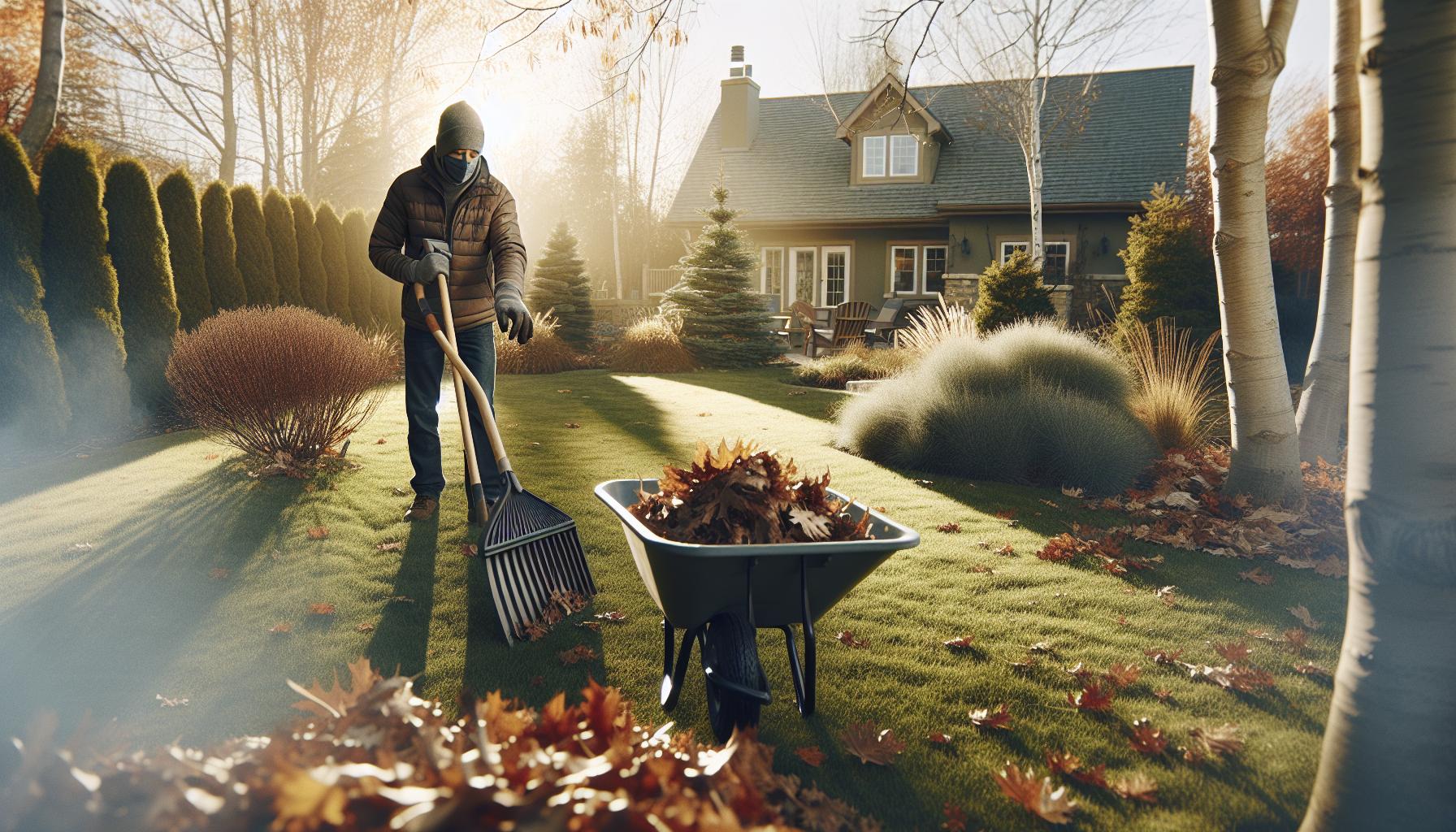
As winter approaches, the need to proactively prepare lawns takes center stage to ensure healthy regrowth in spring. Established practices not only safeguard aesthetic appeal but also promote long-term health of the turf. A well-prepared lawn can withstand the stresses of winter weather, including frost and snow, laying a solid foundation for rejuvenation come warmer temperatures.
To kick off the winter preparation process, it’s crucial to address the lawn’s nutrient needs. Applying a winter fertilizer high in potassium will strengthen root systems and increase resistance to cold weather stress. Moreover, this nutrient boosts the lawn’s ability to recover from dormancy in spring. In tandem with fertilization, homeowners should clear leaves and debris that may smother the grass or foster diseases over the winter months. Regular raking helps reduce thatch build-up and promotes healthier air circulation within the soil.
Another effective strategy involves adjusting the mowing height in the fall. Cutting the grass slightly shorter before the first snow helps minimize the risk of snow mold, a common fungal disease in winter with excess moisture. However, it’s important not to cut too short; leaving grass around 2-3 inches high strikes a balance that protects the roots while reducing moisture retention.
Soil Health and Aeration
Investing in soil health is essential during the winter preparation phase. Aeration-especially in compacted areas-improves drainage and allows nutrients to penetrate the soil more effectively. Lawn care professionals often recommend an aeration service in autumn, followed by overseeding to ensure that any bare patches regain density before the cold sets in.
By implementing these practices, lawn care companies can assist their clients in building resilient lawns that not only survive but thrive through winter. In turn, this helps maintain customer satisfaction and loyalty, as clients see tangible benefits from the proactive winter care of their properties.
Innovative Lawn Care Techniques for Cold Weather

As winter months approach, innovative lawn care companies adapt their strategies to ensure lawns remain healthy and robust throughout the cold season. Not only do these techniques protect existing turf, but they also set the stage for vibrant growth when spring arrives. By using advanced methodologies and technology, lawn care professionals can navigate the unique challenges that winter poses.
One effective method is the use of microbial soil amendments. These products introduce beneficial microorganisms into the lawn’s ecosystem, enhancing nutrient availability and promoting root health during dormancy. By boosting the soil’s biological activity, these amendments can prepare the lawn to bounce back more vigorously when warmer temperatures return.
Additionally, advanced moisture management techniques have gained traction. For instance, snow retention strategies can be implemented, wherein barriers or plantings are used to catch and hold snow, allowing moisture to slowly penetrate the soil as it melts. This not only helps replenish water supplies but also minimizes runoff, ensuring that critical nutrients remain where they are needed most.
Lawn care companies are also leveraging technology using soil moisture sensors. These devices monitor moisture levels throughout the winter, allowing companies to make informed decisions about watering practices, thereby preventing over-saturation or dehydration. Such technology ensures optimal conditions are maintained, accommodating the unique needs of each type of grass and soil.
Finally, properties can benefit from strategic planting of cover crops. These crops, such as rye or clover, provide ground cover that prevents soil erosion, suppresses weeds, and improves overall soil health. As the crops decompose, they enrich the soil with organic matter, all while protecting it during the harsh winter months.
By embracing such innovative techniques, lawn care companies not only enhance the resilience of lawns but also showcase their commitment to sustainable practices, ensuring that clientele experience exceptional results year-round.
How Lawn Care Companies Protect Equipment in Winter
As winter approaches, safeguarding lawn care equipment is crucial for ensuring longevity and reliability come spring. Neglecting to properly maintain equipment during the colder months can lead to costly repairs or replacements when it’s time to return to service. A well-structured winterization process can save lawn care companies time, money, and headaches in the long run.
One of the primary steps in protecting equipment is conducting a thorough cleaning. This means removing dirt, grass clippings, and debris that may have accumulated during the growing season. For example, mowers should have their blades cleaned and sharpened, which not only prevents rust but also promotes a clean cut when they’re eventually used again. Additionally, fuel systems should be treated with a fuel stabilizer to prevent the formation of varnish in the tank and fuel lines, ensuring smooth operation when the season picks back up.
Storage Strategies
Storing equipment in a climate-controlled environment is another vital strategy. Extreme temperatures and humidity can cause parts to corrode or degrade. By keeping machinery in a dry and insulated space, lawn care companies protect against rust and other weather-related damages. It’s also beneficial to cover equipment with tarps or use custom covers designed for specific tools to further shield them from dust and moisture.
Lastly, ensuring that all lubricants and fluids are changed is essential. Oil should be drained and replaced with fresh oil before winter storage to prevent contaminants from circulating and causing damage. Gearboxes and hydraulic systems should also be checked and filled as needed. Lawn care companies often create a checklist to streamline this process, ensuring that no detail is overlooked.
By implementing these protective measures, lawn care businesses not only enhance the lifespan of their equipment but also guarantee that they are ready to tackle the upcoming season with confidence and efficiency.
Seasonal Maintenance: Mulching and Leaf Removal

As autumn transitions to winter, the importance of leaf removal and mulching cannot be overstated for maintaining the health of your lawn. A thick layer of fallen leaves can suffocate grass and other plants beneath, trapping moisture and creating a perfect environment for pests and diseases. Lawn care companies play a pivotal role in ensuring that yards are properly prepared for the colder months, utilizing a combination of techniques that promote soil health and protect the lawn during winter.
Effective leaf removal involves not just raking or blowing leaves away, but strategically managing them. Leaves can be shredded with a mower, which allows them to decompose and return valuable nutrients to the soil. This process, known as mulching, enriches the lawn and reduces the need for chemical fertilizers. Moreover, mulching helps retain moisture and insulates the soil, minimizing severe temperature fluctuations that can adversely affect plant health during winter.
Benefits of Mulching
- Soil Enrichment: Shredded leaves break down over time, enriching the soil with organic matter.
- Moisture Retention: A layer of mulch prevents soil from drying out, reducing the need for winter watering.
- Weed Suppression: A thick mulch layer can help suppress weeds that often thrive in bare soil.
Furthermore, lawn care professionals advise on the best practices for managing winter debris. Regular maintenance involves monitoring the lawn and promptly removing heavy accumulations of leaves, especially before snowfall. This proactive approach not only protects the grass but also prepares the landscape for the growth spurt it will experience in early spring.
Investing in seasonal maintenance, like mulching and efficient leaf removal, yields long-term benefits for both the aesthetic and health of your lawn. As lawn care companies guide homeowners through the winter months, these practices ensure that the landscape will flourish when the warmer weather returns, ultimately leading to a vibrant and healthy lawn ready to emerge in spring.
Winterizing Irrigation Systems: Essential Tips
When temperatures dip and winter approaches, the importance of winterizing irrigation systems cannot be overstated. Failing to prepare irrigation systems for the cold can lead to cracked pipes, malfunctioning valves, and costly repairs. Winterizing ensures that your system is protected against freezing temperatures, ensuring that it’s ready to perform efficiently when warmer weather returns. Lawn care companies typically employ a series of essential steps to properly winterize these systems, providing peace of mind to homeowners.
One common method involves the process of blowing out the irrigation lines using compressed air. This technique forces water out of the pipes, preventing any residual water from freezing inside and causing damage. Depending on the size of the system, this task might require specialized equipment and expertise, highlighting the value of professional assistance. Additionally, any above-ground components, such as hoses and fittings, should be properly stored inside to shield them from winter weather.
Another key aspect of winterization is insulating vulnerable areas, particularly those exposed to the elements. Insulation materials can be wrapped around valves and backflow preventers, reducing the risk of freezing. For systems that are particularly susceptible to cold, some homeowners opt for portable heaters during extreme temperatures as an added precaution.
Lastly, ensuring that your irrigation system is organized and well-maintained will help facilitate a smoother start when spring returns. This involves inspecting the system for any wear and tear or leaks and making necessary adjustments or repairs before the first thaw. By taking these proactive steps, lawn care companies not only protect the investment in irrigation systems but also enhance their efficiency and effectiveness in the growing season. A well-maintained irrigation system is crucial for promoting a healthy lawn and landscape, making winterizing an essential part of seasonal care.
Creating a Winter Lawn Care Checklist
As winter approaches, many homeowners overlook the importance of preparing their lawns for the colder months ahead. not only ensures that your yard stays healthy but also helps you avoid potential problems when spring arrives. This proactive approach can save you time, effort, and money, while significantly improving the overall health and appearance of your lawn.
Start with a well-defined plan. A comprehensive checklist should cover the essential tasks to prepare your lawn for winter. Consider the following:
- Mow Your Lawn: Give your grass a final mow, ensuring it’s cut to about 2 to 3 inches. This height helps the grass withstand frost damage while preventing diseases.
- Rake Leaves: Remove fallen leaves and debris, as they can trap moisture and promote mold growth.
- Fertilize: Apply a winter fertilizer designed for your grass type to provide essential nutrients that promote root growth and strengthen plants during the cold months.
- Seed Bare Patches: Consider overseeding any thin or bare patches to ensure lush growth when spring returns.
- Watering: Give your lawn a deep watering before the ground freezes to help roots endure the winter. However, avoid watering when temperatures are below freezing.
- Winterize Your Irrigation System: Ensure pipes are drained, preventing freeze damage. Refer to the previous tips for steps on blowout techniques and insulation.
By meticulously following a winter lawn care checklist, you can safeguard your investment in your outdoor space. This organized method not only prepares your lawn for the challenges of winter but also sets you up for a thriving lawn come spring. Remember that a little bit of preparation goes a long way in sustaining a healthy and vibrant landscape throughout the year.
Understanding the Importance of Soil Health in Winter
Soil health during winter is a critical aspect that often takes a backseat in lawn care discussions. However, the condition of your soil can significantly impact the vigor and resilience of your lawn come spring. Healthy soil acts as a reservoir for nutrients and moisture, both essential for the roots of your grass and plants to thrive even in freezing temperatures. One of the key benefits of maintaining good soil health is that it enhances microbial activity, which plays a vital role in breaking down organic matter and converting it into accessible nutrients for your grass.
To improve soil health as winter sets in, consider implementing the following practices:
- Add Organic Matter: Incorporating compost or well-rotted manure into your soil before the ground freezes can enhance its structure and nutrient profile. This organic material contributes to better drainage and aeration while fostering beneficial microbial life.
- Aeration: Aerating your lawn in the fall allows air, water, and nutrients to permeate the soil more effectively, which can reduce compaction. Less compaction means roots can grow deeper and stronger, positioning your grass to better withstand winter stress.
- Soil Testing: Testing your soil will offer valuable insights into its pH and nutrient content. Understanding your soil’s needs allows you to tailor your winter amendments, ensuring that your lawn gets precisely what it requires to recover in spring.
- Mulching:** Apply an insulating layer of mulch over flower beds and around trees to prevent soil from freezing too deeply. This layer also helps retain moisture and improves soil structure as it breaks down over time.
By focusing on soil health in winter, you prepare not just for immediate survival against the cold but also set the stage for rich, verdant growth as the warmer months arrive. Lawn care companies often emphasize these strategies to clients, underscoring how winter activities can lead to a thriving lawn in the spring and save homeowners from costly lawn repair or replacement due to neglect during the colder months.
Marketing Strategies for Lawn Care Companies in Off-Season
The off-season presents unique challenges and opportunities for lawn care companies. While many homeowners might think lawn maintenance halts completely during the winter, this period can be a goldmine for proactive marketing strategies that keep businesses thriving. By implementing creative approaches, lawn care companies can not only maintain their client base but also expand it, making the most of this quieter season.
- Seasonal Promotions: Offering winter-specific services, such as snow removal, holiday light installation, or winter garden prep, can draw in clients who may not usually consider lawn care during the colder months. Running promotional discounts for these services can incentivize existing and new customers to engage with your business.
- Targeted Email Campaigns: Leverage your existing customer database by sending out newsletters that emphasize winter care tips and services. Include valuable content such as how-to guides for maintaining lawns in winter, which keeps your clientele engaged and positions you as a knowledgeable expert in the field.
- Social Media Engagement: Use platforms like Instagram and Facebook to share winter landscaping tips, interesting before-and-after project photos, or success stories from winter services. Interactive content, such as polls or questions, can encourage followers to engage with your posts, increasing your visibility.
- Community Involvement: Participating in local winter events, sponsoring community activities, or partnering with businesses for cross-promotions can help enhance brand presence. Being active in the community fosters goodwill and can lead to referrals from satisfied participants.
Ultimately, the key to effective off-season marketing is to transform perceived inactivity into an opportunity for growth. By maintaining communication with clients and showcasing innovative services, lawn care companies can successfully navigate the winter months, ensuring their businesses remain vibrant and ready for the bustling spring season ahead.
Customer Engagement: Keeping Clients Connected During Winter
In the winter months, when the vibrancy of the growing season wanes, maintaining strong connections with clients becomes essential for lawn care companies. Engaging customers during this off-peak time not only strengthens relationships but also prepares them for the upcoming spring rush. With effective communication strategies, lawn care companies can keep their services top of mind and ensure clients are informed and ready for the next season.
One effective method to maintain client relationships is through targeted email campaigns. Sending out personalized newsletters that feature winter gardening tips, success stories from the past year, and reminders of upcoming maintenance services fosters a sense of connection. Including informative content, such as care guides or checklists for winter lawn upkeep, positions the company as a trusted resource. This approach can also stimulate interest in winter services, like snow removal or holiday light installation, prompting action from clients who may otherwise go without seasonal care.
Social media platforms provide an excellent avenue for engagement during the winter months. By sharing visually appealing content-such as striking before-and-after photos from recent projects, or engaging posts that encourage interaction like polls and questions-lawn care companies can maintain visibility and enthusiasm among their audience. Moreover, hosting online workshops or live Q&A sessions allows for real-time interaction, helping clients feel connected and valued even when services are less frequent.
Additionally, nurturing community ties can enhance client relationships. Participating in local events or collaborating with community organizations can draw attention to the business and reinforce its commitment to local development. Whether through sponsoring winter festivals or creating collaborations with related businesses, these activities create a sense of belonging and loyalty among clients, demonstrating that the lawn care company is not just a service provider but an integral part of the community. By embedding these strategies into their winter engagement efforts, lawn care companies can effectively bridge the seasonal gap and prepare for a thriving business come spring.
How to Scale Your Lawn Care Business Year-Round
In the landscape of lawn care, winter may seem like a lull, but it presents unique opportunities for businesses ready to innovate and adapt. Scaling a lawn care company year-round requires a strategic approach that leverages the slower months to build momentum for the upcoming seasons. By diversifying services and enhancing customer connections, companies can not only maintain cash flow but also establish a solid foundation for growth.
One effective strategy is to broaden the range of services offered during the winter months. This could include snow removal, winterizing irrigation systems, or providing seasonal clean-up services. By communicating these options clearly through various channels-such as targeted newsletters, social media, or local advertising-businesses can tap into the needs of their customers during the cold months. Regularly updating clients about these offerings keeps them informed and encourages them to utilize services they might not have otherwise considered.
Additionally, investing in employee training during the off-season can yield significant returns. This not only prepares workers for peak seasons through enhanced skills and productivity but also fosters a culture of continual improvement within the company. From customer service excellence to practical skills such as landscaping techniques or equipment maintenance, training sessions can empower staff to provide top-notch service year-round.
Networking within the community is another crucial aspect of scaling your lawn care business. Participating in local events, collaborating with other small businesses, or even sponsoring community gatherings can greatly enhance brand visibility. It fosters trust and a sense of belonging among customers, which can translate into loyalty and word-of-mouth referrals. A consistent presence in the community helps position the company as a local leader in lawn care, reducing competition from larger chains during peak seasons.
Lastly, adopting a robust marketing strategy that includes digital tools is vital. Implementing an engaging website and utilizing social media platforms for content marketing-such as sharing winter care tips or customer testimonials-can keep your company active in clients’ minds. Interactive elements like online workshops or seasonal checklists not only inform customers but also encourage them to engage with your brand, thus enhancing retention and readiness for the upcoming growing season.
By transforming the winter months into a productive period, lawn care companies can set themselves apart from the competition and achieve sustainable growth throughout the year.
Sustainability in Winter Lawn Care Practices
Winter presents a unique set of challenges and opportunities for lawn care companies, particularly regarding sustainability practices. As the growing season comes to a pause, businesses can implement eco-friendly strategies that not only benefit the environment but also enhance their operational efficiency. Adopting sustainable lawn care practices during the winter months can contribute significantly to soil health and overall landscape vitality, paving the way for a flourishing spring.
To begin with, mulching leaves is an excellent practice that reduces waste while nurturing the soil. Lawn care professionals can utilize shredded leaves instead of sending them to landfills. This organic matter serves as a natural fertilizer, enriching the soil with nutrients as it decomposes. Moreover, leaving some leaf cover on the lawn can protect the grass from harsh winter conditions, fostering a healthier lawn once the snow melts. Companies can educate clients on the benefits of this practice by providing informational materials and offering this service as part of their winter maintenance packages.
Another vital aspect of sustainable winter lawn care is winterizing irrigation systems. Properly preparing irrigation equipment for the colder months prevents water waste and ensures the longevity of the systems. Lawn care companies should prioritize this process, ensuring all systems are drained and insulated where necessary. Offering irrigation system winterization as a service not only supports sustainability efforts but also enhances customer satisfaction through practical and eco-conscious solutions. Clients will appreciate the initiative to conserve water, which is increasingly critical in areas facing drought conditions.
Additionally, engaging in soil health assessments throughout the winter can provide lawn care companies with valuable insights into the conditions of the lawns they manage. By testing soil pH and moisture levels, professionals can make informed recommendations for fertilization and soil amendment strategies in the spring. Planning these assessments as a part of winter services not only prepares for effective spring green-up but also positions the company as a knowledgeable leader in sustainable practices.
In conclusion, winter is far from a dormant period for lawn care companies. By embracing sustainable practices-such as mulching leaves, winterizing irrigation systems, and conducting soil health assessments-businesses can lay the groundwork for successful, eco-friendly operations year-round. These initiatives not only uphold environmental standards but also boost client loyalty through innovative service offerings that prioritize sustainability.
Q&A
Q: What services do lawn care companies provide in winter?
A: Lawn care companies often offer winter services such as leaf removal, mulching, and winterizing irrigation systems. They may also apply winter fertilizers to prepare lawns for spring growth. For additional winter strategies, check the section on “What Off-Season Services Do Lawn Care Companies Offer?” in our article.
Q: How do lawn care companies prepare lawns for winter?
A: Companies prepare lawns for winter by ensuring proper aeration, applying winter fertilizers, and performing leaf clean-up. This helps protect the grass and soil from harsh winter conditions. For more details, refer to “Preparing Lawns for Winter: Best Practices” in our article.
Q: When is the best time for lawn care companies to winterize irrigation systems?
A: The best time to winterize irrigation systems is before the first hard freeze. This process includes draining water, insulating exposed pipes, and checking for any repairs needed. For essential tips, refer to “Winterizing Irrigation Systems: Essential Tips” in our article.
Q: Why is winter soil health important for lawn maintenance?
A: Maintaining soil health in winter is crucial as it supports the root system and prepares it for spring growth. Healthy soil helps retain moisture and nutrients. For more information, see “Understanding the Importance of Soil Health in Winter” in our article.
Q: What innovative techniques do lawn care companies use in cold weather?
A: Lawn care companies utilize techniques such as selecting cold-tolerant grass varieties and implementing snow mold prevention strategies to maintain lawns through winter. For more insights, refer to the section on “Innovative Lawn Care Techniques for Cold Weather” in our article.
Q: How can lawn care companies engage with clients during winter?
A: Companies can engage clients through newsletters, social media updates, and winter tips to maintain lawns. Offering virtual consultations or planning spring services can also enhance client relationships. Explore “Customer Engagement: Keeping Clients Connected During Winter” for more effective strategies.
Q: What marketing strategies can lawn care companies implement during the off-season?
A: Lawn care companies can implement digital marketing strategies, such as SEO, email campaigns, and content related to winter lawn care, to maintain visibility. For further ideas, refer to “Marketing Strategies for Lawn Care Companies in Off-Season” in our article.
Q: Is it necessary to apply fertilizer in winter for lawns?
A: Yes, applying a slow-release winter fertilizer can strengthen grass roots and improve nutrient uptake. This practice prepares the lawn for a healthy spring. For detailed guidance, see “Preparing Lawns for Winter: Best Practices” in our article.
Closing Remarks
As winter sets in, understanding what lawn care companies do during the off-season can help you prepare for a vibrant lawn come spring. From equipment maintenance to strategic planning, these crucial activities ensure top-quality service when the growing season begins again. Don’t wait-now is the perfect time to engage with local lawn care experts who can offer tailored recommendations for your property during the winter months.
For more insights, check out our articles on maintaining your lawn care service throughout the year and the benefits of a robust Google Business Profile to elevate your local SEO efforts. Interested in personalized advice? Reach out for a consultation or subscribe to our newsletter for seasonal tips and exclusive offers. Have questions or want to share your own winter lawn care experiences? Join the conversation in the comments below-we’d love to hear from you! Together, let’s ensure your lawn gets the care it deserves year-round.