
Did you know that well-maintained lawns can increase a home’s value by up to 15%? Lawn care services play a crucial role in achieving this by handling tasks that enhance both the beauty and health of your outdoor spaces. From routine mowing to seasonal landscaping projects, these services are designed to alleviate the burden of yard maintenance, allowing homeowners to enjoy their green spaces without the hassle. Whether you’re striving for a lush lawn, vibrant flower beds, or a tidy yard, understanding the wide range of tasks and responsibilities lawn services offer can help you make informed decisions about your property’s care. Discover how these professionals can transform your outdoor space into an inviting oasis that reflects your personal style and complements your home.
Understanding the Essential Lawn Care Services
Understanding the essential services offered by lawn care professionals can be pivotal for maintaining a healthy, lush lawn. From regular mowing to specialized treatments, each service plays a vital role in the overall well-being of your yard. Lawn care services encompass a variety of tasks tailored to meet the specific needs of your lawn, taking into account factors such as climate, grass type, and soil conditions. Each service aims to enhance the aesthetic appeal, promote healthy growth, and mitigate potential issues that could arise throughout the year.
One of the primary services is routine mowing, which helps maintain an even and aesthetically pleasing lawn while promoting healthy grass growth. Beyond mowing, lawn care services also offer aeration, which alleviates soil compaction, allowing for better air and nutrient absorption. Other essential tasks include dethatching, overseeding, and fertilization, all necessary to maintain soil health and promote vibrant grass. Weed and pest management are equally crucial, as they protect your lawn from invasive species and infestations that could damage it.
Moreover, these services can be customized to fit individual needs and preferences. Professional lawn care providers often create tailored plans based on the unique characteristics of a property, allowing for a more effective and focused approach. By understanding your lawn’s specific requirements, these experts can implement a comprehensive strategy that includes everything from seasonal grass treatment to soil improvement techniques, ensuring that your lawn remains in peak condition throughout the year. Ultimately, investing in professional lawn care not only enhances the beauty of your property but also saves time and reduces stress for homeowners.
Key Tasks Performed by Lawn Services

Maintaining a vibrant lawn requires a suite of specialized tasks, each designed to cater to the grass’s unique needs throughout the seasons. One of the most recognized services is mowing, which not only keeps your lawn neat but also encourages healthier growth by preventing the grass from growing too tall, which can lead to shade and moisture issues. Many lawn care providers implement strategic mowing schedules, adapting the frequency based on the type of grass and the growing conditions at different times of the year.
Another essential task performed by lawn services is aeration, a process that alleviates soil compaction and enables better airflow, water absorption, and nutrient penetration. Aerating your lawn promotes deeper root growth and improves overall lawn health. In conjunction with aeration, lawn care professionals often perform dethatching and overseeding. Dethatching removes the layer of dead grass and roots that can build up on the soil’s surface, while overseeding introduces new grass seeds, ensuring a lush, dense lawn free of bare patches.
Weed and pest management are also critical components of lawn care services. Professionals employ both preventive techniques and targeted treatments to control invasive species and pests that threaten the health of your lawn. This could include applying pre-emergent herbicides during the right season or using organic treatment options for a more eco-friendly approach. Regular assessment of lawn health allows service providers to identify issues early and take corrective measures before they escalate.
Lastly, fertilization stands out as one of the key responsibilities. Lawn care experts analyze soil quality and grass types to devise the right fertilization plan, ensuring your lawn receives the correct nutrients it needs to thrive. These plans can be tailored for each property and adjusted seasonally to optimize growth. With their knowledge and tools, professional lawn services help homeowners not only maintain but elevate the beauty and health of their lawns, fostering a thriving outdoor space.
Benefits of Hiring a Professional Lawn Service
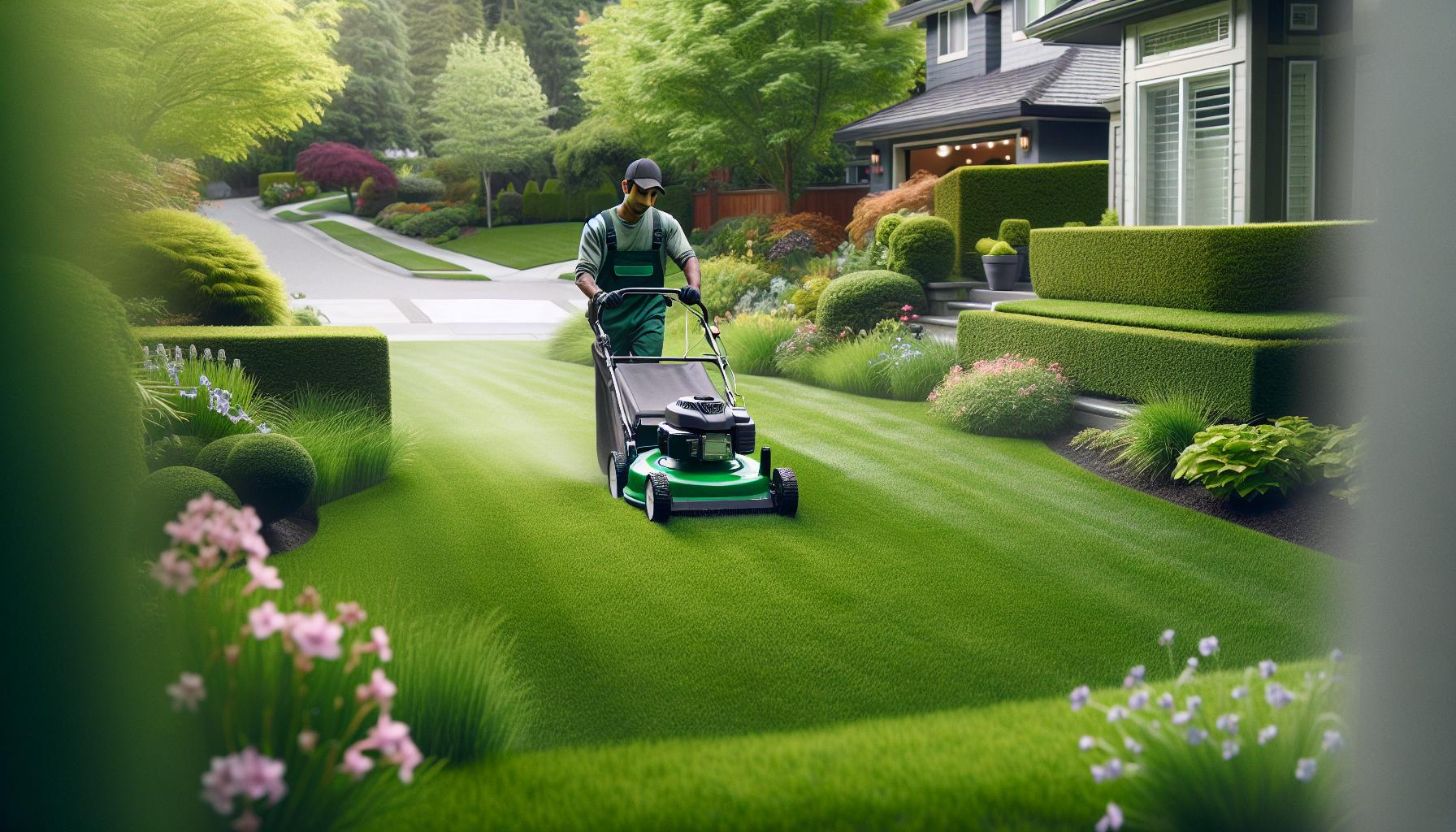
Investing in professional lawn care services can transform not just your lawn, but your entire outdoor environment. Did you know that a well-maintained lawn can increase the value of your home by up to 15%? This statistic alone highlights the potential benefits of hiring professionals who understand the nuances of lawn care. From saving time to achieving optimal results with specialized knowledge, the advantages are numerous.
One of the major benefits of employing a professional lawn service is the expertise they bring to the table. These professionals possess a deep understanding of various grass types, soil conditions, and seasonal requirements. With tailored recommendations based on your specific lawn environment, they can execute strategies that lead to faster, healthier growth compared to standard DIY methods. This may include adjusting mowing patterns to promote healthy grass growth or customizing fertilization schedules to maximize nutrient uptake.
When it comes to advanced techniques and equipment, professionals have access to tools and methods that the average homeowner might not possess. For example, aeration involves specialized machinery that can efficiently perforate the soil to improve oxygen and nutrient circulation. Moreover, lawn services stay updated on the latest industry trends and research, ensuring that your lawn care follows best practices. This knowledge not only enhances the visual appeal of your lawn but also its resilience against weeds, pests, and diseases.
Lastly, working with a lawn care service can significantly reduce the time and effort you spend on maintenance. Instead of dedicating your weekends to mowing or battling pests, you can reclaim that time for other activities or simply enjoy your beautifully manicured outdoor space. It also removes the guesswork involved in lawn care; with professionals managing everything, you’re guaranteed a consistent level of quality and attention to detail. By outsourcing these essential tasks, you can reap the rewards of a lush, healthy lawn without the associated stress and labor.
Lawn Care Techniques: Mowing to Aeration

Maintaining a lush and healthy lawn involves far more than just regular mowing; it incorporates a host of specialized techniques that ensure optimal growth and resilience against pests and diseases. For instance, aeration is a crucial practice that enhances soil health by creating small holes in the lawn, allowing air, water, and nutrients to penetrate the roots more effectively. This process not only alleviates soil compaction but also promotes better root development, leading to a vibrant green expanse.
Another fundamental technique is mowing, which seems straightforward but is laden with intricacies. Professional lawn care providers understand that the height of the grass significantly impacts its health. For instance, mowing too short can stress the grass, making it susceptible to weeds and diseases. Lawn care professionals typically adjust mowing heights based on grass type and seasonal conditions, ensuring that the lawn remains robust and comes back strong after each cut. Regular mowing also fosters an even, manicured appearance, enhancing curb appeal.
Additional Techniques
- Fertilization: Applying the right type and amount of fertilizer at the appropriate times based on grass type and soil nutrient needs can dramatically affect lawn health.
- Weed Management: Utilization of pre-emergent and post-emergent herbicides, along with manual removal techniques, keeps undesirable plants in check.
- Overseeding: This technique is employed to introduce new grass seeds into existing grass, which helps thicken the lawn and improve its resistance to diseases.
- Mulching: Using mulch helps retain moisture and suppress weeds while also adding organic matter to the soil as it decomposes.
By integrating these techniques, professional lawn care services not only keep your lawn looking pristine but also ensure that it thrives throughout the growing season. This comprehensive approach to lawn maintenance is what separates them from typical DIY efforts, as they have the knowledge and tools to tailor their practices to the unique needs of each lawn. Consequently, each treatment is a strategic step toward a denser, healthier lawn that you can enjoy throughout the year.
Seasonal Lawn Maintenance Responsibilities
Regular and diligent seasonal maintenance is crucial for a thriving lawn, as different times of the year call for specific care and attention to ensure optimal growth and resilience against environmental stresses. For instance, early spring is a pivotal period for lawn care professionals to address soil health and prepare the lawn for the growing season. Routine tasks during this time include applying pre-emergent herbicides to prevent weed establishment, conducting aeration to relieve soil compaction, and applying fertilizers to provide essential nutrients that foster robust growth. This proactive approach helps ensure that your lawn has a solid foundation as it enters the active growth phase.
As summer approaches, maintaining moisture and dealing with heat stress becomes paramount. Services may include regular mowing, maintaining the appropriate height for different grass types to encourage deep root growth, and implementing irrigation strategies tailored to the specific needs of the lawn. Additionally, applying organic mulch around flower beds can help retain soil moisture and reduce weed competition. Lawn care experts also keep an eye out for signs of pests or diseases that may thrive in warm conditions, ensuring that any emerging issues are swiftly managed before they escalate.
With the arrival of autumn, the focus shifts to preparing the lawn for winter. This includes overseeding to thicken the turf and enhance its resilience against cold temperatures and potential diseases. Professionals often perform fall clean-up, which involves raking leaves and removing debris that can suffocate the grass beneath. Fertilization in autumn is also a key project, allowing the grass to absorb nutrients that will sustain it throughout the winter months. This seasonal attention not only enhances lawn aesthetics but also boosts its overall health in preparation for a healthy spring revival.
In winter, while growth slows down significantly, this period is ideal for planning and strategizing for the upcoming seasons. Lawn services often evaluate seasonal performance, noting any areas that need improvement and planning for lawn renovations. By proactively addressing these responsibilities throughout the year, professional lawn care services not only maintain the aesthetic appeal of your lawn but also contribute to its long-term health and resilience, ensuring that it remains lush and vibrant all year round.
How Lawn Services Manage Weeds and Pests
Lawn health can quickly decline if weeds and pests are allowed to proliferate, creating unsightly patches and weakening the grass’s immunity. A proactive approach to managing these challenges is essential for maintaining the vibrancy of your outdoor space. Professional lawn services utilize a blend of strategies, from chemical treatments to organic solutions, tailored specifically to the unique conditions of your lawn. Their expertise allows them to identify common weeds and pests early, enabling timely interventions that protect your garden while promoting healthy growth.
Weed management often begins with a thorough evaluation of the lawn to identify specific types of weeds present, which can vary by season and region. Lawn care experts typically employ a mix of pre-emergent and post-emergent herbicides. Pre-emergent herbicides are applied before weeds germinate, effectively preventing their establishment. In contrast, post-emergent herbicides are used to eliminate existing weeds. Professionals may also integrate mechanical methods, such as hand-pulling and dethatching, especially for properties that prefer organic solutions or have environmentally sensitive areas.
Pest Control Techniques
Recognizing pest activity is just as crucial as weed management, as invasive insects can cause significant damage if not addressed. Lawn services often conduct regular inspections to monitor for signs of pests like grubs, chinch bugs, or aphids. Once a problem is identified, they might deploy treatments that include targeted insecticides or organic solutions such as neem oil or insecticidal soaps. Many services also advocate for an Integrated Pest Management (IPM) approach, which emphasizes long-term prevention through sound cultural practices, monitoring, and minimal use of chemicals.
In addition to these methods, expert lawn care providers educate homeowners on preventive measures they can take to support their lawns independently. These might include encouraging biodiversity by planting pest-resistant plants, implementing proper watering techniques to prevent pest-related diseases, and ensuring that the lawn is not overly fertilized, which can attract harmful insects. By blending professional treatments with educational initiatives, lawn services cultivate not only a healthier lawn but also informed homeowners who can recognize and reduce problems before they escalate.
The Role of Fertilization in Lawn Care
A lush, healthy lawn is not just a visual delight; it also enhances curb appeal and creates a welcoming outdoor space. Central to achieving this verdant result is the strategic application of fertilization, a vital component of lawn care that provides essential nutrients to grass. Understanding the intricacies of fertilization can empower homeowners to make informed decisions about their lawn’s nutrition needs and how professional lawn services approach this task.
Fertilization serves to replenish the soil and boost grass growth by supplying vital nutrients, primarily nitrogen, phosphorus, and potassium-often referred to as N-P-K. Each of these nutrients plays specific roles: nitrogen promotes lush foliage, phosphorus encourages root development, and potassium helps the grass withstand environmental stresses. Professional lawn services typically conduct a soil test before applying fertilizers to determine the existing nutrient levels and pH balance of your lawn. This data helps in customizing a fertilization plan that addresses deficiencies while improving soil health.
Timing and Techniques
Applying fertilizer at the right time is crucial for maximizing effectiveness. Many lawn care experts advocate for a seasonal approach, aligning fertilizer applications with the lawn’s growth phases. Early spring is an ideal time for a nitrogen-heavy fertilizer to kick-start growth after winter dormancy, while late summer or fall often calls for a balanced or phosphorus-rich formula to promote root health before colder months.
Moreover, professionals may use various application techniques, such as broadcasting or granular methods. The choice of technique can impact the uniformity of the application and, consequently, the overall health of the lawn. By utilizing specialized equipment, lawn care providers ensure that fertilizers are applied evenly and efficiently, mitigating the risk of over-fertilization, which can lead to nutrient runoff and environmental concerns.
Long-Term Benefits
Investing in proper fertilization not only supports immediate grass health but also contributes to long-term lawn vitality. Consistent fertilization helps build a resilient root system capable of withstanding drought and pest pressures. Furthermore, a healthy lawn acts as a natural filter for rainwater, reducing runoff and promoting a healthier ecosystem. Homeowners who engage professional lawn care services often find that these benefits extend beyond their property, contributing positively to the community’s green spaces.
In summary, professional lawn services are instrumental in providing tailored fertilization strategies that nurture and sustain the health of your lawn. From conducting soil tests to determining the right timing and application methods, their expertise ensures that your lawn receives the nutrients it needs to thrive, allowing homeowners to enjoy vibrant, lush landscapes with minimal effort.
Customizing Lawn Care Plans for Your Needs
When considering lawn care, it’s essential to recognize that no two lawns are alike, and thus, personalized care is crucial for optimal health and appearance. Lawn care providers strive to create customized plans tailored to meet the specific needs of each yard, taking into account various factors such as grass type, soil conditions, climate, and individual homeowner preferences. This bespoke approach ensures that all aspects of your lawn’s health are meticulously managed, resulting in a lush and vibrant outdoor space.
To begin crafting a tailored lawn care plan, professionals often conduct an initial assessment that includes soil testing, evaluation of existing plant health, and an analysis of local pests and environmental conditions. This data enables them to design a strategy that encompasses key services like mowing, aeration, overseeding, pest management, and fertilization. For instance, a plan for a lawn in a particularly sunny area might emphasize drought-resistant grass varieties and deeper watering schedules, while a plan for a shaded lawn might focus on shade-tolerant species and disease management.
Communication is also a critical component in customizing lawn care plans. Lawn service providers typically encourage homeowners to share their goals, whether it’s achieving a particular aesthetic, enhancing outdoor play areas for children, or minimizing chemical treatments to be more eco-conscious. This collaborative approach not only fosters a better understanding of the services provided but also lead to fine-tuning of care routines throughout the season, ensuring that adaptations are made based on changes in weather patterns or lawn conditions.
The flexibility of customized lawn care plans means that they can easily incorporate seasonal adjustments, catering to the unique growth cycles of different grass species and the varying challenges posed by each season. By proactively managing these elements, homeowners can enjoy a greater sense of pride and satisfaction in their outdoor spaces, knowing they are receiving care tailored to the specific needs of their lawns.
Equipment and Tools Used by Lawn Services
Lawn care services rely heavily on a variety of specialized equipment and tools to maintain and enhance the health of lawns. Properly equipped providers not only ensure efficiency but also deliver professional results that can significantly transform outdoor spaces. From cutting-edge mowers to essential hand tools, the right equipment is fundamental to performing tasks like mowing, aeration, fertilization, and pest control effectively.
One of the most vital pieces of equipment in any lawn service arsenal is the lawn mower. Both gas-powered and electric mowers provide different advantages depending on the size and terrain of the lawn. For intricate mowing patterns, providers often use reel mowers that offer precision cut and promote healthier grass growth. Following mowing, aerators are used to perforate the soil, improving air circulation and allowing nutrients to penetrate deeper into the ground-crucial for maintaining a robust lawn.
Essential Tools
In addition to machinery, lawn services utilize a range of hand tools, including:
- Edgers: For defining borders and preventing grass from encroaching on walkways.
- Hedge Trimmers: To keep shrubs and hedges shaped and healthy.
- Fertilizer Spreaders: Essential for even distribution of fertilizers or seeds.
- Weeders and Trowels: For tackling weed issues and performing planting tasks.
Each of these tools plays a critical role in the comprehensive care of a lawn. Moreover, many professional services invest in commercial-grade equipment that offers superior durability and efficiency compared to residential tools, resulting in faster and more effective care.
Innovative Technologies
Technology has also revolutionized lawn care, with tools like robotic lawn mowers gaining popularity for their convenience and efficiency. These machines can autonomously navigate your lawn, resulting in consistent mowing schedules without the need for human intervention. Furthermore, lawn services increasingly incorporate soil testing tools and moisture sensors to gather important data, optimizing fertilization and irrigation practices tailored to the specific needs of each lawn.
In summary, the right mix of heavy machinery, essential hand tools, and innovative technologies not only enhances the effectiveness of lawn care services but also boosts overall customer satisfaction by delivering healthy, vibrant lawns tailored to every individual’s preferences.
Understanding Lawn Service Pricing and Packages
When it comes to hiring lawn care professionals, understanding pricing and packages is crucial for making informed decisions. Many homeowners are surprised to learn that lawn care services offer a range of options that cater to different needs and budgets. The pricing structure typically takes into consideration factors such as the size of the property, the specific services requested, and regional cost variations. For instance, basic lawn mowing could cost anywhere from $30 to $80 per visit, while more comprehensive care, including fertilization and pest control, can lead to higher weekly or monthly fees.
Most lawn care providers offer packages that bundle various services together, which can be more economical. Common packages might include lawn mowing, seasonal fertilization, aeration, and weed control. By choosing a package, homeowners can often receive a discount compared to purchasing services individually. For example, a basic maintenance package might include weekly mowing, monthly fertilization, and seasonal aeration for a flat monthly fee. Additionally, many companies provide custom solutions that allow homeowners to tailor their packages according to their specific lawn care requirements.
Typical Pricing Breakdown
Here’s a closer look at what to expect in terms of pricing for common lawn care services:
| Service | Typical Cost |
|---|---|
| Lawn Mowing | $30 – $80 per visit |
| Fertilization | $50 – $150 per treatment |
| Aeration | $75 – $200 (seasonal) |
| Pest Control | $100 – $300 (per application) |
| Seasonal Packages | Starting at $200 – $500 (seasonal) |
Ultimately, understanding lawn service pricing and the options available allows homeowners to make choices that align with their budget and lawn care goals. It’s also beneficial to ask for detailed quotes and service inclusions to avoid surprises later on. By investing time in comparing packages and pricing, homeowners can ensure they receive value from the services while maintaining a healthy and attractive lawn.
Choosing the Right Lawn Service Provider
Selecting the right lawn service provider is a crucial step in ensuring your lawn remains healthy and vibrant. With numerous options available, it’s essential to know how to evaluate potential providers effectively. A great starting point is to check for local reviews and ratings across platforms like Yelp or Angi, where customer experiences can offer invaluable insights into service quality. Look for providers with consistently high ratings and positive feedback regarding reliability and communication.
Before making a decision, it’s prudent to consider their experience and the range of services offered. Established companies may have a broader skill set, likely including routine maintenance like mowing and more specialized services such as pest control and lawn aeration. It’s also beneficial to inquire about their credentials and any certifications related to lawn care and maintenance practices. This ensures that you’re hiring professionals who adhere to industry standards and employ best practices.
When interviewing potential lawn care providers, don’t hesitate to ask for detailed quotes that break down services and costs. Clarity on pricing helps avoid any unwelcome surprises later on. Additionally, inquire about their flexibility in service customization; the best lawn care service will be willing to tailor packages to fit your specific needs, rather than offering a one-size-fits-all solution. Establishing a clear communication line from the outset can foster a better working relationship and ensure your expectations are met throughout the service period.
Ultimately, the right lawn service provider will not only help beautify your lawn but also provide peace of mind, knowing that your outdoor space is in capable hands. Consider starting with a trial service before committing to a long-term contract, allowing you to assess their performance directly. This careful selection process will pay off in the long run, as a healthy lawn enhances your property’s curb appeal and can even increase its value.
Tips for Collaborating with Lawn Care Professionals
To ensure a successful partnership with lawn care professionals, open and effective communication is paramount. When engaging a lawn service, it’s beneficial to provide a clear picture of your lawn’s history, specific issues, and desired outcomes. By sharing your experiences, such as past challenges with pests or specific areas needing attention, you allow the professionals to tailor their approach. Additionally, setting realistic expectations about the timeline for improvements can help align both your goals and the service provider’s capabilities.
Establishing a routine check-in can enhance collaboration significantly. Scheduling regular progress updates allows you to receive feedback and make necessary adjustments. This approach not only keeps you informed but also demonstrates your investment in the process. During these meetings, don’t hesitate to ask questions about their methodologies and any products they plan to use. Understanding the choices being made on your behalf fosters trust and ensures that you remain comfortable with their methods and materials.
Another essential tip is to be proactive in providing access to your property. If you have specific areas that require attention, such as flower beds or problematic patches of grass, make these clearly known to your service provider. This transparency facilitates accurate evaluations and effective solutions tailored specifically to your lawn’s needs. Moreover, maintaining a flexible schedule for service visits can accommodate weather changes or unforeseen circumstances, ensuring that your lawn care remains consistent and effective throughout the season.
Lastly, consider documenting the lawn’s progress by taking before-and-after photos. This practice not only provides visual evidence of improvements but also aids in pinpointing successful strategies and areas that may require further attention. Keeping a record of treatments and results will prove beneficial for future reference and decisions regarding ongoing care. By investing time and effort into this partnership, you can ensure that your lawn thrives under professional care, ultimately resulting in a vibrant outdoor space that enhances your property’s beauty.
Frequently asked questions
Q: What specific services do lawn care companies provide?
A: Lawn care companies typically offer services such as mowing, fertilization, aeration, pest and weed control, landscaping, and seasonal clean-up. These services help maintain a healthy and attractive lawn, adapting to seasonal needs and customer preferences, as discussed in our section on “Key Tasks Performed by Lawn Services.”
Q: How often should I schedule lawn care services?
A: The frequency of lawn care services depends on your lawn’s condition and the season. Generally, mowing is done weekly or bi-weekly in the growing season, while fertilization and aeration may occur once or twice a year. Custom scheduling can be tailored to your specific lawn needs, which is explored in “Customizing Lawn Care Plans for Your Needs.”
Q: Why is professional lawn care more effective?
A: Professional lawn care is more effective due to the expertise of trained technicians who understand the best practices for lawn health. They use specialized equipment and techniques, ensuring comprehensive maintenance that DIY efforts might lack. This effectiveness is part of the “Benefits of Hiring a Professional Lawn Service” section in our article.
Q: What tasks are included in seasonal lawn maintenance?
A: Seasonal lawn maintenance includes tasks tailored to the time of year, such as spring fertilization, summer weed control, fall leaf cleanup, and winter preparation. These tasks help sustain a healthy lawn throughout all seasonal changes, referenced in our article on “Seasonal Lawn Maintenance Responsibilities.”
Q: How do lawn services handle pest control?
A: Lawn services manage pest control through integrated pest management (IPM) techniques, incorporating monitoring, identification, and targeted treatments for lawn pests. This proactive approach helps protect your lawn while minimizing chemical usage, as noted in “How Lawn Services Manage Weeds and Pests.”
Q: What should I consider when hiring a lawn care service?
A: When hiring a lawn care service, consider their experience, range of services, customer reviews, and pricing. It’s also important to evaluate their approach to customized care plans. Our guide on “Choosing the Right Lawn Service Provider” provides more detailed factors to help in your decision-making.
Q: Are lawn services equipped to handle landscaping?
A: Yes, many lawn services provide landscaping as part of their offerings, including garden design, planting, and maintenance. This holistic approach enhances your outdoor aesthetics and supports overall lawn health, which is discussed in “Lawn Care Techniques: Mowing to Aeration.”
Q: How can I maintain my lawn between professional services?
A: To maintain your lawn between professional services, regularly mow at the right height, water adequately, and monitor for weeds and pests. Implementing these practices can foster a healthier lawn, aligning well with the techniques discussed in “Lawn Care Techniques: Mowing to Aeration.”
Concluding Remarks
In conclusion, understanding what lawn services do can transform your outdoor space into a vibrant extension of your home. From regular mowing to detailed landscaping and maintenance, these services not only enhance your yard’s beauty but also save you time. If you’re ready to take the next step towards a more stunning lawn, consider exploring professional options now. Check out our resources on lawn care tips or discover the benefits of hardscaping for a well-rounded landscape design.
Don’t hesitate to leave your thoughts or experiences in the comments below and share this article with friends who might be considering lawn care services. For personalized advice, sign up for our newsletter or contact a local lawn service today. Your dream lawn is just a few clicks away-let’s make it happen!