Many homeowners invest significantly in lawn care services, believing it to be a necessary step toward achieving the perfect yard. However, what if we told you that this expense might actually be a waste of money? Understanding the true costs and realities of lawn care can empower you to make smarter decisions about your outdoor space. As you read on, you’ll discover the hidden expenses, ineffective practices, and alternative methods that challenge the conventional wisdom around professional lawn services. By uncovering these truths, you can redefine what a thriving lawn means for your home and wallet, leading to a more sustainable and satisfying approach to yard maintenance.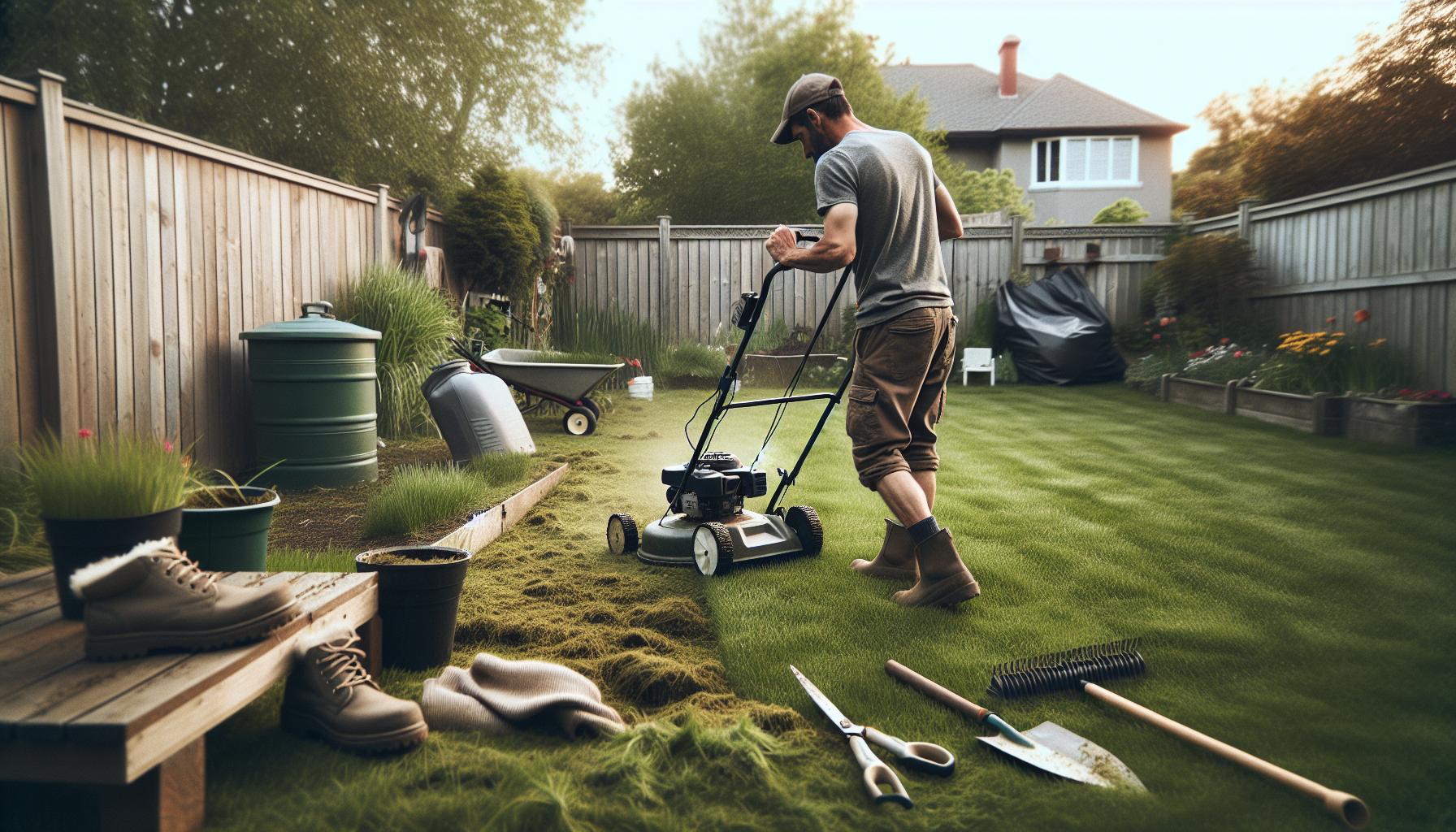
The True Cost of Lawn Service: What You Should Know
The decision to hire a lawn service often stems from the desire for a perfectly manicured lawn without the hassle of maintenance. However, the financial implications are worth scrutinizing. The cost of lawn care services can vary significantly based on several factors, including geography, size of the lawn, and the range of services offered. Many homeowners are surprised to find that the initial price quoted may not encompass the entirety of the expenses they will incur.
Hidden fees are common in the lawn service industry. It’s essential to recognize that what may seem like a straightforward mowing service can quickly escalate. For instance, additional costs may arise for services like mulching, edging, or special treatments for pests and diseases. This can lead to monthly bills far exceeding the original quote, leaving homeowners feeling dissatisfied. It’s crucial to clarify with the service provider exactly what is included in the quoted price and to inquire about any potential additional charges.
Moreover, while traditional lawn care might appear convenient, it often contributes to a cycle of dependency on external services. When homeowners rely on professionals, they may miss valuable opportunities to learn about their lawn’s unique needs, resulting in less engagement with their outdoor spaces. This disconnection can lead to poor lawn health, ultimately requiring even more service intervention and associated costs. Embracing a DIY approach, like regular mowing and basic lawn care education, can not only foster a stronger connection with nature but also significantly reduce long-term expenses.
Lawn service costs can also fluctuate seasonally, depending on the required treatments and ongoing care. Being aware of these seasonal trends can help homeowners budget effectively and decide whether hiring a service is genuinely necessary or if they could maintain their yard more economically on their own.
Hidden Fees and Unexpected Expenses of Lawn Care
Lawn care services often come with a price tag that, at first glance, seems reasonable. However, a closer look into the fine print reveals a labyrinth of hidden fees and unexpected expenses that can quickly inflate the costs beyond what many homeowners anticipate. It’s not uncommon for a seemingly straightforward mowing service to morph into a complex web of charges, particularly when additional services such as aeration, fertilization, or pest control are factored in. Homeowners may initially be quoted a specific rate, only to be blindsided by additional fees for routine tasks that are often considered standard in lawn maintenance.
To illustrate this point, consider the common scenario where a homeowner hires a lawn care company for basic mowing. They might discover that services like edging and blowing clippings into the street are not included in the base fee. Sudden add-ons can lead to costs stacking up significantly over the season. Here are some common hidden fees to watch out for:
- Equipment Fees: Charges for specialized tools that may be necessary for specific treatments.
- Travel Charges: Fees added based on the distance the service provider has to travel to reach your property.
- Seasonal Adjustments: Additional costs that may arise during peak seasons for lawn care.
- Extra Services: Charges for common tasks that aren’t included in the base service, such as fertilization, pest treatments, or thatch removal.
The consequences of these unexpected charges can create a cycle of frustration, making homeowners feel as though they are being perpetually upsold. Ultimately, the relationship with your lawn can become transactional rather than educational. This lack of engagement can lead to an inability to accurately diagnose your lawn’s needs without relying on outside help, thereby increasing dependence on services that might not be providing justifiable value.
Recognizing these hidden costs emphasizes the importance of clarifying service agreements before committing to a lawn care provider. By ensuring that you fully understand what your quoted price includes and actively discussing any potential extras, you can avoid the pitfalls of unforeseen expenses. Not only will this lead to a more transparent relationship with your lawn care provider, but it can also empower you to take control of your lawn maintenance – a pursuit well worth considering.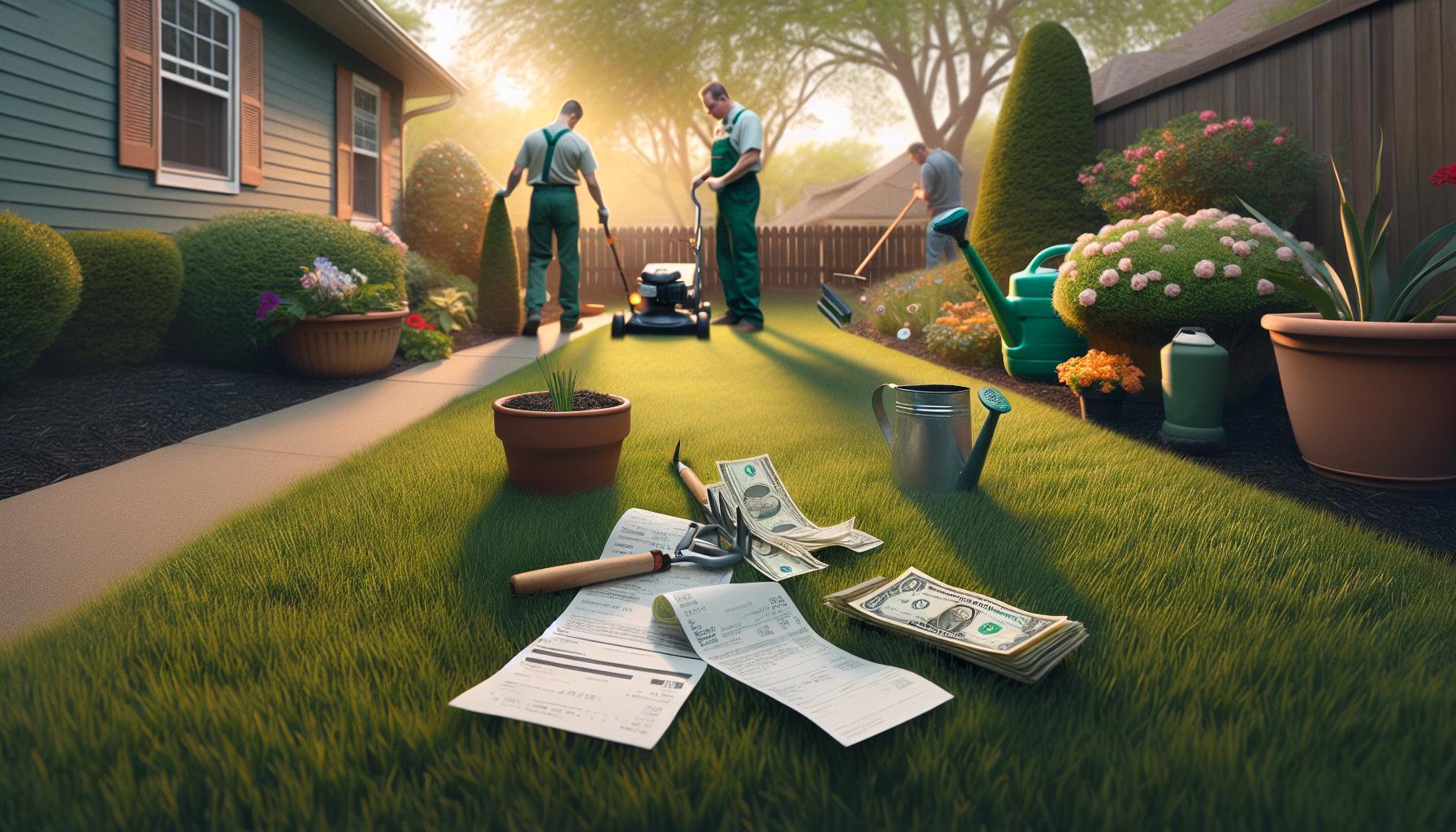
The Environmental Impact of Lawn Maintenance
The maintenance of a traditional lawn can have significant repercussions on the environment, often overlooked amid discussions of aesthetics and property value. The combination of chemical fertilizer applications, pesticide use, frequent mowing, and heavy water consumption contributes to a variety of ecological issues. For instance, according to data from the U.S. Environmental Protection Agency, landscape maintenance, including lawns, can account for up to 30% of residential water use, which is particularly concerning in drought-prone areas.
Moreover, chemical fertilizers and pesticides utilized in lawn care are not benign. These substances can leach into waterways, causing eutrophication-a process that depletes oxygen in aquatic environments and can lead to fish kills and the loss of biodiversity. The use of gasoline-powered lawn equipment also raises concerns; the emissions from these machines contribute to air pollution, with one hour of operation producing as much smog-forming pollution as driving a modern car for over 1,000 miles.
To mitigate these negative impacts, homeowners can consider more sustainable practices. Implementing a natural lawn care approach, which prioritizes organic fertilizers and pest management, can enhance the health of the soil while reducing chemical runoff. Techniques such as using native plants, xeriscaping (landscaping that conserves water), and mulching not only create a vibrant landscape but also promote local biodiversity and reduce the need for excessive maintenance.
Ultimately, reevaluating the conventional methods of lawn maintenance opens the door to choices that harmonize with the environment. By opting for these more sustainable practices, homeowners can cultivate a beautiful yard that supports both ecological health and cost-effectiveness. The key is in understanding the broader impact of lawn care-beyond simply counting the expense of mowing and weeding-as well as embracing methods that benefit not just the lawn but also the planet.
DIY Lawn Care: Is It Really Worth the Time?
Finding the right balance between maintaining a beautiful lawn and managing your time can feel daunting, especially with the growing debate around the value of hiring professional lawn care services versus taking the DIY route. Many homeowners wonder if they can achieve the same results as professionals without incurring additional costs. Interestingly, a significant number of individuals report that taking control of their lawn care not only saves money but also provides a sense of satisfaction and connection to their home environment.
When considering whether to tend to your lawn yourself, it’s important to evaluate your own capabilities and resources. While professional services can offer expertise and efficiency, you can often achieve comparable results through diligent effort and research. Common DIY tasks, such as mowing, aerating, and fertilizing, require a learning curve, but with the right tools and guidance, you can enhance your skills over time. For instance, utilizing organic fertilizers and natural weed control methods can be cost-effective and environmentally friendly, aligning with sustainable practices while also enriching your lawn’s health.
Moreover, investing time in DIY lawn care often fosters a deeper appreciation for your outdoor space. Engaging in activities like seasonal planting or experimenting with native plants allows you to learn what works best in your local climate, ultimately leading to a more vibrant lawn that reflects your personal style. This personalized approach can be fulfilling, as you create an outdoor retreat that’s uniquely yours, free from the standardized look often associated with professional services.
However, it’s crucial to recognize that DIY lawn care can indeed be time-consuming, especially if you lack experience. Between researching appropriate care techniques, scheduling regular maintenance, and addressing unexpected issues like pests or weather damage, the hours can add up. Therefore, consider your lifestyle and priorities: if you find lawn care to be a chore rather than a hobby, outsourcing to professionals might be more advantageous. Balancing personal enjoyment with practicality is key to making the right decision for your home and lifestyle.
Common Lawn Service Myths Debunked
Believing that professional lawn services are the only path to a lush, green lawn is a common misconception that many homeowners share. This myth perpetuates a cycle of dependence on costly services, obscuring the fact that a thriving lawn can be achieved through personal effort and informed practices. For example, with the right tools and knowledge, homeowners can successfully manage their lawns, nurturing vibrant greenery without the hefty price tag associated with professional maintenance.
One prevalent belief is that expert lawn care guarantees superior results, leading many to think that cutting corners by doing it themselves will yield inferior outcomes. In reality, much of lawn care involves basic techniques which can be learned and executed with some research. Simple practices such as proper mowing techniques, seasonal fertilization, and weed management can dramatically improve lawn health. Homeowners can find guidance through numerous online resources, such as those from HGTV and wikiHow, which provide valuable insights and step-by-step instructions tailored for various skill levels [[2]] [[3]].
Another misconception is that DIY lawn care takes significantly more time than hiring a service. While maintaining a lawn does require time commitment, efficient planning and execution can streamline the process. Setting aside specific days for tasks, automating watering systems, and using quality equipment can minimize labor while maximizing results. Moreover, engaging in lawn care can provide a fulfilling outdoor activity that builds a deeper connection to one’s home and environment.
Finally, many people think that paying for lawn care silences worries about environmental impact. However, professional services often rely on chemical treatments that can harm local ecosystems. In contrast, a DIY approach can incorporate sustainable practices, using organic fertilizers and natural pest control methods that promote biodiversity and soil health. This awareness not only benefits the environment but can also enhance the overall quality of your lawn, proving that careful, informed lawn management often trumps the convenience of outsourcing.
Alternatives to Traditional Lawn Care Services
Exploring reveals a wealth of options that can save money while still yielding a beautiful lawn. Many homeowners are unaware that they can achieve lush, green spaces through simpler, more natural methods without the hefty fees associated with hiring professionals. With a little time, effort, and knowledge, you can cultivate a lawn that not only looks great but also supports local ecosystems.
One effective approach is to implement organic lawn care techniques that focus on enhancing soil health and fostering biodiversity. This can include practices such as using compost as a natural fertilizer, which enriches the soil without the adverse effects of synthetic chemicals. Additionally, planting native grasses and plants that are well-adapted to your local climate can dramatically reduce the need for extensive maintenance and resources. Consider using mulch to retain moisture and suppress weeds, thus minimizing the need for herbicides.
Community Resources and Support
Engaging with your local gardening community can also provide invaluable resources. Many communities offer workshops or resources on sustainable gardening practices, where you can learn from experienced gardeners. Participating in these gatherings not only enhances your skills but also allows you to share tools or even swap seeds, further reducing costs. Furthermore, joining online forums or local social media groups dedicated to gardening can connect you with like-minded individuals eager to share tips and experiences.
Technology and Innovations
Technology has also paved the way for more manageable lawn care alternatives. Smart irrigation systems, for example, can automate watering schedules based on weather conditions, ensuring that your lawn receives just the right amount of moisture, thus saving time and water. Additionally, utilizing mowers and trimmers with eco-friendly features can significantly reduce your environmental impact while maintaining a tidy lawn.
By considering these , homeowners can not only keep their lawns looking lush but also foster an environment that is healthier for both their family and local wildlife. With the right practices, your DIY efforts can prove far more rewarding-both financially and in terms of personal satisfaction-than relying on professional services.
The Benefits of a Natural Lawn Care Approach
Embracing a natural lawn care approach not only sustains your budget but fosters a resilient ecosystem right in your backyard. Studies reveal that lawns treated with organic methods can reduce maintenance costs by up to 50% over time, as they rely less on chemical fertilizers and pesticides that can quickly add up. By prioritizing biodiversity and soil health, homeowners can create a lush, green space that thrives while being environmentally responsible.
One significant benefit of going natural is the enhancement of soil fertility through organic matter. Incorporating compost dramatically improves nutrient availability and soil structure, allowing grass roots to penetrate deeper and access water more efficiently. Native plants and grasses, adapted to the local environment, require less water and fertilizer, thereby minimizing overall care needs. Implementing strategies such as mulching also helps retain moisture, suppress weeds, and regulate soil temperature, further reducing the reliance on chemical interventions.
Supporting Local Ecosystems
By rejecting synthetic lawn care products, you contribute positively to local wildlife. Conventional lawn care often harms beneficial insects and pollinators-critical components of our ecosystem. A natural approach encourages a vibrant and diverse ecosystem in your yard, attracting bees, butterflies, and other pollinators that can enhance the beauty of your lawn while supporting biodiversity. Additionally, creating habitats through the introduction of native plants can aid in maintaining the ecological balance essential for local wildlife.
Long-term Sustainability
Natural lawn care not only nurtures your immediate landscape but also promotes long-term sustainability. By reducing chemical runoff into local waterways, you help protect aquatic habitats and improve overall environmental quality. Furthermore, the practice encourages responsible water management initiatives, such as rain gardens and native plant installations, which can counteract the effects of urban runoff and flooding.
Investing time in natural lawn care not only beautifies your property but also leads to fewer long-term costs, a healthier environment, and a sense of community as you connect with like-minded homeowners dedicated to eco-friendly practices. Transitioning to natural lawn care is a fulfilling journey that transforms your outdoor space into a thriving sanctuary while simultaneously saving money.
How Lawn Services Can Affect Property Value
The visual appeal of a well-maintained lawn can significantly influence property value, yet many homeowners remain unaware of the dynamics at play. A lush, green lawn not only enhances curb appeal but also signals to buyers that a property is well-cared for. Research suggests that homebuyers are willing to pay more-up to 14% higher- for properties with professionally maintained lawns compared to those with little to no landscaping. Therefore, investing in lawn services can be viewed not simply as an expense, but rather as a strategic decision that contributes to a higher property value.
However, while professional lawn care can certainly elevate the aesthetic of your yard, it also raises questions about the long-term financial implications. Relying heavily on these services can lead to a dependency on commercial practices that may not align with sustainable landscaping trends. Homeowners engaged in DIY lawn care, particularly those embracing natural methods, may find that over time, they can not only conserve resources but also elevate the ecological value of their property. Native plants, for example, often require less maintenance and attract beneficial wildlife, which can enhance the overall appeal and marketability of a home.
Balancing Cost and Value
It’s crucial for homeowners to weigh the benefits of lawn services against their ongoing costs. Hidden fees, such as soil testing or pest control services, can quickly add up, making it hard to justify the expenses. Additionally, the rapid application of chemical fertilizers by some lawn services may lead to immediate visual improvements but can result in long-term soil degradation and increased future maintenance costs. A well-maintained lawn using organic practices may not yield the instant gratification of a professionally treated landscape, but its sustainability can mean lower expenses and less effort over time.
Ultimately, the impact of lawn services on property value is a complex interplay of aesthetics, market trends, and environmental considerations. While a professionally maintained lawn might attract buyers, understanding the true benefits of sustainable practices could serve both the homeowner’s wallet and the environment in the long run.
Understanding the Frequency of Lawn Treatments Needed
Maintaining a lush lawn may seem like a straightforward task, yet the frequency of treatments often mystifies even seasoned homeowners. The truth is, the necessity and timing of treatments can vary greatly depending on various factors such as climate, grass type, and existing soil conditions. Understanding these parameters can help homeowners avoid unnecessary costs associated with frequent professional lawn care services that may not always be needed.
For optimal lawn health, treatments typically encompass fertilization, aeration, and pest control, each requiring different frequencies. For example, fertilization is commonly recommended two to four times a year, depending on the growth cycle of your grass type and regional climate. In contrast, aeration, which facilitates healthy root growth, might only be necessary once or twice annually. Pest control measures will depend significantly on the presence of pests; regular inspection can often negate the need for preventative treatments, saving both time and money.
By adopting a proactive approach and understanding your lawn’s unique needs, you can effectively reduce the reliance on weekly or bi-weekly service contracts. A simple schedule can be established by conducting a soil test to assess nutrient levels, which helps determine the appropriate fertilization frequency. Additionally, integrating natural pest deterrents and native plants that require less water and maintenance can help sustain a healthy lawn while decreasing treatment frequency.
Incorporating these strategies cultivates not only a beautiful lawn but also significant financial savings over time. Becoming more engaged in the care of your property empowers you with knowledge about the right timing and necessary treatments, transforming what could be an overwhelming chore into a manageable and rewarding process. Thus, homeowners can enjoy both the aesthetic benefits of a vibrant lawn and the economic advantages of empowered DIY maintenance.
Case Studies: Lawn Service vs. DIY Success Stories
There’s no shortage of compelling stories from homeowners who have opted for a DIY approach to lawn care, showcasing significant cost savings and satisfaction. For many, transitioning from expensive lawn services to self-managed maintenance proves not just feasible but rewarding. Consider the example of the Thompsons, a family in suburban Charlotte. Initially relying on a local lawn service, they faced monthly bills that quickly added up-often exceeding $300 during peak seasons. Encouraged by friends who enjoyed thriving lawns with minimal expenses, they decided to take matters into their own hands.
With some basic research and a weekend dedicated to learning, the Thompsons adopted a tailored care regimen involving soil tests, appropriate fertilization schedules, and natural pest control methods. By using eco-friendly treatments and focusing on the specific needs of their grass species, they achieved lush greenery without the burden of high costs. Within a year, their lawn not only thrived but drew compliments from neighbors-one of whom even asked for their secrets!
- Cost Comparison: Monthly bill from lawn service: $300; annual DIY cost: $150.
- Satisfaction Level: Increased enjoyment of lawn activities, from hosting garden parties to family picnics.
- Skills Developed: Knowledge on soil types, fertilization needs, and pest management.
Another illustrative case is that of Maria, an urban homeowner who faced numerous challenges due to a lack of sunlight and compact soil. Initially, she opted for a professional lawn service that charged her around $200 per visit. However, after just a few months, she realized that the service was not addressing the unique conditions of her yard. Inspired to take action, Maria educated herself on xeriscaping techniques that would better suit low-light environments, enabling her to cultivate a low-maintenance garden filled with hardy native plants.
Through trial and error, she optimized irrigation, established a mulch layer to suppress weeds, and eventually transformed her yard-spending only a fraction of what she had on professional services. Maria’s commitment not only enhanced her outdoor space’s aesthetics but also increased its ecological value, proving that a DIY approach, when informed and persistent, can yield spectacular results.
Embracing the DIY route for lawn care often leads to personal satisfaction, greater financial sustainability, and a deeper understanding of the nuances involved in maintaining a beautiful outdoor space. When fostered by education and community support, these endeavors frequently turn into flourishing success stories that highlight the advantages of self-sufficiency in lawn management.
Expert Tips for Maintaining a Healthy Lawn Yourself
A lush, green lawn not only enhances the aesthetic appeal of your home but also provides a welcoming space for outdoor activities. While many homeowners consider hiring professionals for lawn care, the reality is that maintaining a healthy lawn yourself can be a rewarding venture both financially and in terms of personal satisfaction. With a proactive approach, you can avoid the hefty price tags associated with professional services while gaining valuable knowledge about your yard’s specific needs.
To achieve a thriving lawn, start with understanding your soil composition. Conduct a soil test to identify its pH and nutrient levels. This information is crucial in determining the right fertilizers and amendments, allowing you to tailor your lawn care regimen effectively. Utilizing organic fertilizers not only feeds the grass but also enhances soil health over time. Additionally, implementing aeration can alleviate soil compaction, promoting deeper root growth and better water absorption.
Regular Maintenance Practices
Establishing a consistent maintenance routine is key to achieving a healthy lawn. Regular mowing at the proper height is essential, as cutting too short can stress the grass and lead to weed invasions. Aim to keep your grass around 2.5 to 3 inches tall, which encourages deeper root growth and shades out weeds. Also, consider varying your mowing pattern to prevent compaction and promote a more even lawn appearance.
Watering is another fundamental element; deep, infrequent watering encourages strong roots. Instead of daily light watering, aim for 1 inch of water per week, including rainfall, and water early in the morning to minimize evaporation. Incorporating mulching techniques during mowing can return nutrients back to the soil, promoting a thriving ecosystem right in your backyard.
Pest and Weed Management
Integrated pest management (IPM) should be part of your strategy for maintaining a healthy lawn. Monitor for pests regularly and identify them correctly before taking action; this could involve introducing beneficial insects, such as ladybugs, or using organic pesticides as needed. Mulching around garden areas can help suppress weeds and maintain moisture without the need for chemical herbicides.
By adopting a philosophy of sustainability and education, you’re not just saving money; you’re fostering a deeper connection with your outdoor space. For instance, engaging with local gardening communities or joining online platforms dedicated to DIY lawn care can provide additional insights and support. Real-world experiences shared by fellow DIY enthusiasts often illuminate effective strategies and pitfalls to avoid, enriching your own lawn care journey.
Your lawn care journey is not only an investment in your property but also a chance to engage with nature and cultivate a space that reflects your hard work and dedication. Embracing these expert tips will empower you to maintain a lush lawn that you can be proud of without the financial strain of professional services.
When Lawn Service Might Actually Be Worth It
In the quest for a vibrant and healthy lawn, many homeowners grapple with the question of whether to take on lawn care themselves or to hire professionals. While the latter can seem like a financial burden, there are certain circumstances where investing in lawn service can be justified. For instance, those who lack the time to commit to regular maintenance or who feel overwhelmed by the complexities of lawn care may find that professional services save them significant stress and time.
For example, if your lawn has extensive issues that require immediate attention-like severe pest infestations or diseases-professionals often have access to specialized treatments that might not be available over the counter. They can also perform treatments at optimal times for maximum effectiveness, ensuring your grass returns to health faster than if attempted alone. Another scenario where lawn services shine is for seasonal clean-ups or major landscape changes; experienced landscapers can transform a space with expertise in design and plant selection that most DIYers simply don’t possess.
Additionally, consider the benefits of ongoing maintenance for high-end properties or when preparing a home for sale. Professional lawn services can elevate the curb appeal of your property, potentially leading to a faster sale and at a higher price. The investment in expert care can often be recouped in increased property value, making it a smart choice for homeowners looking to maximize their investments.
Therefore, while DIY lawn care can be fulfilling and cost-effective for many, there are compelling reasons to embrace professional help when the situation calls for it. Assessing your specific needs, expertise, and timeframe can lead to a more informed decision that balances satisfaction with practicality.
Q&A
Q: What are the hidden costs of hiring a lawn care service?
A: Hiring a lawn care service often includes hidden costs like initial setup fees, additional charges for specific treatments, and seasonal rate hikes. Many services also charge for missed appointments or rescheduling, which can add up quickly. Always request a detailed estimate before committing.
Q: How does lawn service affect the environment?
A: Traditional lawn services often rely on chemical fertilizers and pesticides that can harm local ecosystems. These chemicals can run off into water supplies, impacting aquatic life. Considering organic alternatives, as discussed in our article, can mitigate these harmful effects while promoting a healthier environment.
Q: Are DIY lawn care methods effective?
A: Yes, DIY lawn care can be highly effective if you follow best practices for watering, mowing, and fertilizing. Understanding your soil type and local climate can improve your results dramatically. For expert tips, check our section on maintaining a healthy lawn yourself.
Q: Is it possible to achieve a beautiful lawn without professional help?
A: Absolutely! Many homeowners successfully maintain beautiful lawns using DIY techniques and natural care approaches. Regular aeration, mowing at the right height, and proper watering can produce stunning results without the need for professional services.
Q: What are the common myths about lawn care services?
A: Many myths circulate about lawn care services, such as the belief that they are the only way to achieve a healthy lawn. In truth, many homeowners achieve great results through proper DIY care and understanding lawn needs. Our article debunks these common misconceptions.
Q: When should I consider using a lawn service?
A: Consider using a lawn service if your lawn has specific needs like heavy pest infestations or severe soil issues that you can’t manage alone. Additionally, if you lack the time or expertise for extensive lawn care, professional services can provide the required support.
Q: How can lawn care services impact my property value?
A: Professional lawn care can enhance property value by improving curb appeal and creating a well-maintained appearance. However, the costs may not always align with the value added. Our article discusses the potential return on investment from lawn services compared to DIY efforts.
Q: What are alternatives to traditional lawn services?
A: Alternatives include organic lawn care methods, using native plants, or creating a natural meadow. These options not only save money but also support local wildlife and reduce environmental impact. Explore our section on natural lawn care approaches for more insights.
Wrapping Up
Understanding the realities of lawn maintenance can transform how you approach your outdoor space. By demystifying the pitfalls of professional lawn services, you can save money and invest in techniques that truly enhance your lawn’s health. If you’re ready to take control, explore our essential guides on efficient watering practices and yard maintenance strategies to cultivate a thriving green space yourself.
Don’t forget to subscribe to our newsletter for the latest tips and tricks, and share your thoughts in the comments below-your experience could help others! Also, check out our articles on DIY lawn care solutions and the best products for achieving a vibrant garden. The knowledge you gain today can lead you to a greener tomorrow, so dive deeper into our resources and transform your lawn into the envy of the neighborhood!