
Disposing of an old lawn mower can feel overwhelming, especially when considering local regulations and environmental impact. As homeowners look to declutter their garages, many wonder, “Does Waste Management take lawn mowers?” Understanding the rules surrounding this common dilemma is crucial, as improper disposal can lead to fines and environmental harm. This guide will explore the ins and outs of lawn mower disposal, including what options are available and how to ensure compliance with local waste management policies. Whether you’re facing a broken mower or upgrading to a newer model, knowing the right steps can save you time and stress while promoting responsible waste management. Keep reading to uncover the best practices for disposing of your lawn mower safely and effectively.
What Makes Lawn Mowers Special for Disposal?
When it comes to disposing of lawn mowers, their unique composition and the potential hazards they carry make them special in the waste management sphere. Unlike ordinary household items, lawn mowers often contain various materials like metal, plastic, and rubber, along with residual fuels and oils that can be harmful if not disposed of correctly. This complexity requires more careful consideration to ensure both safety and environmental protection.
The iliquids can lead to soil and water pollution if spilled or improperly disposed of, while the metal components are recyclable. Many lawn mowers are also equipped with engines that contain lubricants and other chemicals, necessitating a disposal process that adheres to local environmental regulations. As such, it’s critical to be aware that simply placing a lawn mower in the regular trash can lead to negative consequences, both for the environment and for community waste management efforts.
Moreover, the growth of eco-consciousness has spurred stricter regulations regarding the disposal of lawn equipment. Many municipalities offer special collection events or designated drop-off sites specifically for the disposal of yard equipment. By understanding the special considerations associated with lawn mower disposal, owners can proactively engage in responsible waste management practices, thus contributing to a healthier ecosystem while also ensuring compliance with local laws.
Understanding Waste Management’s Role

The increasing awareness of environmental issues has made waste management a critical aspect of modern society. When it comes to disposing of lawn mowers, is essential not only for compliance with regulations but also for protecting our ecosystems. Lawn mowers, unlike ordinary household items, are composed of various materials and potentially hazardous substances, making their disposal particularly complex. This complexity necessitates a nuanced approach to waste management that prioritizes safety, recycling, and environmental responsibility.
Waste management agencies play a vital role in facilitating the proper disposal of lawn mowers. They are tasked with ensuring that waste disposal methods adhere to local and national regulations designed to safeguard public health and the environment. This includes handling residual fuels, oils, and chemicals that are often present in lawn mowers. These substances pose risks to both soil and water systems if not managed properly. Moreover, many waste management facilities are equipped to recycle metals and plastics from discarded lawn equipment, thus reducing landfill waste and promoting sustainability.
Additionally, community efforts towards waste management have grown, with many municipalities offering specialized collection events or drop-off locations for lawn equipment. This proactive approach not only eases the burden on homeowners looking to dispose of their mowers responsibly but also fosters a culture of environmental stewardship. Furthermore, understanding local regulations and available resources can empower lawn mower owners to make informed decisions about their waste, ultimately contributing to a cleaner, safer environment. By engaging in responsible disposal practices, individuals can play a significant role in minimizing the environmental impact of lawn mower waste.
Key Waste Disposal Rules for Lawn Mowers
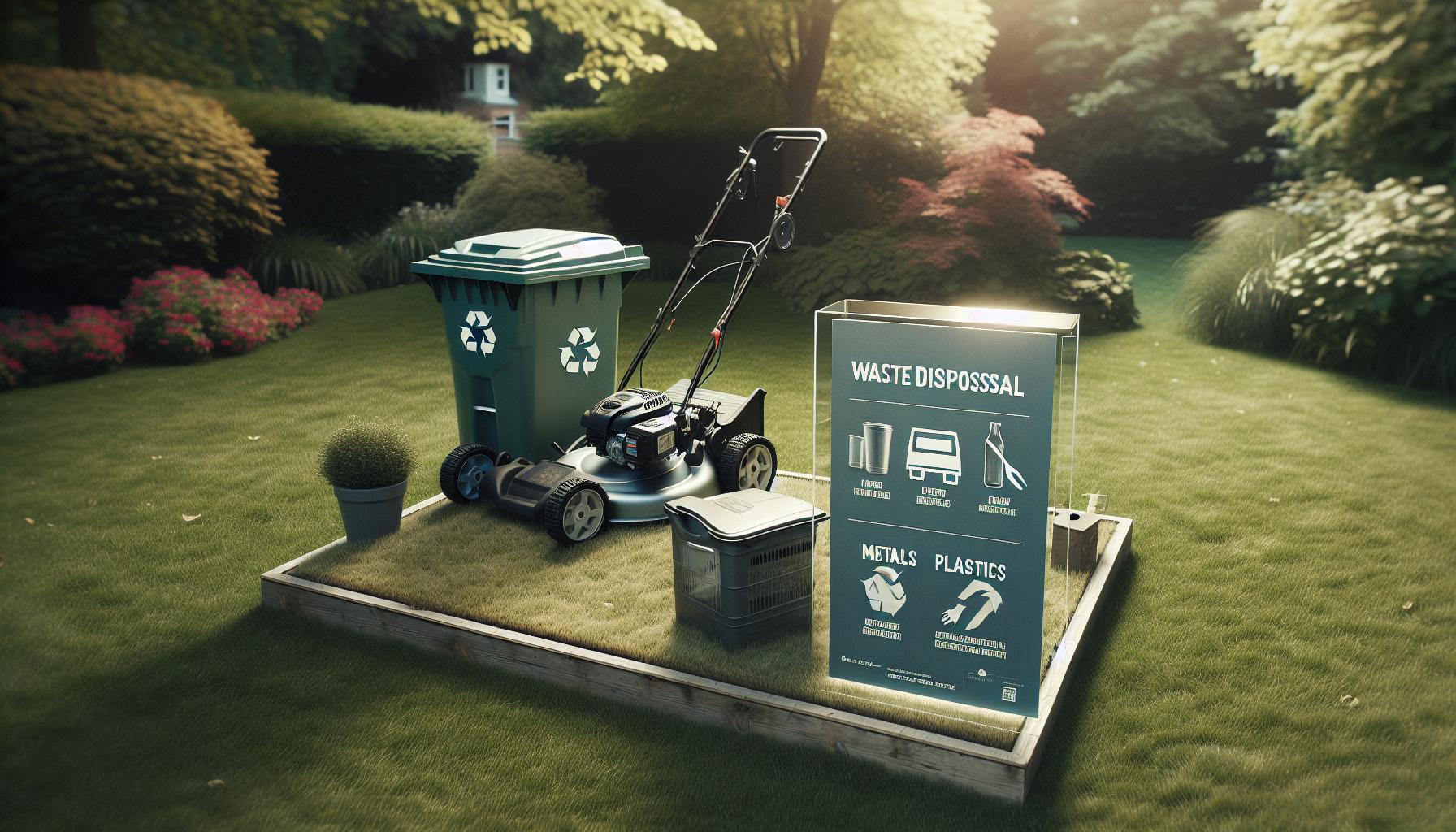
Lawn mowers are not just simple gardening tools; they are complex machines that contain various parts and substances that require careful consideration when disposing of them. Proper disposal is essential to avoid environmental hazards and comply with legal regulations. In fact, improper disposal of lawn mowers can lead to contamination of soil and water, making it critical to adhere to established waste disposal rules.
When it comes to disposing of lawn mowers, organizations typically recommend following a set of guidelines to ensure compliance with local laws. First, it is crucial to drain any residual fuel and oil from the mower before disposal. This step prevents harmful chemicals from leaching into the environment. Many waste management programs have specific protocols for collecting and handling these fluids, which may include drop-off points or collection events for hazardous waste.
Additionally, it’s important to check with your local waste management authority regarding specific disposal rules in your area. Some regions might have designated drop-off sites for lawn mowers or offer curbside pickup during special waste disposal events. Moreover, recycling is often encouraged, as many components of lawn mowers-such as metal casings and plastic parts-can be repurposed instead of ending up in a landfill. Participating in local recycling programs or services can not only help the environment but may also come with the added benefit of reducing disposal fees.
Lastly, consider the option of donating your lawn mower if it’s still in working condition. Many community organizations and non-profits may accept used lawn equipment, providing a second life for the mower while benefiting those in need. Engaging in these responsible disposal methods not only helps to mitigate environmental impact but also contributes to community awareness and sustainability efforts. By understanding and implementing these disposal rules, you can ensure that your lawn mower is handled safely and responsibly.
Where to Dispose of Lawn Mowers Properly

Disposing of a lawn mower can often seem like a daunting task, especially considering the hazardous materials they contain, such as gas and oil. Knowing where to properly dispose of an old or broken mower is critical not just for compliance with environmental regulations, but also for safeguarding our ecosystems. Many local waste management authorities have developed specific strategies and designated facilities to assist residents in disposing of their lawn equipment safely.
To start, one of the best resources is your local waste management authority. They can provide you with detailed information on:
- Collection Events: Many communities host special collection days for bulky waste, including lawn mowers, where residents can drop off their items without incurring any costs.
- Hazardous Waste Facilities: Some areas offer designated sites where you can take hazardous materials, ensuring that any gas or oil is handled in a safe and environmentally friendly manner.
- Curbside Pick-Up: Certain municipalities may arrange curbside pick-up services for larger items like lawn mowers during scheduled cleanup weeks.
Before heading to these facilities, it’s essential to prepare your lawn mower for disposal. Most regulations require that you drain all fluids, such as fuel and oil, to prevent leaks and contamination of the ground. After ensuring that your mower is correctly prepared, you can take it to an approved disposal site or participate in local recycling initiatives. Some recycling centers may even accept metal and plastic components from lawn mowers, promoting a more sustainable approach to waste management.
For those looking to take a more community-focused approach, consider donating your mower if it’s still functional. Non-profit organizations or community gardens often seek equipment to maintain their green spaces. By donating, you not only extend the life of your mower but also contribute positively to your community.
In summary, understanding your local disposal options is vital for safe lawn mower disposal. With community resources available and preparation steps to follow, you can ensure your mower is disposed of responsibly, protecting both your local environment and adhering to necessary legal guidelines.
Alternative Recycling Options for Old Mowers
Recycling old lawn mowers doesn’t just help keep landfills a little less crowded; it’s an opportunity to support sustainability and your community. Many mowers contain valuable materials such as metal, plastic, and even engines that can be refurbished or reused. By tapping into alternative recycling options, you ensure that your old mower meets its end in an eco-friendly manner while potentially benefiting others.
One effective method for recycling your old mower is through specialized recycling programs offered by local waste management authorities. These programs often accept lawn mowers for recycling, allowing the materials to be processed and reused in new products. Check for events or drop-off locations specifically designated for recycling lawn equipment. Participating in these initiatives not only ensures proper disposal but also contributes to a circular economy.
Another excellent avenue is to explore donation opportunities. If your mower is still functioning, consider reaching out to local community gardens, schools, or non-profit organizations that promote gardening and landscaping. These groups often welcome equipment donations to help maintain shared green spaces, and this can turn your old mower into a useful tool for others while reducing waste in the process.
In addition to direct recycling and donation, online marketplace platforms can be leveraged to sell used lawn mowers. Platforms like Craigslist, Facebook Marketplace, or specialized gardening and landscaping forums can connect you with buyers looking for affordable equipment. This not only keeps the mower circulating in the community but also promotes a culture of reusability.
By selecting alternative recycling options for old lawn mowers, you play a crucial role in promoting environmental stewardship. Always remember to prepare your mower by draining any fluids before recycling or donation, ensuring compliance with safety and environmental regulations. Leveraging these methods not only aids in waste reduction but also fosters a sense of community and responsibility toward a more sustainable future.
Preparing Your Lawn Mower for Disposal
Disposing of a lawn mower involves more than just throwing it in the trash; it’s essential to prepare it properly to ensure safety and compliance with environmental regulations. An often-overlooked aspect of lawn mower disposal is the handling of hazardous materials like gasoline and oil. Before you say goodbye to your trusty machine, draining these fluids is critical. Not only does this prevent leaks that can harm the environment, but it also protects workers involved in the disposal process.
Start by ensuring the mower is completely shut off and cool to the touch. Use a siphon or turkey baster to remove any remaining fuel from the tank. For oil, it’s a good practice to use a drain pan to collect used oil before replacing it with fresh oil for any last-minute use. Always store these hazardous materials in appropriate containers and take them to a recycling center or hazardous waste disposal site. This not only fulfills legal obligations but also supports environmental care.
Moreover, consider the mower’s components before disposal. If the blade still has some life left in it, or if other parts are in good condition, these could be re-used or sold separately. Many local mechanics or gardening groups may take these parts off your hands, extending their life cycle. This not only reduces waste but also offers a chance to contribute positively to your local community. By taking these steps, you play an active role in ensuring that your lawn mower is disposed of responsibly, paving the way for sustainable practices in waste management.
What to Avoid When Disposing of Lawn Equipment
When it comes to disposing of lawn equipment, there are several missteps that homeowners frequently make. Ignoring local regulations or failing to properly handle hazardous materials can lead to fines and environmental contamination, making it essential to be aware of what actions to avoid. Many people mistakenly believe that simply throwing old lawn mowers into the regular trash is acceptable. However, this practice can lead to hazardous spills and environmental harm due to the leftover fuel and oil that can leak during transport.
Don’t Forget Hazardous Waste Disposal
A major oversight is disregarding the safe disposal of hazardous materials. Lawn mowers typically contain gasoline, oil, and sometimes even batteries. Before disposal, it’s critical to fully drain these substances. Dispose of oil at designated recycling facilities and find local hazardous waste collection programs for gasoline. Leaving these materials in the mower can pose serious risks not only to the environment but also to waste management workers handling the equipment.
Steer Clear of Unregulated Dumping
Another pitfall is failing to research proper disposal sites. Many cities have specific locations and times where residents can drop off large items like lawn mowers. Ignoring these resources can lead to illegal dumping, which is both a community eyesore and punishable by law. Always consult local waste management authorities to confirm acceptable disposal practices and facilities.
Neglecting to Recycle Components
Members of the gardening community often overlook the potential for recycling mower components. Cutting corners by tossing the entire mower in the trash means missing out on the opportunity to salvage functional parts. Consider donating usable parts like blades or handles to gardening clubs or mechanics, helping others while reducing waste.
By understanding what to avoid during the lawn mower disposal process, you can take action that not only complies with local regulations but also promotes a more sustainable approach to lawn care and waste management. Disposing of lawn equipment responsibly contributes to a healthier environment and supports local recycling efforts.
Hidden Costs of Lawn Mower Disposal
Disposing of a lawn mower may seem like a straightforward task, but hidden costs can quickly add up if homeowners are not careful. Beyond the initial expense of disposal fees or service charges, there are several factors that can lead to unexpected financial repercussions. It’s crucial to consider these hidden costs, as they could significantly affect your budget and the environment.
One major expense often overlooked is the potential fines for improper disposal. Many areas have strict regulations governing the disposal of hazardous materials from yard equipment, including oils and fuels found in lawn mowers. For instance, if leftover gasoline is disposed of improperly, it can lead to heavy penalties. Homeowners may find themselves facing fines that far exceed the cost of responsible disposal. Therefore, understanding local laws and adhering to them not only ensures compliance but can also save significant costs in the long run.
Another hidden cost arises from the environmental impact that improper disposal can have. Neglecting to recycle lawn mower components or dispose of them correctly can contribute to pollution and other environmental issues. This not only affects ecosystems but can also lead to costs associated with remediation efforts. Communities may face increased waste management fees to clean up improperly discarded or leaked materials, costs that could be passed down to residents through taxes or increased service charges.
Additionally, there’s an opportunity cost associated with not recycling parts of the mower. Many components, such as engines or metal frames, can often be refurbished or repurposed. By simply discarding an old lawn mower, you miss out on the chance to recoup some of its value either through resale or salvage. Furthermore, donating usable parts not only helps the community but may also provide tax benefits.
In conclusion, the hidden costs associated with lawn mower disposal extend far beyond the initial transaction. By being proactive in understanding local regulations, considering environmental implications, and exploring recycling opportunities, homeowners can mitigate these costs and make more responsible choices in their disposal practices.
Local Regulations for Lawn Mower Disposal
Disposing of lawn mowers is not just a matter of getting rid of an old machine; it’s also about adhering to local regulations that may vary significantly between municipalities. Many regions classify lawn mowers as hazardous waste due to the fuels and oils they contain, leading to strict disposal requirements designed to protect both public health and the environment. Ignoring these regulations can result in hefty fines and contribute to environmental pollution.
It’s essential to first familiarize yourself with local waste management guidelines. Most municipalities provide clear directions on how to handle lawn mower disposal. For instance, some areas may offer designated collection days for bulky items, where you can drop off your old mower without penalty. Alternatively, others might require that you take your mower to a specific recycling facility equipped to handle hazardous materials. Checking your local waste management authority’s website or contacting them directly can clarify disposal methods and regulations applicable to your area.
While it might be tempting to simply leave a non-working mower at the curb, many jurisdictions have rules that prohibit this practice. Instead, consider the following common regulations that may affect your disposal options:
- Hazardous Materials Handling: Check if your lawn mower needs to be drained of gas and oil before disposal, as many areas have strict guidelines about hazardous liquid disposal.
- Recycling Facilities: Identify any local recycling centers specifically authorized to accept lawn mowers and their parts.
- Weight Restrictions: Some waste collection services impose limitations on the weight of items you can dispose of curbside, which could include heavy lawn mowers.
By understanding these regulations and planning accordingly, you will not only comply with local laws but also help facilitate a more responsible and sustainable disposal process. Always remember that following local guidelines can save you from potential fines and contribute to the community’s overall health and cleanliness.
Environmental Impact of Lawn Mower Waste
The disposal of lawn mowers has significant implications for the environment, primarily due to the hazardous materials many of these machines contain. For instance, gas-powered lawn mowers often retain residual fuels and oils, which can leach into the soil and waterways if improperly discarded. This not only contributes to soil and water pollution but can also harm local wildlife and disrupt aquatic ecosystems. Understanding these environmental impacts is crucial for responsible lawn mower disposal.
One major environmental concern is the emission of greenhouse gases during the operation of gas-powered lawn mowers. According to the U.S. Environmental Protection Agency (EPA), gas mowers can produce as much smog-forming pollution as driving a modern automobile for several hundred miles. This highlights the importance of transitioning to more sustainable options, such as electric mowers, which can significantly reduce air pollution and dependency on fossil fuels. However, the disposal of electric mowers presents its own challenges, particularly regarding the batteries they contain, which can be harmful if not recycled correctly.
To mitigate the , individuals can take proactive steps in their disposal practices. Here are some tips:
- Check Local Regulations: Ensure compliance with local waste management rules regarding hazardous waste to avoid penalties and protect the environment.
- Utilize Recycling Programs: Many communities offer recycling services for both gas and electric mowers. Look for designated collection events or facilities.
- Consider Donation: If the mower is still functional, consider donating it to local schools, community gardens, or nonprofits that may benefit from it.
By adopting responsible disposal practices, individuals can lessen the negative environmental impacts associated with lawn mower waste, contributing to healthier ecosystems and communities. Making the switch to sustainable alternatives in lawn care also plays a vital role in reducing environmental footprints and promoting overall sustainability.
Tips for Sustainable Lawn Care Practices
Many homeowners seek to maintain a beautiful lawn while being mindful of the environment. It’s fascinating to consider that sustainable lawn care practices not only enhance the aesthetics of your yard but also play a crucial role in conservation. By employing eco-friendly techniques, you can reduce pollution, promote biodiversity, and even save resources, making your lawn a source of pride rather than a burden on the planet.
One effective method is to adopt organic lawn care techniques. This involves using natural fertilizers such as compost or manure instead of synthetic chemicals that can leach toxins into the soil and waterways. A compost-rich soil not only nourishes your lawn but also improves its ability to retain moisture, reducing the need for frequent watering. Regular soil testing can guide you in understanding nutrient deficiencies, allowing for targeted organic treatments that support plant health without harming the environment.
Water Wisely
Water conservation is another critical aspect of sustainable lawn care. Instead of traditional methods, consider installing a rainwater collection system or a smart irrigation system. These technologies can help ensure that your lawn receives the right amount of water at the right times, minimizing waste. Moreover, watering early in the morning or late in the evening reduces evaporation-an effective way to maintain a lush lawn while conserving this precious resource.
Choose Native Plants
Incorporating native plants into your landscaping can greatly enhance sustainability. Native grasses and flowers are adapted to local conditions, requiring less water and fertilizer than non-native varieties. They also provide critical habitat for local wildlife, including pollinators like bees and butterflies. By creating a diverse planting scheme, you can foster a resilient ecosystem that thrives on local rainfall and supports wildlife, all while reducing the need for chemical interventions.
By implementing these sustainable practices, you not only contribute positively to the environment but also create a more manageable and vibrant lawn. Consider your lawn as part of a larger ecosystem rather than just a personal space, and take steps that benefit both your home and the surrounding community.
How to Replace Your Lawn Mower Responsibly
When it comes time to upgrade your lawn mower, making thoughtful choices about disposal can significantly reduce environmental impact and promote responsible waste management. Old lawn mowers often contain materials that can be recycled or repurposed, reducing the burden on landfills. To replace your mower responsibly, it’s essential to explore all available options and follow proper procedures for disposal.
One of the first steps is to check with local waste management authorities regarding disposal regulations for lawn mowers. Many municipalities have specific guidelines for disposing of large appliances, including lawn mowers. Often, you can schedule a pickup or drop off the mower at designated locations. In some areas, hazardous materials like oils and batteries from gas mowers need to be disposed of separately, so be sure to follow these regulations to avoid fines and protect the environment.
If your lawn mower is still operational but simply not meeting your needs, consider donating it to local organizations, schools, or community gardening initiatives. Many non-profits welcome the opportunity to refurbish and use these machines. Alternatively, selling it online or through community marketplaces can give your old mower a second life while providing you with a bit of cash.
Recycling is another viable option. Some companies specialize in recycling lawn care equipment, safely breaking down materials like metal, plastic, and electronic components. Observing the manufacturer’s recommendations for disposal and potential recycling programs can lead to responsible and environmentally friendly methods of getting rid of your old equipment. Many large retailers also offer take-back programs for old machinery when you purchase a new mower, ensuring that your outdated model is disposed of ethically and sustainably.
By taking these steps, homeowners can not only ensure compliance with local waste management rules but also contribute to a more sustainable environment. Incorporating responsible practices into your lawn mower replacement allows you to take pride in your choices and their impact on the planet.
FAQ
Q: Can I throw away a lawn mower in the trash?
A: No, you typically cannot dispose of a lawn mower in the regular trash. Lawn mowers contain hazardous materials and should be taken to a designated disposal site. Check your local regulations for proper disposal methods, as outlined in the section on key waste disposal rules for lawn mowers in the article.
Q: What are the environmental impacts of improperly disposing of lawn mowers?
A: Improper disposal of lawn mowers can lead to soil and water contamination due to chemicals like oil and gasoline. These materials can harm local ecosystems. Refer to the article’s section on the environmental impact of lawn mower waste for more insights.
Q: Are there specific recycling options for old lawn mowers?
A: Yes, many areas offer recycling programs for old lawn mowers. You can often return them to local dealers or recycling centers that accept metal and electronic waste. Explore alternative recycling options discussed in the article for more details.
Q: How do I prepare my lawn mower for disposal?
A: Before disposal, remove any fuel and oil from your lawn mower to prevent leaks. Clean the mower thoroughly and check with local waste management for specific guidelines. See the article’s section on preparing your lawn mower for disposal for further tips.
Q: What should I do with a broken lawn mower?
A: A broken lawn mower can be repaired, donated, or recycled. If repairs are not feasible, follow local disposal guidelines. The article’s section on where to dispose of lawn mowers properly provides additional suggestions.
Q: Are there any costs associated with lawn mower disposal?
A: Yes, some disposal methods may incur fees, especially if you’re using specialized services or recycling programs. Be sure to check the hidden costs of lawn mower disposal mentioned in the article to understand potential expenses.
Q: What local regulations affect lawn mower disposal?
A: Local regulations vary but often require that lawn mowers be disposed of through specific waste management programs or recycling facilities. Consult your municipality’s waste guidelines for clarity, as detailed in the article’s section on local regulations for lawn mower disposal.
Q: Can I sell my old lawn mower instead of disposing of it?
A: Yes, selling or donating your old lawn mower is a great alternative to disposal. You can list it online or take it to local resale shops. Explore tips for replacing your lawn mower responsibly in the article for more strategies on this.
Closing Remarks
Now that you’re equipped with the essential information on whether waste management accepts lawn mowers, it’s time to take action! If you’re considering disposal or recycling options, be sure to check local guidelines to avoid common pitfalls. Don’t leave your old equipment gathering dust-finding the right disposal method can save you time and hassle.
For more insights on maintaining a lush lawn, explore our articles on lawn care tips and top maintenance practices. Stay informed and ensure your outdoor space thrives! And if you have any questions or want to share your disposal experiences, feel free to leave a comment below. Remember, every step you take helps create a cleaner environment, so act now and keep your garden in top shape!