When renting a property with outdoor space, many renters may wonder about their responsibilities regarding lawn care. Are they expected to maintain the garden, or does that fall to the landlord? Understanding these legal obligations is crucial, as the expectations can vary significantly based on lease agreements and local regulations. Knowing your rights and duties helps avoid disputes and ensures a harmonious living environment. Whether you’re a seasoned renter or new to leasing, navigating these responsibilities can impact your overall living experience and satisfaction. Dive deeper into the specifics of lawn care obligations in rental agreements and equip yourself with the knowledge to confidently manage your rental responsibilities.
Are Renters Legally Obligated for Lawn Care?
While the question of whether renters are legally obligated to maintain the lawn can vary depending on location and individual agreements, understanding the general framework can be crucial for both renters and landlords. Typically, the responsibility for lawn care hinges on the rental agreement. A well-crafted lease usually specifies the obligations of both parties, detailing whether the tenant will handle yard maintenance or if it falls under the landlord’s responsibilities. Renters should always read their lease carefully to discern their duties regarding lawn care.
State laws also play a significant role in determining these responsibilities. In many jurisdictions, there are no overarching laws mandating renters to maintain the lawn, especially in multi-unit dwellings where such tasks may be the landlord’s duty. However, certain areas may require tenants to maintain the property’s exterior, including the lawn, as part of maintaining the overall condition of the rental. It’s wise for tenants to check local ordinances or consult legal resources to understand their state-specific obligations.
Overall, communication is key. If a renter is unclear about their responsibilities, it’s advantageous to discuss these with the landlord before issues arise. A proactive approach can prevent potential disputes, leading to a more harmonious landlord-tenant relationship. Clear documentation of any lawn care agreements within the lease can serve as an important reference point, ensuring both parties are aligned in their expectations.
Understanding Rental Agreements and Lawn Maintenance
When it comes to rental agreements, clarity is crucial, especially concerning responsibilities like lawn maintenance. Many renters might be surprised to find that the obligations regarding outdoor upkeep can vary widely based on the lease terms they agreed to upon moving in. While some leases explicitly state that tenants are responsible for maintaining the lawn, others place this duty squarely on the landlord’s shoulders. Understanding these terms is essential, as failure to uphold responsibilities outlined in a lease can lead to disputes or even penalties.
In general, a well-written rental agreement will specify what is expected from both parties concerning lawn maintenance. For instance, if the lease articulates that the tenant is responsible, this often includes tasks such as mowing, watering, and weeding. Conversely, if the landlord is responsible, they may take care of these duties themselves or hire a landscaping service. To avoid any confusion, renters should thoroughly review their lease and consider seeking clarification from their landlord if any clauses seem ambiguous.
Moreover, the specific context of the property can influence these obligations. In single-family homes, it is common for tenants to handle lawn care, whereas in multi-unit dwellings or properties managed by professional landlords, lawn maintenance may typically fall to the property owner. Engaging in open dialogue about these responsibilities before signing the lease can foster a better understanding and establish expectations that align with both parties’ needs.
Key Considerations:
- Review Lease Terms: Look for specific clauses detailing lawn maintenance responsibilities.
- Open Communication: Discuss any uncertainties with the landlord to clarify responsibilities.
- Property Type: Consider the context of the living situation when determining likely obligations.
By keeping these considerations in mind and ensuring everything is documented in the rental agreement, both landlords and tenants can work towards a smoother, more informed rental experience.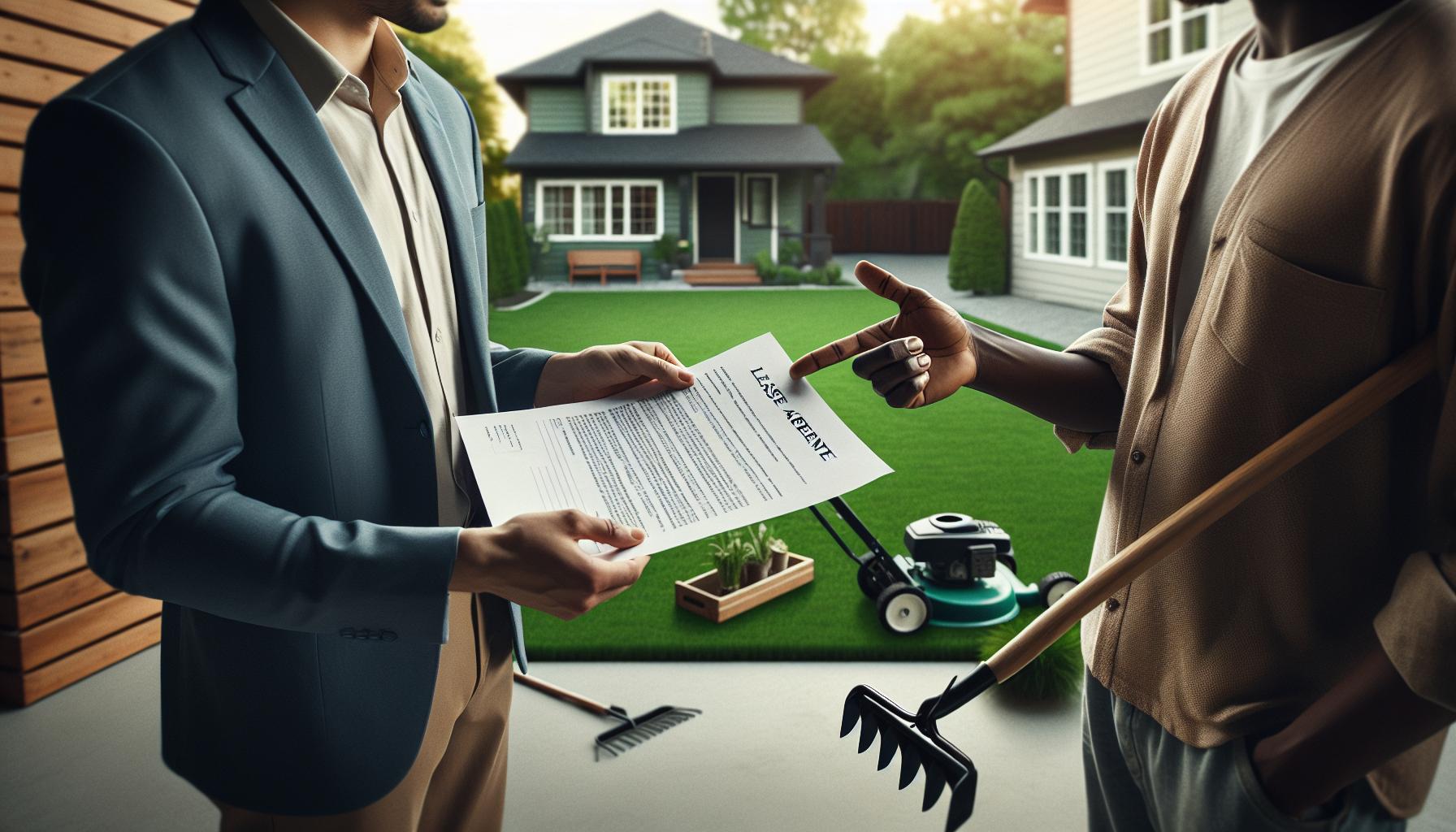
State Laws and Regulations on Lawn Care Responsibilities
Understanding the legal obligations related to lawn care in rental agreements is essential for both landlords and tenants. State laws and local regulations often play a crucial role in defining who is responsible for maintaining outdoor areas. Many states stipulate that the terms of the lease determine lawn care duties, which can differ significantly from one agreement to another. For example, some states may have specific regulations requiring landlords to maintain the exterior of a property, which includes the lawn, particularly in cases where the landscaping impacts the habitability of the home.
In various jurisdictions, local ordinances may outline minimum maintenance standards that landlords and tenants must adhere to. These regulations can include requirements for the grass to be kept below a certain height or mandates against overgrown vegetation that could pose hazards or attract pests. If a property is in violation of such local laws, landlords may bear the responsibility for ensuring compliance, regardless of the lease terms. This situation illustrates the importance of familiarizing oneself with both state statutes and local ordinances.
When conflicts arise regarding lawn care responsibilities, the lease agreement is the primary document referenced. If a lease specifies that the renter must maintain the lawn but there are no state laws supporting that obligation, the tenant may still be bound to uphold those terms. Conversely, if tenants are maintaining a property in violation of local regulations that should be the landlord’s responsibility, they could find themselves in a tricky position. It’s essential for renters to document their communications and maintenance efforts, as these records could be necessary if disputes escalate.
In conclusion, navigating the responsibilities for lawn care requires a good understanding of applicable laws, lease terms, and local ordinances. Tenants should thoroughly review their rental agreements, stay informed about local regulations, and maintain open lines of communication with their landlords to prevent misunderstandings and ensure that they fulfill their obligations effectively. By being proactive and informed, renters can help foster a well-maintained rental property that complies with all relevant legal requirements.
What Happens When Lawn Care is Ignored?
Neglecting lawn care can lead to a cascade of problems for renters, affecting not only the property itself but also the relationship with landlords and potentially one’s own living conditions. When lawn maintenance is ignored, the most immediate consequence is the visible deterioration of the landscape. This can manifest in overgrown grass, unkempt flower beds, and weed infestations, creating an unsightly outdoor space. Beyond aesthetics, these issues can lead to practical problems, such as attracting pests or causing drainage issues that may impact the property’s integrity.
Legal and Financial Repercussions
Failure to maintain the lawn may also have legal implications. If the lease agreement places the responsibility for lawn care on the tenant, neglecting these duties could lead to breach-of-contract claims. Landlords may decide to invoke penalties or retain portions of the security deposit to cover necessary lawn remediation. Furthermore, tenants could find themselves caught in a cycle of complaints from neighbors or even local housing authorities, especially if local ordinances impose minimum maintenance standards. In some cases, this could even lead to fines or mandated corrective actions, which the tenant might be liable for, depending on the lease terms.
Impact on Property Value
Another critical aspect to consider is the effect of poor lawn care on the property’s overall value. A well-maintained yard typically enhances curb appeal and property value, whereas a neglected one can diminish both markedly. This devaluation can affect the landlord’s ability to attract new tenants or sell the property in the future, leading to potential conflicts over responsibilities. Recognizing that the condition of the lawn impacts everyone involved should encourage more proactive communication between renters and landlords.
In summary, ignoring lawn care goes beyond mere aesthetics; it can lead to significant legal, financial, and relational consequences. Tenants should stay abreast of their responsibilities and the expectations set forth in their leases to avoid these pitfalls. Effective maintenance not only fosters a pleasant living environment but also protects renters from potential disputes and additional costs down the line.
Communication Between Landlords and Renters
Open lines of are essential to navigate the often murky waters of lawn care responsibilities. Many tenants may not fully understand their obligations when it comes to maintaining a property’s landscape, and this lack of clarity can lead to misunderstandings and conflict. Establishing a clear framework for discussing lawn care, including specific tasks and expectations, can help mitigate issues before they escalate.
When moving into a rental property, renters should not hesitate to engage in conversations with their landlords regarding lawn maintenance duties. This dialogue allows both parties to clarify who is responsible for what aspects of lawn care-such as mowing, weeding, and fertilizing. For example, a landlord might specify that while the tenant is responsible for regular mowing, they will take care of more extensive landscaping projects or seasonal treatments. Such agreements can be documented in a lease addendum to further prevent disputes down the line.
Moreover, communication should remain open and ongoing throughout the tenancy. If issues arise-whether it is seasonal overgrowth, pest infestations, or other maintenance challenges-both parties should feel comfortable discussing these concerns promptly. Renters should report problems as they arise, while landlords must be responsive to their tenants’ inquiries. A structured approach to this communication can involve regular check-ins, whether through scheduled visits or phone calls, which ensures that both parties stay informed about the property’s conditions.
Ultimately, fostering a spirit of cooperation and transparency can contribute significantly to the upkeep of the lawn and broader property health. By prioritizing good communication, renters and landlords can collaboratively manage lawn care, improving the living environment while also protecting their respective interests. Engaging in discussions about maintenance not only builds trust but can enhance a tenant’s experience, leading to a more harmonious landlord-tenant relationship.
Best Practices for Lawn Care in Rental Properties
To keep a rental property’s lawn in prime condition, both tenants and landlords should understand the essential practices for effective lawn care. A well-maintained lawn not only enhances the property’s aesthetic appeal but also contributes to its overall value. Therefore, establishing clear expectations and adopting best practices can help ensure that the lawn remains healthy and visually pleasing.
One of the cornerstone best practices is creating a lawn care schedule. This can involve determining the frequency of essential tasks such as mowing, weeding, and fertilization. For instance, a general guideline might suggest mowing every 1-2 weeks during the growing season and applying fertilizer in early spring and late fall. Both the landlord and tenant should agree on this schedule and document it in the rental agreement to reduce misunderstandings. Furthermore, seasonal adjustments should be made based on local climate and weather patterns to optimize lawn health.
Maintaining open communication between landlords and renters is equally important. Regular check-ins can facilitate discussions about any issues or concerns related to the lawn. For example, pests or diseases can undermine lawn quality if not addressed promptly. It’s advisable for renters to report any lawn-related problems immediately, allowing landlords to respond with necessary intervention, such as hiring a professional landscaper if needed. Establishing a communication protocol can further enhance this transparency, ensuring both parties stay informed about the lawn’s condition and maintenance needs.
Additionally, educating renters on basic lawn care techniques can empower them to take better care of the property’s landscape. Providing guidance on proper mowing heights, watering schedules, and appropriate products for weeds and pests can go a long way in fostering a responsible tenant who contributes positively to the property. This not only enhances the lawn but also builds a cooperative relationship between the landlord and tenant, reinforcing the idea that they are partners in property maintenance.
By aligning responsibilities, maintaining consistent communication, and implementing effective lawn care strategies, both landlords and tenants can play an active role in preserving the beauty and health of the rental property’s outdoor space. As a result, this collaboration leads to a more harmonious living environment and protects the property’s value over time.
How to Handle Lawn Care Disputes
Disputes over lawn care responsibilities can lead to significant tension between landlords and renters. When expectations are not clearly defined, misunderstandings can easily arise, especially regarding the upkeep of the property’s outdoor spaces. To tackle these disagreements effectively, a proactive approach is essential, rooted in clear communication and mutual agreement.
The first step in resolving lawn care disputes is to review the rental agreement. This document should explicitly outline the responsibilities of both parties regarding lawn maintenance. If the agreement lacks clarity, it can be beneficial for both landlords and renters to have a candid conversation to address ambiguities. Document any agreed-upon changes to the maintenance plan and update the rental agreement as needed to prevent future misunderstandings.
In cases where disagreements persist, utilizing a mediation approach can be particularly helpful. This involves bringing in a neutral third-party mediator who can facilitate discussions and guide both sides toward a mutually agreeable solution. Consider scheduling regular check-ins or consultations to ensure that both parties are satisfied with the lawn care arrangements. This proactive communication minimizes the likelihood of conflicts escalating to the point of requiring legal intervention.
If a resolution cannot be reached through discussion or mediation, renters may need to be informed of their rights regarding maintenance responsibilities under local laws. Many jurisdictions have laws that protect tenants from liability for issues beyond their control. Keeping a detailed record of lawn care activities and correspondence can also support a renters’ position should any disputes escalate to legal consultations. Overall, fostering a cooperative spirit and maintaining open channels of communication can often lead to successful conflict resolution and a healthier, more aesthetically pleasing outdoor space.
Tips for Renters: Maintaining a Healthy Lawn
Maintaining a healthy lawn can significantly enhance the appeal of a rental property and contribute to a positive living environment. For renters who are responsible for lawn care, understanding the best practices and methods to achieve this can lead to more satisfying rental experiences. A well-kept lawn not only promotes a sense of pride in your home but may also positively influence your landlord’s perception, potentially impacting your rental relationship.
To begin with, it’s essential to familiarize yourself with the specific expectations outlined in your rental agreement concerning lawn care. Knowing whether you’re responsible for mowing, weeding, and watering will help you manage your time effectively. If your lease does not clearly state these responsibilities, consider discussing them with your landlord. Open communication can prevent misunderstandings and ensure both parties are aligned on lawn maintenance duties.
Essential Lawn Care Practices
Consider adopting a routine lawn care schedule that includes the following essential tasks:
- Mowing: Regularly mowing your lawn maintains its health and appearance. Aim to mow the grass to a height of around 2.5 to 3.5 inches to encourage deep root growth and prevent weed competition.
- Watering: Water your lawn early in the morning or late in the afternoon to prevent evaporation. Most lawns require about 1 inch of water a week, including rainfall.
- Fertilizing: Apply fertilizer based on the specific needs of your grass type, preferably during the growing season. This practice helps reinforce a healthy, green lawn.
- Weeding: Regularly inspect your lawn for weeds and remove them promptly. This can be done either by hand or with appropriate herbicides.
Additionally, familiarize yourself with the types of grass and plants in your lawn. Specific species may require different care techniques, so researching these needs can enhance your lawn care efforts. Being proactive about lawn health can also mitigate the risk of disputes with landlords over property upkeep.
Record Keeping and Communication
Keeping detailed records of your lawn care activities can be beneficial. Document when you mow, fertilize, and water the lawn, as well as any significant issues that arise. This documentation may serve as important evidence if disputes about lawn care responsibilities occur.
Moreover, establishing regular check-ins with your landlord to discuss lawn care can reinforce a cooperative relationship. By maintaining open communication, renters can ensure that they meet expectations and can seek advice on improving lawn health as needed.
Ultimately, active involvement in maintaining a healthy lawn can lead to a more enjoyable rental experience and an aesthetically pleasing outdoor space. Whether you are an experienced gardener or just beginning, implementing these practices will benefit both you and your landlord in the long run.
Landlord Responsibilities: When to Step In
In any rental agreement that involves lawn care, landlords hold specific responsibilities that can greatly influence the rental experience for both parties. Understanding when a landlord should intervene in lawn maintenance is crucial for maintaining property value and ensuring tenant satisfaction. For instance, if a tenant is unable to manage the lawn due to personal difficulties, such as health issues or other significant life changes, it becomes the landlord’s duty to assess the situation and provide support. This support may include hiring a lawn care service or offering financial assistance to help the tenant meet maintenance expectations.
Landlords are also responsible for ensuring that the lawn and other outdoor spaces are in safe condition when new tenants move in. If the lawn is overgrown or in disrepair at the outset, it can lead to disputes over responsibility. In such cases, a proactive landlord stepping in to address these issues can prevent conflicts and demonstrate a commitment to the property’s overall condition. Furthermore, it’s important for landlords to keep an eye on local regulations regarding lawn maintenance to ensure compliance, as these can vary significantly by location and may require professional intervention if specific standards are not met.
Regular communication is another critical aspect of landlord responsibilities. Establishing a routine check-in, such as seasonal assessments, allows landlords to gauge the state of the lawn and any potential issues before they escalate. This engagement helps in fostering a cooperative relationship with tenants, encouraging them to voice any concerns or difficulties they may be experiencing with lawn care. For instance, if a tenant reports persistent weed problems or inadequate irrigation, the landlord might need to step in to either provide resources or arrange for professional help.
Ultimately, effective lawn care in rental properties relies on a cooperative approach that includes clear expectations and a willingness to act. By stepping in when necessary, landlords contribute not only to the upkeep of their properties but also to the well-being of their tenants. This approach can lead to lower turnover rates, higher tenant satisfaction, and a more attractive rental property overall.
Options for Renting with Lawn Care Services
In today’s competitive rental market, many property owners and renters are recognizing the importance of a well-maintained lawn, not just for aesthetics but also for the inherent value it adds to the property. While some renters might prefer to manage their own landscaping, others may find the responsibilities overwhelming or simply outside their area of expertise. This is where renting with lawn care services becomes a viable solution, offering peace of mind and professional assistance.
One effective option for renters is to seek properties specifically listed as having inclusive lawn care services. These rentals typically feature agreements that clarify that the landlord or property management is responsible for all landscape maintenance, alleviating any worries tenants may have about lawn upkeep. Such arrangements can be beneficial for busy professionals or those who lack the equipment or time to consistently care for the outdoor space. When evaluating these rentals, renters should look for clauses in the lease that specify the extent of lawn care services, including mowing, fertilization, weed control, and seasonal clean-up.
Alternatives to Full-Service Lawn Care
For those who do not find a property with inclusive lawn services, another option could be negotiating a lawn care service with the landlord. This could involve the landlord agreeing to incorporate professional services as part of the rental arrangement, potentially at an adjusted rent. Renters might suggest using a local lawn care company, allowing both parties to benefit from professional-grade maintenance while ensuring both the doing and costs are managed effectively.
In instances where professional services are not available, renters can also explore shared lawn care responsibilities where they and the landlord outline specific tasks that each party will handle. Here, clear communication is crucial. A well-structured agreement might stipulate that the landlord manages major landscaping tasks, while the renter takes care of routine maintenance such as watering, mowing, and fertilization.
Having these options not only serves to keep the property looking its best but can also significantly reduce stress for renters. The importance of clear communication regarding lawn care expectations cannot be overstated; when both landlords and tenants are on the same page, it ensures consistency in maintenance and helps foster a positive landlord-tenant relationship. Moreover, it empowers renters to focus on their living space, while still contributing to the property’s overall upkeep in a manageable and cooperative manner.
Enhancing Property Value: The Importance of Lawn Care
A well-maintained lawn can significantly boost a property’s curb appeal and overall value. Whether a homeowner is planning to sell or a renter is considering the long-term implications of their living space, the importance of lawn care cannot be overstated. An attractive lawn not only makes a positive impression on visitors but also contributes to the property’s marketability. Studies have shown that properties with well-maintained landscapes tend to sell for higher prices and spend less time on the market compared to those with neglected yards.
Investing in lawn care can yield high returns, particularly in competitive rental markets where aesthetics play a crucial role in attracting potential renters. A lush, vibrant garden or a neatly manicured lawn suggest that the property is well-cared for, affecting the perceived value by both renters and future buyers. For renters, this means that taking care of the lawn can directly impact the conditions of their lease renewal, rental rate negotiations, or potential for security deposit returns. Therefore, maintaining a green space isn’t just an obligation; it’s a strategic move to enhance the property’s value and ensure a harmonious living experience.
To effectively enhance property value through lawn care, renters should consider implementing several best practices:
- Regular Maintenance: Routine tasks such as mowing, weeding, and watering prevent the lawn from looking overgrown and unkempt.
- Seasonal Care: Fertilization and aeration help keep the grass healthy throughout the changing seasons, which supports growth and resilience against pests.
- Adding Landscaping Elements: Planting flowers or ornamental shrubs can add color and diversity, making the exterior more inviting.
- Communicate Needs: Discussing lawn care responsibilities with landlords ensures everyone is on the same page, potentially enhancing the property’s maintenance.
Ultimately, the law may dictate certain responsibilities; however, the real economic benefits of lawn care lie in how it presents the property to potential renters and buyers. A flourishing lawn can be viewed not only as an aesthetic benefit but also as a wise financial investment that contributes meaningfully to the overall property value.
Cost Implications of Lawn Care for Renters
Understanding the expenses associated with lawn care is essential for renters who may be held responsible for maintaining these outdoor areas. While some rental agreements clearly designate lawn care duties to either the landlord or the tenant, many do not specify, which can lead to unexpected costs and responsibilities for renters. In managing a rental property, lawn care costs can significantly impact both the renters’ financial obligations and the potential for their security deposit being withheld at lease termination.
Routine maintenance tasks such as mowing, weeding, and fertilizing incur ongoing expenses that can add up over time. For instance, a typical lawn service can range from $30 to $80 per visit, depending on the size of the yard and local service rates. Renters should factor these costs into their monthly budgets, especially if they opt for professional lawn care services. Additionally, purchasing lawn care equipment such as mowers, trimmers, and fertilizers can represent a considerable initial investment, potentially running into hundreds of dollars-expenses that might not be covered by the landlord.
When considering the implications of lawn care on rental agreements, renters should also be aware of potential costs related to neglect. Failure to maintain the lawn could lead to penalties outlined in the rental agreement, which could include deductions from the security deposit for damages or inadequate maintenance. To avoid disputes, it is advisable for renters to document the lawn’s condition upon moving in and communicate regularly with their landlord regarding lawn care expectations.
In an increasingly environmentally conscious world, renters might also find themselves contemplating sustainable lawn care practices. Investing in eco-friendly products and water-efficient practices may incur higher upfront costs but can yield long-term savings on water bills and contribute positively to property value. Engaging in proactive lawn care not only benefits the aesthetics of the property but is also a prudent financial strategy that can enhance the overall rental experience.
Frequently Asked Questions
Q: What are common responsibilities renters have regarding lawn care?
A: Renters often have the responsibility to maintain the lawn as outlined in their rental agreement. This might include mowing, watering, and weeding. Always consult your lease for specific obligations to ensure compliance and avoid conflicts with the landlord.
Q: Can landlords require renters to handle lawn care?
A: Yes, landlords can require renters to manage lawn care, provided it is stipulated in the rental agreement. Clear communication and written agreements help define responsibilities and prevent potential disputes over lawn maintenance.
Q: What should renters do if they can’t keep up with lawn care?
A: If renters are struggling with lawn care, they should communicate with their landlord immediately. It’s essential to explore potential solutions, such as hiring a lawn service or renegotiating the maintenance terms in the lease to avoid any penalties.
Q: Are there legal protections for renters regarding lawn care?
A: Yes, many states have laws that protect renters’ rights. If a landlord fails to maintain the property’s exterior or grounds, including the lawn, renters may have grounds to request repairs or seek legal advice. Refer to state laws for specific provisions.
Q: How can renters ensure their lawn care practices meet landlord expectations?
A: Renters should maintain open communication with their landlords about lawn care practices. Regular updates and photos can help demonstrate compliance with maintenance expectations and create a good relationship, reducing the likelihood of misunderstandings.
Q: What happens if a renter neglects lawn care?
A: Neglecting lawn care can lead to deductions from the security deposit or additional fees as stated in the lease. It may also prompt landlords to hire a service to address the issue, with costs potentially passed on to the renter if not resolved.
Q: Is hiring a lawn service acceptable for renters?
A: Yes, hiring a lawn service is often acceptable for renters, especially if stipulated in the lease as a maintenance option. Renters should discuss this with landlords to ensure that it aligns with their rental agreement and doesn’t violate any terms.
Q: How can renters document lawn care to avoid disputes?
A: Renters can document lawn care by taking regular photos, keeping a maintenance log, and maintaining receipts from any lawn service used. This documentation can be vital in case of disputes with landlords regarding lawn care responsibilities.
Closing Remarks
Understanding the responsibilities of renters regarding lawn care is crucial for maintaining good landlord-tenant relationships and ensuring your living environment remains appealing. As highlighted, while outdoor maintenance can sometimes fall on the renter, specific obligations can vary based on lease agreements and local laws. Don’t leave your lawn care duties to chance; review your lease and clarify any uncertainties with your landlord today!
For further reading, check out our articles on “Tenant Rights and Responsibilities” and “Landlord Duties Explained” to deepen your knowledge. If you found this information helpful, consider signing up for our newsletter for more expert tips and guidelines tailored to renters like you. Engage with our community by leaving your thoughts in the comments or sharing this piece with fellow renters who might benefit. Together, let’s ensure everyone knows their rights and responsibilities when it comes to maintaining a beautiful home!