Did you know that the costs associated with maintaining your lawn might qualify as tax deductions? For homeowners and business owners alike, understanding the rules and eligibility for claiming lawn care expenses on taxes can lead to significant savings. Navigating tax write-offs can feel overwhelming, especially when it comes to differentiating between personal and business costs. By exploring the nuances of what counts as a deductible lawn care expense, you’ll not only be equipped to save a bit more money at tax time but also positioned to make smarter decisions about your landscaping investment. Are you curious about how to maximize your deductions and lighten your tax burden while keeping your lawn looking pristine? Let’s dive into the essential information you need to know about lawn care tax write-offs!
Understanding Tax Deductions for Lawn Care
Understanding tax deductions related to lawn care can seem challenging, yet it opens up potential savings for many homeowners and business owners alike. The key is to know under what circumstances you can claim these expenses and which services qualify. For instance, if you maintain a pristine yard that enhances the aesthetic appeal of a rental property or a business location, you may be eligible for these deductions.
Homeowners typically can claim lawn care as part of their home maintenance if it relates directly to rental properties. However, personal residences generally do not qualify since the IRS considers these expenses part of general home upkeep. For business owners, expenses related to maintaining a lawn can often be fully deductible if they are necessary for the business operation. Services such as mowing, fertilizing, or pest control might all qualify, as they can upkeep the property’s appearance and value, thereby contributing to a professional image.
To effectively document your lawn care expenses, maintain precise records, including receipts and invoices. It is beneficial to detail the date of service, type of service rendered, and amount paid. Such documentation serves to substantiate your claims, should the IRS request further information. Additionally, consider tracking any improvements or upgrades to your landscaping, as these may factor into your deduction claims.
To maximize your tax benefits, explore various types of lawn care expenditures-everything from routine maintenance to enhancements that might increase property value. Understanding what qualifies and how these expenses contribute to your financial health is crucial. As with all tax matters, stay informed of any changes in legislation and consult with a tax professional if you’re unsure about any deductions you might have missed. This proactive approach can prevent costly mistakes and ensure you’re making the most of your available benefits.
Who Can Claim Lawn Care Expenses?
Certain individuals may find themselves eligible to claim lawn care expenses on their taxes, depending on the context in which the lawn care services are utilized. For homeowners, the general rule is that lawn care expenses for personal residences are not deductible, as the Internal Revenue Service (IRS) considers these costs part of regular home maintenance. However, if a homeowner has a rental property, expenses related to lawn care for that property can be claimed as part of necessary upkeep, making them eligible for tax deductions. This is particularly relevant for landlords wanting to maintain an appealing outdoor space that enhances the property’s rental value.
Business owners, on the other hand, have broader opportunities for deductions. If maintaining a lawn is essential for business operations-such as creating a welcoming atmosphere for customers-expenses related to lawn care can potentially be fully deductible. This includes services like mowing, fertilizing, and pest control, which contribute not only to the property’s upkeep but also to the professional image of the business. It’s crucial for business owners to clearly delineate these expenses in their financial records to ensure they align with IRS guidelines.
Ultimately, understanding who can claim these deductions is essential for maximizing tax benefits. Keeping accurate records of all lawn care services and their connection to properties-whether rental or business-can facilitate smoother tax filing processes and support claims in the event of an audit.
Eligibility Criteria for Lawn Care Write-Offs
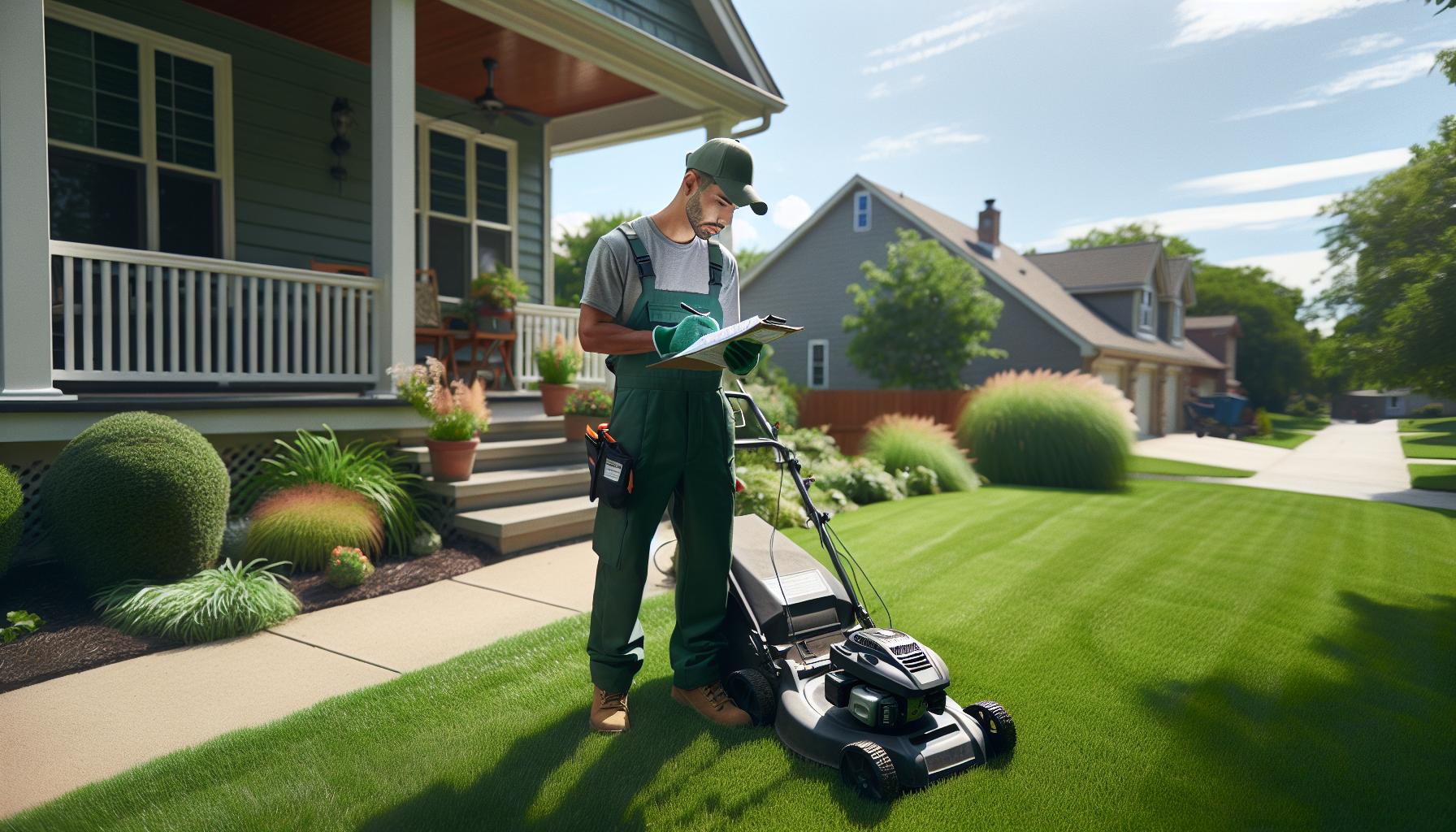
When it comes to claiming lawn care expenses on your taxes, understanding the eligibility criteria is essential. The Internal Revenue Service (IRS) has specific guidelines determining who can benefit from these deductions, and it varies significantly based on the type of property and the purpose of the lawn care work.
Homeowners may often assume they can write off lawn care costs, but typically, expenses related to maintaining a personal residence are considered personal and non-deductible. The IRS views these expenses as part of regular home upkeep. However, there is a notable exception for homeowners who own rental properties. If you employ lawn care services to maintain the exterior of a rental unit, those costs can be deducted as necessary business expenses aimed at preserving the property’s rental value. This includes regularly scheduled maintenance, landscaping improvements, or seasonal services designed to ensure the property remains attractively presented to prospective renters.
For business owners, the landscape changes considerably. Lawn care expenses may be fully deductible if the property is used for business purposes. This is especially true for businesses that rely on maintaining an inviting outdoor environment to attract customers, such as restaurants, retail stores, or offices. Typical deductible services include lawn mowing, fertilization, pest control, and even landscaping projects that serve to enhance the professional image of the business. Business owners should keep detailed records that explicitly connect these expenses to business operations to substantiate their claims during tax season.
Ultimately, whether you’re a homeowner with rental properties or a business owner, fully understanding the nuances of what qualifies for lawn care deductions can optimize your tax situation. Keeping meticulous records of all lawn care expenses and their relation to rental or business operations will support your claims and simplify the filing process come tax time.
Types of Lawn Care Services That Qualify

When it comes to qualifying for tax deductions on lawn care, not all services are created equal. Understanding the specific types of lawn care services that can be claimed is crucial for maximizing your write-offs and ensuring compliance with IRS regulations. Generally, deductions are available for services that relate directly to the maintenance and enhancement of a property’s value, particularly when that property is used for rental purposes or business operations.
Common Qualifying Lawn Care Services
Some services that typically qualify include:
- Lawn Mowing: Routine lawn mowing is essential for maintaining the aesthetic and health of your yard, making it a deductible expense when performed for rental properties or businesses.
- Fertilization and Weed Control: Applying fertilizers, herbicides, or pesticides helps ensure the lawn remains healthy and can be effectively claimed as a business expense.
- Seasonal Clean-Up: Services that include spring and fall clean-ups, mulch application, and leaf removal support the appearance and upkeep of the property, qualifying these costs for deductions.
- Landscaping and Design: Significant landscaping improvements aimed at enhancing the property’s curb appeal or functionality are typically deductible, as they contribute to the investment in rental properties or business reputations.
- Irrigation Services: Installation and maintenance of irrigation systems can be claimed if they serve the purpose of maintaining a healthy lawn, especially in settings that rely on exterior appeal for customer attraction.
Understanding Contextual Qualifications
It’s essential to note that the context in which these services are utilized greatly influences their deductibility. For instance, if a homeowner uses lawn care services strictly for personal enjoyment on their primary residence, those expenses are generally not deductible. However, if those services are required to maintain a rental property, those costs can be written off. Similarly, businesses that rely on the appearance of their outdoor spaces to attract clients and enhance customer experience can deduct those expenses more broadly.
Being meticulous in categorizing these services and demonstrating their business necessity through invoices and contracts will greatly support your claims. By understanding these nuances, both homeowners with rental properties and business owners can confidently navigate their tax deductions related to lawn care services.
How to Document Lawn Care Expenses
Maintaining proper documentation for lawn care expenses is not just a good practice; it’s essential for ensuring you can take advantage of the deductions available on your taxes. Each receipt, invoice, and contract is a potential piece of evidence that can substantiate your claims to the IRS. Starting with detailed records helps create a clear trail that validates your expenses as necessary for maintaining your rental property or business.
To effectively document lawn care expenses, you should keep the following items organized:
- Receipts and Invoices: Collect and maintain copies of all receipts and invoices for services rendered. Ensure they include the date, the nature of the service, the cost, and the provider’s information. This will form the backbone of your documentation.
- Contracts: If you hire a lawn care service on a contractual basis, keep a copy of the contract. This establishes the ongoing nature of your lawn care services and can justify recurring expenses.
- Photographs: Document the state of the lawn before and after services are performed. Photos can visually demonstrate the improvements made and serve as supplementary evidence of work completed.
- Notes on Service Usage: Maintain a simple log of when services were performed and specifically how they relate to your rental property or business goals. This can clarify how the services directly contribute to maintaining or increasing property value.
Additionally, using accounting software or apps can help keep your records organized and accessible. Many programs allow you to take photos of receipts and link them directly to your expenses, creating a comprehensive and easy-to-navigate record system. The goal is to make your documentation thorough enough to support your deductions during tax filing.
Remember, the IRS requires that any deductions claimed be justifiable and linked to income-generating activities. Therefore, being diligent in preserving accurate records not only maximizes your chances of claiming those deductions successfully but also prepares you for potential audits. By following these practices, you can navigate the nuances of claiming lawn care expenses while effectively enhancing your financial position during tax season.
The Impact of Lawn Care on Property Value

Investing in lawn care can significantly enhance the value of your property, making it not only aesthetically pleasing but also a strong asset in the real estate market. Well-maintained lawns can lead to increased curb appeal, which is crucial when it comes to selling or renting a home. According to various market studies, properties with lush, green lawns can sell for up to 15% more than comparable homes with poorly maintained landscaping. This improvement in perceived value is particularly notable in competitive markets where first impressions are vital.
A healthy lawn contributes to the overall ambiance of a property, creating an inviting environment for potential buyers or tenants. Regular lawn care activities, such as mowing, fertilizing, and pest control, not only maintain the lawn’s appearance but also promote robust growth, preventing issues that can lead to more costly repairs down the line. For example, a dying lawn may indicate underlying problems that could deter interested buyers and lower offers. By regularly investing in lawn care services, homeowners can effectively stave off disturbances like pests and diseases that could compromise property value.
Furthermore, a vibrant lawn can positively impact the surrounding ecosystem, aiding in property desirability. Well-kept lawns improve air quality, reduce soil erosion, and support local biodiversity, which can appeal to environmentally conscious buyers. Presenting a property with a well-maintained lawn sends a message that the owner takes pride in their home and is likely to have maintained other essential aspects of the property as well.
Investing in lawn care could also offer tax benefits. If you are renting out a property, the costs associated with maintaining the lawn can be classified as deductible expenses. This includes lawn care services, fertilizers, and other maintenance activities, which helps reduce the overall tax burden while increasing the appeal and market value of your rental property. Keeping detailed records of these expenses will be advantageous not only for maximizing your tax write-offs but also for ensuring that you can showcase your property’s added value to prospective tenants or buyers.
Common Misconceptions About Lawn Care Deductions
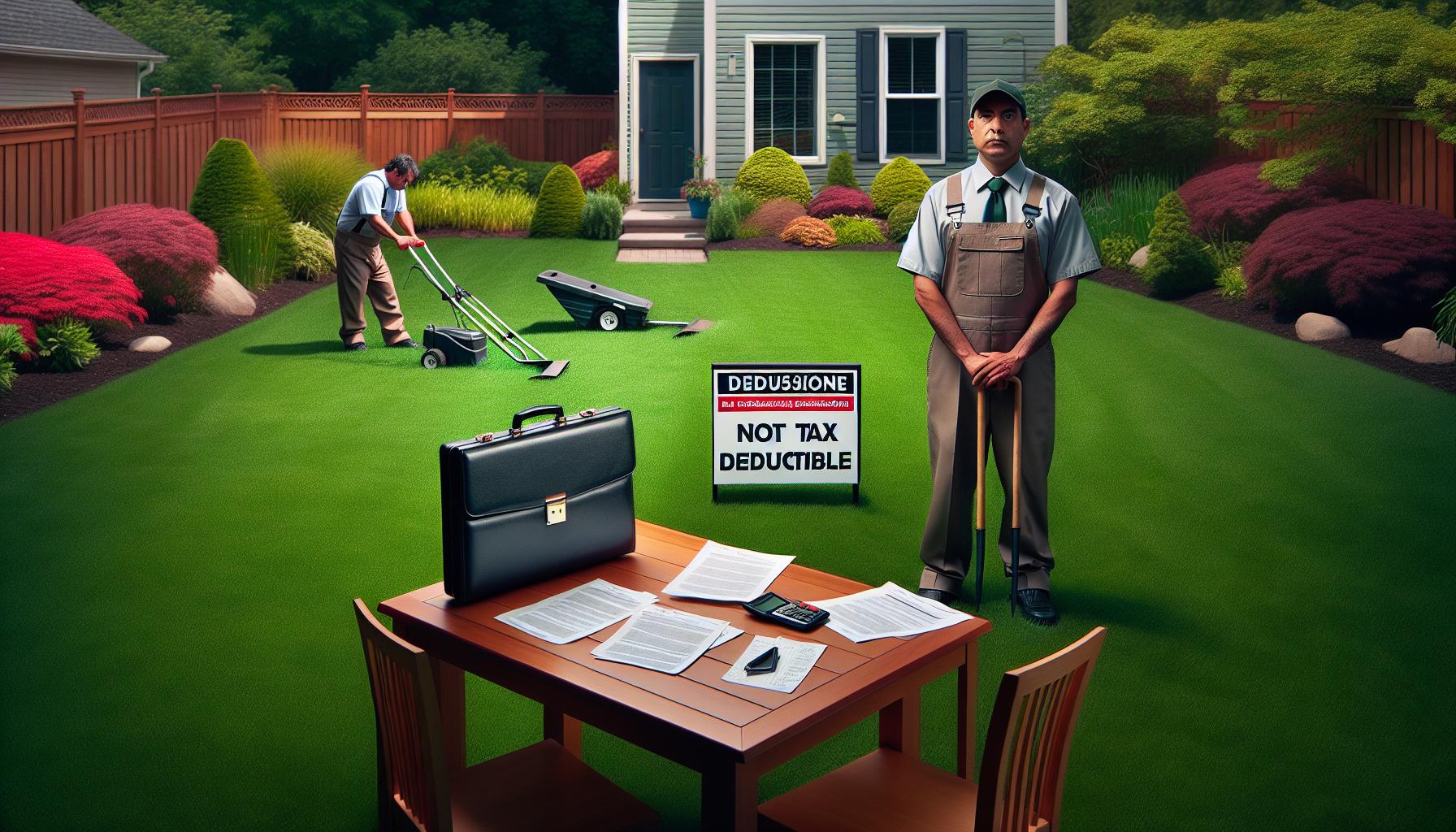
Many homeowners and property investors mistakenly believe that lawn care expenses are universally deductible, leading to confusion and missed opportunities during tax season. One common misconception is that all lawn care costs can be claimed as tax write-offs. However, the eligibility for these deductions is typically limited to specific circumstances. For instance, if the property is purely residential and not rented out, the IRS generally does not allow deductions for maintenance expenses like lawn care, viewing them as personal costs rather than business-related expenses.
Another prevalent myth is that homeowners can claim deductions for any lawn care service. In reality, only expenses associated with generating income can qualify for write-offs. This means that if you are renting out a property, the costs for services such as mowing, fertilizing, or pest control can be categorized as deductible business expenses. Homeowners should be aware that expenses that enhance property value beyond normal maintenance, such as landscaping overhauls, might not qualify for deduction either, as they may be viewed as capital improvements instead.
It’s also a misconception that evidence of lawn care expenses isn’t necessary. Proper documentation is essential when claiming these deductions. Keeping thorough records, including receipts and invoices for all services, ensures you have the necessary proof during tax preparation and in case of an audit. Additionally, some homeowners believe that as long as they perform the lawn maintenance themselves, they can deduct their time or labor; however, personal labor is generally not deductible.
Misunderstanding these nuances can lead to errors in tax filings or worse, audits. Therefore, it’s crucial for homeowners and property owners to recognize the specific conditions under which lawn care expenses can be deducted, and to adopt diligent tracking practices to maximize their tax benefits effectively.
Tax Benefits for Homeowners vs. Business Owners
Homeowners and business owners often find themselves navigating a complex landscape when it comes to claiming tax deductions related to lawn care. Understanding the differences in eligibility can lead to significant savings and strategic financial planning. For homeowners, lawn care expenses are typically deemed personal costs and are not deductible unless the property is used for rental purposes or business. However, any expenses incurred for maintaining a rental property, such as mowing, lawn fertilization, or pest control, are generally considered necessary business expenses and can be deducted.
On the other hand, business owners who operate from a property that has landscaping concerns-be it a storefront, office, or rental property-can fully leverage lawn care expenses. These costs can be treated as operating expenses and can significantly reduce taxable income. It’s important to maintain proper documentation, as thorough records can substantiate claims, providing security in case of an audit.
Here are some key points to consider regarding tax benefits for each group:
- Homeowners: Lawn care expenses are primarily personal and only deductible when related to rental properties.
- Business Owners: Eligible for full deductions on lawn care expenses related to business properties, enhancing profitability.
- Documentation: Both groups must maintain detailed records of expenses to support any claims.
Real-world scenarios illustrate this distinction: a homeowner renting out a portion of their home can deduct the expenses related to lawn maintenance proportional to their rental income. Meanwhile, a business owner operating a landscaping company might find that all related lawn care costs can be fully expensed against their income, optimizing their tax situation while enhancing their business appearance.
Understanding these intricacies allows both homeowners and business operators to make informed decisions and maximize their potential tax benefits.
Filing Taxes with Lawn Care Expenses: Key Steps
Navigating tax deductions for lawn care can be a game changer for homeowners and business owners alike. Understanding the necessary steps to claim these expenses can enhance your financial strategy significantly. Whether you are managing a rental property or running a business from your property, knowing how to file taxes that incorporate lawn care expenses effectively can lead to substantial savings.
To start, gather all of your lawn care-related receipts throughout the year. This includes invoices for lawn mowing, fertilization, landscaping, gutter cleaning, and pest control services. For homeowners using part of their home for rental purposes, it’s essential to track expenses proportionally related to the rented areas. For instance, if you rent out a room and the lawn is used by tenants, you can deduct the corresponding portion of lawn care expenses.
Documenting Your Expenses is crucial in this process. Create a simple spreadsheet or use finance software to record expenses associated with lawn care. Make sure to include dates, service providers, and amounts paid. This documentation will be vital in case of an audit, as having a clear trail of your lawn care expenses supports your claims.
When filing your taxes, utilize Schedule A for itemized deductions if you qualify, while business owners should leverage their business tax return forms, such as Schedule C, to deduct lawn care expenses as a business expense. Depending on your specific situation, consulting IRS guidelines or a tax professional can provide clarity on what can be deducted and ensure you maximize your savings.
Lastly, keep abreast of any changes in tax laws that may affect your deductions. Being informed will help you adapt your strategy, allowing you to claim every eligible deduction and enhance your financial outcomes. Having a solid understanding of how to file taxes involving lawn care expenses not only simplifies the process but can also contribute positively to your overall tax burden.
Maximizing Your Lawn Care Tax Breaks
Navigating the complexities of tax deductions can feel daunting, especially when it comes to specific expenses like lawn care. However, properly maximizing your deductions can lead to significant savings. Start by thoroughly understanding which lawn care services are deductible; common write-off candidates include lawn mowing, fertilizer, and even landscaping for rental properties. To effectively maximize your deductions, ensure you are clear about the portion of your lawn care expenses that relates to income-generating activities, especially if you partially rent out your home.
Record Keeping is Key
Documenting your expenses meticulously cannot be overstated. Keep all relevant receipts and categorize them based on type-mowing, fertilization, pest control, etc. Utilizing a spreadsheet or accounting software, note the date, nature of the service, and the amount paid. This organization not only helps during tax season but also substantiates your claims in the event of an audit. For instance, if you’ve invested in landscaping for a rental property, detail how those expenses enhance the property’s appeal and support tenant satisfaction, reinforcing their relevance as a deduction.
Understanding your Filing Options
When it comes to filing, homeowners should consider using Schedule A for itemized deductions if they qualify, whereas business owners might need to report lawn care expenses through Schedule C on their business tax returns. The potential cross-over between personal and rental property makes understanding the IRS criteria crucial. For example, if a portion of your lawn care enhances an area exclusively used for rental tenants, calculate the pro-rata portion that relates solely to the rental activity to optimize your deduction.
Stay Informed
The tax landscape can change annually based on new legislation or IRS updates, so staying informed is essential. Regularly review IRS publications concerning deductions to ensure you don’t miss out on any eligible expenses. Collaborating with a tax professional can also provide insights tailored to your personal circumstances, helping you discover opportunities that you might have overlooked. This proactive approach to understanding and managing your lawn care tax deductions will not only simplify your tax filing process but also enhance your overall financial strategy.
Avoiding Mistakes When Claiming Lawn Care Deductions
Navigating the nuances of tax deductions for lawn care can be tricky, and many individuals inadvertently make mistakes that can lead to missed opportunities or even penalties. One of the most common missteps is failing to distinguish between personal and business expenses. It’s crucial to remember that only expenses directly related to income-generating activities are deductible. For instance, if you maintain a beautiful lawn solely for personal enjoyment, those costs won’t qualify. However, if you rent out a portion of your home or property, you can claim the relevant portion of lawn care expenses.
Another frequent error arises from inadequate documentation. Receipts can fade or get lost, especially with time, making it challenging to substantiate your claims. To avoid this, establish a systematic way of organizing receipts and invoices. This could be as simple as using a dedicated folder or as sophisticated as digital record-keeping software. Categorize your expenses into specific types like mowing, fertilization, and pest control, and keep detailed notes about each service, including the date and the purpose. This meticulous record-keeping not only prepares you for tax season but also protects you in case of an audit.
Misunderstanding what qualifies as a deductible expense is also a common pitfall. Homeowners sometimes assume that all lawn care activities are eligible, but this isn’t the case. For example, lawn improvement costs may qualify but only if they are directly related to rental property maintenance. Additionally, it’s important to differentiate between standard maintenance and improvements that enhance property value. Improvements that make your property more valuable can often be capitalized rather than expensed, which may affect when and how much you can deduct.
Lastly, don’t overlook the importance of staying informed about tax laws. Changes to tax codes can affect eligibility for certain deductions, so regular reviews of IRS guidelines and updates can make a significant difference. Consulting with a tax professional is highly advisable, as they can provide personalized insights tailored to your situation, helping you to navigate the complexities and maximize your deductions. Remember, a proactive approach to understanding and managing your lawn care tax deductions can streamline your filing process and bolster your financial strategy.
Consulting a Tax Professional for Lawn Care Claims
Navigating the complexities of tax deductions for lawn care can often feel like finding your way through a dense forest. Consulting a tax professional is akin to having a seasoned guide by your side, helping you uncover hidden deductions and ensuring you stay on the path to compliance. Tax professionals possess the expertise to clarify which lawn care expenses are deductible and can assist you in distinguishing between personal and business-related costs. This distinction is crucial because only expenses associated with income-generating properties are typically eligible for tax deductions.
A knowledgeable tax advisor can provide personalized insights tailored to your specific situation, enabling you to maximize your deductions efficiently. For instance, if you operate a rental property, a tax pro can help you determine the proportion of lawn care costs that can be claimed based on the rental status of the property. Additionally, they can assist you with understanding the criteria for renovations versus repairs, which can significantly impact tax filings. A small mistake in this area could result in a denied deduction or a dispute with the IRS, thus emphasizing the importance of expert guidance.
When meeting with a tax professional, come prepared with comprehensive records of your lawn care expenses. This includes various costs such as mowing, fertilization, pest control, and any landscaping improvements you’ve made, complete with receipts and documentation of the services provided. A well-organized approach to presenting your expenses will streamline the interaction and ensure you receive the most informed advice possible. By leveraging their experience, tax professionals can also help you stay updated on changes in tax laws that may affect your eligibility for lawn care deductions, thereby allowing you to make informed decisions moving forward.
Ultimately, while it might seem feasible to manage your tax claims on your own, enlisting the help of a professional can uncover significant savings potential. Tax advisors offer not only clarity but also peace of mind, knowing that you’re effectively navigating the financial intricacies involved in claiming lawn care expenses. Investing in their expertise may pay off in the form of substantial tax savings and reduced stress during tax season.
Q&A
Q: Can homeowners claim lawn care expenses on their taxes?
A: Yes, homeowners can claim lawn care expenses if the work is part of maintaining or improving a home office space or a qualifying rental property. It’s crucial to document all expenses related to the lawn care for accurate deductions. Check the “Eligibility Criteria for Lawn Care Write-Offs” section for more details.
Q: What types of lawn care services are deductible?
A: Deductible lawn care services typically include landscaping, mowing, fertilization, and pest control, specifically if they enhance the property’s value or are necessary for business operations. Refer to the “Types of Lawn Care Services That Qualify” section for more information.
Q: How do I document lawn care expenses for tax purposes?
A: To document lawn care expenses, keep detailed records such as receipts, invoices, and photographs of the services performed. This documentation is essential for validating your claims during tax filing. For further guidance, see the “How to Document Lawn Care Expenses” section.
Q: Can I deduct lawn care expenses if I work from home?
A: If you operate a business from home, you may deduct lawn care expenses related to maintaining the area that enhances your business environment. Ensure you understand the specific IRS requirements regarding home business deductions to maximize your benefits.
Q: Are there any common misconceptions about lawn care tax deductions?
A: A common misconception is that all lawn care expenses are deductible. In reality, only those directly related to business use or specific property improvements qualify. It’s important to review the “Common Misconceptions About Lawn Care Deductions” section for clarity.
Q: What is the impact of lawn care on property value regarding tax deductions?
A: Landscaping and regular lawn maintenance can significantly enhance property value, making it easier to justify deductions. Understanding how these improvements influence your home’s appraisal can help maximize your write-offs; see “The Impact of Lawn Care on Property Value” for more insights.
Q: How can I maximize my lawn care tax breaks?
A: To maximize your tax breaks from lawn care, maintain meticulous records of all related expenses and ensure that the lawn care contributes to property or business value. Consult the “Maximizing Your Lawn Care Tax Breaks” section for additional strategies.
Q: Should I consult a tax professional about lawn care claims?
A: Yes, consulting a tax professional is advisable to navigate the complexities of lawn care deductions effectively. They can provide tailored advice based on individual circumstances and ensure compliance with tax laws. Check out the “Consulting a Tax Professional for Lawn Care Claims” section for more information.
Future Outlook
As you navigate the complexities of tax write-offs, remember that claiming lawn care expenses could be a viable option for you. Take the time to consult with a tax professional to ensure you maximize your deductions effectively. Interested in more ways to enhance your financial knowledge? Explore our guides on tax deductions for homeowners and financial planning tips for invaluable insights.
Don’t miss out on your chance to optimize your lawn care expenses-start organizing your receipts and consider how your lawn maintenance can benefit your taxes this year. Share your thoughts or experiences in the comments below; we love hearing from you! For ongoing updates and expert advice, subscribe to our newsletter and stay informed on all things tax-related and beyond. Your financial future is worth it!