Did you know that many homeowners are faced with the dilemma of a dead car battery at the most inconvenient times? While reaching for the standard car jumper cables may be the first instinct, it’s important to consider all available options. One that often piques curiosity is using a lawn mower battery to jump-start your vehicle. This leads to the pressing question: Is it safe? In this article, we’ll explore the feasibility of using a lawn mower battery for your car and the potential risks involved. Understanding this process not only prepares you for unexpected situations but also helps ensure your safety and the integrity of your vehicle’s electrical system. Stay with us as we uncover the details you need to make an informed decision!
Can a Lawn Mower Battery Jump Start My Car?
A common question among DIY enthusiasts and those who find themselves in a pinch is whether a lawn mower battery can successfully jump-start a car. The answer is nuanced, as it depends on a variety of factors including the specifications of the battery and the condition of the car’s battery. Most lawn mower batteries, typically 12-volt lead-acid types, can indeed provide enough power to start a small car, particularly if the car battery is not entirely dead. However, this method should be approached with caution, as mismatches in amperage can lead to complications.
When considering the practicality of using a lawn mower battery, it’s important to note that mower batteries typically have a lower cold cranking amperage (CCA) compared to car batteries. This makes them less capable of providing the necessary burst of power that many engines require to start, especially in colder conditions. If the car battery is merely weak rather than completely dead, a lawn mower battery might suffice for a jump. As a rule of thumb, it’s best to evaluate the condition of both batteries before proceeding.
Compatibility and Safety: The terminals on both batteries need to match, and the connections should be secure to avoid sparking. Additionally, ensure that the mower battery is fully charged prior to attempting the jump. Safety precautions are paramount; if either battery demonstrates damage or is leaking, it’s advisable to avoid using them entirely.
In conclusion, while it is technically feasible to jump-start a car with a lawn mower battery, one should weigh the limitations and ensure all safety measures are in place. For better reliability, especially in urgent situations, reaching for a standard car battery or dedicated jump starter is typically a wiser choice.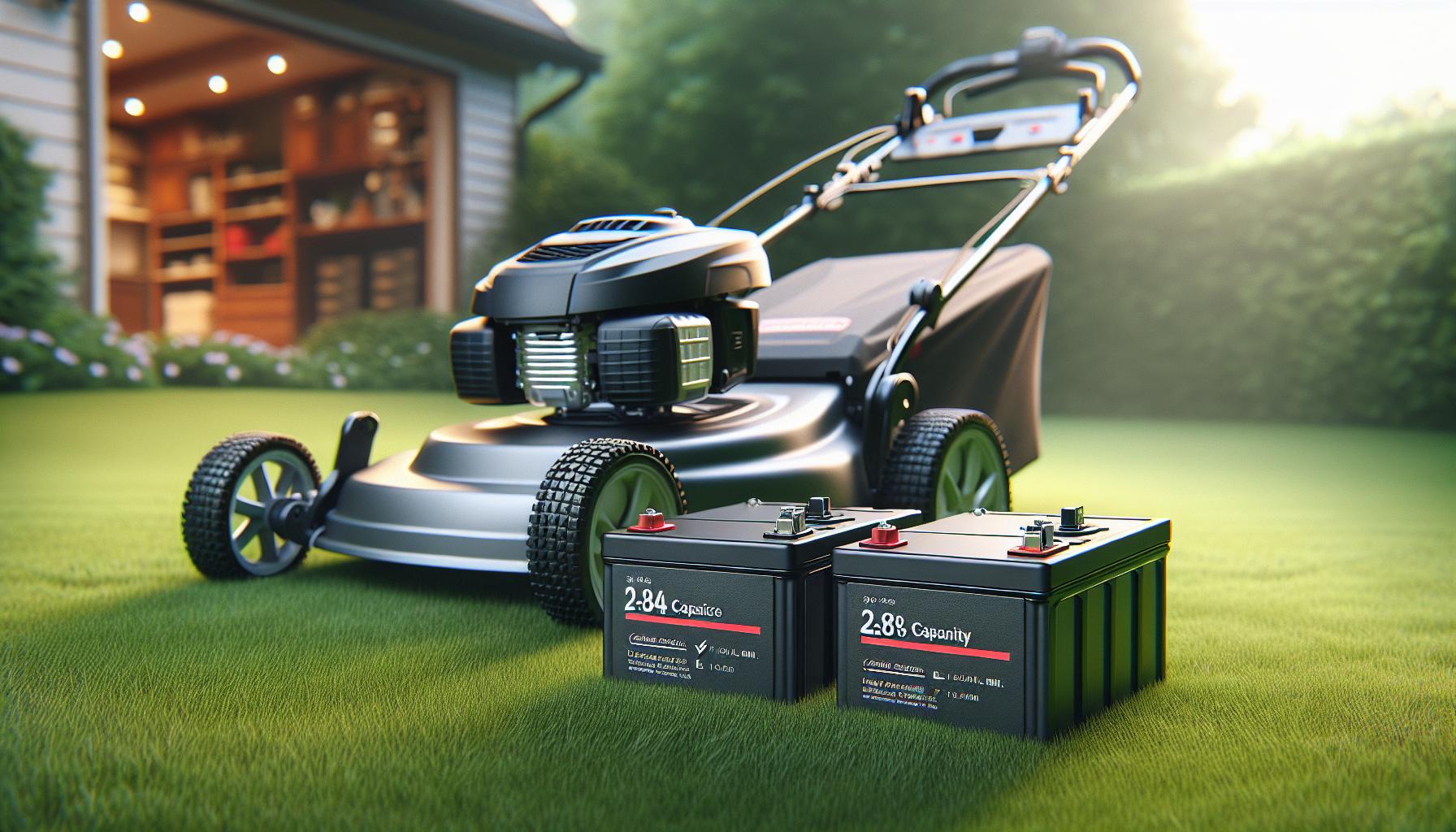
Understanding Lawn Mower Battery Specifications
When considering using a lawn mower battery to jump-start a car, understanding the specifications of lawn mower batteries is crucial for making an informed decision. Typically 12-volt lead-acid batteries, lawn mower batteries are designed with specific characteristics that differentiate them from standard automotive batteries. One of the primary metrics to consider is the cold cranking amperage (CCA)-the measure of a battery’s ability to start an engine in cold temperatures. Most lawn mower batteries have a lower CCA, often ranging from 150 to 250 amps, while standard car batteries usually offer 400 to 800 amps. This discrepancy can significantly affect the lawn mower battery’s ability to provide the sudden surge of energy required to start a vehicle.
Furthermore, it’s important to consider the overall capacity and design of the lawn mower battery. Lawn mower batteries are often built to sustain a steady discharge over an extended period to power electric starting and accessory systems, whereas car batteries provide quick bursts of power to start an engine. This disparity in design means that while a lawn mower battery can potentially jump-start a car, it may struggle to do so, especially under demanding conditions such as extremely low temperatures or if the car battery is severely drained.
In addition, the physical size and terminal configuration of lawn mower batteries can also present compatibility issues. Standard car batteries use a specific terminal arrangement that may not align with those found on a lawn mower battery, necessitating proper adapters or cables for a successful connection. Before attempting to use a lawn mower battery for jump-starting, examining both the condition of your car’s battery and ensuring that the connections are secure is vital.
Ultimately, while a lawn mower battery can sometimes serve as an emergency power source, knowing its specifications and limitations can help prevent unexpected failures and ensure safety during the process.
Safety Considerations When Jump Starting
When venturing into the realm of jump-starting a car with a lawn mower battery, it’s essential to prioritize safety. While it may seem like a practical solution in a pinch, the process involves risks that should not be overlooked. Improper handling of battery connections can lead to electrical sparks, which pose a significant fire hazard. Moreover, if the connection is made incorrectly, it can lead to battery damage or even injury from acid leaks or short circuits.
First and foremost, it’s crucial to ensure that both batteries (the lawn mower and the car) are compatible and in good condition. Check the voltage of the lawn mower battery-most are 12 volts-but confirm its charge status and health before proceeding. If the lawn mower battery shows signs of damage, such as swelling or corrosion, it’s best to avoid using it altogether. Proper personal protective gear, including gloves and safety goggles, can also help protect against accidental acid spills or electrical shorts.
Additionally, the location of the jump-starting process should be considered. Jumper cables should be used in a well-ventilated area free from flammable materials. Ensure that the vehicles are positioned close enough for the cables to connect without unnecessary stretching or bending, which could lead to connection failures. When connecting the cables, always follow the correct sequence: begin with the positive terminals before moving to the negatives. This sequence minimizes the risk of sparks and helps maintain safety during the jump-start process.
In summary, while using a lawn mower battery can serve as an emergency measure for jump-starting a car, keeping safety at the forefront is vital. By verifying battery conditions, using proper protective measures, and adhering to established connections, you can substantially reduce the risks involved. Remember, if uncertainty arises at any step, seeking professional assistance is a wise choice that can prevent potential mishaps.
Step-by-Step Guide to Jump Starting with a Lawn Mower Battery
When faced with a dead car battery and no conventional jump-starting option in sight, a lawn mower battery can appear as a lifeline. This alternative may seem unconventional, but with the right knowledge and precautions, it’s a potential remedy for getting your vehicle up and running. However, it’s crucial to perform the process correctly to avoid hazards and ensure a successful jump-start.
To begin, gather the necessary equipment: a set of jumper cables and, of course, the lawn mower battery. Ensure both batteries are similar in voltage; most lawn mower batteries are 12 volts, which is compatible with many cars. Once you’ve confirmed this compatibility, position the mower and car so that they are close together, providing enough space to connect the jumper cables comfortably.
Next, follow these steps for the jump-start process:
- Turn Off All Electrical Components: Before making any connections, turn off everything in both vehicles, including headlights and radios, to prevent surges.
- Connect the Jumper Cables: Start with the positive (red) cable. Attach one end to the positive terminal of the lawn mower battery, and then connect the other end to the positive terminal of the car battery.
- Attach the Negative Cable: Connect the negative (black) cable to the negative terminal of the lawn mower battery. For the car battery, instead of connecting it directly to the negative terminal, attach it to a well-grounded metallic surface away from the battery (like a bolt on the engine). This step reduces the risk of sparks occurring near the battery.
- Start the Lawn Mower: Start the lawn mower and let it run for a few minutes to allow it to transfer power. Monitor the situation closely; if there’s an unusual smell or any signs of overheating, disconnect the cables immediately.
- Try Starting Your Car: After a few minutes, attempt to start your car. If it starts, let it run for a while to recharge its battery. If not, check the connections and repeat if necessary.
- Disconnect the Cables: Once the car is running, reverse the sequence to disconnect the cables: remove the negative from the car, then the negative from the lawn mower, followed by the positive from the car, and finally the positive from the lawn mower.
- Store Equipment: Safely store the cables and any other equipment you used.
Utilizing a lawn mower battery for jump-starting can be a useful skill when traditional options aren’t available. Always prioritize safety by taking the time to check for potential hazards and ensure all connections and equipment are in good working order. With careful execution, this method can provide a practical solution in your time of need.
Potential Risks and Common Misconceptions
Jump-starting a car with a lawn mower battery can be a practical solution in urgent situations, but it comes with potential risks and several misconceptions that can lead to unexpected consequences. Many people mistakenly believe that any battery, regardless of its size or intended use, can seamlessly jump-start a car. While lawn mower batteries typically provide enough voltage to be compatible with most vehicles, they often lack the capacity to deliver the necessary cold cranking amps (CCA) required to start a car with a dead battery. This limitation can create frustration if you’re counting on the mower battery to effectively power the vehicle before realizing it may not have the strength needed.
Another common misconception is that the jump-starting process is universally safe, which can lead to serious hazards if proper procedures are not followed. Connecting the cables improperly can cause sparks or short-circuits, potentially damaging both the car’s and the lawn mower’s electrical systems. More critically, if the lawn mower battery is old, damaged, or not sufficiently charged, attempting to use it for jump-starting could lead to overheating or even battery failure, creating a risk of fire or explosion. Therefore, always inspecting the battery’s condition before use and ensuring it is charged and in good health is essential.
To mitigate risks, it’s beneficial to follow a detailed and careful procedure for jump-starting. Many people underestimate the importance of grounding the negative cable away from the battery, a step that reduces the likelihood of sparks when connecting the cables. This practice is crucial because it minimizes potential hazards that might arise from battery gases igniting. Having a backup plan and considering alternative jump-starting methods, such as using a reliable jump starter pack or calling for professional assistance, is also wise, especially if using the lawn mower battery seems uncertain.
By being aware of these risks and misconceptions, readers can enhance their understanding and approach to jump-starting their vehicles using a lawn mower battery, ultimately leading to safer and more effective outcomes.
Comparing Lawn Mower Batteries to Standard Car Batteries
Jump-starting a vehicle using a lawn mower battery may seem like a feasible option in a pinch, but it’s essential to understand the significant differences between lawn mower batteries and standard car batteries. Lawn mower batteries, typically smaller and less powerful, are designed for specific voltages and purposes that differ greatly from the demands of a car battery. This disparity raises questions about performance, capacity, and safety.
First, it’s vital to recognize that lawn mower batteries usually have a voltage of 12 volts, which is compatible with most car batteries. However, the key differentiator lies in the cold cranking amps (CCA). Standard car batteries are engineered to provide a high burst of current to start a vehicle, often within the range of 300 to 800 CCA or more, depending on the vehicle’s requirements. In contrast, lawn mower batteries typically deliver anywhere from 150 to 250 CCA. This lower capacity can mean that while a lawn mower battery may technically work to start a car, it might not have the power needed to crank a larger engine effectively, especially in colder weather or if the car’s battery is significantly drained.
When comparing the two battery types, safety also becomes an important consideration. Car batteries are built to withstand frequent cycles of charging and discharging, providing durability and reliability for automotive applications. On the other hand, lawn mower batteries, primarily designed for intermittent use, may not handle the demands of a vehicle’s ignition system as well. This mismatch can lead to overheating from overuse. Furthermore, if a lawn mower battery is older or in poor condition, attempting to jump-start a vehicle could lead to riskier scenarios, such as battery leakage or swelling, which further complicates the situation.
In practical terms, here are a few points to consider:
- Capacity: Car batteries have a higher CCA, required for starting larger engines.
- Design Purpose: Lawn mower batteries are optimized for low-drain, short bursts of power, making them less suited for vehicles.
- Safety Risks: Using a lawn mower battery not meant for prolonged use can lead to malfunctions or battery failure.
By understanding these differences, vehicle owners can make informed decisions when considering jump-start options, ensuring safer practices and better outcomes when encountering battery issues.
When to Consider Alternative Jump Starting Methods
Consider exploring alternative jump-starting methods if you find yourself with a dead car battery and a lawn mower battery on hand. While the idea of using a lawn mower battery might seem like a quick fix due to their similar voltage, the reality is that lawn mower batteries lack the necessary cold cranking amps (CCA) to effectively start most vehicles. If the car’s battery is significantly drained or if you’re in colder conditions, a lawn mower battery likely won’t provide enough power for a reliable start.
In situations where you need a jump start, prioritize the use of a standard car battery or a jump starter specifically designed for automotive use. Modern portable jump starters are lightweight, compact, and can deliver ample power without the risks associated with mismatched battery types. These devices often come with built-in safety features that protect against short circuits and overheating, providing peace of mind while ensuring a successful jump start.
Additionally, if you have the option, seeking help from another vehicle is recommended. Connecting your car to one with a fully charged battery can provide the necessary power surge to get your engine running again. Always ensure to follow proper jump-starting protocols to prevent any potential electrical issues that may arise from using batteries not designed for the task.
Finally, consider the long-term health of your vehicle’s battery. If you frequently find yourself needing a jump start, it might be a signal that it’s time to replace the battery altogether. Investing in a quality battery can save you time, hassle, and potentially costly repairs down the road. Engaging with these alternatives not only ensures safer outcomes but also enhances your overall understanding of vehicle maintenance.
Maintaining Your Lawn Mower Battery for Optimal Use
Maintaining the longevity and effectiveness of your lawn mower battery is essential, especially if you find yourself relying on it for unexpected situations, such as jump-starting a car. A well-maintained battery not only boosts your mower’s performance but can also serve as a backup power source when you’re in a bind. Here are some practical tips to ensure optimal use of your lawn mower battery.
Start by regularly checking the battery’s charge level, especially before the mowing season begins. Lawn mower batteries should be kept fully charged to avoid sulfation, a common issue where lead sulfate crystals form on the battery plates, reducing capacity. Consider investing in a battery maintainer, which can stay connected to the battery while it’s stationary. This device prevents over-discharge and ensures the battery is ready for action at a moment’s notice.
It’s also crucial to keep the battery terminals clean. Dirt and corrosion can result in poor connections, leading to inefficiencies. Use a mixture of baking soda and water to clean the terminals, taking care to disconnect the battery first. Additionally, inspect the battery case for cracks or leaks, as these can compromise performance. If you notice any signs of physical damage or a decline in charging capacity, it may be time to consider a replacement.
When it comes to seasonal maintenance, store your lawn mower in a cool, dry place during the off-season. Extreme temperatures, especially cold weather, can shorten a battery’s life. If possible, remove the battery and store it indoors, ensuring it remains charged throughout the winter. Regularly checking on the battery’s condition during this time will allow you to catch any potential problems early on.
By adhering to these maintenance tips, you’ll not only extend the life of your lawn mower battery but also enhance its reliability for tasks beyond mowing, such as jump-starting your vehicle. A well-cared-for battery can provide peace of mind, ensuring you’re prepared when unexpected situations arise.
Expert Tips for Successful Jump Starts
When faced with a dead car battery, the thought of using a lawn mower battery for a jump start presents a convenient backup solution, especially when conventional jumper cables are unavailable. However, performing this task requires a methodical approach to ensure safety and success. Here are some expert tips that can make the jump-starting process smooth and effective.
One of the first things to consider is the specifications of both batteries. Lawn mower batteries typically have lower cranking amps compared to standard car batteries, which can make them less effective at starting a vehicle. Before you proceed, confirm that your lawn mower battery is fully charged and in good condition. This increases the chances of delivering sufficient power to start the car. If possible, check the voltage of both batteries using a multimeter to ensure compatibility. A fully charged lawn mower battery should read around 12.6 volts or more.
Preparation is Key
Ensure both the lawn mower and the car are turned off before making any connections. Start by connecting the positive terminal of the lawn mower battery to the positive terminal of the car battery. Then, connect the negative terminal of the lawn mower battery to a grounded metal surface on the car (such as a bolt on the engine block), rather than directly to the negative terminal of the car battery. This helps prevent sparks and reduces the risk of explosion if any hydrogen gas is emitted from the car battery.
Aftercare
Once the car starts, promptly disconnect the cables in the reverse order. First, remove the negative cable from the car, then detach the negative from the lawn mower battery, followed by the positive cable from the car and lastly the positive from the lawn mower. Allow the car to run for a while to charge its battery further. Remember, it’s crucial to monitor the lawn mower battery’s performance after jump-starting to ensure it wasn’t overtaxed, which could lead to early wear.
Know Your Limits
If your car battery doesn’t start after a couple of attempts with the lawn mower battery, refrain from trying excessively, as this can drain the lawn mower battery or damage the components. In such cases, it may be worth considering alternative jump-starting methods or calling for roadside assistance if available.
By following these tips, you can navigate the jump-starting process with confidence and ensure safety alongside practicality. A well-informed approach can leverage the convenience of your lawn mower battery effectively, especially during unexpected moments.
Signs Your Car’s Battery Needs Replacement
Experiencing a stubborn failure to start your car can be frustrating, but there are signs that may indicate it’s time to consider replacing your car’s battery. Understanding these signs can save you from being stranded and allow for more proactive car maintenance. One key indicator is the age of the battery. Most car batteries last between three to five years. If yours is approaching this age and you notice performance issues, it’s wise to evaluate its condition.
Another telltale sign is the engine cranking slowly. If you notice that when you turn the key, the engine takes longer than usual to start or sounds labored, this may suggest that the battery is losing its ability to hold a charge effectively. Additionally, if you see dim lights on the dashboard or exterior lights flicker while starting the vehicle, it can be a sign of insufficient power from the battery.
Other Notable Symptoms
- Corrosion: Check for white, ashy deposits on battery terminals. This corrosion can impair the battery’s ability to transfer power.
- Recurring Jump Starts: If you frequently find yourself needing to jump-start your vehicle, it’s a clear warning signal that the battery might not be up to the task.
- Check Engine Light: Occasionally, this light can indicate battery issues. If it illuminates, have your battery and electrical system tested.
By staying vigilant for these signs, you can avoid unexpected vehicle breakdowns and ensure that your car remains reliable. Routine maintenance checks and testing, especially as the winter months approach, can help you catch potential issues early and maintain optimal battery performance. If you’re in doubt about your battery’s health, consider having it tested by a professional to determine if a replacement is necessary.
Additional Tools for Jump Starting Your Vehicle
When dealing with a dead battery, having the right tools can make all the difference in successfully jump-starting your vehicle. While many people rely on traditional jumper cables, there are additional tools that can enhance the process and ensure safety. For instance, a portable jump starter, which is a compact battery pack designed specifically for starting vehicles, can be incredibly useful. Not only does it remove the complications of connecting to another vehicle’s battery, but it also allows you to jump-start your car even if no one else is around to help.
Another essential tool is a set of battery clamps with built-in LED indicators. These clamps provide visual feedback on battery connection and power transfer, reducing the risk of incorrect connections that could lead to battery damage or personal injury. If you often find yourself jump-starting vehicles, a dedicated jump starter with additional functionalities such as built-in air compressors or smartphone charging capabilities can be a handy investment. These multifunctional devices not only serve immediate jump-start needs but also provide supplementary power for other gadgets when you’re in a pinch.
Preparation is also key. Keeping a set of gloves and safety glasses can help protect you from acid or debris while handling batteries. Additionally, having a flashlight on hand is invaluable, especially if you find yourself needing to perform a jump-start at night or in poorly lit conditions. In summary, investing in quality tools not only simplifies the process of jump-starting your vehicle but also prioritizes your safety, allowing you to handle battery emergencies with confidence and ease.
Frequently asked questions
Q: Can a lawn mower battery effectively start a car?
A: While a lawn mower battery can start a car under specific circumstances, it is generally not recommended due to lower capacity and power compared to car batteries. If you must try it, ensure that both batteries are compatible and follow safety guidelines outlined in your jump-starting method.
Q: What are the differences between a lawn mower battery and a car battery?
A: Lawn mower batteries are typically smaller and have a lower cold cranking amp (CCA) rating than car batteries. They are designed for short bursts of power rather than sustained energy needs, making them less suitable for vehicles requiring higher starting power.
Q: Is it safe to jump-start my car with a lawn mower battery?
A: Jump-starting your car with a lawn mower battery can be risky. If the mower battery is not powerful enough, it may fail or damage the connected systems. Always assess voltage and CCA ratings before attempting this method, a
Closing Remarks
In summary, while using a lawn mower battery to jump your car is possible, it’s essential to weigh the limitations and safety precautions involved. If you’re considering this method, ensure you have a clear understanding of your battery’s capability and your vehicle’s requirements. For more insights on battery comparisons, check out our articles on “Understanding Battery Types” and “How to Safely Jumpstart Your Vehicle” for further guidance.
Act now-if you’re experiencing car troubles, explore our selection of high-quality batteries to find the perfect fit for your needs! Don’t forget to subscribe to our newsletter for the latest tips and tricks on automotive care. Engaging with us means you’ll be equipped with reliable information to make informed decisions. Feel free to share your experiences in the comments below, and let’s keep the conversation going! Your next step toward hassle-free vehicle maintenance is just a click away.