
Maintaining your lawn mower is crucial for keeping your yard in pristine condition, and oil plays a vital role in its performance. Many lawn care enthusiasts often wonder if they can use 10W30 car oil in their lawn mowers. While this type of oil is popular for vehicles, its compatibility with small engines requires careful consideration. Using the right oil not only enhances the mower’s efficiency but also extends its lifespan, saving you time and money in repairs. If you’ve ever faced the dilemma of which oil to choose for your mower, you’re not alone. In this article, we’ll explore whether 10W30 car oil is a viable option and what factors you should take into account to ensure your equipment runs smoothly. Dive in to discover essential insights that could impact your lawn care routine!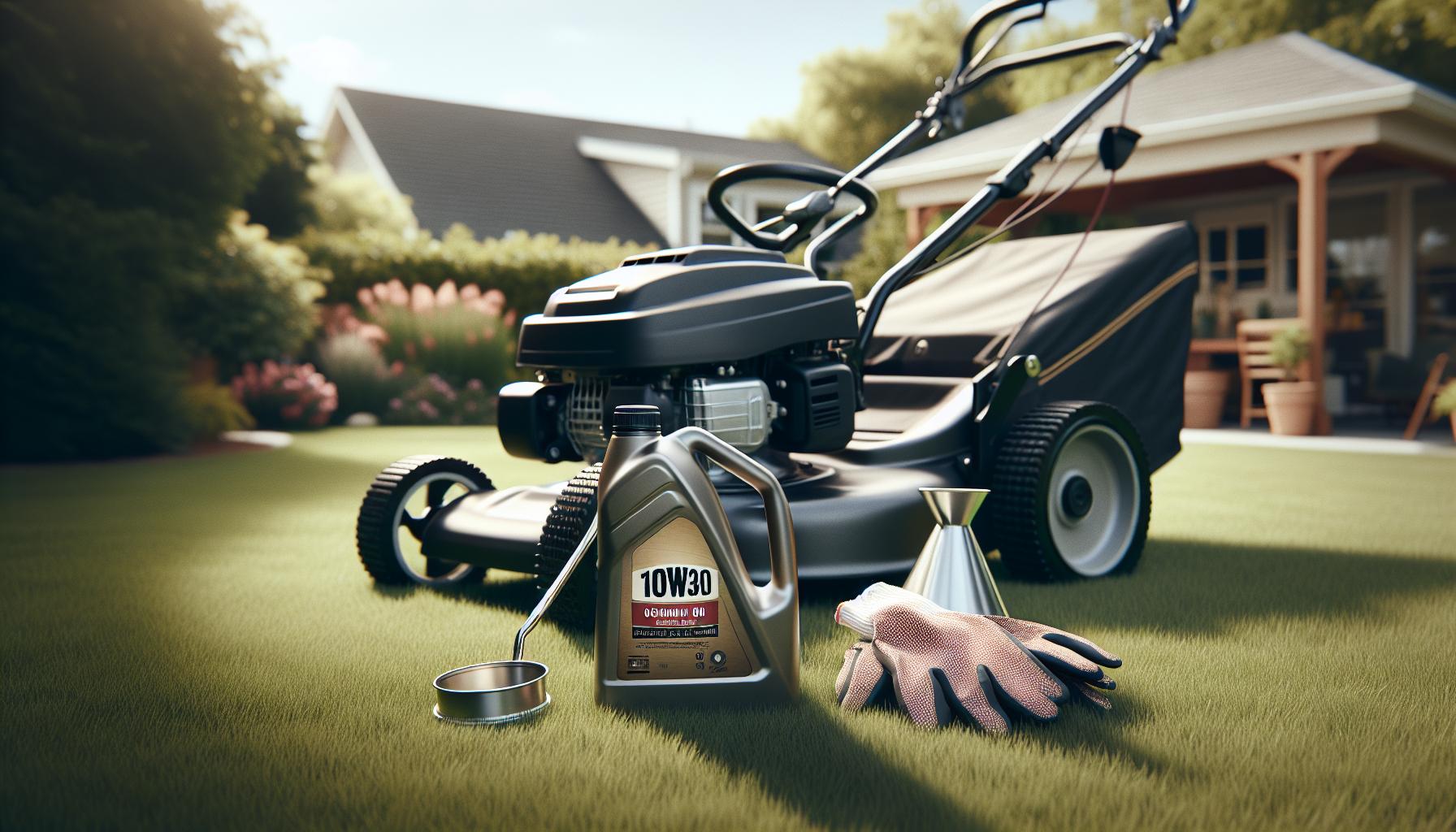
Can I Use 10W30 in My Lawn Mower? Key Considerations
Using 10W30 oil in your lawn mower can raise important considerations for both performance and longevity of the engine. Many homeowners are tempted to use car oils, particularly 10W30, due to their widespread availability and perceived convenience. However, it’s essential to understand that lawn mower engines are specifically designed with different requirements than automotive engines. While 10W30 oil may technically work in many mowers, it’s not always the best choice.
One crucial factor to take into account is the viscosity rating of 10W30. This oil behaves like a winter (W) 10-weight oil at low temperatures and a 30-weight oil as the temperature rises. Consequently, if your lawn mower operates in high temperatures or under heavy loads, 10W30 may not provide sufficient protection and lubrication. Manufacturer specifications often recommend oils specifically formulated for lawn mowers, which typically contain additives designed to withstand the unique demands and operating conditions present in small engines.
It’s also essential to consider manufacturer guidelines regarding oil type and requirements. Using 10W30 could void warranties or lead to engine issues down the line. Always consult your lawn mower’s owner’s manual to see what type of oil is recommended. If 10W30 is not mentioned, it’s wise to stick with the specified oil type to ensure optimal performance and maintenance of your equipment.
In summary, while you can use 10W30 in your lawn mower, doing so may not be the most beneficial decision for the engine’s health and performance. When in doubt, opt for oils specifically formulated for small engines, which can offer better protection and longevity for your lawn mower.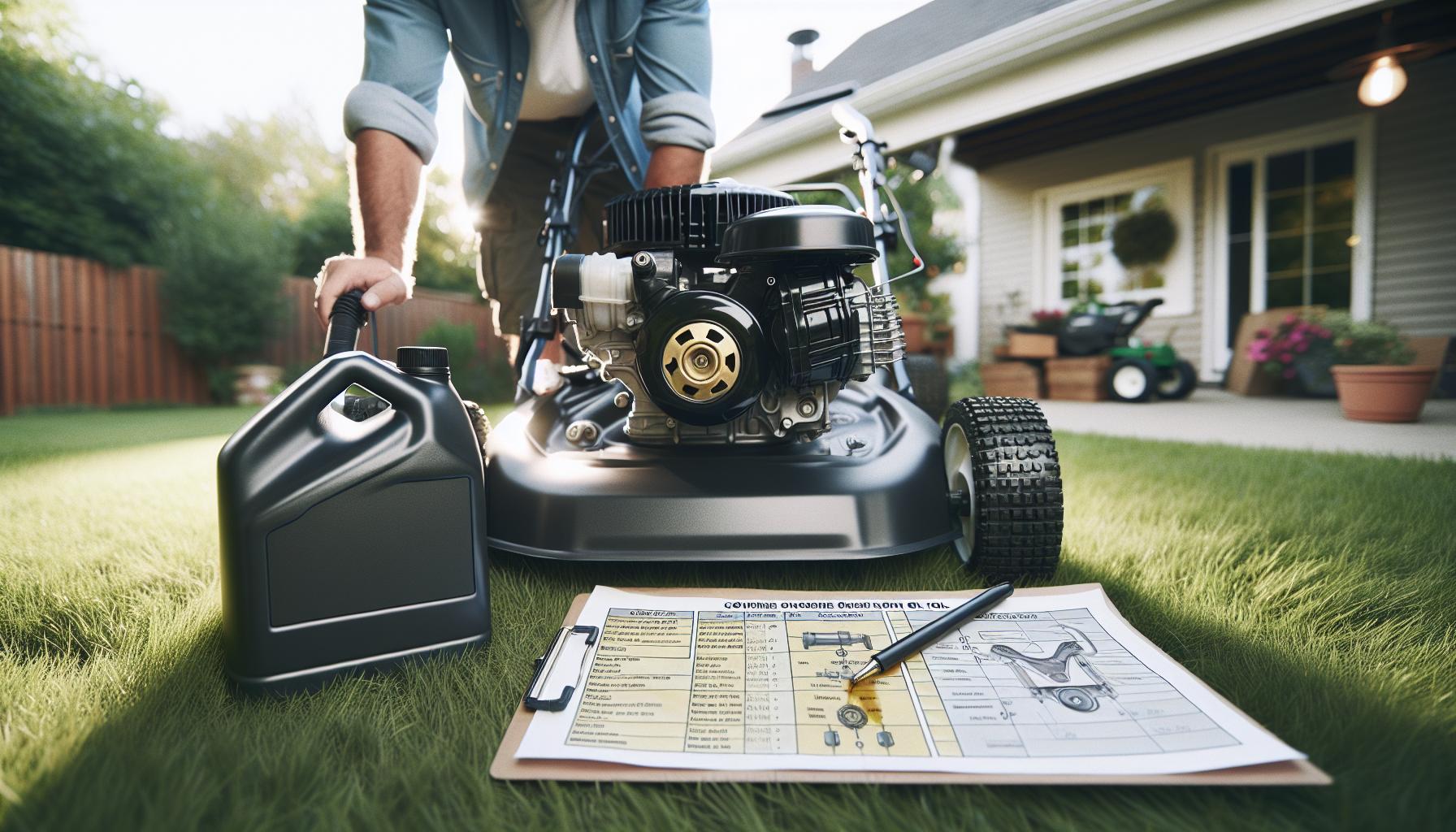
Understanding Lawn Mower Engine Types and Oil Requirements
The performance and longevity of a lawn mower greatly depend on the engine type and the oil used. Understanding the intricate differences between lawn mower engines and car engines is crucial for making informed choices about oil compatibility. Unlike many automotive engines that operate at higher RPMs and are designed for diverse driving conditions, lawn mower engines are typically small, air-cooled, four-stroke engines. These engines are engineered to handle varied workloads, from light trimming to heavy-duty mowing, and therefore require oils that cater specifically to their operational demands.
Lawn mower engines usually operate under specific temperature ranges and pressures, necessitating oils with different viscosity characteristics compared to car oils. For instance, most manufacturers recommend using detergent oils formulated for small engines. These oils often contain unique additives that help combat the effects of dirt, moisture, and heat, which are prevalent during typical lawn maintenance tasks. Using automotive oils like 10W30 may not provide the necessary protective qualities needed under such conditions.
Understanding the oil requirements of your specific mower is essential. The owner’s manual typically includes recommendations on oil types and viscosity grades that ensure optimal engine performance. It’s important to follow these guidelines strictly, as using an oil that does not meet the manufacturer’s specifications can lead to increased wear and tear, affecting the mower’s efficiency. Moreover, since some warranties stipulate adherence to recommended oil types, failing to comply could potentially void these protections.
In practice, many users find that sticking to the oils specifically designed for lawn mowers can prevent future headaches with engine performance. These oils are often labeled as being suitable for outdoor power equipment, displaying compatibility with various environmental conditions. By choosing an oil that aligns with your mower’s engine type and requirements, you can enhance not only the lifespan of the equipment but also ensure a more reliable mowing experience.
10W30 Car Oil: Properties and Performance Explained
While the allure of using readily available 10W30 car oil might seem convenient for lawn mower maintenance, understanding its properties and performance is critical in determining its suitability for small engine applications. 10W30 is a multi-viscosity oil primarily designed for automotive engines, which operate under different conditions compared to the robust, compact engines typically found in lawn mowers. This distinction is crucial as it impacts both lubrication effectiveness and engine longevity.
One notable characteristic of 10W30 oil is its viscosity rating, which indicates how well the oil flows and provides protection at different temperatures. The ’10’ denotes its performance at lower temperatures, while ’30’ describes its viscosity at operating temperature. This oil is formulated with a blend of base oils and additives, such as detergents and anti-wear agents, aimed at protecting car engines, especially under high-revving and varying load conditions. However, lawn mower engines, which operate at lower RPMs and often experience a different heat distribution and pressure dynamics, can suffer from inadequate lubrication if automotive oils are used long term.
Another key factor is the presence of additives in 10W30 oil. These additives are designed for automotive applications, where engines are subjected to diverse conditions like stop-and-go traffic or rapid acceleration. In contrast, lawn mowers typically run at a consistent speed with less variation in load. Consequently, some of the protective properties of 10W30 may not translate well to the specific requirements of lawn mower engines, potentially leading to increased wear over time. Furthermore, the detergents in car oils may not be as beneficial in a lawn mower setting, which could result in excessive engine deposits and wear.
In summary, while using 10W30 car oil in your lawn mower may seem like a quick fix, the potential discrepancies in performance can lead to significant mechanical issues in the long run. It’s always recommended to refer to your mower’s owner’s manual for the appropriate oil specifications, ensuring that you use a product designed specifically for small engines. This choice not only caters to the unique operational demands of lawn mowers but also ultimately promotes a longer-lasting and more efficient machine.
Comparing Car Oil and Lawn Mower Oil: What You Need to Know
When considering whether to use 10W30 car oil in your lawn mower, it’s important to recognize the fundamental differences between car oil and small engine oil. Oil types are formulated to meet the specific needs of engines they are intended for, and using the wrong type can lead to performance issues or even engine damage. Car oils like 10W30 are typically designed for high-revving engines that operate under varying loads and temperature conditions, such as those found in automobiles. In contrast, lawn mower engines usually run at a steady pace with a fixed workload, exposing them to different lubrication needs.
One of the most significant distinctions lies in the composition of the oils. Car oils, including 10W30, often contain a variety of additives aimed at combating the challenges faced by automotive engines, such as sludge and varnish build-up due to high heat and contaminants found in city driving. These additives, while very effective in cars, may not provide the same benefits for lawn mowers. The less complex operational environment of a lawn mower engine means it may not require the robust formulation of an automotive oil, leading to potential issues like premature wear or the buildup of deposits.
Moreover, the viscosity ratings in these oils reflect differing operational requirements. The ’10’ in 10W30 refers to the oil’s ability to flow at lower temperatures, which is essential for starting car engines in cold weather. Lawn mowers, however, may not operate under such variable conditions, and their engines are designed to function well with oils crafted specifically for their unique demands. Using a common automotive oil could result in inappropriate lubrication properties, ultimately affecting engine life and efficiency.
In summary, while 10W30 may seem like an accessible and convenient choice, it is crucial to stick to oils specifically formulated for lawn mowers. Always check your mower’s owner manual for manufacturer recommendations. This ensures that your equipment operates as intended, leading to better performance and longevity, and peace of mind regarding maintenance.
Potential Risks of Using 10W30 in Lawn Mowers
Using 10W30 car oil in a lawn mower may seem like a quick and convenient option, but it can lead to significant problems that could damage your equipment in the long run. One of the primary concerns is related to the formulation of car oils compared to those specifically designed for small engines. Automotive oils often include a range of additives tailored for high-performance engines, which operate under different conditions than lawn mower engines. This mismatch in formulations can result in inadequate protection for the unique demands of mower engines.
For instance, car oils are formulated to handle extreme temperatures and the fluctuating loads typical of automobile operation. In contrast, lawn mower engines generally run at a consistent speed and workload. As a result, using 10W30 can expose the lawn mower engine to inappropriate lubrication, leading to potential issues such as overheating, increased wear and tear, and even engine failure. A well-known fact among mechanics is that the wrong oil can lead to premature engine wear, shortening the life of your mower significantly.
Here are some key risks associated with using 10W30 in your lawn mower:
- Inadequate lubrication: Car oils may not provide the necessary viscosity and lubricating properties for a lawn mower engine, which can result in insufficient protection.
- Deposits and sludge: The additives in 10W30 designed for cars might lead to deposit buildup in the mower engine, as these engines do not encounter the same contaminants as automotive engines.
- Overheating risks: Lawn mowers are designed to operate under steady conditions. The fluctuating viscosity of 10W30 can hinder proper cooling and lubrication, increasing the risk of overheating.
- Warranty issues: Using car oil instead of the manufacturer-recommended oil can void your warranty, potentially leading to expensive repairs that will not be covered.
In summary, while it might be tempting to use leftover 10W30 oil in your lawn mower, doing so poses various risks that could compromise performance and longevity. It’s always best to refer to your mower’s owner manual for the right oil specifications to ensure optimal operation and maintenance.
Alternative Oil Options for Lawn Mowers
Using the right type of oil in your lawn mower is crucial for its longevity and performance. While automotive oils like 10W30 may be plentiful at home, they are not ideal for lawn mowers that operate under different conditions and specifications. Fortunately, there are several alternative oil options specifically designed for small engines that can provide superior protection and efficiency.
One of the best choices for lawn mowers is SAE 30 oil. This oil is particularly appropriate for warmer temperatures as it maintains a consistent viscosity at operating temperatures, ensuring that the engine receives adequate lubrication without thinning out too much. Unlike multi-viscosity oils like 10W30, SAE 30 is formulated to meet the steady demands of lawn mower engines. It effectively helps prevent wear and tear, contributing to a longer engine life.
Another excellent option is 10W-30 oil designed for small engines. While it may share a similar designation with car oil, this variation has been tailored for the unique requirements of lawn mowers and other outdoor equipment. It often includes special additives that offer better protection against oxidation and thermal breakdown, making it suitable for a range of temperatures and workloads typical in lawn mowing tasks.
In addition to these oils, biodegradable or synthetic lubricants are becoming increasingly popular among eco-conscious consumers. These oils not only provide excellent lubrication and protection but also reduce environmental impact due to their organic formulations. Many brands now offer synthetic blends that provide enhanced performance under varying operating conditions, ensuring that your mower runs smoothly while being kinder to the earth.
Choosing the right oil is vital for maintaining mower efficiency and preventing costly repairs. Refer to your lawn mower’s owner manual to determine the best oil specifications and always opt for products specifically designed for small engines to ensure that your mower runs at its best year after year.
How to Properly Change Oil in Your Lawn Mower
Changing the oil in your lawn mower is a simple yet crucial maintenance task that can enhance its performance and extend its lifespan. Just as you wouldn’t drive your car without regular oil changes, your lawn mower requires the same diligence, especially if you’re considering using non-traditional oils like 10W30. Proper oil changes help to keep the engine clean, ensure efficient operation, and minimize wear and tear.
To begin, gather the necessary tools and materials, including a new oil filter (if applicable), a wrench, an oil catch pan, a funnel, and the correct type of oil. Before starting, make sure that your mower is on a level surface, and disengage the spark plug to prevent accidental starts. It’s essential to allow the engine to cool completely, as hot oil can lead to burns. Here’s how to approach the oil change:
- Drain the Old Oil: Locate the oil drain plug, typically at the bottom of the engine. Place your oil catch pan beneath the plug, remove it carefully, and allow the old oil to fully drain out. If your mower doesn’t have a drain plug, remove the dipstick and tip the mower to empty the oil.
- Replace the Oil Filter: If your mower is equipped with an oil filter, replace it with a new one at this stage. Be sure to lubricate the rubber gasket on the new filter with a little oil to ensure a good seal.
- Add New Oil: Once the old oil has drained entirely, replace the drain plug securely. Using a funnel, pour the appropriate new oil into the engine. Refer to your owner’s manual to find the correct oil type and quantity-using 10W-30 designed for small engines can be a valid choice.
- Check the Oil Level: After adding the new oil, replace the dipstick, remove it again, and wipe it clean. Reinsert it and pull it out to check the oil level; it should be between the minimum and maximum marks.
Following these steps will ensure your lawn mower runs smoothly and efficiently. Regularly monitoring the oil level and maintaining clean oil will allow your mower to tackle your lawn care tasks without unnecessary strain. Remember, the choice of oil is important-not all automotive oils are suitable, and 10W30 may not provide the necessary protection in high-temperature scenarios typically encountered by small engines. Always consult your mower’s owner’s manual for the best practices regarding compatibility and oil specifications.
Signs Your Lawn Mower Oil Needs Changing
Recognizing when your lawn mower oil needs changing is essential for maintaining performance and extending engine life. Ignoring this crucial maintenance task can lead to muffled operation, decreased efficiency, and even costly repairs. A good rule of thumb is to check the oil regularly, especially before and after peak mowing seasons. Often, experienced users report that they can detect when oil degradation is approaching based on a few simple signs.
One clear indicator is the oil’s appearance. Fresh oil is generally a light golden hue, while used oil tends to be darker, often turning brown or even black due to contaminant buildup and breakdown of the oil’s properties. If you notice that your oil has thickened or has a sludge-like consistency, it’s time for a change. Additionally, when you check the oil level, if you find a level that has significantly dropped below the minimum mark, it could be a sign of a leak or excessive consumption, indicating that the oil should be changed sooner rather than later.
Another sign to watch for is unusual engine behavior. If your mower starts to make erratic noises, vibrates more than usual, or experiences reduced power while mowing, these can be symptoms of inadequate lubrication caused by old or degraded oil. Moreover, if you notice a burning or acrid smell while the engine operates, it often signifies that the oil isn’t providing optimal protection against heat and friction. An oil change in such scenarios may prevent potential engine damage.
Lastly, schedule regular oil changes based on usage rather than waiting for problems to arise. Depending on your mowing frequency, consider changing the oil at least once per mowing season or after every 50 hours of operation, whichever comes first. By staying proactive, you not only preserve the health of your mower but also ensure it performs optimally, allowing for a lush, well-maintained lawn.
Best Practices for Lawn Mower Maintenance
Maintaining your lawn mower extends its lifespan and ensures optimal performance, allowing you to handle your yard work efficiently. One key aspect of this maintenance is selecting the right type of oil, which can be a common point of confusion for many users. When considering whether 10W30 car oil is suitable for your mower, understanding a few best practices can help you make an informed choice.
Regular oil changes are vital for keeping your mower’s engine running smoothly. It’s advisable to check the oil level frequently-ideally before each use-and change the oil at least once per mowing season or after every 50 hours of operation. Not only does fresh oil provide better lubrication, but it also supports efficient engine performance by preventing overheating and reducing wear.
Additionally, pay attention to the environment in which your mower operates. Factors such as temperature and humidity can affect oil performance. For example, in hotter climates, lighter oils like 10W30 may become too thin, which could lead to inadequate lubrication. Conversely, in colder environments, using a heavier oil might not flow easily, impacting engine efficiency. Always refer to your owner’s manual for the recommended oil specifications tailored to your mower’s needs.
Maintenance Checklist
- Check and change oil regularly, aiming for at least once per season.
- Inspect oil level and appearance-dark, gritty oil indicates it’s time for a change.
- Keep the mower clean and free from debris to prevent overheating.
- Sharpen the mower blades regularly to ensure a clean cut and reduce stress on the engine.
- Store the mower in a cool, dry place to prevent oil breakdown and engine problems.
By following these routine maintenance practices, you can help ensure that your lawn mower runs efficiently and effectively, whether you choose to use 10W30 car oil or a mower-specific oil recommended by the manufacturer. The right maintenance habits can safeguard your investment and keep your lawn looking its best.
Environmental Impact of Using Car Oil in Mowers
Using car oil, such as 10W30, in your lawn mower may seem convenient, but it’s essential to consider its environmental implications. The substances found in automotive oils can have a more significant impact on the ecosystem than oils designed specifically for small engines. For example, most car oils contain additives that enhance performance in automobiles but may not break down as effectively in the environment once spilled or washed off your mower.
When you use 10W30 car oil, there’s a chance of contaminating the soil and water systems if the oil is improperly drained or if leaks occur. This can adversely affect local wildlife and plant life. Additionally, car oils often emit higher levels of volatile organic compounds (VOCs), contributing to air pollution when used in lawn mowers, which typically operate in residential areas. It’s crucial to minimize this impact by not only choosing the appropriate oil but also ensuring that any used oil is disposed of responsibly.
To lessen your ecological footprint while maintaining your lawn mower, consider these alternatives:
- Biodegradable oils: They break down more easily in the environment and have fewer harmful additives.
- Small engine oils: Specifically formulated for lawn mowers, these oils help ensure efficient engine performance while being more environmentally friendly.
- Regular oil recycling: Follow local guidelines for recycling used oil to prevent pollution.
By being mindful of the oil you choose and supporting environmentally safe practices, you can help protect natural resources while maintaining your lawn mower effectively.
User Experiences: Success Stories and Cautions
While many lawn mower owners seek simplicity by using 10W30 car oil for their machines, experiences vary significantly in both success and cautionary tales. Enthusiasts have noted that, under certain circumstances, using 10W30 can yield satisfactory performance, especially if the mower is a less frequently used model or older. For example, a homeowner shared that they used 10W30 for several seasons without noticeable performance issues, attributing this to the mower’s robust engine design which tolerated the car oil’s properties.
However, other users experienced negative outcomes, particularly concerning engine wear and maintenance needs. One user reported engine stalling and increased smoke emissions after switching to 10W30, leading to repairs that exceeded the initial cost savings of using car oil. Similar stories echoed throughout online forums, where inexperienced users were guided to utilize car oil only for emergency situations or when other options were unavailable. The consensus in these contributions is clear: while using 10W30 might seem like a temporary fix, it can lead to unforeseen complications that can undermine the mower’s reliability.
For those willing to experiment with car oil, it’s advisable to closely monitor the engine’s performance and be ready to switch back to dedicated small engine oil if problems arise. This highlights the importance of understanding individual mower models and their tolerances for different oil types. If you encounter issues, a swift oil change back to the manufacturer-recommended option may save you from larger repair costs down the line.
Ultimately, readers should weigh the anecdotal benefits against the potential risks. Engaging in proactive maintenance, like regular oil checks and adhering to guidelines on oil types, can help ensure a longer, smoother operation for your lawn mower.
Expert Recommendations on Lawn Mower Oil Usage
Utilizing the right oil in your lawn mower isn’t just a matter of convenience; it’s a critical factor in prolonging the life of your machine and enhancing its performance. While some may consider using 10W30 car oil as a quick substitute, it’s essential to heed expert guidelines to avoid potential damage. Most manufacturers specifically recommend using motor oil formulated for small engines, which is distinct from automotive oil in terms of additive composition and viscosity characteristics that aid in effective lubrication under varying operational conditions.
When contemplating oil choices, it’s crucial to understand your lawn mower’s engine type. For instance, most mowers equipped with air-cooled four-cycle engines require different oil properties compared to two-cycle engines. To ensure optimal functionality, always refer to the owner’s manual for specific recommendations regarding oil types and viscosities. If you’re in a pinch and need to use 10W30, limit its usage to short-term situations or emergencies and monitor performance closely, as improper use may void warranties or lead to costly repairs.
In addition to the type of oil, frequency of oil changes plays a significant role in maintaining your mower’s health. Depending on your usage frequency and grass type, regular oil changes-ideally every 20-50 hours of operation-can significantly reduce wear and tear. Always check the oil level and condition before use; if you notice discoloration or unusual odors, it’s time to change it. Implementing a routine maintenance schedule not only ensures your mower runs smoothly but also enhances fuel efficiency and reduces emissions.
Finally, remember that using specific small engine oil helps maintain compliance with environmental regulations and provides better protection under the high demand of lawn mowing tasks. Whenever possible, opt for oils that meet or exceed the standards set by the American Petroleum Institute (API) or the Society of Automotive Engineers (SAE). By staying informed and prioritizing the right oil choices, you’ll protect your lawn mower investment and ensure a lush, well-manicured lawn season after season.
Faq
Q: Can I mix 10W30 car oil with lawn mower oil?
A: Mixing 10W30 car oil with lawn mower oil is not recommended as it can alter the oil properties, potentially harming the engine. It’s best to drain any old oil and refill with the oil suited for lawn mowers, as discussed in the “Alternative Oil Options for Lawn Mowers” section of the article.
Q: What type of oil is best for small engines like lawn mowers?
A: The best oil for small engines, including lawn mowers, typically includes SAE 30 or 10W30 oil that meets API service classifications like SG, SH, or higher. Always check your mower’s manual for specific recommendations regarding oil types and viscosities.
Q: How does lawn mower oil differ from car oil?
A: Lawn mower oil is formulated specifically for small engines, focusing on durability and efficient lubrication under varying temperatures. Car oils, like 10W30, are designed for higher RPMs and may not perform adequately in lawn mower applications, as outlined in the “Comparing Car Oil and Lawn Mower Oil” section of the article.
Q: Can using the wrong oil damage my lawn mower?
A: Yes, using the wrong oil, such as 10W30 car oil instead of recommended lawn mower oil, can cause engine wear, overheating, and potentially permanent damage. For more tips, refer to the “Potential Risks of Using 10W30 in Lawn Mowers” section of the article.
Q: When should I change the oil in my lawn mower?
A: Change your lawn mower oil at the beginning of the mowing season or after every 50 hours of use, whichever comes first. Regular changing helps maintain performance, as explained in the “How to Properly Change Oil in Your Lawn Mower” section of the article.
Q: Is synthetic oil an option for lawn mowers?
A: Yes, synthetic oil can be used in lawn mowers, especially if it’s specifically designed for small engines. It offers better protection and performance under extreme temperatures. Always check the manufacturer’s guidelines before choosing oil.
Q: What happens if I don’t change my lawn mower oil?
A: Neglecting to change your lawn mower oil can lead to sludge buildup, increased wear and tear, overheating, and eventually engine failure. Check the “Signs Your Lawn Mower Oil Needs Changing” section for more information on maintaining your mower’s health.
Q: How can I tell if my oil is contaminated or old?
A: To determine if your oil is old or contaminated, check if it looks dirty, has a gritty texture, or smells burnt. Regularly inspecting your mower’s oil can help ensure it operates efficiently, as detailed in the “Signs Your Lawn Mower Oil Needs Changing” section.
Wrapping Up
Now that you understand the compatibility of 10W30 car oil in your lawn mower, it’s crucial to make informed choices to ensure optimal engine performance. Remember, using the right oil not only enhances your mower’s efficiency but also prolongs its lifespan. Are you unsure about the oil type for different lawn equipment? Check out our guides on oil types for small engines and maintenance tips for lawn mowers to make knowledgeable decisions.
Ready to take the next step? Don’t forget to subscribe to our newsletter for expert tips and tricks that keep your outdoor equipment running smoothly. If you have any lingering questions or concerns, leave a comment below; we love hearing from you! Your lawn deserves the best, so make your move today and explore our resources to keep your mower and garden in top shape!