
When it comes to maintaining your lawn mower, using the right oil is crucial for optimal performance and longevity. You might be wondering, “Can I use 5W-30 car oil in my lawn mower?” While many are familiar with this oil’s popularity in vehicles, its applicability in lawn mowers raises important questions. Choosing the correct oil not only affects engine efficiency but also impacts maintenance costs and the lifespan of your equipment. This article will delve into the nuances of using 5W-30 oil, addressing your concerns and providing essential insights to ensure your lawn mower runs smoothly and efficiently. Stay with us to discover key facts, expert recommendations, and the best practices for keeping your mower in top shape.
Can I Use 5W30 Car Oil in My Lawn Mower?
Using 5W30 car oil in your lawn mower can be a topic of debate among homeowners and gardening enthusiasts. While it may seem convenient to use a product you already have at hand, understanding the implications is crucial for the longevity and efficiency of your mower. Many people find themselves in a pinch when they realize they are out of the specific oil recommended for their mower and wonder if a multipurpose option like 5W30 could suffice.
One of the primary considerations is the engine type of your lawn mower. Most lawn mowers come equipped with either a small air-cooled four-stroke or a two-stroke engine, which may have different lubrication requirements than standard automotive engines. Car oils, such as 5W30, are formulated to meet the demands of a vehicle engine, which typically operates under different conditions than a lawn mower. While 5W30 is a multigrade oil that performs well under a range of temperatures, it may lack some additives found in oils specifically designed for small engines.
Moreover, utilizing 5W30 can present both benefits and risks. On one hand, the oil provides adequate lubrication and can help maintain engine temperature. Some lawn mower owners report smoother operation and reduced friction when using synthetic or high-mileage 5W30 oils. On the other hand, car oils could potentially lead to increased wear on mower components over time or insufficient protection during hotter operating conditions that a mower might experience. This is particularly relevant if your mower is used heavily or in demanding conditions.
Ultimately, it’s advisable to check your mower’s owner manual for manufacturer recommendations. If opting to use 5W30, monitor your mower closely and consider reverting to a formulated lawn mower oil at the first sign of reduced performance. Being aware of when to change the oil and the signs of wear can go a long way in maintaining your mower’s health and ensuring several seasons of reliable use.
Understanding Oil Viscosity Ratings
is essential for maintaining your lawn mower’s performance and ensuring its longevity. Viscosity refers to the thickness of the oil and its ability to flow; it’s a critical factor that affects how well the oil can lubricate the engine components under varying temperatures. The “5W30” designation, for instance, provides vital information about how the oil behaves at different temperatures, which is especially important when considering its use in a lawn mower compared to conventional automotive engines.
The first number, 5W, indicates the oil’s viscosity at low temperatures. The “W” stands for winter, and a lower number signifies that the oil remains more fluid in cold conditions, allowing for easier starting and better protection during cold engine operation. The second number, 30, represents the oil’s viscosity at higher temperatures. This means that when your engine is running hot, 5W30 oil maintains a thicker consistency than oils with lower second numbers, ensuring adequate lubrication to handle the increased heat from mechanical stress.
Choosing the right viscosity oil for your lawn mower is crucial because small engines often operate at different temperatures and under different loads compared to automotive engines. For example, while 5W30 may provide satisfactory performance for an automotive engine, a lawn mower’s engine might benefit more from oils specifically formulated to meet the demands of small engine applications. These engine oils often feature different additive packages that enhance performance in high-stress conditions common in mower operation, providing better protection against wear and deposits.
When considering the use of 5W30 oil in a lawn mower, it’s important to recognize the implications of viscosity ratings on engine performance. If you opt for 5W30, keep an eye on engine performance and temperature, especially during prolonged use or extreme weather, as these factors will influence how effectively the oil performs in your mower’s engine.
Why Engine Type Matters for Oil Selection
Understanding the type of engine in your lawn mower is crucial when selecting oil, as these small engines operate under different conditions than standard automotive engines. Lawn mower engines are typically air-cooled and work in a high-stress environment, where they are exposed to debris, varying temperatures, and operate at different RPMs. This is why it’s essential to match the oil to the unique demands of these engines.
Most lawn mowers utilize a different type of oil specifically formulated for small engines, providing better lubrication under the conditions they face. These oils often have a different balance of additives compared to automotive oils like 5W30, which are designed for consistent highway speeds and may not perform as effectively in shorter, varied cycles of a mower’s operation. Small engine oils are tailored to prevent wear, resist oxidation, and minimize sludge buildup, which are vital for maintaining the health of the engine during frequent starts and stops.
When choosing oil for your lawn mower, consider factors such as engine design, operating temperatures, and the frequency of use. For instance, if your mower is primarily used for short, intermittent runs, you might require oil that excels in cleaning properties and stability under these conditions. Furthermore, using a higher viscosity oil like 5W30 in a lighter-duty engine might lead to issues such as increased wear on the starter and potential overheating, as it may not properly circulate during the brief operational periods common in mowing tasks.
In summary, aligning oil type and viscosity to the specific engine type of your lawn mower is vital. Automotive oils may be convenient, but they do not always provide the optimal protection and performance required by small engines. This understanding ensures that your equipment runs efficiently and remains reliable season after season.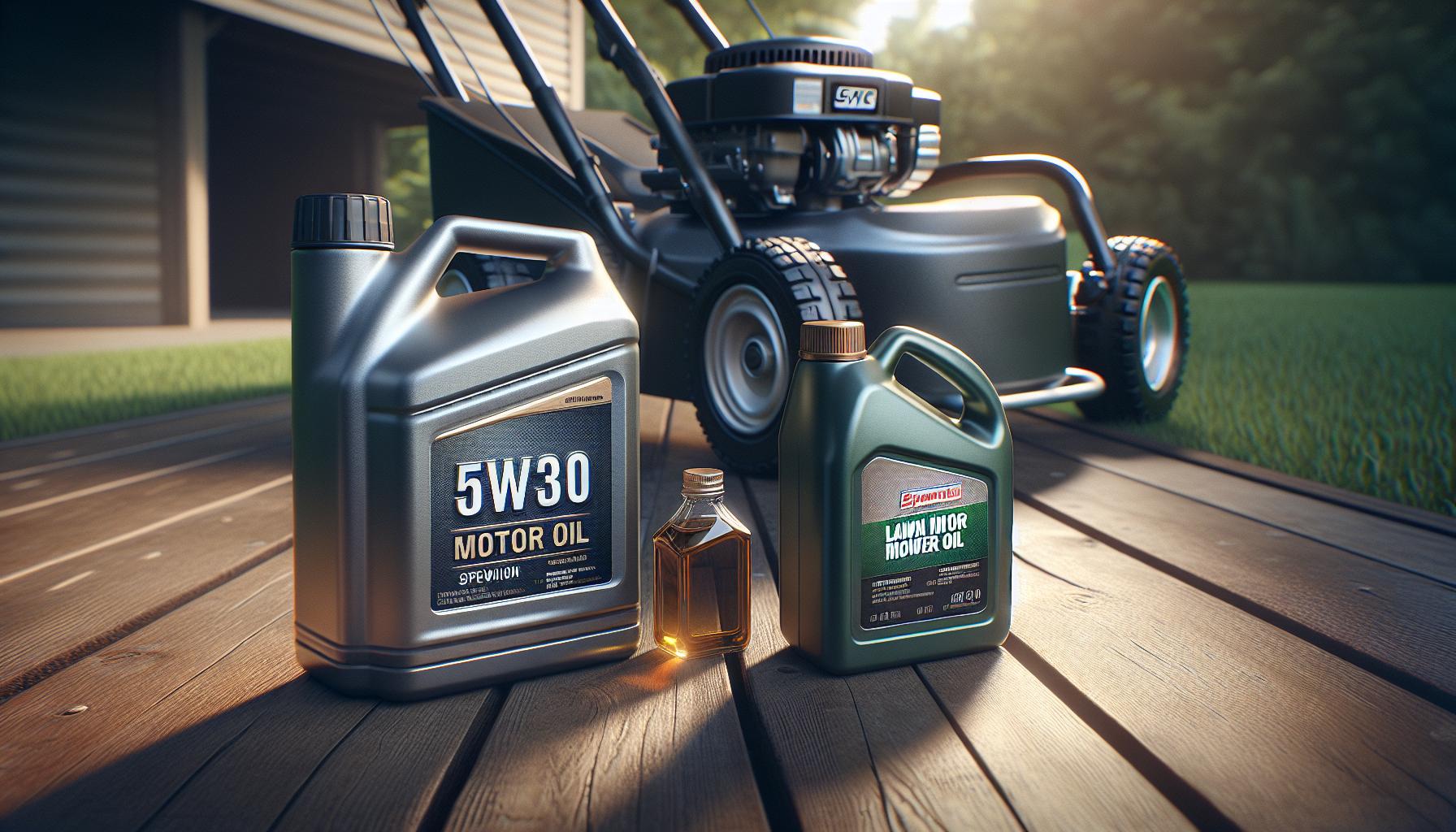
5W30 vs. Lawn Mower Oil: Key Differences
Using 5W30 car oil in your lawn mower may seem like a convenient choice, especially if you have it on hand. However, it’s crucial to understand the key differences between this automotive oil and the specialized oils typically recommended for small engines. One of the primary distinctions lies in their formulation. Lawn mower oils are designed specifically to operate under the unique demands of small engines, whereas 5W30 is formulated for the more consistent operating conditions of automotive engines, often experiencing prolonged periods of steady RPMs.
Automotive oils like 5W30 are engineered to provide protection over a much wider range of temperatures and extended usage patterns, which may not align with the intermittent, high-stress operation of lawn mowers. Small engine oils often have a careful balance of additives aimed at combating wear from frequent starts and stops, as well as protecting against oxidation and sludge buildup caused by less immediate cooling. In contrast, 5W30 oil may not provide optimal lubrication during the brief operational periods and variable loads experienced by lawn mowers, potentially leading to increased wear or premature failures.
Another critical aspect is viscosity. While 5W30 provides adequate flow at lower temperatures and enough thickness at higher temperatures for automobiles, lawn mowers generally require oils with different viscosity characteristics that cater to rapid heating and cooling cycles. This can lead to varying levels of lubrication efficiency, potentially resulting in problems like overheating or the engine running too hard, particularly in smaller mower engines that do not reach the same operational capacity as vehicles.
To illustrate, if your lawn mower is predominantly used for short jobs every week, it would benefit from a specially formulated small engine oil that accurately meets its lubricating needs, enhancing performance without the risk associated with possible oil breakdown during a relatively short mowing duration. Choosing the right oil not only supports the longevity and efficiency of your lawn mower but also ensures it operates smoothly throughout the mowing season.
Benefits of Using 5W30 Oil in Lawn Mowers
Using 5W30 oil in your lawn mower can deliver several tangible benefits, particularly if you’re in a bind and need to keep your mower running smoothly. One of the most significant advantages is the oil’s excellent temperature performance. With a viscosity rating of 5W30, this oil can flow easily at low temperatures, ensuring quick lubrication during cold starts, which is essential for engines that frequently experience temperature fluctuations.
Additionally, 5W30 motor oil contains advanced additives designed to protect against wear and oxidation, features that can be beneficial for lawn mower engines, particularly those with higher RPMs. This protection helps to limit engine wear over time, potentially extending the lifespan of your mower if it’s outfitted with a compatible engine. For those who may use their mowers intermittently, 5W30 can provide a robust solution that fortifies the engine against the rigors of quick starts and stops that are typical in lawn care tasks.
Moreover, 5W30 is widely available and often more affordable than special small engine oils. This accessibility means you can easily stock up on a product that does the job without facing an increased cost. When purchasing motor oil from local retailers or online, check for tailored suggestions and competitive pricing, which can make using 5W30 a financially wise decision when oil change time rolls around.
Lastly, transitioning to a 5W30 oil can simplify your maintenance routine, especially for those who own both a vehicle and a lawn mower. Using a single type of oil streamlines your inventory, making it easier to keep track of your supplies. While it’s important to check compatibility with your lawn mower’s engine specifications, many owners have successfully used 5W30 oil without experiencing significant issues, allowing for a more convenient upkeep of both their car and mower. Always remember to monitor the mower’s performance, and if you notice unusual behavior or any signs of strain, consider reverting to specially formulated small engine oils.
Potential Risks of Using Car Oil in Mowers
Using car oil like 5W30 in your lawn mower can seem convenient, especially when considering the potential benefits. However, it’s important to also weigh the potential risks that come with this decision. One significant concern is the formulation of the oil itself. Car oils are designed to meet the demands of vehicles, which often operate under different conditions compared to small engines found in lawn mowers. For instance, small engines typically run at higher temperatures and RPMs, and they may require specific additives that are not present in car oils. This mismatch can lead to inadequate lubrication, resulting in increased wear and tear on the mower’s engine components.
Another crucial factor is the presence of detergents in automotive oils. While detergents can help keep an engine clean in cars, they may lead to excessive foaming in small engines. This can impair the oil’s ability to maintain a consistent lubrication film, potentially leading to overheating and even catastrophic engine failure. Additionally, some automotive oils may not include the friction modifiers required for optimal performance in small engines. This can further compromise engine efficiency and longevity.
It’s also worth considering the warranty implications. Many manufacturers specify the type of oil that should be used in their equipment. Using a non-recommended oil, like 5W30, could void warranties, leaving you responsible for costly repairs. Therefore, if something goes wrong while using car oil, you may find yourself in a difficult situation without the protection you thought you had.
To ensure your lawn mower operates smoothly and efficiently, it’s prudent to consult the owner’s manual or speak with a professional before making an oil choice. If you do decide to use 5W30 in a pinch, monitor the mower closely for any signs of poor performance, such as unusual sounds or smoking, which may indicate that the oil isn’t suitable for your mower. Making informed choices will ultimately help prolong the life of your equipment and protect your investment.
Maintenance Tips for Lawn Mowers with 5W30 Oil
Maintaining a lawn mower that uses 5W30 oil requires diligence and an understanding of how this oil interacts with your mower’s engine. While car oils like 5W30 can be acceptable in emergencies or for short-term use, regular monitoring and proper maintenance practices are crucial to ensure your mower continues to perform optimally and avoids potential damage.
Start by regularly checking your oil level to ensure it remains within the acceptable range. Since small engines operate differently compared to car engines, they can consume oil more quickly. A simple dipstick test can help you avoid running the engine with insufficient lubrication, which can lead to overheating and severe engine wear. If the oil appears dark or gritty, it’s time for a change.
Additionally, ensure you change the oil at regular intervals-generally every 50 hours of use or once a season, whichever comes first. During an oil change, consider using a high-quality oil filter that can better handle the specific needs of your mower, making it more efficient at filtering debris and contaminants. Also, as 5W30 oil may create excessive foam due to its detergent properties, regularly replacing it can help mitigate this risk.
It’s also wise to check and clean or replace the air filter whenever you change the oil. A clean air filter reduces the engine’s workload and ensures that it can pull in the clean air needed for efficient combustion. Keep the mower clean by removing any grass clippings or debris from the engine and undercarriage to prevent overheating and maintain airflow.
Lastly, be mindful of the temperature conditions in which you’re mowing. If you plan on mowing in hotter weather, consider switching to a different oil type tailored for small engines, as it may offer better overheating protection. Consulting your owner’s manual for guidance on oil changes and engine care specific to your model is always recommended to maintain your mower’s longevity. By staying proactive with your maintenance routine, you can ensure that using 5W30 oil doesn’t hinder your mower’s performance but rather supports it effectively.
Alternative Oil Options for Your Lawn Mower
Using the right oil in your lawn mower is crucial for maintaining optimal performance and extending the life of the engine. While 5W30 car oil may be suitable in some situations, exploring dedicated alternatives can yield even better results. Many manufacturers offer oils specifically formulated for small engines, which address the unique needs of mower engines operating under various conditions.
Small Engine Oil
One of the best alternatives is small engine oil, typically labeled as SAE 30 or 10W30. These oils are designed for the higher temperatures and specific operating conditions encountered in lawn mowers. They provide robust lubrication while minimizing foam, which can be an issue with multi-grade oils like 5W30. Moreover, they usually contain additives that enhance performance during cold starts and improve the overall cleaning of the engine, ensuring longevity and optimal efficiency.
Synthetic Blend Oils
For those seeking enhanced performance, synthetic blend oils offer a balance between affordability and superior protection. These oils can withstand higher temperatures and offer better stability over time compared to conventional oils. For example, a synthetic blend specially designed for small engines can help reduce wear on moving parts, especially important for high-performance lawn mowers that endure tough mowing conditions.
Environmentally Friendly Options
Additionally, consider environmentally safe oils made from vegetable or biodegradable base stocks. These alternatives maintain effective lubrication and engine protection while being less harmful to the ecosystem if spilled. Brands like Purely Synthetic or similar environmentally aware manufacturers provide these options, making it easier for green-conscious consumers to care for their equipment without compromising on performance.
Ultimately, while 5W30 car oil might work in an emergency, regular use of small engine oils tailored to the specific needs of lawn mowers is highly recommended. These alternatives not only boost engine efficiency but also safeguard your mower against wear and tear, ensuring it stays in peak condition for all your mowing tasks.
How to Properly Change Oil in a Lawn Mower
Changing the oil in your lawn mower is not just a routine maintenance task; it’s essential for ensuring the longevity and performance of your machine. An often-overlooked fact is that stale or contaminated oil can severely hinder your mower’s efficiency, leading to undue wear and tear on the engine. Understanding the correct method to perform an oil change will not only optimize your mower’s performance but also save you from potential costly repairs in the future.
To begin, gather the essential tools and materials. You will need:
- New oil (check your mower’s manual for the recommended type, whether it’s 5W30 or small engine oil)
- Oil filter (if applicable)
- Oil catch pan
- Funnel
- Rags for cleaning
- Wrench or socket set
Start by ensuring the mower is on a flat, stable surface and the engine is cool. Disconnect the spark plug wire to prevent accidental starts. Once safely prepared, locate the oil drain plug; this will typically be on the underside or side of the mower deck. Remove the plug and allow the old oil to completely drain into your catch pan. If your mower has an oil filter, remove it using an oil filter wrench to prevent spillage. It’s advisable to let the old oil settle for a few minutes to ensure a complete drain.
After draining, replace the drain plug and install the new oil filter, if applicable. Using your funnel, pour in the new oil, checking the mower’s manual for the correct amount-too little or too much oil can lead to issues. Once filled, replace the dipstick, start the engine, and let it run briefly. This will circulate the oil through the system. Finally, turn off the mower and check the oil level once more, adding oil as necessary.
Performing this task every 50 hours or at the end of every mowing season will help maintain the health of your lawn mower’s engine. Regular oil changes enrich the engine’s lubrication, ensuring smooth operation and ultimately prolonging the life of your machine.
Signs Your Lawn Mower Oil Needs Changing
Neglecting to change the oil in your lawn mower can lead to decreased performance and even costly repairs. An essential part of lawn mower maintenance is recognizing when the oil needs changing. One primary sign is the oil color: fresh oil is typically a clear golden or amber hue, while used oil will appear darker and may even have a milky consistency. If you notice that the oil in the dipstick or reservoir has turned dark brown or black, it’s time for a change.
Another key indicator is the oil’s consistency. After a season of mowing, the oil may become thick and sludge-like due to contaminants like dirt, grass clippings, and moisture. This buildup not only reduces lubrication but can also cause the engine to overheat. To assess this, you can perform a simple smear test: take a small amount of oil between your fingers. If it feels gritty or sticky, it’s a clear sign that the oil has degraded and requires replacement.
Additionally, pay attention to the mower’s performance. A significant drop in power or increased engine noise can indicate that the oil is not effectively lubricating parts of the engine, potentially leading to excessive wear. If your mower struggles to start or emits smoke during operation, these are further cues that the oil may be past its prime.
Regular maintenance checks are essential. It’s advisable to check the oil level and condition after every few uses or at least once a month during the mowing season. Keeping to a routine can help you catch issues early. Ultimately, changing your oil regularly will not only prolong your mower’s life but will also keep it running smoothly throughout the cutting season.
User Experiences: Mower Owners Share Insights
Many lawn mower owners have experimented with using 5W30 car oil in their mowers and have shared their thoughts and experiences, revealing a mix of successes and pitfalls. One user noted that they had switched to 5W30 after reading about its benefits in providing better lubrication and reducing engine wear. They reported an immediate improvement in engine performance, noting smoother operation and fewer breakdowns.
However, not all experiences have been entirely positive. Some owners expressed concerns over long-term compatibility, particularly with older mower models. A user shared that after several months of using 5W30, their mower began to leak oil, attributing it to the different viscosity and formulation compared to typical lawn mower oil. This indicates that while 5W30 can work well in many machines, it’s essential to consider the specific requirements of your mower’s engine type.
Furthermore, several users emphasized the need for regular oil checks and changes when using 5W30. One enthusiastic owner mentioned their routine of checking the oil every couple of uses and changing it at least once a season, which they found helped maintain their mower’s efficiency. They highlighted that keeping an eye on the oil condition, especially with car oil, was crucial to avoiding potential engine issues.
Overall, the community consensus leans towards using 5W30 car oil as a viable option, particularly in newer mowers, provided that owners remain vigilant about maintenance and monitor their equipment’s response to the change. Adopting a proactive approach in oil management not only supports engine health but ensures that mowing tasks remain hassle-free throughout the season.
Frequently Asked Questions About Mower Oils
When it comes to maintaining your lawn mower, oil selection often raises several questions among owners. One of the most common queries focuses on whether using 5W30 car oil is appropriate for lawn mowers. The answer is not just a simple yes or no; it depends on various factors, including your mower type, environmental conditions, and the oil’s specific properties.
For starters, many owners wonder if the viscosity rating of 5W30 makes it suitable for lawn mower engines, which are generally designed for different types of oil. The “5” indicates the oil’s performance in cold temperatures, while “30” represents its viscosity at higher temperatures. This means it can provide good engine protection under a variety of conditions. However, traditional lawn mower oils are often formulated to handle the specific operational environments and temperatures typical of lawn mowing, which may differ from car engines.
Common Concerns
Among the frequent concerns surrounding the use of 5W30 in lawn mowers is the potential for oil leaks, particularly in older models. Some users have noticed that, after switching to 5W30, their equipment began to show leakage, likely due to the differences in oil composition compared to standard mower oil. As a result, it’s essential to monitor your mower’s performance closely and take action if any leaks occur.
Another vital question pertains to maintenance practices. Regular oil checks become even more crucial if you’re using automotive oil in your lawn mower. A general recommendation is to inspect the oil level and condition after every couple of uses, and plan an oil change at least once per season. This proactive approach helps to ensure your engine runs smoothly and prevents potential issues stemming from oil degradation or contamination.
In summary, using 5W30 car oil in your lawn mower can be a feasible option, especially for newer models. However, being aware of your specific mower’s needs and maintaining vigilant care can make all the difference in ensuring optimal performance and longevity.
FAQ
Q: What type of oil is best for lawn mowers?
A: The best type of oil for lawn mowers typically depends on the engine type and manufacturer specifications. Common options include SAE 30 for warmer climates and 5W30 for cooler temperatures or versatile use. Always check your mower’s manual for recommended oil types to ensure optimal performance.
Q: Can I mix 5W30 with SAE 30 oil?
A: It is not advisable to mix 5W30 with SAE 30 oil, as combining different oil types can alter viscosity and performance characteristics. Stick to one type recommended for your lawn mower to prevent engine issues and maintain efficiency.
Q: How often should I change the oil in my lawn mower?
A: You should change the oil in your lawn mower at least once per season or after every 50 hours of use. Changing oil regularly helps maintain engine health and performance. Consider checking more frequently if you use your mower heavily.
Q: What are the risks of using car oil in a lawn mower?
A: Using car oil like 5W30 in a lawn mower can lead to performance issues, as it may not have the appropriate additives for small engines. This can result in increased wear, overheating, or even engine failure. Always choose oil designed for mowers for the best results.
Q: Does using 5W30 oil affect lawn mower warranty?
A: Using 5W30 oil can potentially void your warranty if it’s not recommended by the manufacturer. Always refer to the warranty guidelines and your mower’s manual to avoid complications and ensure coverage for repairs and maintenance.
Q: What happens if I use the wrong oil in my lawn mower?
A: Using the wrong oil can lead to insufficient lubrication and increased friction in the engine. This may cause overheating, decreased efficiency, and ultimately engine damage. Always follow your lawn mower’s oil recommendations for the best performance and durability.
Q: How can I tell if my lawn mower oil is low?
A: You can check your lawn mower’s oil level using the dipstick or fill port. If the oil level is below the recommended mark or if the oil appears murky or gritty, it’s time for an oil change. Regular checks can help prevent engine issues.
Q: What is the shelf life of unopened motor oil?
A: Unopened motor oil generally has a shelf life of 5 years or more if stored properly in a cool, dry place. Check for any changes in appearance or consistency before use. Knowing how long your oil has been stored can ensure optimal performance when using it.
Closing Remarks
Now that you understand whether you can use 5W30 car oil in your lawn mower, it’s time to take action! Always prioritize the engine’s health and longevity by using the appropriate oil recommended by your mower’s manufacturer. If you have lingering questions about oil types or engine maintenance, check out our articles on the best oils for lawn mowers and essential lawn care tips.
Don’t forget to subscribe to our newsletter for the latest updates on lawn care and maintenance advice that can make your mowing experience smoother and more efficient. Share your thoughts in the comments below-what’s your go-to oil for lawn equipment? Let’s keep the conversation going and ensure your lawnmower runs at its best! Exploring these topics further can enhance your lawn maintenance knowledge and skillset, empowering you to make informed decisions for your outdoor equipment.