When tackling lawn waste, many homeowners find themselves wondering, “Can I use black trash bags for this?” Understanding what is allowed not only simplifies yard cleanup but also ensures that you are compliant with local regulations. Many communities have specific guidelines regarding waste disposal that vary widely in terms of what materials can be used for collection. Using the wrong type of bag can lead to confusion, fines, or improper disposal. This article delves into the rules surrounding black trash bags and lawn waste, offering you the clarity needed to effectively manage your yard chores. Whether you’re clearing leaves, grass clippings, or other organic waste, knowing the dos and don’ts will make your cleanup not just easier, but also more environmentally responsible. Let’s explore this important topic and find out how you can make your yard cleanup efforts efficient and compliant.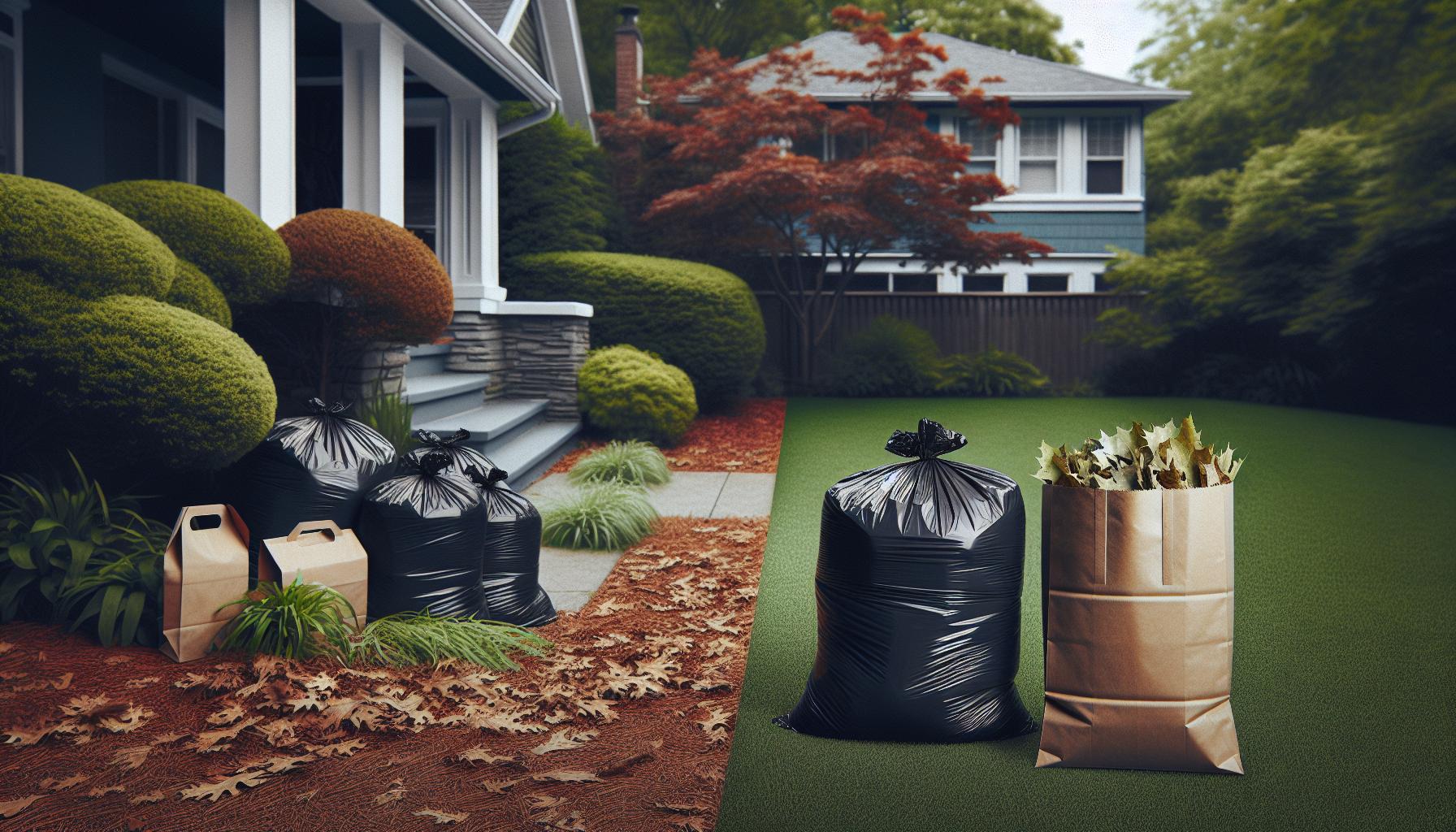
Can Black Trash Bags Be Used for Lawn Waste?
While it might seem convenient to toss your lawn waste into black trash bags, this practice can lead to complications and may not align with local regulations. Many municipalities have specific guidelines regarding yard waste disposal, often requiring that organic materials be placed in designated biodegradable bags or bins. Using black trash bags, which are typically intended for general refuse, can hinder composting processes at waste management facilities. This is primarily due to the fact that black bags can obstruct the natural breakdown of organic materials, leading to increased waste disposal issues.
It’s important to understand that not all waste disposal systems accept black trash bags for yard waste. When organic waste is placed inside a black bag, it is frequently sent to a landfill rather than being composted. This defeats the purpose of disposing of yard waste in an environmentally friendly manner. Moreover, the material of standard black trash bags is not compostable, which can result in additional pollution if these bags end up in composting facilities.
To align with best practices and regulations, consider alternatives such as clear or compostable bags specifically designed for yard waste. These options facilitate the sorting process at waste management facilities, allowing for effective composting and recycling. Thus, while black trash bags may be convenient, they often contradict environmentally responsible lawn care practices and can lead to regulatory fines or complications with local waste management systems.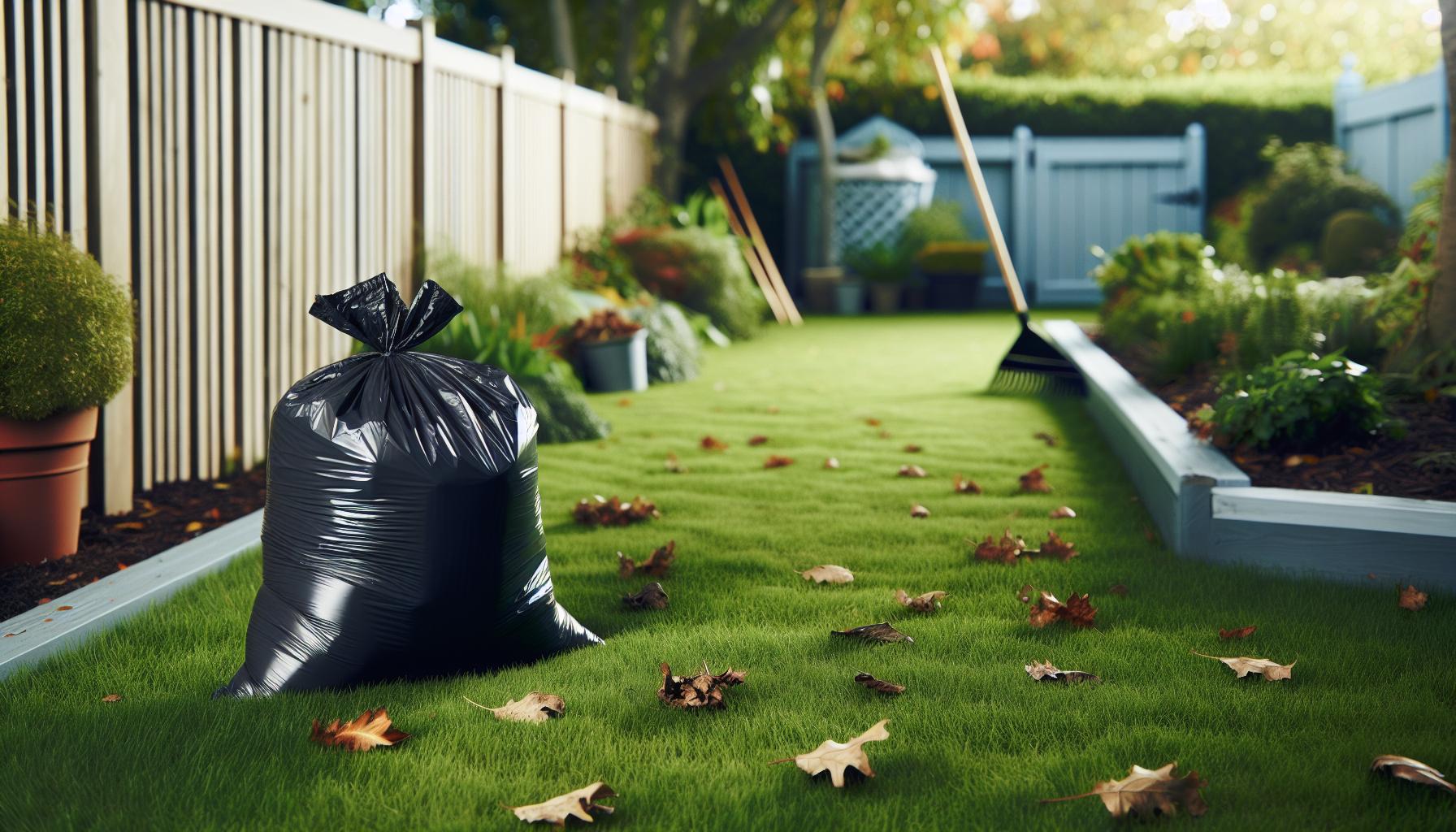
Understanding Lawn Waste Disposal Regulations
Understanding the regulations surrounding lawn waste disposal is crucial for environmentally conscious homeowners. One striking fact is that improper disposal methods, such as using black trash bags, can significantly hinder municipal recycling efforts. Many communities have specifically designated guidelines to ensure that organic materials, which decompose and enrich soil when processed properly, are separated from general waste. These guidelines often mandate the use of particular biodegradable bags or dedicated yard waste bins to facilitate composting and recycling processes.
Compliance with local regulations can vary widely, so it is essential to check with your municipality regarding their specific lawn waste disposal policies. Some areas may allow black bags for yard waste but will require that they be labeled as organic waste, while others may outright prohibit their use. Failure to adhere to these regulations can lead to your organic waste being redirected to landfills rather than composting facilities, undermining efforts to reduce landfill contributions and promote greener practices.
The importance of utilizing the correct disposal method goes beyond legal compliance; it impacts sustainability efforts within your community. By using designated yard waste bags or bins, you contribute to efficient sorting at waste management facilities, which can efficiently process organic waste into compost. This not only helps divert substantial amounts of waste from landfills but also provides valuable compost for local gardens and green spaces.
In summary, equipping yourself with knowledge about your local regulations on lawn waste disposal is vital. Take a proactive approach by contacting your local waste management authority to clarify what is acceptable. By conforming to these guidelines, you not only comply with the law but also play an essential role in fostering a more sustainable environment.
What Can Go in Lawn Waste Bags?
In managing lawn waste effectively, knowing what can and cannot go into lawn waste bags is essential for proper disposal and environmental responsibility. Lawn waste typically includes organic materials that can decompose and enrich soil, thus fostering a healthier ecosystem. By understanding what items are permissible, homeowners can ensure their contributions to local composting and recycling efforts are maximized.
Generally, the following items are suitable for lawn waste bags:
- Grass clippings: These can easily be bagged and composted when cut, as they break down quickly and return nutrients to the soil.
- Leaves: Fallen leaves can accumulate rapidly and should be bagged for composting, helping to create rich soil in the process.
- Small branches and twigs: Trimmed branches and small woody debris, usually from shrubs or trees, can go into lawn waste bags unless specified otherwise by local guidelines.
- Plant trimmings: This includes clippings from hedges, flowers, and other garden vegetation that are not diseased.
- Weeds: While they should be included, it’s important to ensure they are not going to seed, as this could lead to more weeds in the compost.
It’s crucial to check local waste management guidelines since some municipalities designate specific bags or containers for organic waste and may prohibit using black trash bags due to their non-biodegradable nature. Items such as food scraps, animal waste, or non-organic materials like plastic should not be included in lawn waste bags. By focusing solely on allowable organic materials, you contribute effectively to composting programs and help minimize landfill waste, supporting community sustainability initiatives.
The Best Practices for Bagging Lawn Waste
Effective lawn waste management goes beyond simply bagging clippings and leaves; it’s about adopting practices that facilitate decomposition while respecting local regulations. One common question that arises is whether black trash bags can be used for lawn waste. The answer is generally no, as most municipalities require organic waste to be collected in biodegradable bags to promote eco-friendly disposal methods.
To start with best practices for bagging lawn waste, it’s essential to use the right type of bag. Opt for biodegradable bags specifically designed for yard waste. These are often made from materials that can break down and are often accepted by municipal composting programs. If you’re unsure about what type of bag your local waste management system prefers, consult your local guidelines. Using the appropriate bags not only supports waste processing but also helps prevent contamination of organic material.
Another key practice is to ensure that your bags are not overfilled. Yard waste can become compacted, making it challenging for composting facilities to process. Fill bags loosely to allow for airflow, which helps materials break down more effectively. Additionally, try to bag lawn waste on a dry day to prevent moisture accumulation, which can lead to foul odors or quicker degradation of the bag itself.
When bagging, always separate disease-infected plants or invasive species, as these can spread unwanted pests or diseases if introduced to composting systems. Instead, consult your local guidelines on proper disposal methods for these items. Lastly, consider the timing of your waste disposal; making sure to bag and place your yard waste out for pickup on the designated collection day ensures that it doesn’t sit out too long, minimizing any chances of attracting pests or creating odors.
By following these best practices, you not only contribute to a healthier environment but also set an example for community members to manage their lawn waste responsibly.
Alternatives to Black Trash Bags for Yard Waste
When it comes to disposing of lawn waste, opting for materials that align with eco-friendly practices can make a significant difference. Instead of using black trash bags, which are often unsuitable for yard waste due to their non-biodegradable nature, consider several effective alternatives that support sustainability and compliance with municipal regulations.
One of the best options is to use biodegradable yard waste bags. These bags are specifically designed for composting and are made from materials like kraft paper or bioplastics that can naturally break down. They are accepted by many municipal composting programs and help to ensure that organic material is processed in a way that promotes soil health. Additionally, these bags typically come with clear labeling indicating their compostable nature, making them an ideal choice for responsible waste management.
Another environmentally friendly solution is to utilize reusable yard waste containers. Many homeowners invest in sturdy bins, which can be emptied directly into municipal collection trucks or composting facilities. Such containers reduce the need for single-use bags and can be used year after year, streamlining yard maintenance and reducing waste overall.
Composting is also an excellent alternative to bagging lawn waste. By creating a dedicated compost pile or bin in your backyard, you can transform grass clippings, leaves, and other organic materials into rich compost. This not only minimizes waste but produces a valuable resource for gardening. Just ensure to balance your compost with brown materials (like cardboard or dried leaves) to achieve optimal decomposition.
Lastly, consider community yard waste collection programs. Many municipalities offer scheduled collections for lawn waste where residents can leave their organic materials in designated areas or bins for pickup. This service not only simplifies the disposal process but also encourages responsible yard care practices within the community.
In summary, replacing black trash bags with biodegradable options, reusable containers, composting, or participating in local collection programs can significantly enhance your lawn waste disposal practices while contributing to a healthier environment.
Consequences of Using Wrong Bags for Yard Waste
Using the wrong bags for yard waste can have significant consequences that affect both the environment and local waste management systems. Black trash bags, for instance, are often made from non-biodegradable materials that can hinder proper composting processes. When these bags are sent to landfills instead of being composted, they contribute to overflowing landfills, which can lead to increased greenhouse gas emissions as waste decomposes anaerobically. Furthermore, if yard waste in black bags is improperly sorted or discarded, it can result in contamination of recyclable materials, impacting the efficiency of the recycling program and harming the environment.
Another major issue with using black trash bags is the potential for increased fines or penalties. Many municipalities have specific regulations regarding yard waste disposal, often mandating the use of biodegradable or designated yard waste bags. Failing to comply with these regulations can lead to citations or fines. Additionally, waste collection services may refuse to pick up improperly bagged yard waste, forcing homeowners to find alternative disposal methods, which can be both time-consuming and costly.
Moreover, improper disposal methods can lead to missed opportunities for enriching the soil. Organic waste, when composted correctly, provides valuable nutrients back to the earth. By utilizing compostable bags or containers, homeowners can contribute to municipal composting efforts, supporting a circular economy that promotes healthier gardens and landscapes.
Lastly, the health of local ecosystems can also be compromised. When organic matter is sealed off in non-biodegradable bags, it prevents natural decomposition processes and the return of nutrients to soil, which can ultimately disrupt local biodiversity. By choosing the right bags for yard waste, you contribute to creating a sustainable environment that benefits both your property and the broader community.
Local Guidelines on Lawn Waste Management
Local regulations around lawn waste management vary significantly from one municipality to another, making it essential for homeowners to familiarize themselves with the specific guidelines in their area. One common theme across many locales is the prohibition of using black trash bags for yard waste. These bags, often made from non-biodegradable materials, can hinder composting processes and contribute to landfill problems. Local waste management authorities typically recommend biodegradable bags or specially designated yard waste containers instead, ensuring that organic materials are processed correctly.
Understanding the particular restrictions in your area can save you time, money, and avoid potential fines. For example, some regions require that lawn waste items like grass clippings, leaves, and small branches be placed in clearly marked yard waste bags or containers, which are usually collected on specific days of the week. It’s also beneficial to check if your locality provides curbside composting services or drop-off locations for yard waste, as these resources can simplify disposal and promote sustainable practices.
Furthermore, residents should be aware of what can and cannot be included in lawn waste disposal. Commonly accepted materials often include grass clippings, leaves, and plant trimmings, but larger branches or food waste may have different disposal protocols. Always confirm with local guidelines, as following these rules not only aids in efficient waste collection but also supports community efforts to maintain a healthy and clean environment.
In summary, staying informed about local lawn waste management guidelines is crucial for responsible disposal. Utilizing the appropriate bags and ensuring compliance with regulations not only contributes to a healthier ecosystem but also maintains the aesthetics and cleanliness of your neighborhood.
Tips for Eco-Friendly Lawn Waste Disposal
Proper disposal of lawn waste has significant implications for both your yard and the environment, making it essential to adopt eco-friendly practices. Using the right disposal methods, particularly avoiding non-biodegradable options like black trash bags, can enhance sustainability while maintaining your lawn’s health. By incorporating a few simple practices into your routine, you can contribute to a cleaner environment and better resource management.
One effective strategy is to utilize biodegradable bags specifically designed for yard waste. These bags decompose naturally, ensuring that your waste breaks down efficiently and doesn’t contribute to landfill overflows. If available in your area, consider participating in curbside composting programs, which can provide you with a convenient solution for managing lawn clippings, leaves, and other organic debris. Many communities also offer drop-off locations for yard waste, making it easy to ensure your materials are composted properly.
Mulching is another excellent eco-friendly option. By using a mulching mower, you can finely chop grass clippings and leave them on the lawn as a natural fertilizer. This practice not only reduces the amount of waste produced but also enriches the soil with nutrients. Additionally, creating a compost pile in your backyard can help you recycle lawn waste effectively. By composting leaves, plant trimmings, and small branches, you create a nutrient-rich amendment for your garden or landscaping projects.
To ensure you are in compliance with local regulations while practicing sustainability, always check the specific guidelines regarding lawn waste disposal in your area. Understanding what is allowed can save you from potential fines while also supporting local waste management initiatives that prioritize environmental health. By following these eco-friendly tips, you actively participate in reducing waste and promoting a healthier ecosystem in your community.
How to Properly Compost Lawn Waste
Creating a compost pile is an excellent way to turn your lawn waste into a nutrient-rich amendment for your garden, while also minimizing the environmental impact of waste disposal. By composting grass clippings, leaves, and small branches, you not only keep these materials out of landfills but also enrich your soil naturally. The process of composting is relatively straightforward and can yield free fertilizer for your plants, promoting vibrant growth and health.
To start composting lawn waste effectively, you’ll need to maintain a balanced mix of green and brown materials in your compost pile. Green materials, which include freshly cut grass and kitchen scraps, provide essential nitrogen, while brown materials, like dried leaves and cardboard, supply carbon. A good rule of thumb is to aim for a ratio of about 3 parts brown to 1 part green. This balance helps achieve optimal decomposition, ensuring that your compost heats up sufficiently to break down the organic matter.
Steps to Properly Compost Lawn Waste:
- Choose a Location: Find a dry, shaded spot in your yard that is easily accessible. This will help keep the compost pile cool and promote healthy bacteria growth.
- Gather Your Materials: Collect green and brown materials. Avoid adding meat, dairy, or oils, which can attract pests.
- Build Your Pile: Layer the materials, alternating between brown and green. Aim for a pile that is at least 3 feet high for effective heat generation.
- Turn Your Pile: Every few weeks, use a pitchfork to turn the compost. This aerates the pile and speeds up the decomposition process.
- Monitor Moisture: Your compost should be as moist as a wrung-out sponge. If it’s too dry, add some water, or if it’s too wet, add more brown materials to absorb excess moisture.
After a few months of diligent care, you’ll find that the compost has transformed into a dark, crumbly substance that smells earthy. This final product can be used to enrich flower beds, vegetable gardens, or even potted plants. Composting not only diverts waste from landfills but also contributes to a sustainable cycle of growth and nourishment for your plants, making it a win-win solution for both your yard and the environment.
Innovative Ways to Reuse Lawn Waste
Recycling lawn waste not only benefits your garden but also offers a creative avenue to reduce waste and enhance your outdoor space. With a little imagination, materials that typically end up in bags can find new life in your yard or home. From transforming grass clippings into mulch to crafting interesting garden decor, the possibilities are as varied as your creativity allows.
One of the easiest and most effective ways to reuse lawn waste is to create natural mulch. Grass clippings, when spread around plant beds, can suppress weeds, retain moisture, and improve soil health as they break down. Similarly, dried leaves can offer an effective mulching layer that adds organic matter to the soil while protecting roots during temperature fluctuations. Simply collect the clippings or leaves, and apply them generously around your plants, avoiding direct contact with stems to prevent rot.
Another innovative idea is to utilize small branches and twigs for landscape edging or plant supports. By cutting them to size, you can create a rustic border for flower beds or vegetable patches, giving your garden a unique look. Branches can also be fashioned into trellises for climbing plants, promoting vertical growth while adding texture to your garden design. These methods not only help manage yard waste but also contribute to a more aesthetically pleasing yard.
For those looking for a more hands-on project, consider making compost bins from old pallets or barrels. Rather than discarding them, you can utilize waste wood to construct a designated area for composting lawn and kitchen scraps. This approach not only helps in waste reduction but also sets the stage for making rich compost, improving soil fertility over time. With minimal effort, these DIY projects encourage sustainability and creativity in waste management.
Lastly, consider donating excess yard waste to local community gardens or farms, which often seek organic material for composting. Many communities also host yard waste exchanges or composting workshops, inviting residents to contribute and learn about sustainable practices. Embracing these innovative reuses of lawn waste cultivates an eco-conscious mindset, ultimately enriching both your garden and your community.
Frequently Asked Questions
Q: Can I use black trash bags for lawn waste?
A: Generally, black trash bags are not recommended for lawn waste due to regulations in many areas. Instead, using specific yard waste bags is often required. Check local guidelines to ensure compliance and avoid penalties. For more on suitable disposal options, refer to the section on Local Guidelines on Lawn Waste Management.
Q: What types of waste are allowed in lawn waste bags?
A: Lawn waste bags commonly accept grass clippings, leaves, small branches, and garden debris. Ensure the materials are organic and free from plastics or chemicals. For detailed practices on acceptable waste, see What Can Go in Lawn Waste Bags? in the article.
Q: Are there alternatives to using black trash bags for yard waste?
A: Yes, alternatives to black trash bags include biodegradable bags and reusable containers specifically designed for yard waste. These options adhere to environmental guidelines and support composting efforts. More on this topic can be found in the Alternatives to Black Trash Bags for Yard Waste section.
Q: How can I properly bag lawn waste to avoid issues?
A: To properly bag lawn waste, use designated yard waste bags, fill them loosely to avoid breakage, and ensure they are easy to lift. Avoid mixing in non-organic materials. For best practices, check the section titled The Best Practices for Bagging Lawn Waste.
Q: What are the consequences of using the wrong bags for lawn waste?
A: Using the wrong bags may lead to penalties, such as fines, and contamination of recycling streams. Waste management services often reject improperly bagged waste. For an in-depth understanding, see Consequences of Using Wrong Bags for Yard Waste.
Q: How do local regulations affect lawn waste disposal?
A: Local regulations dictate the types of materials accepted and the bags used for lawn waste disposal. Complying with these rules is crucial to ensure proper recycling and avoid fines. Review Understanding Lawn Waste Disposal Regulations for specific guidelines in your area.
Q: What are the benefits of eco-friendly lawn waste disposal?
A: Eco-friendly disposal methods, such as composting, help reduce landfill waste and support soil health. Adopting these practices can significantly benefit the environment. Learn more in the section Tips for Eco-Friendly Lawn Waste Disposal.
Q: What should I do if I have large amounts of lawn waste?
A: For large amounts of lawn waste, consider renting a compost bin or yard waste dumpster. This can simplify disposal and ensure compliance with local regulations. Explore Innovative Ways to Reuse Lawn Waste for further ideas.
Insights and Conclusions
In conclusion, understanding the guidelines for lawn waste disposal, including the use of black trash bags, is crucial for effective yard maintenance and environmental responsibility. Remember, while black bags might be convenient, they may not always be the best choice depending on your local regulations. To avoid any potential issues, check out our related articles on “Best Practices for Lawn Waste Disposal” and “Eco-Friendly Yard Clean-Up Tips.”
Take action today by exploring our resources and discovering the most sustainable options for your lawn care needs. Have questions or tips to share about lawn waste management? We invite you to leave a comment below or share your thoughts with our community! For more insights, don’t forget to subscribe to our newsletter for the latest updates and guides tailored just for you. Every small step helps make a difference!