
Have you ever found yourself in a pinch, wondering if lawn mower oil could be a quick fix for your car’s engine? Many DIY enthusiasts and budget-conscious individuals face this dilemma, thinking that all oils serve the same purpose. However, using lawn mower oil in your car can lead to disastrous consequences, harming your vehicle and potentially costing you a fortune in repairs. This article will explore the crucial differences between lawn mower oil and automotive oil, highlighting why mixing them could jeopardize your car’s performance. By the end, you’ll understand the importance of using the correct oil and how it can protect your investment while ensuring optimal function. Keep reading to avoid costly mistakes and keep your vehicle running smoothly.
Can Lawn Mower Oil Damage My Car Engine?
Using lawn mower oil in your car is akin to pouring a square peg into a round hole; it simply doesn’t fit and can lead to significant problems. While lawn mower oil is designed specifically for the operating conditions of small engines, car engines operate under vastly different environments and requirements. The oils used in automotive engines are formulated to withstand higher temperatures and pressures, and they contain additives that help clean the engine and prevent wear. In contrast, lawn mower oil does not offer the same level of protection and lubrication required for a vehicle, which can compromise engine performance and longevity.
If lawn mower oil enters your car’s engine, you may immediately notice issues such as increased engine noise, reduced power, or even overheating. These symptoms arise because lawn mower oil lacks the necessary viscosity and performance characteristics needed for the complex systems found in modern vehicles. Unlike motor oil, which is engineered to maintain performance even in extreme conditions, lawn mower oil may break down more quickly, leaving your engine unprotected. Ultimately, using the wrong oil can lead to severe damage and potentially costly repairs, including engine failure.
To avoid such mishaps, it’s crucial to choose the right oil as specified by your vehicle’s manufacturer. Always refer to the owner’s manual for the recommended oil type and viscosity. Staying informed and proactive about your car’s oil requirements can save you from the detrimental effects of using inappropriate lubricants. When it comes to the health of your engine, prevention is always better than cure.
Differences Between Lawn Mower Oil and Motor Oil
When considering the oils used in various types of engines, it’s essential to understand the specific formulation , as these distinctions can have significant implications for engine performance and longevity. Lawn mower oil is typically designed for small, air-cooled engines that operate at lower temperatures and pressures compared to car engines. The difference begins with the viscosity grades; lawn mower oils often have a single viscosity rating (like SAE 30) which is effective for the relatively uncomplicated operating conditions of lawn mowers, while car motor oils encompass a wider range of multi-viscosity grades (e.g., 5W-30 or 10W-40) that adapt to varying engine temperatures.
Another notable difference lies in the additive packages included in the oils. Motor oils are fortified with a variety of additives that enhance performance by providing superior lubrication, cleaning, and protection against wear and tear at high RPMs and temperatures. These additives, such as detergents and anti-wear agents, ensure that they can handle the complex dynamics within a car engine, which includes varied load conditions and extended operational durations. In contrast, lawn mower oil typically lacks these advanced additives, making it less effective at providing the necessary protection for the more demanding environment of a vehicle engine.
Key
| Feature | Lawn Mower Oil | Motor Oil |
|---|---|---|
| Viscosity | Single grade (e.g., SAE 30) | Multi-grade (e.g., 5W-30) |
| Additives | Limited, basic | Advanced with detergents, anti-wear agents |
| Operating Temperature | Lower temperatures in small engines | Higher temperatures in larger, complex engines |
| Application | Lawn mowers and similar equipment | Cars, trucks, and heavier machinery |
Using lawn mower oil in a car engine can lead to detrimental consequences. Given that lawn mower oil is not engineered for the same operating conditions, it may fail to provide adequate protection under the stress of a car’s high-speed, high-heat environment. This can result in engine wear, overheating, and a significant decline in performance. Therefore, it is paramount to use the appropriate engine oil specified by vehicle manufacturers to ensure optimal engine operation and longevity.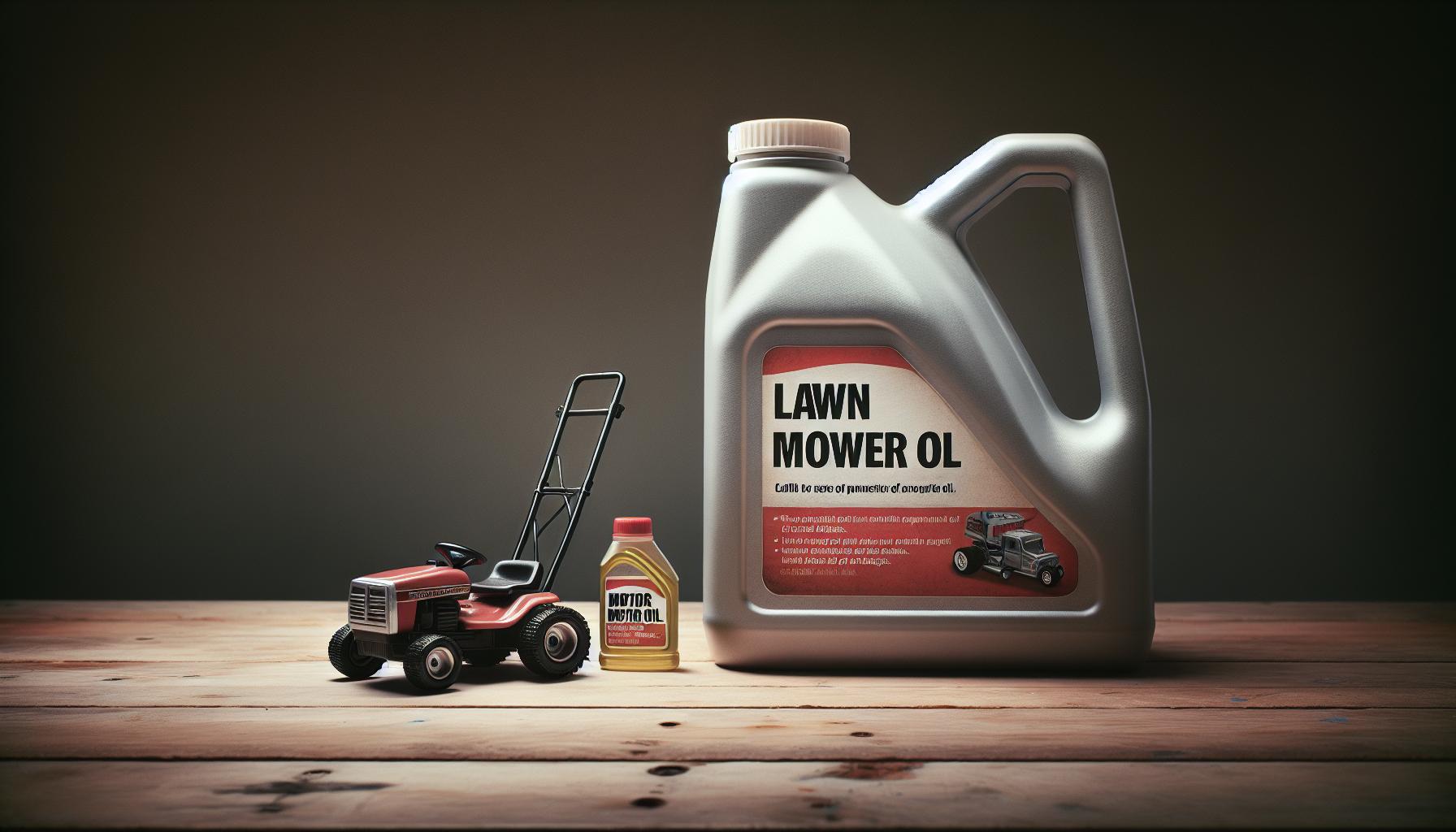
Why Lawn Mower Oil is Not Suitable for Cars
Using lawn mower oil in a car engine may seem like a harmless mistake, but it can have serious implications for your vehicle’s performance and longevity. One of the primary reasons lawn mower oil is unsuitable for cars is the significant difference in operating environments. Lawn mowers typically run on small, air-cooled engines that experience lower temperatures and require less complex oil formulations. In contrast, car engines operate under high pressure and higher temperatures, necessitating oils that can withstand these stresses and deliver superior protection.
Lawn mower oils are often single-grade lubricants, such as SAE 30, designed for specific, less demanding applications. These oils lack the multi-viscosity characteristics found in motor oils, which allow them to adapt to temperature fluctuations common in vehicle engines. For example, motor oils like 5W-30 can function effectively in both cold starts and high-temperature conditions, ensuring optimal performance throughout various driving conditions. Without this adaptability, lawn mower oil may fail to maintain adequate lubrication, leading to increased wear and potential engine damage.
Furthermore, the additive packages in lawn mower oils are typically rudimentary compared to those in motor oils. The more advanced formulations of motor oils include detergents, anti-wear agents, and other enhancers designed to protect the engine from harmful deposits and provide better heat dissipation. This sophistication is vital for the protection of critical engine components under the more rigorous demands of driving. In contrast, the basic formulation of lawn mower oil may allow contaminants to build up and fail to provide necessary protection against wear, reducing the overall efficiency and lifespan of the car.
In summary, while it might be easy to reach for lawn mower oil in a pinch, the potential risks far outweigh any perceived benefits. Always adhere to the manufacturer’s specifications for engine oil, ensuring that your vehicle receives the appropriate protection it requires for optimal operation.
Signs You May Have Used the Wrong Oil
Using the wrong oil in your car can be a costly mistake, often leading to noticeable performance issues or even engine damage if not addressed in time. If you suspect you may have inadvertently used lawn mower oil instead of the appropriate motor oil, there are several signs to watch for. Being aware of these symptoms can help you take action swiftly, potentially saving you from hefty repair bills.
One of the first indicators is unusual engine noise. If you notice your engine working harder than usual or producing knocking or ticking sounds, this could suggest inadequate lubrication. Lawn mower oil lacks the additives that motor oils contain to reduce friction and noise, which can lead to metal components clanging together without sufficient protection.
Another telltale sign is overheating. Car engines rely on oil not just for lubrication but also for cooling. If the oil fails to maintain a consistent temperature due to its lack of multi-viscosity properties, your engine may run hotter than normal. Keep an eye on the temperature gauge; consistent overheating can lead to severe engine damage over time.
Additionally, check for excessive exhaust smoke. If your vehicle starts to emit gray or blue smoke, this could mean that the oil you used is not combusting correctly or is breaking down faster than it should. Lawn mower oil may burn off differently compared to standard motor oil, leading to incomplete combustion and smoke.
Lastly, oil sludge buildup can create noticeable problems as well. After an oil change, the oil should have a clean and clear appearance. If you find that your oil appears dark and thick with sludge shortly after replacing it, this could indicate that the oil isn’t performing as it should-an issue common with lawn mower oil in car engines. Regularly checking your oil condition will help you identify such issues early, allowing you to switch back to the appropriate oil before serious damage occurs.
Being vigilant about these signs not only aids in the immediate detection of problems linked to wrong oil usage but also helps in maintaining your vehicle’s overall health and longevity. If you suspect you’ve used the wrong oil, it’s crucial to flush the engine and add the correct motor oil as soon as possible to prevent lasting damage.
Potential Consequences of Using Lawn Mower Oil
Using lawn mower oil in your car engine may seem like a minor oversight, but the consequences can be significantly detrimental. Lawn mower oil is formulated for a completely different purpose, typically focused on lighter-duty applications with distinct lubrication needs than those of automotive engines. When car owners mistakenly use lawn mower oil, they risk facing numerous adverse effects that can compromise engine performance and longevity.
One major consequence is inadequate lubrication. Lawn mower oil generally lacks the advanced additives found in motor oils, which are critical for reducing friction and preventing wear in high-performance environments. Without these additives, engine components may not receive sufficient protection, leading to increased metal-to-metal contact. This can cause severe mechanical failures, such as worn bearings or damaged piston rings, ultimately resulting in expensive repairs or even engine replacement.
Additionally, using lawn mower oil can lead to overheating issues. Car engines are designed to operate at specific temperature ranges, relying on oil not just for lubrication but also for cooling. The viscosity and properties of lawn mower oil, which are optimized for smaller, slower-moving engines, might not sustain the high temperature fluctuations found within automotive systems. This mismatch can lead to overheating, which may warp engine components and significantly reduce the operational lifespan of the vehicle.
The formation of sludge is another potential concern. Lawn mower oil may break down more quickly under the heat and pressure of a car engine, leading to a thick, viscous sludge that can clog oil passages. This can result in oil starvation for vital engine parts, exacerbating wear and potentially causing catastrophic failures. Regular maintenance, including oil changes, could become more burdensome if oil sludge accumulates, further complicating vehicle upkeep.
Given the various risks involved, it is essential for car owners to be diligent about the type of oil they use. If there’s any suspicion that lawn mower oil has been introduced into the vehicle’s system, immediate action should be taken. Flushing the engine and replacing the oil with the appropriate motor oil can help mitigate damage and restore optimal engine function, ultimately saving you from substantial repair bills.
Alternatives to Lawn Mower Oil for Your Car
Using the right oil for your car is essential for maintaining engine health and performance. While it might seem easy to grab a nearby container of lawn mower oil in a moment of need, it’s crucial to understand that there are much better alternatives designed specifically for automotive use. Choosing the correct oil protects your engine from wear and prevents costly repairs that could arise from using the wrong formulation.
When selecting oil for your car, consider high-quality motor oils that meet your engine’s specifications. These oils often contain advanced detergents, anti-wear agents, and viscosity modifiers that enhance performance under varying driving conditions. Look for reputable brands such as Mobil 1, Castrol, and Valvoline, which offer a range of products tailored to different engine types and user requirements. Each of these brands typically provides synthetic options, which can offer improved protection compared to conventional oils, especially in extreme temperatures.
In addition, be sure to check your owner’s manual for recommendations on oil viscosity and specifications, often referred to as SAE ratings. Most modern vehicles benefit from using synthetic oils with a lower viscosity rating, enhancing fuel efficiency while ensuring adequate lubrication. For example, utilizing an oil rated 5W-30 can provide optimal performance in most climates while contributing to better fuel economy.
For those who are environmentally conscious or looking for eco-friendly oil options, there are also several biodegradable and plant-based oil alternatives available. Brands like Green Oil focus on producing sustainable engine oils that minimize environmental impact without sacrificing performance. These products are especially appealing for consumers wishing to combine good automotive care with eco-friendly practices.
Ultimately, using the right oil is a small but vital part of car maintenance that pays off in the long run, ensuring your engine runs smoothly and efficiently. Always prioritize oils specifically formulated for automotive engines to avoid the pitfalls associated with using inappropriate oils like lawn mower oil. Keep your engine healthy by making informed choices that align with your vehicle’s needs.
Understanding Engine Oil Specifications
Choosing the right engine oil is not just about picking the closest container; it involves understanding specific specifications that are crucial for optimal engine performance. Engine oil specifications guide the selection process, ensuring the oil meets the requirements set by manufacturers for various engine types. These specs often include viscosity ratings, which are crucial for determining how well the oil flows at different temperatures, thus impacting engine lubrication and efficiency.
Most motor oils use a system known as Society of Automotive Engineers (SAE) ratings, which is a standardized way to describe oil viscosity. For instance, a common rating you might see is 5W-30. The “5W” represents the oil’s flow at zero degrees Fahrenheit (the ‘W’ stands for winter), while “30” indicates how well the oil performs at higher temperatures. Selecting an oil with the right viscosity for your car’s engine is essential, as using a winter-rated oil during summer can lead to insufficient lubrication and increased wear.
Additional Specifications
In addition to viscosity, oil specifications also encompass various performance requirements, which may include:
- API Service Classification: The American Petroleum Institute (API) grade helps identify whether an oil is suitable for gasoline or diesel engines. Look for the latest specification such as API SN, SN Plus, or SP for gasoline engines.
- ILSAC Standards: The International Lubricant Standardization and Approval Committee (ILSAC) has its own series of performance classifications. These classifications reflect the oil’s energy-conserving properties and its ability to provide adequate protection and performance.
- Additive Packages: Different oils may contain varying levels of additives designed to enhance performance, such as anti-wear agents, detergents, and antioxidants.
Understanding these specifications allows car owners to make informed decisions when selecting engine oil. It’s pivotal to refer to your vehicle’s owner manual, which provides detailed recommendations based on the manufacturer’s guidelines. By adhering to these specifications, you ensure that your engine remains well-lubricated, performs efficiently, and is protected from premature wear, ultimately extending its lifespan and saving on costly repairs.
How to Properly Dispose of Incorrect Oil
When dealing with incorrect oil disposal, particularly if you’ve accidentally used lawn mower oil in your car, it’s crucial to approach the situation responsibly to avoid environmental harm. Engine oil, even in small quantities, can contaminate water supplies and harm wildlife. Understanding the proper procedures for disposal not only protects the environment but also ensures that you adhere to local regulations.
Begin by storing the oil in a secure container. Use a clean, leak-proof container that can be tightly sealed; this prevents spills during transport. Many auto parts stores and service stations provide specific containers designed for oil disposal, so consider asking for one if you don’t have an appropriate vessel at home. Mark the container clearly to indicate that it holds used oil, which helps avoid accidental mix-ups later.
Find a Disposal Facility
Once you’ve contained the oil, the next step is to locate a suitable disposal facility. Many municipalities have designated recycling centers or hazardous waste collection events where you can drop off used oil safely. You can typically find such resources through your local waste management authority or environmental agency’s website. Some auto repair shops and oil change services also accept used oil, often for free, as they are equipped to handle it properly.
Make sure to check the hours of operation and any regulations or guidelines you need to follow when dropping off your oil. Some places may require you to fill out a form or provide proof of residency. Additionally, transporting the oil safely in your vehicle is critical; ensure it is upright and secure to prevent any spillage during the drive.
By following these steps, not only do you ensure the safe disposal of incorrect oil, but you also contribute to a healthier environment. Remember, looking for recycling options reduces the demand for new oil and helps conserve resources for future generations.
Tips for Selecting the Right Engine Oil
Choosing the right engine oil is crucial for the longevity and efficiency of your vehicle’s engine. With an overwhelming number of options available, it’s vital to understand the specifications and characteristics that suit your car. Utilizing the correct oil not only protects your engine but can also enhance performance and fuel efficiency.
Start by checking the owner’s manual of your vehicle, which provides specific recommendations for oil viscosity and type. Most manufacturers will specify whether your engine requires conventional, synthetic, or a blend of both oils. Look for the API (American Petroleum Institute) and ILSAC (International Lubricant Standardization and Approval Committee) certifications, which indicate that the oil meets industry standards for quality and performance. Also, pay attention to the viscosity rating, such as 5W-30 or 10W-40, which reflects the oil’s thickness at different temperatures.
When selecting engine oil, consider the driving conditions you face regularly. If you frequently drive in extreme temperatures, heavy traffic, or off-road conditions, opting for synthetic oil may be beneficial. Synthetic oils are designed to withstand higher temperatures and provide better protection against engine wear. Additionally, they typically last longer between oil changes, potentially saving you money in the long run.
Finally, look for reputable brands that have a proven track record. Reading reviews or seeking recommendations can help you find oils that fellow car enthusiasts trust. While it may be tempting to choose the cheapest option, investing in high-quality engine oil can prevent costly repairs down the line and ensure your vehicle runs smoothly for years to come.
Maintaining Your Car’s Oil Health
To keep your car’s engine running smoothly and reliably, maintaining its oil health is crucial. Did you know that engine oil plays a vital role not just in lubrication, but also in cooling, cleaning, and protecting your engine components? Failing to monitor and maintain your oil can lead to poor engine performance, increased wear and tear, and ultimately, costly repairs.
One of the fundamental steps in ensuring your engine oil remains healthy is to monitor its level and condition regularly. Aim to check your oil at least once a month, or more frequently if you drive under demanding conditions. When checking, look for signs such as dark color or a gritty texture, which can indicate contamination or breakdown of the oil. If your oil appears dirty or has a burnt smell, it’s likely time for a change. Here are some additional tips to maintain your oil health:
- Follow a Regular Change Schedule: Make oil changes a part of your routine maintenance schedule. Refer to your owner’s manual for the manufacturer’s recommended intervals.
- Choose the Right Oil: Select oil that meets the specific requirements outlined in your manual. Depending on your climate and driving conditions, you might opt for synthetic oil, which often provides better performance and longer intervals between changes.
- Monitor Driving Conditions: If you often drive in stop-and-go traffic, extreme temperatures, or under heavy loads, consider changing your oil more frequently to combat additional stress on your engine.
By staying proactive about your engine oil health, you will not only enhance your vehicle’s overall performance but also extend its life. Remember, your engine is a complex machine, and the right oil makes all the difference in how it operates. Adjusting your maintenance habits to be more attuned to your vehicle’s needs can save you from expensive repairs down the road and keep your rides smooth and enjoyable.
Expert Opinions on Lawn Mower Oil Usage
The use of the correct oil in your vehicle is more than just a matter of maintenance; it’s essential for the longevity and performance of your engine. With the proliferation of garden equipment and small engines, a common misconception surrounds the interchangeability of oils-particularly whether lawn mower oil is suitable for car engines. Automotive experts and mechanics strongly advise against using lawn mower oil in vehicles, citing significant differences in formulation and intended use.
Most lawn mower oils are often designed to cater to the unique demands of small engines, which generally operate at lower temperatures and under different conditions than car engines. According to automotive specialists, lawn mower oils may lack the necessary additives to combat sludge and wear in the higher temperatures and pressures that car engines typically endure. Furthermore, car engine oils are developed to provide superior lubrication, cleanliness, and thermal stability-all of which are vital for the efficient functioning of a car’s more complex engine systems.
In practice, using lawn mower oil can lead to a host of problems. Mechanics note that this could result in increased engine wear, reduced performance, and even catastrophic engine failure if not corrected promptly. For instance, an engine running on improperly specified oil may overheat or experience premature wear on critical components, leading to costly repairs or needing complete engine overhauls.
Ultimately, the experts recommend adhering strictly to the oil specifications outlined in your vehicle’s owner manual. It’s essential to select an oil that meets recognized standards-such as API (American Petroleum Institute) certification-appropriate for your car’s make and model. This ensures optimal performance and protects against the risks associated with using improper oil types. Always remember, your vehicle’s engine deserves the right kind of protection and care tailored to its specific needs.
Common Myths About Lawn Mower Oil in Cars
Using lawn mower oil in car engines is surrounded by several misconceptions that can lead to costly mistakes. Many believe that because both oils serve the purpose of lubricating engines, they can be interchangeable. This assumption couldn’t be further from the truth. In reality, lawn mower oil is formulated specifically for the unique demands of small engines, which operate under different conditions than those found in car engines.
One common myth is that lawn mower oil can work effectively in any engine that requires oil. While it’s true that both types of oil provide lubrication, they are tailored for distinct operational parameters. For instance, lawn mower oils typically have a different composition of additives and base oils that cater to the lower operating temperatures and pressure scenarios typical of small engines. Car engines, on the other hand, need oils designed to withstand higher temperatures, provide superior thermal stability, and combat sludge buildup effectively.
Another prevalent belief is that using lawn mower oil as a quick substitute will not harm the vehicle’s engine significantly. However, this could not be more inaccurate. The use of inappropriate oil can lead to severe consequences like increased wear and tear, overheating, reduced fuel efficiency, and ultimately, engine failure. The specialized additives found in automotive oils, such as detergents and anti-wear agents, are crucial for maintaining engine health, and their absence in lawn mower oil could jeopardize the entire engine system.
Moreover, some might argue that since lawn mower engines are also subjected to wear, their oil must have adequate protective qualities. While lawn mower oil is indeed formulated for protection, it lacks the advanced chemistry needed to tackle the complex environments and demands unique to automotive engines. To ensure longevity and optimal performance, one must use the recommended oil that adheres to the specifications laid out by the vehicle manufacturer. In the end, understanding these myths can save you not only from potential engine damage but also from unnecessary repair costs.
Frequently Asked Questions
Q: Can lawn mower oil be mixed with car oil?
A: No, lawn mower oil should never be mixed with car oil. Combining the two can lead to engine damage due to different viscosity and additive properties. Always use oil specifically designed for automotive engines to maintain optimal performance.
Q: What happens if I accidentally put lawn mower oil in my car?
A: If you accidentally use lawn mower oil in your car, it could cause poor lubrication and lead to engine wear or damage. It’s essential to change the oil immediately and consult a professional if you’re unsure.
Q: How can I tell if I used the wrong oil in my car?
A: Signs of using the wrong oil include unusual engine noises, decreased performance, or a warning light on your dashboard. If you notice these issues, check your oil type and consider an oil change.
Q: Are there any benefits to lawn mower oil for cars?
A: There are no benefits to using lawn mower oil in cars. Lawn mower oil is formulated for different operational conditions and engine types, making it unsuitable for automotive use. Always choose the correct oil specification for your vehicle.
Q: What should I do if I suspect I’ve used lawn mower oil?
A: If you suspect you’ve used lawn mower oil in your car, change the oil immediately. Flush the engine if necessary and use the appropriate motor oil. Regular maintenance can help prevent future mistakes.
Q: Can using lawn mower oil void my car warranty?
A: Yes, using lawn mower oil in your car can void your warranty. Manufacturers require specific oil types to ensure engine health, and using the wrong type may lead to complications not covered under warranty terms.
Q: Is there a way to safely dispose of lawn mower oil?
A: Yes, to dispose of lawn mower oil safely, take it to a local hazardous waste facility or recycling center that handles oil. Never pour it down the drain or discard it in regular trash, as it can harm the environment.
Q: What types of oil are suitable for my car?
A: The best oils for your car are those that meet the manufacturer’s specifications, typically outlined in the owner’s manual. Common types include synthetic, conventional, and blend oils. Select oil based on your vehicle’s needs for optimal performance.
Insights and Conclusions
Using lawn mower oil in your car is a recipe for disaster-it can lead to engine damage and costly repairs. By understanding the unique formulations of motor oils, you can make informed choices that keep your vehicle running smoothly. If you’re looking to extend the life of your car, check out our guides on choosing the right oil for your engine and tips for maintaining your vehicle efficiently.
Before you leave, don’t forget to share this article with fellow car enthusiasts and drop your thoughts or questions in the comments below-we love hearing from you! For more expert advice and updates, sign up for our newsletter. Your vehicle deserves the best; take the next step in keeping it in prime condition today!