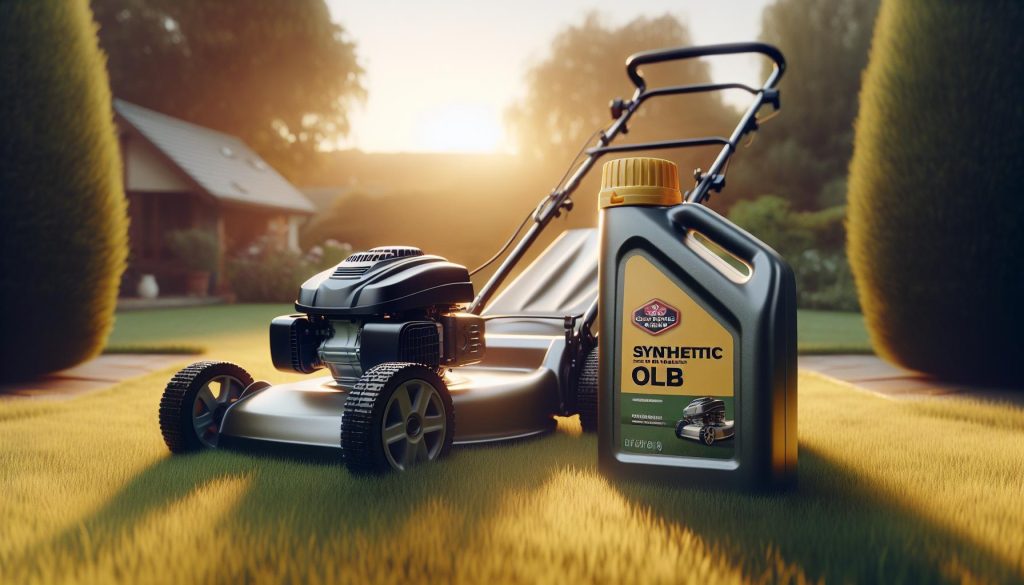
When it comes to maintaining your lawn mower, choosing the right oil can significantly impact its performance and longevity. You might be wondering if synthetic car oil, known for its superior lubrication and protection, is suitable for your lawn mower. As many homeowners tackle the perennial task of lawn care, understanding the compatibility of synthetic oils can save you time and money while keeping your mower running smoothly.
In this article, we’ll explore the benefits of synthetic oil, potential concerns, and if it truly can be used in your mower. By the end, you’ll have clarity on whether this modern lubricant is the right choice for your lawn care needs, ensuring that your equipment operates effectively and efficiently year after year.
Can Synthetic Oil Benefit Your Lawn Mower?
Using synthetic oil in your lawn mower can significantly enhance its performance and longevity, but many homeowners wonder if it’s truly worth the switch from conventional oil. Synthetic oil is formulated through advanced chemical processes, offering properties that can be tailored to meet the demands of small engines. This engineered approach means synthetic oils often provide better lubrication, improved temperature stability, and a greater resistance to breakdown compared to their conventional counterparts.
One of the primary benefits of using synthetic oil in lawn mowers is its ability to maintain viscosity across a wide temperature range. Unlike conventional oils that can thicken in cold conditions or thin out in high heat, synthetic oils perform consistently, ensuring optimal protection of engine components regardless of the weather. Additionally, synthetic oil tends to have superior cleansing properties, reducing the accumulation of sludge and deposits that can hinder engine performance over time. This can be particularly advantageous for proactive homeowners who wish to extend the life of their mower without frequent oil changes.
Another compelling reason to consider synthetic oil is its reduced volatility, which leads to less evaporation during operation. This characteristic translates to fewer oil top-offs throughout the mowing season and more time spent enjoying your well-manicured lawn instead of performing maintenance tasks. Furthermore, because synthetic oil is typically designed to be more eco-friendly, it may contribute to lower emissions, aligning with environmentally conscious practices while providing a cleaner running engine.
In conclusion, incorporating synthetic oil into your lawn mower routine can yield a myriad of benefits, from enhanced performance and longevity to improved environmental impact. As with any product, it’s essential to follow manufacturer recommendations and consider factors such as cost and availability to ensure you’re making the best choice for your specific lawn care needs.
Understanding the Difference Between Synthetic and Conventional Oils
The choice between synthetic and conventional oils can significantly impact the performance and longevity of your lawn mower. While conventional oils are derived from natural crude oil, synthetic oils are engineered through chemical processes to provide enhanced properties and performance in demanding situations. This distinction is crucial for small engine applications like lawn mowers, where operating conditions can vary greatly.
Synthetic oils are designed to offer a range of advantages over their conventional counterparts. They generally maintain better viscosity across temperature extremes, ensuring consistent lubrication even in hot or cold weather. This means that during those hot summer days or chilly early mornings, your lawn mower will continue to run smoothly without the risk of the oil breaking down or thickening excessively. Additionally, synthetic oils tend to resist oxidation and thermal breakdown more effectively, leading to fewer sludge deposits in the engine and less frequent oil changes.
Another important aspect to consider is the formulation of synthetic oils, which often includes additives that enhance their performance. These additives can improve fuel efficiency, reduce friction, and minimize wear on engine components, resulting in better overall engine health. This is particularly beneficial for lawn mowers that undergo regular, heavy use, as it directly correlates to prolonged equipment life and reduced maintenance costs.
When considering which type of oil to use, it’s essential to pay attention to the manufacturer’s recommendations for your specific lawn mower model. Some mowers are designed to work optimally with either type of oil, but using the wrong one could lead to suboptimal performance or even engine damage. In summary, understanding the fundamental differences between synthetic and conventional oils equips you with the knowledge to make an informed decision that aligns with your lawn mower’s needs and your maintenance goals.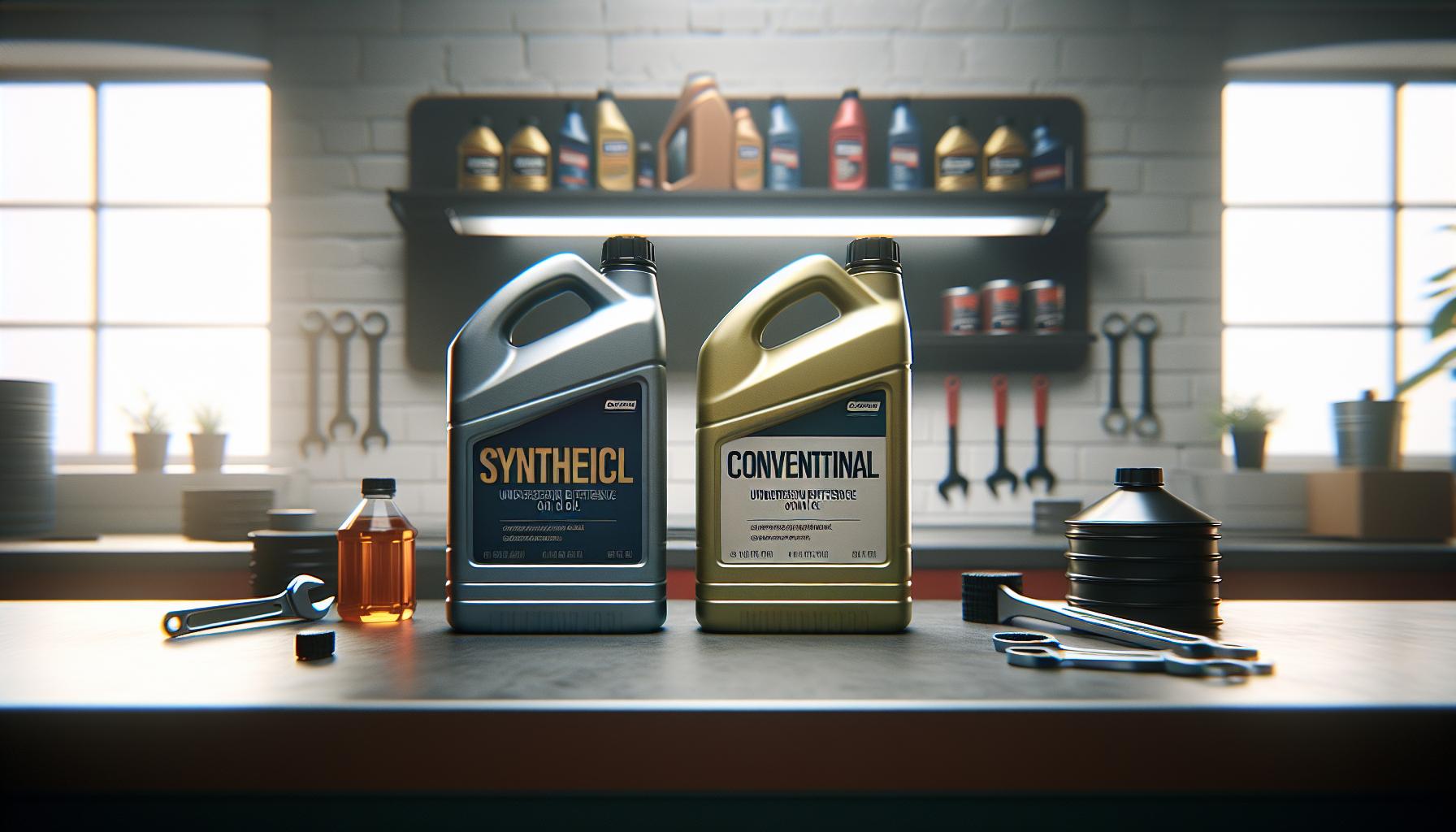
Key Advantages of Using Synthetic Oil in Small Engines
Using synthetic oil in small engines, such as those found in lawn mowers, offers a host of advantages that can significantly impact engine performance and durability. One of the standout features of synthetic oil is its superior temperature stability. Unlike conventional oils, which can suffer from viscosity breakdown at high temperatures or become too thick in colder conditions, synthetic oils are engineered to maintain consistent viscosity across a wider range of temperatures. This means your lawn mower will operate more efficiently, starting smoothly even during the chilly mornings of early spring or the hot afternoons of summer.
Moreover, synthetic oils typically contain a variety of high-quality additives that boost their performance characteristics. These additives help to combat engine wear by reducing friction between moving parts, ultimately leading to longer engine life. Additionally, synthetic oils are highly resistant to oxidation and thermal breakdown, which can lead to sludge formation. Fewer deposits mean a cleaner and healthier engine requiring less frequent oil changes. As a result, this could translate into lower long-term operating costs for your lawn mower.
It’s also important to note that synthetic oil can enhance fuel efficiency. By reducing friction and improving lubrication, it allows the engine to run smoother, translating to lower fuel consumption. For homeowners who rely on their lawn mowers for extensive yard care, this boost in efficiency can lead to significant fuel savings over time.
Lastly, while some may hesitate due to the higher initial cost of synthetic oil, the long-term benefits often justify the investment. With prolonged engine life, reduced maintenance needs, and better overall performance, opting for synthetic oil could prove to be one of the best decisions for maintaining your lawn mower effectively.
Compatibility: Can You Mix Synthetic and Conventional Oils?
Mixing synthetic and conventional oils in small engines, like those in lawn mowers, is a topic often surrounded by confusion. Many lawn mower owners wonder if it’s safe to combine these two types of oils if they’re in a pinch. It’s important to note that while many manufacturers do not explicitly prohibit mixing, doing so may not provide the optimal benefits promised by synthetic oils. In fact, when mixed, the overall performance characteristics could be diminished.
One of the primary concerns with blending synthetic and conventional oils is that the additives and base oils in each type can react unpredictably. Conventional oils tend to contain more impurities and may lack the advanced properties of synthetic oils, such as enhanced lubricity and temperature stability. This can lead to reduced protective qualities and an increase in engine wear, countering the benefits synthetic oil typically offers. If you choose to mix oils, ensure that they at least meet the same viscosity and specifications recommended by your mower’s manufacturer.
While manufacturers may state that mixing is permissible, it’s best practice to use one type of oil consistently. Over time, as you replace oil, consider gradually switching to synthetic oil entirely if you’ve been using conventional oil. This will allow you to take advantage of the higher performance characteristics synthetic oils offer without risking the integrity of your engine.
Should you find yourself needing to top off your oil and only have conventional oil on hand, try to opt for a high-quality product that meets your mower’s specific requirements. In the long run, minimizing the mixing and sticking to one type of oil enhances engine longevity and performance, keeping your lawn mower in peak operating condition for many seasons to come.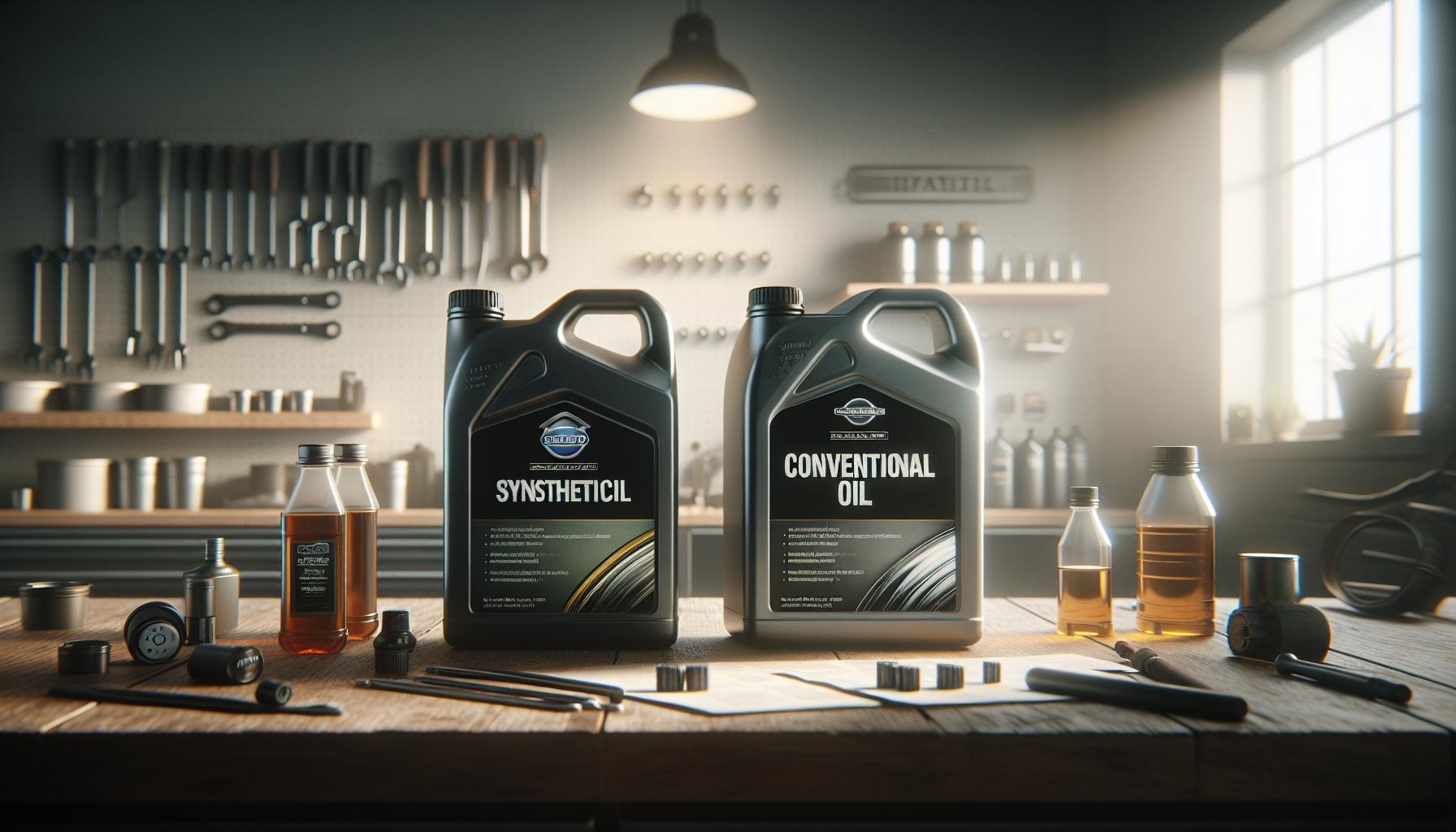
How to Choose the Right Synthetic Oil for Your Lawn Mower
Choosing the right synthetic oil for your lawn mower can greatly impact its performance and longevity. Unlike conventional oils, synthetic oils are engineered to provide superior protection and efficiency, making them an appealing choice for small engines. When selecting a synthetic oil, it’s essential to consider the manufacturer’s specifications, the oil’s viscosity, and its additive package.
First and foremost, always check your lawn mower’s owner manual. Manufacturers specify the appropriate oil type and viscosity rating, typically denoted by numbers such as 10W-30 or 5W-20. Following these recommendations ensures optimal performance and prevents potential engine issues. For instance, 10W-30 is a popular choice for many mowers, providing an excellent balance of performance in both hot and cold conditions.
Another crucial factor is the blend of additives present in the synthetic oil. Look for oils that contain detergents and anti-wear additives, which help maintain engine cleanliness and minimize wear on vital components. Oils that specify compatibility with small engines or those explicitly labeled for use in lawn mowers are ideal choices. Many leading brands offer synthetic options tailored for outdoor power equipment, ensuring you get a product fit for your mower’s specific needs.
Lastly, consider the climate and typical usage of your mower. If you frequently use your lawn mower in extreme temperatures or for prolonged periods, selecting a high-quality synthetic oil can enhance lubrication and reduce the chance of overheating. Strong performance in various conditions not only prolongs the life of your engine but can also improve fuel efficiency.
In summary, taking the time to choose the right synthetic oil considering manufacturer specifications, additive quality, and environmental conditions will help keep your lawn mower running smoothly and efficiently for years to come. By making an informed decision, you invest in the health of your equipment and enjoy a beautifully maintained lawn.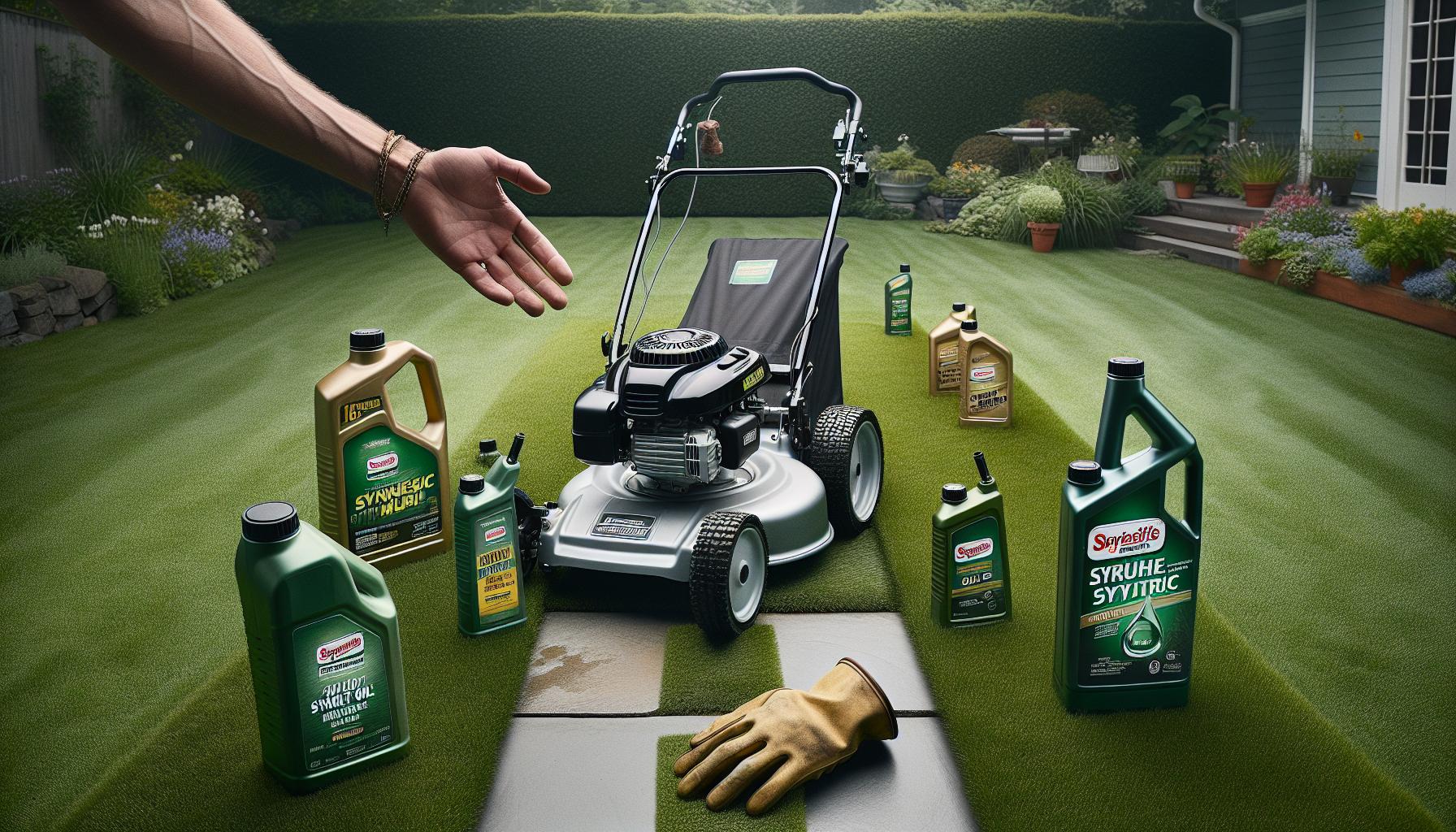
Common Misconceptions About Synthetic Oil Usage
Many lawn mower owners are hesitant to use synthetic oil due to several misconceptions that circulate about its usage and compatibility. One prevalent myth is that synthetic oil is only necessary for high-end or performance-driven engines. In reality, synthetic oil can provide significant benefits for small engines, such as those found in lawn mowers, due to its superior lubrication properties. Unlike conventional oils, synthetic oils are engineered to resist breakdown under high temperatures, making them an excellent choice for equipment that operates in varying conditions.
Another common misconception is that synthetic oil can’t be mixed with conventional oil. While it’s generally recommended to stick with one type for consistency and performance, mixing synthetic and conventional oils is sometimes permissible. However, doing so may dilute the advantages of synthetic oil. It’s essential to follow the manufacturer’s recommendations and understand that if your lawn mower specifies a synthetic blend, then using a fully synthetic oil would yield the best results. Always consult your owner’s manual before making any changes.
Additionally, some users think that synthetic oil leads to leaks or higher oil consumption, particularly in older engines. This concern often arises from the misconception that synthetic oil can clean out sludge and deposits that seal older engines from oil leakage. While synthetic oil does clean the engine, its chemical stability and viscosity actually help maintain proper seals. In fact, using synthetic oil may help reduce leaks rather than exacerbate them, enhancing overall engine life.
Lastly, there’s a belief that synthetic oils are significantly more expensive without corresponding benefits. Although the initial cost may be higher, the longevity and engine protection provided by synthetic oil can lead to reduced maintenance needs and prolonged mower life, ultimately saving money over time. Making the switch to synthetic oil could improve your lawn mower’s efficiency, performance, and reliability, making it a worthy investment for both casual and avid lawn care enthusiasts.
Step-by-Step Guide to Changing Your Lawn Mower Oil
Changing the oil in your lawn mower is a vital maintenance task that can significantly extend its lifespan and performance. With the right approach, this process can be both simple and effective, ensuring your mower runs smoothly all season long. If you’ve decided to switch to synthetic oil for its enhanced protective qualities, here’s a practical step-by-step guide to help you through the oil change process.
Start by gathering the necessary tools and materials. You will need the following items:
- Fresh synthetic oil (check your owner’s manual for specifications)
- Oil drain pan
- Wrench or socket set
- Funnel
- Shop towels or rags
- Gloves (optional but recommended)
Before you begin, ensure that your mower is on a flat, level surface and the engine is turned off and cool to prevent any accidents. Remove the spark plug wire to prevent the mower from accidentally starting during the oil change. Then, locate the oil drain plug beneath the mower. You’ll typically find it near the base of the engine. Place the oil drain pan underneath the drain plug, then use your wrench to unscrew the plug, allowing the old oil to drain completely into the pan.
Once the oil has fully drained, replace and tighten the drain plug. Now it’s time to add the fresh synthetic oil. Position your funnel over the fill cap, and pour in the appropriate amount of new oil as specified in your owner’s manual. Replace the fill cap securely after refilling. Finally, remember to reconnect the spark plug wire before starting the mower to ensure everything is in proper working order.
With your mower now equipped with high-quality synthetic oil, you’ll likely notice improved performance and efficiency in your lawn care routine. Regular oil changes not only promote longevity for your mower but also contribute to a healthier lawn, making this process well worth the effort.
What Happens If You Use the Wrong Oil Type?
Using the wrong oil type in your lawn mower can lead to significant issues that may compromise its performance and longevity. While mixing or using an incorrect oil might seem harmless, even short-term use can result in various problems ranging from engine wear to complete engine failure. For instance, synthetic car oil is formulated differently than oils specifically designed for small engines, which can create incompatibilities that affect lubrication, protect against wear, or manage heat effectively.
If your mower’s engine is exposed to oil that doesn’t meet the specific viscosity and detergent requirements, you might notice symptoms like excessive engine noise or overheating. Inadequate lubrication can lead to increased friction, causing components to wear out faster. Furthermore, car oils often contain additives designed for higher RPMs and different operating conditions, which may not perform well in a mower engine that runs at lower speeds.
In some cases, using the wrong oil can void warranties or require costly repairs. For example, if a mower’s manual specifies using a detergent oil to keep internal components clean, introducing a non-detergent alternative could allow harmful deposits to build up, resulting in decreased performance or mechanical issues over time. It’s crucial to follow manufacturer recommendations for oil type to avoid these unforeseen complications.
To mitigate risks, always check your mower’s manual for the appropriate oil specifications. If you find yourself in a situation where you may have used the wrong oil, it’s advisable to drain it and replace it with the correct type as soon as possible. This proactive measure can help safeguard your mower’s health and ensure it operates optimally throughout the mowing season.
Environmental Impact of Using Synthetic vs. Conventional Oils
The choice between synthetic and conventional oils is not just a matter of engine performance; it also plays a significant role in environmental impact. Many homeowners are increasingly conscientious of the ecological footprint left by their lawn and garden care products. Synthetic oils are typically engineered to provide superior performance and protection, but their environmental implications can vary considerably when compared to conventional oils.
H3: Reduced Environmental Footprint
One of the key advantages of synthetic oils is their ability to reduce environmental harm through better efficiency and fewer emissions. These oils are designed to deliver improved engine efficiency, which can lead to less fuel consumption. For instance, a small engine running on synthetic oil can achieve better fuel economy compared to one using conventional oil, ultimately reducing the amount of carbon dioxide released into the atmosphere. Furthermore, synthetic oils often contain fewer volatile organic compounds (VOCs), which are significant contributors to air pollution.
H3: Recycling and Disposal Considerations
On the other hand, the production processes for synthetic oils can raise environmental concerns. The synthesis of these oils often involves complex chemical processes that may utilize non-renewable resources. For example, while synthetic oils can offer extended change intervals-leading to less frequent disposal-they can also be more challenging to recycle than conventional oils. When it comes to the disposal of burnt oils, conventional oils are generally more accepted at recycling facilities.
H3: Long-term Environmental Benefits
However, it’s essential to consider the longevity of synthetic oils. The increased lifespan of synthetic formulations means reduced oil changes, which can lead to less waste over time. The extended intervals between changes can significantly decrease the total volume of oil that ends up in landfills or as contaminant runoff. Utilizing synthetic oil can also minimize hazardous waste since fewer additives are required to achieve similar performance levels as conventional oils.
In conclusion, while both synthetic and conventional oils impact the environment, the decision ultimately depends on a variety of factors including usage patterns, maintenance habits, and local recycling facilities. By opting for synthetic oil, users may contribute to a reduced environmental footprint through better engine efficiency and less frequent oil changes, thus fostering a more sustainable approach to lawn care.
Expert Tips for Maintaining Your Lawn Mower’s Engine
Maintaining your lawn mower’s engine is crucial for optimal performance and longevity, especially if you’re using high-quality synthetic oil. Regular upkeep ensures that your mower runs efficiently, reducing the risk of breakdowns and costly repairs. Here are some expert tips that can help you keep your lawn mower’s engine in peak condition while leveraging the benefits of synthetic oil.
To start, check and change the oil regularly. Even though synthetic oil offers extended intervals between changes, it’s vital to monitor oil levels frequently and replace it as needed. A good practice is to check the oil every few uses and change it at least once per mowing season. This will help maintain engine cleanliness and performance. Additionally, ensure you’re using the correct synthetic oil type for your mower’s engine, as specified by the manufacturer.
Another important tip is to maintain the air filter. A clean air filter ensures that the engine receives an adequate supply of clean air for combustion. Clogged filters can hinder performance and lead to increased wear and tear. Depending on the type of filter, it may be washable or need periodic replacement. Inspect it regularly and clean or replace it as necessary.
Keep the Fuel System Clean
Ensure that the fuel system is also properly maintained. Use fresh fuel and consider adding a fuel stabilizer when storing your mower for long periods. Old fuel can cause starting issues and inefficient combustion. Furthermore, regularly inspect and replace the fuel filter to prevent contaminants from entering the engine, which can dilute the effectiveness of synthetic oil and lead to decreased performance.
Sharpen the Blades
Lastly, don’t overlook the importance of keeping your mower blades sharp. Dull blades can strain the engine, leading to inefficiencies and increased fuel consumption-issues that synthetic oil is designed to mitigate. Regularly inspect the blades and sharpen or replace them as necessary to maintain a clean cut and reduce stress on the engine.
By incorporating these maintenance tips into your mower care routine, you can maximize the advantages of using synthetic oil, ensuring that your lawn mower remains reliable and efficient for years to come. Regular attention will not only improve performance but also enhance the life of your equipment.
When to Consider Alternative Oil Types for Lawn Mowers
When it comes to maintaining your lawn mower, understanding the right type of oil to use is crucial for optimal performance. While synthetic oils are well-regarded for their superior properties, there are circumstances where exploring alternative oil options may be beneficial. One key consideration is the age and condition of your mower. If you’re operating an older model with considerable wear and tear, conventional oils may provide a thicker viscosity that better suits older engines’ clearances, potentially leading to a more effective seal and reducing oil leaks.
Another factor to consider is the specific operating environment of your mower. If you frequently mow in extreme temperatures or under heavy loads, conventional oils might offer sufficient protection without the need for synthetic. Synthetic oils excel in prolonged high-temperature scenarios, but if your mowing is limited to quick tasks in mild conditions, you might achieve satisfactory results with a good quality conventional oil.
Additionally, if you are in a situation where your mower is frequently used intermittently or for short durations, such as suburban lawns cut bi-weekly, you might want to consider oils designed specifically for small engines. These oils are formulated to offer better lubrication during the frequent starts and stops typical of mower operation and can enhance the longevity of the engine without the higher costs associated with synthetic oils.
Lastly, budget considerations can also play a critical role in your decision. Synthetic oils, while costlier upfront, promise longer intervals between changes and may save money in the long run. However, if your lawn mower is on the lower end of the price spectrum or not used extensively, the more economical conventional oil may be all you need to keep your machine running smoothly. Evaluating these factors can guide you toward the best choice for your lawn mower’s specific needs.
FAQ
Q: Can I use synthetic oil instead of regular oil in my lawn mower?
A: Yes, you can use synthetic oil in your lawn mower. Synthetic oils are designed to perform better in extreme temperatures and offer superior lubrication, which can enhance the lifespan of your mower’s engine. Always check your owner’s manual for specific recommendations.
Q: What are the potential risks of using synthetic oil in small engines?
A: While using synthetic oil generally poses no significant risks, some small engines may not be designed for its formulation, potentially affecting performance. It’s crucial to follow manufacturer guidelines and consult your owner’s manual for compatibility details.
Q: How often should I change the oil in my lawn mower when using synthetic oil?
A: When using synthetic oil, it’s recommended to change it every 50-100 hours of operation or at least once per season. This ensures optimal engine performance and longevity. For detailed guidance, refer to the “Step-by-Step Guide to Changing Your Lawn Mower Oil” section in the article.
Q: Can I mix synthetic and conventional oils in my lawn mower?
A: Mixing synthetic and conventional oils is generally not recommended, as it can reduce the effectiveness of both oils. If you require a top-up, choose a compatible synthetic oil to maintain engine performance. Refer to the “Compatibility: Can You Mix Synthetic and Conventional Oils?” section for more insights.
Q: What is the best synthetic oil for a lawn mower?
A: The best synthetic oil for a lawn mower depends on the manufacturer’s specifications. Look for oils labeled for small engines, typically 5W-30 or 10W-30 viscosity. Consult “How to Choose the Right Synthetic Oil for Your Lawn Mower” for tailored advice.
Q: Why do some people recommend against using synthetic oil in lawn mowers?
A: Some believe that synthetic oils can lead to oil leaks in older lawn mowers due to their thinner consistency. However, most modern mowers are designed to handle synthetic oils effectively. For a full exploration of misconceptions, check the “Common Misconceptions About Synthetic Oil Usage” section.
Q: How does synthetic oil affect lawn mower performance?
A: Synthetic oil can enhance lawn mower performance by reducing engine wear, improving fuel efficiency, and providing better protection against high temperatures. This leads to a smoother operation and may extend the mower’s lifespan. For more details, see “Key Advantages of Using Synthetic Oil in Small Engines.”
Q: Is it better to use synthetic oil or conventional oil for lawn mowers?
A: Synthetic oil is often better for lawn mowers due to its superior performance in various temperatures and grit conditions. It provides better protection and can enhance engine life compared to conventional oils. Explore “Understanding the Difference Between Synthetic and Conventional Oils” for deeper insights.
Insights and Conclusions
Now that you have clarity on using synthetic car oil in your lawn mower, consider this your moment to optimize your mower’s performance and extend its lifespan. Don’t forget to check out our articles on “Best Lawn Mower Maintenance Tips” and “The Advantages of Synthetic Oil for Small Engines” for further insights, ensuring you’re well-prepared for every mowing season.
Ready to take action? Subscribe to our newsletter for more expert advice delivered straight to your inbox! Your lawn deserves the best care, and we’re here to help you every step of the way. Have questions or experiences to share? Join the conversation in the comments below! Embrace this opportunity to enhance your lawn care game today!