Have you ever found yourself with a dead car battery and a lawn mower on standby? It’s a relatable scenario that many face, leading to the question: can that lawn mower battery come to the rescue? Surprisingly, while both batteries provide essential power, they have very different capabilities. Understanding whether you can jump-start a car with a lawn mower battery not only saves you time and frustration but can also be a practical solution when you’re in a bind. Dive into the detailed exploration of this topic, where we’ll uncover the truths behind using a lawn mower battery for your car, ensuring you’re well-informed for the next unexpected situation.
Can a Lawn Mower Battery Jump a Car?
While it might not be the first option that comes to mind, a lawn mower battery can indeed jump-start a car under certain conditions. Most lawn mower batteries are 12-volt lead-acid batteries, similar to the batteries found in cars. However, there are key differences in capacity and design that influence their effectiveness in this situation. On average, a car battery has a higher cold cranking amperage (CCA), which makes it more suited for igniting the larger engine of a vehicle. This doesn’t mean your lawn mower battery won’t work, especially for small engines or emergencies, but several factors should be considered.
One significant factor is the overall health and charge of the lawn mower battery. If it’s been maintaining charge and is in good condition, it may provide sufficient power to jump a car. Before attempting, ensure the battery is fully charged and capable of delivering enough current. Keep in mind that lawn mower batteries are not typically designed for high-drain situations like starting a car, so the outcome may not be guaranteed.
It’s essential to recognize that using a lawn mower battery has its limitations. If the car’s battery is completely dead or if there are issues not related to the battery itself (like a faulty starter), the smaller battery may struggle to provide the needed jump. Additionally, when connecting the lawn mower battery, using the correct polarity is vital to avoid damaging either battery.
In conclusion, while a lawn mower battery can potentially jump a car, it’s not an ideal solution. It can work in a pinch, especially if the car battery is only slightly depleted, but for best results and to ensure safety, consider using a proper car battery.
Understanding Lawn Mower Batteries
Most people may not realize just how versatile lawn mower batteries can be. Primarily designed for powering small engines, these batteries are typically 12-volt lead-acid types, similar in voltage to those found in cars. However, while they share this fundamental characteristic, key differences in size, capacity, and construction pose challenges when using them in unfamiliar applications, such as jump-starting a vehicle. Understanding these nuances can help you assess whether using a lawn mower battery for this purpose is feasible.
Lawn mower batteries generally come in two main types: flooded lead-acid and sealed lead-acid (SLA). Flooded batteries are more common and require maintenance, including checking electrolyte levels. SLA batteries, often referred to as gel or absorbed glass mat (AGM) batteries, are maintenance-free and more resistant to vibrations – an important feature for mobile applications. Despite these variations, both types have limitations in terms of their cold cranking amperage (CCA), which measures a battery’s ability to start an engine in cold conditions. Car batteries typically exceed 500 CCA, while lawn mower batteries might range from 100 to 300 CCA, making them less effective in high-demand situations like jump-starting a car.
For anyone considering using a lawn mower battery, it’s crucial to check not only the battery’s charge level but also its overall condition. Is the battery relatively new, or has it been subjected to frequent deep discharges? A well-maintained lawn mower battery that has retained its charge can potentially provide just enough power for your car’s engine, especially if it’s only slightly drained. However, if the car battery is completely dead or if the car has other electrical issues, the lawn mower battery may struggle to facilitate a successful jump.
In summary, while lawn mower batteries offer a 12-volt solution to some starting problems, they are not universally reliable for jump-starting cars. These batteries excel in their designed purpose – powering mower engines – but approaching them with realistic expectations regarding their performance in more demanding scenarios is important. If you find yourself needing to jump a car, ensure that your lawn mower battery is in peak condition, and be prepared for possible limitations in its power output.
How Lawn Mower Batteries Compare to Car Batteries
When considering the feasibility of using a lawn mower battery to jump-start a car, it’s important to understand the fundamental differences between lawn mower and car batteries. Both are typically 12-volt lead-acid batteries, but the similarities largely end there. Car batteries are specifically designed to handle the high demand of starting a vehicle, with robust capacity and cold cranking amperage (CCA) ratings usually exceeding 500 CCA. In contrast, lawn mower batteries generally have lower CCA ratings-often between 100 and 300-making them less capable of delivering the quick burst of power necessary to start a car engine.
Another key difference lies in the construction and maintenance requirements of these batteries. Car batteries are built to endure frequent deep discharges, which are common during typical usage, while lawn mower batteries, especially flooded lead-acid types, require regular maintenance such as checking electrolyte levels. Sealed lead-acid (SLA) batteries can be more resilient as they are designed to be maintenance-free and are better at resisting vibrations. However, regardless of the type, lawn mower batteries still lack the reserve and power capacity that a car battery possesses, which can limit their effectiveness in a jump-start scenario.
In practical terms, if you find yourself needing a jump and only have a lawn mower battery available, a successful jump is not entirely out of the question under ideal conditions-such as a recently charged and well-maintained battery. However, the probability of success diminishes significantly if the car’s battery is fully dead or there are other electrical issues at play. For minor situations like a slightly drained battery, the lower capacity of the lawn mower battery might suffice, but caution should be exercised, keeping in mind the potential for the battery to quickly drain or overheat during the attempt.
In summary, while there are some overlaps
Safety Precautions for Jumping with a Lawn Mower Battery
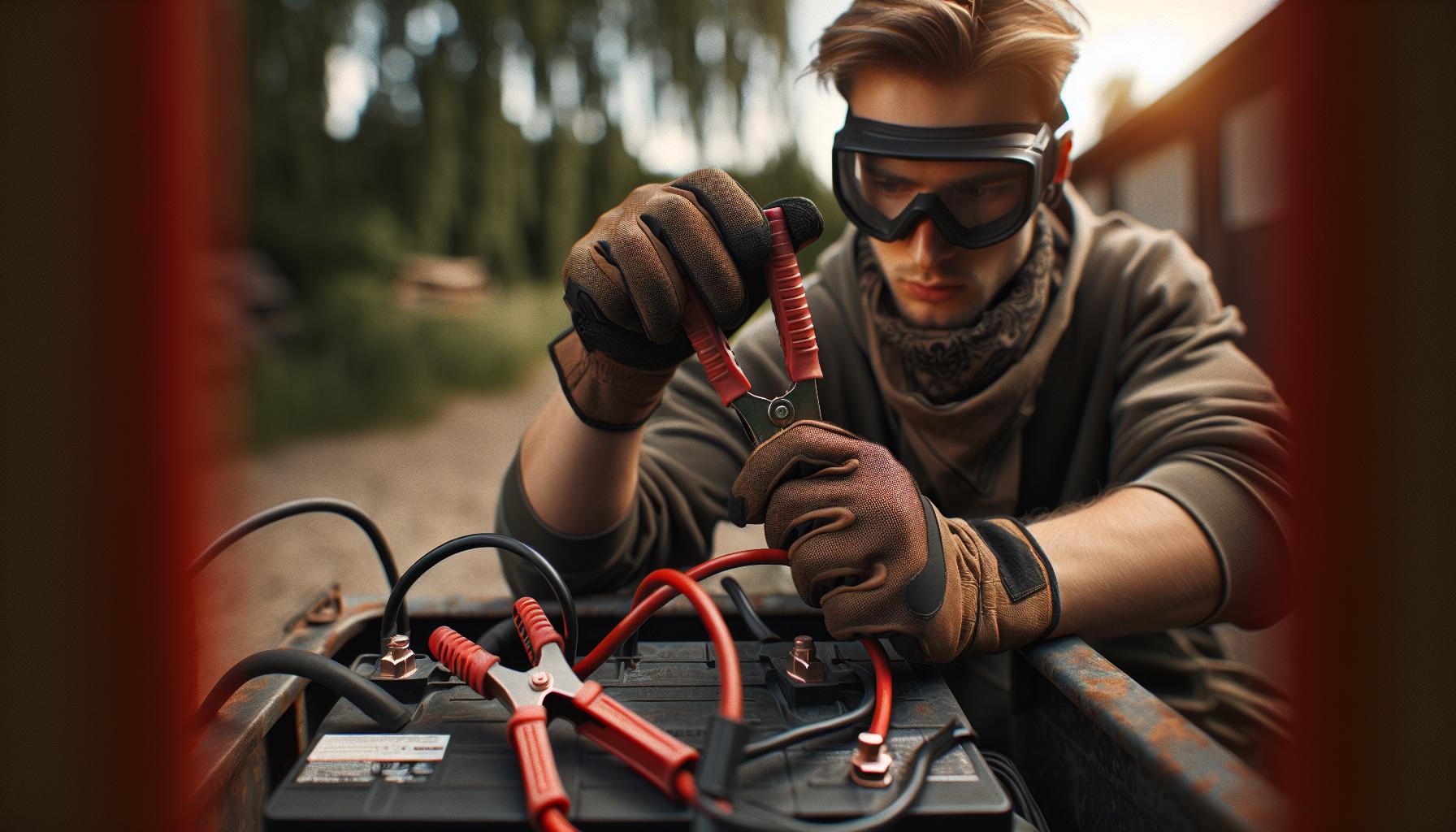
When it comes to jump-starting a car with a lawn mower battery, there are crucial safety precautions that should not be overlooked. Despite the similarities in voltage, lawn mower batteries are not designed for the high demands that come with starting a car engine. Hence, it’s important to approach this task with care. One of the first rules is to ensure that both batteries are of the same type-preferably lead-acid-and that the connections are secure. A loose cable can cause sparks, which pose a fire hazard.
Always wear protective gear such as gloves and safety glasses. This not only shields you from potential acid spills but also from accidental short circuits that can happen if the battery terminals come into contact with metal tools or surfaces. Additionally, before attempting to connect the batteries, check for any signs of damage on the lawn mower battery, such as cracks or corrosion. A damaged battery can leak acid or explode under strain.
While jumping a car with a lawn mower battery, be aware of the surroundings. Ensure that both the car and the mower are parked on a flat, stable surface. Keep flammable materials away, as the battery may generate hydrogen gas during the jump, which can ignite in the presence of a spark.
Once connected, monitor the lawn mower battery closely for signs of overheating or unusual smells. If any of these occur, disconnect immediately. Patience is key-if the car does not start right away, do not force it. It might be wise to seek assistance from a professional mechanic or consider alternatives if the situation does not improve quickly.
By following these safety precautions, you can reduce the risk of accidents and ensure a more effective jump-start, even when relying on a lawn mower battery. Always remember that while it is possible to jump a car with this type of battery, it should only be seen as a temporary solution in an urgent situation.
Step-by-Step Guide: Jumping a Car with a Lawn Mower Battery
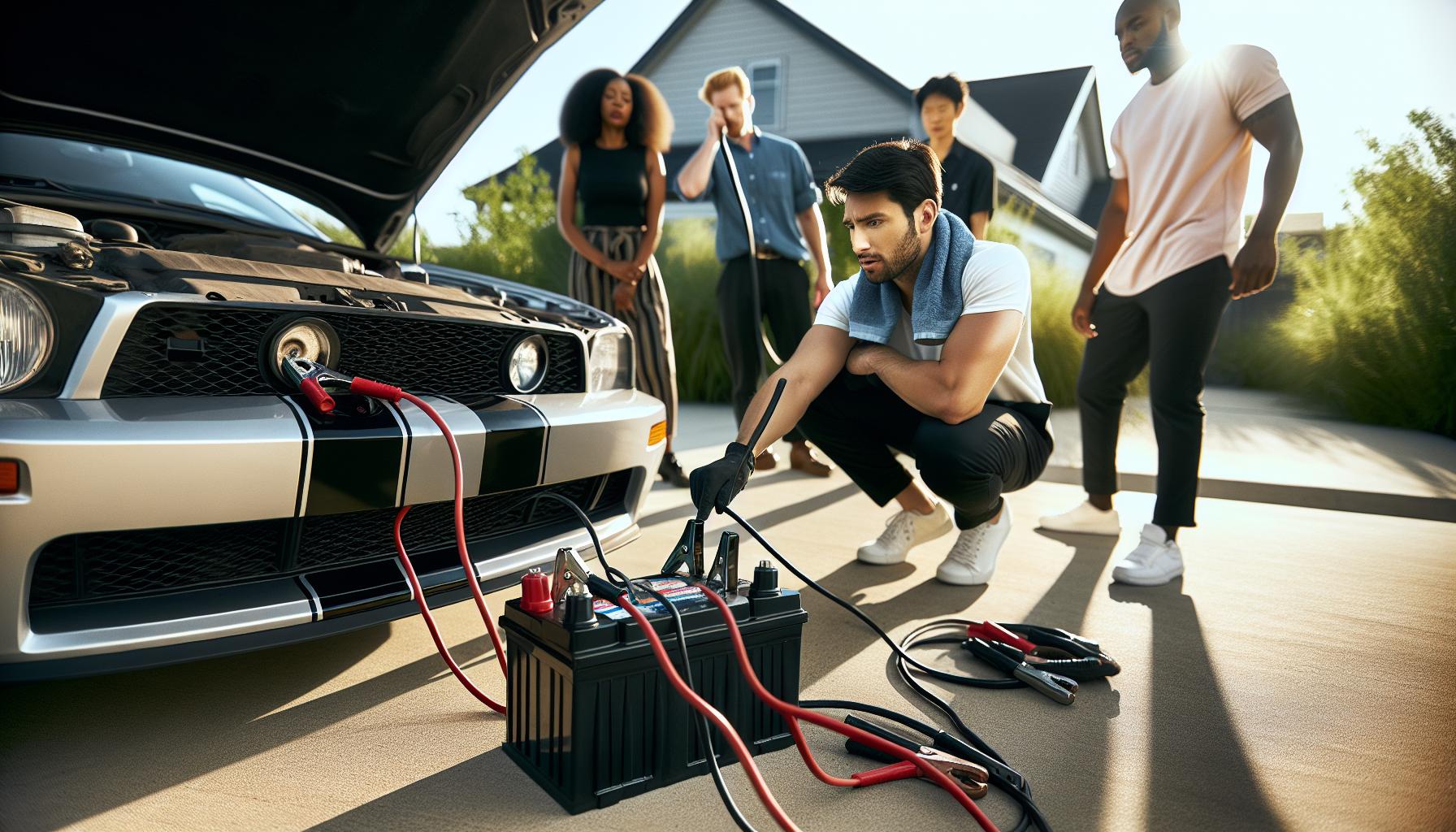
Jump-starting a car with a lawn mower battery may sound unconventional, but in an emergency, it can be a lifesaver. A lawn mower battery typically operates at 12 volts, similar to most car batteries, making it theoretically possible to transfer power. However, the process requires caution and precision to ensure safety and effectiveness. Here’s how to do it.
Assess Your Equipment
Before you begin, ensure that both your lawn mower and car batteries are compatible. Ideally, both should be lead-acid batteries. Check the terminals for corrosion and ensure that your lawn mower’s battery is charged sufficiently. If the battery appears damaged, replace it before attempting to jump-start the car.
Gather Your Tools
You’ll need:
- A set of jumper cables
- Protective gloves and safety glasses
- A watt meter (optional, but helpful for checking battery voltage)
Having these tools on hand will not only streamline the process but also enhance your safety.
Connect the Batteries
- Position Both Vehicles: Place the lawn mower and car close enough for the jumper cables to reach both batteries. Ensure both are on a flat, stable surface.
- Turn Off Both Engines: Safety first-make sure both the lawn mower and car engines are off.
- Connect Jumper Cables:
– Attach the red jumper cable to the positive (+) terminal of the lawn mower battery.
– Next, connect the other end of the red cable to the positive (+) terminal of the car battery.
– Now, take the black jumper cable and connect it to the negative (-) terminal of the lawn mower battery.
– Finally, connect the other end of the black cable to a metal surface on the car away from the battery (this helps prevent sparks near the battery).
Start the Lawn Mower
Once the cables are securely connected, start the lawn mower and allow it to run for several minutes. This step replenishes the car b
Common Issues When Jumping with a Lawn Mower Battery
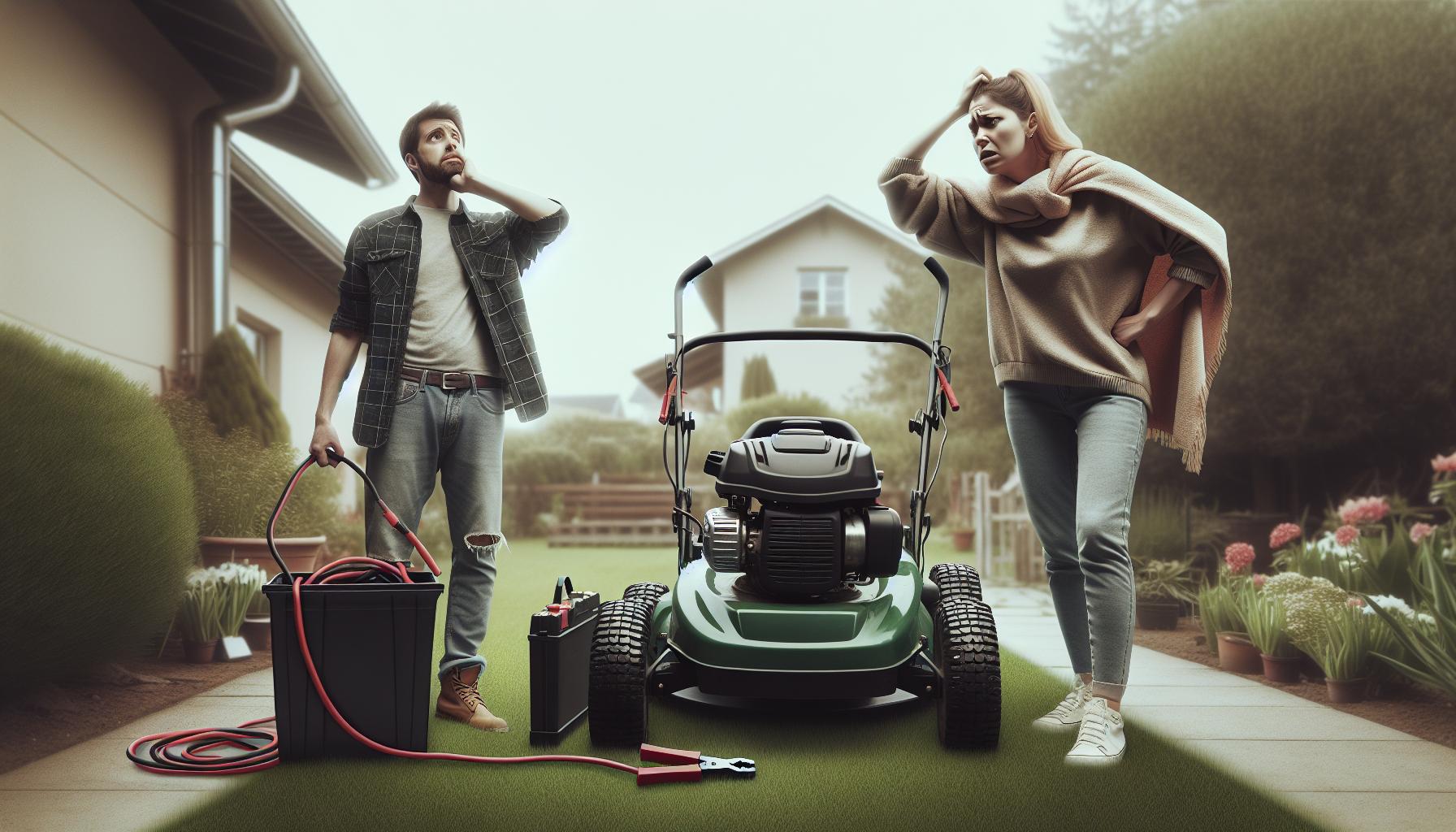
Jump-starting a car with a lawn mower battery might seem like a clever solution during an emergency, but there are common issues that could arise during the process. Understanding these potential pitfalls can help you navigate the situation more effectively and prevent damage to either vehicle.
One significant concern is the capacity of the lawn mower battery. Most lawn mower batteries, while operating at the standard 12 volts, typically have a lower cold cranking amp (CCA) rating compared to car batteries. This can result in insufficient power to start a vehicle, especially in colder temperatures or if the car has additional electrical systems drawing power. If your lawn mower battery is older or not fully charged, it may struggle to provide the necessary current, leading to frustration when the car doesn’t start.
Another issue to consider is the risk of corrosion and poor connections. Corroded terminals can hinder the flow of electricity. Before attempting to jump-start, inspect both batteries for any signs of corrosion. Clean the terminals gently with a wire brush if needed, ensuring that you have a solid connection when attaching the jumper cables. Ensuring the right cable connections is crucial; if the cables are mistakenly connected, it could cause electrical surges that might damage the battery or electronic components in the car.
Additionally, there’s always the risk of sparking and heat generation during the process. If the jumper cables are not connected properly, or if there is a fault in the battery, sparks can occur, which may ignite any flammable materials nearby. To mitigate this risk, always connect the cables in the correct order, ensuring safety by connecting the negative cable to a metal ground away from the battery.
Finally, be aware of the potential damage to the lawn mower battery itself. While using it to jump-start a car, particularly if repeated attempts are made without allowing the battery to recharge adequately, it can cause strain and lead to a shorter lifespan for the battery. Thus, understanding these common issues beforehand can save you time, money, and ensure a safer experience. Always remember that while it’s possible to jump a car with a lawn mower battery, these challenges highlight the importance of proceeding with caution.
Alternatives to Using a Lawn Mower Battery

When faced with a dead car battery, it’s crucial to explore . While lawn mower batteries can sometimes provide a temporary solution, they are not ideal for jump-starting vehicles due to their limited capacity and lower cold cranking amps. Therefore, considering other options can save time, frustration, and potential damage to both batteries.
One of the most effective alternatives is utilizing a dedicated jump starter. These portable devices are specifically designed for jump-starting vehicles and are equipped with the necessary power and connectors. They are compact, easy to store in your car, and generally come with built-in safety features to prevent incorrect connections. A jump starter allows you to initiate your vehicle without the need for another running one or worry about damaging your lawn mower battery.
If a jump starter isn’t available, try reaching out to a friend or neighbor who has a vehicle that can provide a traditional jump. In this case, their car battery, which is built for higher performance and cold cranking amps, will deliver the needed power to kickstart your vehicle. This method is straightforward and utilizes equipment designed for the task at hand, significantly reducing the risk of complications.
Finally, if you’re in a bind during inclement weather or unable to find help, roadside assistance services can be a lifesaver. These professionals are equipped to handle dead battery situations quickly and safely. Many auto insurance policies include roadside assistance, so it’s wise to check your coverage ahead of time.
In summary, while a lawn mower battery might seem like a quick fix, using a dedicated jump starter, seeking help from another vehicle, or contacting roadside assistance are far more reliable solutions for jumping a car. Taking these approaches not only ensures a smoother, safer experience but also helps maintain the longevity of your lawn mower battery for its intended use.
When to Seek Professional Help
When encountering a dead car battery, it can be tempting to consider jumping it with a lawn mower battery. But there are critical factors to weigh in making this decision. If you find yourself struggling to get your car started and don’t have another vehicle or a conventional jump starter at hand, it may be wise to know instead. There are instances where attempting a jump with a lawn mower battery could lead to complications or even damage to both the mower and the vehicle, which is why understanding your limits is essential.
Recognizing the Signs
If your car’s electrical system shows signs of serious issues beyond a simple dead battery-such as flickering lights or strange sounds-it’s a clear indication that a check-up from a professional is necessary. Additionally, if you feel uncomfortable or uncertain about the procedure of jump-starting with a lawn mower battery, calling for roadside assistance could be a better choice. Experts in these services are trained to handle battery issues efficiently and can avoid potential pitfalls that may arise from improper connections.
When DIY Goes Wrong
Should you have attempted the jump and nothing happens, or if the car starts but then dies shortly after, this points to deeper electrical issues that might not be resolved by just a jump. In such cases, a mechanic can diagnose the problem accurately, as they have the right tools and experience to detect underlying issues. They can also provide maintenance advice for your battery systems, helping to prevent future breakdowns.
Prioritizing Safety
Always remember that safety should come first. Using a lawn mower battery for jumping a car may expose you to risks, including battery leaks or explosions if not done correctly. Seeking professional help means you’re putting your safety in capable hands, ensuring that any help you receive is both effective and secure. Moreover, this approach saves you from the potential costs of damaged equipment or unforeseen repairs, promoting a better long-term outcome for both your car and lawn mower.
In summary, while the idea of using a lawn mower battery may seem feasible in a pinch, understanding the importance of professional assistance can prevent further complications and ensure a lasting solution to your vehicle’s battery problems.
Maintaining Your Lawn Mower Battery for Jumping
Ensuring your lawn mower battery is maintained properly can be a game-changer, especially when you’re considering using it for emergency situations, such as jumping a car. A well-maintained battery is not only crucial for the mower’s efficiency but can also enhance its capability to deliver power when you really need it. Regular care and attention will help extend its lifespan and ensure you’re prepared for that unexpected moment when your car needs a boost.
To keep your lawn mower battery in optimal condition, start by regularly inspecting it for any signs of corrosion or damage. Corrosion can build up around the terminals, which can hinder the battery’s performance. Clean the terminals with a mixture of baking soda and water, applying it with a toothbrush, and rinse thoroughly. Make sure the connections are tight to prevent any disruption in the flow of electricity. Furthermore, keep the battery charged, especially before any long periods of inactivity. For optimal performance, charge your battery once a month during the off-season to avoid a deep discharge, which can significantly damage the battery.
It’s also important to store your lawn mower battery correctly. If you know you won’t be using the mower for a while, store it in a cool, dry place and away from direct sunlight. Extreme temperatures can affect battery life, so maintaining a stable environment is ideal. If the battery has removable caps, check the electrolyte levels periodically and top them off with distilled water if needed.
Lastly, consider investing in a smart battery charger that can maintain the battery automatically during storage periods. These chargers can help prevent overcharging and can also provide a gentle charge that keeps the battery topped up without the risk of damage. Making these maintenance practices a routine part of your lawn care will ensure that your lawn mower battery is always in a reliable state, whether for its primary task or as an emergency aid for your car.
By taking these steps, you can maximize the reliability of your lawn mower battery, making it a trustworthy backup in case your car battery fails when you least expect it.
Real-Life Success Stories: Jumping Cars with Lawn Mower Batteries
In the realm of DIY car maintenance, many people have found themselves in a tight spot when their car battery suddenly dies. Surprisingly, some have turned to their lawn mower batteries for a quick fix. Real-life accounts reveal that this unconventional approach can work, albeit with a few caveats. For example, a suburban homeowner shared his experience of successfully using his lawn mower battery to jump a neighbor’s car on a particularly chilly morning when both vehicles were immobilized by the cold.
This success story resonates with several users who find themselves in similar situations. Many lawn mowers are equipped with 12-volt batteries, similar to those found in cars, which makes them potential lifesavers in emergencies. Anecdotes from users highlight a pattern: after checking the charge and ensuring the connections were clean, the lawn mower battery provided enough power to get the car ignition humming again. The key takeaway here is to remember that while it’s not the most common practice, it is indeed possible.
Nevertheless, caution is paramount. While jumping a car with a lawn mower battery can be effective, it’s crucial to perform it correctly to avoid damaging either battery. Users have emphasized the importance of ensuring that the connections are secure and that the mower battery is fully charged before attempting the jump. Many suggest that a unified approach-that is, assessing both vehicles’ needs and following proper protocols-can lead to successful results without any hiccups.
Overall, these stories reflect a growing trend among resourceful individuals who leverage the tools and equipment they have at hand to handle automotive issues. They underscore the importance of understanding one’s equipment, demonstrating that with a bit of ingenuity, a lawn mower battery can indeed play a role in reviving a dead car battery. This practical insight not only widens the scope of emergency preparedness but also encourages people to rethink their traditional solutions when faced with unexpected challenges on the road.
Frequently Asked Questions
Q: Can a lawn mower battery reliably jump-start a car?
A: A lawn mower battery can jump-start a car, but it may not have enough power for larger vehicles. Ensure the lawn mower battery is fully charged and follow safety precautions. Refer to the “Safety Precautions” section for more tips before attempting.
Q: What are the differences between a lawn mower battery and a car battery?
A: Lawn mower batteries are typically smaller with lower cranking amps than car batteries, making them less effective for jump-starting. For a deeper comparison, check the “How Lawn Mower Batteries Compare to Car Batteries” section in the article.
Q: What safety measures should I take when jumping a car with a lawn mower battery?
A: Always wear protective gear, ensure the batteries are disconnected when not in use, and follow proper jump-starting procedures to prevent sparks or damage. More details can be found in the “Safety Precautions for Jumping” section.
Q: What should I do if my car doesn’t start after using a lawn mower battery?
A: If the car does not start, check the connections and ensure both batteries are in good condition. It may also be a sign of a deeper issue, so consider checking the “Common Issues When Jumping” section for troubleshooting tips.
Q: Are there better alternatives to a lawn mower battery for jump-starting a car?
A: Yes, a dedicated jump starter or a fully charged car battery is more effective. If you’re looking for alternatives, review the “Alternatives to Using a Lawn Mower Battery” section for other options.
Q: When should I seek professional help for jump-starting my car?
A: If common jump-start methods fail, or if you encounter any electrical issues, it’s best to contact a professional. The “When to Seek Professional Help” section provides guidance on recognizing these signs.
Q: How can I maintain my lawn mower battery for future use?
A: Regularly charge the battery and store it in a cool, dry place to ensure optimal performance. More maintenance tips are included in the “Maintaining Your Lawn Mower Battery for Jumping” section.
Q: Are there any real-life examples of successfully jumping a car with a lawn mower battery?
A: Yes, there are success stories where individuals managed to jump-start their cars using lawn mower batteries. Check the “Real-Life Success Stories” section for inspiring accounts and methods used.
The Conclusion
Now that you know the truth about jumping a car with a lawn mower battery, it’s time to take action. While these batteries can provide a quick boost in emergencies, understanding their limitations is crucial. For more tips on optimizing your vehicle maintenance, check out our articles on battery care and alternative jump-start methods.
Don’t forget to subscribe to our newsletter for the latest insights and updates on automotive advice that keeps you informed and prepared. Have questions or personal experiences to share? We encourage you to comment below and engage with our community-your input could help others! Explore further on our site and empower yourself with knowledge that supports safe and efficient driving.