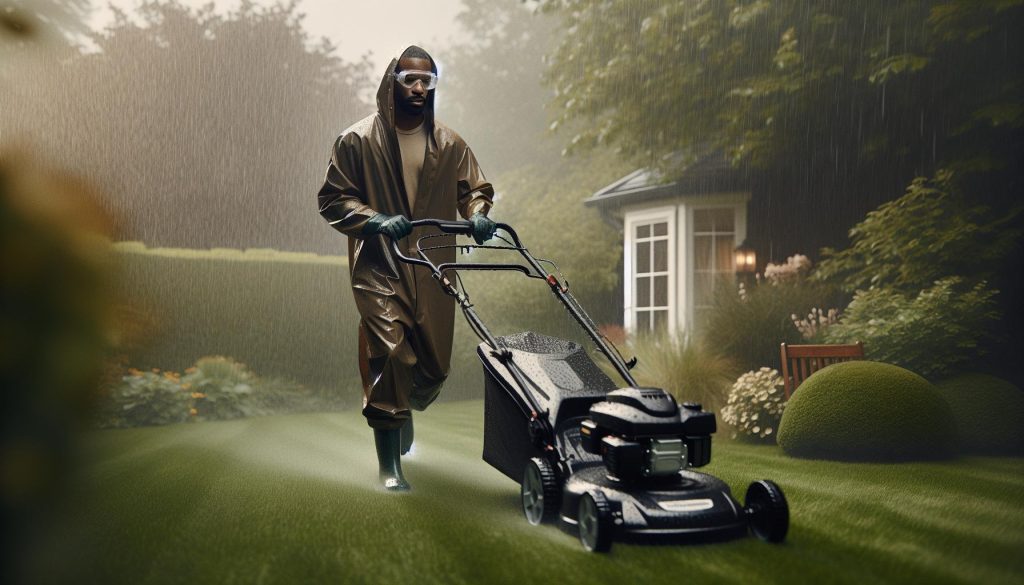
Mowing the lawn can feel like a never-ending task, especially when rain threatens to delay your plans. However, you might wonder: can you mow in the rain? While it may seem convenient to tackle the job despite wet conditions, safety should be your top priority. Wet grass can be slippery, and moisture increases the risk of electric shock with powered equipment. Not only could you endanger yourself, but mowing in the rain can also damage your lawn and mower. Understanding these risks is essential for anyone who wants to maintain a beautiful yard without compromising their safety. In this article, we’ll explore the implications of mowing wet grass, share expert advice, and help you make informed choices for your lawn care routine. Stay tuned to ensure your mowing habits keep you and your lawn safe and healthy!
Can You Mow the Lawn in the Rain? Understanding Safety Risks

Mowing your lawn in the rain may seem like an inevitable option when facing a busy schedule and a persistent downpour, but it brings significant safety risks that should be carefully considered. Wet grass can make mowing tricky; the mower can easily slip, increasing the risk of accidents, including losing your footing or getting injured by the mower itself. Moreover, there’s the danger of electric shock if you’re using an electric mower, especially when operating on slick surfaces where water accumulates.
Additionally, mowing in poor weather can compromise your visibility, making it challenging to navigate your yard effectively. The extra water on the ground can also obscure any hidden hazards such as rocks, branches, or holes that you might trip over, which not only endangers your safety but could also damage your mower. For those with a riding lawn mower, the risk multiplies-sharp turns on a wet surface can lead to skidding or tipping.
If you find yourself needing to mow in the rain, it’s essential to take precautions. Always wear appropriate footwear with non-slip soles, and if possible, choose a day when light rain is falling rather than a heavy downpour. Assess the conditions of your lawn; if it’s muddy and saturated, it’s wise to wait until it dries out a bit. By prioritizing safety, you can avoid unnecessary accidents while ensuring your mowing tasks are completed effectively.
The Benefits and Drawbacks of Mowing Wet Grass

Mowing grass when it’s wet can lead to mixed outcomes, with both advantages and disadvantages that deserve careful consideration. On one hand, cutting wet grass can often result in a cleaner cut due to the moisture allowing blades to slice more smoothly through the grass. Additionally, mowing during rain can mitigate the need for frequent mowing sessions later on, offering a solution for those with tight schedules. However, these benefits can be overshadowed by numerous drawbacks that warrant attention.
One significant drawback of mowing wet grass is the risk of damage to both your lawn and your mower. When grass is wet, it clumps together rather than being evenly distributed, leading to uneven cutting and an increased likelihood of scalping-removing too much grass, which stresses the plant. Wet ground also brings the risk of compacting the soil, negatively impacting root health in the long run. Furthermore, wet conditions could render your mower less effective or even damage it, especially if grass clippings clog the blade’s components.
In addition to mechanical concerns, safety should always be a priority when considering mowing in wet conditions. Surfaces can become slippery, increasing the risk of slips and falls during operation. This is particularly dangerous for riding mowers, which can skid or tip over on a damp incline. Hence, while there may be immediate conveniences to mowing in the rain, the risks associated with mower performance, lawn health, and personal safety often outweigh those benefits.
Ultimately, homeowners should weigh the pros and cons of mowing wet grass carefully. If it’s absolutely necessary to mow in rainy weather, taking preventive measures-like wearing appropriate footwear, using equipment that’s designed for wet conditions, and mowing slowly-can help mitigate some risks. Assessing the lawn’s condition before deciding to mow is crucial for ensuring both safety and the long-term health of your grass.
Essential Safety Gear for Mowing in Wet Conditions
Mowing in wet conditions might seem like a time-saver, but the risks involved make it essential to equip yourself with the right safety gear. One critical piece of safety equipment is footwear. Waterproof, slip-resistant boots provide traction on slick surfaces and keep your feet dry, reducing the chance of slips and falls. Opt for boots with good grip and ankle support to prevent injuries while maneuvering on damp ground.
In addition to proper footwear, wearing weather-appropriate clothing is vital. Light, breathable fabrics that resist water are preferable, allowing for comfortable movement while keeping you protected from the elements. Consider using a rain jacket with visibility features, such as bright colors or reflective strips, to enhance safety, especially on overcast days.
Beyond clothing and boots, don’t overlook the importance of wearing protective gear for your eyes and ears. Water droplets can bounce off surfaces and compromise your vision, so using safety glasses can help shield your eyes from debris. If you’re using a loud mower or other equipment, consider wearing ear protection to prevent hearing damage resulting from prolonged exposure to noise.
Finally, ensure that your mowing equipment is suitable for wet conditions. Using rain-resistant models or those designed specifically for moist environments can help minimize risks associated with mowing in less-than-ideal weather. Always check that your mower is in good working condition and that all safety features are functional before starting your task, especially when the ground is wet. By prioritizing safety gear and taking the necessary precautions, you can mitigate some of the hazards associated with mowing in the rain and protect both yourself and your lawn.
When Is It Safe to Mow in the Rain? Key Factors to Consider
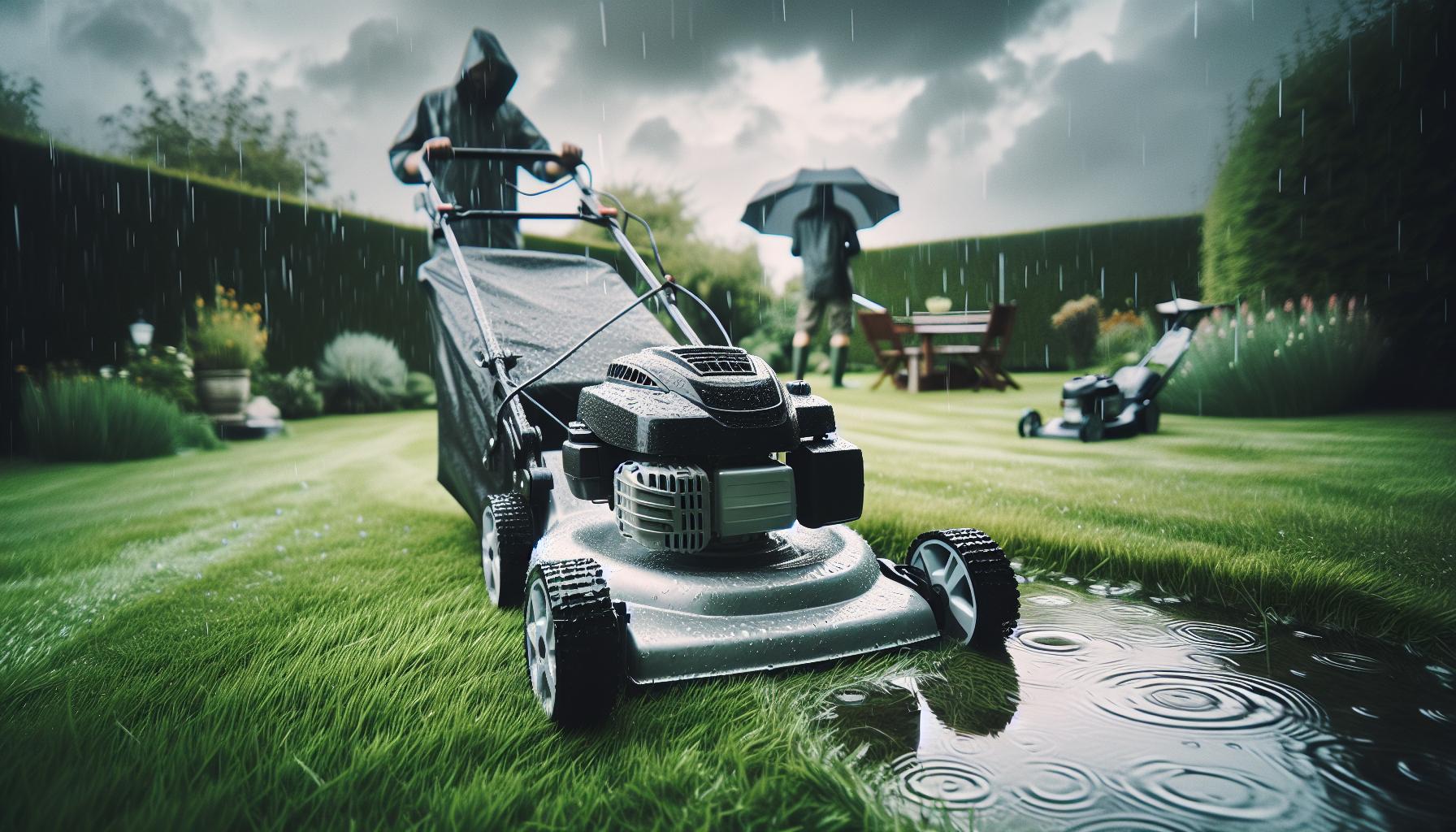
Mowing during rainy conditions can be a tricky endeavor that requires careful consideration. While it may seem convenient to tackle your lawn care needs as raindrops fall, it’s essential to evaluate several factors before turning on your mower. First and foremost, assessing the intensity of the rain is crucial. Light drizzles may not pose significant risks, but heavy downpours can make ground conditions slippery and hazardous. Always prioritize your safety-if the rain is heavy enough to create puddles or make the ground muddy, it’s best to postpone mowing.
Another key factor to consider is the type of grass you have. Certain turf varieties can withstand wet cutting better than others. For instance, fescue and bluegrass tend to handle moisture relatively well, while Bermuda grass may become susceptible to scalping or tearing when wet. The soil condition is also important; saturated soil can lead to compaction and damage to the grass roots, potentially resulting in long-term lawn health issues.
Timing matters too. Mowing shortly after a rain can leave clumps of grass that don’t decompose easily, leading to uneven cuts and promoting fungal diseases. Ideally, wait until the grass has dried a bit to ensure a cleaner cut. To assess this, you can perform a simple touch test-if the grass feels soggy underfoot, it’s not ready for a trim.
Lastly, remember that your mower’s capabilities play a vital role. Some models are equipped to handle damp conditions better than others. If you choose to mow when wet, make sure your equipment is designed for such conditions to avoid damage to both your lawn and your mower. Taking into account these factors can help you make informed decisions about mowing in the rain, keeping your safety and lawn health at the forefront.
Potential Damage to Your Lawn from Mowing Wet Grass
Mowing wet grass may seem like a time-saving strategy, but it can lead to serious repercussions for your lawn’s health. When grass is wet, its blades become heavier and more prone to bending rather than being neatly cut. This not only results in uneven trimming but can also scalp the grass, exposing the root system to stress and potential disease. Moreover, the clippings generated during a wet mow can clump together, creating areas of thick mulch that may suffocate the grass beneath, trapping moisture and dampness which can lead to mold growth and ultimately kill sections of your lawn.
Beyond the immediate effects on the grass itself, mowing on wet soil can have detrimental impacts on the root system. Saturated ground is softer and more susceptible to compaction, which can impede water and nutrient absorption over time. This compaction can create a barrier that stunts healthy growth, making it difficult for grass roots to expand, establishing a strong base for the entire lawn. Therefore, mowing when the ground is soggy can set your lawn up for long-term health issues, making it more vulnerable to pests and diseases.
Finally, we should consider the importance of your mower. While some models can handle wet conditions better than others, many are not designed to perform effectively on damp grass. Using an inappropriate mower in these conditions can lead to poor performance, increase the risk of mechanical failures, and ultimately shorten the lifespan of your lawn equipment. To preserve both your lawn and your investment in tools, it’s wise to assess the ground conditions and allow for adequate drying time before firing up the mower.
Alternatives to Mowing When It Rains: What Are Your Options?
When the rain begins to fall, many homeowners face the dilemma of whether to mow the lawn or wait for clearer skies. Instead of risking damage to your grass or mower, consider the various alternatives that can keep your lawn in check without the need for mowing.
One effective option is to use a string trimmer or edge cutter. These tools allow you to target areas where grass has grown too tall while avoiding the pitfalls of mowing wet grass. A string trimmer can effectively shape the edges of your lawn and tidy up problem spots without causing the same level of compaction that a mower might.
Another approach is to embrace natural lawn care practices by allowing the grass to grow longer during the rainy season. Letting the grass reach a higher height can actually promote deeper root systems and improve drought resistance later on. In addition, longer grass can also shade out weeds, reducing the need for chemicals and additional yard work.
If immediate action is required, consider utilizing a lawn care service that offers to mow at a later date when conditions are favorable. Many services now understand the risks associated with mowing wet lawns and can help ensure the job is done right while relieving you of the pressure to maintain the grass yourself.
Ultimately, waiting for a dry spell is often the best course of action to protect your lawn’s health. In the meantime, you can focus on utilizing other garden maintenance activities, such as cleaning up debris, inspecting your tools, or even doing some planned aeration, which will benefit your lawn when it’s time to mow again.
Expert Tips for Mowing Safely During Light Rain
Mowing the lawn during light rain can seem like a daunting task, but with the right approach, it can be managed safely and effectively. Understanding how to navigate these slick conditions not only helps keep your yard looking tidy but can also prevent accidents or damage to your lawn and equipment. Start by assessing the severity of the rain; if it’s a light drizzle, the ground may be bearable for mowing, but be cautious if it begins to pour.
Before you start, ensure your mower is equipped with essential safety features and that you are wearing appropriate gear. Consider using a rain-resistant mower designed to handle wet conditions, as this can help mitigate some risks. Here are some additional tips to keep in mind:
- Wear the right footwear: Opt for shoes with good traction to avoid slipping on wet grass.
- Take it slow: Mow at a slower pace to maintain control and reduce the risk of slipping.
- Check visibility: Ensure your visibility is not impaired by rain; if it is, it may be better to wait.
- Focus on flat areas: Avoid mowing on slopes where slipping could lead to injury.
If you notice the grass is particularly wet and clumping, consider switching to a mulching mower to help disperse the clippings instead of leaving large piles that can suffocate your grass. Additionally, keep your mowing equipment clean after you finish, as debris can accumulate more easily in wet conditions. By remaining vigilant and prepared, mowing in light rain can be a safe endeavor, allowing you to stay ahead of your lawn care schedule even when the weather doesn’t cooperate.
How to Maintain Your Lawn When Mowing Is Not an Option
When weather conditions prevent you from mowing your lawn, it’s essential to employ alternative strategies to keep your grass healthy and thriving. Instead of letting your lawn go unattended, there are several maintenance tactics you can execute that require little to no mowing. Understanding these methods will not only preserve the aesthetic appeal of your lawn but also ensure that your grass stays nourished and robust during damp conditions.
One effective way to maintain your lawn is through proper watering and irrigation. If rain is scarce but the ground is too wet for mowing, consider adjusting your watering schedule to avoid over-saturation. Water deeply but infrequently, allowing the soil to dry slightly between sessions. This promotes deep root growth and prevents fungal diseases that can flourish in consistently damp conditions. Additionally, aerating the soil can improve drainage and root health-an option highly advisable following heavy rainfall.
Another approach is to manage your lawn weeds, which tend to thrive in wet conditions. Regularly inspecting for invasive plants allows you to compete effectively against them without the need for mowing. Hand-pulling or using spot treatments with eco-friendly herbicides can keep your lawn looking tidy. Additionally, consider laying down mulch. It not only suppresses weeds but also retains moisture in the soil, providing a healthier environment for your grass when it resumes its growth cycles.
Lastly, think about enhancing your lawn’s resilience through appropriate fertilization practices. If mowing is not an option due to wet conditions, you can still apply a slow-release fertilizer during mild rain periods. This allows nutrients to seep into the soil gradually without the risk of washout, fostering a more vibrant and robust lawn. By adopting these methods, you can ensure your lawn remains in excellent condition even when the mower needs to stay parked.
Understanding Your Mower: Rain-Resistant Models and Features
Investing in a mower designed to handle wet conditions can make a significant difference in your lawn care routine, especially when rain catches you off guard. Rain-resistant mowers are specifically built to offer enhanced protection against moisture, ensuring that you can maintain your lawn without compromising the equipment’s integrity or performance. These mowers typically feature weatherproofed components and advanced engineering that allow them to function reliably in damp environments.
One of the primary features to look for in a rain-resistant mower is a sealed electrical system. This prevents water from infiltrating the motor and controls, which can lead to malfunction or even permanent damage. Additionally, high-quality bearings and corrosion-resistant materials are crucial. Look for mowers that utilize stainless steel or specially coated components to resist the challenges presented by moisture. Many modern models also incorporate rubber seals that safeguard critical areas from water exposure.
Another beneficial feature is an enhanced cutting deck design. Some mowers come equipped with a streamlined deck that prevents grass clippings from sticking, reducing the buildup that often occurs when mowing wet grass. This design improvement not only helps in maintaining a clean cut but also protects the mower from excess wear and tear caused by damp conditions. Furthermore, adjustable height settings allow you to tailor your mowing to the grass’s condition, which is particularly relevant in wet weather when taller grass may require different handling compared to dry turf.
Finally, consider safety features such as automated shut-off systems that activate if the mower encounters unexpected resistance due to wet grass or debris. This not only protects the mower but also ensures that you’re mowing safely. As you select your mower, remember that while mowing in wet conditions can be risky, having the right equipment makes it substantially safer and more effective. Choosing a mower with these robust, rain-resistant features empowers you to tackle your lawn care with confidence, rain or shine.
Signs of Lawn Stress: Is Rain Affecting Your Grass Health?
Heavy rainfall can pose a hidden threat to your lawn, often manifesting in ways that may not be immediately noticeable. Grass, like any other plant, can experience stress from excess moisture, leading to various health issues. When the ground becomes overly saturated, oxygen levels in the soil drop, hindering root respiration and the overall health of the grass. This can lead to signs of stress that savvy lawn caretakers can detect and address.
One of the primary indicators of a stressed lawn is the presence of puddles or standing water, which often signifies poor drainage. As a result, grass roots may become waterlogged, leading to conditions conducive to root rot, a fungus that attacks the roots and can kill your grass if left untreated. Additionally, grass that appears yellow or discolored after heavy rain may be suffering from nutrient leaching-essential minerals and fertilizers can wash away during intense downpours, depriving your lawn of vital nutrients.
To better understand the impact of rain on lawn health, look for specific symptoms like unkempt tufts of grass that clump together, indicating that the grass has been matted down, or signs of fungal growth, such as mushrooms or mold, which can appear when moisture levels are high and airflow is limited. Identifying these stress signals early is crucial, as they can guide your lawn care strategies post-rain.
Maintaining optimal lawn health during rainy periods involves proactive measures. Consider aerating your lawn to improve drainage and enhance root health. Implementing a proper fertilization schedule can also help replenish lost nutrients, ensuring that your grass recovers swiftly. In summary, while rain is beneficial for lawn growth, excess moisture can lead to stress and discoloration if not monitored and managed with care. Recognizing the signs early enables you to take steps to mitigate damage and promote recovery, ensuring your lawn remains vibrant and healthy.
Best Practices for Lawn Care After Rainy Days
After a heavy rainstorm, your lawn may present a chaotic scene, but it also signals an opportunity to restore its vitality. Proper care following a deluge is crucial to help your grass recover from the potential stress and damage caused by excess moisture. Implementing well-timed maintenance strategies can make a significant difference in your lawn’s health.
Start by assessing your lawn’s drainage. If you notice standing water or puddles, it’s vital to improve drainage to prevent root rot. Aerating the soil can enhance airflow and encourage water absorption, promoting healthier root systems. Additionally, consider adjusting the grading of your yard if you frequently experience pooled water, which can help redirect excess moisture away from sensitive areas.
Regular mowing should be approached cautiously post-rain. When wet, grass blades can tear and become ragged, making the lawn appear unkempt and potentially leading to disease. Wait until the grass is dry before mowing; this typically takes a few hours after the rain stops, depending on sunlight and humidity. If you must mow, ensure your mower blades are sharp to reduce stress on the grass.
Another important step is replenishing nutrients that may have been washed away. Applying a balanced fertilizer can help replace any lost nutrients and ensure your lawn recovers quickly. Make sure to choose a slow-release fertilizer formulated for post-rain application, which will provide ongoing nourishment without overwhelming the tender roots.
Monitoring Lawn Health
Keep an eye on your grass in the days following the rain. Look for signs of stress, such as discoloration or fungal growth. If you observe areas of yellowing, it might indicate nutrient deficiency or overwatering, requiring targeted intervention. Taking these proactive steps will not only support your lawn’s recovery after heavy rains but will also encourage robust growth in the long term. Regularly engage with your lawn to develop a keen sense for its needs, and you’ll cultivate a thriving, resilient landscape.
Community Insights: Experiences Mowing in the Rain
Many homeowners have debated the merits of mowing their lawn in wet conditions, and experiences can vary widely. For those who have taken the plunge, insights often revolve around the challenges and unexpected rewards of mowing in the rain. While it may seem counterintuitive, some enthusiasts have found that mowing during light rain can actually improve the lawn’s appearance, as the moisture helps the grass blades lie flat, allowing for a more even cut.
However, safety is a pivotal concern, and community members frequently emphasize the importance of protective gear. Wearing rubber-soled boots and rain gear not only keeps individuals dry but also reduces the risk of slipping on wet surfaces. Participants in local gardening forums often share tales of near misses, where a simple misstep could have led to a fall. Sharing experiences can help others be more conscious of their footing and the limitations posed by wet grass.
For many lawn care aficionados, the timing of the rain is critical. Those who’ve successfully mowed in the rain often wait for brief breaks or light showers, allowing them to make quick work of the growing grass. They advocate for checking the weather and planning around rain forecasts, as a light drizzle can create perfect conditions, while heavy storms can make any mowing attempt hazardous.
The shared wisdom of the community underscores one key principle: understanding your lawn’s specific needs and conditions is essential. Some homeowners report that their lawns actually benefit from the moisture and cutting during light rain, as long as they take care not to damage the grass. By trading mowing stories and sharing advice, many find that they can navigate the trials of mowing in less than ideal conditions while still maintaining a healthy, vibrant lawn.
Q&A
Q: Is it unsafe to mow the lawn during a heavy rainstorm?
A: Yes, it is unsafe to mow during a heavy rainstorm due to slippery conditions and reduced visibility. Wet grass can also cause mowers to slip or lose traction, increasing the risk of accidents. For safety, consider waiting until the rain subsides and the grass dries.
Q: How does mowing wet grass affect lawn health?
A: Mowing wet grass can damage the lawn by tearing blades instead of cutting them cleanly, potentially leading to fraying and infection. It’s generally advisable to avoid mowing until the grass is dry to maintain overall lawn health. For more on maintaining lawn health, see our section on damages from mowing wet grass.
Q: What should I do if I need to mow but it starts raining?
A: If it starts raining while you are mowing, stop immediately and seek shelter. Avoid returning to mow until conditions improve to prevent safety hazards and damage to your grass. For more tips on safe mowing, refer to our expert tips section.
Q: Can mowing in light rain still be safe?
A: Yes, mowing in light rain can be safe if the grass is not too wet and visibility remains sufficient. However, assess your mower’s grip and your comfort level before proceeding. Always wear appropriate safety gear to ensure additional safety.
Q: When is the best time to mow after it rains?
A: The best time to mow after it rains is when the grass has had a chance to dry, usually 24-48 hours later. This helps avoid damage to your lawn and ensures a better mowing outcome. For timing tips, see our section on when it’s safe to mow in the rain.
Q: Are there specific mower types better suited for wet grass?
A: Yes, some mowers are designed with features that enhance performance on wet grass, such as wider wheels for better traction and sharper blades for cleaner cuts. Opting for these models can make mowing in damp conditions more feasible. Check our section on understanding mower features for more details.
Q: What is the risk of mowing wet grass on the equipment?
A: Mowing wet grass can increase wear on your mower’s blades and engine due to clumping and bogging down. Additionally, moisture can contribute to rust over time. To prolong the life of your equipment, always clean your mower thoroughly after using it on wet grass.
Q: Are there lawn care practices to follow if I can’t mow due to rain?
A: If mowing isn’t possible due to rain, consider alternatives like using a string trimmer or simply letting the grass grow until conditions improve. Regularly inspect your lawn and follow up with appropriate care practices to keep it healthy during soggy conditions. For more care tips, see our section on maintaining your lawn when mowing is not an option.
Future Outlook
As we’ve explored, mowing the lawn in the rain can pose safety risks, but understanding when it’s safe to do so is crucial to maintaining your yard and ensuring your equipment lasts. Remember, if conditions like lightning or heavy winds arise, it’s best to wait. For more tips on yard care and safety, check out our articles on “Best Lawn Care Practices During Rainy Seasons” and “How Weather Affects Lawn Maintenance.”
Feeling inspired? Don’t hesitate to subscribe to our newsletter for regular updates and expert advice delivered straight to your inbox! Share your thoughts or experiences in the comments below-we love hearing from our community! Stay safe out there, and happy mowing!