
Parking your car on your lawn may seem like a convenient option, especially during busy gatherings or when driveway space is limited. However, navigating the rules and regulations surrounding this practice is crucial to avoid potential fines or property disputes. In many neighborhoods, local ordinances dictate whether it’s permissible to park on your lawn, balancing homeowners’ desires for convenience with community standards for aesthetics and property value. This guide will help you understand the legal landscape, explore the potential consequences of parking on your lawn, and offer tips for compliant car storage. Discovering the right approach can help maintain both your lawn’s health and your neighborhood’s appeal. Read on to ensure you’re well-informed and equipped to make the best decision for your parking needs.
Understanding Local Lawn Parking Laws
can be quite complex, as regulations vary significantly from one municipality to another. Generally, these laws are in place to ensure the safety and aesthetic appeal of neighborhoods and can dictate where and how residents may park their vehicles. Many communities enforce restrictions against parking on lawns to prevent damage to grass and landscaping, preserve visual uniformity, and discourage behaviors that could lead to disputes among neighbors. For instance, in some areas, it may be illegal to park in a manner that obstructs sidewalks or creates hazards for pedestrians and drivers.
Local ordinances may specify whether parking on lawns is permitted or limited to certain conditions. Common regulations include requirements for paved parking areas, specifications regarding the number of vehicles that may be parked on a property, and guidelines for maintaining a tidy appearance. For example, some jurisdictions may allow parking in a designated area of the lawn but require that it be surfaced with gravel or pavers to mitigate erosion and maintain aesthetics. Understanding these regulations is crucial for homeowners who want to avoid potential fines and maintain good relations with their neighbors.
Residents should familiarize themselves with their local zoning laws, which can often be found on city or county websites. In many cases, local governments provide documentation that outlines specific lawn parking rules, allowing homeowners to clarify permitted actions. Engaging with community forums or local government meetings can also provide insights into ongoing discussions about potential changes to these laws. As community standards evolve, staying informed helps residents navigate their rights and responsibilities regarding parking on their property effectively.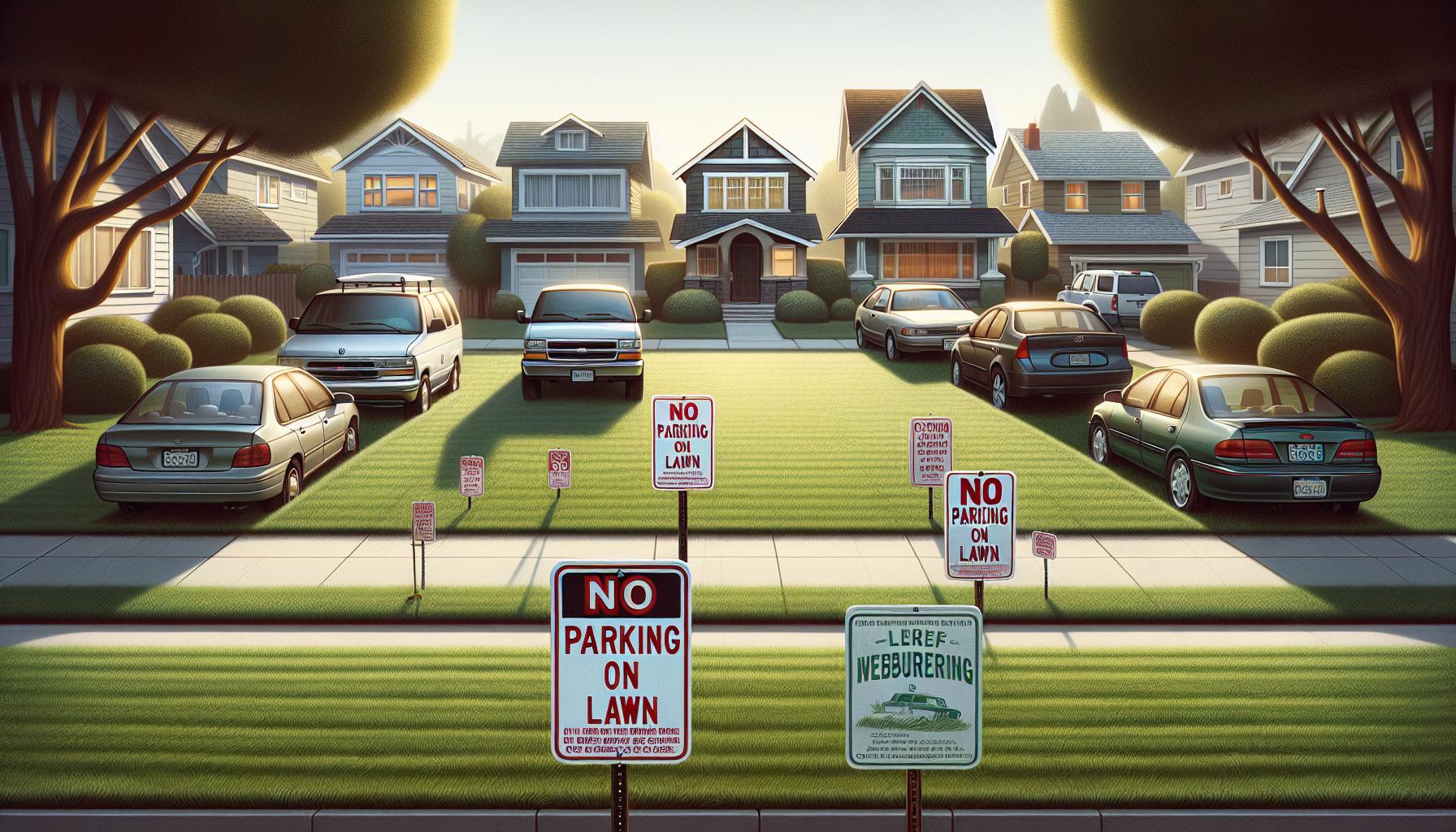
Common Ordinances Governing Lawn Parking
Understanding the intricacies of lawn parking ordinances can prevent potential conflicts and fines. Municipalities typically enact these regulations to maintain neighborhood aesthetics and ensure safety. While specific laws vary significantly by location, certain common themes can often be identified across many communities.
Most ordinances address whether parking on lawns is allowed at all, often setting strict limitations. For instance, some municipalities may allow parking if the lawn is enhanced with a designated paved area, which helps minimize soil erosion and damage to grassy surfaces. Others may require that any vehicle parked on the lawn must be parked in a way that it does not obstruct sidewalks or crosswalks. In areas where lawn parking is prohibited, homeowners may instead be required to create adequate driveway space to accommodate their vehicles while adhering to the regulations.
- Paved Areas: Many areas require that any parking on lawns be confined to paved surfaces, commonly to guard against potential erosion and maintain neighborhood appearances.
- Number of Vehicles: Restrictions may exist on the number of vehicles that can be parked on a property, often limiting homeowners to one or two vehicles parked overnight legally.
- Aesthetic Guidelines: Some ordinances mandate that parked vehicles must not detract from the neighborhood’s visual appeal, which can include specifics about vehicle appearance and upkeep.
Residents should consult their local zoning laws, often accessible on municipal websites, to understand specific lawn parking ordinances in their area. Engaging in community meetings can also provide updates on any changes to these laws or additional guidelines being considered by local authorities. By being well-informed, homeowners can navigate fence regulations more effectively while maintaining an appealing and compliant property.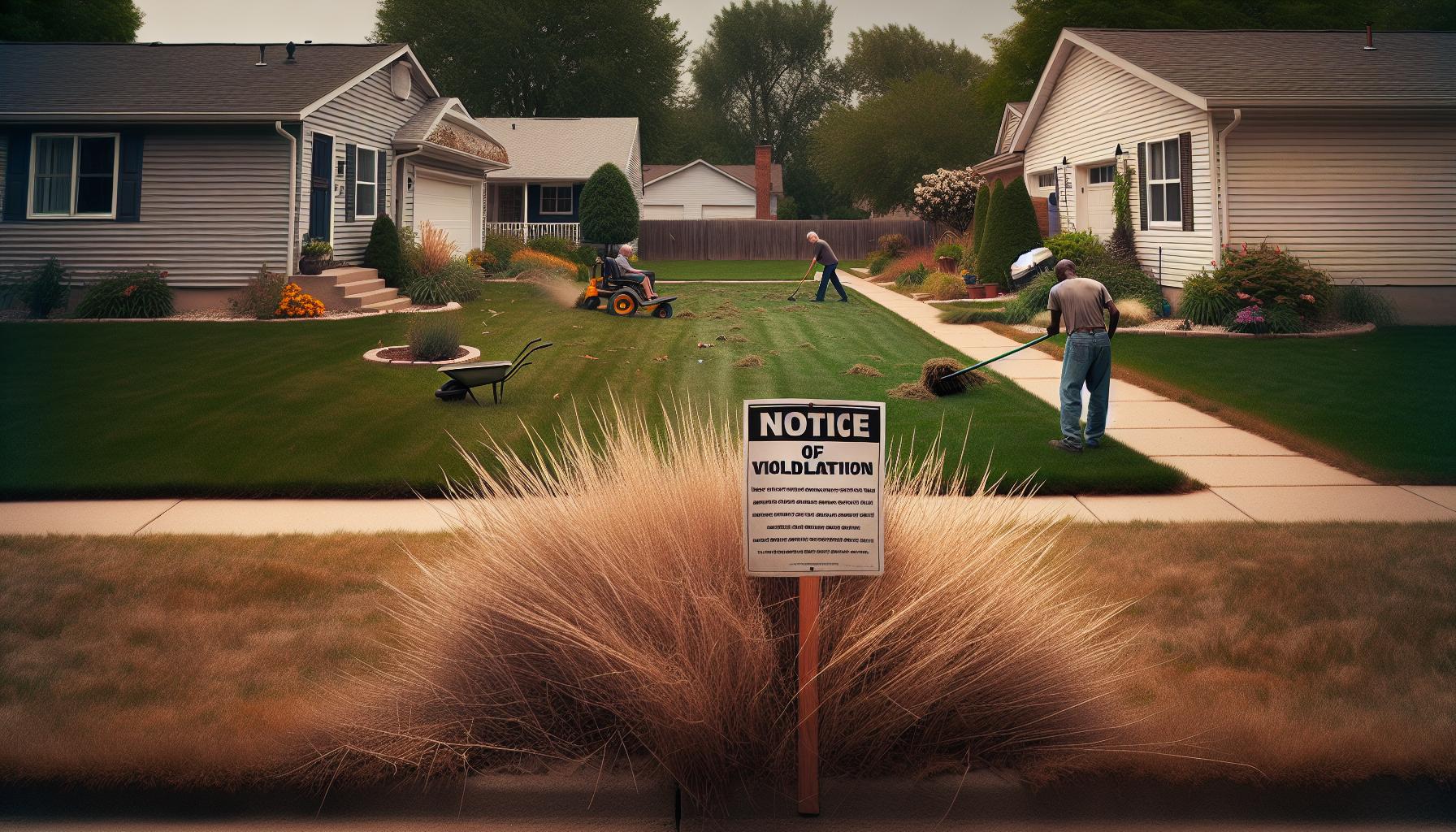
Potential Consequences of Violating Lawn Ordinances
Parking your vehicle on your lawn might seem like a convenient option, especially if you’re short on driveway space, but violating local lawn parking ordinances can lead to significant consequences. Many municipalities enforce strict regulations regarding this practice to maintain aesthetics and safety in neighborhoods. Ignoring these laws can result in a range of penalties that may ultimately affect both your wallet and your property’s appearance.
First and foremost, the most immediate consequence of violating lawn parking ordinances is the issuance of fines. These fines can vary widely, from a nominal fee for first-time offenders to much steeper penalties for repeat violations. For example, some communities may impose fines up to several hundred dollars if lawn parking is deemed inappropriate. Furthermore, continued disregard for these rules can lead to further legal action, including the potential for liens against your property if the fines remain unpaid.
Additionally, homeowners may face mandatory corrective actions as a result of ordinance violations. This could include being required to remove vehicles parked on the lawn or even making structural changes, such as paving a portion of the lawn for parking purposes. In some cases, municipalities may also implement community service requirements for habitual offenders, forcing individuals to dedicate time to local projects as a consequence for their infractions.
Ultimately, it’s essential to consider the long-term implications of disregarding lawn parking regulations. Repeated violations could adversely impact your relationship with neighbors and local authorities, potentially leading to social ostracism or increased scrutiny from housing associations or municipal inspectors. Being proactive about understanding and adhering to local laws not only helps you avoid fines but also fosters a more cooperative community environment where all residents feel valued and respected.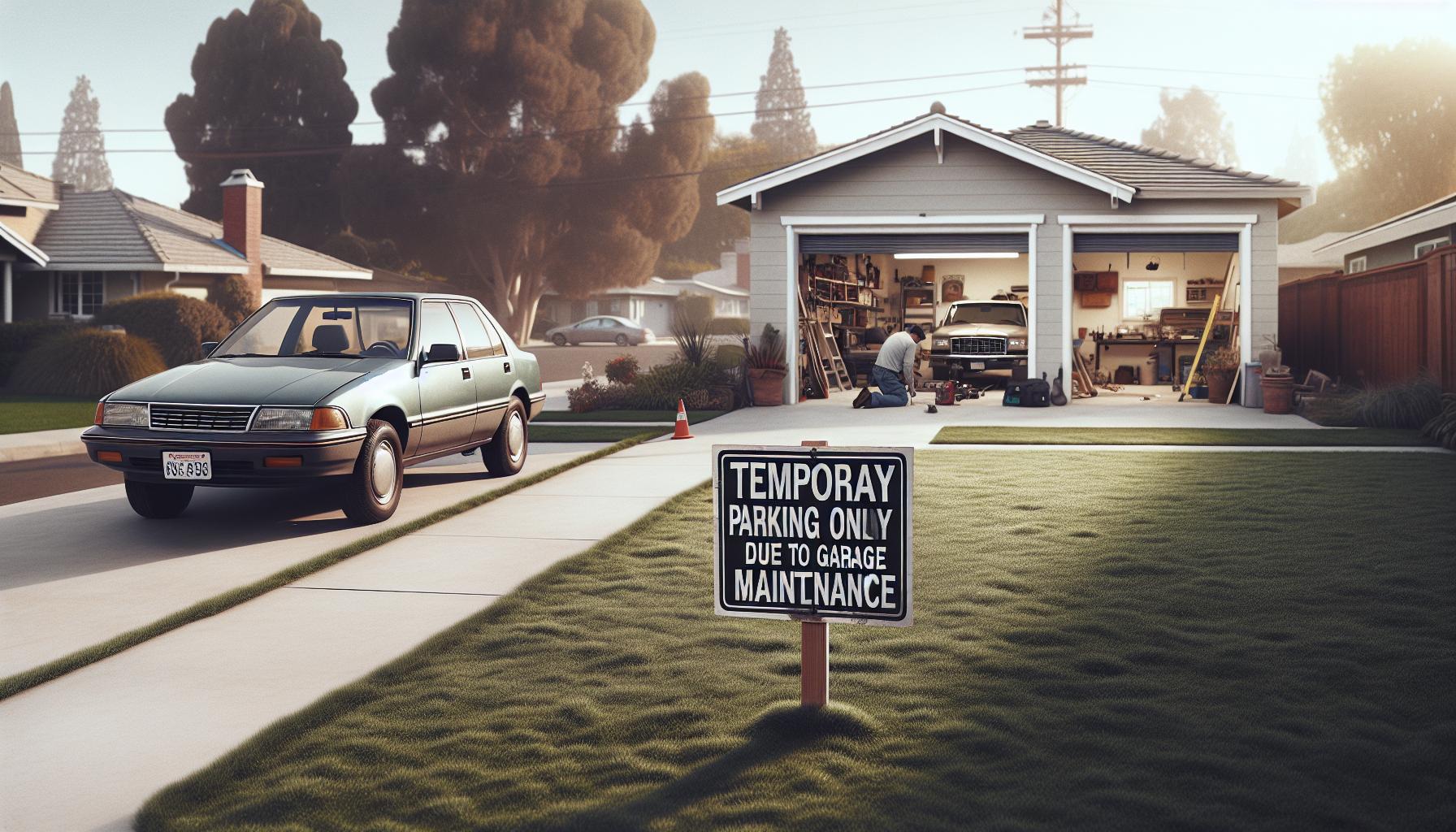
Exceptions to Lawn Parking Rules You Should Know
While local lawn parking ordinances often present strict regulations to maintain neighborhood aesthetics, exceptions do exist that may allow for parking on your lawn without facing penalties. These exceptions can vary significantly by municipality and understanding them can save you from unnecessary fines or disputes with local authorities.
One common exception pertains to temporary parking for special occasions. Many communities recognize that events like family gatherings, parties, or larger gatherings might lead to a temporary overflow of vehicles. In such cases, you may be allowed to park on your lawn as long as it is well communicated and does not become a habitual practice. It’s advisable to check local regulations ahead of time and potentially inform neighbors to prevent miscommunication.
Permitted Vehicles and Situations
Another aspect to consider involves specific types of vehicles. Some areas allow parking for certain vehicles-like trailers or RVs-on your lawn under restricted conditions. This could be related to the size of the vehicle and how long it’s parked. Inspect your local parking laws for such stipulations that might allow parking for these larger vehicles, especially if you are preparing for a trip or need additional space temporarily.
Additionally, homeowners with larger lots or rural properties might find their lawn parking rules differ markedly compared to more densely populated suburban areas. Areas designated as agricultural or unincorporated have more relaxed parking rules, allowing residents the freedom to park on their lawns without the risk of violation-a key consideration for rural homeowners.
For any exceptions you may think apply to your situation, it’s recommended to reach out to local authorities or get involved with community forums where parking policies are discussed. Actively participating in these conversations not only keeps you informed but can also unearth unwritten practices or historical leniencies within your community.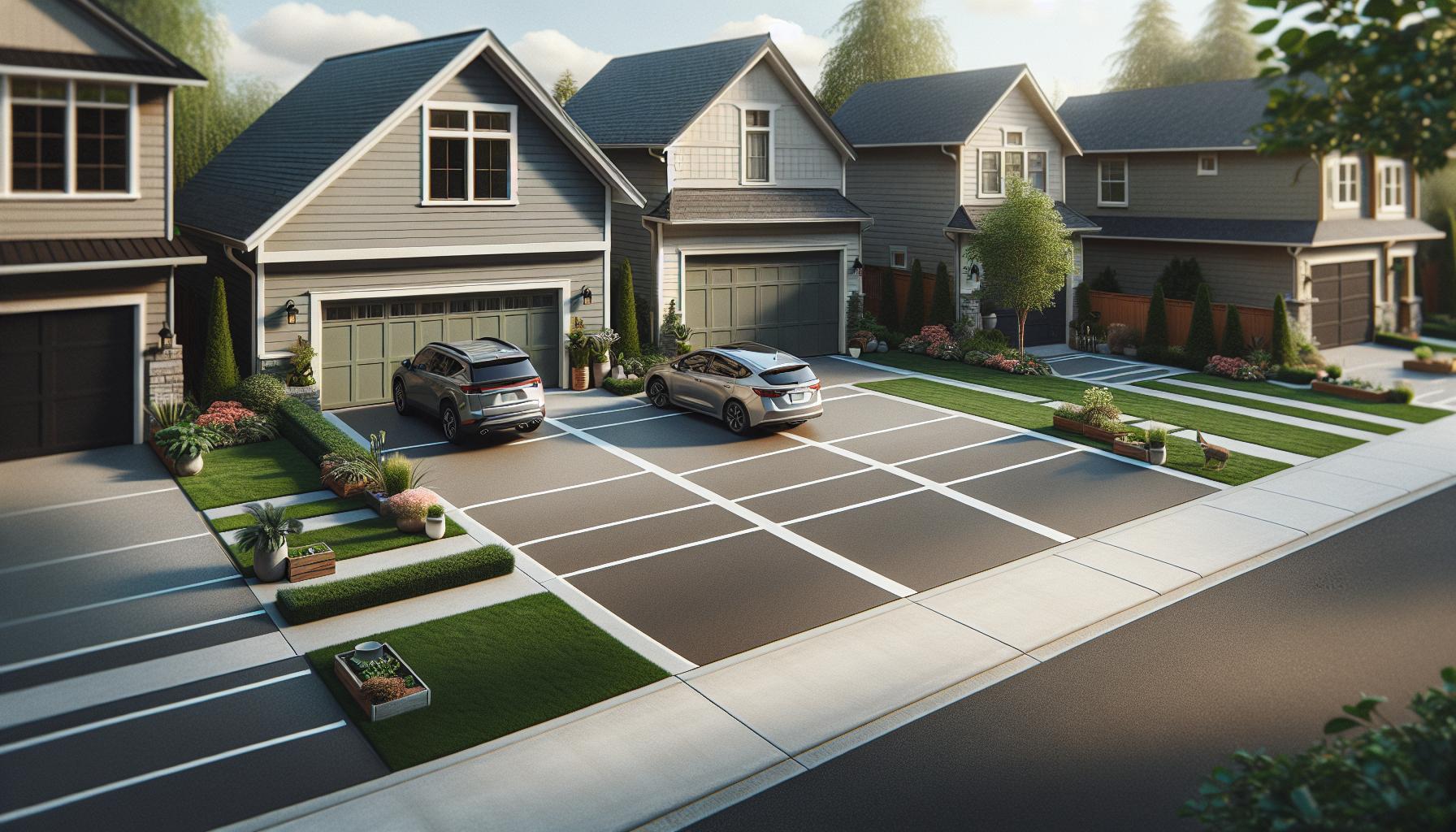
Best Practices for Parking on Your Property
Parking a vehicle on your own property can be a practical solution, but it requires careful consideration of existing lawn parking regulations. To ensure a harmonious coexistence with local ordinances and community standards, it’s vital to adopt best practices that not only comply with the law but also protect the aesthetic value of your property and neighborhood.
One of the best practices is to designate specific areas of your lawn for parking. Instead of parking randomly, consider creating a clear, defined space that can accommodate your vehicle without damaging the grass or disrupting the visual appeal of your yard. This could be done by using permeable pavers, gravel, or rubber parking mats that protect the soil and provide a stable surface. By doing so, you not only maintain the health of your lawn but also show consideration for local gardening aesthetics.
Another effective approach is to regularly maintain the area designated for parking. This involves ensuring the ground remains level and clear of debris while also controlling any weed growth that might arise from constant vehicle presence. Good maintenance practices not only minimize the perception of a messy yard but also mitigate potential complaints from neighbors who might otherwise be concerned about the appearance and upkeep of your property.
Furthermore, always be aware of seasonal regulations that might impact lawn parking. Many municipalities have specific rules about parking during certain weather conditions (e.g., winter) or seasonal activities (e.g., street cleaning). By keeping informed about these regulations and adjusting your parking habits accordingly, you can avoid unnecessary fines and maintain good standing in your community.
Lastly, fostering open communication with your neighbors about your parking practices can go a long way. If you anticipate needing to park on your lawn for an extended period, discussing it ahead of time can prevent potential disputes and encourage understanding. These proactive measures enhance neighborhood relations while ensuring your parking habits remain compliant and considerate.
Creative Alternatives for Lawn Parking Issues
Finding effective alternatives for parking on your lawn can be a challenge, especially if local regulations prohibit it or if doing so would mar the aesthetic appeal of your yard. Thankfully, there are numerous creative solutions that homeowners can employ to manage their parking needs without violating ordinances or compromising their lawn’s health.
One innovative approach is to create a designated parking pad using materials that promote drainage and minimize soil compaction. Options such as permeable pavers, gravel or reinforced grass mats can provide a stable surface for vehicles while allowing water to flow away, thus reducing puddling and soil deterioration. This not only meets functional needs but also adds a structured element to the landscape, enhancing visual appeal.
Another strategy involves transforming underutilized areas of your property. For instance, consider adapting parts of your driveway or side yard for overflow parking instead of encroaching on the lawn. Implementing landscaping features like defined pathways or borders with decorative stones can help delineate these spaces and ensure they are used effectively. This practice not only satisfies parking obligations but can also boost the property’s curb appeal.
You can also leverage shared parking agreements with neighbors if space allows. Discussing options with those living nearby can lead to mutual benefits, decreasing the number of cars parked on lawns while promoting a sense of community. Such arrangements can be formalized, ensuring all parties understand the parameters, thus preventing potential conflicts.
Lastly, consider temporary solutions for visitors, such as using portable car mats or marked spaces that protect grass while still allowing occasional overflow parking. These methods respect both local regulations and the integrity of your lawn, creating an inclusive environment that accommodates both your needs and those of your neighbors. By being mindful and creative in your approach, you can find effective ways to manage parking while maintaining the charm of your yard.
How to Appeal a Lawn Parking Violation
When faced with a lawn parking violation, many homeowners may feel overwhelmed or frustrated. However, appealing this violation can be a straightforward process if approached methodically. Understanding the specific ordinance you are accused of violating is crucial, as the clarity of the law can significantly influence the success of your appeal. Review the citation details carefully and identify the exact section of the ordinance that pertains to your case. This knowledge will allow you to build a solid foundation for your argument.
Gathering evidence is a vital step in the appeal process. This includes taking photographs of your property during the time of the alleged violation to showcase compliance with local laws. If you believe the violation was issued in error, document any barriers or conditions that may have contributed to the misunderstanding, such as temporary construction or maintenance that might have obstructed traditional parking rules. Additionally, gathering witness statements from neighbors who can vouch for your adherence to parking ordinances can bolster your position.
In your appeal letter or during the hearing, be sure to express your understanding of the local laws and your commitment to complying with them in the future. Present your evidence clearly and confidently, directly addressing the points made in your violation notice. If there are extenuating circumstances, such as a misunderstanding or an urgent necessity that led to the alleged violation, explain these situations comprehensively. Offering solutions or adjustments you are willing to make-like establishing a designated parking area-can also show your proactive approach towards compliance and community standards.
Lastly, be prepared for varying responses from local authorities. If your appeal is denied, inquire about the possibility of further appeals or alternative resolutions. Understanding your rights and standing firm on your rightful claims not only aids your individual case but may also contribute to broader changes in lawn parking regulations for your community. Engaging with local advocacy groups can also provide additional support, ensuring your voice is heard in the discussion about parking ordinances and property rights.
Community Opinions on Lawn Parking Regulations
Local attitudes towards lawn parking regulations can be deeply divided, often reflecting broader community values and priorities. Many residents believe that maintaining a well-kept appearance in their neighborhoods is essential, advocating for strict enforcement of lawn parking ordinances to enhance property values and curb appeal. Supporters of these regulations argue that allowing vehicles on lawns can lead to unsightly properties, potentially decreasing the attractiveness of entire neighborhoods and making environments less inviting for families and visitors alike.
Conversely, there are also strong opinions against these regulations, with many residents viewing them as an infringement on personal property rights. For instance, some homeowners argue that they should have the freedom to utilize their spaces as they see fit, especially in areas where parking is limited. This perspective is frequently supported by examples of families with multiple vehicles facing constraints on where they can park, particularly in urban settings. Residents may express frustration at fines for parking minimally on their own lawns, insisting that such regulations disregard their practical needs.
Public forums often serve as a venue for these discussions, where community members can voice their opinions. Conversations might revolve around the balance of aesthetic considerations and individual freedoms. It’s not uncommon for these dialogues to delve into potential compromises, like establishing designated parking areas or implementing a grace period for homeowners to make adjustments while avoiding penalties. Engaging local leaders and neighborhood associations can also help illuminate varying perspectives, ensuring that regulations evolve alongside community needs and expectations.
Ultimately, the community’s stance on lawn parking regulations reflects a complex interplay of aesthetics, personal rights, and practical concerns. As municipalities work towards creating or revising these rules, fostering open forums for dialogue can pave the way for solutions that respect both community standards and individual needs. This approach not only cultivates cooperative relationships but also serves to enhance the overall spirit of community engagement.
Innovative Solutions for Lawn Space Utilization
Utilizing lawn space creatively and effectively can not only resolve parking issues but also enhance the overall aesthetic and functionality of your property. With the right approach, homeowners can transform their lawns into multi-purpose areas that accommodate vehicles while still maintaining a well-manicured look. Implementing innovative solutions involves thoughtful planning and sometimes the use of materials or landscaping techniques that support both parking and green space.
One popular method to maximize lawn utilization while adhering to regulations is the installation of permeable paving. This solution allows rainwater to infiltrate through the surface, reducing runoff and promoting drainage. Permeable driveways can blend seamlessly with your lawn, providing a stable surface for parked vehicles without the harsh contrast of traditional concrete. Additionally, homeowners can enhance the natural appeal of their property by incorporating edging plants or small trees around the parking area, framing the space while ensuring it remains functional.
Another effective approach is the use of designated parking pads made from eco-friendly materials. These pads can be constructed from grass pavers or gravel, allowing for a natural appearance while providing a sturdy base for vehicles. Not only does this solution comply with many local ordinances regarding lawn parking, but it also helps maintain the health of your grass. By offering designated areas that support both vehicle parking and lawn health, homeowners can strike a balance between personal needs and community standards.
Incorporating retractable features can also be an excellent way to manage lawn space. For example, consider the installation of a retractable carport or shade structure that can be easily put away when not in use. This allows homeowners to utilize their lawns for gatherings or recreational activities when the vehicles are not parked there. Furthermore, this flexibility keeps the lawn looking open and inviting while providing essential cover for vehicles against the elements, aligning with community standards of aesthetics.
By adopting these , homeowners can address the challenges of parking regulations effectively. Each approach not only provides a practical answer to everyday parking needs but also emphasizes a commitment to maintaining an attractive neighborhood atmosphere.
Tips for Designing an Aesthetic Lawn Parking Area
Designing a lawn parking area that is both functional and visually appealing can significantly improve your home’s curb appeal while complying with local ordinances. Many homeowners face the dilemma of wanting to maximize their lawn space for parking without detracting from the overall aesthetics of their property. Creative landscaping and thoughtful design decisions can transform this challenge into an opportunity for enhancement.
One effective strategy is to use permeable materials for your parking area. These materials, such as permeable pavers or grass-crete, allow water to flow through while providing a sturdy surface for vehicles. This not only helps with drainage and reduces runoff but also seamlessly incorporates the parking surface into your lawn’s natural setting. Surrounding these areas with low-maintenance plantings-like ornamental grasses or flowering ground covers-can create a soft transition, blending the parking space with the surrounding greenery.
Another important consideration is layout and access. Aim to position parking areas in a way that minimizes disturbance to existing landscaping. For instance, consider angling parking bays to take advantage of the yard’s natural contours, or even incorporating a curved driveway that adds visual interest. This type of design not only maximizes space but also guides vehicles away from the most prominent focal points of your garden, preserving the aesthetic appeal of pathways and flower beds.
Incorporating landscaping features further enhances the design of your parking area. Adding a border of decorative stones or wooden sleepers can visually delineate the parking zone from the grass area, providing structure and clarity. Additionally, installing lighting elements-such as solar path lights-can enhance safety while also adding an appealing nighttime ambiance. This kind of thoughtful design creates an inviting atmosphere and encourages responsible parking without leaving a significant visual footprint.
Lastly, consider the long-term health of your lawn when designing your parking area. Regular grass types might suffer under frequent vehicle traffic, so implementing grass alternatives like clover or native ground covers can provide hardy, low-maintenance solutions that withstand compaction. Utilizing eco-friendly materials and strategies not only supports your property’s aesthetic but also aligns with sustainable practices that benefit the broader environment.
By blending practicality with creativity, you can effectively design an aesthetically pleasing lawn parking area that meets local ordinance requirements while enhancing the charm and functionality of your property.
Exploring Your Rights as a Car Owner
As a car owner, understanding your rights regarding parking on your lawn is essential, especially since many local ordinances differ based on residential zones. Did you know that in some neighborhoods, parking your vehicle on your lawn can lead to fines or citations? It’s crucial to familiarize yourself with both your rights and the regulations applicable in your area to navigate this complex landscape effectively.
Local ordinances often dictate where and how vehicles can be parked, including restrictions on lawn parking. Many municipalities enforce codes to maintain the visual appeal of neighborhoods and protect property values. Therefore, it is essential to investigate your local zoning laws, typically found on your city or county’s website. These resources can clarify whether lawn parking is permitted, under what conditions, and any required permits or guidelines you might need to follow.
If you believe that your rights are being violated-such as being ticketed for parking on your lawn when it is allowed-taking action is within your rights. Start by collecting evidence, such as photographs or documents that support your case. You may also consider reaching out to local community boards or requesting a formal hearing to discuss your situation. Additionally, attending community meetings can provide insights into evolving ordinances and garner support from neighbors who may share your views.
Lastly, staying informed on any ordinance changes can empower you to advocate for reasonable parking regulations that reflect the needs of your community. Many neighborhoods engage in discussions about amending regulations based on resident input. Participating in these conversations not only helps protect your rights but also fosters a collaborative spirit among community members-ensuring that parking policies are fair and considerate of all homeowners.
FAQ
Q: What should I consider before parking my car on my lawn?
A: Before parking your car on your lawn, consider local ordinances, potential damage to your grass, and the impact on your property’s appearance. Check your area’s specific rules in the section “Understanding Local Lawn Parking Laws” to avoid fines or disputes.
Q: What are the typical lawn parking ordinances?
A: Typical lawn parking ordinances may restrict parking on grass to prevent damage and maintain neighborhood aesthetics. Such rules often specify allowed parking surfaces and may vary by municipality. For an overview, refer to “Common Ordinances Governing Lawn Parking” in our guide.
Q: Are there special exemptions for parking on my lawn?
A: Yes, some areas have exemptions based on circumstances like temporary construction work or having a driveway. Investigate local regulations for specific exemptions that may apply to your situation as detailed in “Exceptions to Lawn Parking Rules You Should Know.”
Q: How can I appeal a lawn parking violation?
A: To appeal a lawn parking violation, gather evidence, such as photographs, and submit a formal appeal to your local authority. Follow the guidelines provided in “How to Appeal a Lawn Parking Violation” for a structured approach.
Q: What are the risks of parking on your lawn?
A: Risks include potential fines, damage to your lawn, and negative neighborhood feedback. Regularly parking on grass can lead to unsightly ruts and dead spots. Explore “Potential Consequences of Violating Lawn Ordinances” for more insights.
Q: How can I park my car on my property without violating ordinances?
A: To park legally, use designated driveways or paved areas and ensure compliance with local laws. Review “Best Practices for Parking on Your Property” for effective strategies to avoid violations while maintaining your lawn.
Q: What alternatives exist for lawn parking issues?
A: Alternatives include creating a gravel parking pad, using a paver system, or utilizing tandem parking solutions. Consider “Creative Alternatives for Lawn Parking Issues” for innovative options that could improve parking without damaging your lawn.
Q: How might community opinions affect lawn parking regulations?
A: Community opinions can shape lawn parking regulations, reflecting residents’ preferences for aesthetics and property values. Participating in community meetings or discussions highlighted in “Community Opinions on Lawn Parking Regulations” can help voice your views on parking laws.
Concluding Remarks
As you explore the nuances of parking on your lawn, remember that understanding your local ordinances is crucial for compliance and peace of mind. If you’re still unsure about specific regulations, consider checking out our related articles on lawn parking restrictions and landscaping regulations to further clarify your options.
Don’t miss out on the chance to stay informed-subscribe to our newsletter for updates on local laws and tips on maintaining your property’s aesthetic without hassle. Have questions or thoughts? We’d love to hear from you. Engage with us in the comments below and share your experiences or concerns about parking rules in your area.
For more comprehensive resources on home improvement and property management, visit our extensive guide section. Your journey toward informed decisions starts now-take the next step today!