
When it comes to maintaining your lawn mower, the type of oil you use can significantly impact its performance and longevity. Many homeowners wonder if it’s acceptable to use car motor oil in their lawn mowers. While it might seem like a convenient solution, the differences between engine oils can lead to serious consequences for your mower. Understanding these distinctions is crucial for anyone eager to keep their mower running smoothly and efficiently. In this article, we’ll explore the facts surrounding this common question, helping you make informed decisions that protect your investment and ensure a lush, well-kept lawn. Read on to discover what you need to know!
Can You Use Car Motor Oil in a Lawn Mower?
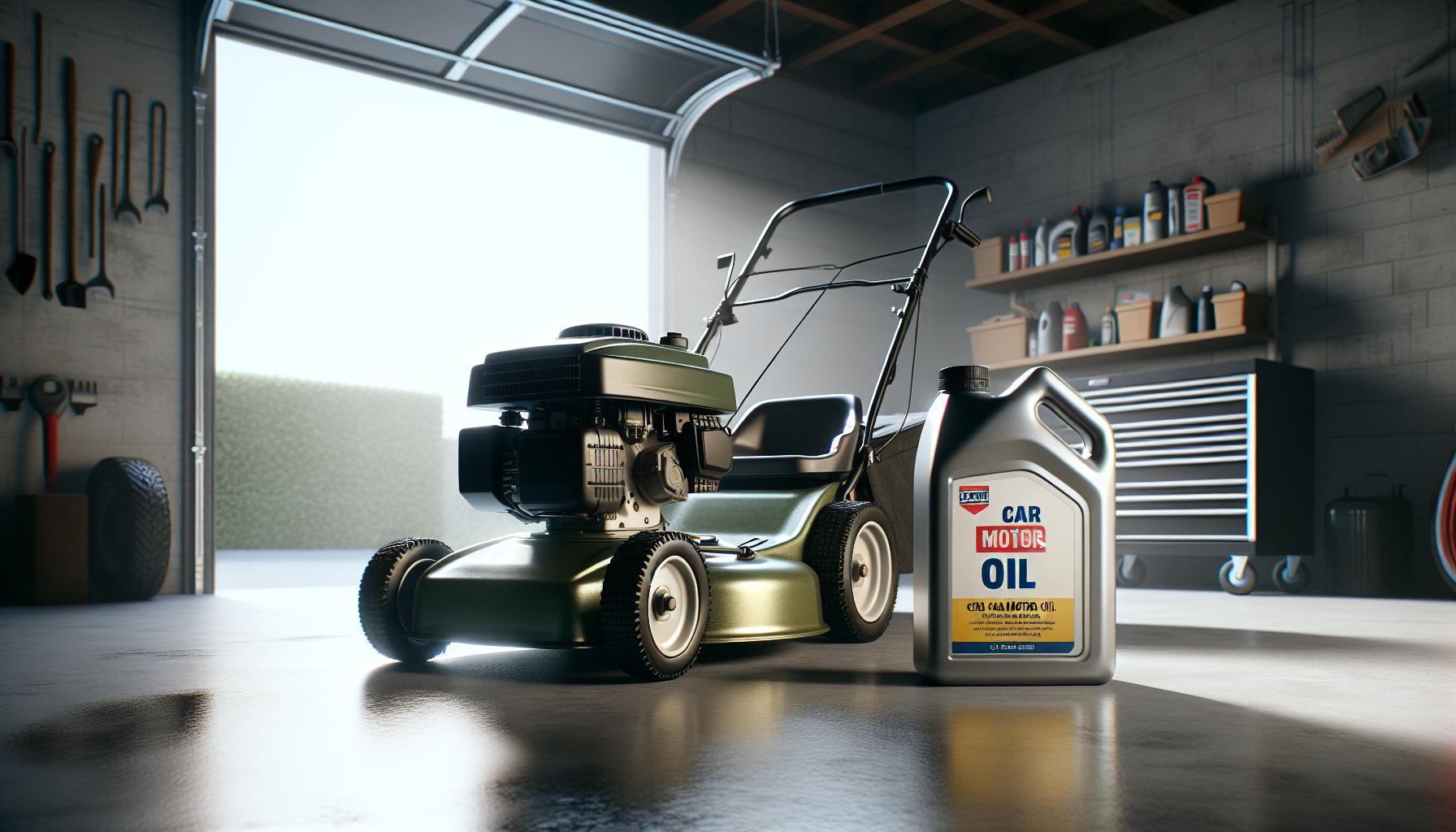
Using car motor oil in a lawn mower might seem like a convenient solution, especially when you’re in a pinch. However, the two types of oil are formulated for different applications and conditions, which can significantly affect machine performance and longevity. Lawn mower engines typically operate under unique conditions, including high RPMs in a compact space, which requires oils specifically designed to withstand this environment. Car motor oil, on the other hand, is optimized for larger engines that operate under varied loads and temperatures.
One of the main issues with using car motor oil in a lawn mower is viscosity, which refers to how thick or thin the oil is and how well it flows at different temperatures. Lawn mower oils come in various weights tailored for small engines, often with a consistent viscosity that maintains performance in warm weather. Using a motor oil that is too thick can lead to insufficient lubrication, placing unnecessary wear on engine components. Conversely, a motor oil that is too thin may not protect against wear at high operating temperatures, leading to potential engine damage.
Moreover, car motor oils usually contain detergents and additives that might not mesh well with the specific needs of a lawn mower engine. These additives are designed to reduce sludge and deposits in larger vehicles’ engines but may result in foaming or excessive residues in the smaller systems of lawn mowers. Thus, while it may be tempting to reach for that bottle of car oil, doing so can lead to increased maintenance costs down the line due to potential engine failures.
In summary, it’s best to stick to oils specifically recommended for lawn mowers. This ensures optimal performance and extends the machine’s lifespan. When in doubt, consult your lawn mower’s manual or an oil guide to find the right product for your needs.
Understanding the Differences Between Motor Oil and Lawn Mower Oil
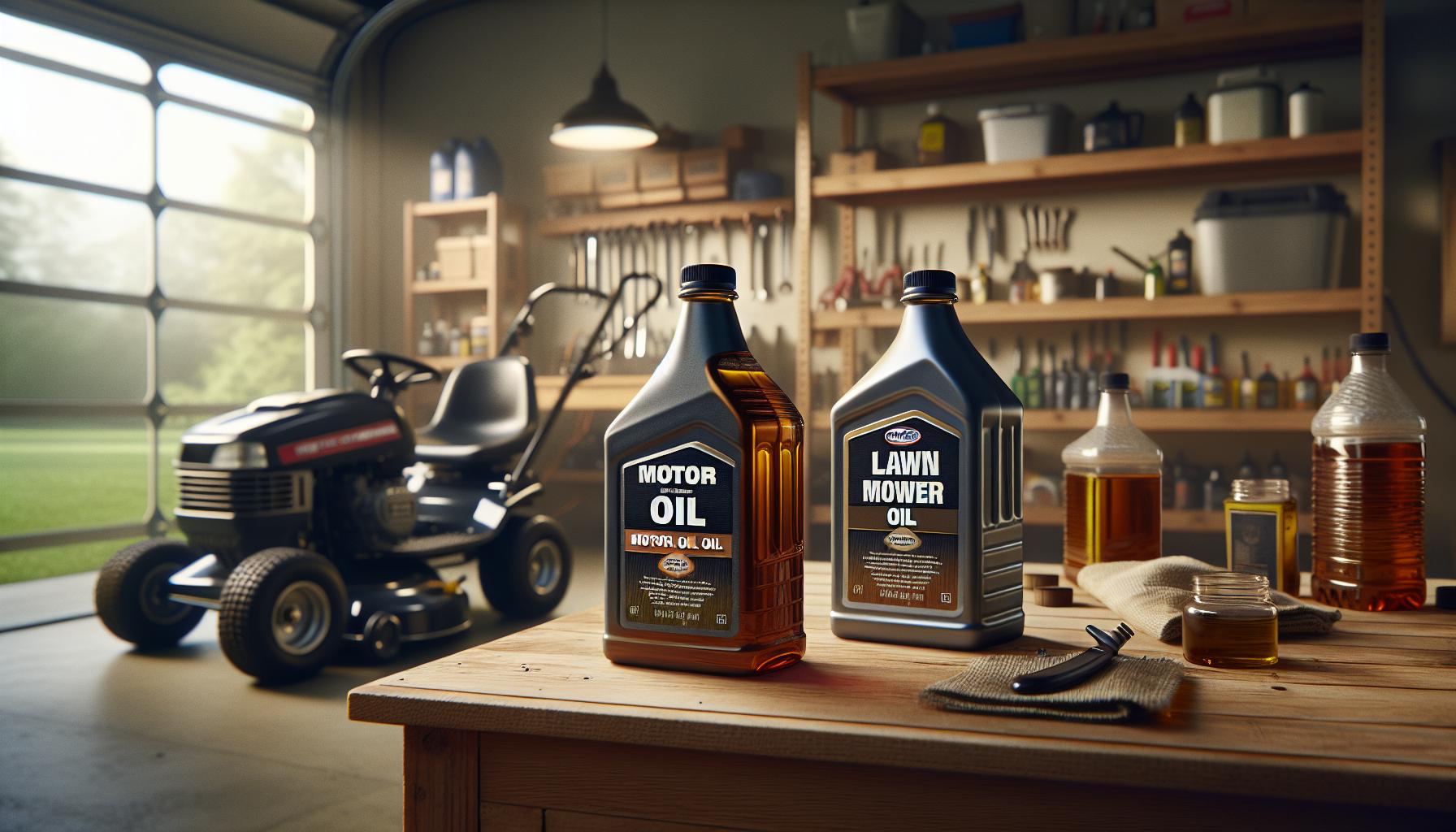
Using car motor oil in a lawn mower may seem like a straightforward solution, but doing so overlooks significant differences in formulation and performance needs. While both oils aim to lubricate engine components, they cater to fundamentally different types of engines, leading to crucial distinctions that can affect the efficiency and longevity of your lawn mower.
Car motor oil is typically designed for larger, multi-cylinder engines that endure varying loads and temperatures. It often contains a blend of additives aimed at cleaning, protecting, and improving performance in those more complex systems. In contrast, lawn mower oil is formulated specifically for small engines, which operate under a single, steady load and at high RPMs for extended periods. This means that lawn mower oil has a different viscosity structure that ensures optimal performance in the higher temperature environment found in these compact engines.
Key Differences to Consider
- Viscosity: Lawn mower oil often has a specific viscosity suited for high RPM conditions, while car motor oils can be too thick or thin depending on the engine’s requirements.
- Additives: The additives in car motor oil, such as detergents, are designed to handle the needs of larger engines and can cause foaming or sludge accumulation in lawn mower engines.
- Design Intent: Lawn mower oils are engineered to maintain lubrication and reduce wear under consistent conditions, unlike car oils, which adapt to a range of driving situations.
Additionally, selecting the wrong type of oil can lead to severe mechanical issues. For instance, if the oil is too thick, it may not circulate properly within the mower’s engine, resulting in inadequate lubrication. On the other hand, oil that is too thin could fail to provide the necessary protection during high-temperature operations typical in lawn mowing scenarios. Such issues can lead to premature engine wear, reduced efficiency, and even complete engine failure.
Understanding these distinctions is crucial for maintaining your mower’s health. Sticking to oil specifically designed for lawn mowers not only enhances performance but also extends the life of your equipment. When in doubt about oil choice, always refer to your lawn mower’s owner manual or consult with an expert to ensure optimal operation.
Risks of Using Car Motor Oil in Your Lawn Mower

Using car motor oil in a lawn mower might seem like a quick fix for maintenance, but it can come with serious risks that could jeopardize your equipment’s performance and longevity. One of the most pressing concerns is that automotive oils are designed for different engine types and conditions, leading to lubrication inadequacies in lawn mower engines. Lawn mowers typically operate at higher RPMs with consistent loads, while car engines experience variable speeds and loads. This mismatch means that car oil may not flow as it should in a small engine, potentially leading to overheating or inadequate lubrication.
Another significant risk involves the additives in car motor oil, which are tailored for larger engines that experience various operational demands. These additives, such as detergents and friction modifiers, can introduce foaming and sludge build-up in small engines. This accumulation can obstruct oil flow, increase engine wear, and ultimately shorten the life of your mower. If the engine oil becomes contaminated or loses its effectiveness, it can lead to catastrophic failures when the mower is pushed beyond its limits, especially during prolonged use.
Potential Consequences
- Overheating: The wrong viscosity can cause oil to not circulate properly, risking overheating and serious internal damage.
- Engine Wear: Inadequate lubrication increases friction and wear, leading to reduced efficiency and performance issues over time.
- Sludge Build-up: Car oil’s additives may create sludge in lawn mower engines, which can block oil channels and degrade engine function.
- Premature Failure: Improper oil usage may result in costly repairs, or the need for complete engine replacement if severe damage occurs.
In light of these risks, it is paramount to adhere to using oil specifically designed for lawn mowers. Not only does this ensure optimal engine health, but it also helps to maintain efficiency, reducing the likelihood of unexpected breakdowns. When selecting oil, always consult your mower’s owner’s manual or seek expert guidance to make the best choice for your equipment. By sticking with the right oil, you can rest assured that your lawn mower is operating at its best, safeguarding your investment in the long run.
Signs Your Lawn Mower Requires Oil Change
Your lawn mower is an essential tool for maintaining a beautiful yard, but like any machinery, it requires regular maintenance to perform optimally. One of the critical aspects of this upkeep is knowing when to change the oil. Failing to do so can lead to decreased efficiency and potentially severe damage to the engine, especially if inappropriate oils-like car motor oil-are used. Recognizing the signs that your mower needs an oil change can save you time, money, and unnecessary frustration.
One of the most obvious indicators that your lawn mower requires an oil change is the color and consistency of the oil. Fresh oil is typically a golden brown or amber color, whereas used oil becomes darker and may appear gritty or sludgy. If you notice that the oil is unusually dark or contains dirt and debris, it’s time for a change. Additionally, if your mower’s oil seems to have a milky color, this could indicate that moisture has gotten into the oil, which is a sign of a serious problem that should be addressed immediately.
Another sign can be found in the performance of your mower itself. If your engine starts to sound louder or runs less smoothly than usual, this might suggest that the oil isn’t lubricating properly, possibly due to thick, old oil. Increased resistance while cutting grass, or if the mower stalls often, are also red flags that can point to insufficient lubrication. Furthermore, if you’re required to refill the oil frequently, it’s a sign that the oil is breaking down faster than it should, which could occur if it’s not the appropriate type for your mower.
To ensure your mower is always ready to tackle your lawn care needs, it’s advisable to check the oil level and condition regularly, ideally before each use. Establish a routine that includes oil checks at the beginning of the mowing season and potentially every season thereafter, depending on usage and manufacturer recommendations. This proactive approach not only extends the life of your mower but also enhances its performance for many mowing seasons to come.
Best Practices for Maintenance of Lawn Mower Oil
Maintaining the oil in your lawn mower is crucial for ensuring it runs smoothly and lasts for years. A well-oiled mower not only performs better but also enhances fuel efficiency, making your mowing tasks easier and faster. To achieve this, adopting best practices for lawn mower oil maintenance is essential.
Regularly check the oil level and quality, ideally before each mow. This can prevent problems down the line and help you gauge when it’s time for an oil change. Use the dipstick to assess the oil level; if it’s below the recommended mark, top it up with the appropriate oil type. Pay attention to the oil’s color and texture; fresh oil typically has a clear, golden brown hue. If it appears dark, thick, or sludgy, it’s a sure sign you need to change it. Additionally, look out for any frothy or milky oil, which can indicate water contamination-a serious issue that requires immediate attention.
Choosing the right oil is paramount. Most lawn mowers run well on detergent oil, with a viscosity grade of SAE 30 recommended for warmer temperatures. However, if you are mowing in very cold conditions, consider using an oil with a lower viscosity, such as 10W-30. Synthetic oils are also an excellent option as they provide superior lubrication and can withstand higher temperatures. Always refer to your mower’s owner’s manual for specific recommendations to ensure optimal performance.
Another important aspect of maintenance is knowing when to change the oil. A good rule of thumb is to change the oil after every 50 hours of use or at least once a season, whichever comes first. When performing an oil change, warm up the engine slightly to assist in draining the old oil completely. After draining, replace the oil filter, if applicable, and refill the engine with the new oil, making sure to check the levels again.
By establishing these best practices in your lawn mower’s oil maintenance routine, you can significantly prolong its lifespan and improve performance. Regular checks and timely oil changes are fundamental habits that not only save you money on repairs but also enhance your mowing experience.
How to Choose the Right Oil for Lawn Mowers
Choosing the right oil for your lawn mower is essential for maintaining its performance and longevity. Not all oils are created equal, and using the correct type can make a significant difference in how well your mower operates. The primary factor to consider is the mower’s engine type-most models function optimally with detergent oils specifically designed for small engines, which provide better protection against deposits and ensure smooth running.
When selecting oil, pay close attention to the viscosity grade recommended for your mower. For instance, many mowers recommend SAE 30 for warmer temperatures due to its ability to flow freely and lubricate efficiently. However, if you live in a colder climate or mow in cooler weather, you might want to opt for 10W-30, as its lower viscosity allows for better engine protection during start-up in low temperatures. Always consult your owner’s manual for specific recommendations tailored to your machine’s needs; this is crucial as different models may have different oil requirements.
Another consideration is the oil’s formulation. Synthetic oils have gained popularity among lawn mower enthusiasts because they offer superior lubrication properties and can withstand higher temperatures than conventional oils. They also tend to last longer between oil changes, making them a cost-effective choice in the long run. Be wary of using car motor oils in your mower, as they typically lack the additives necessary to meet the needs of small engines, which can lead to increased wear and potential damage over time.
To summarize, here are the key aspects to consider when choosing oil for your lawn mower:
- Engine Type: Make sure to select oil suitable for your mower’s engine (4-cycle versus 2-cycle).
- Viscosity: Choose the right viscosity grade (SAE 30 for warm weather, 10W-30 for cold).
- Formulation: Opt for either conventional detergent oil or synthetic oil based on your mowing conditions and budget.
- Manufacturer Recommendations: Always refer to your owner’s manual for the best oil type and viscosity.
By making informed choices about the oil you use, you can ensure your lawn mower runs efficiently, lasts longer, and delivers the performance you expect each mowing season.
Alternatives to Car Motor Oil for Lawn Mowers
Using car motor oil in your lawn mower may seem like an easy shortcut, but it’s essential to consider the alternatives that are specifically designed for small engine operation. These alternatives not only reduce the risk of engine damage but also enhance performance and longevity. For the best results, you should opt for oils specifically formulated for lawn mowers.
One of the most recommended types of oil for lawn mowers is detergent oil tailored for small engines. These oils contain additives that protect against engine wear and deposit formation, which is crucial for maintaining the life of your mower. Common types include SAE 30 oil, which is ideal for warm weather, and 10W-30, which offers better viscosity in cooler temperatures. Always ensure you check the manufacturer’s specifications to select the appropriate oil type and viscosity.
Another excellent option is synthetic oil, known for its superior performance in extreme temperatures. These oils typically provide better lubrication and can withstand higher heat, making them suitable for long mowing sessions. Additionally, synthetic oil can extend the intervals between changes, saving you time and effort over the mowing season.
Lastly, many lawn mower manufacturers now offer their own branded oils, which are formulated to meet the specific needs of their engines. These oils provide an added layer of assurance, as they are designed to optimize engine performance and protect against wear.
To summarize, here are some alternatives to consider:
- Detergent Oil: Engineered for small engines; protects against wear.
- Synthetic Oil: Superior lubrication and better performance in high temperatures.
- Manufacturer-Specifiс Oil: Tailored to specific mower models for optimal performance.
By selecting the right oil tailored for your lawn mower, you can significantly improve its functionality and longevity, ultimately leading to a more efficient mowing experience.
Expert Recommendations on Motor Oil Usage
Using the right oil for your lawn mower is crucial for maintaining optimal performance and extending its lifespan. While it might be tempting to use car motor oil as a quicker, more accessible option, experts advise against it for a variety of reasons. Lawn mowers, particularly those with small engines, have specific lubrication requirements that car oils are not typically designed to meet.
Most experts recommend using oils specifically formulated for small engines. These oils, such as SAE 30 or 10W-30, contain additives that not only help in reducing engine wear but also improve the overall efficiency of the mower. SAE 30 oil is ideal for warmer temperatures, while 10W-30 provides better protection during cooler weather. It’s essential to consult your mower’s manual to determine the ideal oil viscosity for your specific model.
Additionally, choosing a quality oil-whether conventional, synthetic, or a manufacturer-specified variant-can make a significant impact on your mower’s operation. Synthetic oils, for instance, offer superior performance under high temperatures and can provide better lubrication compared to conventional oils. This means less wear on engine parts and fewer oil changes throughout the mowing season. Furthermore, many lawn mower manufacturers produce their own oils, tailored to meet the unique requirements of their engines, which can simplify the oil selection process and assurance of optimal performance.
To summarize, here are some key recommendations:
- Opt for small engine oils: Always choose oils explicitly formulated for lawn mowers.
- Consult your owner’s manual: This will give you specific viscosity recommendations.
- Consider synthetic options: They tend to perform better under extreme conditions.
- Utilize manufacturer-specific oils: They are designed to maximize performance and longevity.
By adhering to these expert recommendations, you can enhance your mower’s efficiency, promote longevity, and ensure a well-maintained lawn throughout the season.
Impact of Oil Quality on Lawn Mower Performance
The quality of oil you choose for your lawn mower can profoundly impact its performance and longevity. Using high-quality oil not only ensures smooth operation but also significantly reduces the risk of engine wear and damage. Poor-quality oils often lack the necessary additives that enhance lubrication, which can lead to increased friction and overheating during operation. In contrast, well-formulated oils provide a protective barrier that helps keep engine components functioning optimally.
Lawn mower engines, especially those in push mowers and small tractors, are engineered to perform under specific conditions. Oils designed specifically for small engines often include detergents and anti-wear additives that help maintain cleanliness and reduce sludge buildup. For example, synthetic oils tend to offer better performance in extreme temperatures, providing superior protection and lubrication compared to conventional oils, thereby minimizing the frequency of oil changes and enhancing overall engine efficiency.
To optimize your lawn mower’s performance and extend its life, consider the following practices:
- Use manufacturer-recommended oils: Always refer to the owner’s manual for the suggested oil type, as manufacturers tailor oils to suit the specific demands of their engines.
- Choose the right viscosity: The oil’s viscosity, often specified as SAE 30 or 10W-30, affects how well it flows at different temperatures, directly impacting engine performance.
- Prioritize quality over price: Investing in a higher-quality oil can prevent costly repairs down the line due to engine damage caused by inadequate lubrication.
In essence, the oil you select for your lawn mower plays a critical role in ensuring its resilience and functionality. By utilizing high-quality, specially formulated oils, you can enjoy a well-maintained, efficient mower that performs reliably throughout the mowing season.
Common Mistakes When Maintaining Mower Oil
Maintaining the oil in your lawn mower is vital for its performance and lifespan, yet many owners fall into common pitfalls that can lead to unnecessary problems. One of the most frequent mistakes is overlooking the importance of using the correct oil type. When some users opt for car motor oil, thinking it might be a suitable alternative, they could unintentionally compromise their mower’s engine. This is because car oils are designed for different operating conditions than those found in lawn mower engines, which can lead to inadequate lubrication and potentially severe engine damage.
Another common error is failing to perform regular oil changes. Just like any engine, a lawn mower’s oil gets contaminated over time and loses its effectiveness. Neglecting this basic maintenance step can lead to increased engine wear and the buildup of harmful sludge. It’s recommended to check the oil level and condition frequently, ideally every few uses, and to change it at least once per mowing season, more if you use the mower heavily.
Additionally, many lawn mower owners do not pay attention to the viscosity of the oil they use. Different mowing conditions may require different oil viscosities. For example, using a 10W-30 oil in extremely hot temperatures can lead to lower lubrication efficiency than a single-grade oil like SAE 30, which is often recommended for warm weather. Always consult your mower’s manual for the recommended viscosity to ensure optimal performance.
Lastly, pouring oil without measuring can also be problematic. Overfilling the oil reservoir can create excessive pressure, leading to leaks or even damage to seals and gaskets. Using a funnel and initial measurements can help keep the oil level within the optimal range. Being mindful of these common mistakes can lead to a smoother-running mower and ultimately save on expensive repairs in the long run.
Lawn Mower Oil Change: Step-by-Step Guide
Changing the oil in your lawn mower is crucial to ensuring it runs efficiently and lasts longer. Neglecting this simple maintenance task can lead to diminished performance and, ultimately, engine failure. Following a straightforward process for an oil change not only keeps your mower in top shape but also safeguards against the potential pitfalls associated with improper oil usage, such as using car motor oil.
To begin, gather the necessary supplies: a suitable lawn mower oil, an oil drain pan, a funnel, a wrench or socket set (for mowers with oil filters), and a clean cloth. Ensure your mower is on a flat surface and turn it off. It’s essential to let the engine cool down before starting the oil change to avoid burns.
Step-by-Step Oil Change
- Remove the Oil Cap: Start by locating the oil drain plug or cap. Most mowers have a dipstick where you can check the oil level. Remove this cap to allow old oil to drain out smoothly.
- Drain the Old Oil: Position your oil drain pan beneath the mower’s drain plug or oil pan. If your mower has a drain plug, remove it carefully and allow the old oil to flow into the pan. If not, you may need to tilt the mower slightly to pour out the oil. This process can take a few minutes, ensuring that all old oil is removed.
- Replace the Oil Filter (if applicable): If your mower has an oil filter, now is the time to change it. Use a wrench to remove the old filter and replace it with a new one, following the instructions on the filter packaging.
- Add New Oil: Using a funnel, pour the new lawn mower oil into the opening. Refer to your owner’s manual for the correct type and amount of oil required-typically, a mower will need 12 to 48 ounces, depending on its model.
- Check the Oil Level: After pouring in the new oil, replace the cap and run the engine for a minute. This helps circulate the oil. Turn off the mower, let it sit for a moment, and then check the oil level again, adding more oil if necessary.
- Dispose of Old Oil Properly: Finally, transfer the old oil from the drain pan into a sealed container and take it to a recycling center. Never pour it down the drain or dispose of it in the trash.
By maintaining a consistent oil change schedule-ideally every season or after 50 hours of usage-you can help ensure that your mower operates flawlessly, minimizing the risks associated with using the wrong type of oil, such as car motor oil, which may not provide the lubrication and performance your mower requires.
FAQs About Lawn Mower Oil Use and Care
Understanding the proper care and maintenance of lawn mower oil can significantly extend your mower’s life and enhance its performance. One common question that arises is whether car motor oil can be used in lawn mowers. The short answer is no; while both serve the primary function of lubrication, lawn mower oil is specifically formulated with different additives and viscosity ratings suited to the unique demands of small engines.
When it comes to choosing the right oil for your lawn mower, it’s essential to refer to your owner’s manual, which typically recommends specific oil types and viscosities based on the engine’s design and operating conditions. Using the incorrect oil can lead to various issues, including poor lubrication, increased wear, and overheating. Synthetic oils, for example, often provide superior protection and can handle extreme temperatures more effectively than conventional oils. In contrast, car motor oils may lack the necessary additives to handle the high RPMs and varying temperatures associated with lawn mower engines, potentially leading to premature engine failure.
For lawn mower maintenance, regular checks and changes are critical. Signs your mower may need an oil change include reduced engine performance, unusual noises, or a significant buildup of debris in the oil. A good rule of thumb is to change the oil after every 50 hours of use or at least once per mowing season. As part of your routine maintenance, always ensure you dispose of old oil properly to minimize environmental impact.
Lastly, consider alternatives to car motor oil if your lawn mower requires a specific type. Options like 10W-30 or 30W oil are often recommended for four-stroke engines, while two-stroke engines require a specific mix of oil and fuel. Investing in high-quality mower oil can enhance performance and longevity, ultimately saving you on repairs and replacements in the long run.
By adhering to these guidelines and being conscious of the type of oil you use, you can ensure that your lawn mower remains a reliable tool for maintaining your landscape.
Frequently Asked Questions
Q: Can using car motor oil harm my lawn mower?
A: Yes, using car motor oil can harm your lawn mower. Unlike lawn mower oil, car motor oil may not provide the necessary lubrication and protection against heat and wear. This can lead to engine damage over time. For optimal performance, always use oil specifically designed for lawn mowers.
Q: What are the signs I should change the oil in my lawn mower?
A: Signs that you need to change your lawn mower oil include dark, sludgy oil, excessive engine noise, smoke, or a noticeable decrease in performance. Regularly checking the oil level and appearance helps maintain your mower’s health. For more signs, see the “Signs Your Lawn Mower Requires Oil Change” section of our article.
Q: Why is lawn mower oil different from car motor oil?
A: Lawn mower oil is specifically formulated to withstand higher temperatures and provide better lubrication in small engines. It often contains additives that help with engine cleaning and protection, ensuring efficient operation. Understanding these differences is crucial for proper lawn mower maintenance.
Q: How often should I change the oil in my lawn mower?
A: Generally, you should change your lawn mower oil after every 50 hours of use or once a season, whichever comes first. This frequency helps maintain optimal performance and prolongs the life of your mower. For a detailed guide, refer to the “Lawn Mower Oil Change: Step-by-Step Guide” in our article.
Q: Can I mix different types of oil in my lawn mower?
A: Mixing different types of oil is not recommended. It can lead to poor lubrication and increased engine wear. Stick to one type of oil, preferably formulated for lawn mowers, to ensure compatibility and performance. Refer to “How to Choose the Right Oil for Lawn Mowers” for more information.
Q: What are the best alternatives to car motor oil for my lawn mower?
A: The best alternatives to car motor oil include oils specifically designed for small engines, such as SAE 30 for warmer climates or 10W-30 for versatility across temperatures. These oils are formulated to meet the needs of lawn mowers and help ensure efficient performance.
Q: When is it safe to use synthetic oil in my lawn mower?
A: Synthetic oils can be used in lawn mowers when recommended by the manufacturer. These oils offer superior protection and performance under extreme conditions. Check your mower’s manual or the “Expert Recommendations on Motor Oil Usage” section for guidance on using synthetic oil safely.
Q: How can I prevent common mistakes when maintaining mower oil?
A: To prevent common mistakes, always use the right type of oil, check the oil level regularly, and follow the recommended oil change schedule. Additionally, clean the oil filter and ensure the engine is cool before inspection. Refer to the “Common Mistakes When Maintaining Mower Oil” section for more tips.
For more in-depth information, please explore the full article on lawn mower oil maintenance!
Insights and Conclusions
In conclusion, while using car motor oil in your lawn mower might seem convenient, it’s crucial to understand the potential risks and damage it can cause. Always prioritize your mower’s longevity by opting for the recommended oil types. If you’re seeking more authoritative guidance, check out our detailed lawn care guides to enhance your knowledge and skills. Don’t miss our tips on oil selection for lawn equipment that can save you time and money on repairs.
Ready to take your lawn care to the next level? Subscribe to our newsletter for expert advice delivered straight to your inbox and explore our resources to keep your lawn thriving. Join the conversation; share your thoughts in the comments and let us know how you’re keeping your mower healthy!