
When it comes to lawn maintenance, efficiency is key, and that extends to power sources. Many homeowners wonder if a car battery can be used in a lawn mower. The compatibility of these two power sources is not just a minor detail; it can significantly impact your mower’s performance and your overall lawn care routine. Understanding the potential benefits and limitations of using a car battery in this context can save you time, money, and frustration. Imagine tackling another mowing task without the fear of your battery running out mid-job. As we explore the intricacies of battery compatibility, you’ll uncover essential information that can help you make informed decisions, ensuring your mower runs smoothly and your yard stays pristine. Let’s dive deeper into whether using a car battery in a lawn mower is the right choice for your needs.
Understanding Car Battery Types for Lawn Mowers
Using a car battery in a lawn mower may seem like a practical idea, but compatibility depends on understanding the fundamental differences between the two types of batteries. Lawn mowers typically use deep-cycle batteries designed for prolonged, steady power output over extended periods, while car batteries are engineered for high bursts of energy (such as during engine start-up) followed by rapid recharging. This distinction is crucial, as it affects the performance and longevity of the battery when applied in a different context.
Car batteries generally exist in two main types: lead-acid and absorbed glass mat (AGM). Lead-acid batteries are more traditional and cost-effective but can be heavier and less durable. AGM batteries, on the other hand, are designed to be maintenance-free, have greater vibration resistance, and provide improved performance in cold weather. Understanding these attributes helps determine whether a car battery can serve adequately in a lawn mower application without risking damage to the mower’s electrical system or decreasing its operational efficiency.
When considering using a car battery for your lawn mower, it’s essential to evaluate size and terminal compatibility. Mowers predominantly utilize smaller, lighter batteries like the Group U1 (which is commonly found in riding mowers) that provide ample cold-cranking amps (CCA) for starting operations while being compact. A standard car battery, typically larger and heavier, might not fit in the mower’s battery compartment or could alter weight distribution, potentially affecting maneuverability.
In conclusion, while it is technically possible to use a car battery in place of a mower battery, doing so requires careful consideration of technical specifications, physical compatibility, and all previously mentioned factors. Making an informed choice based on understanding the differences will lead to better performance and durability for your lawn mower.
Do Lawn Mowers Use Special Batteries?
Lawn mowers, particularly riding mowers, rely on batteries specifically designed to meet the demands of their operation. These batteries are typically deep-cycle types, which provide a steady supply of energy over longer periods-ideal for powering the mower during extensive mowing sessions. Unlike car batteries, which are built to deliver high bursts of energy for short durations (like starting an engine), lawn mower batteries must sustain consistent voltage levels to drive electric motors and accessory systems.
In general, lawn mower batteries fall into a few categories, such as lead-acid and gel batteries, often categorized by their size and intended use. For riding mowers, smaller batteries like the Group U1 are commonly used due to their lightweight and compact design, which allows for easy installation and better maneuverability. These batteries typically deliver sufficient cold-cranking amps (CCA), enough to start the mower without the weight and size issues presented by conventional car batteries.
It’s essential to consider that using a battery not fully compatible with the mower’s requirements can lead to inefficiencies or even damage. For example, a car battery, generally heavier and not designed for prolonged discharges, might not only disrupt the balance and handling of the mower but could also shorten the lifespan of both the battery and the mower’s electrical system. Therefore, understanding the unique demands of lawn mower operations is critical before considering alternative battery solutions. Properly matching the battery type to the mower’s specifications ensures optimal performance and durability.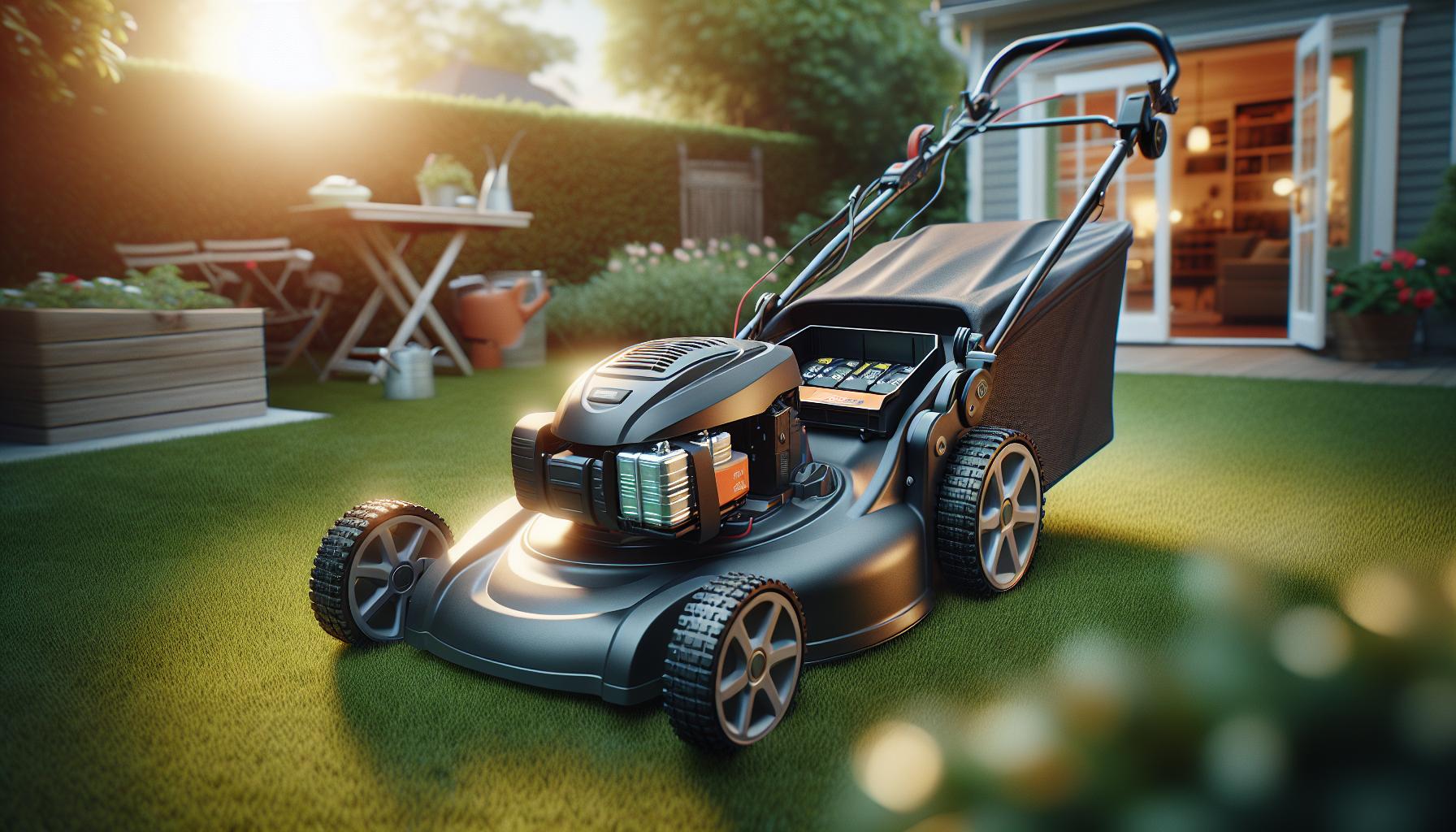
Compatibility Factors: Car vs. Lawn Mower Batteries
Using a car battery in a lawn mower might seem like a practical solution at first, but the compatibility issues that arise can lead to significant problems. While both car batteries and lawn mower batteries serve the same fundamental purpose of providing electrical power, they are designed for very different applications. Understanding these differences is crucial for ensuring optimal performance and avoiding damage.
Car batteries are typically lead-acid batteries optimized for short, high bursts of power, specifically tailored for starting an engine. This means they are excellent for quick, high-amp discharges necessary to crank a vehicle’s engine but can struggle with prolonged discharges. In contrast, lawn mower batteries are generally deep-cycle batteries. These are designed to deliver a steady supply of power over a longer duration, making them ideal for the sustained energy output required during extended mowing sessions. This fundamental difference highlights the importance of matching the right battery type to the equipment’s specifications.
When considering compatibility, several factors come into play. The physical size, weight, and voltage rating of the batteries are all crucial considerations. For instance, car batteries tend to be larger and heavier than lawn mower batteries, which can affect the mower’s balance and maneuverability. Additionally, the voltage must be compatible; using a car battery that exceeds the mower’s rated voltage can lead to electrical system failures or damage.
To ensure seamless operation, it’s essential to assess your lawn mower’s requirements before substituting with a car battery. Not only does this enhance performance, but it also prolongs the lifespan of both the battery and the mower. Consulting your mower’s manual or specifications can provide valuable guidance on what battery type and capacity will best meet your needs. By making an informed choice, you can avoid the pitfalls associated with battery mismatches and maintain the efficiency of your lawn care equipment.
Installation Guide: Using a Car Battery in a Mower
Using a car battery in a lawn mower can be an appealing shortcut for those facing battery troubles, but careful consideration and steps are essential to ensure a safe and functional setup. Before beginning the installation, it’s critical to verify that the mower’s voltage requirements align with the car battery’s output, as mismatched voltage can lead to damage. Car batteries typically provide 12 volts, which is compatible with many lawn mowers, but it’s essential to double-check your specific model’s specifications.
When you have confirmed compatibility, the first step is to prepare the mower for the installation. Always ensure the mower is turned off, and if possible, disconnect the current lawn mower battery. Wear safety glasses and gloves to protect yourself from potential acid spills or electric shocks. It’s advisable to clean the battery terminals using a mixture of baking soda and water to remove any corrosion, which can hinder the connection quality.
Next, you will need to properly secure the car battery in place. Due to the larger size and weight of a car battery compared to typical lawn mower batteries, using brackets or foam padding may help stabilize it within the mower’s battery compartment. The car battery should sit securely to prevent it from moving around during operation, which can cause electrical shorts or other damages.
Wiring Connections
When connecting the car battery, start by ensuring that all connections are tight and secure. Attach the positive terminal (usually marked with a red cover) from the car battery to the corresponding positive cable of the mower, followed by the negative terminal to the mower’s negative cable (often marked with a black cover). For extra safety, consider using terminal protectors to prevent accidental short circuits. Once securely connected, conduct a test run to ensure everything operates smoothly. If your mower struggles to start or shows signs of irregular performance, it may be worth reconsidering the use of a car battery or consulting a professional for advice.
Lastly, be aware of the ongoing maintenance required. Car batteries are not designed for deep-cycle use and may deteriorate faster when used for prolonged periods in a lawn mower compared to dedicated mower batteries. Frequent checks and maintenance can prolong the battery’s life, ensuring efficient operation throughout the mowing season.
Benefits of Using a Car Battery in a Lawn Mower
Using a car battery in a lawn mower may initially seem unconventional, but it can provide several compelling benefits, particularly when faced with a dead or malfunctioning mower battery. A car battery typically offers a robust power source capable of delivering consistent voltage, making it a reliable alternative for those in need of immediate solutions. This added power can enhance equipment performance, especially for mowers that require a bit more grunt to tackle overgrown grass or challenging terrains.
One significant advantage of utilizing a car battery is its longer lifespan compared to many traditional lawn mower batteries. Car batteries are built to support a higher number of discharge cycles, so they can provide a greater volume of power over time before needing replacement. This durability can be particularly beneficial during the peak mowing season when reliability is crucial. Additionally, if you already have a spare car battery at home, this can save you the cost and time associated with purchasing a dedicated lawn mower battery.
Furthermore, many car batteries are designed to handle diverse environmental conditions, which can translate into better performance in various mowing scenarios. For instance, if your lawn mower is regularly subjected to extreme temperatures, a car battery’s construction often allows it to function efficiently under these stressors. This versatility ensures that you can continue mowing without disruptions, regardless of weather conditions.
However, while the benefits are evident, understanding the potential drawbacks and ensuring proper installation is key. This means doing your due diligence to confirm the compatibility of the car battery with your mower, ensuring the correct voltage, and providing appropriate support within the mower’s compartment. By approaching this setup thoughtfully, you can enjoy the advantages of enhanced power and longer life that a car battery can bring to your lawn maintenance routine.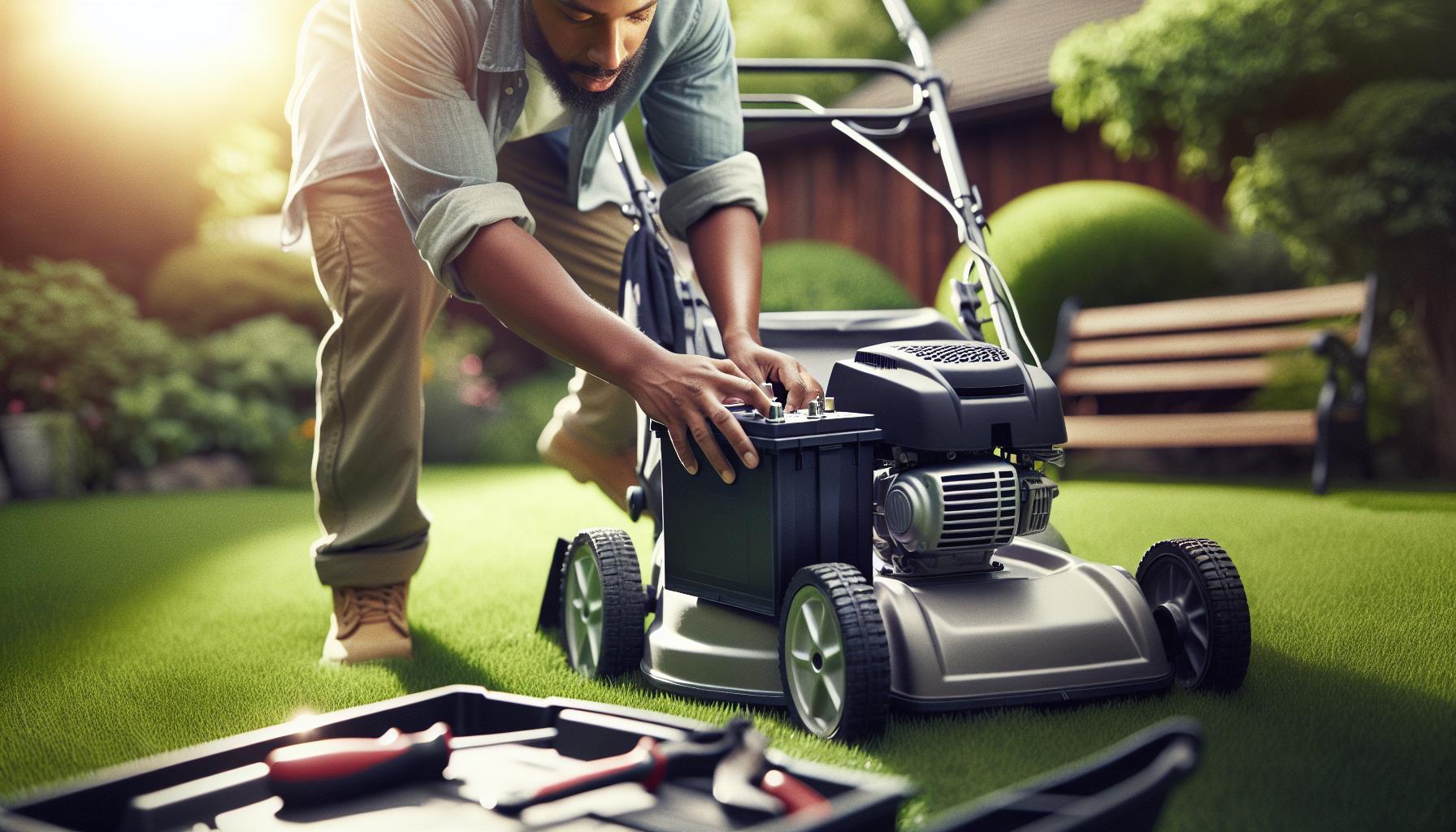
Risks and Considerations: What to Watch Out For
Using a car battery in a lawn mower can be a quick fix, but it’s critical to approach this option with caution. One significant concern is the risk of size and weight issues. Car batteries tend to be larger and heavier than typical lawn mower batteries, which may complicate installation and affect the mower’s balance and maneuverability. If the battery is not securely placed, it could shift during operation, leading to potential damage to the mower or even causing safety hazards during use.
Another vital consideration is voltage compatibility. Most lawn mowers operate using a 12-volt system, similar to car batteries, but that doesn’t mean every car battery is suitable. Utilizing a battery with a higher capacity than what your mower was designed for can lead to electrical issues, potentially overwhelming the mower’s systems. This may cause components to fail or, in the worst cases, lead to electrical fires. Always check the mower’s specifications and ensure you’re using a battery that can handle it-both in terms of voltage and amperage.
Additionally, while car batteries are generally durable, they are not designed for the deep-cycle application that lawn mowers may require during prolonged use. Unlike lawn mower batteries, which are optimized to provide consistent power over extended periods, car batteries are built more for high bursts of power like starting a vehicle. Using a car battery for continuous power can lead to faster degradation of the battery and might not provide the expected runtime, ultimately negating the initial benefits you sought.
Finally, consider the charging system. Lawn mowers typically come equipped with specific chargers that may not be compatible with car batteries. This mismatch can lead to inefficient charging or, conversely, overcharging, which significantly shortens battery life. Monitoring the charging process carefully or adapting your charging system is essential to avoid early battery failures and to ensure that your mower continues to run smoothly-especially during the busy mowing season.
Alternatives to Using a Car Battery
Using a car battery in a lawn mower may initially seem like a viable shortcut for powering your equipment, but it’s essential to consider other options that may provide more long-term benefits and compatibility. For those who want to ensure maximum efficiency and extend the lifespan of their lawn mowers, exploring specialized alternatives to car batteries is a smarter choice.
One prominent alternative is the deep-cycle battery, specifically designed for applications that require sustained energy output over extended periods-similar to what lawn mowers need. Unlike car batteries, which offer short bursts of high energy for starting vehicles, deep-cycle batteries can handle differences in discharge and recharge cycles much better. This makes them ideal for the repeated use of lawn care equipment. When selecting a deep-cycle battery, look for models that feature a high amp-hour rating to ensure they can power your mower for longer mowing sessions without frequent recharges.
Another option is the lithium-ion battery, which has gained popularity in power tools and small machinery for its efficiency and lightweight design. Lithium-ion batteries offer significant advantages, such as a longer lifespan, faster charging times, and reduced weight, making them easier to install and manage within your mower. They are also less prone to sulfation, a common problem with lead-acid batteries that can decrease lifespan. While they may come at a higher upfront cost, their durability and longevity often justify the investment.
Finally, consider the convenience of investing in a genuine lawn mower battery designed specifically for your mower model. These batteries are optimally engineered to meet the voltage and power needs of lawn mowers, ensuring seamless compatibility. Purchasing a battery designed for your mower could save you from potential issues such as improper fitting, inefficiency, and significant safety risks, including electrical failures. Always consult your mower’s manual to find the recommended battery specifications and options.
By exploring these alternatives, you can maintain the performance of your lawn mower while avoiding the complications that come with using a car battery. Investing in a purpose-built battery, such as a deep-cycle or lithium-ion model, will ensure compatibility and enhance the total efficiency of your mower.
Maintaining Lawn Mower Batteries for Longevity
To extend the life of your lawn mower battery, whether it’s a specialized mower battery or an alternative like a deep-cycle or lithium-ion battery, regular maintenance is essential. Just like any piece of equipment, proactive care can prevent many common issues that lead to shorter battery life. One fundamental aspect of maintaining these batteries is ensuring they are kept clean and free of corrosion. This involves regularly checking and gently cleaning the terminals with a mixture of baking soda and water. A toothbrush can help scrub away any build-up that could impair the battery’s connection.
Another critical factor affecting battery longevity is storage conditions. Keeping the battery in a suitable environment can greatly enhance its lifespan. Ideally, a battery should be stored in a cool, dry place, away from extreme temperatures-both hot and cold-which can strain a battery’s performance. If your mower is not in season, disconnect the battery and store it according to the manufacturer’s instructions. Additionally, consider using a battery maintainer or trickle charger during long periods of inactivity to keep it topped off without overcharging.
Performing regular voltage checks can also provide insight into your battery’s health. Using a multimeter, you can monitor the battery’s charge; a reading below 12.4 volts is a sign that the battery may need charging. It’s crucial to follow the manufacturer’s guidelines for charging-overcharging can lead to damage, while allowing a battery to run excessively low can significantly reduce its lifecycle.
Lastly, understanding the signs of a failing battery can save you time and money. Frequent difficulties starting the mower, a decrease in performance, or slow-cranking can indicate that a battery replacement is imminent. Addressing these issues proactively ensures your lawn mower remains operational and efficient, allowing you to focus on your yard instead of troubleshooting. Maintaining the health of your mower battery is not just about prolonging life; it’s about enhancing the overall performance of your lawn care routine.
Signs Your Lawn Mower Battery Needs Replacement
A lawn mower battery is vital for starting the machine and ensuring it runs efficiently. However, unforeseen signs may indicate that it has reached the end of its lifespan. Understanding these signs can save you time, money, and frustration when maintaining your lawn care equipment.
One of the most common indicators that your lawn mower battery needs replacing is difficulty starting the engine. If you find yourself turning the ignition key multiple times or waiting longer for the motor to turn over, this may suggest your battery is losing its potency. Additionally, if you notice a significant drop in performance-such as the engine sputtering or lacking the power it once had-it might be time to examine the battery closely.
Another sign to watch for is a decrease in runtime. Lawn mowers should be able to operate for a substantial period on a full charge. If your mower consistently stalls or struggles to complete your lawn before needing a recharge, this might indicate the battery can no longer hold a sufficient charge. Furthermore, slow-cranking when you try to start the mower often indicates a weakening battery; the motor cranks more slowly than usual, suggesting that it isn’t getting enough current.
Lastly, take note of visible signs of damage or wear on the battery itself. Cracks, corrosion on terminals, or swelling can all point towards a battery that is failing or at risk of leaking harmful materials. Regular inspections of the battery and its connections can preempt sudden failures and help you maintain consistent mowing schedules.
Being vigilant about these signs ensures your lawn mower operates at its best, allowing you to keep your yard in top condition without interruption.
Cost Comparison: Car Batteries vs. Lawn Mower Batteries
When evaluating the cost implications of using a car battery versus a lawn mower battery, it becomes essential to factor in various nuances of both options. Generally, car batteries are larger and designed to deliver a higher starting power, which is primarily intended for cars that require more energy to initiate and maintain engine operation. In contrast, lawn mower batteries are typically smaller, lighter, and constructed to handle the specific demands of starting a mower’s electric motor.
One notable aspect of the cost comparison is the initial purchase price. Lawn mower batteries usually range between $30 and $100, depending on the type and brand, while car batteries can cost anywhere from $50 to over $200, influenced by brand and specifications. This cost disparity makes lawn mower batteries more budget-friendly for casual users. However, consider the lifespan of each type: while a standard lawn mower battery might last about 3 to 5 years with proper upkeep, a car battery might provide a reliable service life of 4 to 6 years, albeit with higher replacement costs.
Long-Term Cost Efficiency
In the grand scheme of expenses, a car battery’s durability could justify a higher upfront investment, particularly for those who mow extensively and value reliability. A high-performance car battery could potentially endure numerous charging cycles, which may render it more economical per use over time. Conversely, frequent replacements of lawn mower batteries might accumulate costs that surpass that of a single, durable car battery.
Real-World Examples
Consider two hypothetical scenarios: a homeowner using a lawn mower sporadically versus a lawn care service operating multiple commercial mowers. The occasional mower user may benefit from the lower upfront cost of a lawn mower battery, while the lawn care service, which requires consistent performance and has higher utilization, might find more value in investing in car batteries. These batteries could withstand the pressure of high rotation and serve longer, ultimately leading to better cost management for business operations.
Ultimately, when deciding between the two options, it’s important to weigh initial costs against expected longevity and usage frequency to ensure that you choose the battery type that best meets your needs while remaining cost-effective in the long run.
User Experiences: Real-Life Case Studies
While the debate over whether a car battery can effectively power a lawn mower continues, several users have shared their real-life experiences that can shed light on this topic. One homeowner, Rick, faced an urgent situation when his lawn mower battery failed just before a weekend of yard work. In a pinch, he decided to try using an old car battery he had stored in his garage. To his surprise, the mower started without issue, providing him with the power he needed to get through his mowing chores. Rick found this alternative to be a temporary solution that worked well, although he acknowledged that the car battery was bulkier and heavier, making it less than ideal for regular use.
Another case comes from a small landscaping business owner, Sarah, who was looking for a way to cut costs without sacrificing performance. After hearing recommendations from fellow contractors, she switched to using car batteries in her commercial mowers. Initially apprehensive, she found that they not only provided more power than standard mower batteries, but they also lasted longer under heavy usage. Sarah observed a significant decrease in battery-related downtime, allowing her team to complete jobs more efficiently. However, she emphasized the importance of ensuring that the connections were secure, as improper setup had led to a few instances of the mower shutting down mid-job.
In some instances, users have encountered challenges. Tom, a weekend warrior, tried using a car battery but faced compatibility issues with his mower’s electrical system. His mower displayed warning lights and occasional performance drops. After consulting with a local mechanic, he learned that the amperage and voltage mismatch caused by the car battery could potentially damage the mower’s electronics. This experience served as a crucial lesson about the importance of understanding the technical specifications required for yard equipment.
Through these anecdotes, it’s clear that using a car battery in a lawn mower can yield mixed results. Users have found both advantages and disadvantages, presenting a need for careful consideration of compatibility and application. Emphasizing practical knowledge, these experiences illustrate that, while adaptable, using a car battery demands a nuanced approach to ensure both safety and functionality in lawn care tasks.
FAQ
Q: Can I use a car battery to start my lawn mower?
A: Yes, you can use a car battery to start your lawn mower. Ensure the voltage matches, typically 12 volts, to avoid damaging the mower’s electrical system. Check the compatibility in the article’s “Compatibility Factors” section for more details.
Q: What are the differences between car batteries and lawn mower batteries?
A: Car batteries are designed for high cranking power and deep cycling, while lawn mower batteries are typically smaller with less capacity. Understanding these differences can help determine the best choice for your equipment. Refer to the “Understanding Car Battery Types for Lawn Mowers” section for more information.
Q: Will using a car battery affect my lawn mower’s performance?
A: Using a car battery can potentially improve performance if the mower’s original battery was weak. However, excessive power might strain the mower’s components. Check the “Risks and Considerations” section for more insights on impacts.
Q: How long will a car battery last in a lawn mower?
A: The lifespan of a car battery in a lawn mower depends on usage frequency and conditions. Generally, expect around a few months of reliable performance, but consult the “Maintaining Lawn Mower Batteries for Longevity” section for tips on care.
Q: Can a car battery damage my lawn mower?
A: Yes, if the battery’s voltage or size is incompatible, it may damage the mower. Ensure proper installation and compatibility as outlined in the “Installation Guide”, and monitor performance to avoid issues.
Q: What should I do if my lawn mower doesn’t turn on with a car battery?
A: If your lawn mower doesn’t start with a car battery, check connections and ensure the battery is charged. Refer to the “Installation Guide” for troubleshooting steps, and inspect the mower for other mechanical issues.
Q: Are there specific brands of car batteries recommended for lawn mowers?
A: While no specific brands are universally recommended, selecting batteries designed for deep cycle use or those compatible with lawn care equipment is ideal. For more details, explore the article’s “Compatibility Factors” section.
Q: What alternatives exist to car batteries for lawn mowers?
A: Alternatives to using a car battery include specialized lawn mower batteries, lithium-ion options, or maintenance-free batteries. The “Alternatives to Using a Car Battery” section provides additional insights for making the right choice.
Feel free to explore more about each topic in the main article for a comprehensive understanding of using car batteries with lawn mowers!
In Conclusion
Now that you understand the compatibility of car batteries in lawn mowers, don’t miss out on the opportunity to enhance your lawn care experience. Always choose the best power options for your equipment to ensure efficiency and longevity. If you have any lingering questions or need tips on maintaining your lawn equipment, check out our articles on lawn maintenance best practices and selecting the right tools for your gardening needs.
Explore our resources for expert advice and product recommendations that can transform your lawn care routine today. Remember, using the correct battery not only optimizes performance but also prevents potential hazards. If you found this information helpful, please share it with fellow lawn enthusiasts and join our newsletter for more expert insights. Your lawn deserves the best-take action now!