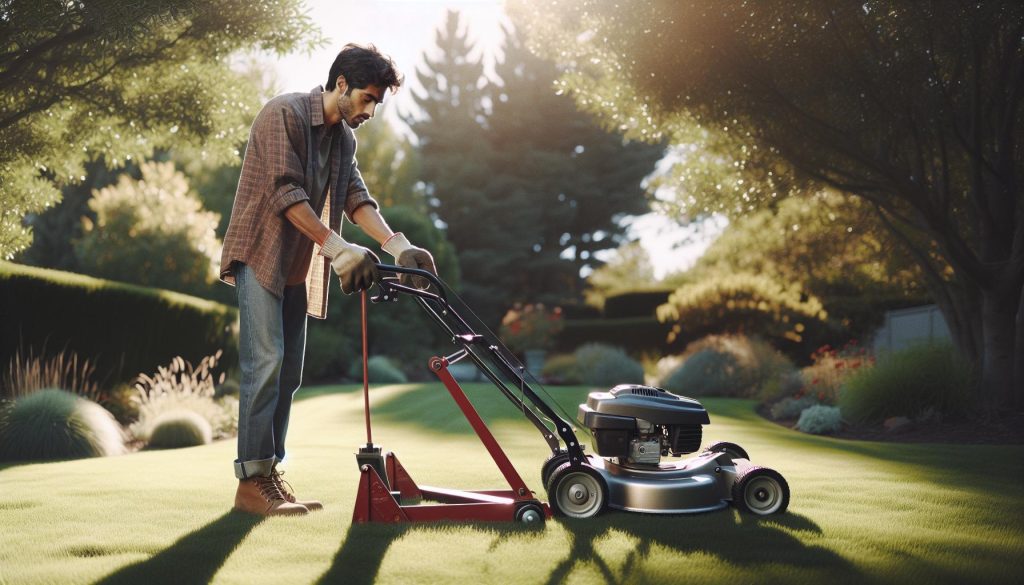
When it comes to lawn care, maintaining your mower is essential, and knowing how to safely lift it for repairs is a key part of that process. Many people wonder if a car jack can be used on a lawn mower, and while it might seem convenient, using the wrong tools can lead to hazards. This article explores the safety tips you need to consider before using a car jack on your mower, ensuring you can perform maintenance tasks effectively while prioritizing safety. Whether you’re a seasoned gardener or a weekend warrior, understanding the right techniques will help you avoid accidents and keep your equipment in top shape. Let’s delve into the important safety guidelines and practical insights to keep your lawn care experience both effective and safe.
Can You Safely Use a Car Jack on a Lawn Mower?
Using a car jack on a lawn mower might seem like a handy solution for quick maintenance tasks, but it’s essential to approach this practice with caution. Lawn mowers are designed differently than vehicles, typically featuring a lower weight distribution and a more compact frame. This unique design means that while a car jack can technically lift some models, it may not provide the stability or safety necessary for the task at hand. A proper lawn mower jack or lift is specifically built to handle the weight and structure of mowers, making it a safer choice.
When contemplating the use of a car jack, consider the weight and dimensions of your lawn mower. Most push mowers weigh between 70 to 100 pounds, while riding mowers can exceed 350 pounds. If you do choose to use a car jack, ensure it has a sufficient weight capacity and can accommodate the mower’s base securely. It’s vital that the jack’s lifting points align with sturdy parts of the mower to prevent slipping or tipping during maintenance activities.
Safety should always be the primary concern when using any lifting tool. Make sure the lawn mower is on a flat, stable surface before attempting to lift it. Engaging the parking brake and removing the key can prevent unintended movement. Additionally, use wheel chocks to secure the mower in place. If you find that using a car jack creates an unstable lifting position, it’s wise to invest in a dedicated lawn mower jack. These jacks not only provide the necessary lifting power but also stability that a standard car jack may lack.
Understanding Lawn Mower Weight and Design
Understanding the nuances of lawn mower weight and design is crucial for safe maintenance practices, especially when considering the use of a car jack. Unlike automobiles, lawn mowers are uniquely engineered with a different weight distribution and structure, which can influence how they should be lifted. For instance, riding lawn mowers can weigh upwards of 350 pounds, while smaller push mowers generally weigh between 70 and 100 pounds. This diversity means that while a car jack might accommodate some models, it may not be suitable for all due to the potential for instability.
Lawn mowers are typically designed with a lower center of gravity to enhance stability during operation. However, when lifting, this design can present challenges, particularly if the jack does not align with the mower’s sturdy components. Many traditional car jacks are designed to lift vehicles with a more significant weight balance, making them unreliable for mowers that might easily tip over if not supported correctly. To ensure safety during maintenance tasks, it’s essential to use lifting equipment specifically designed for lawn mowers, which offers a more secure fit and stability.
Moreover, consideration of the mower’s design goes beyond just weight; factors like frame height and wheelbase significantly impact lifting techniques. The lifting points of a car jack need to be carefully aligned with robust parts of the mower to prevent accidental slips. A dedicated lawn mower jack, often featuring adjustable heights and greater stability, can significantly reduce the risk of accidents during maintenance, allowing you to perform necessary repairs or checks with peace of mind.
Incorporating essential tools tailored for lawn mower maintenance not only enhances safety but also improves efficiency. For example, jacks like the Goplus Lawn Mower Lift provide a reliable means of elevating your mower while accommodating its unique design features, thus catering specifically to the needs of lawn care. By understanding these critical aspects of mower weight and design, users can make informed decisions about the best practices and tools for maintaining their equipment safely.
Choosing the Right Type of Car Jack
When it comes to lifting a lawn mower safely for maintenance chores, selecting the right type of jack is crucial. Not all jacks are created equal; their design, lifting capacity, and intended use can significantly impact not only how safely you can elevate your mower but also the ease with which you can perform necessary repairs. Using the correct jack ensures stability and prevents potential accidents that could arise from incorrect lifting methods.
First and foremost, consider the weight and type of your lawn mower. A standard car jack is typically designed to lift vehicles that have a higher weight distribution and a completely different structure. This can lead to instability when attempting to lift something as uniquely shaped as a lawn mower. Instead, you should look for a lawn mower jack or a wide-based hydraulic jack, which is engineered specifically for the lower center of gravity and weight distribution of lawn mowers. These types of jacks usually feature wider platforms that can accommodate the mower’s frame more securely.
Another factor to consider is the lifting height. Many car jacks may not provide enough height for you to perform maintenance tasks comfortably. Lawn mower jacks often have adjustable height features, allowing for a customizable fit that caters to various mower designs. This ensures you can easily access the mower’s undercarriage without straining your back or risking damage to the mower itself.
To make an informed choice, examine the following features when selecting a jack:
- Stability: A wider base and robust design that minimizes the risk of tipping.
- Lifting Capacity: Match the jack’s weight limit to your mower’s specifications, ensuring safety.
- Ease of Use: Look for user-friendly features, such as foot pumps or wheels for easy maneuverability.
- Safety Features: Models with safety locks to keep the mower secure while you work are ideal.
By choosing the correct jack, you can enhance your maintenance routine and extend the lifespan of your lawn mower, all while ensuring your safety in the process.
Essential Safety Precautions for Jack Use
Using a jack might seem like a straightforward task, but many overlook the inherent risks involved, particularly when lifting something as unconventional as a lawn mower. A common misconception is that any jack will suffice; however, using the wrong type can lead to accidents, potentially causing injury or damaging your equipment. Understanding essential safety precautions can transform what might be an intimidating undertaking into a manageable and safe procedure.
Before you begin, ensure that you have stable ground beneath you. Uneven or soft surfaces can shift under weight, compromising not only the stability of the jack but also your safety. Always position the jack on a solid, flat surface and verify that the wheels (if applicable) are locked into place to prevent movement. Furthermore, it’s wise to keep the mower’s engine off and remove the key to prevent unintended starts while you’re working underneath or around it.
Another critical aspect is to be aware of your body mechanics. Lifting a mower involves not just the jack, but also your hands and back. Always bend at the knees rather than at the waist to lift heavy items, and maintain your balance when maneuvering around the jack. Additionally, it’s advisable never to put your body under a lifted mower that isn’t securely supported. Always use jack stands or blocks for added safety, providing a secondary layer of security should the jack fail.
Before lifting your lawn mower, inspect all equipment for wear or defects. Check the jack’s lifting mechanisms and locking features, ensuring they operate correctly. Having a buddy nearby is also a smart move; two sets of eyes can catch any potential hazards that might be overlooked. Following these safety measures will not only protect you but also enhance your confidence and efficiency while performing maintenance on your lawn mower.
Step-by-Step Guide: Jacking Up a Lawn Mower
When it comes to lawn mower maintenance, knowing how to safely lift your mower can make all the difference-whether for routine inspections or repairs. Employing a car jack requires careful consideration and precise steps, ensuring that both you and your equipment remain unharmed throughout the process.
Start by preparing the area where you will be working. Ensure the ground is solid and flat to support the weight of both the jack and the mower. Gather all necessary tools, including a suitable car jack, jack stands, and safety gear like gloves and closed-toe shoes. Before you attempt to lift the mower, turn off the engine and remove the key to prevent accidental starts. Then, secure the mower’s parking brake if equipped.
Next, locate the optimal jacking points on your mower. Typically, these are near the front or rear axles that provide a sturdy foundation for lifting. Carefully slide the jack into position, ensuring it is directly underneath the designated jacking point. Slowly and smoothly pump the jack handle until the mower is lifted to the desired height. Always keep an eye on the stability of the mower during this process. Once at the desired height, immediately place jack stands under the mower to provide additional support. This step is crucial; never work under a mower that is solely supported by a jack.
After the mower is elevated and secured, you can proceed with your maintenance tasks. Remember to keep all tools within reach but not cluttered around the base of the mower. For best practices, periodically check to confirm that the mower remains stable and the jack hasn’t shifted during your work. Once you’re finished, carefully lower the mower back to the ground by first removing the jack stands and then gently lowering the jack.
Following this step-by-step approach not only enhances safety during maintenance but also ensures that you protect your lawn mower from potential damage due to improper lifting techniques. Always prioritize safety and take your time throughout the process to create a risk-free working environment.
Common Mistakes to Avoid When Using a Jack
When it comes to safely using a car jack on a lawn mower, avoiding common pitfalls can make the difference between a seamless maintenance session and a potentially hazardous incident. Many users unwittingly overlook crucial practices, leading to dangerous situations or damage to the mower itself. One of the most prevalent mistakes is failing to identify the proper jacking points. Using a car jack at inappropriate locations, like under the body of the mower, can lead to structural damage or unintentional tipping.
Another frequent error involves neglecting to use jack stands after elevating the mower. Relying solely on the jack’s support is a severe misstep; hydraulic jacks can malfunction, and without the added security of jack stands, the mower may come crashing down unexpectedly. It’s essential to position jack stands immediately after lifting to ensure maximum stability.
Additionally, many individuals rush the lifting process, operating the jack too quickly without ensuring that the mower is properly balanced and secure. This haste can cause the mower to shift unexpectedly, increasing injury risk or damaging the mower. Always take the time to double-check that the mower is level and stable before proceeding with any repairs or inspections.
Lastly, overlooking safety gear can lead to avoidable accidents. Protective gloves and closed-toe shoes should always be worn when working with heavy machinery, including lawn mowers. These simple precautions can protect you from injury in case of an accident during the jacking process. By being mindful of these common mistakes, you can enhance safety and efficiency during your mowing maintenance tasks.
Alternative Tools for Lawn Mower Maintenance
When it comes to maintaining your lawn mower, there are various tools that can make the process safer and more efficient than using a car jack. While a car jack can certainly lift a mower, relying on it for routine maintenance can be risky and is not always the best option. Alternative tools not only enhance safety but also cater specifically to the needs of lawn equipment.
One of the most effective alternatives is a lawn mower lift, which is designed specifically for lifting riding mowers and garden tractors. These lifts often come equipped with built-in safety features such as locking mechanisms that provide stability while you work. Additionally, they offer adjustable height settings, making it easier to access different parts of the mower without excessive bending or reaching, which can strain your back.
Another useful tool is a mechanics creeper, especially when working on push mowers. This low-profile platform allows you to slide underneath the mower comfortably. Paired with a good set of jack stands, it becomes an excellent alternative for performing repairs and maintenance safely.
For those performing minor routine tasks, wheel ramps or portable ramps can make it easier to elevate a mower. Simply drive your mower onto the ramp to lift it off the ground, allowing access to the underside without the risk associated with jacking. These ramps often have non-slip surfaces that help keep the mower in place while you work.
Ultimately, leveraging these alternatives not only promotes safety but can significantly streamline your lawn mower maintenance process. Prioritizing tools that enhance stability and access will allow you to perform repairs with much greater ease and confidence, reducing the chances of injury or equipment damage.
Tips for Regular Lawn Mower Inspections
Regular inspections of your lawn mower can significantly extend its lifespan and improve performance, yet many owners overlook this crucial maintenance step. Did you know that up to 90% of mechanical issues can be detected early through simple inspections? By routinely checking your mower, you can catch problems before they worsen, saving both time and money on repairs.
Start by inspecting the blade and cutting deck. Ensure the blades are sharp and free from rust or damage, as dull blades can tear grass rather than cutting it cleanly, leading to stress on the plant. Look for any debris and grass buildup under the deck, which can obstruct airflow and affect cutting efficiency. Cleaning the undercarriage after every use not only maintains performance but also prevents corrosion.
Next, check the oil level and condition. Using the correct engine oil is crucial for ensuring smooth operation. Dirty oil can lead to engine wear, so change it according to the manufacturer’s recommendations as part of your maintenance routine. Likewise, inspect the air filter; a clean filter promotes efficient fuel intake. If it’s clogged with dirt or debris, replace it to enhance your mower’s performance.
Don’t forget about the tires; ensure they are properly inflated for optimal traction. Regularly inspect fuel and hydraulic fluid levels as well. Ensure to use a fuel stabilizer to keep fuel fresh between uses, preventing engine starts from turning into mechanical headaches. When performing these inspections, take a moment to tighten any loose bolts or fasteners, which can vibrate loose during operation.
By creating a routine schedule for inspections and maintenance, you not only enhance the performance of your lawn mower but also minimize the risk of unexpected failures. This proactive approach to mower care emphasizes the importance of early detection and timely intervention, ensuring that your lawn maintenance remains a seamless and enjoyable task.
When to Consult a Professional for Repairs
Understanding when to seek professional help for lawn mower repairs can save you from potential accidents and lengthy downtime. While routine maintenance might be manageable for most homeowners, certain issues necessitate the expertise of a qualified technician. For instance, if you encounter mechanical problems beyond blade sharpening or oil changes, such as engine failure, unusual noises, or persistent starting issues, it might be time to call in a professional.
It’s also crucial to consult an expert if you’re unsure about safety practices while using tools like a car jack on your mower. Using the wrong type of jack or improper technique can lead to accidents, such as dropping the mower or causing injury. A technician can also help identify underlying problems that may not be visible during a standard inspection.
Another indicator that a professional’s intervention is necessary is the complexity of electrical repairs. Mowers often contain intricate wiring systems, and troubleshooting electrical problems can be daunting. An experienced repair person can diagnose issues safely and prevent further damage to the mower or potential harm to yourself.
Don’t hesitate to reach out for help if your mower’s problems persist despite your own maintenance efforts. Regular inspections and basic upkeep are vital, but knowing your limits ensures that both you and your equipment remain in good condition and safe for use. Seeking professional assistance is not just about repairs-it’s about preserving the longevity and efficiency of your lawn mower.
Real-Life Examples: Do’s and Don’ts of Jacking
Jacking up a lawn mower, while seemingly straightforward, can lead to pitfalls if not done correctly. Many DIY enthusiasts have encountered situations where using a car jack resulted in unexpected consequences. For instance, one gardener attempted to elevate their mower using a standard hydraulic jack without ensuring the jack was suited to the mower’s weight and structure. This resulted in the jack slipping, causing the mower to crash down, resulting in not just damage to the equipment but also potential injury to the user. Such stories underscore the importance of knowing the dos and don’ts of using a car jack on lawn mowers.
Do’s
- Use the Right Jack: Always select a jack that supports the weight of your mower. A jack designed for cars may not effectively handle the mower’s unique frame and design.
- Check the Stability: Before you slide underneath the mower, perform a stability check. Make sure the jack is on level ground and that the mower is securely positioned.
- Employ Jack Stands: After using a jack, place jack stands under the mower for added safety. This provides an extra layer of security against accidental drops.
Don’ts
- Don’t Skip Manual Guidance: Many mowers come with specific guidelines that should not be ignored. Always consult your owner’s manual for the best jacking points.
- Avoid Makeshift Solutions: Using blocks of wood or other objects to increase height is risky. They can shift or collapse under pressure.
- Never Work Alone: If possible, have someone nearby. This way, if something goes wrong, help is readily available.
Real-life experiences often highlight how critical understanding and preparation are for safety. For example, consider the story of a weekend warrior who was successfully able to perform routine maintenance-until they mistakenly balanced the mower on the jack and attempted to reach for tools too far away. The mower tipped, causing injury and downtime. Preparedness can prevent such unfortunate situations, allowing for safe and effective maintenance that enhances your mower’s lifespan.
Maximizing Your Lawn Mower’s Lifespan with Proper Care
Proper care and maintenance of your lawn mower can significantly extend its lifespan, saving you both time and money in the long run. For instance, did you know that regular maintenance can keep your mower running smoothly for 10 years or more? One of the essential aspects of this care involves correct procedures when performing tasks, such as using a car jack for maintenance. Improper jacking can lead not only to injury but also to damage that could shorten the mower’s life.
To ensure longevity, start with regular inspections and tune-ups. Check your mower’s oil levels and change the oil as recommended in the owner’s manual. Additionally, keeping the air filter clean is crucial; a clogged air filter can hinder engine performance and efficiency. Using a car jack properly allows you to access the undercarriage for these checks safely. Remember to regularly sharpen the blades, as dull blades can create stress on the motor, causing it to work harder than necessary, leading to premature wear and tear.
Another aspect of preserving your mower’s lifespan is the proper storage technique. Store your mower in a dry, sheltered location away from extreme weather, which can deteriorate components over time. If you anticipate long periods of non-use, consider draining the fuel or adding a fuel stabilizer to prevent the gas from breaking down and causing clogs in the fuel system. Proper winterization, if you’re in a region with cold winters, can also protect your mower from rust and other damage, ensuring it’s ready when spring arrives.
Finally, always consult your owner’s manual for specific care instructions tailored for your model. Each mower has unique needs and following these guidelines diligently will help you maintain its functionality and performance. Engaging in these practices will not only maximize your mower’s lifespan but will also enhance its effectiveness, providing you with a lush and manicured lawn year after year.
Q&A
Q: Can a car jack damage a lawn mower?
A: Yes, using a car jack on a lawn mower can potentially cause damage if not done correctly. Lawn mowers are designed differently; improper jack placement could damage the frame or critical components. It’s essential to understand the mower’s structure before attempting to jack it up. Refer to the “Essential Safety Precautions for Jack Use” section for more information.
Q: What are the safest ways to lift a lawn mower?
A: The safest way to lift a lawn mower is to use a mower lift or ramps specifically designed for that purpose. These tools provide better stability and support. If using a car jack, ensure it’s positioned correctly under sturdy parts of the mower. Always prioritize safety during maintenance.
Q: How do I know if my car jack is appropriate for a lawn mower?
A: A car jack is appropriate for a lawn mower if it has a suitable weight capacity and a stable base. Ensure the jack can support the mower’s weight and has a lifting range that can accommodate its height. Review the “Choosing the Right Type of Car Jack” section for detailed comparisons.
Q: When should I avoid using a car jack on a lawn mower?
A: Avoid using a car jack on a lawn mower if the mower has a low profile or if you’re unsure about its weight distribution. Additionally, refrain from using a car jack if the mower is in a location with uneven ground. Consider alternative tools mentioned in the article for stability.
Q: What happens if I don’t set a safety catch while using a jack?
A: Failing to set a safety catch while using a jack can result in serious injury or damage. The mower may slip or fall unexpectedly, leading to accidents. Always ensure safety features are engaged before starting any maintenance work to prevent mishaps.
Q: Are there specific maintenance checks for jacked-up lawn mowers?
A: Yes, when a lawn mower is jacked up, perform checks on the blades, wheels, and undercarriage. Look for wear, debris buildup, and signs of damage. Regular inspections detailed in the “Tips for Regular Lawn Mower Inspections” section can help maintain mower functionality and longevity.
Q: What are the alternatives to using a car jack for a lawn mower?
A: Alternatives to using a car jack for a lawn mower include mower lifts, ramps, and jack stands designed for small engines. These tools are typically more stable and safer for lifting lawn mowers. For additional options, refer to the “Alternative Tools for Lawn Mower Maintenance” section.
Q: Can I use a hydraulic jack for my lawn mower?
A: Yes, a hydraulic jack can be used to lift a lawn mower, but ensure that it is suitable for the mower’s weight and that it has a wide base for stability. Hydraulic jacks often provide better control but still require careful placement. Check the “Choosing the Right Type of Car Jack” for more details.
Concluding Remarks
Before you dive into lifting your lawn mower with a car jack, remember the essential safety tips we’ve discussed. Understanding proper techniques not only protects your equipment but also ensures your safety. If you’re keen to learn more, check out our guide on the best lawn mower maintenance practices and discover how to safely perform routine checks and repairs.
Take action now-subscribe to our newsletter for the latest tips and updates on lawn care, or explore related topics to enhance your DIY skills. Don’t hesitate to share your experiences or ask questions in the comments below; your engagement fosters a community of knowledgeable and proactive lawn care enthusiasts. Stay informed and prepared!