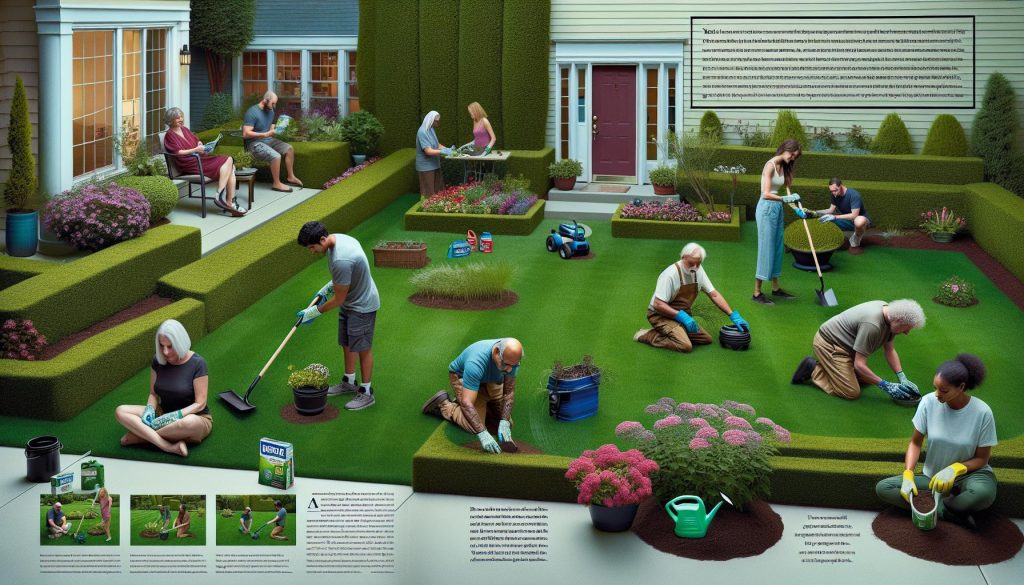
Creating a beautiful, lush lawn doesn’t have to require a professional landscaper or costly maintenance services. In fact, the DIY lawn care approach has gained popularity among homeowners looking to save money while achieving impressive results. In 2025, the market is bursting with innovative lawn care products designed for the everyday gardener. Whether you’re battling weeds, improving soil health, or enhancing your lawn’s green vibrancy, choosing the right products can significantly impact your yard’s appearance and health. With so many options available, how do you determine the best choices to meet your lawn care goals? This guide will explore top DIY lawn care products that promise not only great performance but also ease of use, empowering you to transform your outdoor space into a vibrant oasis. Dive in to discover which tools and solutions will elevate your lawn game and make the maintenance process enjoyable rather than overwhelming.
Choosing the Right Lawn Care Products for Your Needs
When it comes to cultivating a vibrant lawn, choosing the right products is more crucial than ever. With a diverse range of options available, from fertilizers to pest control, making informed decisions tailored to your specific lawn needs can significantly impact the health and appearance of your outdoor space. To navigate this landscape, start by assessing your lawn’s unique characteristics, such as grass type, soil quality, and local climate conditions. This foundational knowledge will empower you to select products that align with the specific requirements of your grassy oasis.
One effective approach is to categorize your lawn care products based on their primary function. Begin with fertilizers, which are essential for enhancing soil fertility and promoting robust growth. Look for slow-release options that provide nutrients consistently over time. Pest control products are equally important; opt for those that target specific pests or diseases, minimizing harm to beneficial insects. Additionally, consider weed control solutions that align with your lawn care philosophy-whether natural or chemical-ensuring you maintain a healthy ecosystem while achieving desired results.
Here are some practical tips to consider when choosing lawn care products:
- Soil Testing: Conduct a soil test to determine pH levels and nutrient deficiencies. This will help you select the right amendments.
- Product Labels: Always read product labels carefully; they provide critical information on application rates and safety precautions.
- Seasonal Needs: Different products may be more suitable for specific times of the year. For instance, a spring fertilizer will differ from a fall one.
- Environmental Impact: If you’re eco-conscious, lean toward organic options or those with lower chemical content.
By following these guidelines, you’ll set your lawn up for success. Remember, the right products, applied at the right times and in the right amounts, can transform your lawn into a lush, green haven that complements your home and enhances your outdoor living experience.
Essential DIY Lawn Care Tools for 2025
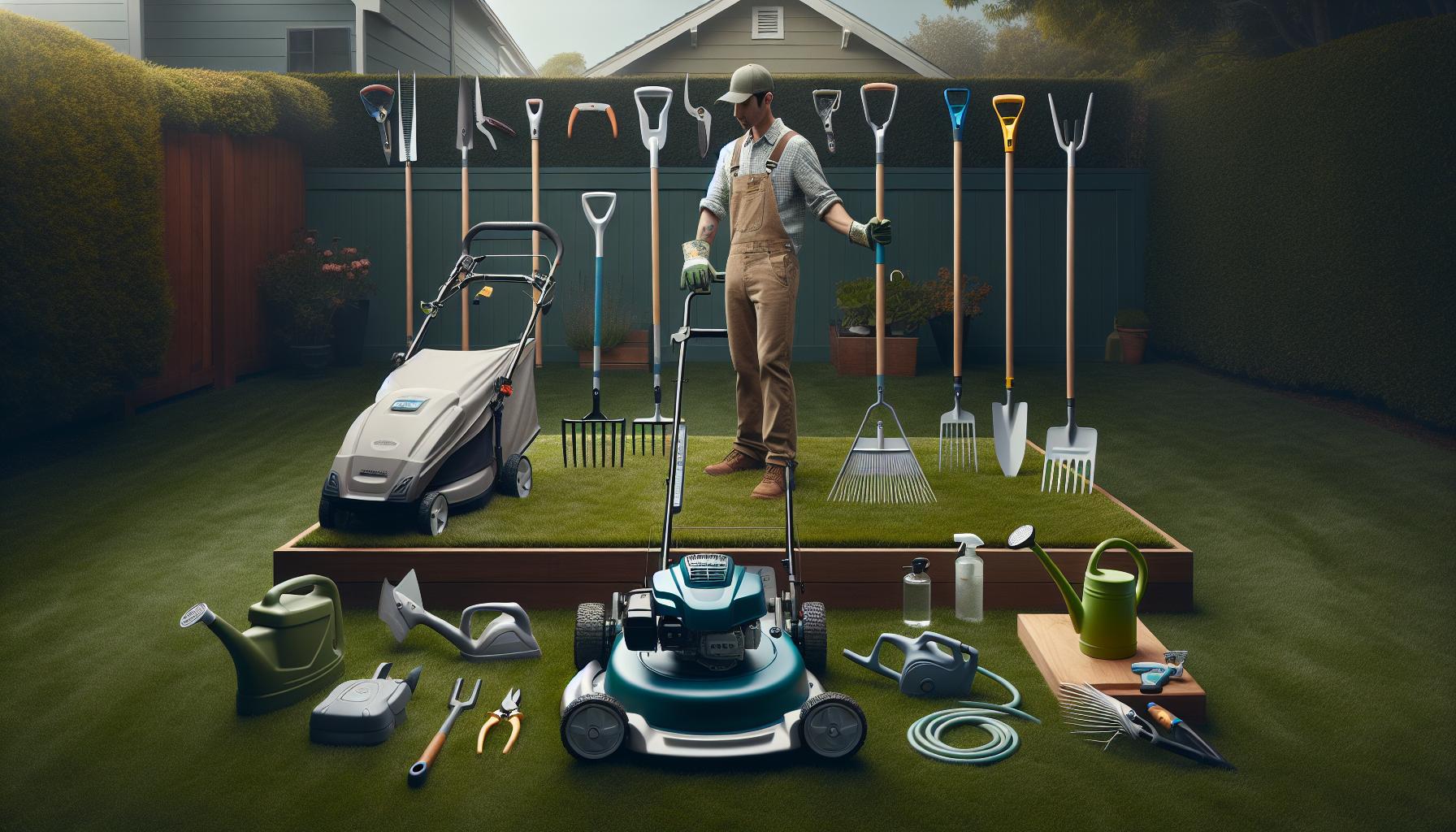
Creating a beautiful and healthy lawn doesn’t just come down to products; the right tools are essential for successful DIY lawn care. As 2025 approaches, certain tools have emerged as must-haves for homeowners looking to maintain their outdoor spaces efficiently and effectively. Investing in high-quality tools not only simplifies lawn maintenance but also enhances the overall health and appearance of your grass.
One indispensable tool is a high-efficiency lawn mower. Modern mowers often come equipped with advanced features such as mulching capabilities, which return nutrients to the soil, and self-propelling mechanisms that reduce strain during use. Look for electric or battery-powered options that align with sustainability practices, providing a quieter and more environmentally friendly mowing experience. Another key tool is a heavy-duty garden rake for dethatching. This tool helps remove organic debris, allowing your grass to breathe and promoting healthier growth.
Additionally, a soil tester is vital for understanding your lawn’s nutrient needs. These testers can reveal pH levels and help identify deficiencies, guiding you in choosing the right fertilizers or amendments. A sprayer for lawn care products is also essential. Whether you’re applying weed killers, fertilizers, or natural pest control solutions, a good quality sprayer will ensure an even application and minimize waste.
Lastly, consider having a lawn aerator in your toolkit. This device creates small holes in the soil, allowing air and nutrients to penetrate deeper, which is particularly beneficial for compacted or heavy clay soils. For those looking to take their lawn care to the next level, investing in these tools this year can pay off in your thriving green landscape. Proper maintenance and quality tools will transform your lawn into a lush oasis that enhances your outdoor living experience.
Top Organic Lawn Care Products: Eco-Friendly Options
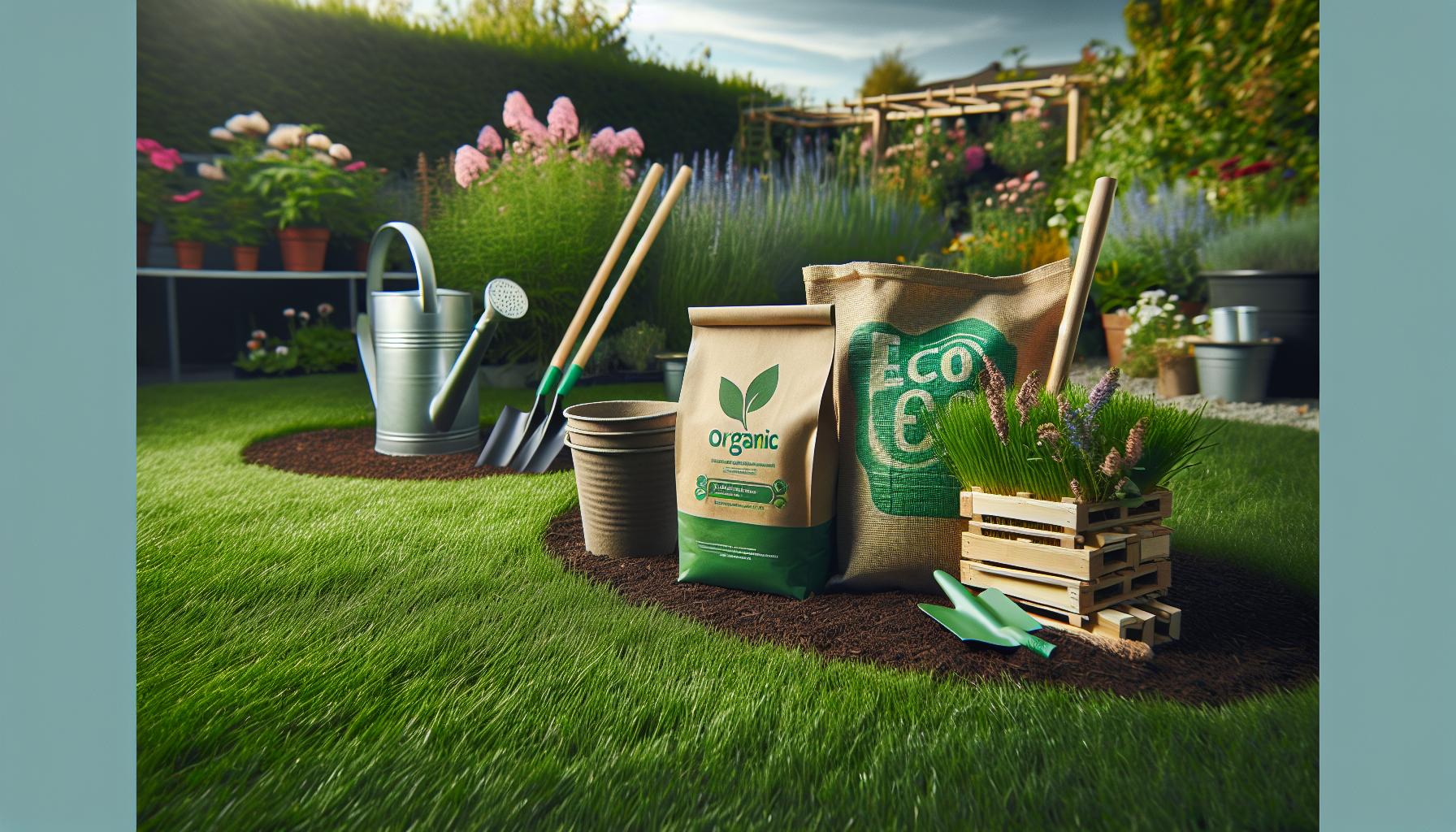
Organic lawn care products are not just a trend; they represent a significant shift toward more sustainable gardening practices that benefit both your lawn and the environment. By choosing eco-friendly options, homeowners can nurture their turf without the harsh chemicals that can contaminate soil and water systems. Here’s a guide to some of the best organic products for maintaining a healthy, vibrant lawn in 2025.
One of the standout categories in organic lawn care is natural fertilizers. These products, often derived from plant or animal sources, can enrich your soil and promote healthy grass growth without synthetic additives. Consider using options like composted manure, fish emulsion, or seaweed extracts. These fertilizers not only provide essential nutrients but also improve soil structure and microbial health. Additionally, products like alfalfa meal and bone meal have been praised for their slow-release properties, ensuring your lawn receives a steady supply of nutrients over time.
Another essential aspect of organic lawn care is pest management. Organic pesticides, such as neem oil or insecticidal soap, can effectively manage unwanted pests without harming beneficial insects or pollinators. Additionally, supporting natural predators, like ladybugs and lacewings, can keep pest populations in check while maintaining a balance within the ecosystem. Furthermore, using diatomaceous earth can deter insects without chemical residues, making it a safe choice for families and pets.
To enrich your lawn naturally, consider applying topdressing with organic compost. This practice not only enhances nutrient availability but also improves moisture retention and encourages a diverse soil ecosystem. Additionally, incorporating cover crops during the off-season can enhance soil health and prevent erosion. Leguminous cover crops, for example, fix nitrogen in the soil, ultimately benefiting your lawn when tilled in before spring planting.
Lastly, many gardeners are now opting for organic weed control options. Products that use corn gluten meal as a pre-emergent herbicide can prevent weeds from germinating while being safe for the environment. Other methods include manual removal, mulching, and using natural materials such as vinegar or boiling water to target specific weeds effectively.
In summary, transitioning to eco-friendly lawn care products in 2025 not only contributes to a healthier environment but also promotes a lush lawn that can be enjoyed by everyone. By opting for organic solutions, you ensure that your lawn maintenance routine enriches the outdoors rather than harming it. With these strategies, homeowners can cultivate a thriving, beautiful lawn while remaining committed to sustainability.
Chemical vs. Organic: The Great Lawn Care Debate
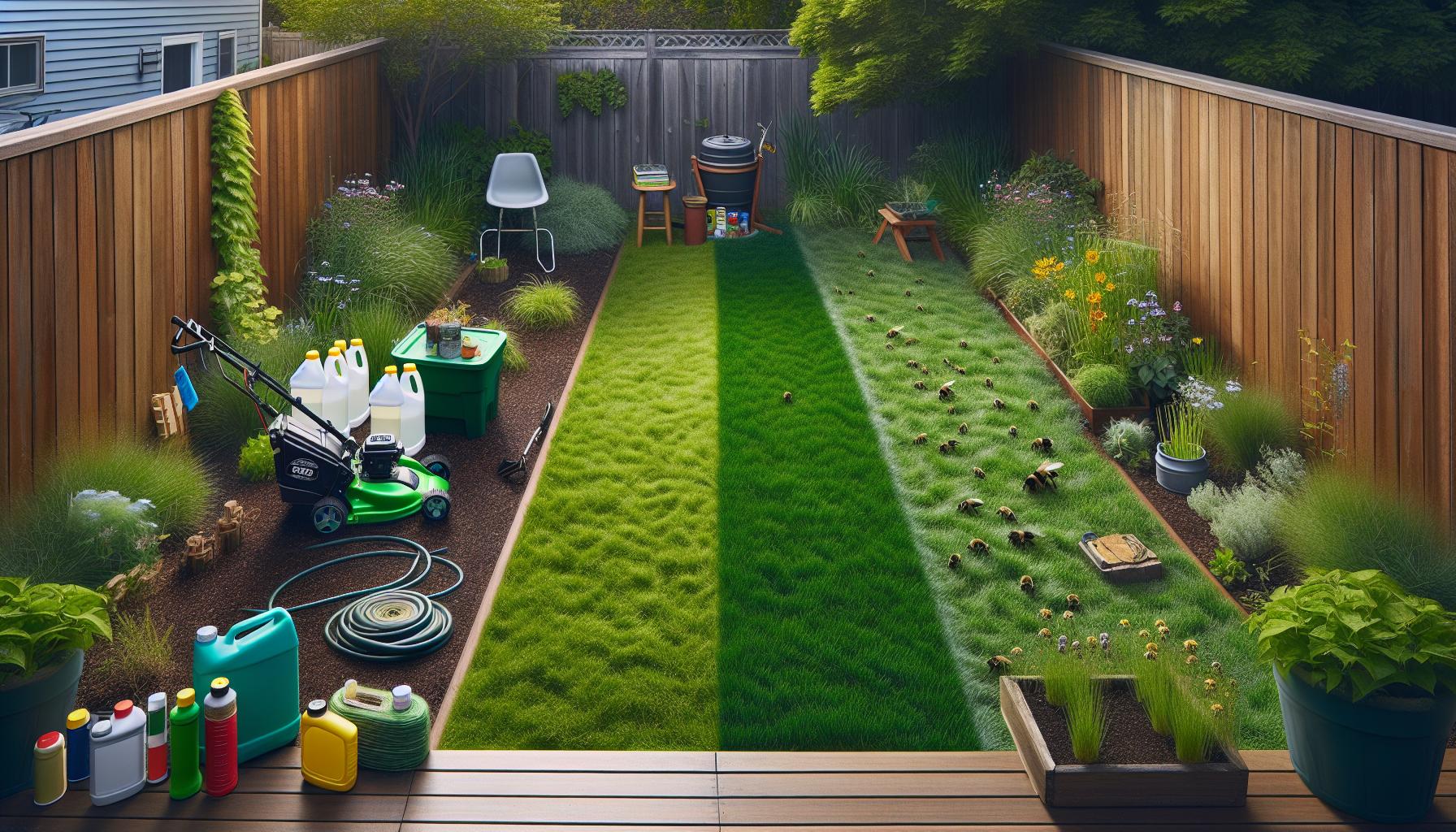
The choice between chemical and organic lawn care products has sparked intense debate among homeowners and gardening enthusiasts. While chemical fertilizers and pesticides promise quick results, many are reevaluating these methods due to growing concerns about environmental impact. Research indicates that synthetic chemicals can run off into water systems, harming aquatic life and disrupting ecosystems. In contrast, organic alternatives emphasize sustainability and safety, aiming to promote a healthy lawn while preserving the surrounding environment.
When considering lawn care approaches, it’s essential to understand the nuances of both options. Chemical fertilizers typically provide immediate nutrient availability, leading to rapid growth and lush grass. However, their overuse can result in nutrient leaching, soil degradation, and reliance on synthetic inputs. In contrast, organic fertilizers, such as compost and bone meal, offer slow-release nutrients that enhance soil health over time, fostering microbial activity and improving moisture retention. This not only nurtures the lawn but also creates a vibrant ecosystem beneath the surface, supporting plant health in a sustainable way.
Weed and Pest Control
The management of weeds and pests is another critical aspect of this debate. Chemical herbicides and pesticides can effectively eliminate unwanted plants and insects, providing homeowners with an easy solution to maintain their lawns. However, these chemicals often pose risks to non-target species, including beneficial insects and pollinators. Furthermore, persistent use can lead to resistance, making it harder to control pests over time. On the other hand, organic methods, such as mulching to suppress weed growth or employing neem oil for pest control, not only mitigate adverse environmental impacts but also foster a balanced ecosystem. While these methods may take longer to show results, they encourage resilience in your lawn and surrounding habitats.
Ultimately, the decision between chemical and organic lawn care products should reflect individual priorities regarding health, environmental impact, and desired lawn aesthetics. For those seeking immediate results, chemicals may appear appealing, but the long-term benefits of organic care often outweigh the initial convenience. By adopting an eco-conscious approach, homeowners can cultivate a beautiful yard that thrives naturally, contributing to a healthier planet for generations to come.
Expert Tips for Applying Lawn Care Products
Applying lawn care products effectively can make a significant difference in the health and appearance of your lawn. It’s not just about choosing the right products; how you apply them can enhance their effectiveness and contribute to a thriving garden. Understanding the timing, technique, and environmental factors can elevate your DIY lawn care routine to a new level.
One of the most critical aspects of applying lawn care products is timing. For fertilizers, early in the morning or late afternoon are ideal, as temperatures are cooler, and you minimize the risk of burning the grass or having the product evaporate too quickly. For herbicides and insecticides, a calm day with low wind is preferred to prevent drift onto unwanted areas. Conduct a little research on the specific types of products you’re using, as some may have unique timing suggestions based on their active ingredients or intended results.
Application Techniques
The method of application can also impact product performance. For granular fertilizers, using a broadcast spreader ensures even distribution, which helps prevent patches of grass that are over- or under-fed. Be mindful of the spreader’s settings; calibrating it to the recommended rate on the product label can prevent potential harm to your lawn. When applying liquid products, consider using a sprayer equipped with a nozzle designed for even coverage. Always walk at a steady pace to achieve consistent results and overlap slightly on each pass to avoid streaks.
Watering and Post-Application Care
After application, proper watering can enhance the product’s effectiveness. For fertilizers, watering lightly right after application can help the nutrients penetrate into the soil, while deeper watering a day or two later can further activate the nutrients for absorption. For weed controls, however, it’s important to wait at least 24 hours before watering, as this gives the chemicals time to be absorbed by the plants. Paying attention to this kind of post-application care will maximize the benefits of your lawn care products.
Utilizing these not only ensures a healthier lawn but also fosters sustainable practices. By understanding the nuances of application, you can create a gorgeous outdoor space while potentially reducing chemical runoff and promoting a safer environment for local wildlife and flora.
Seasonal Lawn Care Strategies You Should Know
The health of your lawn hinges not just on the products you choose but also on the strategies you apply throughout the year. Recognizing that different seasons bring unique challenges and opportunities can give your lawn a competitive advantage. For instance, early spring is the ideal time to rejuvenate your lawn after the winter slumber. This is when most grass types begin to wake up, and applying a high-quality fertilizer can set the stage for robust growth. Look for a product rich in nitrogen to stimulate green, healthy grass.
As temperatures rise during summer, your lawn will require more water and can be stressed by heat. Implementing a consistent watering schedule is crucial. Aim for early morning watering to allow grass blades to dry throughout the day, which helps prevent diseases. Additionally, consider applying a mulch or organic matter to retain soil moisture and provide nutrients. Products that contain slow-release fertilizers can be beneficial during this time, as they provide a steady supply of nutrition without overwhelming the grass.
When autumn arrives, it’s time to prepare your lawn for the coming winter. This is an essential period for aerating your lawn to alleviate soil compaction and allow better nutrient absorption. Invest in quality reseeding products to fill in bare patches, and apply a fall fertilizer designed to strengthen root systems by providing phosphorus and potassium. This preparation ensures your grass enters dormancy in a strong and healthy state.
Finally, winter is a time for reflection, allowing you to assess the health of your lawn and plan for the following year. Although grass might be dormant, consider applying products that can help improve soil health, such as compost or a winterizing fertilizer, to get a head start on spring growth. Keeping your lawn clean from debris and snow can prevent mold and diseases, making it ready to thrive when spring returns.
By understanding and implementing seasonal strategies, you can optimize your lawn care practices and ensure a lush and vibrant outdoor space year-round.
Common Lawn Problems and Effective Solutions
Lawn care can sometimes feel like an uphill battle, especially when common problems arise, but understanding these issues can empower you to take charge of your outdoor space. A well-maintained lawn not only enhances the beauty of your home but also improves the overall health of your environment. The key is being able to identify issues early and applying effective solutions using DIY lawn care products that are top picks for 2025.
One prevalent issue is weeds, which can outcompete your grass for nutrients and water. To combat this, consider using organic herbicides that target specific weed types without harming your lawn. Regular mowing helps prevent weed seeds from maturing, and applying mulch can suppress their growth. Another effective solution is pre-emergent herbicides, which can be applied in early spring to prevent weed seeds from germinating.
Pests are another common challenge, with insects such as grubs and chinch bugs causing significant damage if left untreated. Organic insecticides that contain neem oil or diatomaceous earth can be helpful, as they are less harsh on beneficial insects. Additionally, maintaining healthy lawn practices, such as proper irrigation and fertilization, makes your grass less susceptible to pest infestations.
Diseases like patches of brown grass can stem from fungal infections, often exacerbated by excessive moisture or poor air circulation. A key solution is ensuring adequate watering practices-watering early in the morning allows grass to dry throughout the day, reducing disease risk. For infected patches, consider applying a fungicide formulated for lawn use, and improve air flow by aerating your lawn, which helps alleviate compaction and enhances drainage.
Lastly, keep an eye on nutrient deficiencies. A lawn that shows yellowing blades may be lacking essential nutrients. A soil test can help determine the specific deficiencies, and you can address them with a balanced fertilizer or compost, rich in the necessary nutrients. For 2025, look for products that offer slow-release options to maintain sustained feeding throughout the growing season.
By proactively diagnosing these common issues and applying suitable solutions, you can maintain a healthy and vibrant lawn that brings joy and satisfaction for years to come.
Product Reviews: Best DIY Lawn Care Brands
When it comes to nurturing a lush, vibrant lawn, choosing the right products from reputable brands can make all the difference. With the rise of DIY lawn care, homeowners now have access to a plethora of solutions designed to tackle various lawn challenges. As we approach 2025, here’s a roundup of top-rated brands that stand out for their efficiency, eco-friendliness, and user-friendly products.
Top Brands to Consider
- Scotts: Known for its broad range of fertilizers and weed control products, Scotts continues to innovate with their slow-release formulations. Their Turf Builder line not only promotes green growth but also enhances drought resistance, making it ideal for varying climates.
- Milorganite: This brand is an excellent option for organic lawn care enthusiasts. With its all-natural, slow-release nitrogen formula derived from treated wastewater, Milorganite feeds lawns while improving soil health, promoting a sustainable approach to lawn maintenance.
- Ecosmart: For those keen on using eco-friendly products, Ecosmart offers a variety of organic herbicides and pesticides. Their formulas are designed to be safer for pets and children while effectively targeting pests and weeds without harsh chemicals.
- BioAdvanced: This brand offers an array of solutions, particularly effective in pest control. Their 3-in-1 products are formulated to kill insects, prevent future infestations, and feed the lawn all at once, simplifying the care process for busy homeowners.
What to Look For
When evaluating lawn care products, consider several key factors that will enhance your lawn’s health. Look for products with:
- Slow-release formulations: These provide nutrients over time, reducing the risk of washout and ensuring consistent feeding.
- Eco-friendly ingredients: Opting for organic or biobased products can reduce environmental impact and promote a healthier lawn ecosystem.
- Multi-functional solutions: Brands that combine fertilization with pest control save time and effort while simplifying your lawn care routine.
Searching for the best DIY lawn care brands is critical for achieving the desired results in 2025. The right products not only improve visual appeal but also enhance the overall health of your outdoor space. Prioritizing reputable brands with quality ingredients ensures that you are making informed choices that will lead to a thriving lawn season after season.
Cost-Effective Lawn Care Solutions for Homeowners
With the rising costs of home maintenance, many homeowners are searching for effective yet budget-friendly solutions for lawn care. Fortunately, there are numerous strategies that can help you maintain a lush lawn without breaking the bank. Embracing simple DIY techniques and making savvy choices can not only preserve your finances but also promote the health and beauty of your lawn for years to come.
One way to keep costs low is to focus on organic lawn care practices. For example, consider making your own compost from kitchen scraps and yard waste. Not only is compost a fantastic natural fertilizer, but it also improves soil health and encourages beneficial microorganisms. Applying a mix of compost and native grass seed can promote growth while minimizing the need for synthetic fertilizers. Additionally, you can utilize homemade natural remedies, such as a mixture of water and dish soap to combat pests, which can be just as effective as commercial products.
Budget-Friendly Product Alternatives
Another avenue to explore is purchasing generic or store-brand lawn care products. Many of these alternatives offer similar active ingredients to their name-brand counterparts but at a fraction of the cost. Look for offerings in bulk if you’ve found a product that works well. Buying larger quantities can often lead to significant savings and reduce the frequency of repurchasing.
Moreover, consider investing in multi-functional products. For instance, products like “weed and feed” combinations save both time and money by providing the benefits of fertilization and weed control in one step, effectively cutting down on the number of products needed. It’s also worth looking into plant-based or biodegradable pest control options, which can be gentler on both the environment and your wallet.
Implementing these cost-effective strategies not only supports the financial health of your lawn care routine but also fosters a sustainable gardening approach. By being resourceful and strategic in your choices, you can cultivate a thriving, green space that not only enhances your home’s curb appeal but also brings satisfaction and pride to your gardening efforts.
How to Create Your Own Lawn Care Mixes
Creating your own lawn care mixes is an empowering way to ensure that your garden thrives while saving money and enhancing the environment. By combining natural ingredients, you can craft soil amendments, fertilizers, and pest deterrents that are tailored to your specific lawn needs. Homemade mixes not only allow for greater customization but also reduce dependence on commercial products that may contain harmful chemicals or unsustainable ingredients.
To start crafting your mixes, consider these essential components:
- Compost: It’s a nutrient-rich organic matter that improves soil structure, moisture retention, and encourages beneficial microbes.
- Grass Seed: Choose seeds that are well-adapted to your local climate for optimal growth.
- Organic Fertilizers: Look for options like fish emulsion, bone meal, or blood meal, which provide essential nutrients.
- Natural Pest Deterrents: Use ingredients like diatomaceous earth or neem oil to tackle pest problems without harsh chemicals.
One popular mix can be formulated as follows: Combine 1 part compost with 1 part topsoil and 1 part grass seed. This mixture can be spread over your lawn after aeration to improve seed-to-soil contact and promote rapid germination. For a homemade fertilizer, mix equal parts of fish emulsion and water and apply it every six to eight weeks during the growing season to provide a nutrient boost.
Benefits of Homemade Mixes
When you create your own lawn care products, you not only save money but also contribute to a healthier ecosystem. You can avoid the excessive additives often found in commercial fertilizers and pesticides. Additionally, homemade mixes can be adjusted based on seasonal changes and specific lawn conditions, giving you the flexibility to respond effectively to your lawn’s needs.
Experimenting with different ingredients can also be a great way to identify what works best in your individual lawn environment. Remember to keep a log of your mixes, noting the ratios and results, to refine your approach over time. By taking charge of your lawn care with customized mixes, you enhance the health and vibrancy of your outdoor space sustainably and cost-effectively.
Expert Lawn Care Tips for Thriving Grass
To achieve a vibrant, healthy lawn, understanding and implementing expert lawn care tips is essential. One of the most critical factors for thriving grass is the adequacy of moisture; over-watering can lead to shallow root systems, while under-watering may stress your lawn. Aiming for about 1 to 1.5 inches of water per week, whether from rainfall or irrigation, is a solid guideline. To optimize absorption, water early in the morning to reduce evaporation. A rain gauge can help you keep track of moisture levels effectively.
Proper Mowing Techniques
Mowing is not just about maintaining the lawn’s appearance; it significantly impacts grass health. Set your mower height to three to four inches to encourage deep root growth and allow grass blades to photosynthesize efficiently. Avoid cutting more than one-third of the grass height at a time, as this can stress the plants and make them susceptible to disease. Additionally, keeping mower blades sharp ensures clean cuts, reducing the risk of tears that can invite pests and diseases.
Fertilization Strategies
Timing and choice of fertilizer play a pivotal role in lawn health. Applying a slow-release organic fertilizer in early spring provides essential nutrients as the grass comes out of dormancy. You might also consider a late-summer application to boost resilience against heat and potential drought conditions. Keep an eye out for signs that your lawn may need additional nutrients, such as yellowing blades or slow growth. In particular, applying a fertilizer mix with equal parts nitrogen, phosphorus, and potassium can support balanced growth.
Pest and Weed Management
Preventative measures are key when it comes to pests and weeds. Regularly aerate your lawn, allowing better air circulation and reducing compaction, which can lead to weed-friendly environments. Mulching grass clippings back into the lawn after mowing not only recycles nutrients but also suppresses weed growth. Should you encounter specific pest issues, consider using targeted organic solutions. For instance, neem oil is effective against a variety of insects while being friendly to beneficial insects as well.
By integrating these expert tips into your DIY lawn care routine, you can cultivate a lush, resilient lawn that stands out in your neighborhood all year round.
Sustainable Lawn Care Practices for Eco-Conscious Gardeners
To minimize environmental impact while achieving a lush lawn, eco-conscious gardeners can adopt several sustainable practices. Integrating organic materials, maximizing resource efficiency, and enhancing biodiversity can lead to a healthier ecosystem in your backyard.
One of the simplest and most effective methods is to practice *grasscycling*. Instead of bagging clippings after mowing, leave them on the lawn. This not only recycles nutrients back into the soil but also retains moisture, reducing the need for additional watering. Appropriately maintained, this technique can decrease the reliance on chemical fertilizers while promoting a thriving lawn environment. Furthermore, using a mulching mower can help cut grass finely and disperse the clippings more evenly.
Utilizing Organic Lawn Care Products
Switching from conventional chemical fertilizers to organic options is beneficial for both your lawn and the environment. Look for fertilizers made from natural ingredients such as compost, seaweed, or bone meal, which release nutrients slowly and improve soil health. Additionally, deploying natural pest deterrents like diatomaceous earth or insecticidal soap can effectively manage insect troubles without harming beneficial insects or disturbing the ecological balance.
Water Management Techniques
Implementing water-saving strategies is another cornerstone of sustainable lawn care. Consider installing a rain barrel to collect runoff from your roof, which can be used for irrigation. Furthermore, using drip irrigation or soaker hoses minimizes water evaporation and directs moisture precisely where it’s needed most. Adopting the practice of deep watering, allowing the soil to absorb moisture deeply rather than frequent shallow waterings, encourages deeper root growth and resilience against drought conditions.
Creating Biodiverse Spaces
Enhancing biodiversity within your lawn can naturally bolster its health. Interspersing flowering plants and clover can provide natural habitats for pollinators while enriching the soil with nitrogen. Establishing native plant areas not only conserves water and reduces maintenance but also promotes local wildlife. The presence of diverse plant life can improve the resilience of your lawn, reducing the likelihood of disease and pest outbreaks.
By incorporating these sustainable practices into your lawn care routine, you will contribute to a healthier environment while enjoying a beautiful, resilient lawn. These eco-friendly techniques foster not just a lush yard but also a thriving ecosystem that benefits your entire community.
Q&A
Q: What are effective DIY lawn care tips for the spring season?
A: For effective spring lawn care, begin with soil testing to determine nutrient needs. Aerate your lawn to improve oxygen and nutrient absorption, followed by fertilization with a high-quality, slow-release fertilizer. Regular mowing and watering are essential to promote healthy grass growth. Check out our section on “Seasonal Lawn Care Strategies” for more tips.
Q: How can I create my own natural lawn care products?
A: You can create your own natural lawn care products using ingredients like vinegar, baking soda, and Epsom salts for various purposes. For instance, a mixture of vinegar and water can serve as a weed killer, while Epsom salts can enhance plant growth. Explore “How to Create Your Own Lawn Care Mixes” for detailed recipes.
Q: When is the best time to apply lawn care products?
A: The best time to apply lawn care products varies by climate but generally occurs in early spring and fall. Spring applications help rejuvenate growth after winter, while fall treatments prepare the lawn for dormancy. Refer to “Expert Tips for Applying Lawn Care Products” for specific timing tailored to your region.
Q: What are common lawn diseases in DIY lawn care?
A: Common lawn diseases include brown patch, dollar spot, and powdery mildew. To combat these, ensure proper watering and avoid over-fertilization. Regularly inspect your lawn for early signs of disease. Check our section on “Common Lawn Problems and Effective Solutions” for more detailed preventative care.
Q: How can I transition to organic lawn care products?
A: Transitioning to organic lawn care products can be accomplished by gradually replacing synthetic fertilizers and pesticides with natural alternatives. Start by using organic compost and natural herbicides. Our section on “Top Organic Lawn Care Products” provides insight into effective, eco-friendly options.
Q: Why is soil health important for lawn care?
A: Soil health is vital for lawn care as it supports root growth, nutrient availability, and water retention. Healthy soil is rich in organic matter and beneficial microorganisms, which promote strong grass. Learn more about this in our article sections on choosing the right lawn care products.
Q: Where can I find eco-friendly lawn care products?
A: Eco-friendly lawn care products can be found at local garden centers, organic gardening shops, or online retailers that specialize in sustainable gardening supplies. Explore our section on “Top Organic Lawn Care Products: Eco-Friendly Options” for recommendations on where to buy high-quality products.
Q: What is the difference between liquid and granular lawn care products?
A: Liquid lawn care products offer faster nutrient absorption and can be applied more evenly, whereas granular products release nutrients slowly over time. Choosing between them depends on your lawn’s specific needs and your application preferences. For more insights, refer to our discussions on applying lawn care products effectively.
The Conclusion
As you embark on your journey to enhance your lawn with the top do-it-yourself lawn care products of 2025, remember that achieving a lush, green yard is well within your reach. Take advantage of the expert tips and product recommendations we’ve shared to transform your outdoor space into a paradise. Don’t wait-start applying these strategies today to enjoy the immediate benefits of a thriving lawn.
For more insights, check out our guides on lawn maintenance basics and eco-friendly gardening practices that can complement your lawn care efforts. Also, consider signing up for our newsletter to receive exclusive updates and tips directly to your inbox. Share your experiences or questions in the comments below; we love hearing from our community. Let’s keep your lawn care journey flourishing together!