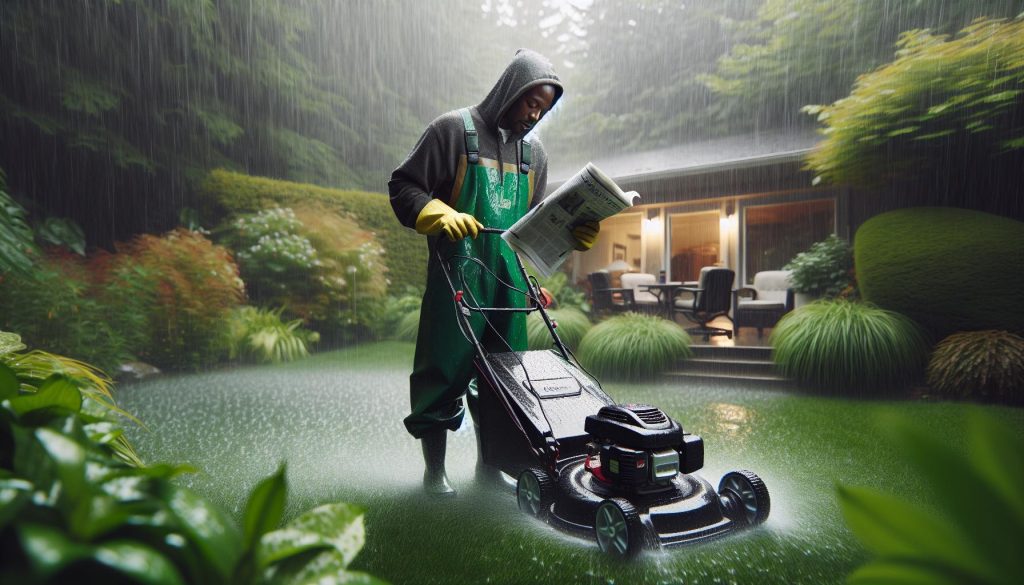
For many homeowners, ensuring a well-manicured lawn is a point of pride, but rain can throw a wrench in even the best landscaping plans. Have you ever wondered whether lawn services continue mowing when the skies are gray? Understanding a lawn service’s weather policy is crucial for planning your landscaping and ensuring your grass remains healthy. Mowing in wet conditions not only risks damage to your lawn equipment but can also lead to an uneven cut and soil compaction. As you read on, you’ll discover how different companies approach this common dilemma, what factors they consider, and tips on how to work around bad weather. Your lawn deserves the best care, rain or shine!
Understanding Lawn Care Services’ Weather Policies
Understanding the weather policies of lawn care services is crucial for homeowners who want to maintain a healthy and attractive lawn. Rain can significantly influence scheduling, operations, and overall lawn health, prompting many services to implement specific guidelines to safeguard both their equipment and your landscape. These policies often stem from a blend of practical safety measures and the desire to provide optimal care for your grass. Most professional lawn care companies avoid mowing in heavy rain as wet grass leads to uneven cuts, compaction issues, and mud, which can damage both the lawn and mowing equipment.
In general, lawn care services will assess the weather conditions prior to any scheduled appointment. If rain is prevalent or expected, they may reschedule to avoid the pitfalls associated with wet mowing. Many companies communicate proactively with clients, providing updates through various channels, including emails or phone calls, to ensure transparency about possible delays. Consequently, understanding these weather policies helps homeowners manage their expectations and plan appropriately.
Moreover, some lawn care companies have specific criteria regarding how much rain can be tolerated before deciding to postpone services. For instance, if there has been light rain that quickly dissipates, some companies may still proceed, as the grass and soil can recover quickly. Likewise, advanced weather monitoring technologies enable services to make informed decisions based on real-time data, ensuring that your lawn receives the best care without compromising quality or safety. Homeowners should feel empowered to ask their service providers about these policies, seeking clarity on how their lawn management will be affected by varying weather conditions.
Adaptable scheduling and effective communication between homeowners and lawn care services result in better overall lawn health and satisfaction. By staying informed about these weather policies, homeowners can better understand the rationale behind service adjustments while fostering a cooperative relationship with their lawn care providers.
How Rain Affects Lawn Service Scheduling
Rain isn’t just a refreshing necessity for gardens; it significantly impacts the scheduling and effectiveness of lawn care services. When rain falls, even if it’s light, it can lead to decisions that prioritize the well-being of your lawn and the efficiency of the mowing equipment. Grass left uncut during wet conditions can become matted, leading to uneven growth and health issues. This fact underscores why many lawn care providers are quite cautious about operating in wet weather conditions.
Most lawn care companies adjust their schedules in response to rain forecasts and existing conditions. If heavy rain is expected, they often postpone mowing sessions to avoid compaction, which can harm the root system of the grass. It’s important to note that while some professionals might proceed with light rain, they carefully assess the situation. For instance, if a small amount of rain has fallen but the ground is firm and stable, they may continue with services. However, prolonged wet conditions typically lead to rescheduling as a matter of best practice.
Effective communication is essential during these weather-related scheduling changes. Many companies proactively notify clients about potential delays through emails, texts, or phone calls. This transparency allows homeowners to manage their expectations and adjust their plans accordingly. Homeowners are encouraged to maintain an open dialogue with their lawn care service, asking questions about how rain influences the schedule and what to expect in terms of lawn management.
Moreover, modern lawn care services increasingly leverage technology, utilizing sophisticated weather monitoring tools to make more informed decisions. By accessing real-time weather data, they can better strategize their mowing schedules to align with optimal grass conditions. This not only fosters healthier lawns but also enhances customer satisfaction by minimizing unexpected service interruptions. Understanding how rain affects scheduling empowers homeowners to create a collaborative relationship with their lawn care providers, ensuring the long-term health and beauty of their landscapes.
The Impact of Wet Conditions on Lawn Health
Heavy rainfall can significantly alter the health of your lawn, affecting everything from root development to disease resistance. When lawns are soaked, the soil can become compacted, which restricts air and nutrient flow to the grass roots. This condition can prevent grass from accessing the water and nutrients it needs for healthy growth, leading to a lack of vigor and resilience. If lawn care services continue to mow during these wet conditions, they risk creating further compaction, which can damage the turf’s root system and promote various diseases.
In addition to soil compaction, wet grass is more susceptible to diseases such as mold and fungal infections. Mowing wet grass can cause the blades to tear rather than cut cleanly, which opens the grass to potential pathogens. This can lead to uneven growth patterns and long-term health issues, further complicating lawn care efforts. A lawn that is mowed while wet may also appear patchy or uneven, detracting from its overall aesthetic appeal.
Proper Drainage and Water Management are crucial elements that every homeowner should consider to mitigate the effects of wet conditions on lawn health. Ensuring your lawn has adequate drainage helps minimize waterlogging, allowing excess moisture to escape and preventing root suffocation. You might also consider lawn aeration during drier spells, which allows air, water, and nutrients to penetrate deep into the soil, thereby enhancing root health and resilience to wet conditions.
To maintain a lush and healthy lawn, it’s essential to adapt lawn care practices based on weather conditions. Homeowners can benefit from developing a partnership with their lawn care provider that emphasizes flexibility and communication. By discussing the effects of wet weather on lawn health, homeowners can better understand the rationale behind service modifications, leading to a thriving landscape that can withstand various weather challenges.
Common Myths About Mowing in the Rain
Mowing the lawn during rain is often surrounded by misconceptions that can mislead homeowners. One prevalent myth is that mowing while it’s wet is perfectly fine and may even promote quicker growth. In reality, wet grass can create a range of challenges that go beyond aesthetics. For instance, mowing while wet typically tears grass blades, leading to a jagged cut rather than a clean one, which exposes grass to diseases and pathogens. This tearing effect can compromise the health of your lawn, making it more vulnerable to issues like mold and fungal infections.
Another common belief is that rain can make for a softer, easier lawn mowing experience, reducing the stress on lawn mower blades. However, this isn’t the case. Wet conditions often lead to mud buildup on mower components, which can impair performance and increase wear and tear. The weight of the mower combined with slippery ground can also lead to uneven mowing, risking permanent damage to the turf and resulting in an unkempt appearance.
Moreover, many assume that lawn care services will simply adjust their schedules to accommodate rainfall, but this isn’t always feasible. Professional lawn care providers usually have strict protocols for wet weather to protect both their equipment and the health of your lawn. Understanding this can help homeowners cultivate realistic expectations and appreciate the importance of maintaining a schedule that prioritizes lawn health over chronological commitments.
In summary, debunking these common myths helps homeowners understand that mowing in the rain is not only counterproductive but can also adversely affect the long-term health of their lawns. Keeping informed about best practices for lawn care during wet weather enables homeowners to make better decisions and foster a stronger, more resilient landscape.
What to Expect from Lawn Services During Rain
When unexpected rain showers hit, many homeowners wonder how it will affect their scheduled lawn services. The truth is, most lawn care providers have established weather policies that govern their operations during rainy conditions. Typically, reputable lawn services prioritize the health of your lawn and the integrity of their equipment. As a general guideline, mowing is often postponed during heavy rain. This practice not only prevents damage to the turf but also protects the mower from mud and water accumulation, which can impair their functionality.
Lawn care professionals employ several strategies to navigate wet weather. They often monitor weather forecasts closely to anticipate rainfall and adjust their schedules accordingly. Additionally, if rain begins unexpectedly during a scheduled mowing, most teams will err on the side of caution. They may choose to halt mowing and return at a later date when grass conditions are more favorable.
Communication is key in maintaining a solid working relationship between homeowners and lawn care providers. Clients can expect proactive updates from their service providers about any weather-related scheduling changes. This transparency not only helps to manage expectations but also reinforces the commitment of lawn services to delivering quality care.
Moreover, in cases where mowing is impossible due to rain, lawn services might offer alternative treatments, such as fertilization or aeration, that can safely proceed under lighter rain conditions. This flexibility highlights the expertise of professional teams, ensuring that your lawn continues to receive the needed attention, regardless of the weather. Ultimately, understanding the reasoning behind a lawn service’s weather policies helps homeowners appreciate the care and attention given to their landscapes, particularly during unsettling weather.
Tips for Homeowners: Managing Lawn Care in Bad Weather
Managing lawn care during inclement weather can be a challenge for homeowners, but understanding a few key strategies can help you maintain your lawn’s health without added stress. Rainy days may disrupt scheduled mowing, but they don’t have to derail your lawn care altogether. By adapting your approach and communication with your lawn service provider, you can ensure your landscape remains in top shape despite the weather.
Communicate with Your Lawn Service
Staying in touch with your lawn care provider is essential when bad weather strikes. Many reputable services proactively update clients regarding changes to their schedule due to rain. This two-way communication allows you to stay informed and plan accordingly. If a service is postponed, asking about alternative treatments they might offer, such as fertilization or weed control that can be conducted in lighter rain, can keep your lawn’s maintenance on track.
Embrace Flexibility with Your Lawn Care Schedule
Recognizing that weather conditions can change rapidly will empower you to be more flexible with your lawn maintenance schedule. Instead of stressing over a missed mowing, consider scheduling tasks based on the weather forecast. For example, plan to fertilize or aerate the lawn right before expected rain. The moisture can enhance the effectiveness of these treatments, promoting a healthier lawn.
Implement Personal Lawn Care Practices
During rainy weather, take the opportunity to perform personal maintenance tasks that don’t involve mowing. This may include:
- Inspecting and cleaning your lawn equipment: Ensure your mower and tools are ready for use when the weather clears up.
- Checking gutters and drainage: Proper drainage can prevent pooling water in your yard, which can damage grass and plants.
- Monitoring soil moisture: Understanding the moisture level of your soil can help you decide when to resume lawn services like watering or fertilization.
By implementing these strategies, you can manage your lawn care effectively during bad weather, ensuring your outdoor space remains vibrant and healthy. The combination of proactive communication, flexible scheduling, and personal lawn care tasks will mitigate the impacts of rainy conditions, leading to a flourishing lawn when sunny days return.
Alternatives to Mowing on Rainy Days
Rainy days don’t have to put a halt to all your lawn care efforts, and knowing what to do instead of mowing can keep your yard looking its best. When inclement weather hits, there are several productive alternatives that homeowners can explore to maintain their lawns’ health and aesthetics. For instance, scheduling aeration or fertilization can be particularly beneficial. The rain can help these treatments absorb into the ground more effectively, ensuring that your lawn receives the nutrients it needs without the need for mowing.
Other Productive Tasks During Rainy Days
Instead of focusing solely on mowing, consider using this time to tackle other essential yard care tasks. Here are some proactive ways to utilize rainy days effectively:
- Weed Control: While the ground is moist, it’s an effective time to address weeds. Applying pre-emergent herbicides can prevent weed seeds from sprouting, while post-emergent treatments can be more effective in wet conditions.
- Soil Testing: Take advantage of the wet soil to conduct soil tests. You can send samples to a lab to analyze nutrient levels, helping you make informed decisions about future fertilization and amendments.
- Landscape Maintenance: Use rainy days to tend to your flower beds and shrubs. You can check for pests or diseases that thrive in moist conditions and apply the necessary treatments.
- Planning Future Services: This can also be a good time to research and plan upcoming lawn treatments or landscaping projects. Consider consulting with your lawn service provider to discuss scheduling and potential treatments.
By adopting a proactive approach to lawn care on rainy days, you can prevent delays in your maintenance schedule while ensuring your lawn continues to thrive. These tasks not only keep your yard in check but also enhance your overall gardening knowledge and engagement with your outdoor space. With consistent care and the smart use of rainy periods, your lawn can emerge even more robust and healthy once the sun returns.
Customer Experiences: Rain and Lawn Service Satisfaction
For many homeowners, the prospect of rain during scheduled lawn service can stir a mix of relief and concern. While some may welcome the natural watering of their lawns, others worry about the implications for mowing and the overall health of their green spaces. Customer experiences often reveal a wide spectrum of satisfaction levels when it comes to how lawn care services handle wet conditions, particularly regarding adherence to their weather policies and the communication of service interruptions.
One prevalent concern among customers is the impact of delayed services due to rain. Many lawn care companies utilize strict weather policies to prioritize lawn health and safety. For instance, some clients appreciate that their providers choose to skip mowing during heavy rain, as it prevents damage to both the turf and the equipment. This careful approach is often praised in customer reviews, with many noting that their lawns remained in good shape despite the absence of mowing. In contrast, when companies fail to communicate effectively about cancellations, frustration can arise, with customers feeling left in the dark about their lawn care schedule.
In examining customer feedback, it becomes clear that expectations for lawn services on rainy days hinge significantly on transparency and alternative care options provided by service providers. Homeowners who report high satisfaction levels often do so because their lawn care services offered proactive alternatives during inclement weather, such as soil treatments, fertilization planning, or pest control measures that benefit from cool, moist conditions. Conversely, dissatisfaction frequently stems from services that do not adjust their approaches or provide alternative strategies, leaving customers wondering about their lawn’s status and future health.
Ultimately, effective management of rain-related scheduling and service delivery can transform a potentially negative experience into a positive one. Aligning the service approach with customer expectations, especially through clear communication and tailored care options, leads to higher satisfaction. As lawn care evolves with the seasons and weather, fostering a sense of partnership between homeowners and their service providers becomes a critical component of maintaining thriving, beautiful yards.
Local Regulations and Lawn Care During Rain
Local ordinances and regulations significantly shape how lawn care services operate during rainy conditions, ensuring both compliance with local laws and the protection of residential green spaces. Many municipalities have specific guidelines regarding lawn maintenance practices, particularly concerning landscaping during adverse weather. These regulations may define acceptable mowing practices, noise restrictions, and even water usage levels during rainy periods, reflecting a commitment to environmental stewardship and community well-being.
Lawn care companies must navigate these local laws carefully. For instance, there are often restrictions on using gas-powered equipment during rainy weather due to noise pollution and exhaust emissions. Services may also be required to adhere to specific guidelines on runoff and water management, particularly in regions prone to flooding. Such regulations are designed to prevent soil erosion and protect local waterways, indicating a growing effort to incorporate eco-friendly practices in lawn care.
In instances where a rain event overlaps with scheduled care, lawn service providers frequently modify their plans to comply with local regulations. This might mean postponing mowing, opting for lighter treatments, or engaging in activities that can be done safely without violating rules. For instance, companies may focus on aeration or pest management to maintain their services while respecting weather-related restrictions. As a result, homeowners often find that their lawn care provider can deliver value even when heavy rain disrupts planned activities.
Awareness of these local regulations not only helps service providers deliver compliant care but also empowers homeowners to engage in informed discussions with their lawn care teams. Understanding potential restrictions helps homeowners set realistic expectations and participate actively in lawn maintenance, ensuring that their green spaces remain healthy and vibrant, even in less-than-ideal weather conditions. As communities increasingly prioritize sustainable practices, lawn care services that align with local regulations are likely to foster stronger relationships with their clients while promoting a healthier environment.
Preparing Your Lawn Service for Weather Changes
Weather can be quite unpredictable, but preparing your lawn service for variations can ensure that your lawn receives the attention it needs while maintaining compliance with safety and local regulations. A strategic approach to weather changes involves clear communication, flexible scheduling, and a thorough understanding of both the environmental factors at play and the tools your lawn care service has at its disposal.
One crucial aspect is establishing a communication protocol with your lawn service provider. Discuss how they monitor weather forecasts and what criteria they use to determine whether to proceed with mowing or other lawn care services. Services may use advanced technology to track upcoming storms or rain patterns, allowing them to plan accordingly. Here are some tips for both homeowners and lawn care providers to consider:
- Weather Monitoring: Utilize reliable weather apps or services that provide real-time updates on local conditions. This can help coordinate schedules and anticipate potential disruptions.
- Flexible Scheduling: Implement a flexible scheduling system that allows for quick rescheduling. If rain is forecasted, having a few backup dates can prevent delays in service.
- Client Communication: Maintain open lines of communication. Notification of schedule changes due to weather should be timely so that homeowners can adjust their plans accordingly.
Lawn service providers can also educate homeowners about what to expect during inclement weather. For example, it’s essential to discuss the implications of wet grass, which may lead to an uneven cut or damage to the lawn if mowed too soon after rain. A well-informed homeowner can appreciate the reasons behind postponements and support their lawn service’s efforts to maintain optimal health for their landscape.
Additionally, providers should have alternative tasks ready to engage in on rainy days. Activities such as fertilizing, aerating, or weeding can often proceed even during light rain, helping to keep the lawn in shape without risking damage from mowing. This adaptability reflects a commitment to maintaining premium lawn care standards, regardless of the weather.
By integrating these strategies, both homeowners and lawn service providers can effectively navigate weather-related challenges, ensuring that the lawn remains healthy and well-maintained, come rain or shine.
The Role of Technology in Weather Monitoring for Lawn Care
In today’s fast-paced world, the integration of technology into lawn care services has revolutionized how providers manage their operations, particularly when it comes to weather monitoring. Advanced weather tracking technologies enable lawn care companies to make informed decisions about scheduling, ensuring that lawns receive the attention they need without compromising their health. Providers can now access hyper-local weather forecasts that provide real-time updates on precipitation levels, temperature fluctuations, and general climatic conditions that influence lawn growth and maintenance.
Utilizing weather apps and software, lawn service providers can set up alerts for rainfall predictions, allowing them to adjust schedules proactively. For instance, many platforms can send notifications about incoming rain or inclement weather, prompting teams to complete mowing or maintenance tasks before the weather changes. Moreover, by analyzing historical weather patterns, providers can better anticipate the best times for scheduled services, optimizing their workflow for peak seasons when growth rates are typically higher.
Equipped with mobile technology, lawn care technicians can update service schedules on-the-go, ensuring that all clients are informed of any changes due to weather disruptions. This level of communication is invaluable, as it fosters trust between homeowners and service providers. It also allows homeowners to plan accordingly, reducing frustration associated with last-minute cancellations or rescheduling. Additionally, some lawn care providers harness geographic information systems (GIS) to visualize weather impacts across different neighborhoods, further refining their service areas based on localized weather patterns.
By remaining agile and leveraging technology for weather monitoring, lawn care services can respond efficiently to changing conditions, ensuring optimal results for the lawns they maintain. This proactive approach not only enhances the quality of care but also significantly improves customer satisfaction, aligning with the expectations of homeowners who seek reliable and responsive service.
Planning Your Lawn Maintenance Around Rainy Seasons
Planning your lawn maintenance during the rainy season is crucial for ensuring healthy grass and effective service continuity. Rain may seem like a nuisance, but it also presents opportunities for growth and maintenance adjustments. Understanding how to plan around the often-changing weather conditions can make a significant difference in the overall health of your lawn.
One of the fundamental strategies is to create a flexible scheduling system. Lawn care services often have weather policies that include rain delays or rescheduling. Communicate with your service provider to understand their typical response to inclement weather. This will allow you to proactively manage your lawn care schedule. For instance, if heavy rain is forecasted, consider having your service performed a day earlier to maintain your lawn’s health.
In addition to scheduling adjustments, it’s important to factor in lawn growth patterns during the rainy months. Lawns typically need more frequent mowing when rain is abundant, as grass tends to grow faster in wet conditions. To optimize this growth, you can engage in practices such as:
- Regularly monitoring local weather reports: Stay informed about upcoming rain forecasts to better anticipate when your lawn care services will be needed.
- Setting optimal mowing heights: Cutting grass at a height that withstands rain damage can help maintain its resilience and health.
- Adopting a consistent fertilization routine: Rain often leaches nutrients from the soil; therefore, a regular fertilization schedule is essential to replenish the lawn’s nutrients efficiently.
When planning your maintenance around rainy seasons, be proactive rather than reactive. For example, discussing with your lawn service provider about using specialized equipment that can handle muddy conditions might allow for continued maintenance even after light rain. This type of equipment could include lighter mowers or designs specifically built for wet grasses.
Ultimately, a combination of communication with your lawn care provider and an understanding of your specific lawn’s needs during rainy periods will ensure that your grass remains lush and healthy, reinforcing a strong lawn care strategy that adapts to Mother Nature’s whims.
Frequently Asked Questions
Q: Can lawn services mow during light rain?
A: Generally, most lawn services avoid mowing during light rain to prevent lawn damage and ensure even cutting. However, some may proceed with caution if the rain is mild and the ground is not overly wet. Always check with your service provider for their specific policies on rain conditions.
Q: What is the impact of mowing a wet lawn?
A: Mowing a wet lawn can lead to several issues, including uneven cuts, lawn clumping, and soil compaction. These conditions may harm your grass health. It’s best to allow grass to dry before mowing to maintain its health and appearance, as detailed in our article section on the impact of wet conditions on lawn health.
Q: Do lawn services reschedule mowing after rain?
A: Yes, most lawn services will reschedule mowing if rain impacts the scheduled appointment. Weather policies typically prioritize lawn health and performance, ensuring services are effective. Review your lawn service’s cancellation or rescheduling policies for more information.
Q: How should I prepare my lawn for mowing after rain?
A: To prepare your lawn for mowing after rain, wait until it dries sufficiently. Inspect for any debris such as sticks or leaves that may have fallen during the rain. Proper planning includes checking forecasts to avoid wet conditions frequently, referenced in our planning section.
Q: What should I know about lawn care during rainy seasons?
A: During rainy seasons, it’s important to adjust your lawn care routine. This may include monitoring soil moisture levels, properly timing mowings, and applying fertilizer appropriately. Our article discusses planning lawn maintenance around rainy seasons for optimal care.
Q: Are there specific mower types for wet grass?
A: While standard mowers handle some wet grass, specialized models like mulching mowers can better manage clippings in moist conditions. It’s advisable to consult your lawn service for their equipment options tailored to wet mowing, elaborated in our article.
Q: Can lawn care services use alternative techniques when it’s wet?
A: Yes, when mowing isn’t advisable, lawn care services may offer alternative techniques such as edging, trimming, or applying treatments. These activities help keep your lawn well-maintained even during wet weather, as discussed in our alternatives section.
Q: How do lawn services handle cancellations due to rain?
A: Lawn services typically have a clear cancellation policy regarding rain. Customers are often notified of cancellations and are rescheduled based on availability. It’s beneficial to check specific policies with your service provider for detailed procedures.
Insights and Conclusions
Understanding the weather policies of lawn services, especially regarding mowing in the rain, is crucial for maintaining the health and appearance of your lawn. While many services prioritize your lawn’s well-being by avoiding mowing during wet conditions, it’s essential to stay informed on their guidelines and what this means for your maintenance schedule. If you have further questions about lawn care practices or want to explore tips on achieving a lush, green lawn, check out our detailed guides on soil preparation and effective mowing techniques to enhance your lawn’s health.
Ready to take your lawn care to the next level? Don’t forget to subscribe to our newsletter for exclusive tips, or consider scheduling a consultation with our lawn care experts. For even more resources, visit our Lawn Care How-To Guides for a deeper dive into all aspects of lawn maintenance and improvement. Engaging with us on social media can also keep you updated on the latest tips and resources. Your perfect lawn awaits-take the first step today!